Business Incorporate For Business
Description
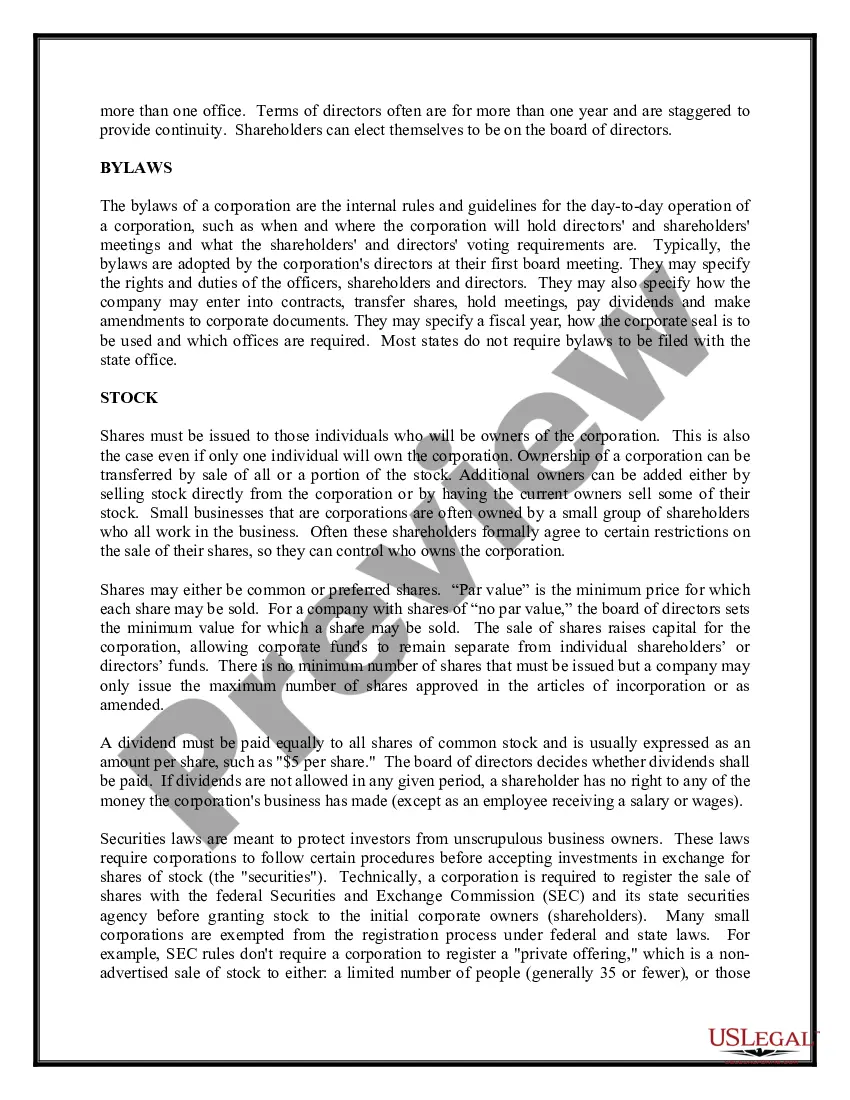
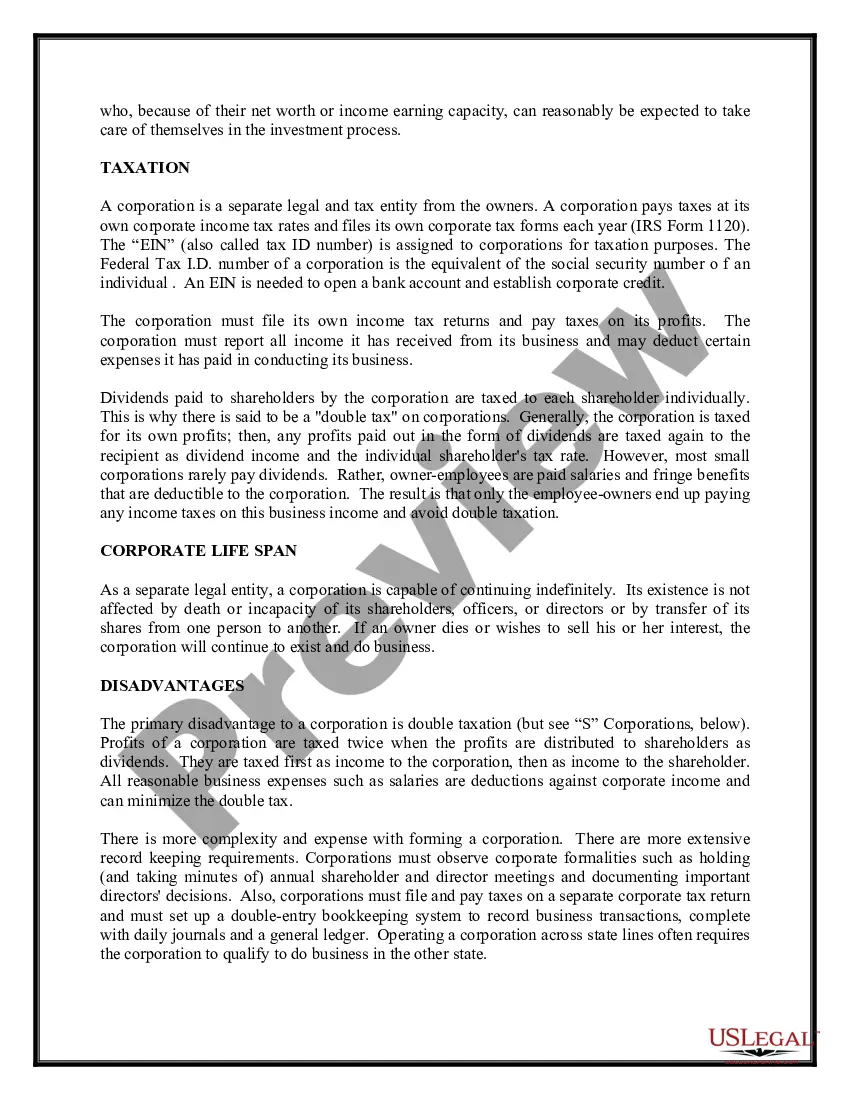
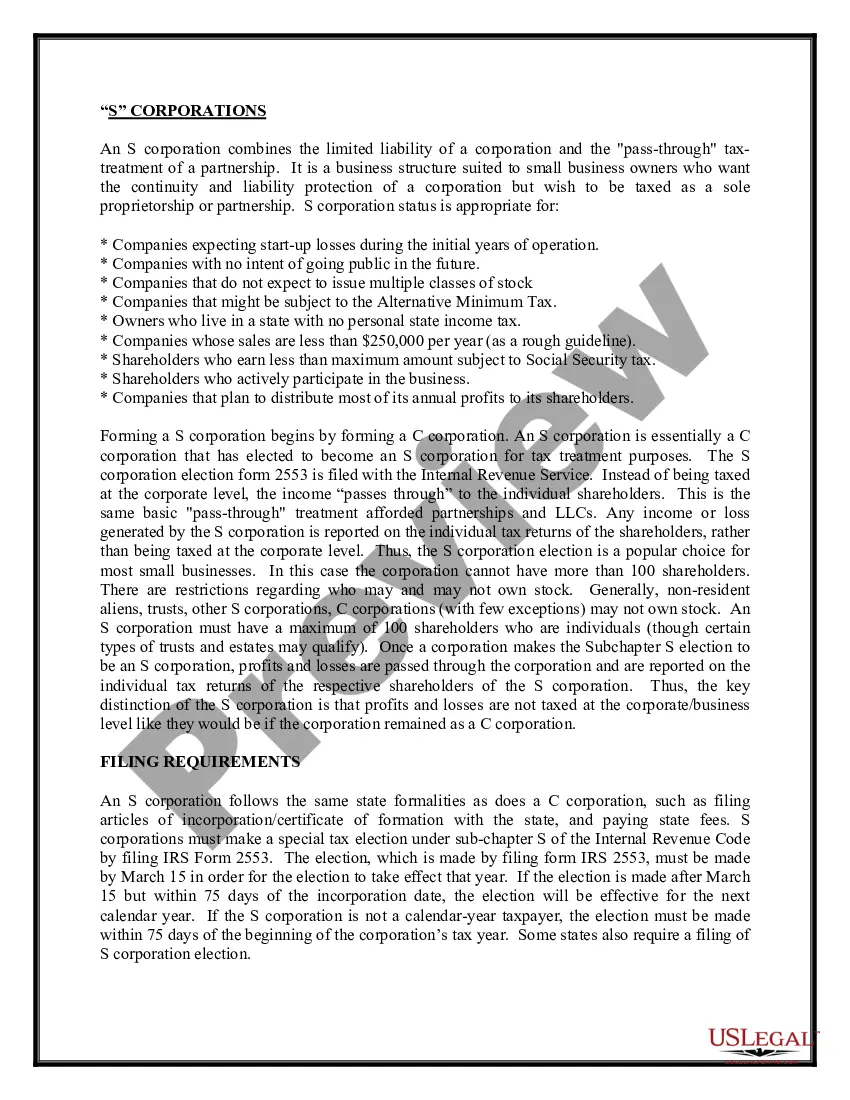
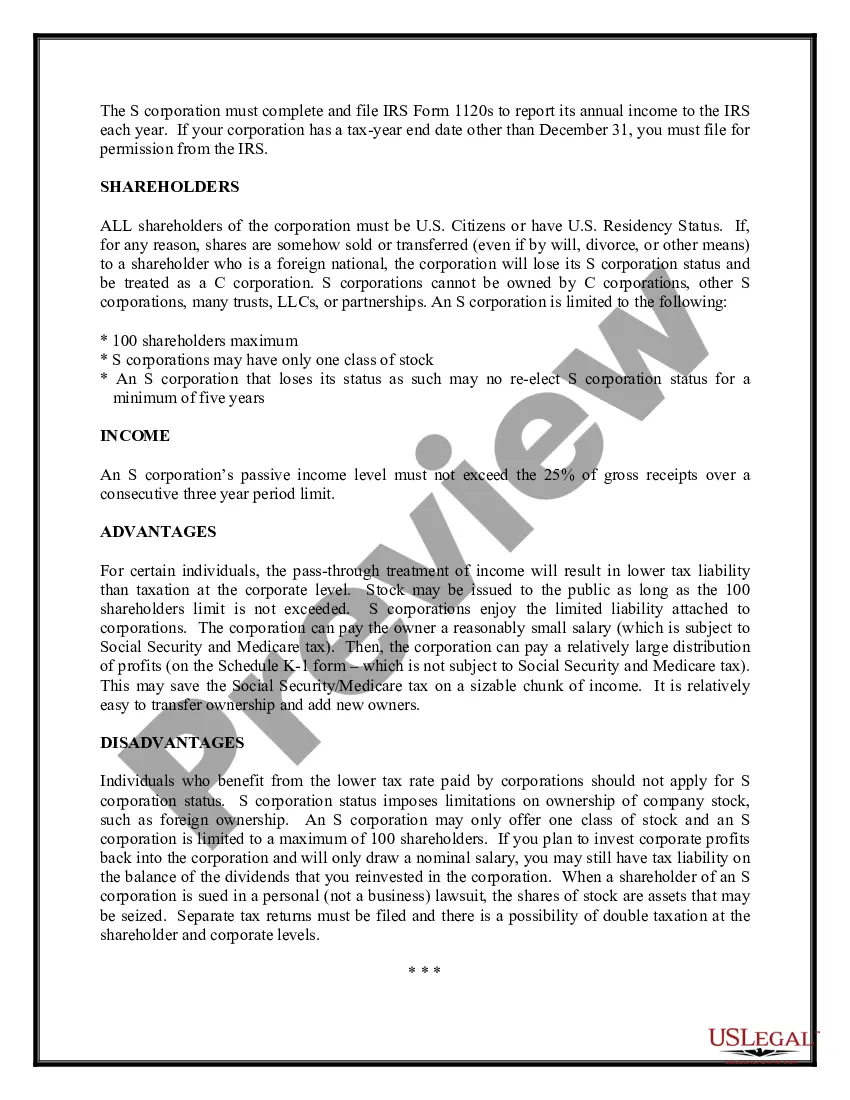
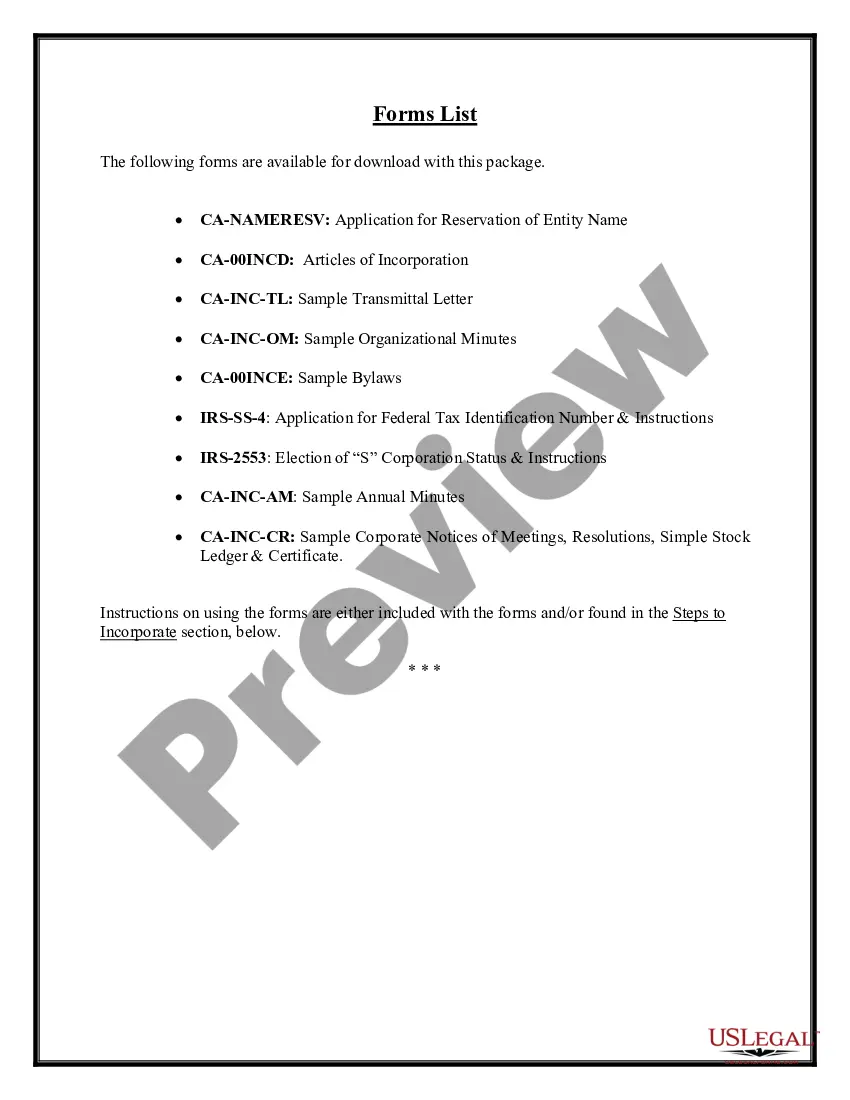


Get your form ready online
Our built-in tools help you complete, sign, share, and store your documents in one place.
Make edits, fill in missing information, and update formatting in US Legal Forms—just like you would in MS Word.
Download a copy, print it, send it by email, or mail it via USPS—whatever works best for your next step.
Sign and collect signatures with our SignNow integration. Send to multiple recipients, set reminders, and more. Go Premium to unlock E-Sign.
If this form requires notarization, complete it online through a secure video call—no need to meet a notary in person or wait for an appointment.
We protect your documents and personal data by following strict security and privacy standards.

Make edits, fill in missing information, and update formatting in US Legal Forms—just like you would in MS Word.

Download a copy, print it, send it by email, or mail it via USPS—whatever works best for your next step.

Sign and collect signatures with our SignNow integration. Send to multiple recipients, set reminders, and more. Go Premium to unlock E-Sign.

If this form requires notarization, complete it online through a secure video call—no need to meet a notary in person or wait for an appointment.

We protect your documents and personal data by following strict security and privacy standards.
Looking for another form?
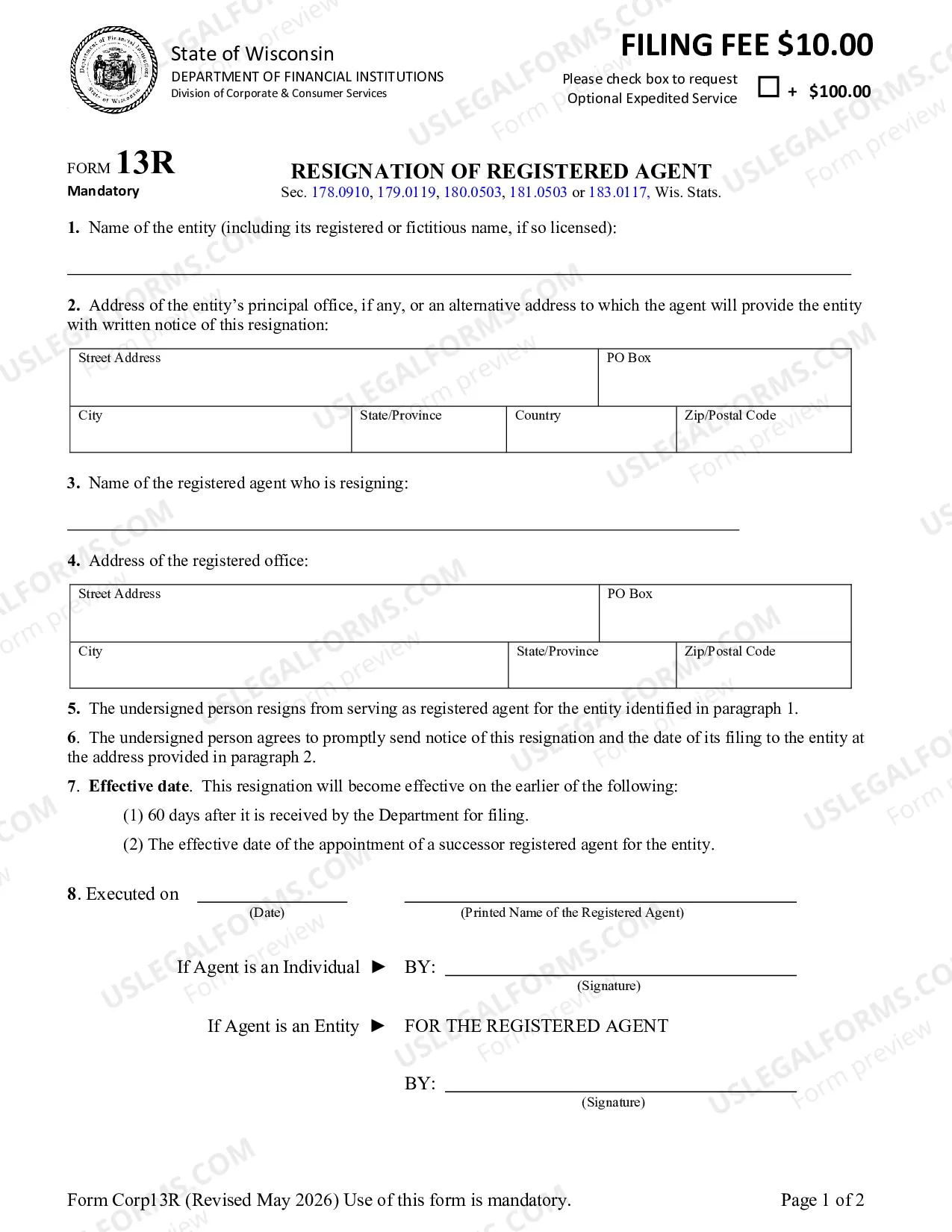


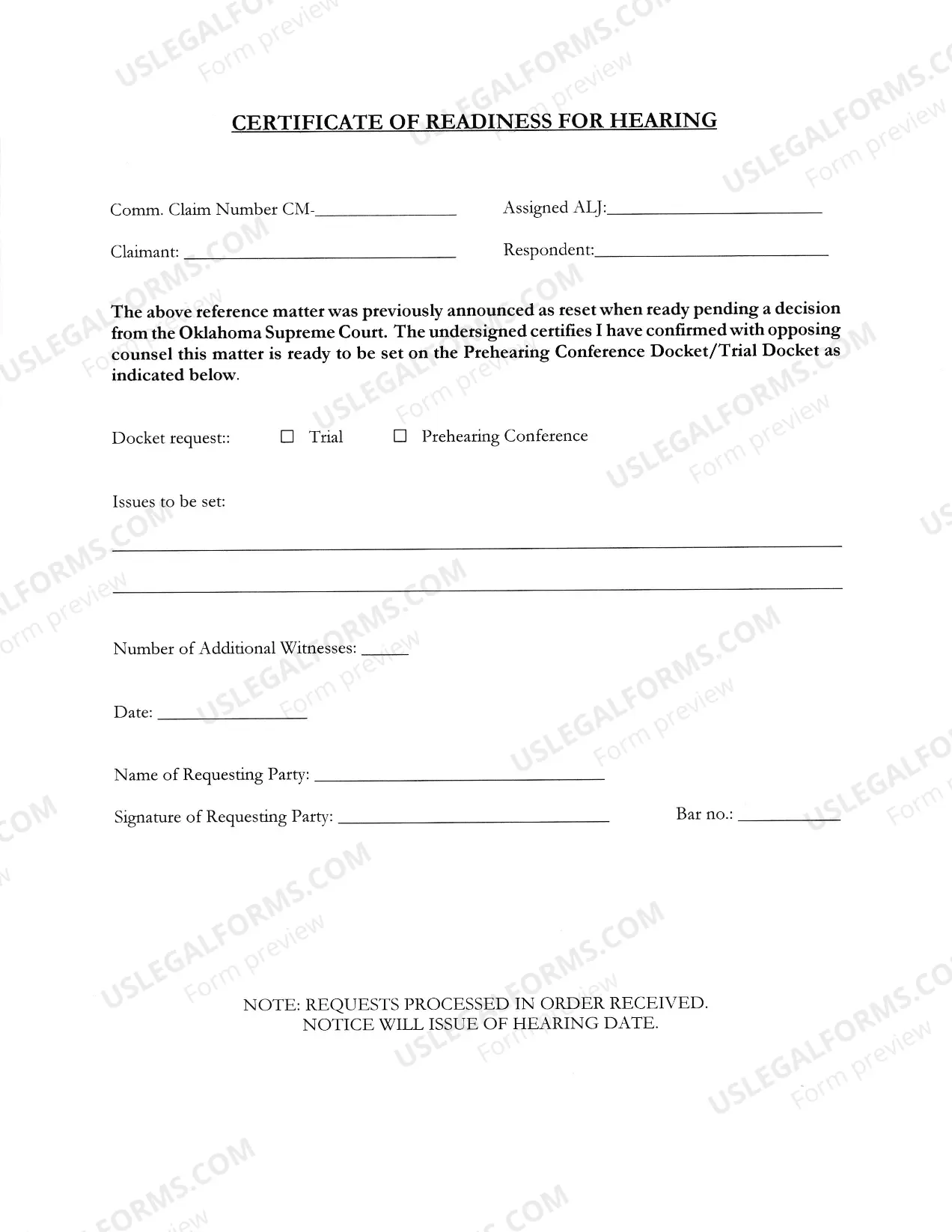
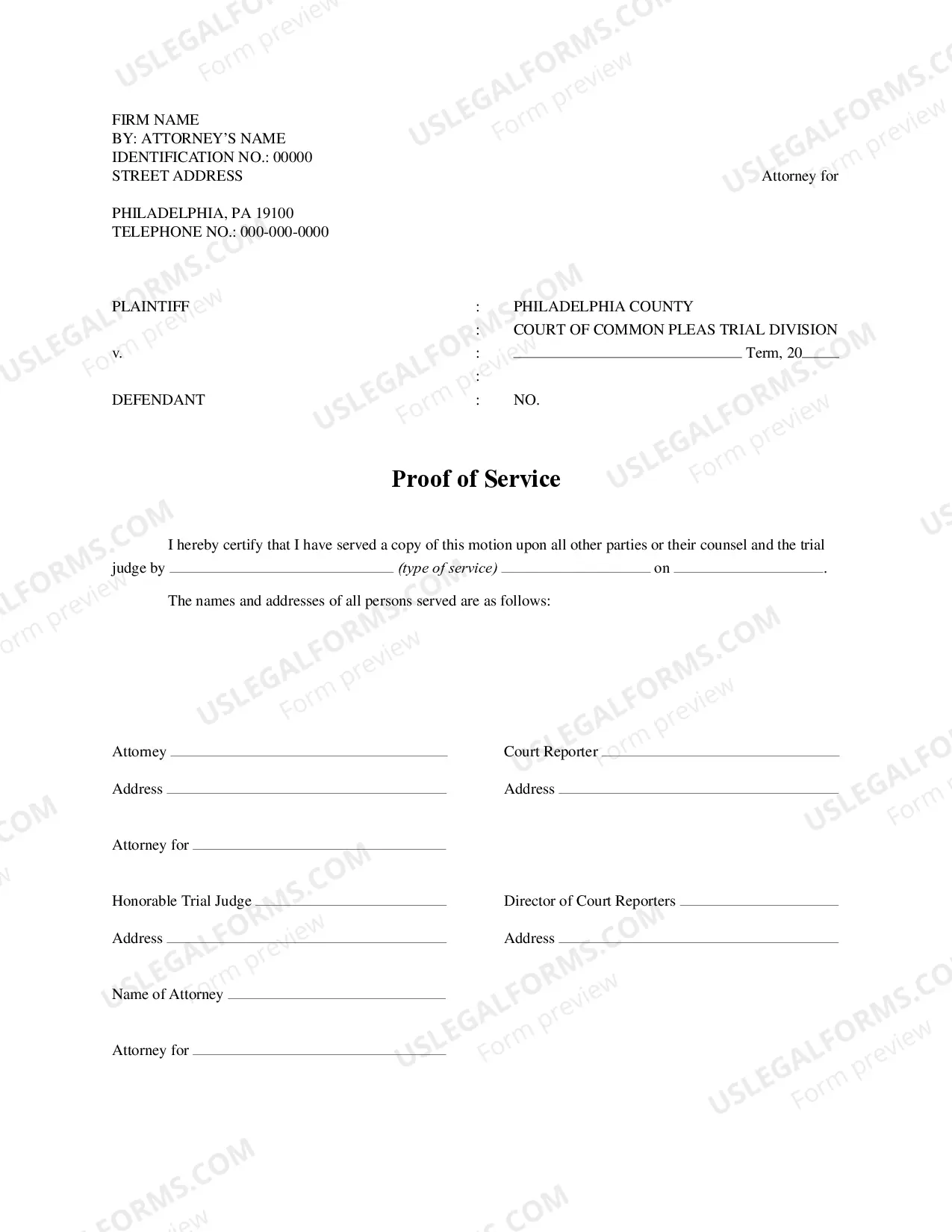
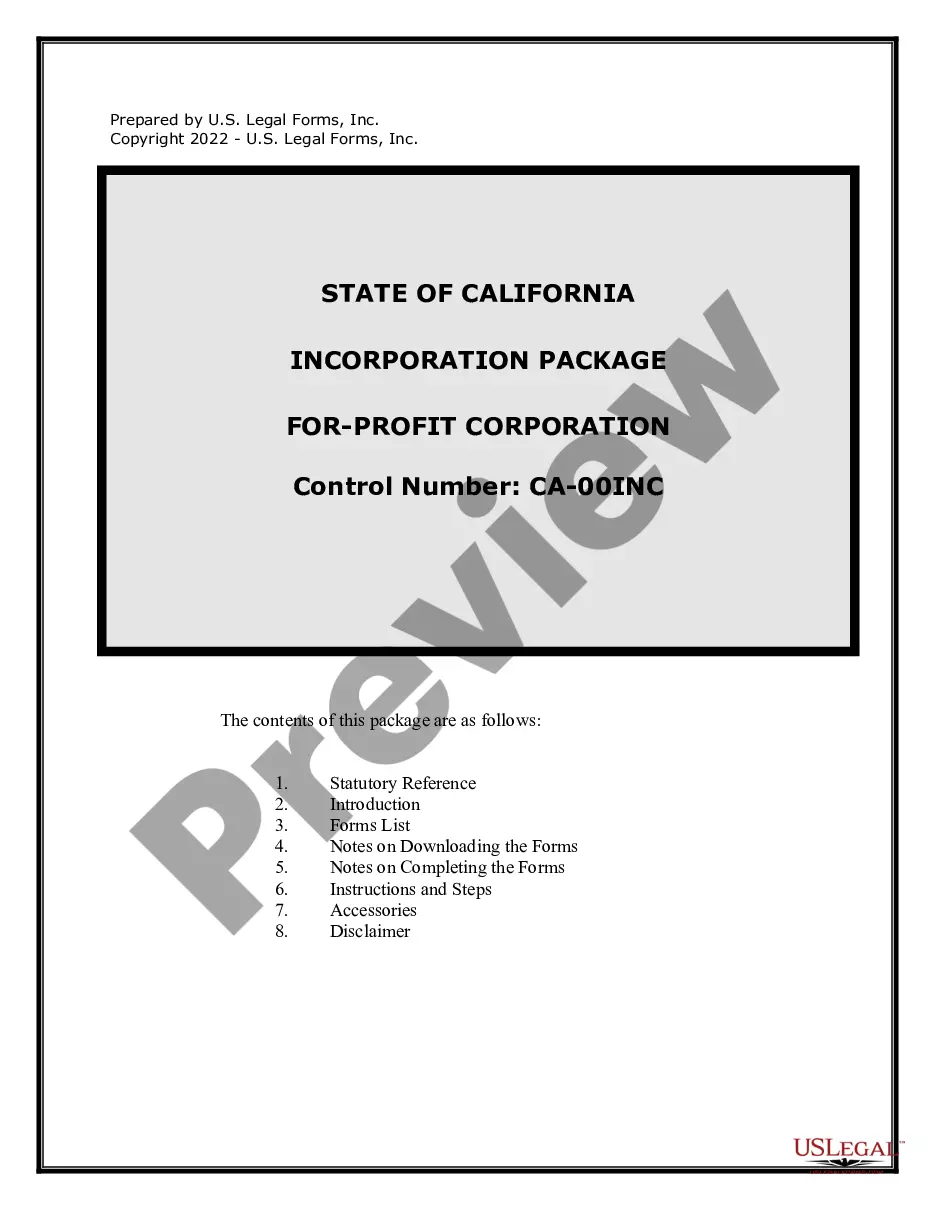
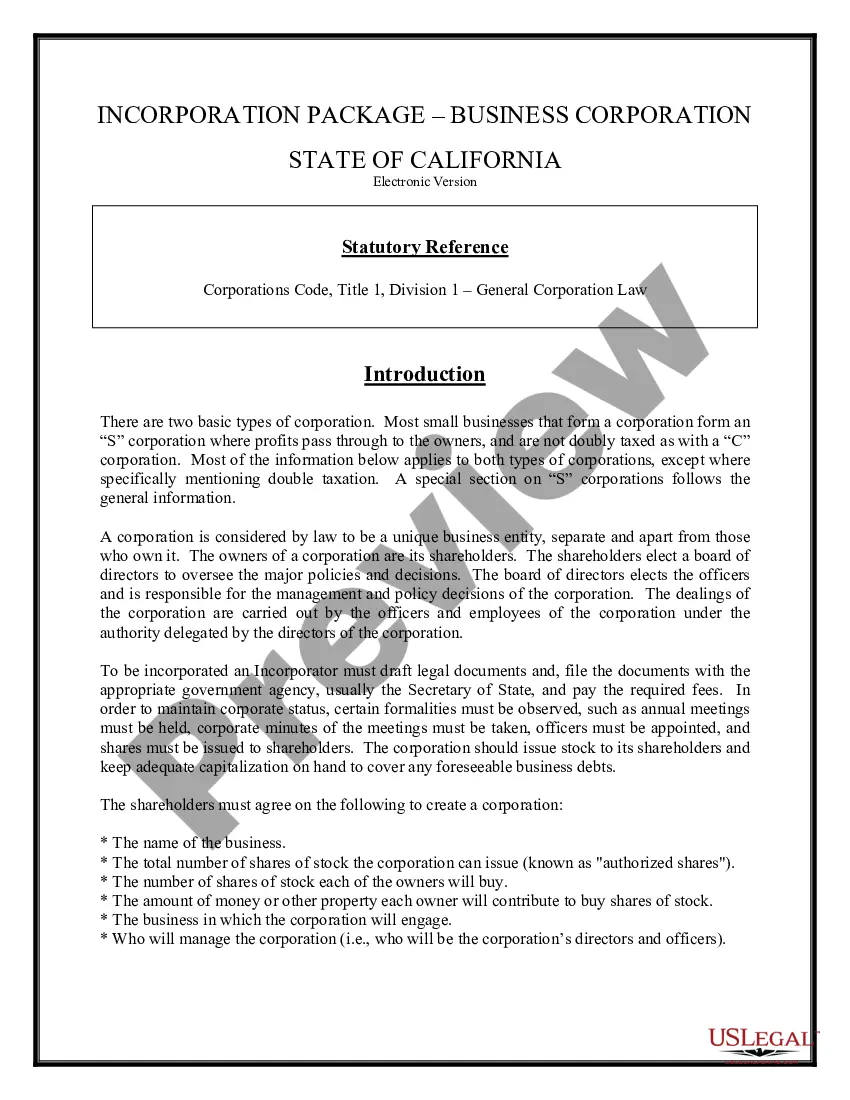
How to fill out California Business Incorporation Package To Incorporate Corporation?
- Start by logging into your existing US Legal Forms account. If you're new, create an account to access the extensive library.
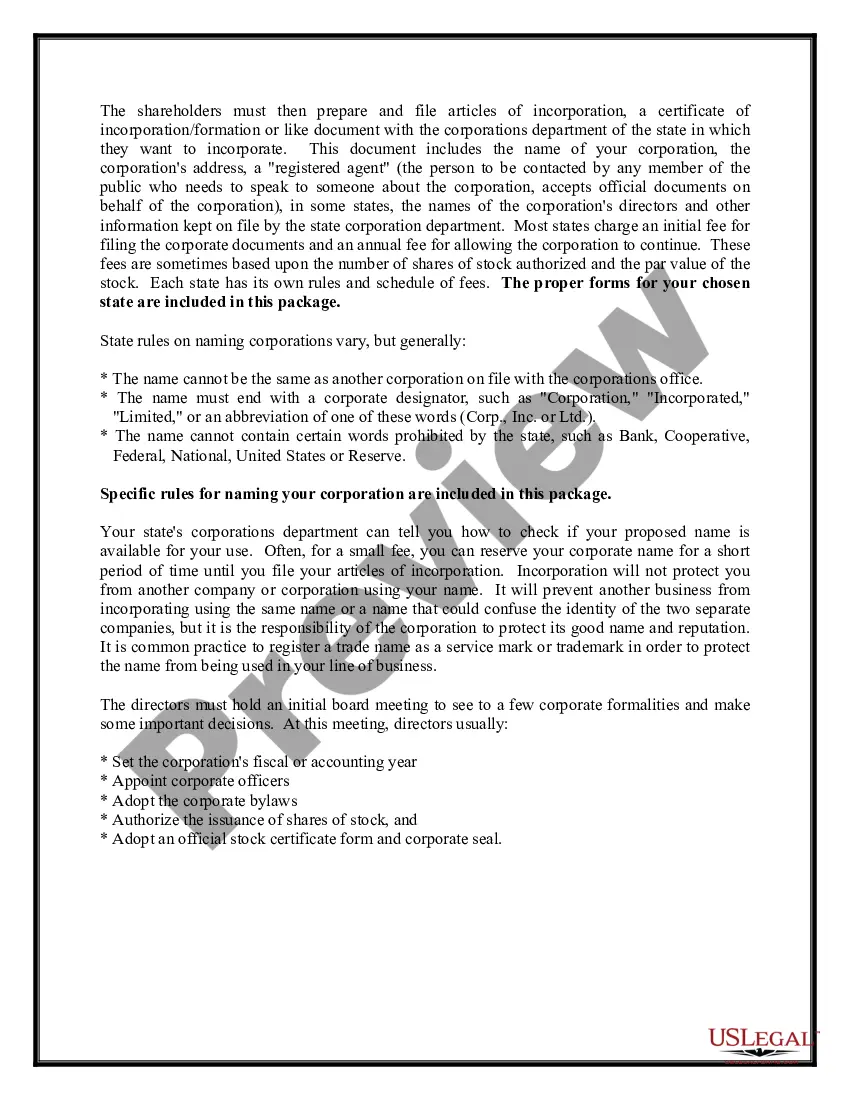
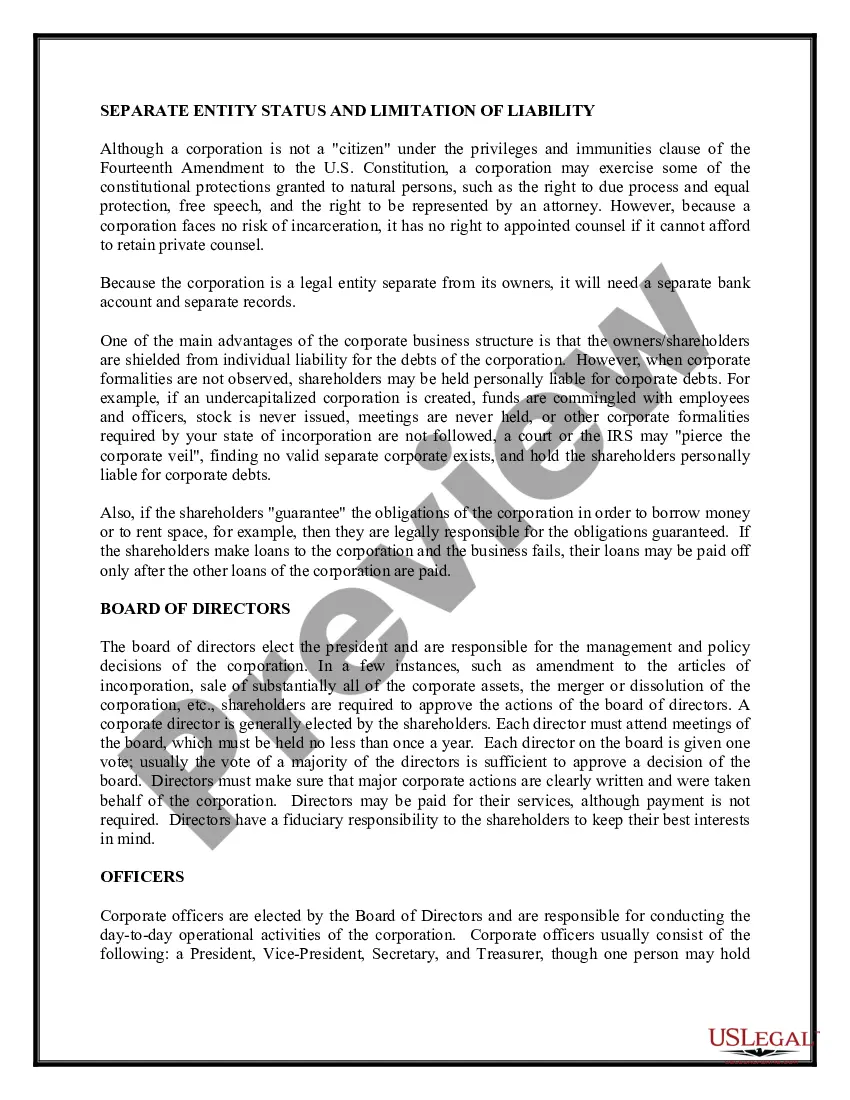
- Once logged in, search for the relevant incorporation form using the Preview mode. Carefully review the form description to confirm its suitability for your business needs.
- If you need to choose a different template, utilize the Search tab to find the correct form that aligns with your jurisdiction.
- Select the incorporation document you wish to purchase. Click on the Buy Now button and review the available subscription plans.
- Proceed to payment. Enter your credit card information or select your PayPal account to finalize your subscription.
- Download the form to your device so that you can fill it out and access it anytime under the My Forms section of your profile.
By following these simple steps, you can easily incorporate your business with legal precision and confidence. US Legal Forms not only simplifies the process but also connects you with legal experts for additional assistance when needed.
Start your journey to a successful business incorporation today by visiting US Legal Forms!
Form popularity
FAQ
The process of incorporation involves several critical steps. First, you'll need to choose the appropriate business structure, such as an LLC or corporation. Then, you must file the necessary paperwork with your state, which often includes articles of incorporation and payment of fees. Incorporating your business not only provides legal protection but also enhances credibility. Resources provided by US Legal Forms can help you navigate this process smoothly, ensuring all documentation is accurate and timely.
The first step in incorporating a business is to choose a suitable business name. This name should reflect your brand and comply with your state's naming requirements. After selecting your name, you can initiate the incorporation process, which is essential for establishing your business legally. Utilizing services like US Legal Forms can ensure you properly check name availability and complete your incorporation efficiently.
The seven steps of a business typically include developing a business idea, conducting market research, creating a business plan, securing funding, choosing a business structure, incorporating the business, and launching operations. No step is insignificant, as each contributes to the overall success of your venture. When you consider how to incorporate for business, remember these steps as crucial milestones in your journey. Using platforms like US Legal Forms can support you through the incorporation stage with necessary documentation and guidance.
Yes, you can incorporate yourself as a business. However, the process requires attention to detail and adherence to state-specific regulations. Using a reliable platform like US Legal Forms can simplify this task. They provide resources and templates that guide you through the steps needed to efficiently incorporate your business.
Small businesses often turn into corporations to benefit from limited liability protection and attract investors. As a corporation, your personal assets are typically protected from business debts and liabilities. Additionally, being a corporation can enhance your credibility and make it easier to secure financing. Understanding these advantages can help you decide to business incorporate for business.
Yes, you can convert your LLC to a corporation, and many business owners choose this option for growth potential. The process typically requires filing a conversion form with your state, along with other necessary documents like operating agreements or articles of incorporation. It's important to consult a tax advisor or attorney to understand the implications and benefits of this change, especially if you're considering ways to business incorporate for business.
To incorporate a business, you must first choose a unique name that complies with your state’s regulations. Next, you should file articles of incorporation with your state government, which officially establishes your legal entity. After filing, you’ll need to create bylaws that outline your business's operating procedures. Finally, remember to apply for any necessary licenses and permits to fully comply with local regulations.
One major disadvantage of an LLC is that it can sometimes face higher fees and taxes, depending on the state in which it operates. Unlike corporations, LLCs may not have the same access to capital through stock sales, which may limit growth potential. Additionally, some states impose additional annual fees on LLCs, impacting overall profitability. It's important to weigh these factors carefully before deciding how to incorporate your business.
Many entrepreneurs opt for an LLC due to its simplicity and flexible management structure. An LLC typically involves less formalities than a corporation, making it easier to maintain. Additionally, LLCs often enjoy pass-through taxation, which means profits can avoid double taxation at both corporate and personal levels. Choosing an LLC can be a strategic way to business incorporate for business if you prioritize ease and flexibility.
When a business is incorporated, it becomes a distinct legal entity, separate from its owners. This status provides personal liability protection to the owners, meaning their personal assets are safer from business debts and lawsuits. Incorporation also allows the business to enter contracts, sue, and be sued in its name. Furthermore, understanding how to incorporate your business is essential for long-term goals.