Max Occupancy Laws Az
Description

Get your form ready online
Our built-in tools help you complete, sign, share, and store your documents in one place.
Make edits, fill in missing information, and update formatting in US Legal Forms—just like you would in MS Word.
Download a copy, print it, send it by email, or mail it via USPS—whatever works best for your next step.
Sign and collect signatures with our SignNow integration. Send to multiple recipients, set reminders, and more. Go Premium to unlock E-Sign.
If this form requires notarization, complete it online through a secure video call—no need to meet a notary in person or wait for an appointment.
We protect your documents and personal data by following strict security and privacy standards.

Make edits, fill in missing information, and update formatting in US Legal Forms—just like you would in MS Word.

Download a copy, print it, send it by email, or mail it via USPS—whatever works best for your next step.

Sign and collect signatures with our SignNow integration. Send to multiple recipients, set reminders, and more. Go Premium to unlock E-Sign.

If this form requires notarization, complete it online through a secure video call—no need to meet a notary in person or wait for an appointment.

We protect your documents and personal data by following strict security and privacy standards.
Looking for another form?
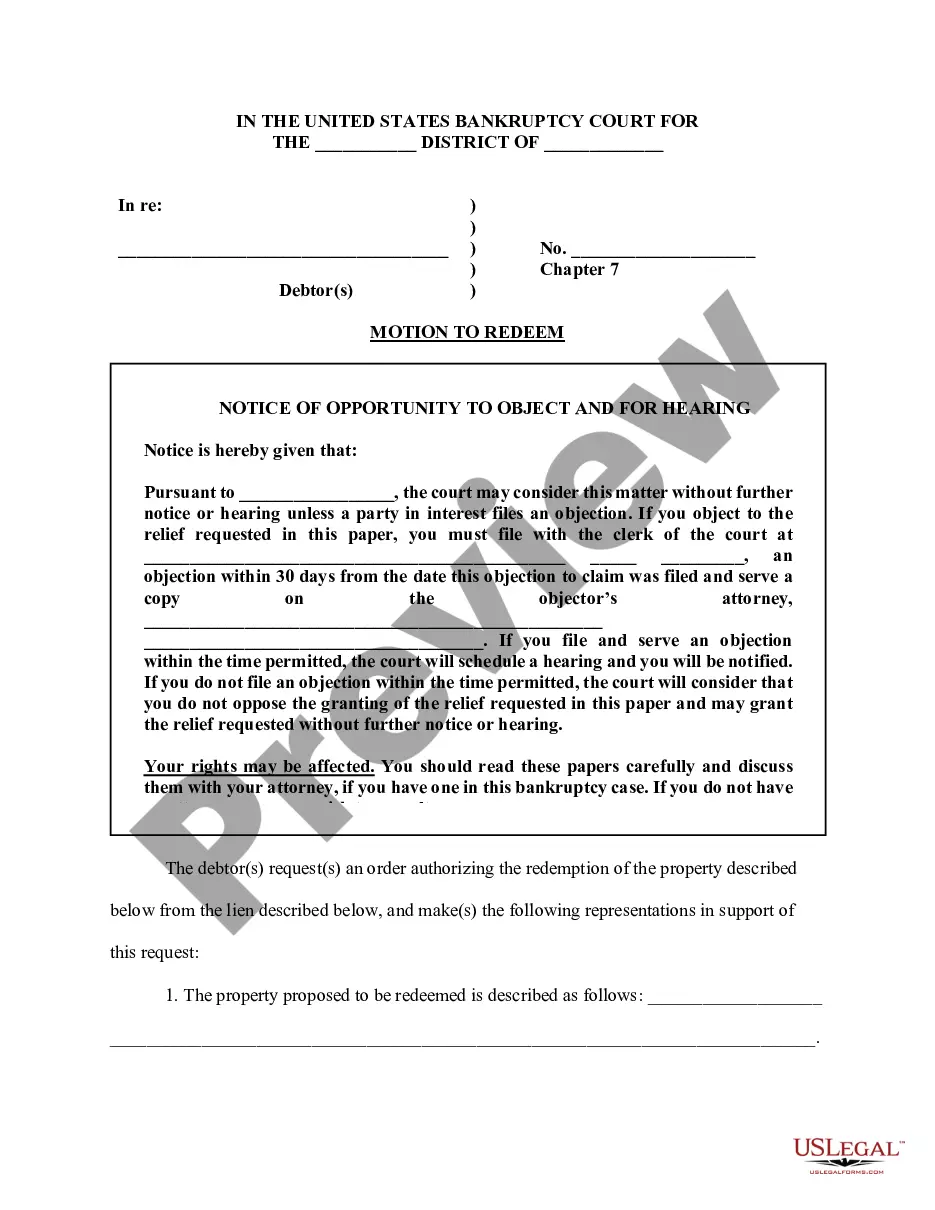



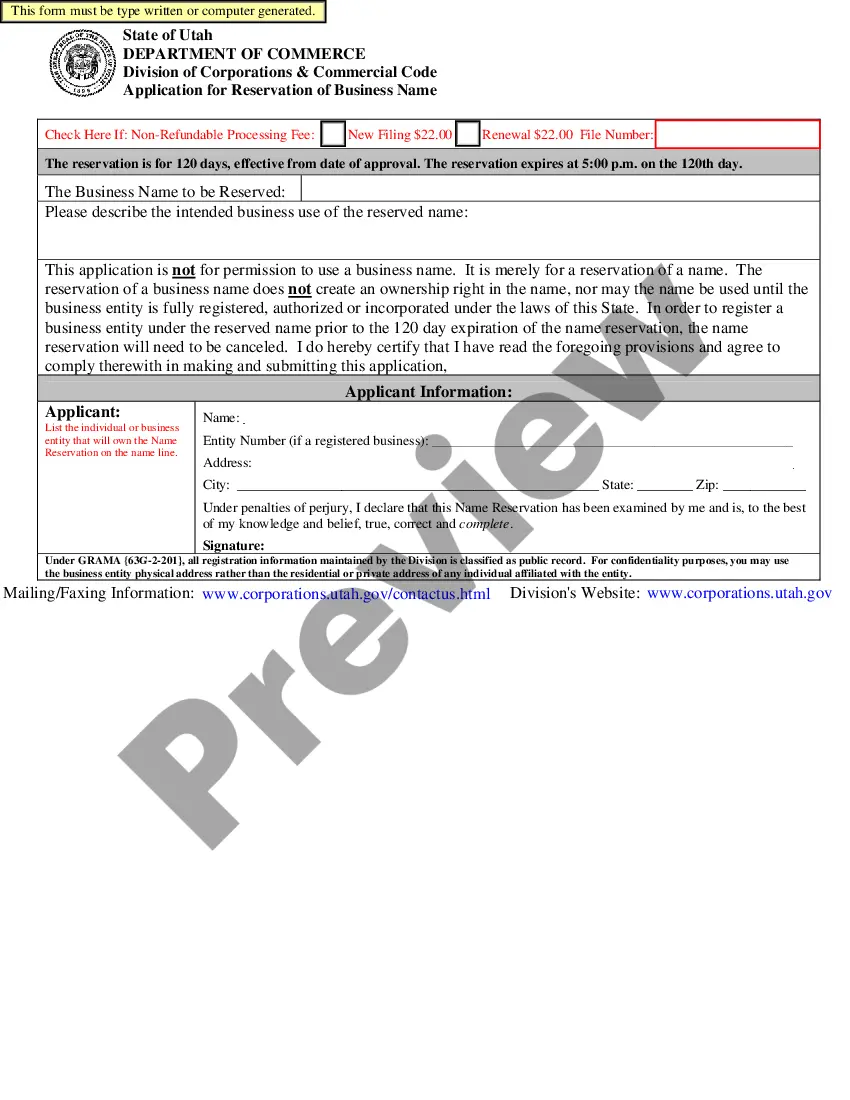
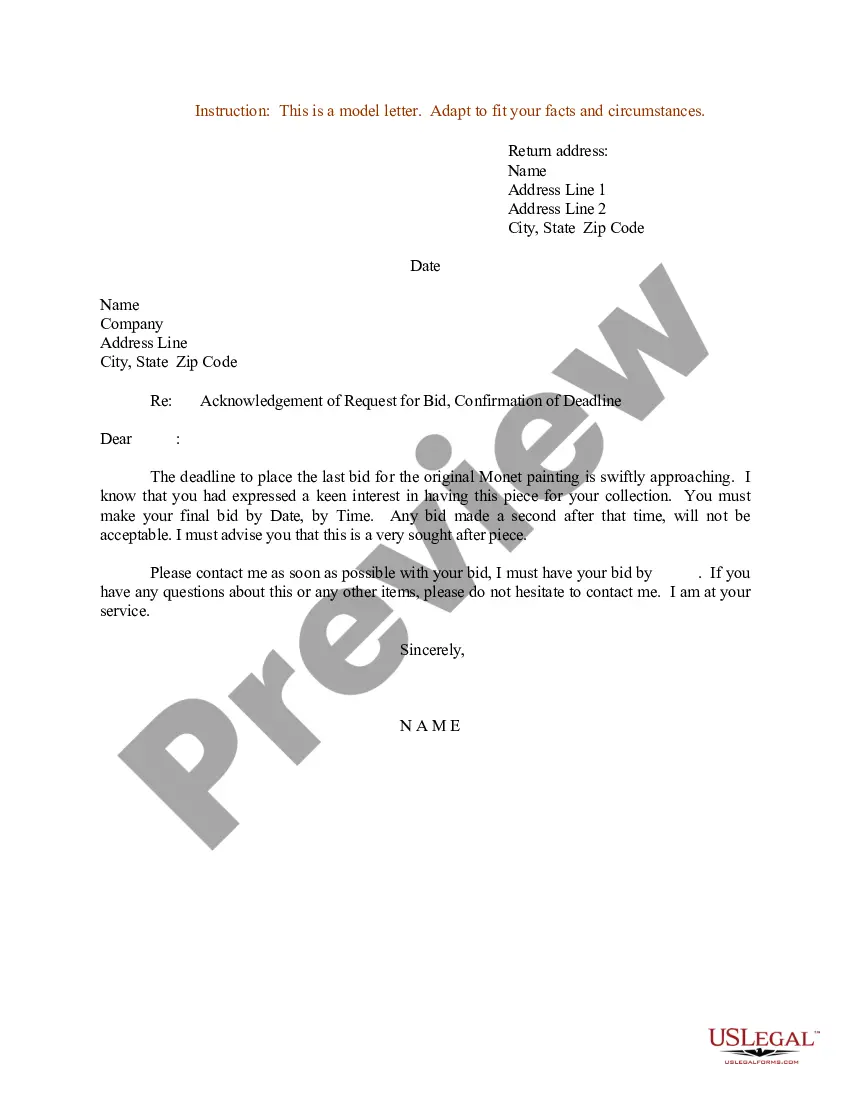



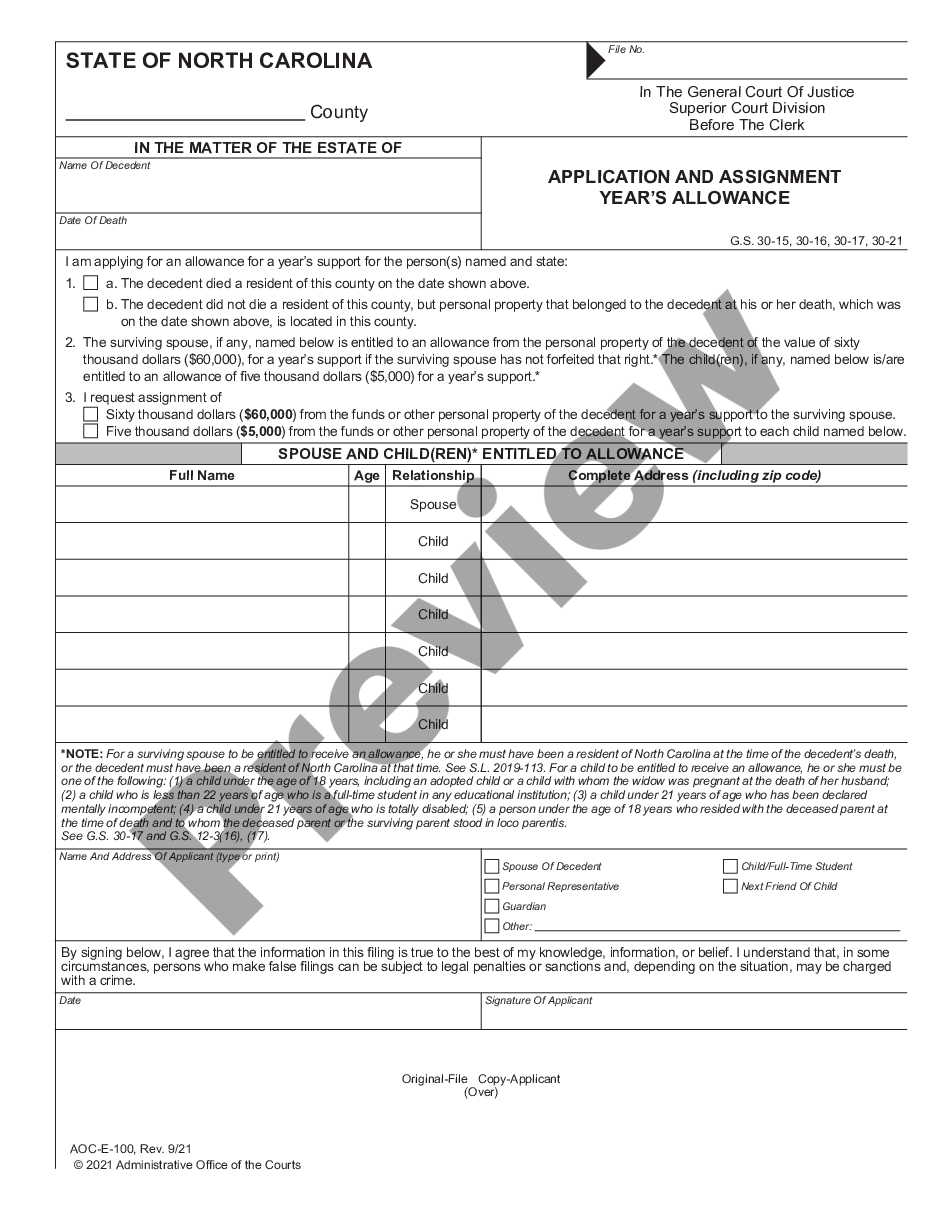
How to fill out Arizona Affidavit Of Occupancy And Financial Status?
Acquiring a reliable source for the most up-to-date and pertinent legal samples is half the battle of dealing with bureaucracy. Locating the appropriate legal documents requires accuracy and meticulousness, which is why it is crucial to obtain samples of Max Occupancy Laws Az solely from credible sources, such as US Legal Forms. An incorrect template will squander your time and delay your situation. With US Legal Forms, you have minimal reasons to worry. You can access and review all the information regarding the document’s applicability and significance for your circumstances and in your state or county.
Follow these steps to finalize your Max Occupancy Laws Az.
Eliminate the stress associated with your legal paperwork. Explore the extensive US Legal Forms catalog where you can discover legal samples, assess their relevance to your situation, and download them instantly.
- Utilize the catalog navigation or search bar to find your sample.
- Examine the form’s information to verify if it aligns with the requirements of your state and county.
- Check the form preview, if available, to confirm the form is indeed the one you need.
- Return to the search and look for the correct document if the Max Occupancy Laws Az does not meet your needs.
- If you are certain about the form’s relevance, download it.
- When you are a registered customer, click Log in to verify and access your chosen templates in My documents.
- If you do not have an account yet, click Buy now to purchase the form.
- Select the pricing plan that fits your requirements.
- Proceed to the registration to finalize your purchase.
- Complete your purchase by choosing a payment method (credit card or PayPal).
- Select the file format for downloading Max Occupancy Laws Az.
- Once you have the form on your device, you can modify it with the editor or print it and fill it out manually.
Form popularity
FAQ
The max occupancy laws in AZ vary depending on the type of property and local regulations. Generally, residential properties follow the guideline of two persons per bedroom, plus one additional person. For specific properties, you should consult local building codes or zoning laws to ensure compliance. Utilizing resources like US Legal Forms can help you navigate these laws effectively and ensure your property meets all occupancy requirements.
In Arizona, the number of people allowed to live in a 3 bedroom house generally follows the max occupancy laws az, which often suggest a limit of two people per bedroom, plus one extra person. Therefore, you could potentially accommodate up to seven residents comfortably. However, always check local zoning regulations, as they may have additional stipulations. For clarity on local laws and regulations, consider using the USLegalForms platform to ensure compliance.
To calculate maximum occupancy under max occupancy laws az, start by determining the total square footage of your living space. Next, consider the number of bedrooms and bathrooms, as local regulations often dictate occupancy limits based on these factors. Typically, a common rule is two people per bedroom, plus one additional person for communal areas. If you need assistance, tools like the USLegalForms platform can provide resources to help clarify your specific situation.
Under Arizona Residential Landlord and Tenant Act ARS 33-1317, landlords do not have permission to discriminate against tenants with children. In subsection F, the law states that ?An occupancy limitation of two persons per bedroom residing in a dwelling unit shall be presumed reasonable for this state.?
Generally, you should look at the guidelines in your lease. Usually, a tenant can have ?2+1,? meaning there can be two persons per bedroom plus one. Infants and teens are generally considered in a different light as they may not require as much living space.
Arizona law states that a two person per bedroom occupancy limit is presumed to be reasonable. Depending upon the circumstances, however, such a limit may be challenged, and anything less than two persons per bedroom may violate fair housing laws by having an adverse impact against families with children.
Hear this out loud PauseNote 1: The City of Phoenix maximum occupancy standards allow two persons per sleeping room. Occupancy exceptions will be considered if a family has special circumstances that are justified in writing. Exceptions will not exceed HUD's Housing Quality Standards (HQS) which allow two persons per living/sleeping room.
(d) Occupancy load; sleeping room. Every rental housing unit shall contain at least one bedroom or living/sleeping room of appropriate size for each two (2) persons.