Delaware Warranty Deed from Husband and Wife to LLC
Overview of this form
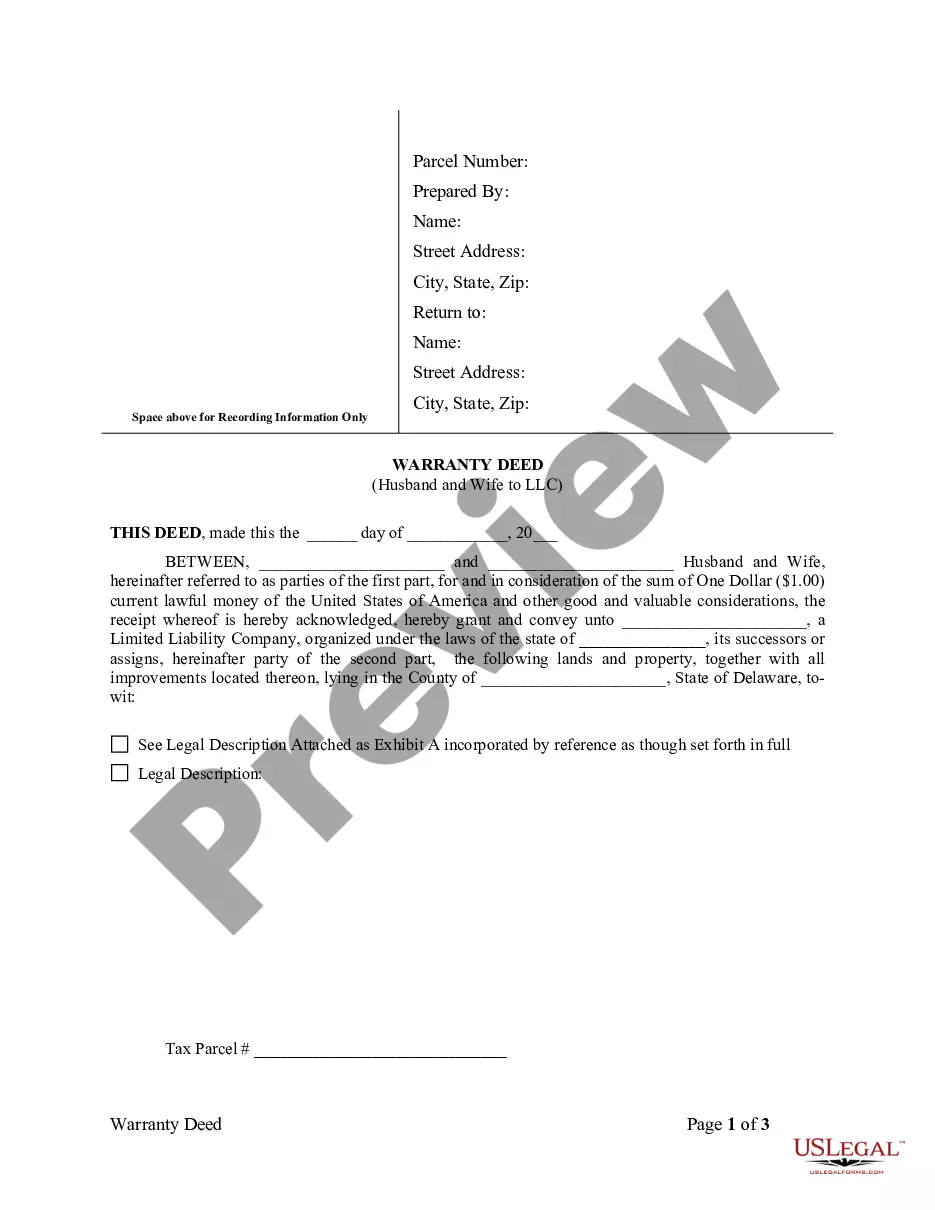
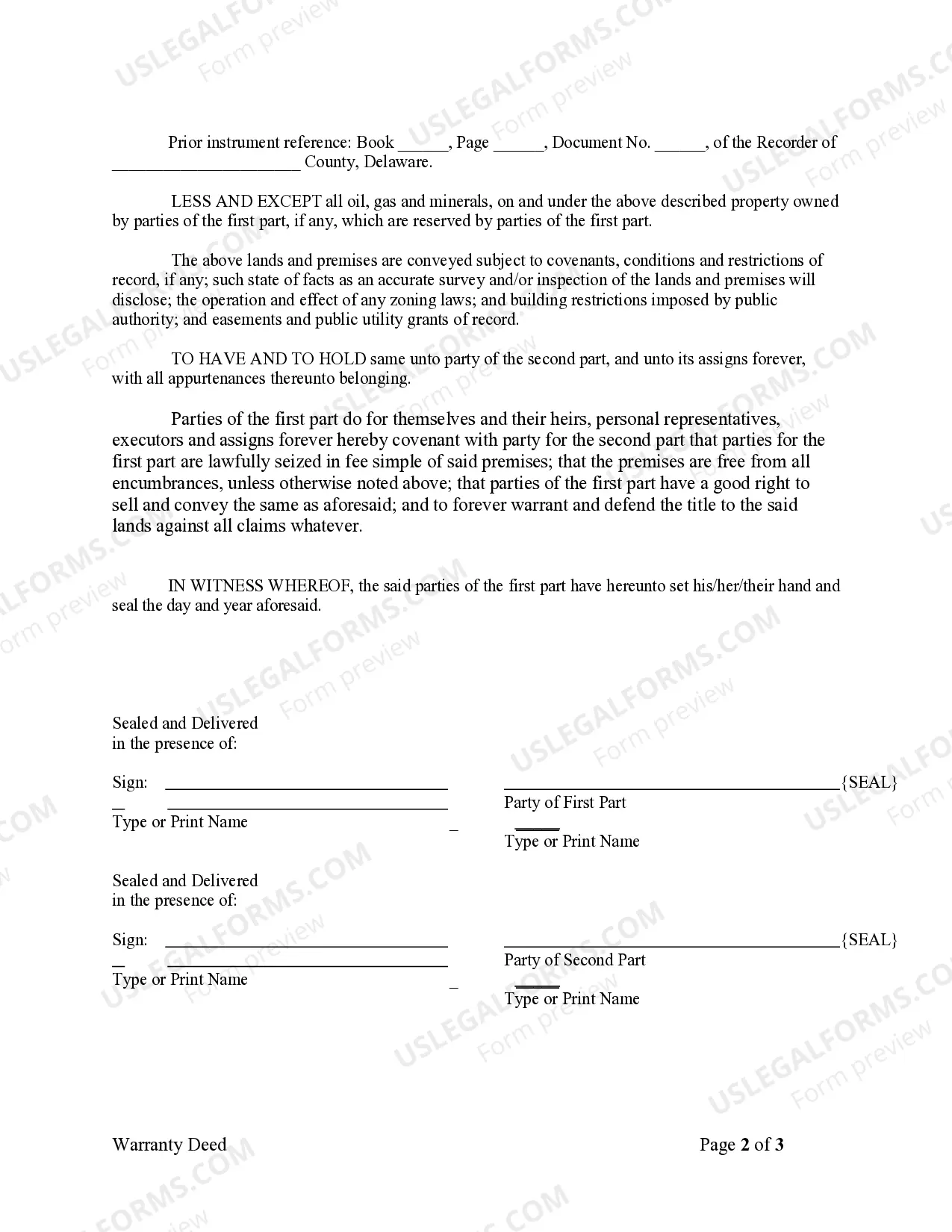
The Warranty Deed from Husband and Wife to LLC is a legal document that allows a married couple to transfer ownership of their property to a limited liability company (LLC). Unlike other types of deeds, this form provides a warranty that guarantees the title against defects, ensuring that the new owner has clear ownership of the property, aside from certain reserved rights. This deed specifies that the grantors reserve any rights to oil, gas, and minerals beneath the property, highlighting its unique aspects compared to other property transfer forms.
Key components of this form
- Grantors: Names and signatures of the husband and wife transferring the property.
- Grantee: The limited liability company (LLC) receiving the property.
- Legal description: Specific details describing the property being conveyed.
- Reservations: Mention of any rights retained by the grantors, including oil, gas, and mineral rights.
- Covenants: Assurances provided by the grantors regarding the property's title and encumbrances.
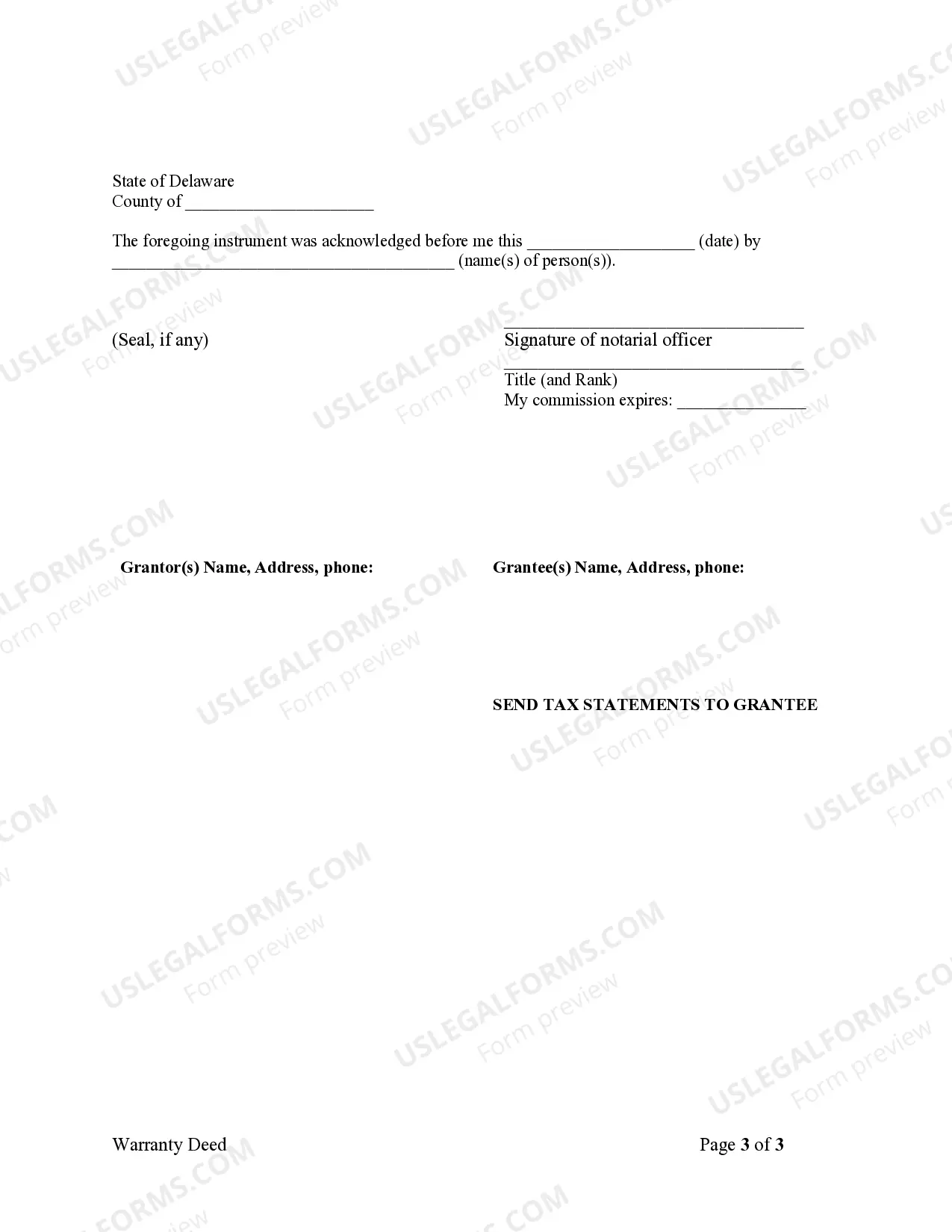
- Notary section: Space for the notary public to acknowledge the signing of the deed.




Common use cases
This Warranty Deed should be used when a married couple wishes to transfer ownership of real property they own to an LLC. Situations include when the couple wants to protect their personal assets from liability, streamline ownership, or enable future business operations under the LLC structure.
Who needs this form
- Married couples who jointly own real estate.
- Individuals looking to transfer property into an LLC for asset protection or business purposes.
- Property owners seeking to retain specific rights after transferring ownership.
Steps to complete this form
- Identify the parties: Write the names of both the husband and wife as grantors and the LLC as grantee.
- Specify the property: Include a detailed legal description of the property on the designated line or as an attached exhibit.
- Indicate reserved rights: Clearly mention any rights to oil, gas, and minerals that the grantors wish to retain.
- Sign the form: Both grantors must sign the deed in the presence of a notary public.
- Complete the notary section: The notary must fill out their section and sign to validate the document.
Is notarization required?
Yes, this form must be notarized to be legally valid. Notarization ensures the authenticity of the signatures and protects against fraudulent use. US Legal Forms offers integrated online notarization services, allowing users to complete the process securely via video call, without the need for travel.
Get your form ready online
Our built-in tools help you complete, sign, share, and store your documents in one place.
Make edits, fill in missing information, and update formatting in US Legal Forms—just like you would in MS Word.
Download a copy, print it, send it by email, or mail it via USPS—whatever works best for your next step.
Sign and collect signatures with our SignNow integration. Send to multiple recipients, set reminders, and more. Go Premium to unlock E-Sign.
If this form requires notarization, complete it online through a secure video call—no need to meet a notary in person or wait for an appointment.
We protect your documents and personal data by following strict security and privacy standards.

Make edits, fill in missing information, and update formatting in US Legal Forms—just like you would in MS Word.

Download a copy, print it, send it by email, or mail it via USPS—whatever works best for your next step.

Sign and collect signatures with our SignNow integration. Send to multiple recipients, set reminders, and more. Go Premium to unlock E-Sign.

If this form requires notarization, complete it online through a secure video call—no need to meet a notary in person or wait for an appointment.

We protect your documents and personal data by following strict security and privacy standards.
Avoid these common issues
- Failing to include a complete legal description of the property.
- Not reserving necessary rights, leading to potential disputes in the future.
- Not obtaining notarization, which is crucial for the deed's validity.
Advantages of online completion
- Convenience of downloading the form immediately after purchase.
- Editability allows for customization to meet specific needs.
- Reliability from templates drafted by licensed attorneys to ensure legal compliance.
Legal use & context
- This warranty deed is enforceable in property law and provides a higher level of protection than other forms of property transfer.
- It is essential for ensuring that the LLC receives clear title, free from undisclosed liens.
- Using this form can help protect personal assets from claims related to the LLC's business activities.
Main things to remember
- The Warranty Deed from Husband and Wife to LLC transfers property while guaranteeing clear title.
- It is crucial for married couples engaged in business to safeguard their assets.
- Complete accuracy is important to avoid disputes in property transactions.
Looking for another form?
Form popularity
FAQ
One disadvantage of placing a property in an LLC is potential transfer taxes. When you execute a Delaware Warranty Deed from Husband and Wife to LLC, the state may impose fees. Additionally, an LLC can complicate mortgage arrangements, making refinancing difficult. Understanding these implications helps you make informed decisions about your property.
To place your property under your LLC, first, ensure that your LLC is registered and compliant with state regulations. Next, you'll create a Delaware Warranty Deed from Husband and Wife to LLC that explicitly states the property transfer. Remember to file this deed with your local government office to make the transaction official. Seeking legal assistance during this process can provide peace of mind and ensure compliance.
Transferring the deed of your house to an LLC involves drafting a Delaware Warranty Deed from Husband and Wife to LLC. This document should clearly state the property details and the LLC's information. Once completed, you must file it with the local county records office to ensure legal recognition of the transfer. Engage a professional to ensure all legalities are properly addressed.
People often place their property in an LLC to protect personal assets from liability. This structure helps separate personal finances from business ones, which is particularly useful for rental properties. Using a Delaware Warranty Deed from Husband and Wife to LLC also simplifies the process of transferring ownership when needed. Furthermore, it can provide tax advantages that align with individual financial goals.
While LLCs provide liability protection, there are drawbacks to consider. For instance, transferring property into an LLC can incur transfer taxes and legal fees. Additionally, you may face restrictions on mortgage options and potentially higher insurance costs. It's essential to weigh these factors against the benefits, such as asset protection and tax advantages.
Transferring property to an LLC might trigger a due on sale clause if your mortgage agreement includes one. This clause allows the lender to demand full repayment of the mortgage when the property changes ownership. To mitigate this risk, it's wise to consult your lender beforehand and possibly renegotiate terms to avoid complications. A well-planned Delaware Warranty Deed from Husband and Wife to LLC can help in this regard.
To put your property in an LLC, start by forming your LLC if you haven't already. Afterward, you will need to execute a Delaware Warranty Deed from Husband and Wife to LLC, clearly stating the transfer of property ownership. Ensure you file this deed with your county's recorder's office to establish a public record of the ownership change. This step is essential for maintaining clear and legal ownership.
To transfer personal assets to an LLC, begin by outlining the assets you intend to transfer. Then, you can draft a Delaware Warranty Deed from Husband and Wife to LLC, which legally documents the transfer. It's important to record this deed with the appropriate local authority to ensure the transfer is official. Consider consulting a legal professional to guide you through the process.
To place your rental property in your LLC, first ensure the LLC is legally formed. Then, use a Delaware Warranty Deed from Husband and Wife to LLC to formally transfer ownership. This transaction protects your personal assets, and you can also handle future property management through the LLC efficiently.
An LLC can pose some disadvantages, such as formation costs and ongoing compliance requirements. Additionally, transferring a property into an LLC using a Delaware Warranty Deed from Husband and Wife to LLC may have tax implications. It's wise to weigh these factors and consult with a tax professional to determine if an LLC fits your situation.