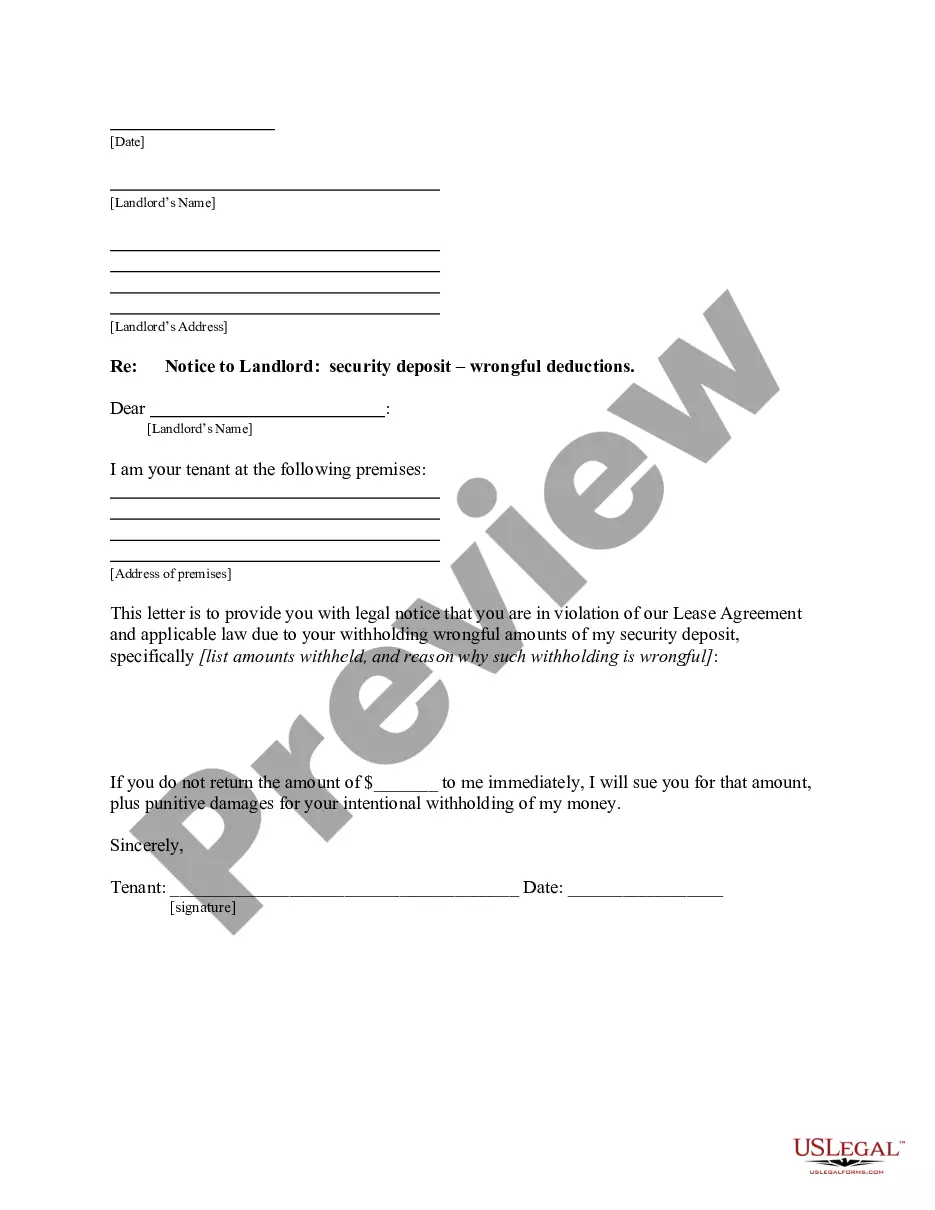
District of Columbia Letter from Tenant to Landlord containing Notice of wrongful deductions from security deposit and demand for return
Understanding this form
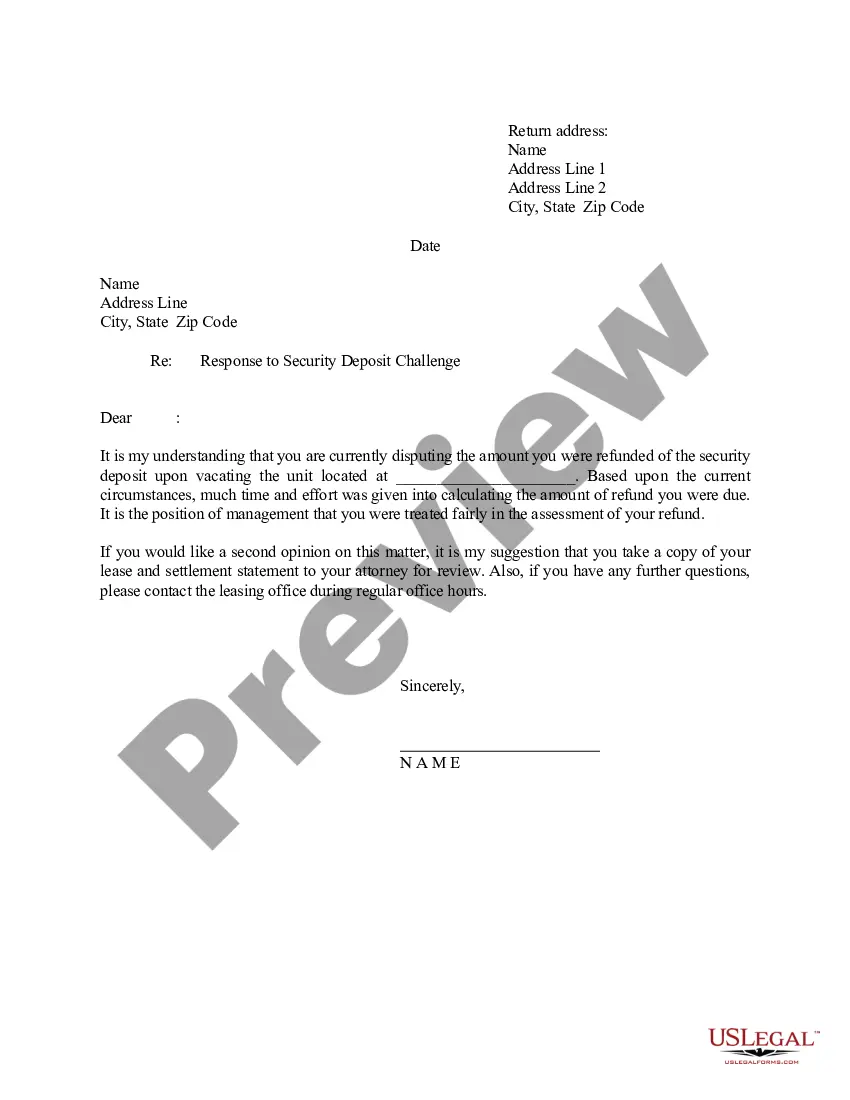
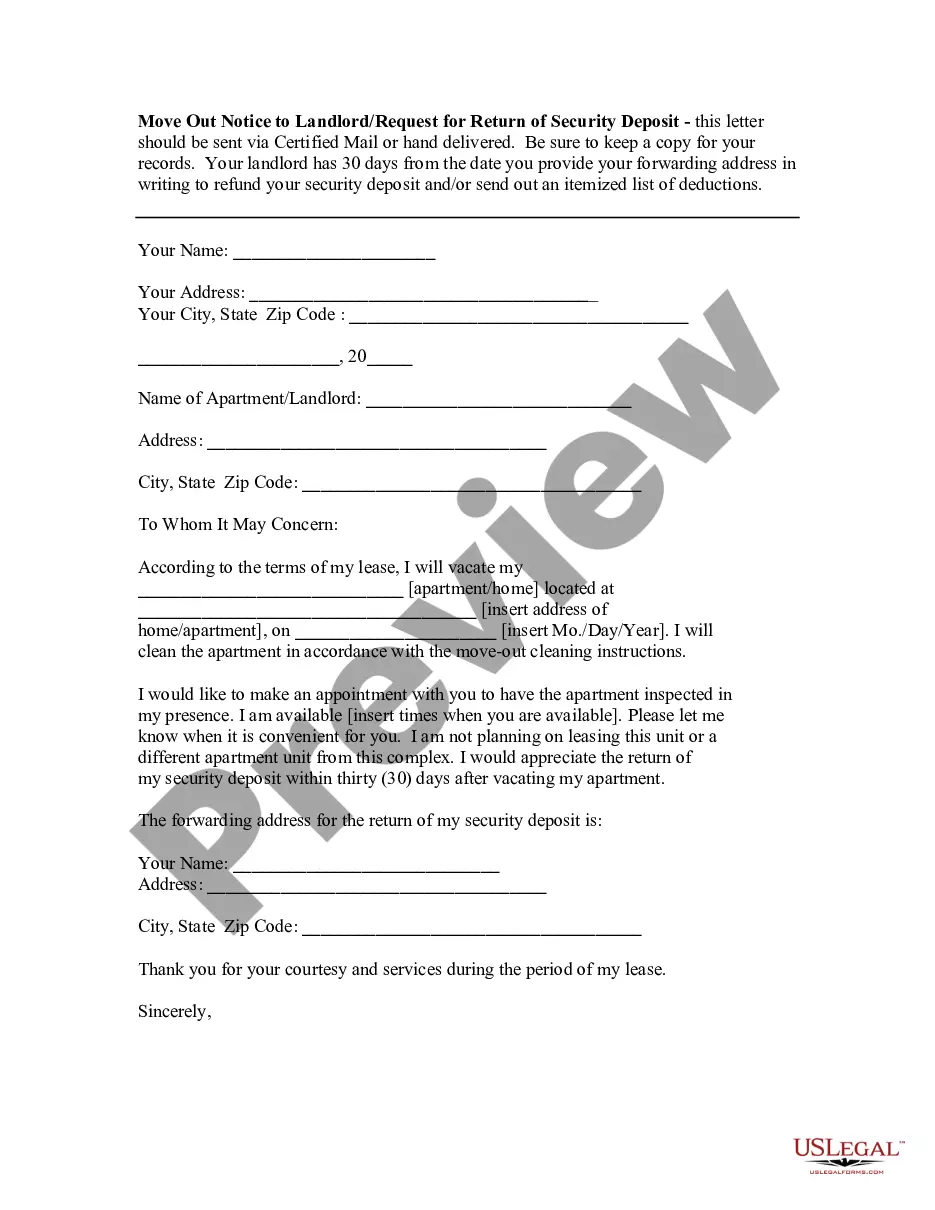
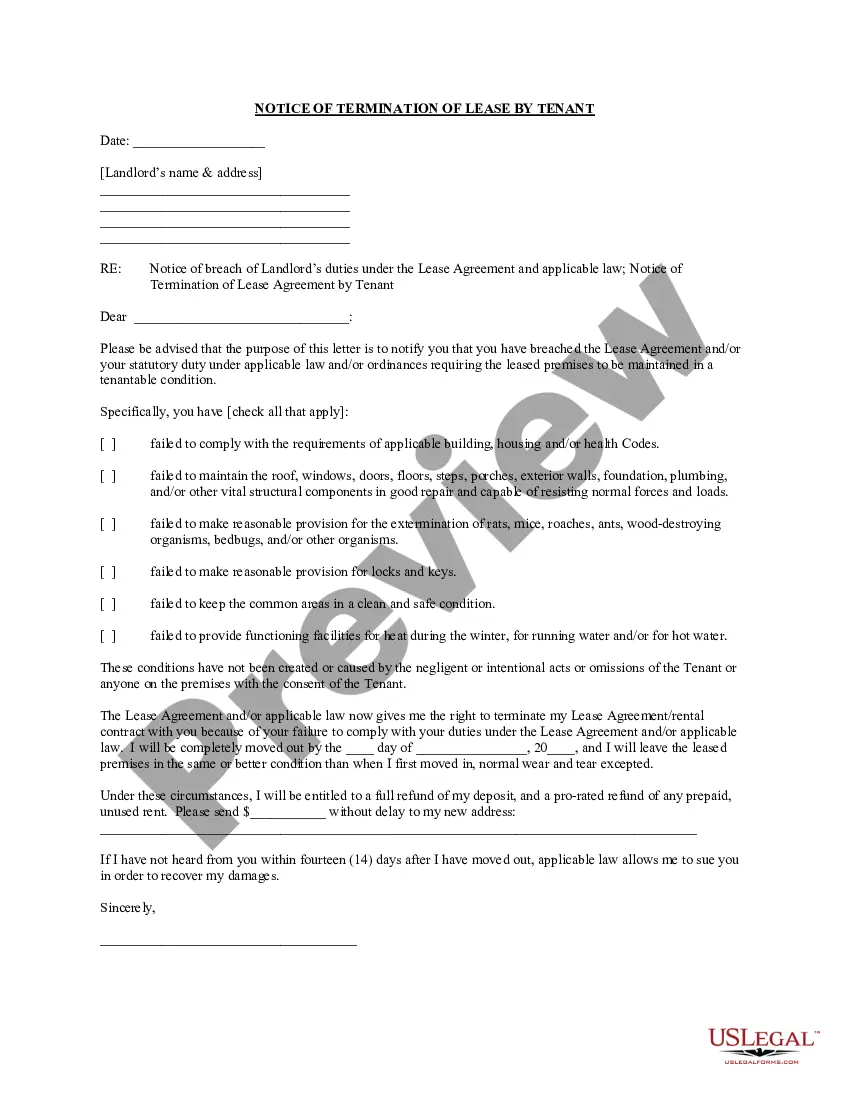
This letter from tenant to landlord is a formal communication addressing wrongful deductions from a security deposit and includes a demand for the return of those funds. It is essential for tenants seeking to resolve disputes regarding their security deposits and ensures compliance with state statutory law. Unlike similar forms, this letter specifically outlines the tenantâs claims regarding unjust deductions, making it a vital tool in landlord-tenant relations.
Key components of this form
- Identification of the tenant and landlord or their representatives.
- Details of the security deposit and alleged wrongful deductions.
- A clear demand for the return of the security deposit amount.
- Date of the letter and tenant's signature for validation.
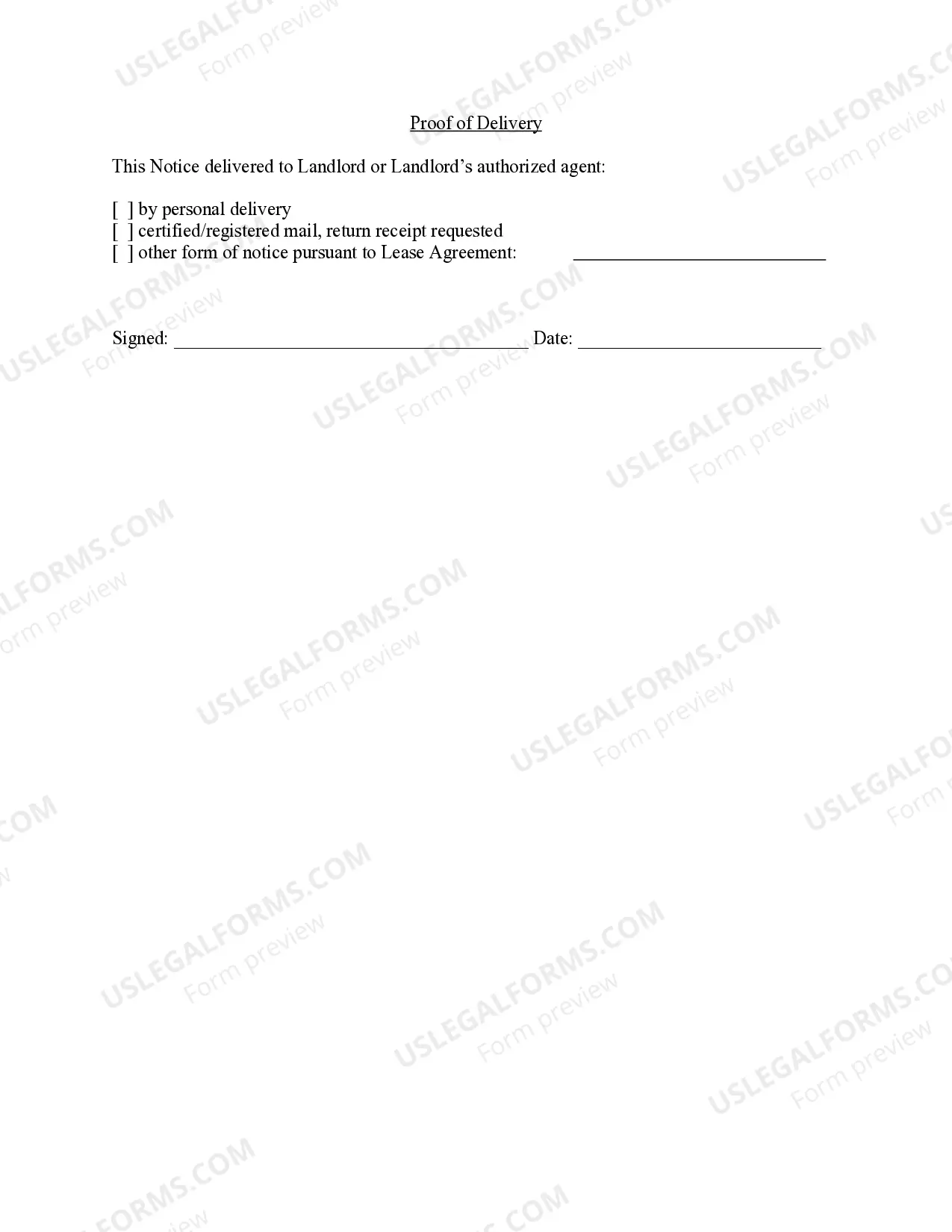
- Proof of delivery method to ensure proper notice is given.

When to use this form
This form should be used when a tenant believes that their landlord has wrongfully deducted amounts from their security deposit after moving out. It is particularly useful if the landlord has not provided adequate justification or proof for these deductions, helping tenants formally address their concerns and request restitution.
Who this form is for
- Tenants who have recently vacated a rental property.
- Individuals seeking to dispute deductions made from their security deposit.
- Anyone wanting to formally notify their landlord of wrongful deductions.
Steps to complete this form
- Identify the parties: Fill in the names of the tenant and landlord.
- Specify the security deposit details: Include the original amount and the deductions in question.
- State the demand: Clearly articulate the amount being requested for return.
- Sign and date the form: Add your signature and the date to validate the letter.
- Choose a proof of delivery method: Specify how the notice will be delivered to the landlord.
Does this form need to be notarized?
This form does not typically require notarization unless specified by local law. However, notarization can help lend credibility to your claims in disputes, making it a useful option.
Get your form ready online
Our built-in tools help you complete, sign, share, and store your documents in one place.
Make edits, fill in missing information, and update formatting in US Legal Forms—just like you would in MS Word.
Download a copy, print it, send it by email, or mail it via USPS—whatever works best for your next step.
Sign and collect signatures with our SignNow integration. Send to multiple recipients, set reminders, and more. Go Premium to unlock E-Sign.
If this form requires notarization, complete it online through a secure video call—no need to meet a notary in person or wait for an appointment.
We protect your documents and personal data by following strict security and privacy standards.

Make edits, fill in missing information, and update formatting in US Legal Forms—just like you would in MS Word.

Download a copy, print it, send it by email, or mail it via USPS—whatever works best for your next step.

Sign and collect signatures with our SignNow integration. Send to multiple recipients, set reminders, and more. Go Premium to unlock E-Sign.

If this form requires notarization, complete it online through a secure video call—no need to meet a notary in person or wait for an appointment.

We protect your documents and personal data by following strict security and privacy standards.
Common mistakes
- Failing to provide specific details about the deductions in question.
- Not including a signature or date, which may render the notice less effective.
- Using vague language instead of clearly stating demands.
Benefits of using this form online
- Easy access: Download the form instantly to address your security deposit concerns.
- Editable templates: Customize the letter to fit your specific situation quickly.
- Guidance included: Each form is designed with instructions to help you complete it correctly.
Summary of main points
- This form is essential for tenants disputing wrongful security deposit deductions.
- Completing the form accurately can enhance your chances of a successful resolution.
- Know your state's regulations to ensure compliance when using this form.
Looking for another form?



Form popularity
FAQ
In Washington, D.C., landlords are required to return security deposits within 45 days after the tenant vacates the rental property. If there are any deductions, the landlord must provide an itemized list of these charges along with the remainder of the deposit. Being aware of these timelines can help you effectively manage your expectations. Using a District of Columbia Letter from Tenant to Landlord containing Notice of wrongful deductions from security deposit and demand for return can facilitate communication about the return of your deposit.
When writing to your landlord regarding your security deposit, be direct and professional. Specify the amount of the deposit, the reasons for any claimed deductions, and your expectations for resolution. Including clear documentation and using a template can strengthen your position. A District of Columbia Letter from Tenant to Landlord containing Notice of wrongful deductions from security deposit and demand for return can serve as a valuable resource in creating this letter.
Informing your tenant of a security deposit requires clarity and legality. Outline the amount collected, the purpose of the deposit, and where it is held. You may also need to explain the conditions under which the deposit will be returned. Providing a written notice, such as a District of Columbia Letter from Tenant to Landlord containing Notice of wrongful deductions from security deposit and demand for return, can ensure everyone understands their responsibilities.
To write a letter for the return of your security deposit, begin with a clear statement of your request, including your personal information and details about the tenancy. Include a breakdown of any deductions you believe are wrongful. You should always refer to your rights as a tenant under the District of Columbia law. Using a District of Columbia Letter from Tenant to Landlord containing Notice of wrongful deductions from security deposit and demand for return template can help you structure your letter effectively.
When writing a demand letter to your landlord, start by addressing them directly and stating your intention clearly. Include important information, such as your lease agreement and any facts about the wrongful deductions from your security deposit. This type of correspondence can be formatted as a District of Columbia Letter from Tenant to Landlord containing Notice of wrongful deductions from security deposit and demand for return to ensure your demand is taken seriously.
To write a letter asking for a deposit, begin by stating the purpose of your request and providing details about the agreed amount. Be polite but firm in your approach, as this will increase the likelihood of a positive response. Incorporating the principles from a District of Columbia Letter from Tenant to Landlord containing Notice of wrongful deductions from security deposit and demand for return can further strengthen your request.
When writing a demand letter for a security deposit, be clear and concise about the amount you are requesting and the reasons for the demand. Reference any relevant laws and deadlines to emphasize urgency. This letter can serve as a District of Columbia Letter from Tenant to Landlord containing Notice of wrongful deductions from security deposit and demand for return, making it essential for ensuring your rights are respected.
In the District of Columbia, landlords must return a security deposit within 45 days after the tenant vacates the property. If your landlord makes any deductions, they must provide an itemized list detailing these costs. Understanding this timeline is crucial if you are preparing a District of Columbia Letter from Tenant to Landlord containing Notice of wrongful deductions from security deposit and demand for return.
To write a strong demand letter for payment, start with a clear statement of the amount owed and the reason for the demand. Include relevant details, such as the date of the initial agreement or any previous communications. Use the format of a District of Columbia Letter from Tenant to Landlord containing Notice of wrongful deductions from security deposit and demand for return, emphasizing your expectations for a prompt resolution.
Writing a letter for a security deposit requires you to specify the amount in question and the reasons you believe a refund is justified. Be sure to include your lease details to provide context. Formatting it as a District of Columbia Letter from Tenant to Landlord containing Notice of wrongful deductions from security deposit and demand for return will help present your case in a structured and professional manner, increasing the chances of a favorable outcome.