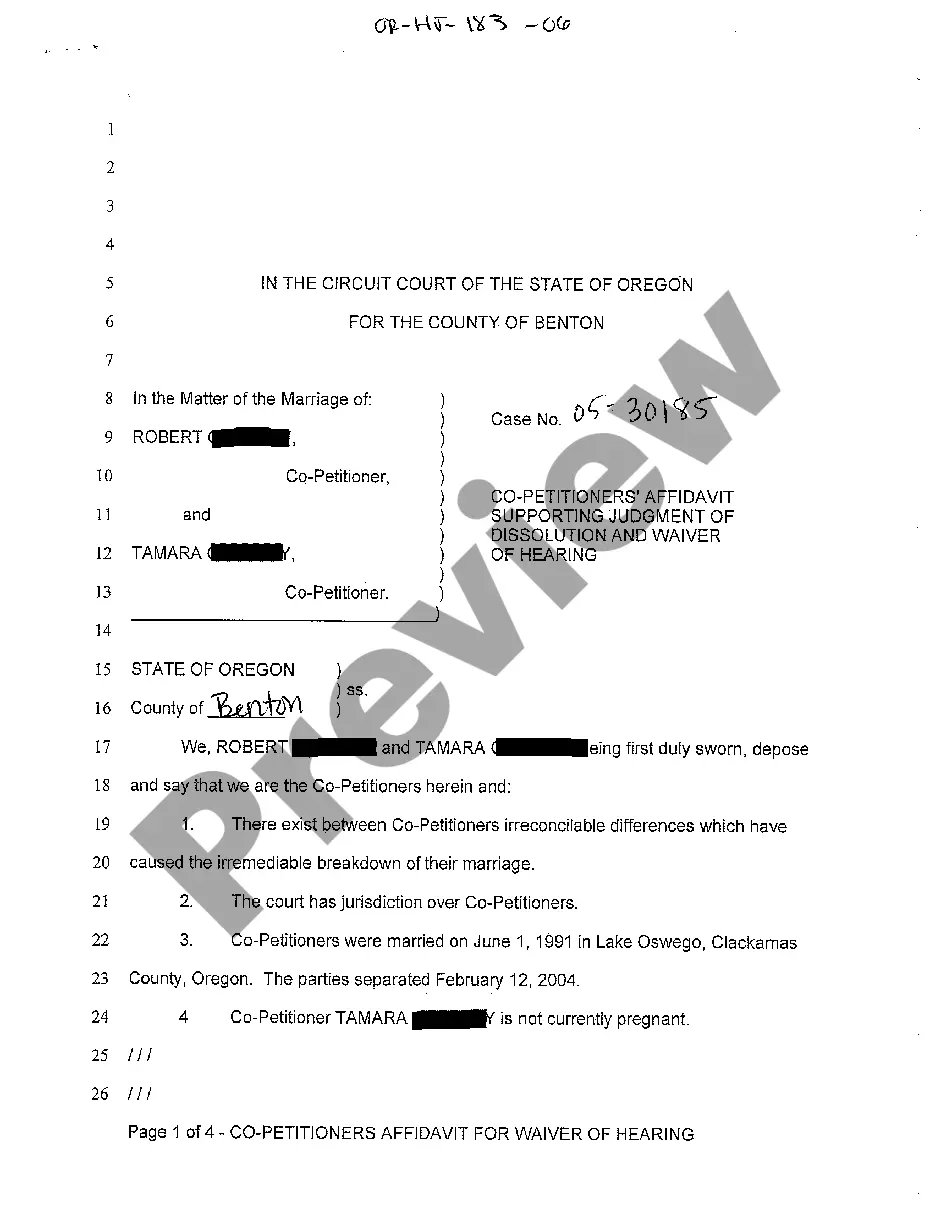
District of Columbia Letter from Tenant to Landlord containing Notice to landlord to cease retaliatory threats to evict or retaliatory eviction
About this form
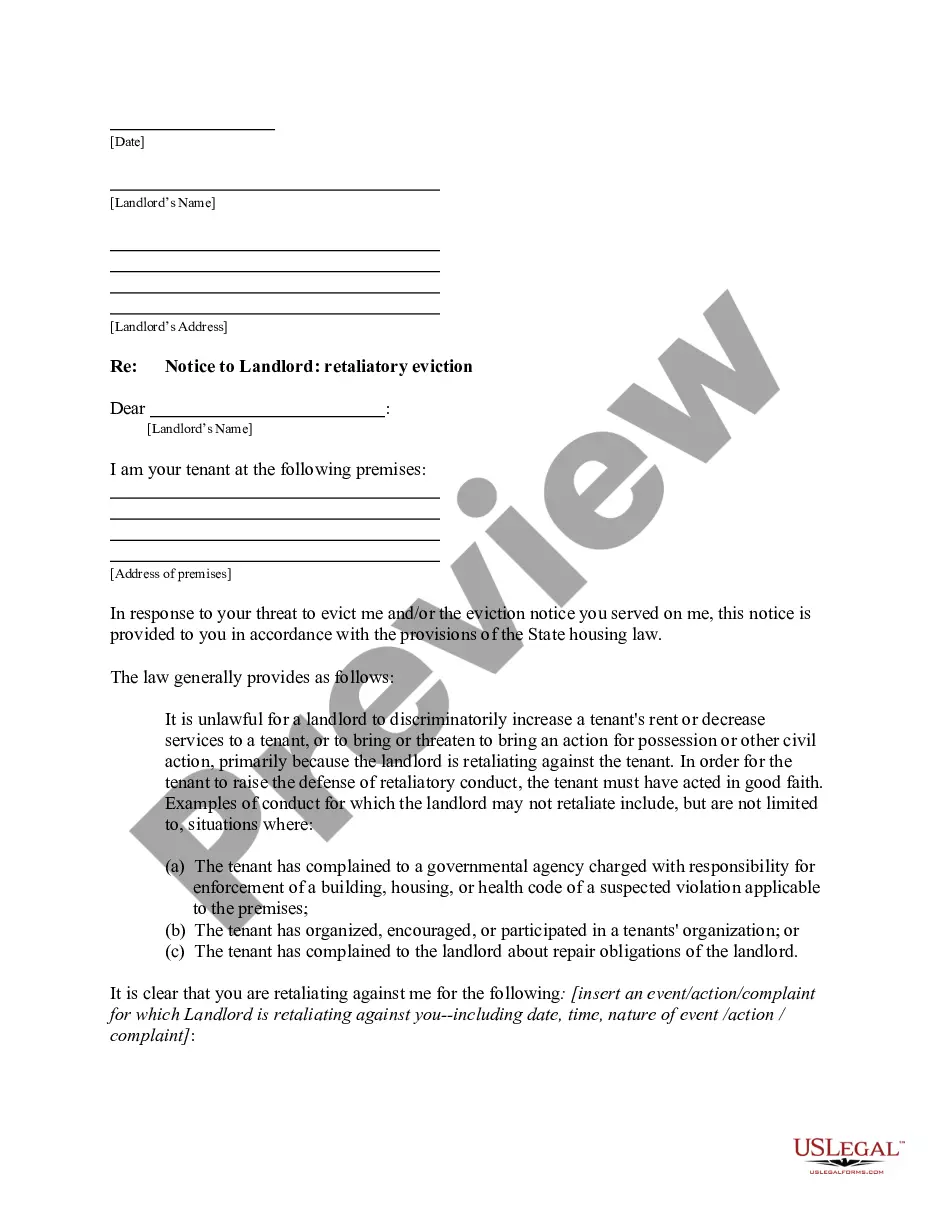
This letter from tenant to landlord serves as a notice to address retaliatory threats made by the landlord to evict the tenant. It is a formal way for the tenant to assert that the eviction threat is retaliation against the tenant's protected actions, which may include filing complaints regarding housing code violations or participating in tenant organizations. This form is essential as it helps legally document the tenant's response and preserves their rights under state housing laws.
What’s included in this form
- Identification of the tenant and landlord
- Clear statement of the landlord's retaliatory eviction threat
- Description of the tenant's actions prompting the threat
- Statement of the tenant's rights under housing law
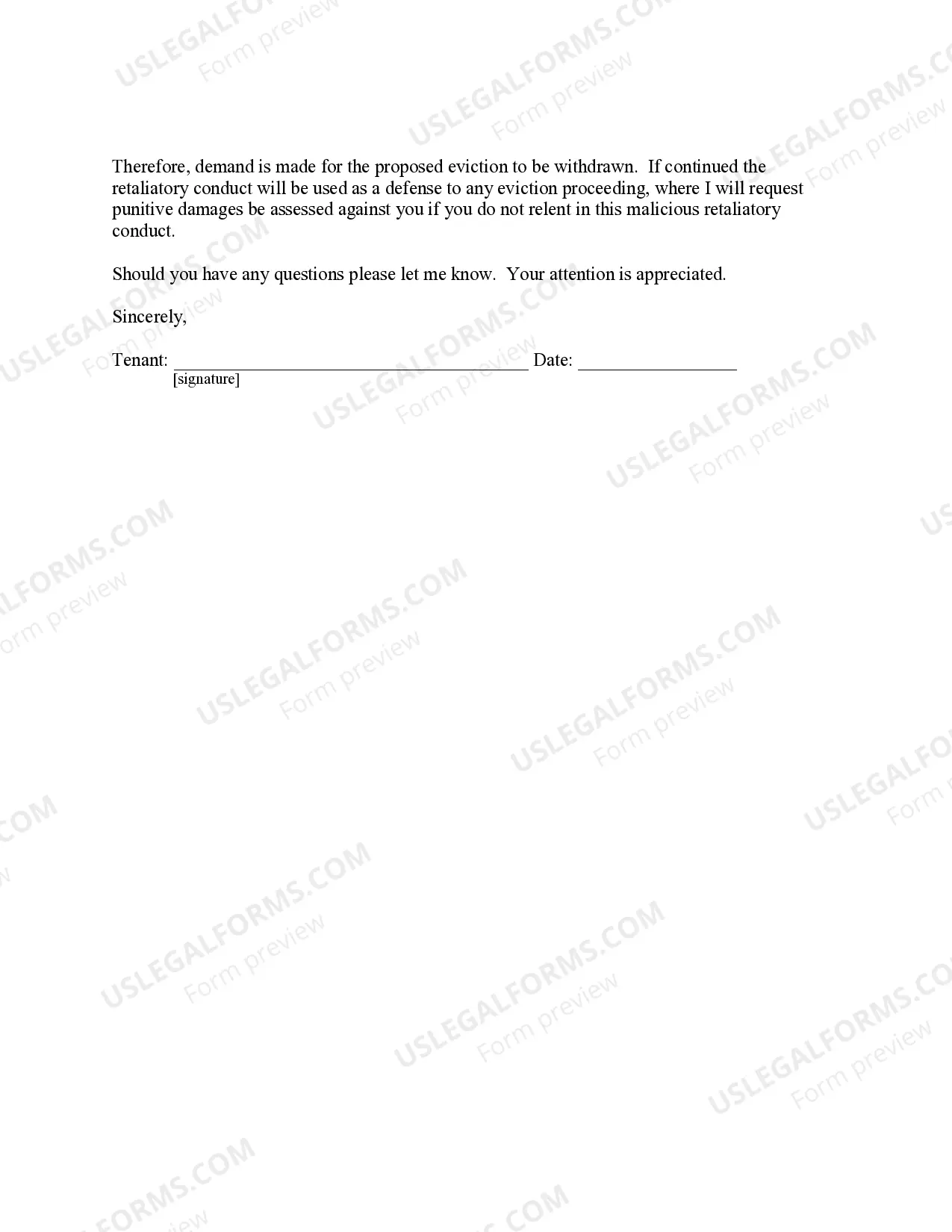
- Signature of the tenant and date of delivery



When to use this form
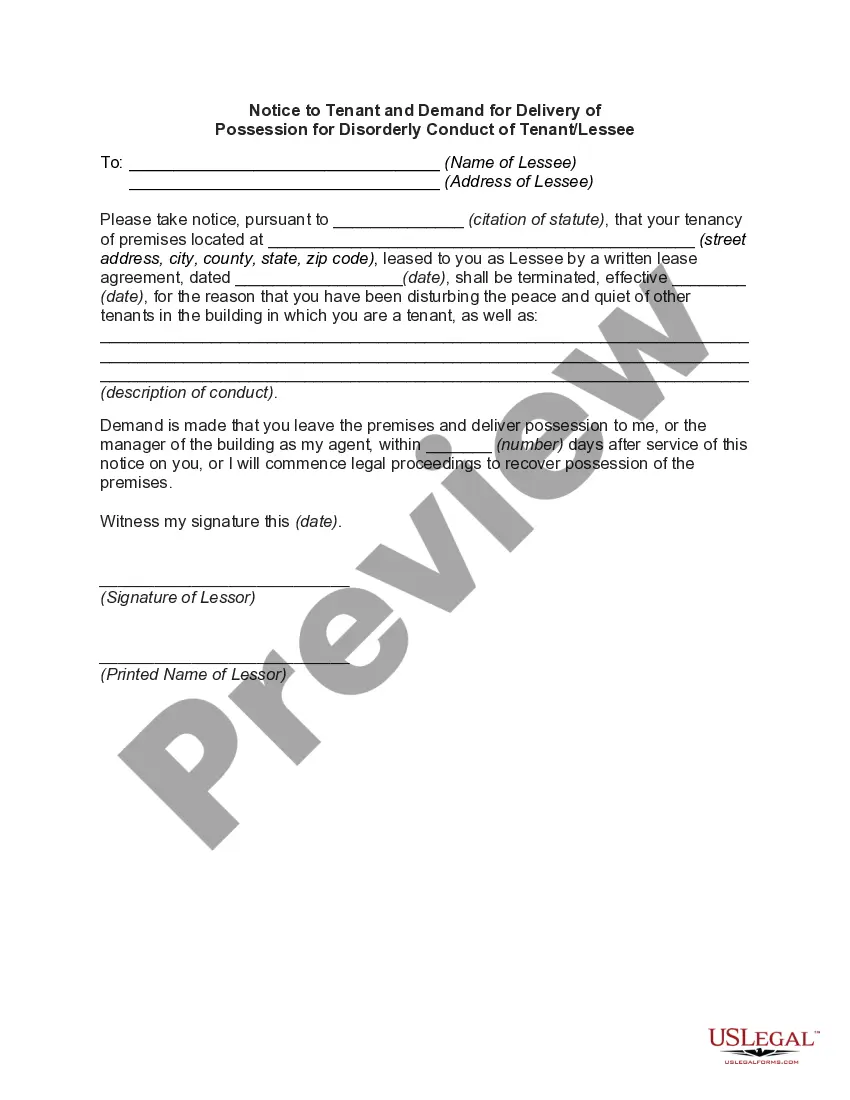
This form is appropriate when a tenant has received a threat of eviction from their landlord that the tenant believes is retaliatory. Situations may include instances where the tenant has recently complained about necessary repairs, reported health code violations, or participated in tenant advocacy. This letter provides a structured response and helps safeguard the tenant's legal rights against unfair eviction practices.
Who can use this document
- Tenants who have received eviction threats from their landlord
- Individuals who believe their landlord is retaliating against them
- People seeking to document their response to a landlord's threats
Completing this form step by step
- Identify the tenant and landlord by entering their full names and addresses.
- Clearly state the date and details of the landlord's eviction threat.
- Detail the actions taken by the tenant that may have prompted the landlord's retaliation.
- Sign and date the letter to formalize the notice.
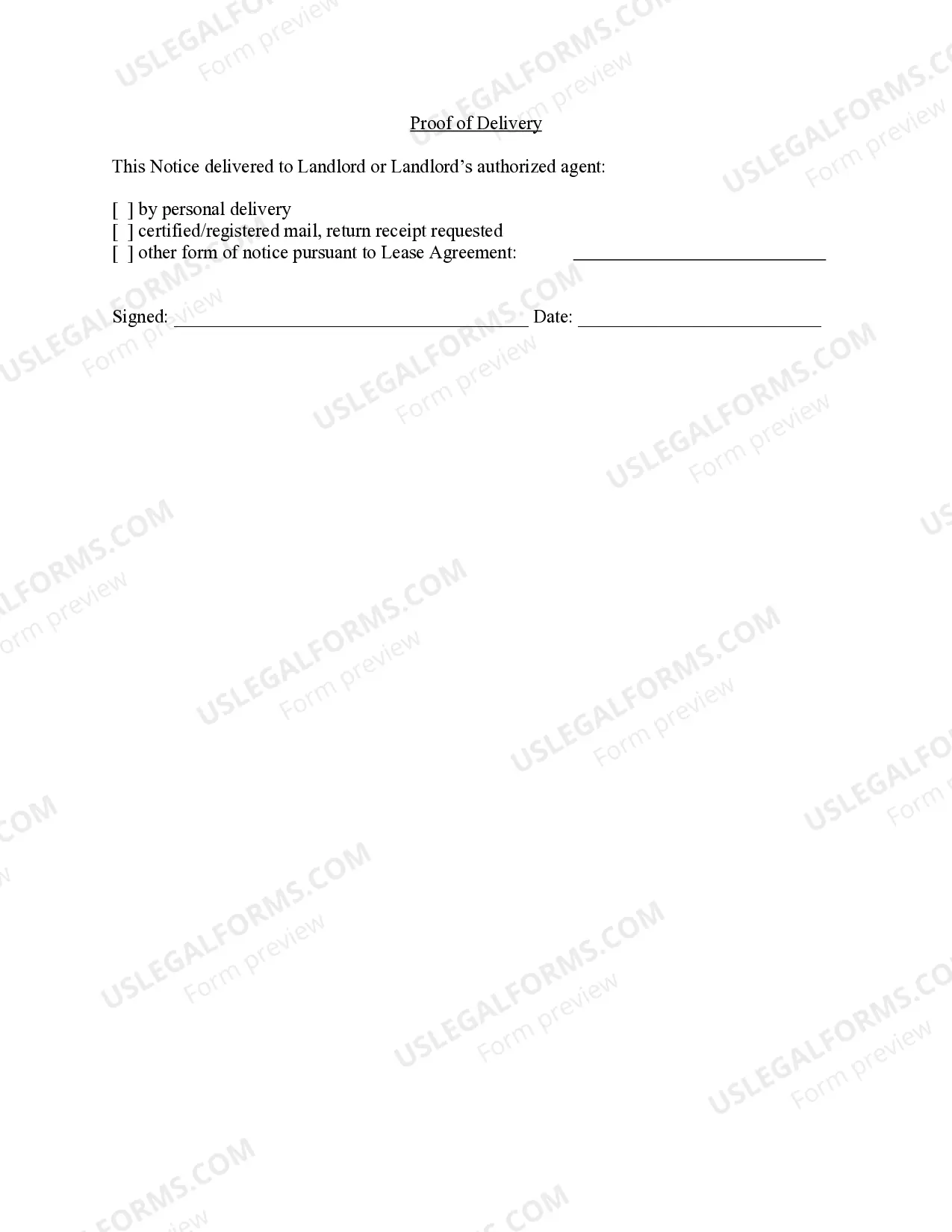
- Deliver the notice to the landlord or their authorized agent either personally or via a method that provides proof of delivery.
Is notarization required?
This form does not typically require notarization to be legally valid. However, some jurisdictions or document types may still require it. US Legal Forms provides secure online notarization powered by Notarize, available 24/7 for added convenience.
Get your form ready online
Our built-in tools help you complete, sign, share, and store your documents in one place.
Make edits, fill in missing information, and update formatting in US Legal Forms—just like you would in MS Word.
Download a copy, print it, send it by email, or mail it via USPS—whatever works best for your next step.
Sign and collect signatures with our SignNow integration. Send to multiple recipients, set reminders, and more. Go Premium to unlock E-Sign.
If this form requires notarization, complete it online through a secure video call—no need to meet a notary in person or wait for an appointment.
We protect your documents and personal data by following strict security and privacy standards.

Make edits, fill in missing information, and update formatting in US Legal Forms—just like you would in MS Word.

Download a copy, print it, send it by email, or mail it via USPS—whatever works best for your next step.

Sign and collect signatures with our SignNow integration. Send to multiple recipients, set reminders, and more. Go Premium to unlock E-Sign.

If this form requires notarization, complete it online through a secure video call—no need to meet a notary in person or wait for an appointment.

We protect your documents and personal data by following strict security and privacy standards.
Avoid these common issues
- Not including specific details about the eviction threat.
- Failing to provide proof of delivery to the landlord.
- Leaving out the date of the notice.
Why use this form online
- Convenient access to a legally compliant document at any time.
- Easy to download and edit to suit specific scenarios.
- Provides peace of mind knowing the document meets state housing laws.
Legal use & context
- This letter serves as a formal defense against eviction claims based on retaliatory actions.
- It may be used as evidence in court if the landlord attempts to proceed with eviction despite the tenant's protected actions.
- Understanding local laws can enhance the effectiveness of this document in protecting tenant rights.
Summary of main points
- This form is crucial for tenants facing retaliatory eviction threats.
- Proper completion and delivery can help protect tenants' rights.
- Always keep a copy of the notice for your records and for any potential disputes.
Looking for another form?

Form popularity
FAQ
This form is a District of Columbia letter from a tenant to a landlord that officially addresses retaliatory threats to evict. It documents the landlord's threats, the tenant's protected actions that may have prompted them, and asserts the tenant's rights under housing law. It also identifies the parties and must be delivered with a signature and date.
A retaliatory eviction notice explains that the landlord threatened eviction in response to a tenant's protected actions, such as reporting code violations or organizing with other tenants. This form provides a written response that documents the threat, identifies the parties, describes the triggering actions, and cites the tenant's rights under housing law. It also helps create a formal record that can be reviewed by the landlord and may be used if further legal steps are needed.
To fight a retaliatory eviction using this form, a tenant records the landlord's threats and the tenant's protected actions, then delivers the letter to the landlord to cease retaliation. It creates a formal written response, documents the tenant's rights, and helps preserve a clear record if disputes move to later proceedings.
How to prove a retaliatory eviction is supported by this form's structure. The letter documents the specific threat, the tenant's protected actions, and the relationship between them, creating a contemporaneous record. Keep copies and deliver with a dated signature to help show the landlord acted in retaliation.
DC housing protections generally prohibit retaliation against tenants who exercise their rights. This form helps address retaliation by documenting the threat, the actions that prompted it, and the tenant's rights under housing law. For exact statute language and remedies, consult a licensed attorney or DC housing resources.
Unlike a standard eviction notice, this letter focuses on retaliation. It includes identification of both parties, a clear statement of the landlord's retaliatory threat, description of the tenant's protected actions, and a statement of rights under housing law. It serves as a formal, record-making response rather than a simple eviction threat.