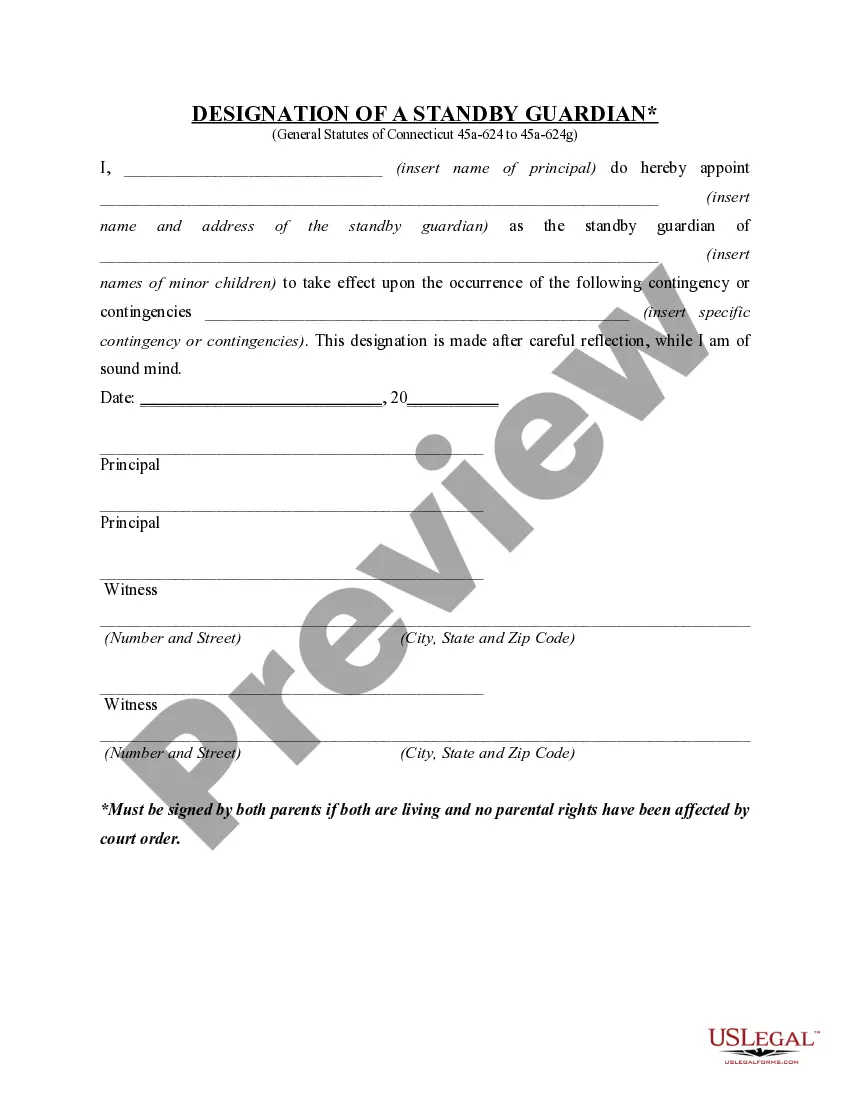
Connecticut Designation of Standby Guardian
What is this form?
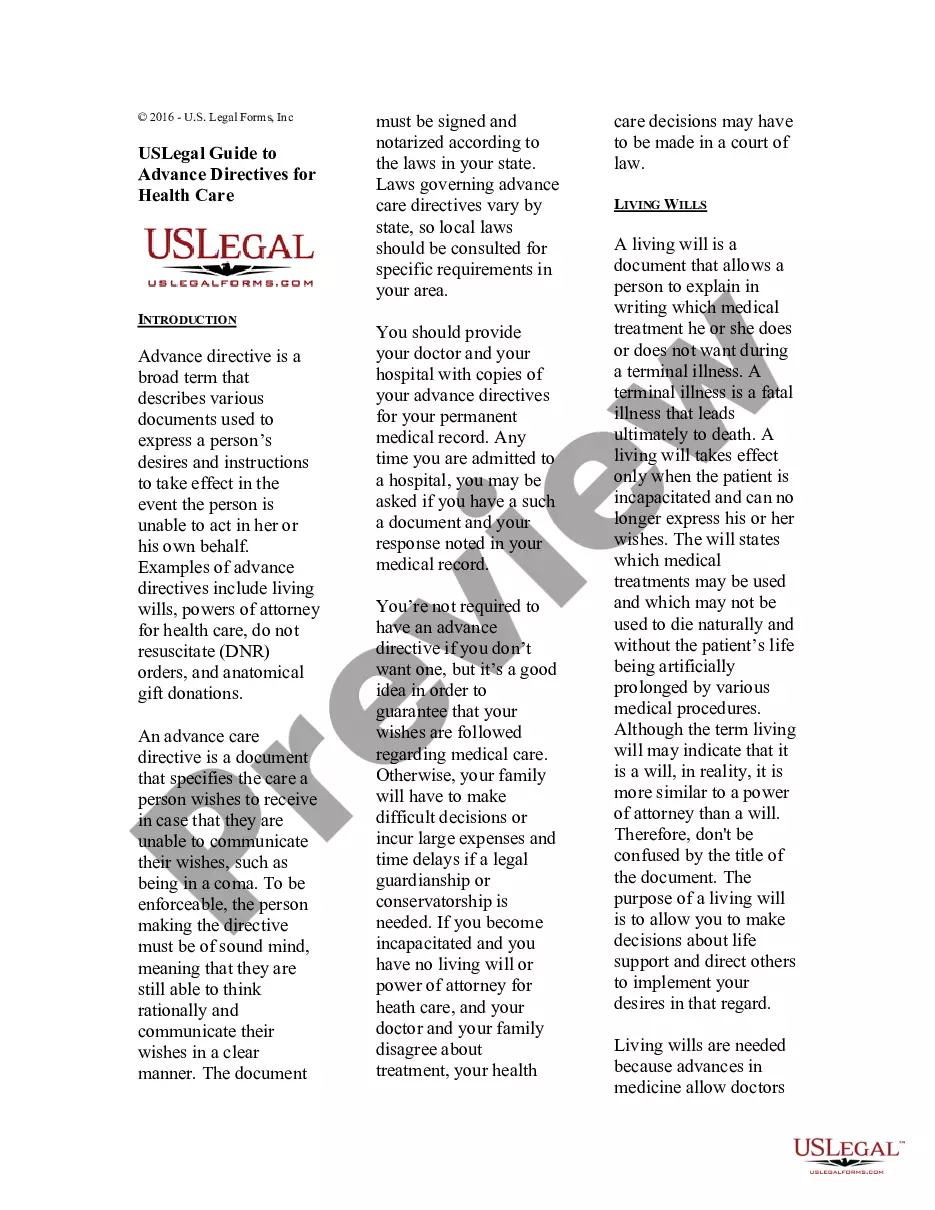
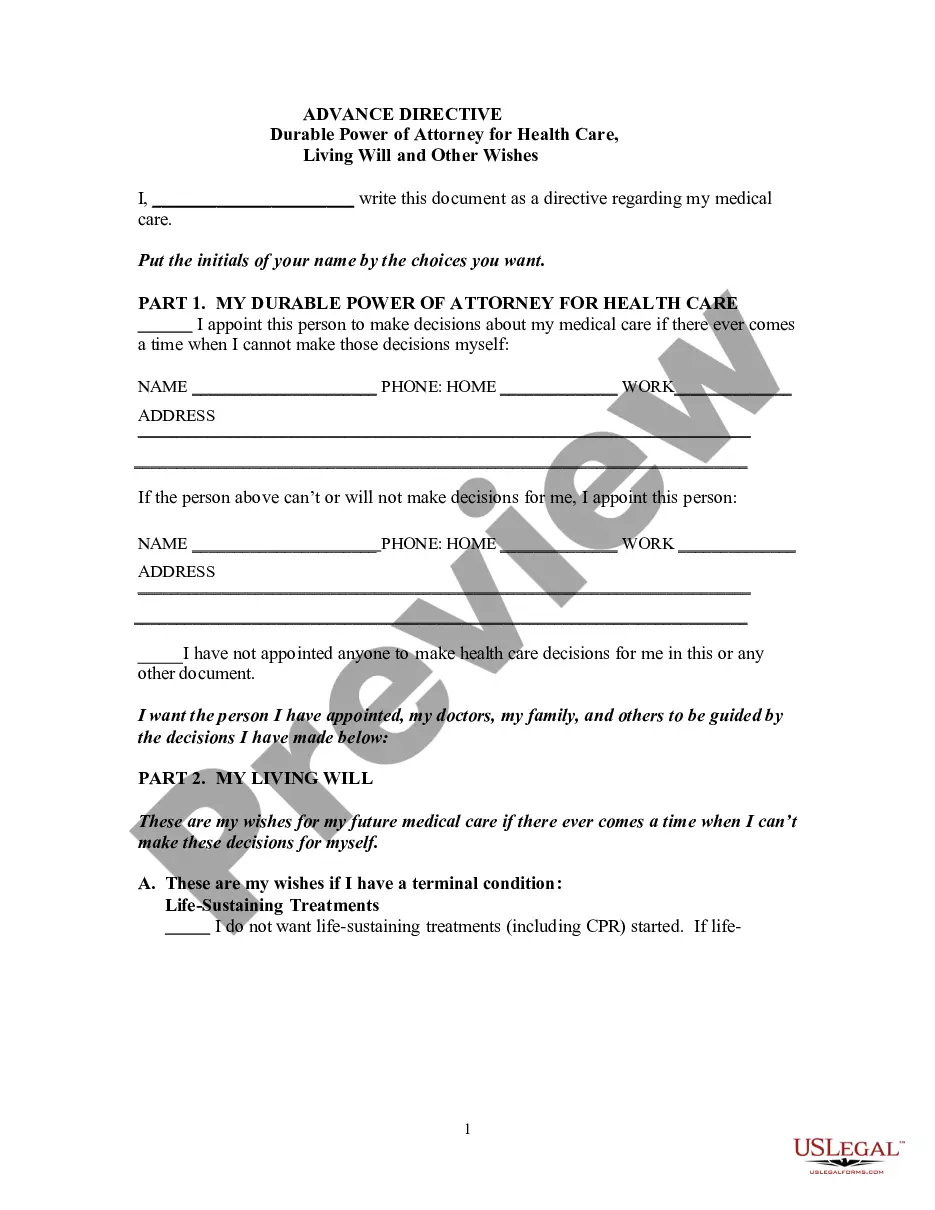
The Designation of Standby Guardian form allows a parent or guardian to appoint a standby guardian for their minor children in case of specific contingencies, such as mental incapacity or death. This legal document ensures that trusted individuals can care for your children when unexpected events occur, preventing any uncertainty in critical moments. Unlike other guardianship forms, this designation takes effect only upon the occurrence of specified circumstances, offering peace of mind to parents and guardians.
Form components explained
- Name of the principal (parent/guardian) appointing the standby guardian.
- Name and address of the designated standby guardian.
- Names of the minor children involved in the designation.
- Specific contingencies triggering the appointment of the standby guardian.
- Signatures of the principal and at least two witnesses.
When to use this document
This form should be used when a parent or guardian wants to prepare for unforeseen circumstances that could affect their ability to care for their minor children. It is particularly useful if you have concerns about potential health issues, accidents, or other situations that might temporarily or permanently impair your ability to act as a guardian. Having a standby guardian designated in advance helps ensure that your children will be cared for by someone you trust during such critical times.
Who this form is for
- Parents or legal guardians of minor children who wish to appoint a standby guardian.
- Individuals who anticipate the possibility of serious health issues or life events affecting their caregiving capabilities.
- Those wishing to ensure that their children have trusted care in the event of their incapacitation or death.
How to prepare this document
- Identify yourself as the principal by adding your full name at the beginning of the form.
- Provide the name and address of the individual you are appointing as the standby guardian.
- List the names of your minor children clearly.
- Specify the circumstances under which the standby guardian will assume responsibility.
- Sign and date the form in the presence of at least two witnesses, who must also sign.
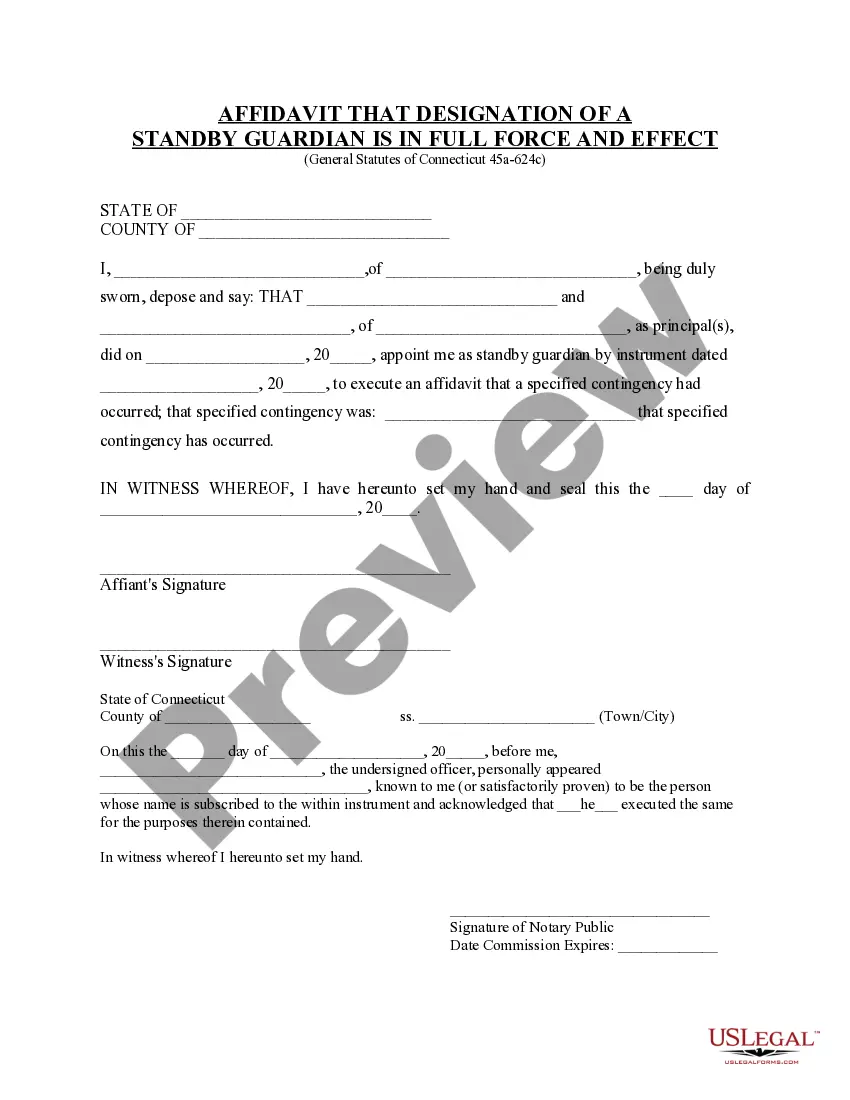
Notarization requirements for this form
Notarization is generally not required for this form. However, certain states or situations might demand it. You can complete notarization online through US Legal Forms, powered by Notarize, using a verified video call available anytime.
Get your form ready online
Our built-in tools help you complete, sign, share, and store your documents in one place.
Make edits, fill in missing information, and update formatting in US Legal Forms—just like you would in MS Word.
Download a copy, print it, send it by email, or mail it via USPS—whatever works best for your next step.
Sign and collect signatures with our SignNow integration. Send to multiple recipients, set reminders, and more. Go Premium to unlock E-Sign.
If this form requires notarization, complete it online through a secure video call—no need to meet a notary in person or wait for an appointment.
We protect your documents and personal data by following strict security and privacy standards.

Make edits, fill in missing information, and update formatting in US Legal Forms—just like you would in MS Word.

Download a copy, print it, send it by email, or mail it via USPS—whatever works best for your next step.

Sign and collect signatures with our SignNow integration. Send to multiple recipients, set reminders, and more. Go Premium to unlock E-Sign.

If this form requires notarization, complete it online through a secure video call—no need to meet a notary in person or wait for an appointment.

We protect your documents and personal data by following strict security and privacy standards.
Avoid these common issues
- Failing to have the form signed in the presence of the required number of witnesses.
- Neglecting to specify contingencies, leading to ambiguity.
- Not providing a copy of the signed form to the standby guardian.
Advantages of online completion
- Convenient, as you can complete and download the form quickly from your device.
- Editability allows you to customize the form to your specific needs before finalizing it.
- Reliability due to the legal precision ensured by licensed attorneys who draft the forms.
Looking for another form?
Form popularity
FAQ
The designation of a standby guardian form in Connecticut is a legal document that allows a parent to appoint someone to care for their child during times of emergency or incapacity. This form establishes the responsibilities and authority of the standby guardian clearly. By using this form, parents can have peace of mind knowing that their child will be well-cared for, in accordance with their wishes.
To file for guardianship in Connecticut, you need to complete a petition, which can often be guided by the Connecticut Designation of Standby Guardian form. This process typically involves gathering necessary documents and possibly attending a court hearing. It's beneficial to consult an attorney for assistance to ensure you fulfill all legal requirements.
In Connecticut, certain conditions must be met for guardianship, including the incapacity of the parent or their unavailability to care for the child. The guardian must also be a suitable individual, with the child's best interests in mind. The Connecticut Designation of Standby Guardian helps meet these conditions by outlining the terms of the arrangement clearly.
While guardianship can provide vital support, some downsides include potential loss of control over your child's decisions and the emotional strain it may cause. Additionally, guardianship arrangements can sometimes lead to disputes among family members. It is important to weigh these factors when considering the Connecticut Designation of Standby Guardian for your child.
Yes, in Connecticut, you can establish temporary guardianship using the Connecticut Designation of Standby Guardian form, without going to court. This is particularly useful for parents who want to ensure their child’s care in case of an emergency. By having this document prepared, you can provide immediate support without the need for a lengthy legal process.
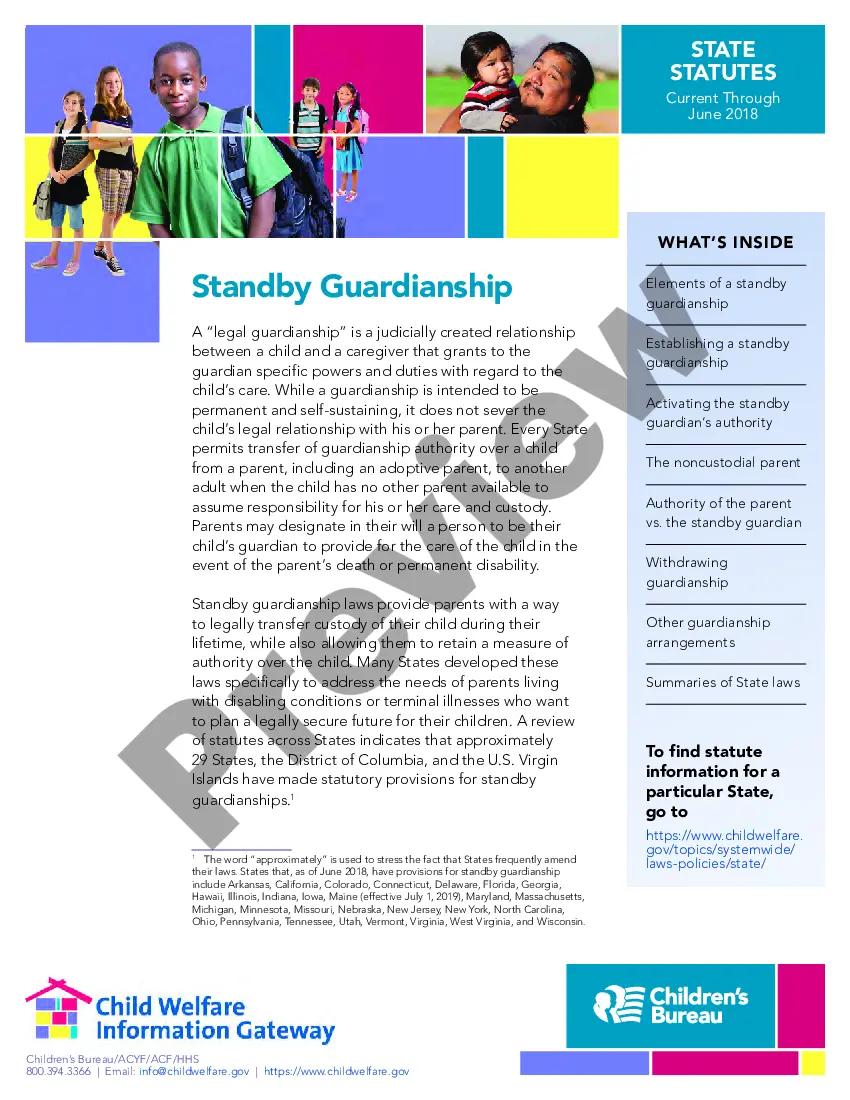
In Connecticut, there are several types of guardianships, including full guardianship, limited guardianship, and standby guardianship. Full guardianship gives the guardian complete authority over the child's care and decisions, while limited guardianship allows for specific responsibilities. The Connecticut Designation of Standby Guardian falls under standby guardianship, designed for temporary situations.
To appoint a standby guardian in Connecticut, you need to fill out the Connecticut Designation of Standby Guardian form, which includes specific details about your chosen guardian. It is essential to sign the form in front of a notary public to ensure its legality. Once completed, this document should be stored in a safe place and shared with the standby guardian and others who may be involved.
A standby guardian in Connecticut is a person designated to care for a minor child in the event that the child's parent is unable to do so. This arrangement provides a smooth transition in caregiving and ensures the child's well-being. The Connecticut Designation of Standby Guardian allows parents to choose someone they trust to take over this role when necessary.
Alternatives to guardianship may include the use of power of attorney or creating trusts, which allow individuals to retain more control over their affairs while designating trusted persons to manage specific aspects. These options can be less restrictive and provide more flexibility. Assessing the Connecticut Designation of Standby Guardian alongside other alternatives can aid in making informed decisions regarding care.
A guardian holds significant power to make legal and personal decisions on behalf of their ward. This includes managing finances, making healthcare choices, and overseeing education. The power granted under the Connecticut Designation of Standby Guardian is designed to act in the best interest of the individual in care, ensuring their well-being.