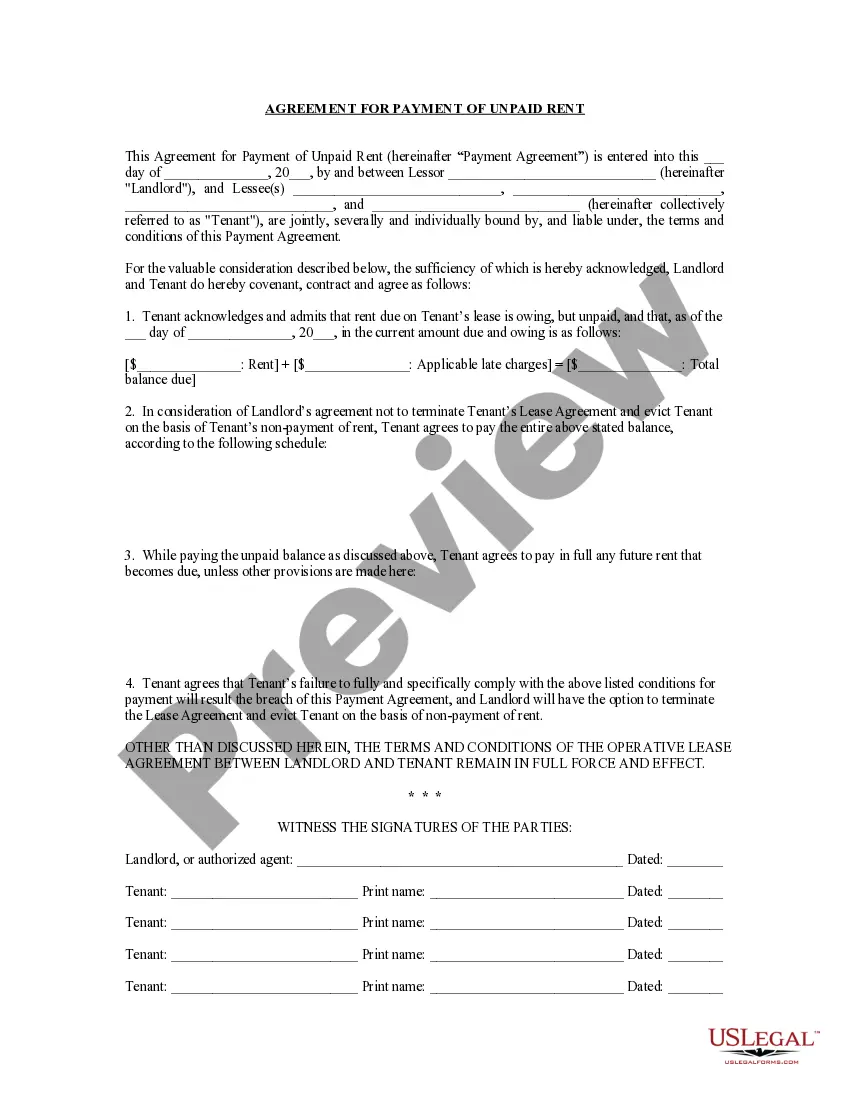
Connecticut Agreement for Payment of Unpaid Rent
What this document covers
The Agreement for Payment of Unpaid Rent is a legal document that outlines a mutual agreement between a landlord and a tenant regarding overdue rent. This form serves to establish a structured payment plan, allowing the tenant to pay what they owe while ensuring the landlord agrees to pause any eviction actions during this period. This agreement is essential for both parties to have clear terms and can help prevent legal disputes related to rental payments.
What’s included in this form
- Identification of the landlord (Lessor) and tenant(s) (Lessee).
- Acknowledgment of the unpaid rent amount and applicable late fees.
- Structuring of payment deadlines and conditions for the overdue rent.
- Clearly states that the original lease terms remain in effect unless modified by this agreement.
- Signature lines for all parties involved to provide legal validation.
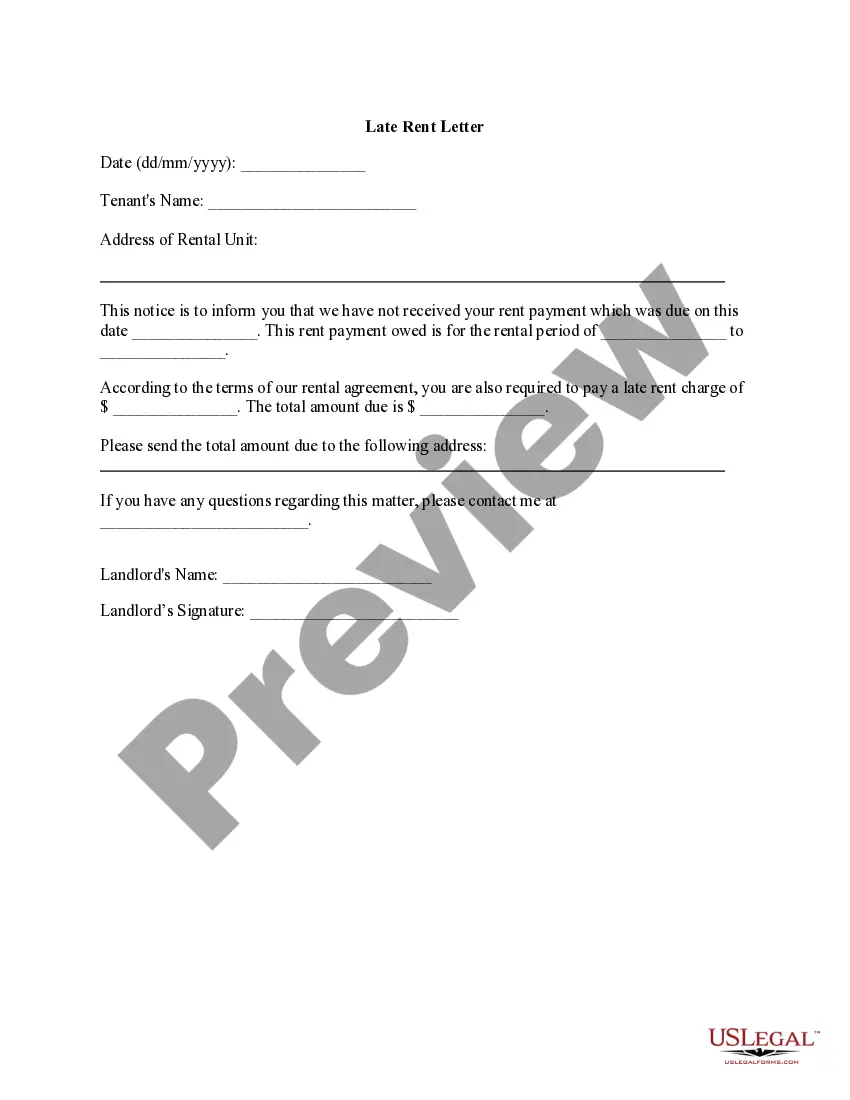
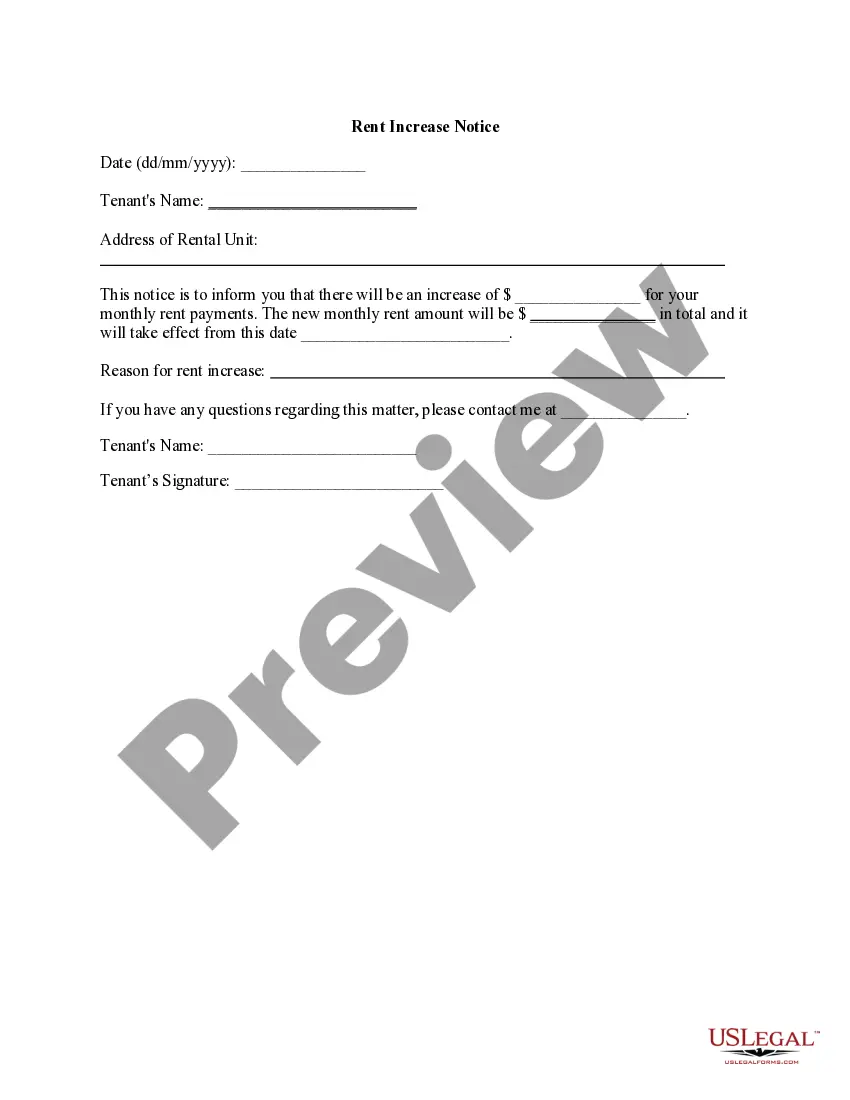
Common use cases
This form is needed when a tenant is unable to pay rent on time and both the landlord and tenant want to establish a clear understanding regarding future payments. It is particularly useful when the landlord wishes to avoid the eviction process while allowing the tenant time to catch up on overdue payments.
Who can use this document
- Landlords seeking to negotiate a payment plan with their tenants.
- Tenants facing financial difficulties, who need a structured plan to pay overdue rent.
- Property management companies managing rental agreements on behalf of landlords.
How to complete this form
- Identify the parties by entering the names of the landlord and tenant(s).
- Specify the date on which the agreement is made.
- Detail the total amount of unpaid rent and any applicable late charges.
- Ensure both parties understand and agree to the payment terms listed.
- Have all parties sign and date the agreement to make it legally binding.
Does this document require notarization?
This form does not typically require notarization to be legally valid. However, some jurisdictions or document types may still require it. US Legal Forms provides secure online notarization powered by Notarize, available 24/7 for added convenience.
Get your form ready online
Our built-in tools help you complete, sign, share, and store your documents in one place.
Make edits, fill in missing information, and update formatting in US Legal Forms—just like you would in MS Word.
Download a copy, print it, send it by email, or mail it via USPS—whatever works best for your next step.
Sign and collect signatures with our SignNow integration. Send to multiple recipients, set reminders, and more. Go Premium to unlock E-Sign.
If this form requires notarization, complete it online through a secure video call—no need to meet a notary in person or wait for an appointment.
We protect your documents and personal data by following strict security and privacy standards.

Make edits, fill in missing information, and update formatting in US Legal Forms—just like you would in MS Word.

Download a copy, print it, send it by email, or mail it via USPS—whatever works best for your next step.

Sign and collect signatures with our SignNow integration. Send to multiple recipients, set reminders, and more. Go Premium to unlock E-Sign.

If this form requires notarization, complete it online through a secure video call—no need to meet a notary in person or wait for an appointment.

We protect your documents and personal data by following strict security and privacy standards.
Common mistakes to avoid
- Failing to specify all parties involved in the agreement.
- Not accurately stating the total amount due or applicable late fees.
- Neglecting to keep a signed copy for each party.
- Overlooking any state-specific requirements for the form.
Benefits of using this form online
- Immediate access to a legally vetted agreement tailored for your specific needs.
- Editable fields allow for customization to reflect unique circumstances.
- Convenience of downloading and printing the form from home.
- Ensures compliance with state regulations, preventing legal issues.
Legal use & context
- This agreement serves as a legal recourse for landlords when dealing with non-paying tenants.
- The repayment terms must be clear to avoid further disputes and maintain legal standing.
- While the original lease remains enforceable, this agreement can help facilitate a more manageable approach to overdue payments.
Main things to remember
- The Agreement for Payment of Unpaid Rent is a valuable tool for resolving overdue rent issues.
- Clearly outlining payment terms can help prevent eviction and maintain tenant-landlord relationships.
- Proper completion and execution are essential for legal enforceability and clarity.
Looking for another form?
Form popularity
FAQ
The lapse of time for an eviction in Connecticut typically starts with a notice period, which can be as short as three days for non-payment of rent. Following this notice, if no resolution occurs, landlords may file an eviction suit. Using the Connecticut Agreement for Payment of Unpaid Rent may provide tenants with additional time to settle their debts before facing eviction. Being proactive with this agreement can make a significant difference in the outcome.
Without a lease in Pennsylvania, you still have rights as a tenant, though they may differ from those with formal agreements. Tenants generally have the right to a habitable living environment and protection against illegal eviction. It’s beneficial to consider a Connecticut Agreement for Payment of Unpaid Rent even in the absence of a lease, as it can clarify your payment obligations and protect both parties in informal rental situations.
When unpaid rent goes to collections, it typically affects your credit score and may lead to additional fees. The collection agency will attempt to recover the outstanding amount, which can result in legal actions against the tenant. For landlords, having a Connecticut Agreement for Payment of Unpaid Rent can serve as a preventative measure, as it clearly outlines payment terms and responsibilities. This document may help mitigate the need for collections in the first place.
Yes, you can sue for unpaid rent even if there is no formal lease in place. Many states, including Connecticut, provide avenues through which landlords can claim unpaid rent. If you find yourself in this situation, consider using a Connecticut Agreement for Payment of Unpaid Rent to document any informal arrangements. This agreement can help establish the terms of payment expectations and can be useful if you need to pursue legal action.
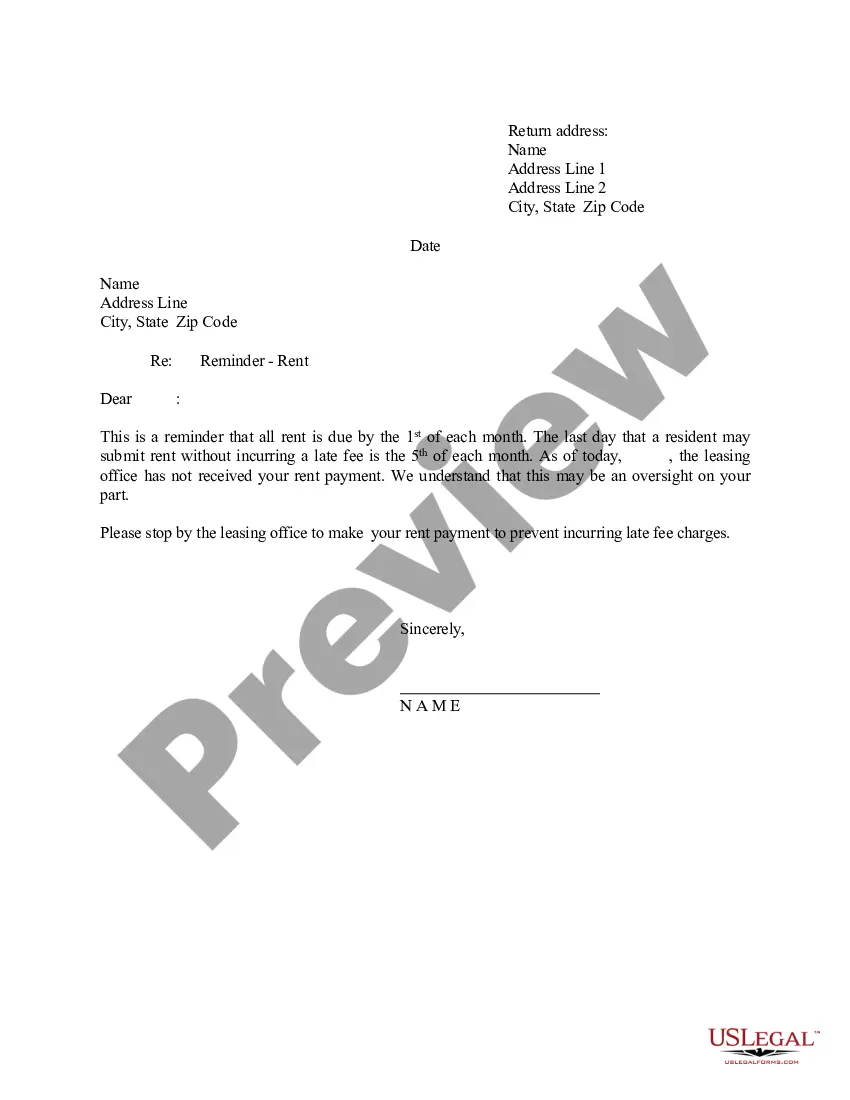
A demand letter for unpaid rent should state the amount due, provide details of missed payments, and specify a deadline for payment. Maintain a professional tone and clearly outline potential consequences if the payment is not made. Consider including options like a Connecticut Agreement for Payment of Unpaid Rent to encourage a positive resolution.
A formal letter to a tenant should follow a professional format, starting with a date and the tenant's information. Use a clear subject line that indicates the purpose, such as 'Notice of Unpaid Rent' or 'Payment Arrangement Options.' If applicable, suggest a Connecticut Agreement for Payment of Unpaid Rent as a way to manage their obligations smoothly.
A demand letter for unpaid rent should include the tenant's name, address, the amount owed, and a deadline for payment. Be firm yet respectful, and express the importance of adhering to the lease agreement. Consider referencing a Connecticut Agreement for Payment of Unpaid Rent as a possible solution to address the payment issue.
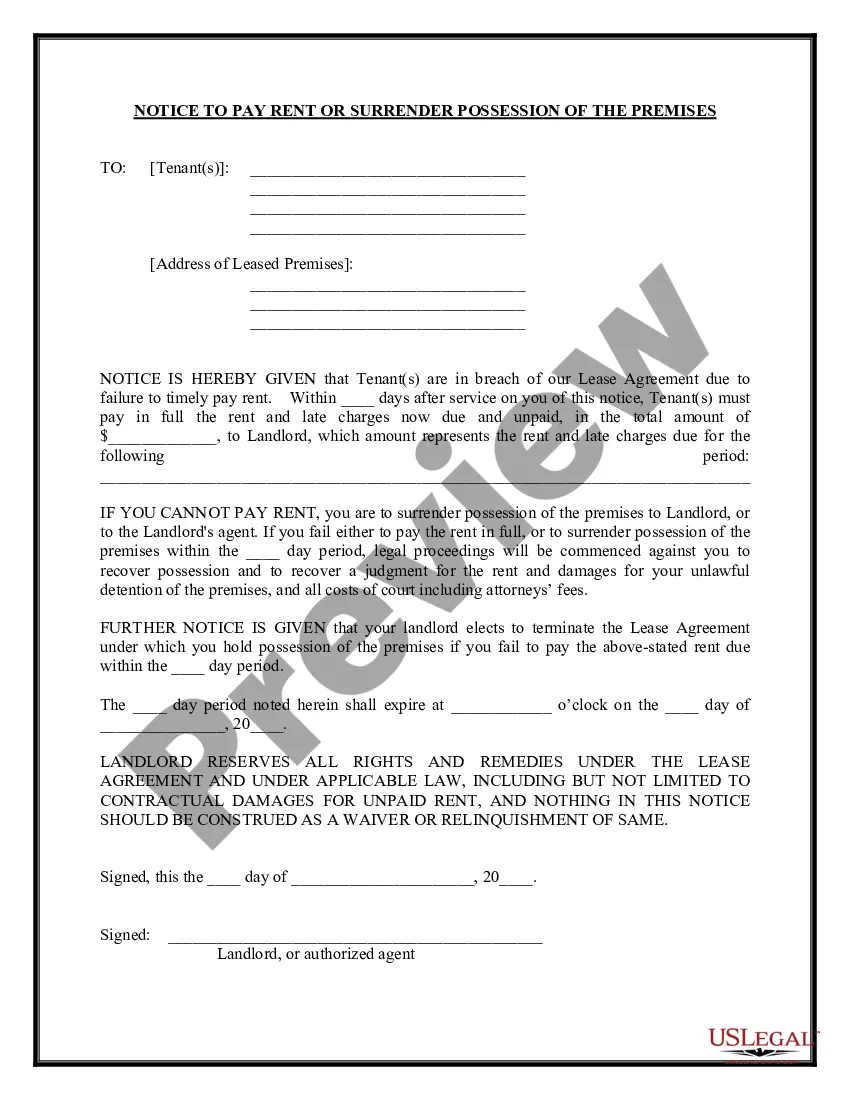
In Connecticut, tenants cannot legally go without paying rent beyond a 9-day grace period, depending on the lease terms. After this period, landlords may issue a notice of nonpayment. Understanding the benefits of a Connecticut Agreement for Payment of Unpaid Rent can help tenants avoid the possibility of eviction and ensure timely payment.
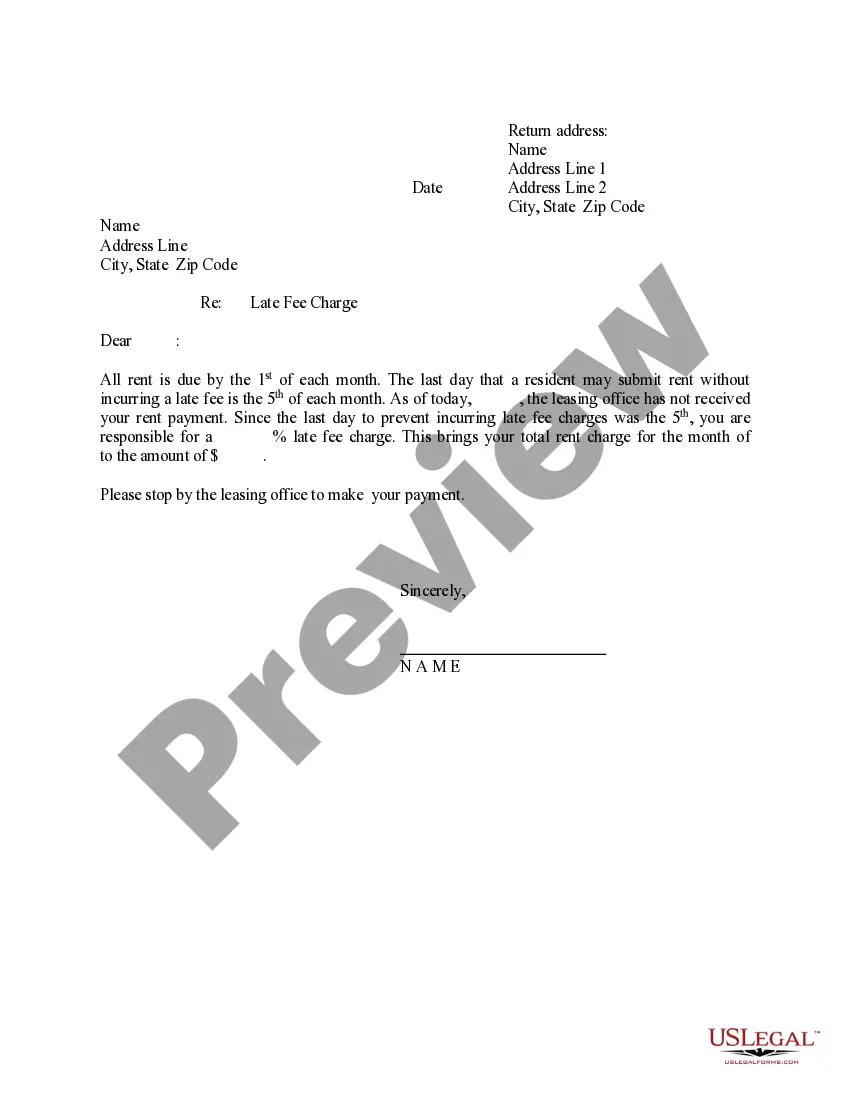
In a letter addressing a late payment, acknowledge the missed due date and kindly remind the tenant of their obligation. Specify the amount due and mention any applicable late fees as per the lease. Suggest discussing a Connecticut Agreement for Payment of Unpaid Rent, which provides a clear plan for fulfilling the outstanding balance.
When writing a letter for nonpayment of rent, clearly state the amount owed, the due date, and reference the lease agreement. Include a gentle call to action, asking the tenant to remit payment or contact you to discuss a potential Connecticut Agreement for Payment of Unpaid Rent. This approach maintains professionalism and encourages communication.