Connecticut Quitclaim Deed by Two Individuals to Husband and Wife
What is this form?
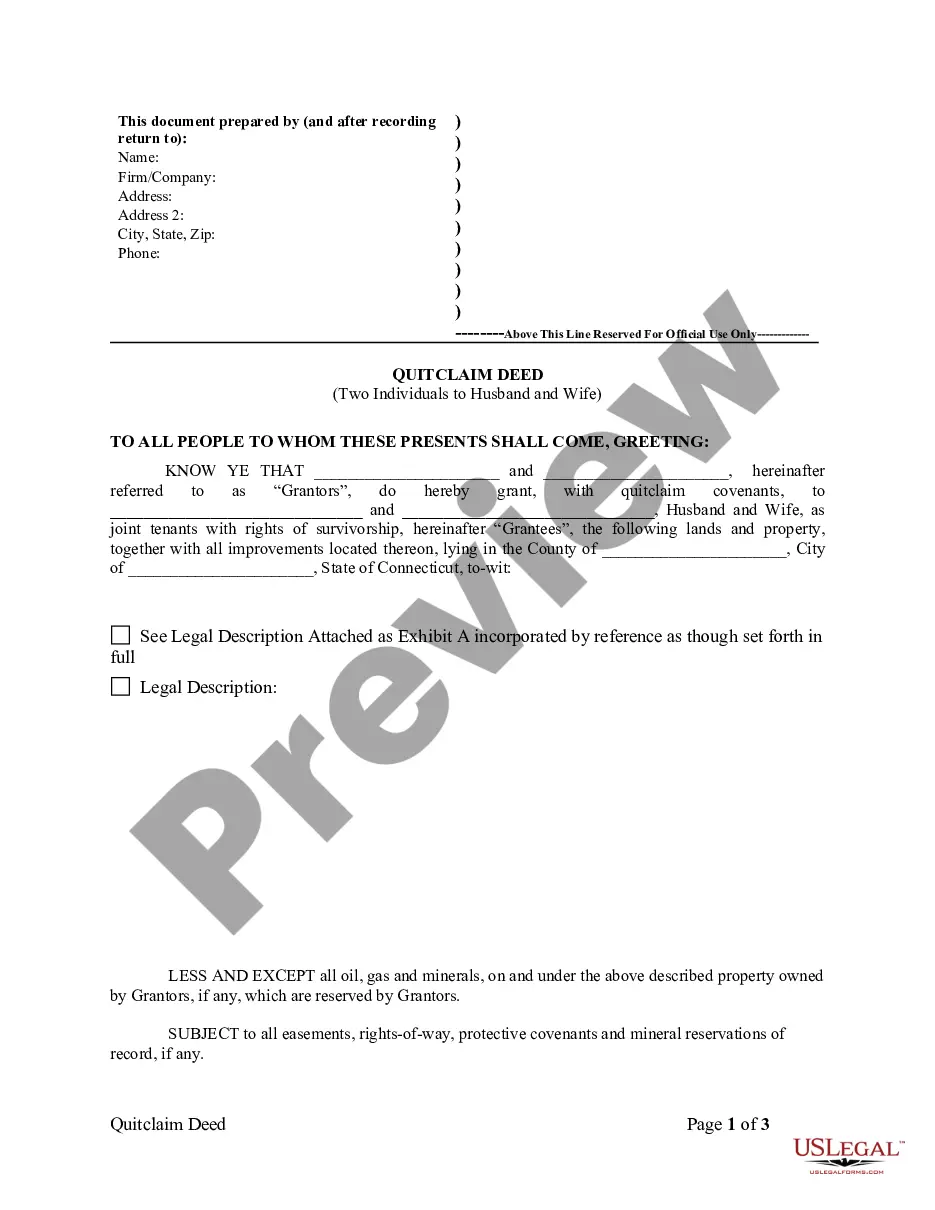
The Quitclaim Deed by Two Individuals to Husband and Wife is a legal document used to transfer property ownership from two individuals (grantors) to a married couple (grantees) without any warranties on the title. Unlike other deeds, the quitclaim deed is straightforward and conveys whatever interest the grantors have in the property, making it distinct in property transfers. This form is especially relevant for couples who wish to officially document ownership without the complexities of warranties often associated with other deed types.
Main sections of this form
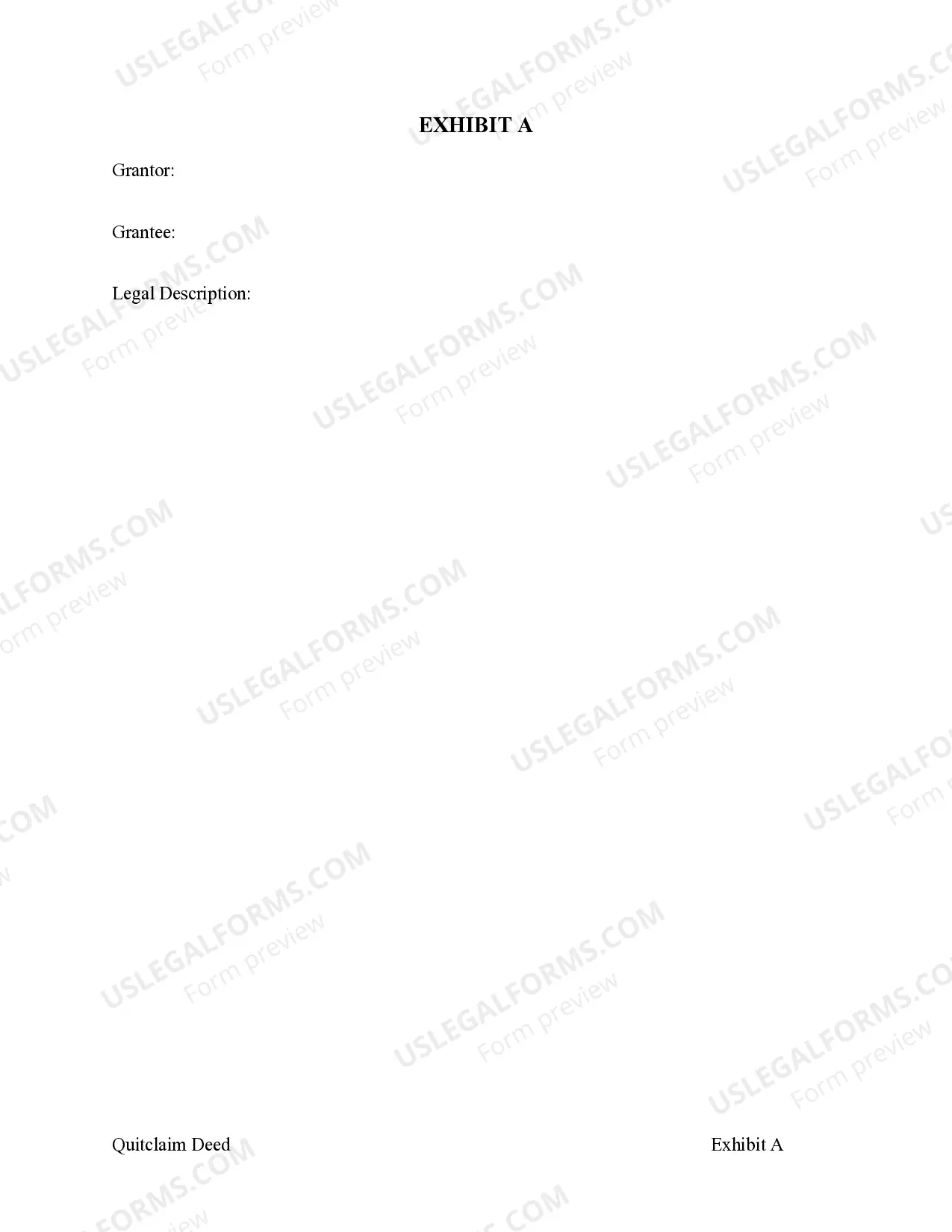
- Identification of grantors and grantees: clearly states the parties involved in the property transfer.
- Property description: specifies the real estate being conveyed, ensuring proper identification.
- Legal clauses: includes language about joint tenancy with right of survivorship and reservations for minerals.
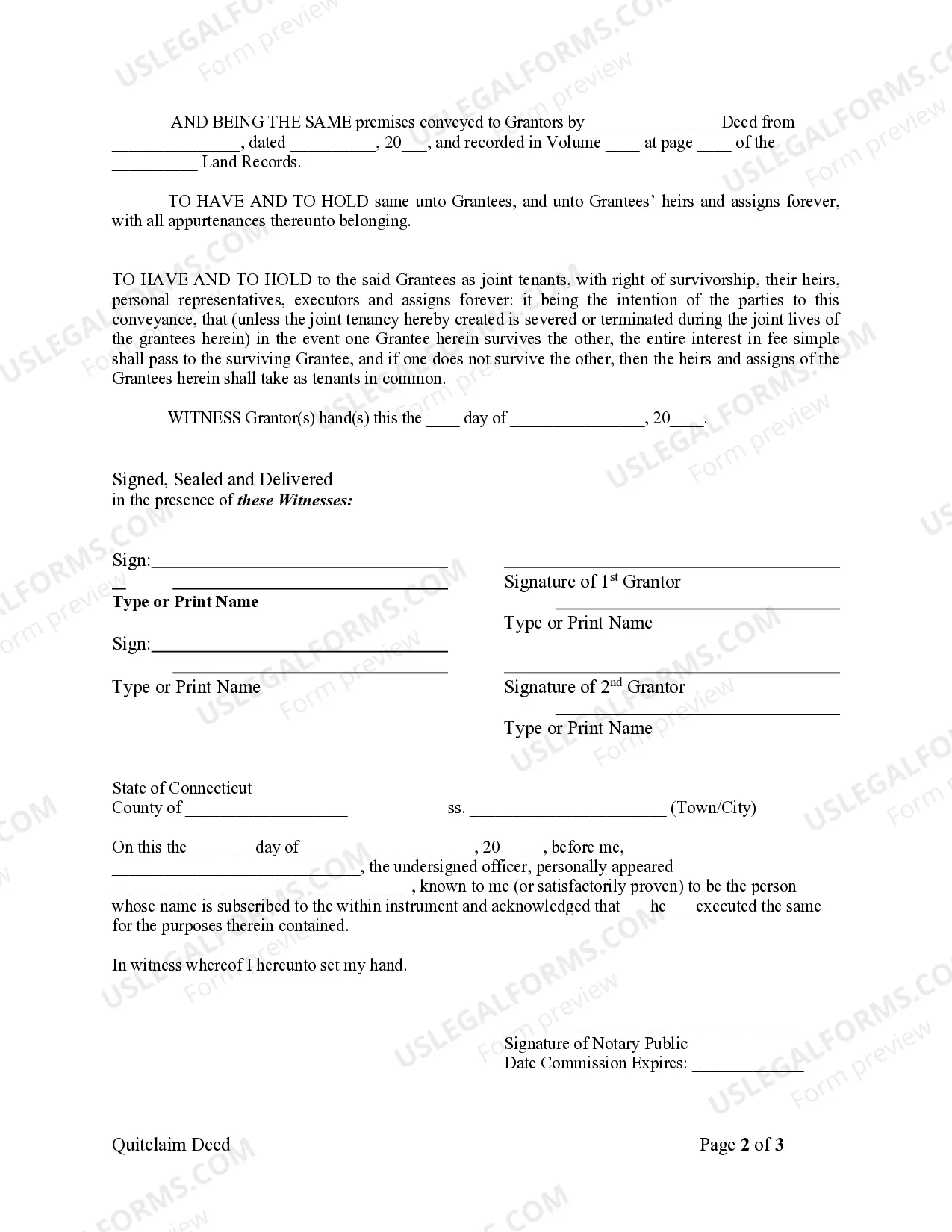
- Signature lines: provides spaces for grantors and witnesses to sign, ensuring validity.
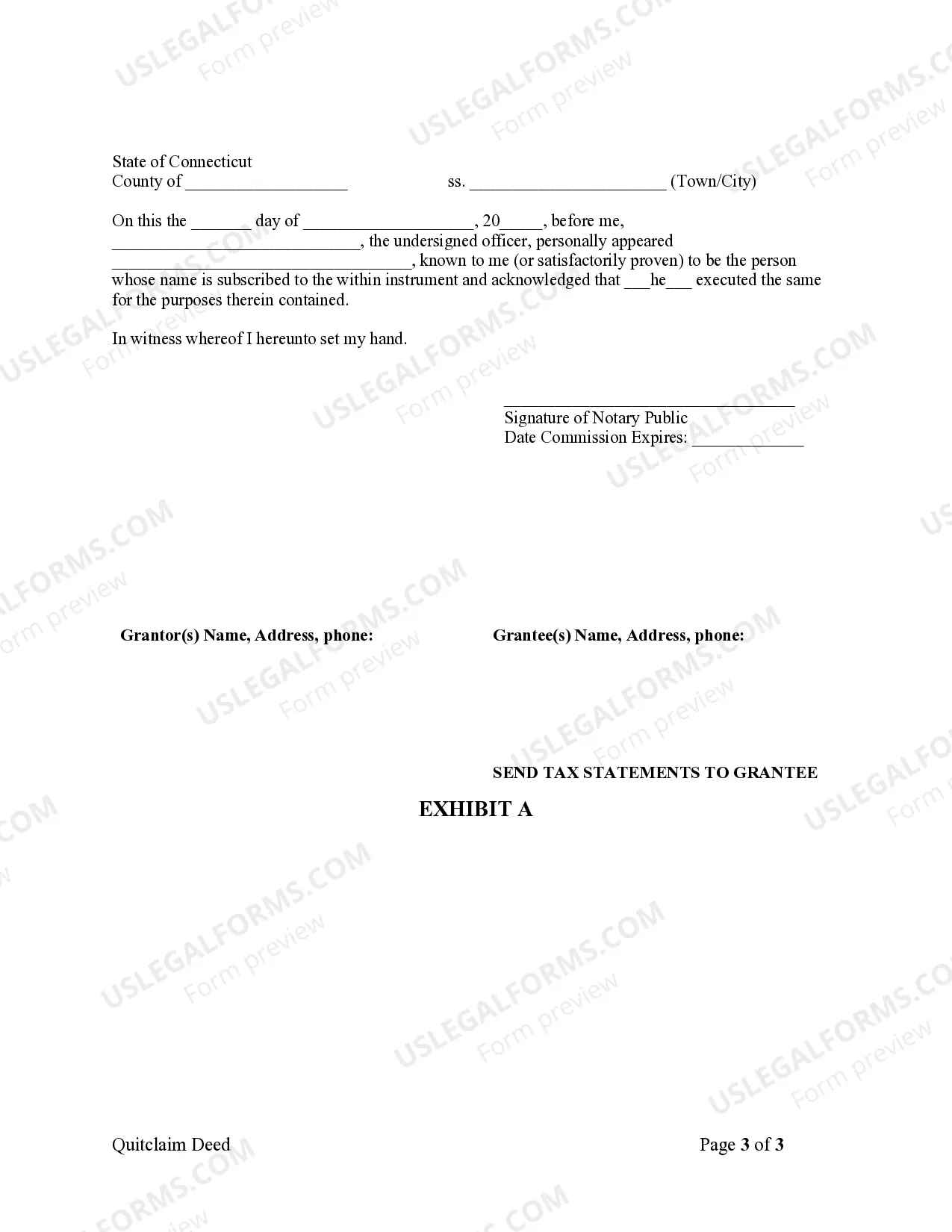
- Notarization section: details the need for notarization to confirm the identity of signers and the authenticity of the document.





When to use this document
This form should be used when two individuals want to transfer property to a married couple without making any warranties regarding the title. Common situations include family transfers, marriages where one partner owns property, and other informal agreements where property ownership changes hands without the complexity of traditional sales.
Who can use this document
- Couples who wish to add property to their jointly held assets.
- Individuals transferring property to a spouse or domestic partner.
- Family members wanting to pass property ownership within the family.
- Anyone who prefers a simple, no-warranty property transfer method.
Completing this form step by step
- Identify the parties: fill in the names of the grantors (the individuals transferring the property) and grantees (the husband and wife receiving the property).
- Specify the property: provide a detailed description of the property to be transferred.
- Fill in prior deed information: include details of the original deed through which the grantors acquired the property.
- Enter dates and signatures: sign and date the document in the appropriate sections, ensuring all parties are present.
- Obtain notarization: have the document notarized to validate the signatures and ensure legal compliance.
Notarization requirements for this form
This form needs to be notarized to ensure legal validity. US Legal Forms provides secure online notarization powered by Notarize, allowing you to complete the process through a verified video call, available anytime.
Get your form ready online
Our built-in tools help you complete, sign, share, and store your documents in one place.
Make edits, fill in missing information, and update formatting in US Legal Forms—just like you would in MS Word.
Download a copy, print it, send it by email, or mail it via USPS—whatever works best for your next step.
Sign and collect signatures with our SignNow integration. Send to multiple recipients, set reminders, and more. Go Premium to unlock E-Sign.
If this form requires notarization, complete it online through a secure video call—no need to meet a notary in person or wait for an appointment.
We protect your documents and personal data by following strict security and privacy standards.

Make edits, fill in missing information, and update formatting in US Legal Forms—just like you would in MS Word.

Download a copy, print it, send it by email, or mail it via USPS—whatever works best for your next step.

Sign and collect signatures with our SignNow integration. Send to multiple recipients, set reminders, and more. Go Premium to unlock E-Sign.

If this form requires notarization, complete it online through a secure video call—no need to meet a notary in person or wait for an appointment.

We protect your documents and personal data by following strict security and privacy standards.
Avoid these common issues
- Failing to accurately describe the property can lead to confusion and legal issues.
- Not including all required signatures, including witnesses and notary, may invalidate the deed.
- Overlooking any easements or mineral rights that could affect ownership.
- Not properly filling in the date or prior deed information can cause complications.
What to keep in mind
- The Quitclaim Deed is specifically designed for transferring property between two individuals to a married couple.
- It's important to complete all sections of the form accurately to avoid future legal complications.
- Notarization is required for the deed to be considered valid.
- This form simplifies property transfer without warranties, making it a quick and effective option.
Looking for another form?





Form popularity
FAQ
A quitclaim deed for a married couple, such as in a Connecticut Quitclaim Deed by Two Individuals to Husband and Wife, facilitates the transfer of property rights between spouses. This type of deed ensures that ownership is clear and legally transferred without the need for extensive legal procedures. It is often used to add or remove a spouse from a property title. Utilizing this deed can simplify property ownership issues, making it a practical choice for couples.
In a Connecticut Quitclaim Deed by Two Individuals to Husband and Wife, both individuals can be listed as grantors on the deed. This flexibility allows you to transfer ownership of property easily. Typically, a quitclaim deed can have multiple owners as long as they are clearly named in the document. Thus, you can include any number of co-grantors, ensuring that all parties involved are recognized.
When two individuals are on a Connecticut Quitclaim Deed by Two Individuals to Husband and Wife, both parties share ownership of the property. This means that both individuals have equal rights to the property, which can impact decisions regarding its sale or lease. If one owner decides to sell or mortgage their share, the other must agree to the transaction, unless specified otherwise. It’s essential to understand how ownership works in this scenario, as it can affect future inheritance and property taxes.
Yes, a quitclaim deed must be signed by both parties for it to be valid. The grantor, who is transferring the property, must sign to relinquish their rights, while the grantee must sign to acknowledge the transfer. This requirement ensures mutual agreement on the transaction, making it crucial in a Connecticut Quitclaim Deed by Two Individuals to Husband and Wife.
A quitclaim deed can be voided under certain circumstances, such as when there was fraud involved or if the grantor lacked the authority to sign the deed legitimately. Additionally, improper execution or failure to record the deed can also lead to a voided status. Understanding these risks is essential for anyone involved in a Connecticut Quitclaim Deed by Two Individuals to Husband and Wife. Using US Legal Forms can help ensure proper execution.
Yes, both parties typically need to be present to sign the quitclaim deed. This ensures that all individuals involved agree to the transfer and understand the implications. Additionally, their signatures will be required to be notarized to validate the document. This requirement helps build trust during the process of a Connecticut Quitclaim Deed by Two Individuals to Husband and Wife.
Many people view quitclaim deeds with skepticism because they do not provide warranties regarding the title. If any title issues arise later, the grantee could face challenges without legal protection. Furthermore, a Connecticut Quitclaim Deed by Two Individuals to Husband and Wife might lead to misunderstandings if both parties do not fully trust each other. To ensure clarity and security, consider consulting a legal professional.
To add someone to a deed in Connecticut, you can execute a quitclaim deed that names the new individual alongside existing owners. This deed must be completed accurately, with a description of the property and signatures from all current owners. After notarization, file the deed with the town clerk’s office. Using resources like US Legal Forms can simplify this process and provide you with necessary templates.
To fill out a quitclaim deed to add your spouse, start by obtaining a quitclaim deed form specific to Connecticut. You should enter your name as the grantor and your spouse's name as the grantee. Clearly describe the property and ensure you sign the document before a notary. Consider using the US Legal Forms platform to access templates that guide you through this process efficiently.
The process for a Connecticut Quitclaim Deed by Two Individuals to Husband and Wife typically begins with drafting the deed. You must include the names of both individuals and the legal description of the property. After completing the deed, both parties should sign it in the presence of a notary. Finally, you must file the deed with the local town clerk’s office to ensure it is recorded.