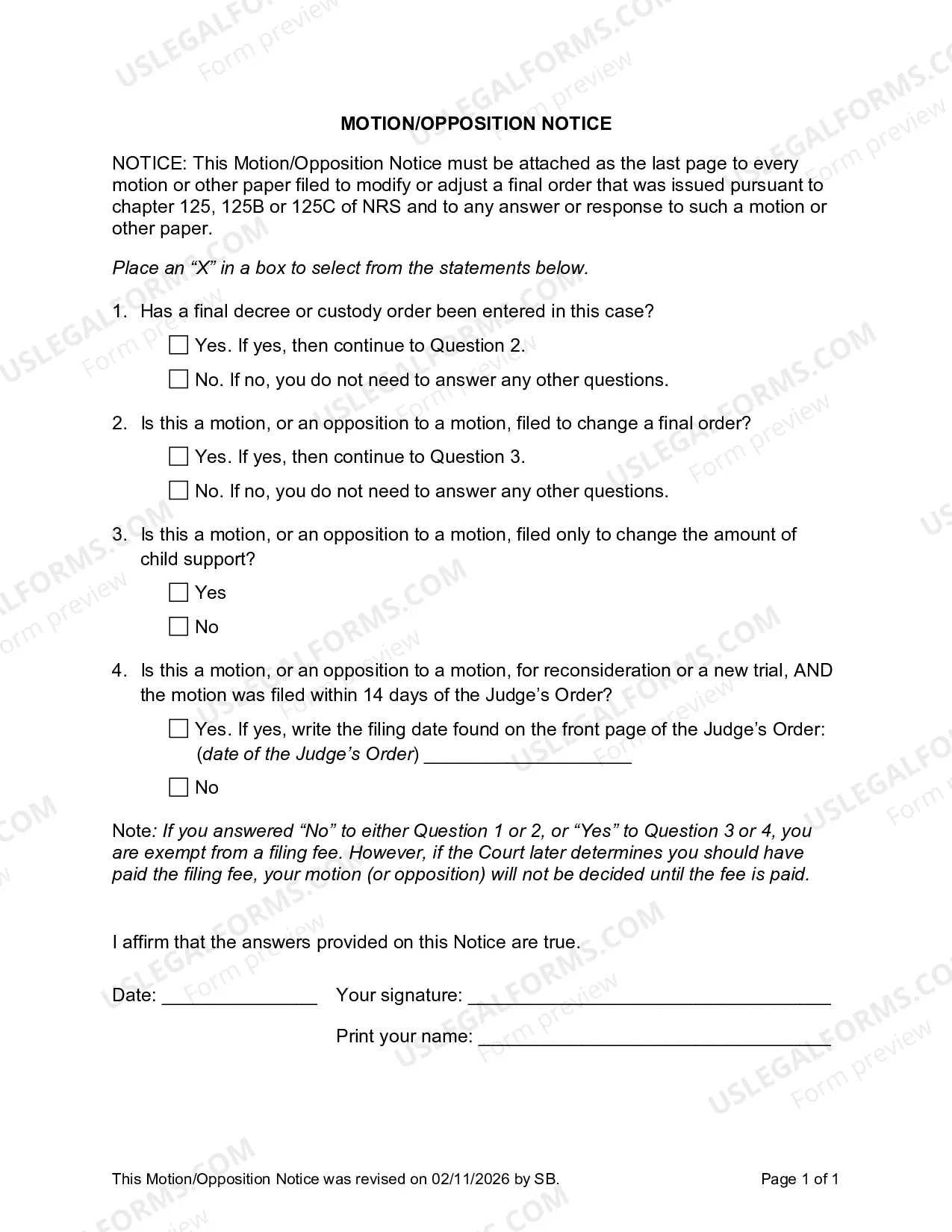
Colorado Donation Pursuant to Revised Uniform Anatomical Gift Act
Understanding this form
This Donation Pursuant to Revised Uniform Anatomical Gift Act form allows individuals to specify which body parts and organs they wish to donate upon their death. This form is particularly significant as it outlines personal wishes regarding organ donation in accordance with state laws, distinguishing it from general wills or healthcare directives that may not address anatomical gifts specifically.
Key components of this form
- Identification of the specific body parts or organs intended for donation.
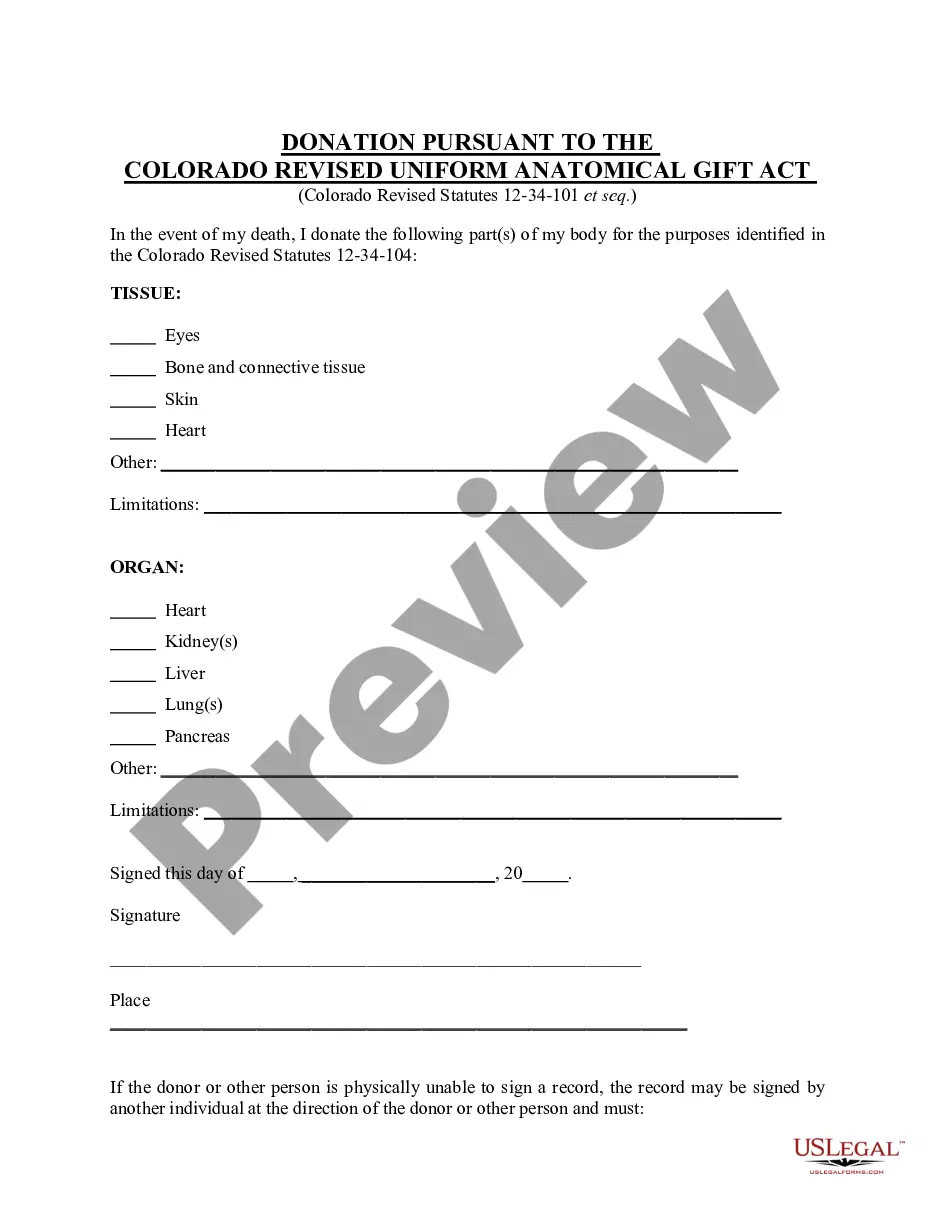
- Signature section for the donor and requirements for signing by witnesses.
- Declaration by witnesses affirming their role and lack of interest in the donor's estate.
- Reference to applicable state statutes governing anatomical gifts.

Situations where this form applies
This form should be used by individuals wishing to make a legally binding decision regarding organ or tissue donation in the event of their death. It is particularly useful for ensuring your donation preferences are documented and respected, especially if you want to alleviate the burden on family members during a difficult time.
Intended users of this form
- Individuals aged 18 and older wishing to donate organs or tissue after death.
- People looking to clarify their wishes regarding anatomical gifts.
- Anyone wanting to ease the decision-making process for their loved ones regarding organ donation.
Instructions for completing this form
- Clearly identify the specific organ(s) or body part(s) you wish to donate.
- Sign the document in the designated area to indicate your consent.
- If unable to sign, arrange for an alternative individual to sign on your behalf with proper witnessing.
- Ensure the signature is witnessed by at least two adults, one of whom is disinterested, who should then sign the document.
- Keep a copy of the completed form with your important legal documents and share your decision with family members.
Notarization guidance
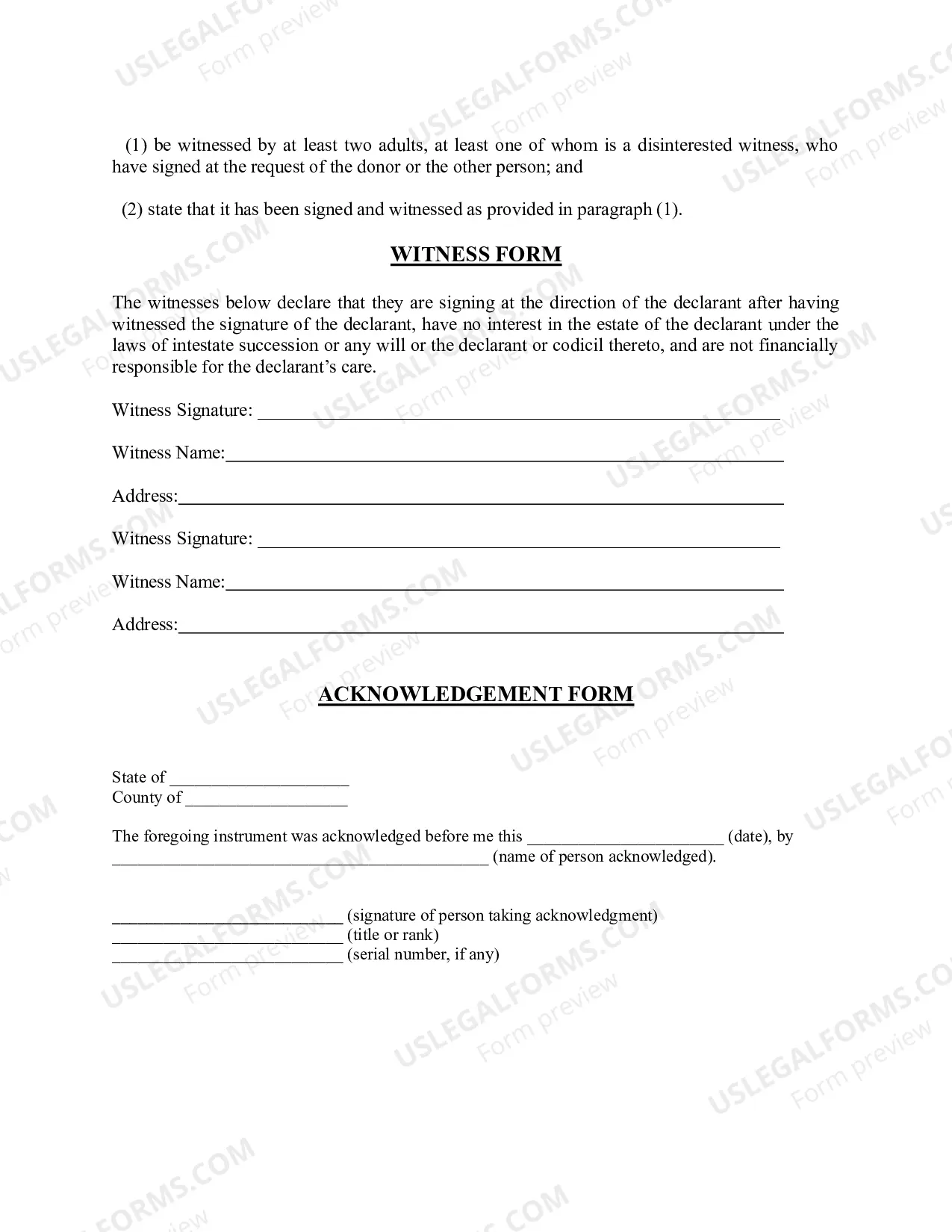
This form does not typically require notarization unless specified by local law; however, ensuring proper witnessing is crucial for its validity.
Get your form ready online
Our built-in tools help you complete, sign, share, and store your documents in one place.
Make edits, fill in missing information, and update formatting in US Legal Forms—just like you would in MS Word.
Download a copy, print it, send it by email, or mail it via USPS—whatever works best for your next step.
Sign and collect signatures with our SignNow integration. Send to multiple recipients, set reminders, and more. Go Premium to unlock E-Sign.
If this form requires notarization, complete it online through a secure video call—no need to meet a notary in person or wait for an appointment.
We protect your documents and personal data by following strict security and privacy standards.

Make edits, fill in missing information, and update formatting in US Legal Forms—just like you would in MS Word.

Download a copy, print it, send it by email, or mail it via USPS—whatever works best for your next step.

Sign and collect signatures with our SignNow integration. Send to multiple recipients, set reminders, and more. Go Premium to unlock E-Sign.

If this form requires notarization, complete it online through a secure video call—no need to meet a notary in person or wait for an appointment.

We protect your documents and personal data by following strict security and privacy standards.
Common mistakes to avoid
- Failing to specify the exact body parts or organs intended for donation.
- Not having at least two witnesses sign the document if someone else signs on your behalf.
- Overlooking to inform family members of your decision, which can lead to confusion at a critical time.
Benefits of using this form online
- Convenient access to a professionally drafted template that adheres to state laws.
- Editability allows you to customize your donation preferences easily.
- Fast and reliable delivery of your completed form directly to you, ensuring timely adherence to your wishes.
Looking for another form?

Form popularity
FAQ
Several factors can disqualify a person from donating organs, including certain medical conditions, infections, and diseases. However, many individuals may still qualify, depending on their health status at the time of death. The Colorado Donation Pursuant to Revised Uniform Anatomical Gift Act emphasizes the importance of assessing each donor on a case-by-case basis to ensure safe and successful transplant outcomes.
An example of the Uniform Anatomical Gift Act is when an individual signs up to be an organ donor via a donor registry, indicating agreement to donate their organs after death. This act is crucial as it ensures that the individual's choice to donate is documented and respected. The Colorado Donation Pursuant to Revised Uniform Anatomical Gift Act incorporates such provisions, reflecting the commitment to promote organ donation and transplantation.
An anatomical gift is the act of donating organs or tissues for transplantation, research, or education purposes. Under the Colorado Donation Pursuant to Revised Uniform Anatomical Gift Act, individuals can indicate their wish to donate by registering online, completing a donor card, or designating their intent on their driver's license. It's essential to communicate your decision with family members to ensure that your wishes are honored.
If you wish to remove yourself from the organ donor list in Colorado, you can do so by updating your status through the official online registry. The Colorado Donation Pursuant to Revised Uniform Anatomical Gift Act allows individuals to change or revoke their donation consent easily. Simply visit the state's organ donation website or contact your local health department for assistance.
The Revised Uniform Anatomical Gift Act is legislation that standardizes the process of organ donation across many states, including Colorado. Under this act, individuals can make anatomical gifts, that is, the donation of organs and tissues for transplantation, research, or education. This framework promotes awareness, simplifies the donation process, and upholds the dignity of the donor's wishes.
The living organ donor law in Colorado provides a legal framework for individuals who wish to donate an organ while still alive. According to the Colorado Donation Pursuant to Revised Uniform Anatomical Gift Act, living donors can safely donate organs such as a kidney or a portion of their liver. This law ensures that proper medical criteria and ethical standards are met to protect both the donor and recipient during the transplantation process.
In Colorado, the organ donor law allows individuals to donate their organs upon death in accordance with the Colorado Donation Pursuant to Revised Uniform Anatomical Gift Act. This law establishes that individuals can express their wishes to donate organs and tissues, ensuring that their decisions are respected. The law provides a straightforward process for individuals to register as organ donors, ultimately saving lives and enhancing the community's health.
The phrase 'I hereby make an anatomical gift' signifies a person's clear intention to donate their body or specific body parts under the Colorado Donation Pursuant to Revised Uniform Anatomical Gift Act. This statement typically appears in legal documents, such as a donor card or will, and serves as formal consent for the donation. By stating this, you empower healthcare professionals to use your donation in ways that can save lives or advance medical research. It is important to express your wishes clearly to ensure they are honored when the time comes.
The primary legal document governing anatomical gifts in Colorado is the Revised Uniform Anatomical Gift Act. This act outlines the procedures and requirements for making a donation, ensuring that the donor's intentions are properly documented. It facilitates the process for both the donor and the recipient, while also addressing the ethical and legal implications of such gifts. Familiarizing yourself with this act can help you navigate the complexities of making an anatomical gift in Colorado.
An anatomical gift refers to the donation of a person's body or specific body parts for medical purposes, such as transplantation or research. Under the Colorado Donation Pursuant to Revised Uniform Anatomical Gift Act, individuals can make these gifts during their lifetime or after death. This act ensures that the donor's wishes are honored and provides a legal framework for such donations. By understanding this concept, you can make informed decisions about your own donation preferences.