Colorado General Warranty Deed - Three Individuals to a Limited Liability Company
About this form
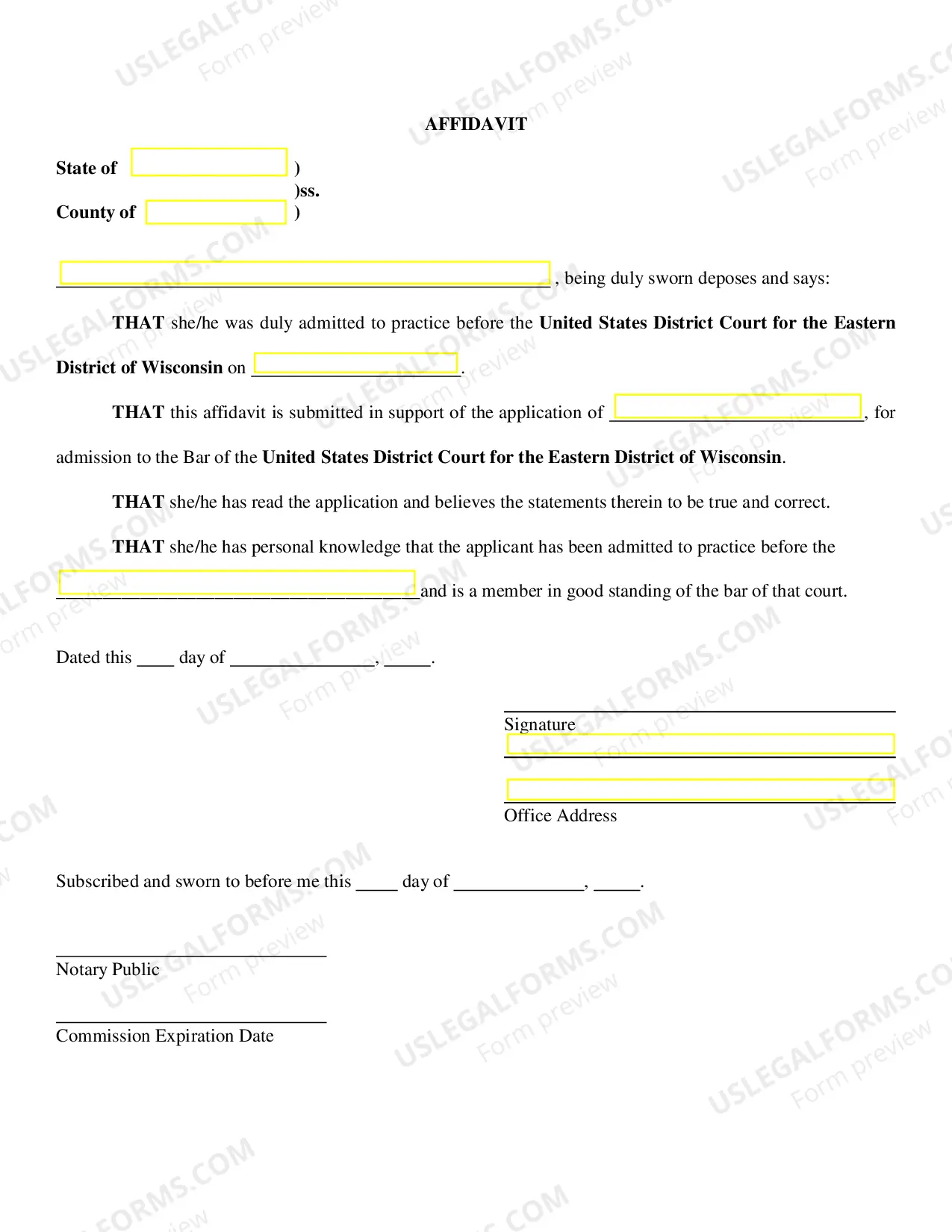
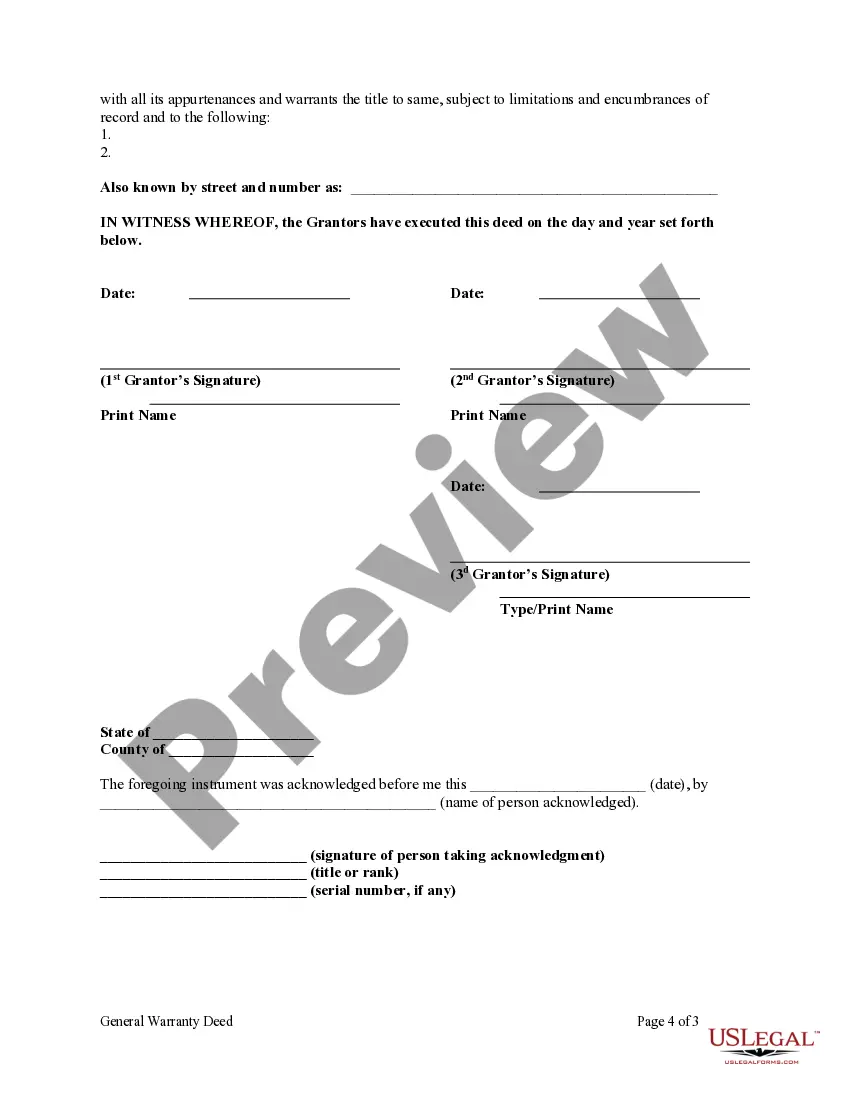
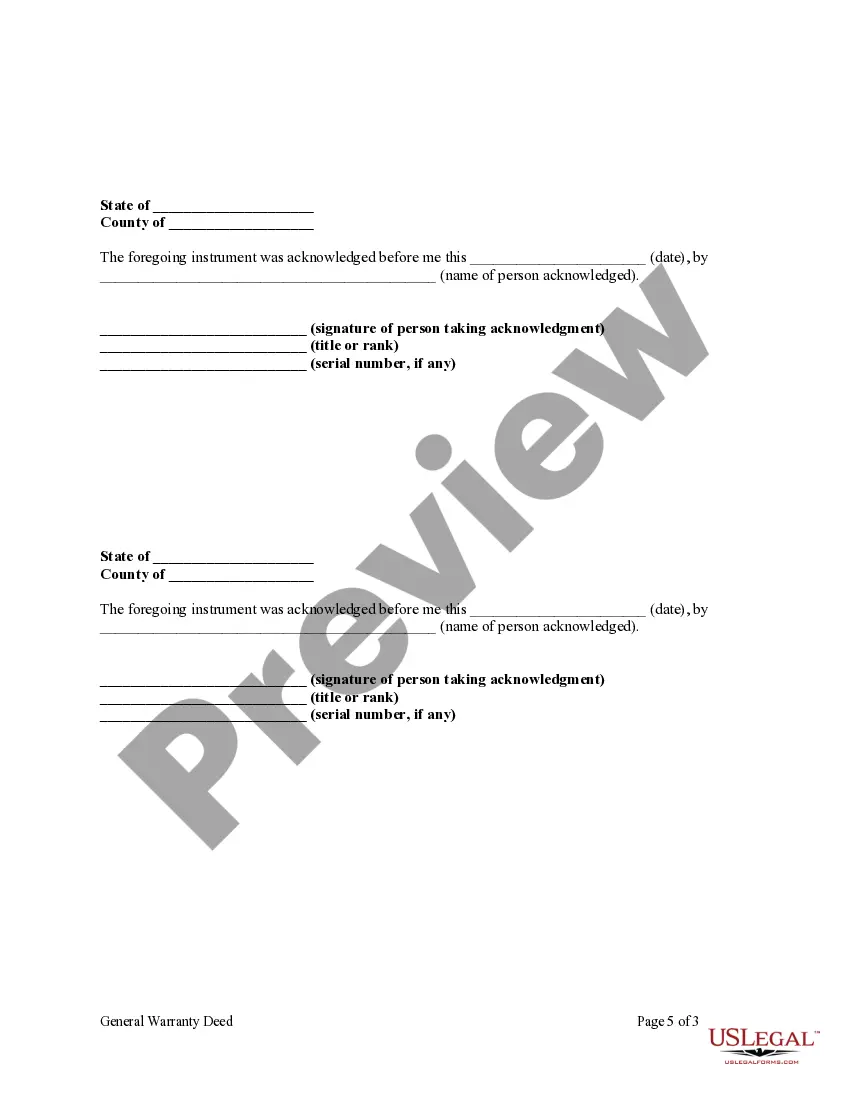
The General Warranty Deed for transferring property from three individuals to a limited liability company is a legal document that ensures that the property being conveyed is free from any claims. This form serves as a guarantee from the grantors (the individuals) to the grantee (the LLC) that they hold clear title to the property and have the legal right to sell it. Unlike quitclaim deeds, this deed provides a higher level of protection, making it suitable for formal property transfers between individuals and businesses.
What’s included in this form
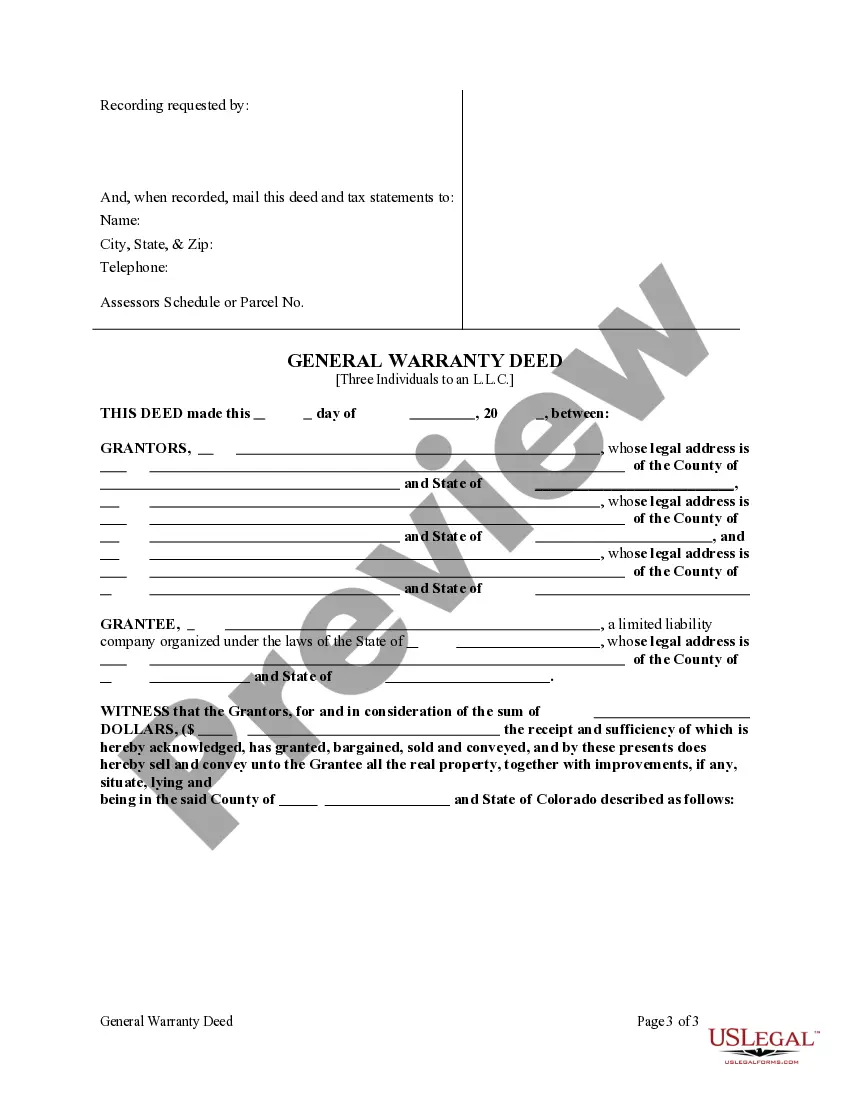
- Identification of the grantors (the three individuals) and the grantee (the LLC)
- Description of the property being conveyed
- Warranties included from the grantors regarding the title
- Signatures of all grantors to validate the transfer
- Date of execution to document when the transfer takes place


Common use cases
This form is necessary when three individuals wish to transfer ownership of a property to a limited liability company. It is commonly used in real estate transactions, particularly when the individuals are part of a business endeavor that requires formalizing property ownership under the business entity.
Who needs this form
- Individuals who are currently holding a property and wish to transfer ownership to an LLC
- Members of a business partnership who want to formalize property under a single legal entity
- Real estate professionals facilitating property transfers to limited liability companies
How to complete this form
- Identify all grantors (the three individuals) and the grantee (the limited liability company) in the form.
- Provide a thorough description of the property including the address and any relevant identifiers.
- Detail the ownership percentage for each grantor if applicable.
- Have all grantors sign the document in the appropriate spaces.
- Include the date of the transfer to finalize the document.
Is notarization required?
This form does not typically require notarization unless specified by local law. However, it is always advisable to check local regulations to ensure compliance and validity.
Get your form ready online
Our built-in tools help you complete, sign, share, and store your documents in one place.
Make edits, fill in missing information, and update formatting in US Legal Forms—just like you would in MS Word.
Download a copy, print it, send it by email, or mail it via USPS—whatever works best for your next step.
Sign and collect signatures with our SignNow integration. Send to multiple recipients, set reminders, and more. Go Premium to unlock E-Sign.
If this form requires notarization, complete it online through a secure video call—no need to meet a notary in person or wait for an appointment.
We protect your documents and personal data by following strict security and privacy standards.

Make edits, fill in missing information, and update formatting in US Legal Forms—just like you would in MS Word.

Download a copy, print it, send it by email, or mail it via USPS—whatever works best for your next step.

Sign and collect signatures with our SignNow integration. Send to multiple recipients, set reminders, and more. Go Premium to unlock E-Sign.

If this form requires notarization, complete it online through a secure video call—no need to meet a notary in person or wait for an appointment.

We protect your documents and personal data by following strict security and privacy standards.
Common mistakes to avoid
- Failing to include a complete and accurate description of the property.
- Not obtaining all necessary signatures from the grantors.
- Missing the correct date of execution.
- Using improper terminology that may confuse ownership rights.
Advantages of online completion
- Convenient access to legal forms from anywhere with an internet connection.
- Editability of the form allows users to customize it to their specific needs.
- Reliable attorney-drafted content ensures compliance with legal standards.
- Immediate download features save time compared to traditional methods.
Key takeaways
- The General Warranty Deed is crucial for transferring property from individuals to a limited liability company.
- This deed offers robust protection to the Grantee concerning the title.
- Correctly completing the form is essential to ensure the legality of the property transfer.
Looking for another form?

Form popularity
FAQ
Filling out a warranty deed requires you to enter specific information clearly and accurately. You should list the names of the three individuals transferring the property to the LLC, along with the property's legal description. Make sure to state that you are using a Colorado General Warranty Deed - Three Individuals to a Limited Liability Company. Take your time to review the information and, if needed, refer to online resources for additional clarity, such as those available at US Legal Forms.
To fill out a warranty form, you need to gather relevant property details and the names of the individuals involved. Begin with the legal names of the three individuals who own the property and the LLC that will receive it. You will also need to include the property's legal description. For accuracy and convenience, exploring resources provided by US Legal Forms can simplify the process and ensure all necessary information is included.
Filling out a warranty deed form requires attention to detail. Start by including the names of the grantors—usually the three individuals—and the grantee, which is the LLC. Clearly describe the property being conveyed and ensure that the deed specifies the nature of the interest being transferred. If needed, consider using the US Legal Forms platform for templates and guidance related to the Colorado General Warranty Deed - Three Individuals to a Limited Liability Company.
To transfer property to an LLC in Colorado, you need to prepare and execute a Colorado General Warranty Deed - Three Individuals to a Limited Liability Company. Begin by filling out the deed with accurate details about the property and the LLC. After signing the deed, you must file it with the county clerk and recorder's office to make the transfer official. It is advisable to consult with a legal professional to ensure all requirements are met and to avoid any potential pitfalls.
Deeding a property to an LLC involves several steps, starting with the creation of the LLC itself. Once your LLC is ready, you can complete a Colorado General Warranty Deed - Three Individuals to a Limited Liability Company by accurately listing the property details and the LLC's name as the new owner. After signing the deed, you need to record it with your local county recorder's office to finalize the transfer. Consider using resources like UsLegalForms for templates and guidance to make this process efficient and compliant.
To put your property in an LLC, you must first establish the LLC by filing the necessary documents with your state. Once the LLC is formed, you can use a Colorado General Warranty Deed - Three Individuals to a Limited Liability Company to transfer the property title from your name to the LLC. This process typically involves filling out the deed, signing it, and recording it with your local county office to make the transfer official. Using professional services such as UsLegalForms can streamline this process and ensure your documentation is complete.
Many individuals choose to put their house under an LLC for several reasons, including asset protection and tax benefits. By transferring property ownership to a limited liability company, you can shield your personal assets from potential liabilities linked to your property. Additionally, this can simplify estate planning and provide a seamless transfer of ownership. Using a Colorado General Warranty Deed - Three Individuals to a Limited Liability Company ensures that the transfer process is legally sound and compliant with state requirements.
The terms 'warranty deed' and 'limited warranty deed' refer to different types of legal instruments. A Colorado General Warranty Deed - Three Individuals to a Limited Liability Company provides a stronger guarantee of title than a limited warranty deed. It ensures that the transferring parties are responsible for any title issues that arise, even those that predate their ownership. If you seek clarity on property ownership documentation, US Legal Forms offers comprehensive resources to guide you through creating and managing warranty deeds efficiently.
The primary difference between a general warranty deed and a limited warranty deed lies in the extent of the seller's warranties. A general warranty deed provides a full guarantee against all claims, offering maximum protection to the buyer. In contrast, a limited warranty deed only guarantees the property’s title during the seller's ownership, exposing the buyer to potential risks from prior claims.
People often place their property in an LLC to protect their personal assets and limit liability. By doing so, they separate personal and business finances, which can be beneficial for tax purposes. Additionally, an LLC can facilitate easier management of rental properties and help with estate planning.