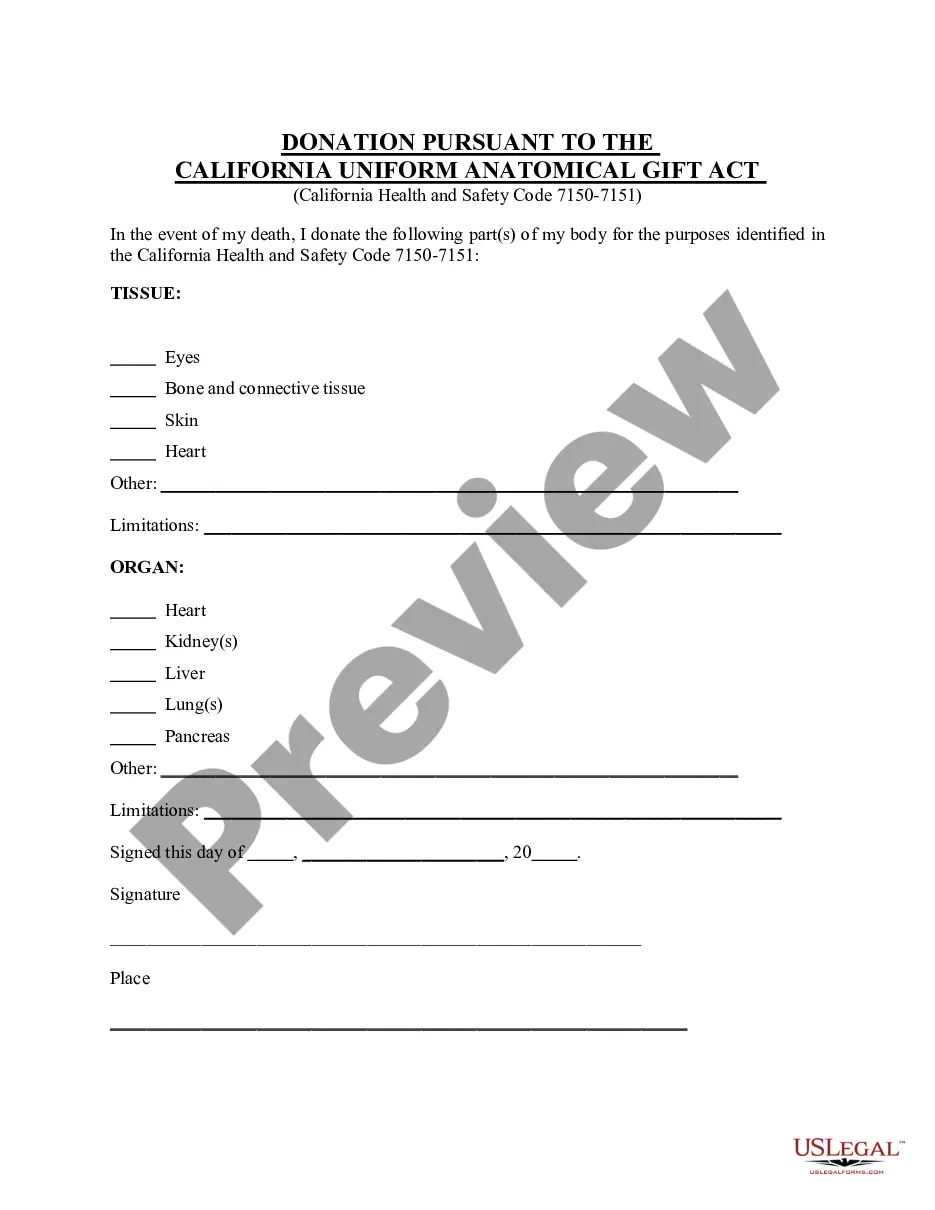
California Uniform Anatomical Gift Act Donation
Understanding this form
The Uniform Anatomical Gift Act Donation form allows an individual to designate specific body parts and organs for donation upon death. This legally binding document follows state statutes and is distinct from other forms of advance medical directives, focusing solely on anatomical gifts. It enables individuals aged 18 and older to express their wishes for organ and tissue donation clearly and effectively.
Key components of this form
- Identification of the donor and their intent to donate specific body parts or organs.
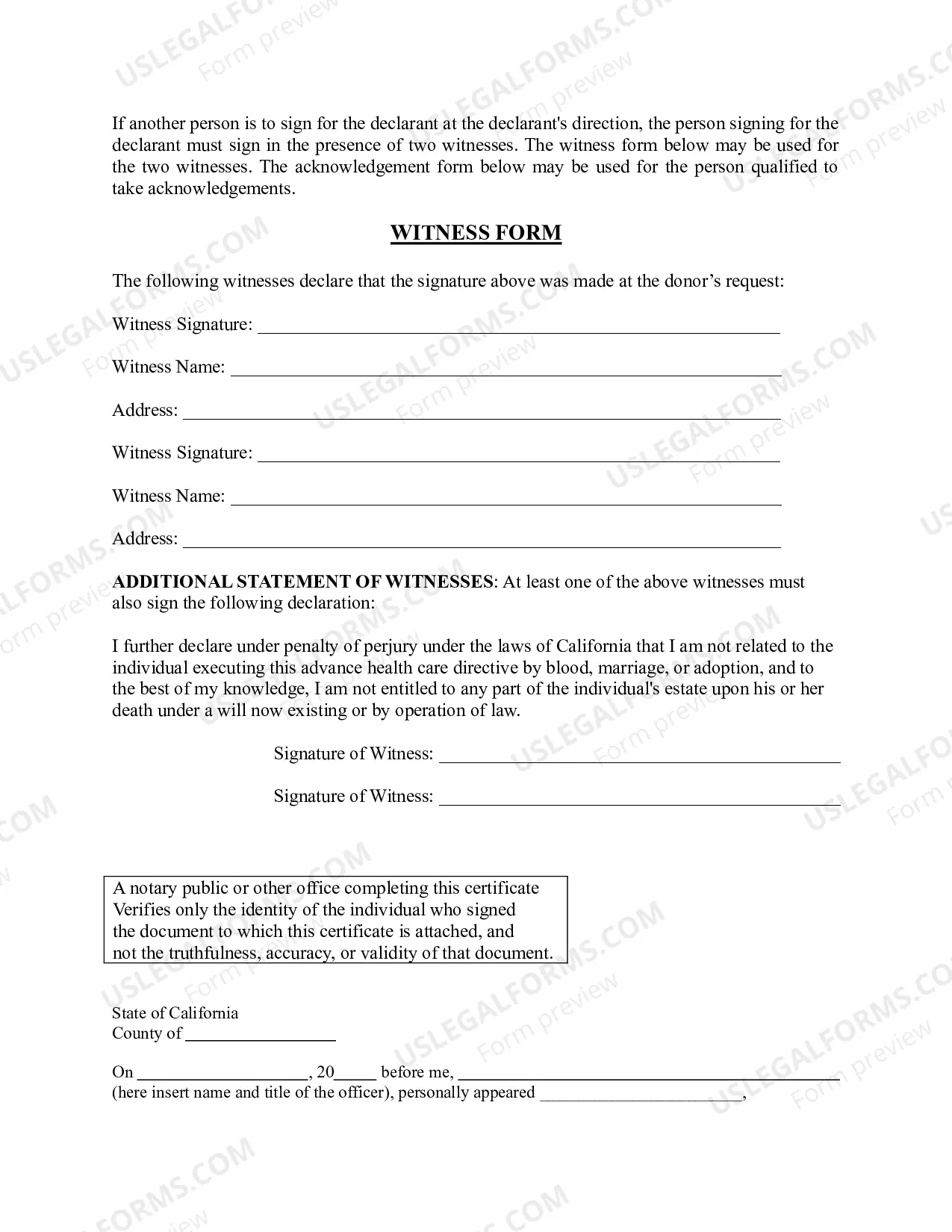
- Requirements for witnesses to confirm the donor's signature.
- A declaration by witnesses affirming no familial relationship with the donor.
- Options for alternate signers if the donor is unable to sign themselves.
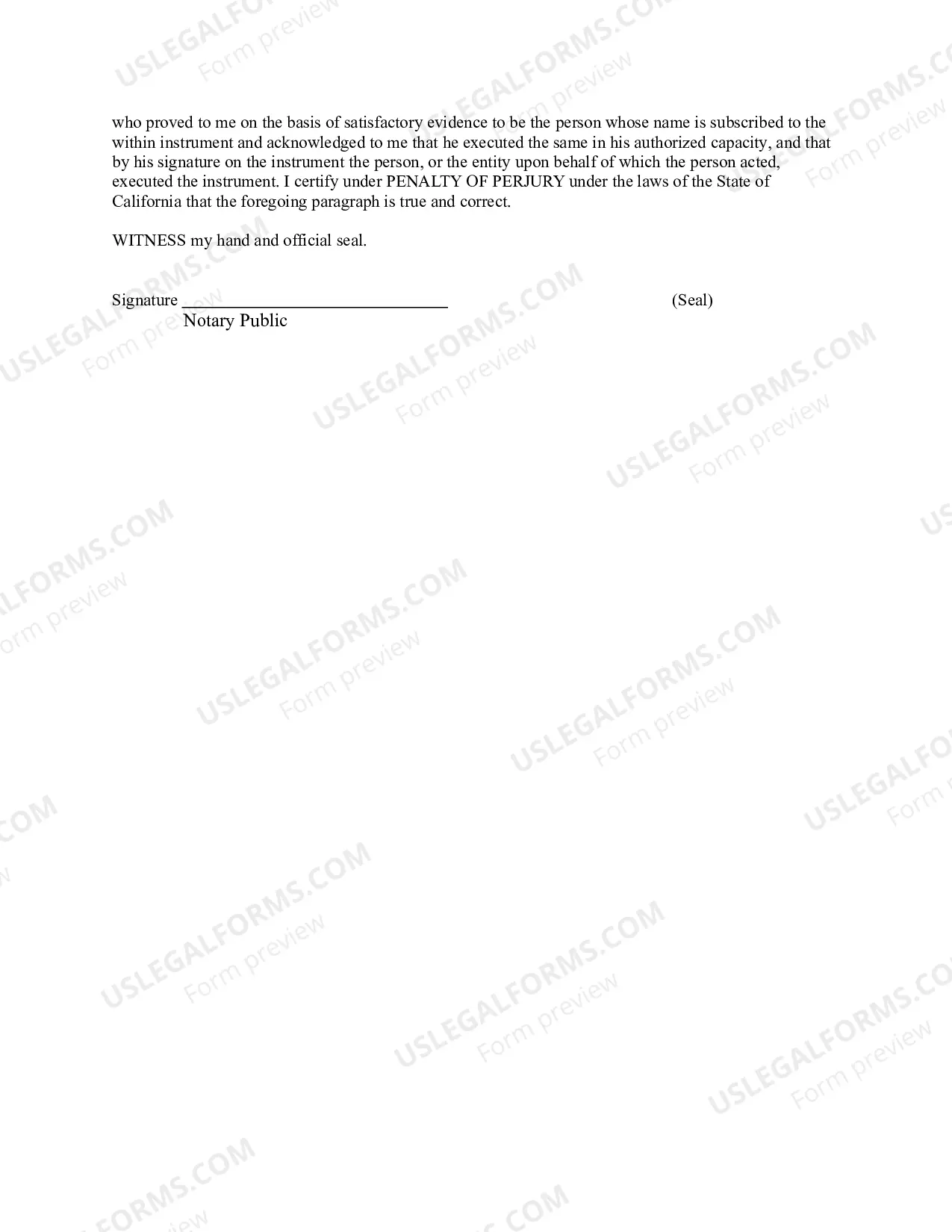
- Notarization section to verify the identity of the signer.

When this form is needed
This form should be used when an individual wishes to make a legally recognized anatomical gift. It is relevant in situations where a person desires to donate organs or tissues for transplantation, research, or educational purposes after their death. Having this form completed ensures that the individual's wishes are honored and legally documented.
Who should use this form
This form is suitable for:
- Individuals aged 18 or older who wish to donate their organs or tissues after death.
- Those who want to specify which body parts or organs they are offering for donation.
- People looking to communicate their wishes clearly and legally to family and medical professionals.
How to prepare this document
- Provide your personal details, including your name and address.
- Clearly state which body parts or organs you wish to donate.
- Have the form signed in the presence of two witnesses to ensure validity.
- Complete the witnesses' declaration section to confirm they have no relationship to you.
- Obtain notarization if required, which involves a notary public verifying your identity.
Is notarization required?
Yes, this form must be notarized to be legally valid. Notarization serves to verify the identity of the individual signing the document. US Legal Forms offers integrated online notarization to facilitate this process, allowing you to complete it securely and conveniently via video call, anytime and anywhere.
Get your form ready online
Our built-in tools help you complete, sign, share, and store your documents in one place.
Make edits, fill in missing information, and update formatting in US Legal Forms—just like you would in MS Word.
Download a copy, print it, send it by email, or mail it via USPS—whatever works best for your next step.
Sign and collect signatures with our SignNow integration. Send to multiple recipients, set reminders, and more. Go Premium to unlock E-Sign.
If this form requires notarization, complete it online through a secure video call—no need to meet a notary in person or wait for an appointment.
We protect your documents and personal data by following strict security and privacy standards.

Make edits, fill in missing information, and update formatting in US Legal Forms—just like you would in MS Word.

Download a copy, print it, send it by email, or mail it via USPS—whatever works best for your next step.

Sign and collect signatures with our SignNow integration. Send to multiple recipients, set reminders, and more. Go Premium to unlock E-Sign.

If this form requires notarization, complete it online through a secure video call—no need to meet a notary in person or wait for an appointment.

We protect your documents and personal data by following strict security and privacy standards.
Typical mistakes to avoid
- Failing to have the form signed in front of two witnesses.
- Not stating specific organs or body parts intended for donation.
- Neglecting to have the signature notarized when required by state law.
- Providing incorrect or insufficient personal information.
Why complete this form online
- Access templates prepared by licensed attorneys, ensuring legal compliance.
- Easy to download and fill out at your convenience.
- Quick updates and edits can easily be made to reflect your current wishes.
- Provides peace of mind knowing your intentions are legally documented.
Looking for another form?


Form popularity
FAQ
The California Uniform Anatomical Gift Act Donation form is a standard document that lets a person 18 or older designate specific organs or body parts for donation after death. It is distinct from other advance directives and creates a legally binding record of the donor’s wishes for transplantation, research, or education, with sections for donor identification, witness verification, witnesses’ declaration of no familial relationship, alternate signers, and notarization.
A donor makes an anatomical gift by completing this form, signing it as the donor, and meeting the witness requirements. If the donor cannot sign, an alternate signer may do so. The form also includes a notarization section to verify identity and a declaration by witnesses that there is no familial relationship with the donor.
The donor themselves authorizes the gift by signing the form. If the donor cannot sign, an alternate signer may complete the process. In all cases, the signature must be witnessed, and the witnesses must declare no familial relationship with the donor, with notarization to verify identity.
It covers designation of specific body parts or organs for donation after death, for transplantation, research, or educational purposes. The form provides a legally binding record of the donor’s wishes and communicates them to family and medical professionals, with sections for donor identification, witness verification, and notarization.
An anatomical gift donor is any adult 18 years or older who designates specific organs or tissues for donation after death using this form. The donor’s wishes are recorded with witnesses’ verification and a notarization, ensuring the donation can be carried out for transplantation, research, or educational purposes.
This form is focused exclusively on anatomical gifts, separate from medical treatment directives. It documents which organs or tissues are to be donated after death and includes witness and notarization steps, governed by the California Uniform Anatomical Gift Act, ensuring the donor’s wishes are honored specifically for donation purposes.