California Quitclaim Deed by Two Individuals to Husband and Wife
What is this form?
The Quitclaim Deed by Two Individuals to Husband and Wife is a legal document that transfers ownership of property from two individuals (the grantors) to a married couple (the grantees). Unlike a warranty deed, this form provides no guarantees about the property title; it merely conveys whatever interest the grantors have. This form is essential for couples looking to establish clear ownership of property, especially in cases where existing ownership may be shared or uncertain.
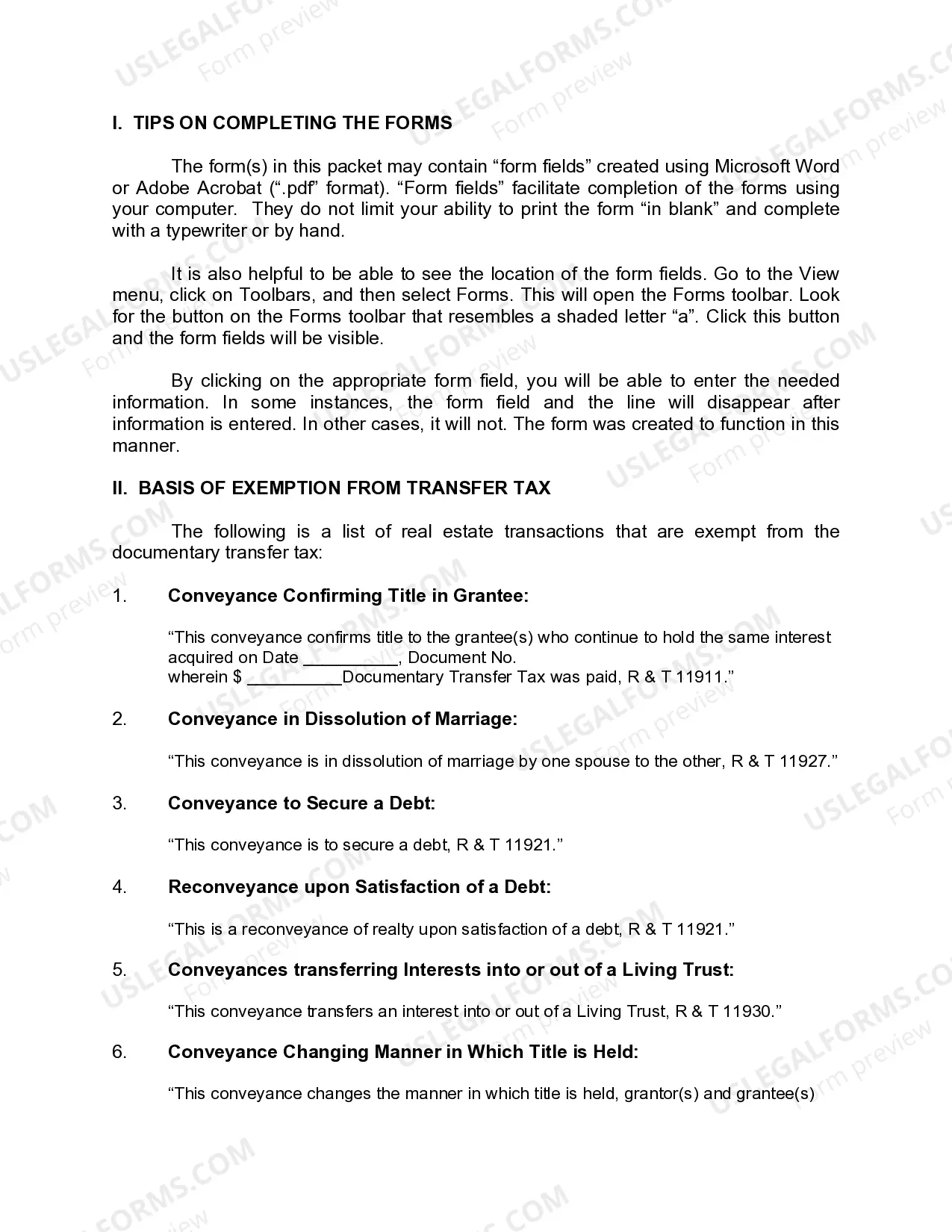
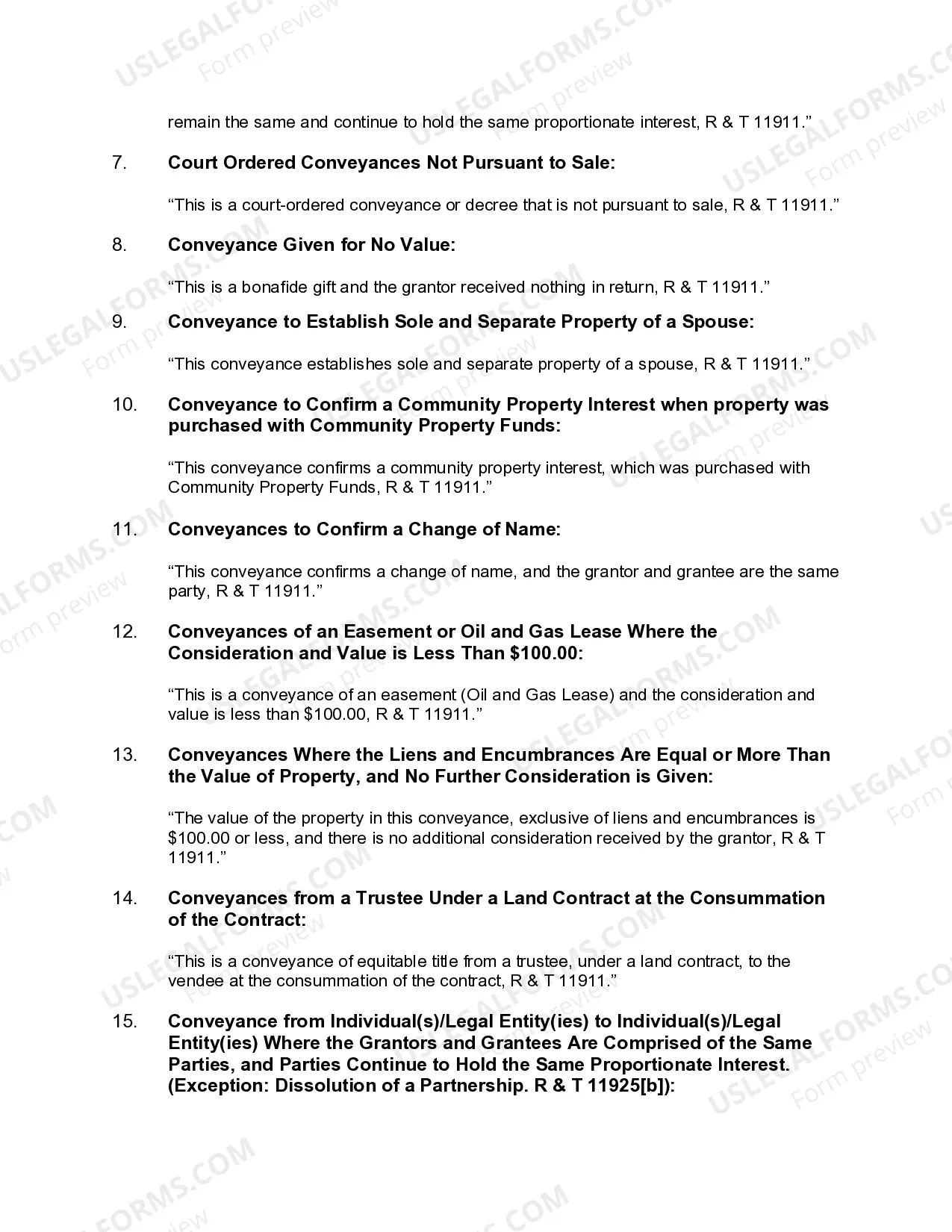
Form components explained
- Identification of grantors and grantees, ensuring both parties' names are clearly stated.
- Legal description of the property being transferred, detailing its location and boundaries.
- Statement of the conveyance, including language that specifies the transfer of rights without warranty.
- Reserved rights clause stating that oil, gas, and minerals, if any, are retained by the grantors.
- Signatures of all parties involved, which may include notarization to validate the transfer.
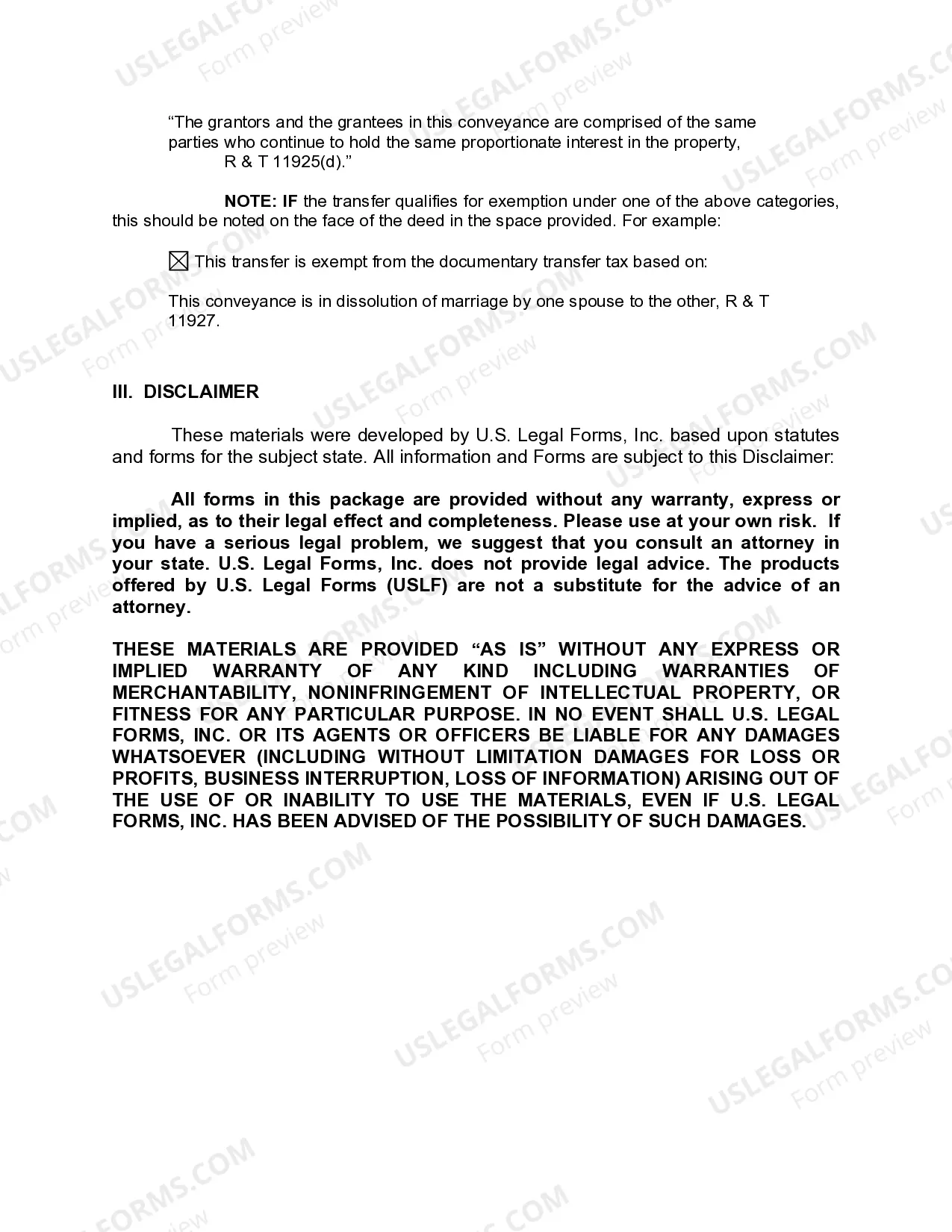
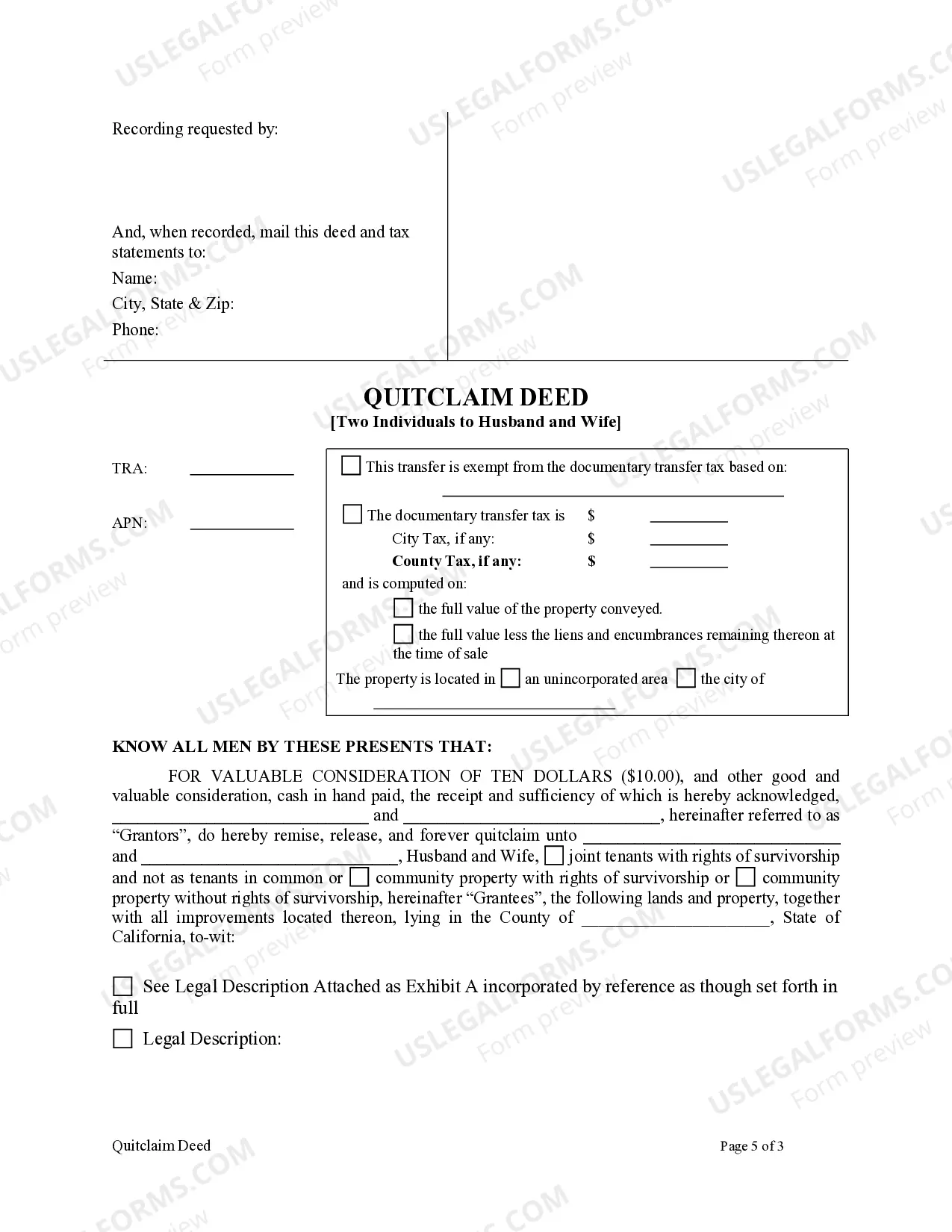
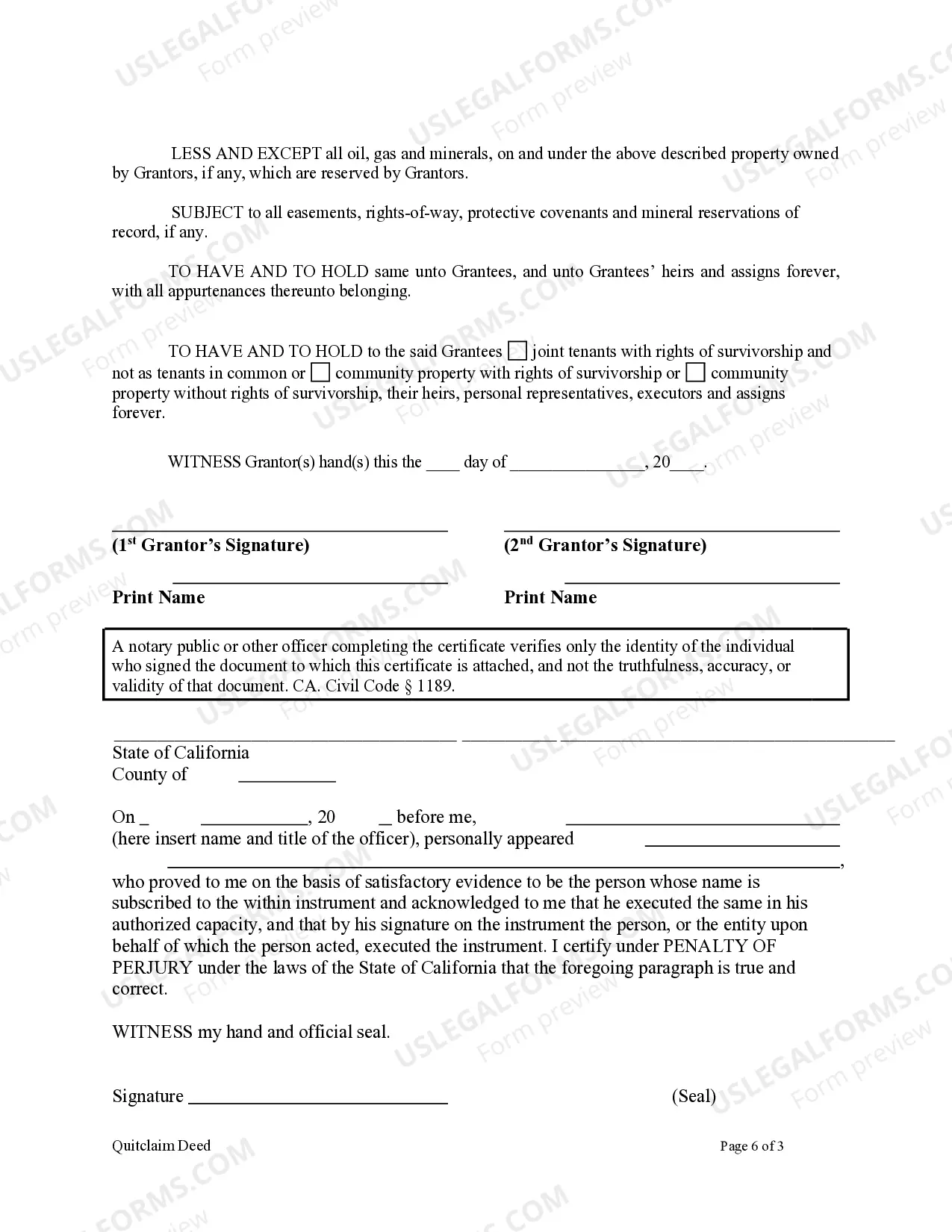
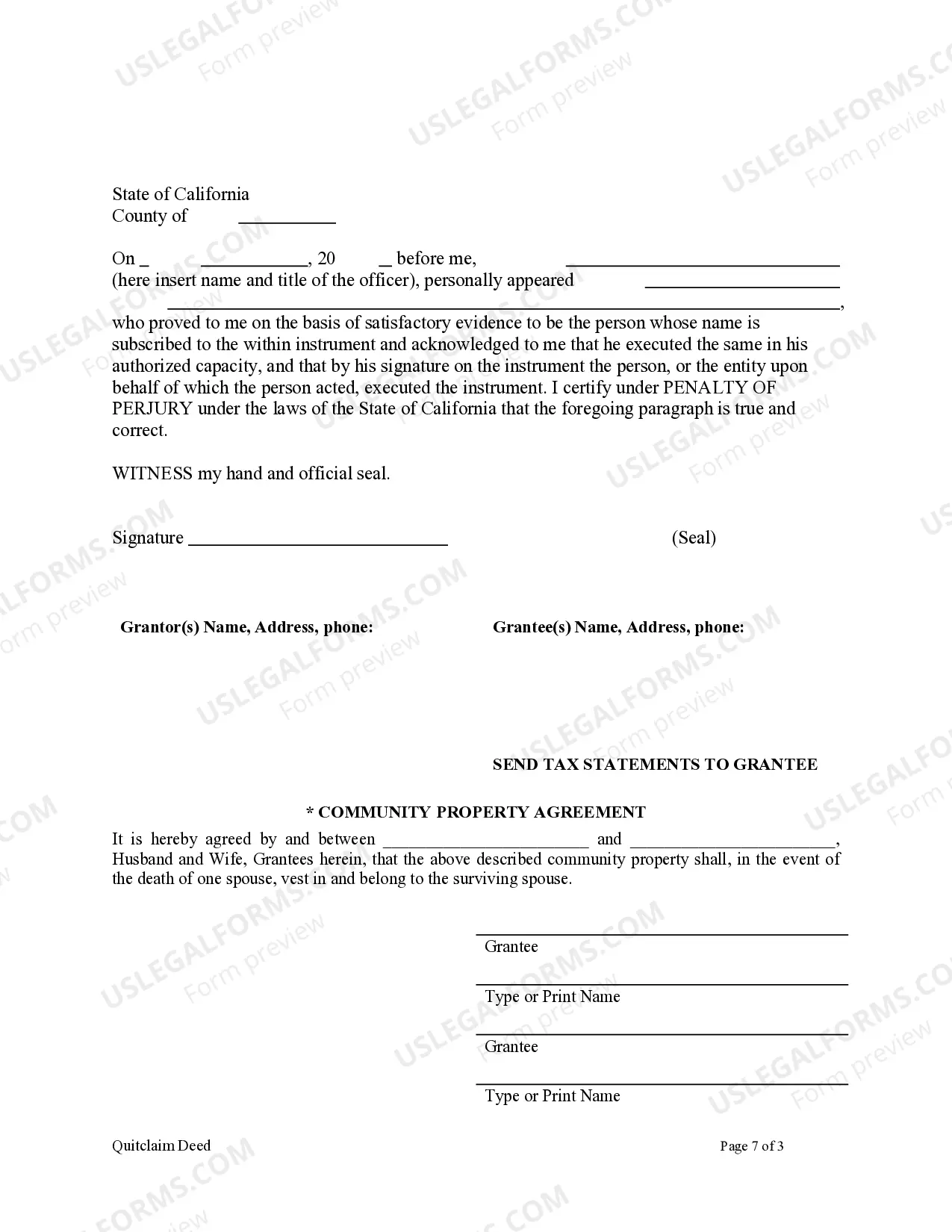







When this form is needed
This form is typically used when two individuals wish to transfer real estate ownership to a married couple. Common scenarios include transferring property as part of a gift, confirming ownership after a marriage, or during estate planning where property is transferred to a spouse. It is also used in circumstances where the property is being arranged for the couple in a way to benefit from survivorship rights.
Who should use this form
This form is ideal for:
- Individuals looking to transfer property to a spouse.
- Families wishing to ensure property ownership is clarified and legally recognized.
- Couples who want to take ownership of property jointly, especially in cases of marital property arrangements.
- Grantors wanting to clarify their intentions regarding property transfers without warranty.
Steps to complete this form
- Identify the grantors by entering the names of the two individuals transferring the property.
- Specify the grantees by providing the names of the husband and wife receiving the property.
- Enter the legal description of the property, ensuring accurate details are included.
- Complete the reserved rights clause to indicate what is retained by the grantors.
- Gather signatures from all parties involved, and ensure dates are included next to the signatures where required.
Notarization guidance
Notarization is required for this form to take effect. Our online notarization service, powered by Notarize, lets you verify and sign documents remotely through an encrypted video session, available 24/7.
Get your form ready online
Our built-in tools help you complete, sign, share, and store your documents in one place.
Make edits, fill in missing information, and update formatting in US Legal Forms—just like you would in MS Word.
Download a copy, print it, send it by email, or mail it via USPS—whatever works best for your next step.
Sign and collect signatures with our SignNow integration. Send to multiple recipients, set reminders, and more. Go Premium to unlock E-Sign.
If this form requires notarization, complete it online through a secure video call—no need to meet a notary in person or wait for an appointment.
We protect your documents and personal data by following strict security and privacy standards.

Make edits, fill in missing information, and update formatting in US Legal Forms—just like you would in MS Word.

Download a copy, print it, send it by email, or mail it via USPS—whatever works best for your next step.

Sign and collect signatures with our SignNow integration. Send to multiple recipients, set reminders, and more. Go Premium to unlock E-Sign.

If this form requires notarization, complete it online through a secure video call—no need to meet a notary in person or wait for an appointment.

We protect your documents and personal data by following strict security and privacy standards.
Typical mistakes to avoid
- Failing to include a complete and accurate legal description of the property.
- Not notarizing the document if required by local law.
- Leaving out signatures or failing to date the signatures properly.
- Assuming a quitclaim deed guarantees title rather than merely conveying current interests.
Benefits of completing this form online
- Immediate access to a professionally drafted form, ensuring compliance with legal requirements.
- Editable format allows users to personalize the document easily before printing.
- Convenient and quick, eliminating the need for attorney visits for routine property transfers.
Looking for another form?

Form popularity
FAQ
Certain scenarios can void a quitclaim deed, such as fraud, misrepresentation, or lack of proper notarization. Further, if the deed does not comply with state requirements, it risks being invalidated. When utilizing a California Quitclaim Deed by Two Individuals to Husband and Wife, it’s important to adhere to all legal protocols to maintain the deed's validity.
A quitclaim deed can become invalid if it contains errors or omissions, such as missing signatures or incorrect property descriptions. Additionally, if the grantor lacks the legal authority to transfer the property, the deed may also be void. When using a California Quitclaim Deed by Two Individuals to Husband and Wife, ensuring accuracy and legality is vital.
To add your spouse to your deed in California, you will need to execute a quitclaim deed that includes your spouse's name. After signing, you must file this deed with the county recorder's office to effectuate the change. A California Quitclaim Deed by Two Individuals to Husband and Wife is a straightforward method to achieve this.
In California, anyone can prepare a quitclaim deed, but it is often recommended to consult a legal professional. An attorney or a title company can provide expert guidance, ensuring compliance with state laws and proper filing. If you're considering a California Quitclaim Deed by Two Individuals to Husband and Wife, having a knowledgeable resource can simplify the process.
Indeed, a quitclaim deed must be signed by the grantor; however, it does not always need the grantee's signature. This process allows the grantor to transfer their interest in the property effectively. When utilizing a California Quitclaim Deed by Two Individuals to Husband and Wife, clear agreements should be documented to avoid confusion.
Yes, both parties typically need to be present for signing the quitclaim deed. This presence ensures both individuals agree on the property transfer, which is crucial for clarity and legal validity. Using a California Quitclaim Deed by Two Individuals to Husband and Wife ensures both parties can easily navigate this requirement.
In New York, a quitclaim deed must include the names of the grantor and grantee, a legal description of the property, and the signature of the grantor. Additionally, it's essential to ensure that the deed is notarized. For those looking to file a California Quitclaim Deed by Two Individuals to Husband and Wife, understanding these requirements helps streamline the process.
The best way to add someone to a deed is by using a California Quitclaim Deed by Two Individuals to Husband and Wife. This method allows for a straightforward transfer of property rights without the complexities involved in a traditional sale. Be sure to complete the form accurately, seek notary services for your signatures, and record the deed to secure acceptance of the new ownership. Utilizing U.S. Legal Forms can provide you with the necessary documentation and guidance to simplify this process.
To add a person to a deed in California, you will use a California Quitclaim Deed by Two Individuals to Husband and Wife. First, obtain the quitclaim form, ensuring it correctly details both the existing and new owners. After providing necessary information, sign the deed in front of a notary, and then file it at your local county recorder’s office. This procedure ensures the new person is recognized as a joint owner of the property.
Yes, you can add someone to your house deed in California through a California Quitclaim Deed by Two Individuals to Husband and Wife. This deed allows one or more individuals to transfer property rights to another person without warranting title. You will need to fill out the quitclaim deed form, sign it, and have it notarized before recording it with the county. This action legally changes the ownership structure of the property.