Arkansas Warranty Deed from Corporation to Husband and Wife
Understanding this form
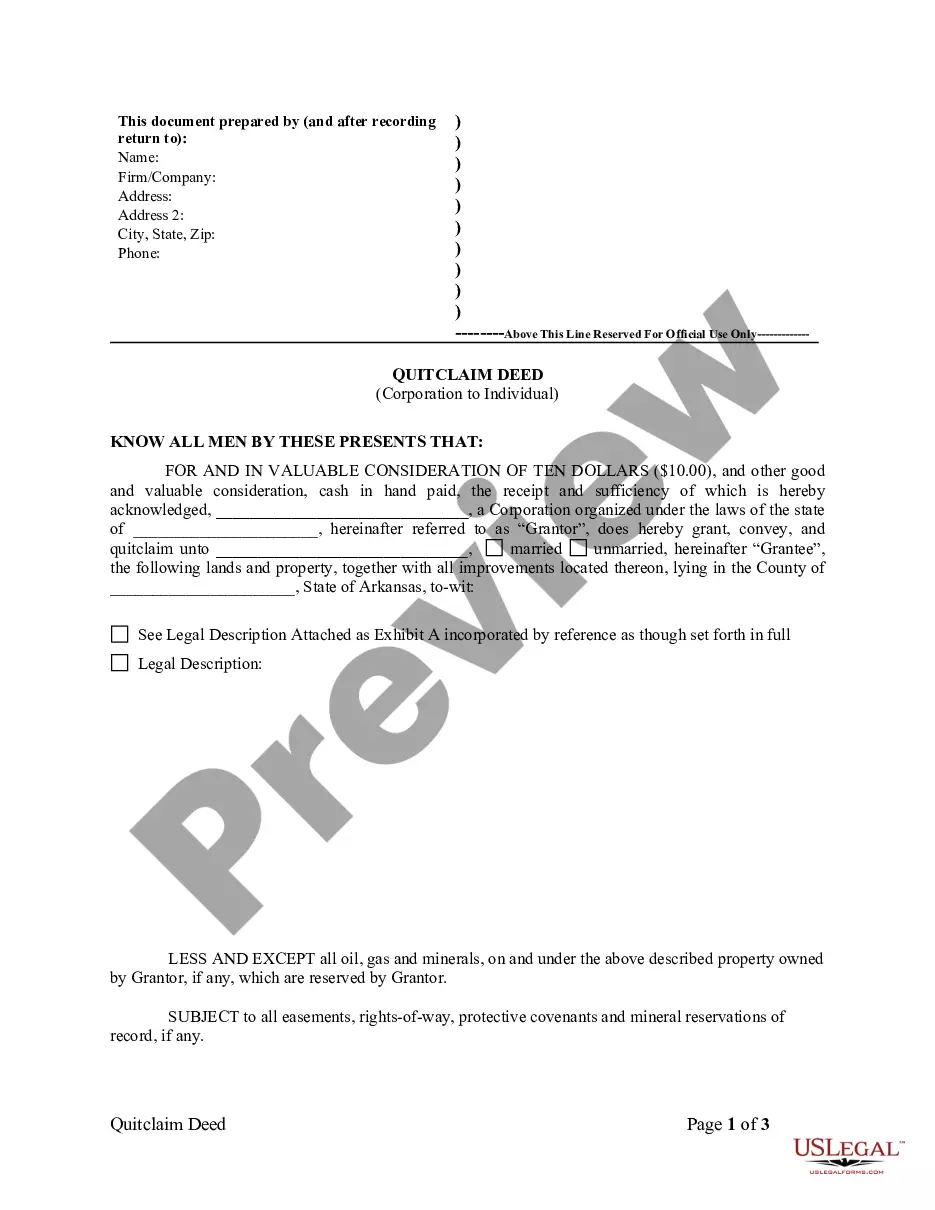
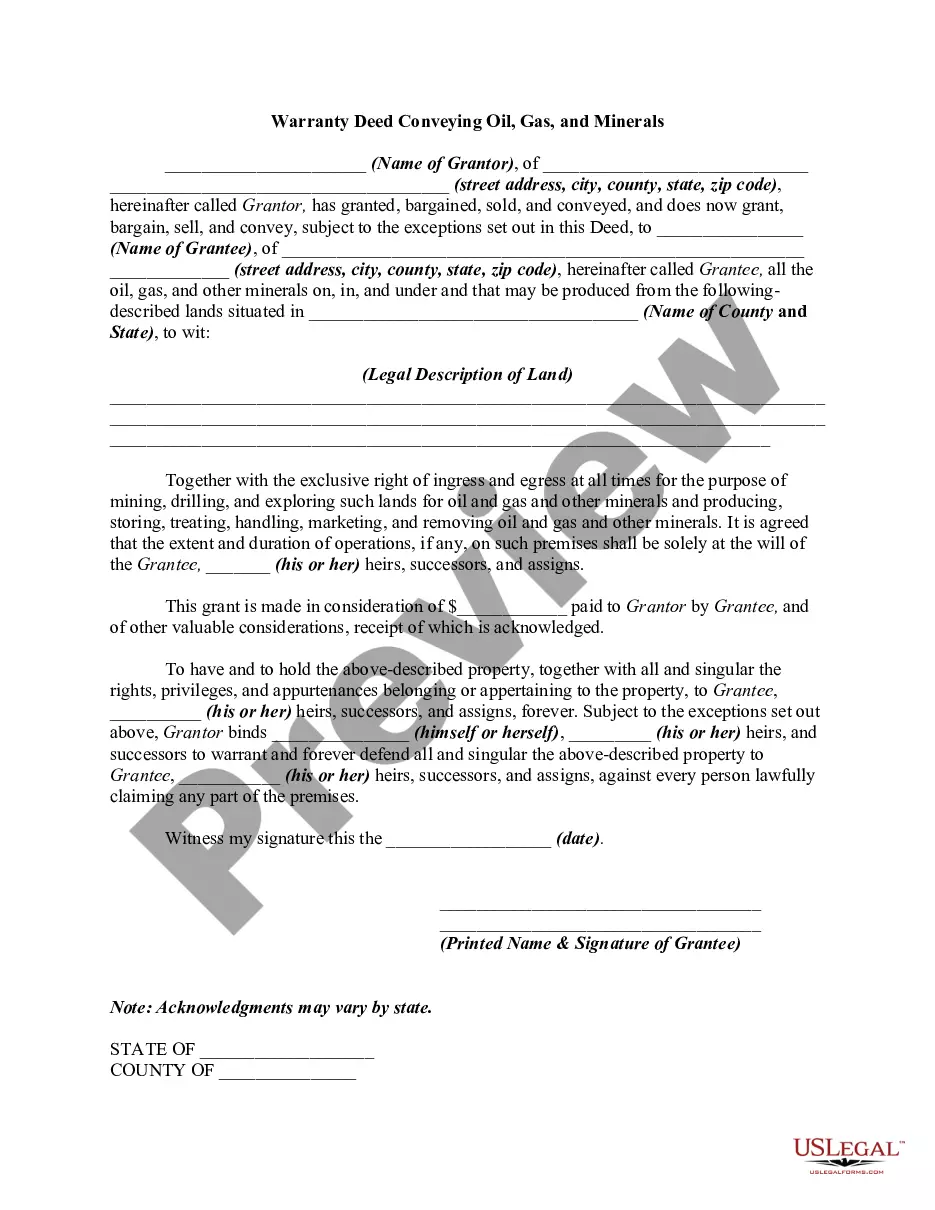
The Warranty Deed from Corporation to Husband and Wife is a legal document used to transfer property ownership from a corporation to a married couple. This form ensures that the corporation conveys the property with certain warranties, including the reservation of oil, gas, and minerals. This form is essential for establishing clear title and ownership and ensures compliance with state laws.
Form components explained
- Grantor: The corporation transferring property.
- Grantees: The husband and wife receiving the property.
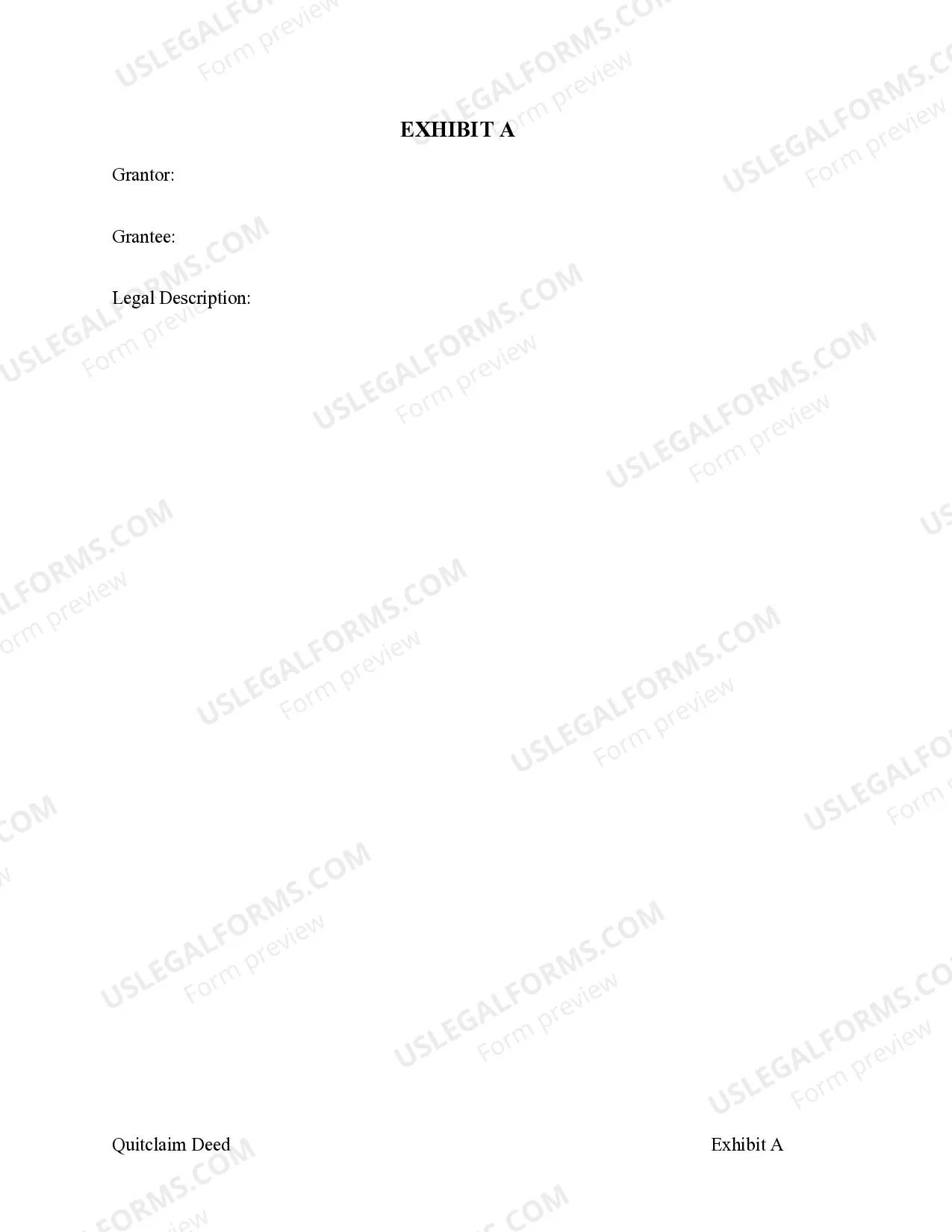
- Legal Description: Detailed property information included as an exhibit.
- Warranties: Guarantees regarding the property being transferred.
- Reservation Clause: Stipulates that oil, gas, and minerals are not included in the transfer.
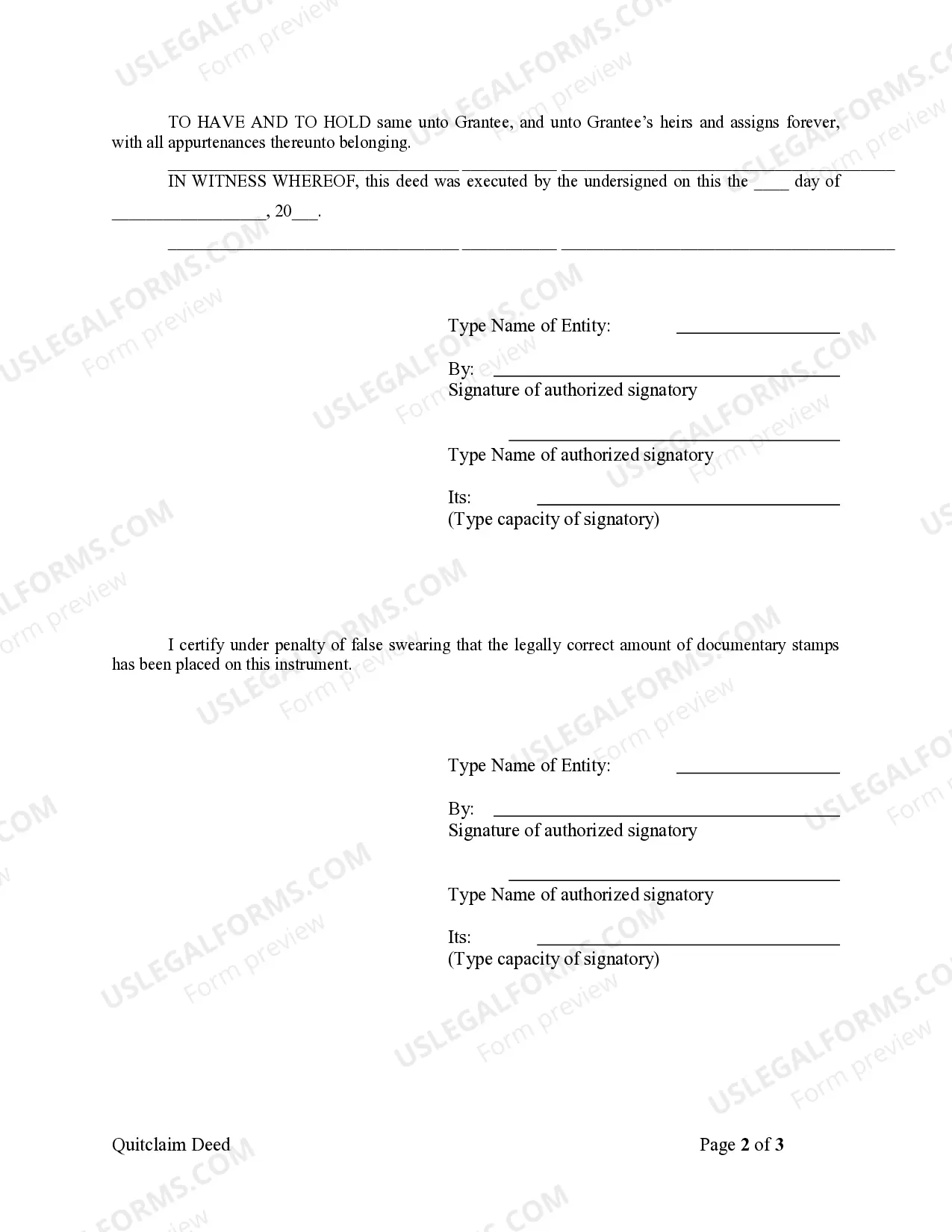
- Execution Date: The date when the deed is signed by the grantor.


Common use cases
This form is necessary when a corporation intends to transfer property ownership to a husband and wife. It is commonly used in real estate transactions where a couple is receiving property from a corporate entity, ensuring legal compliance and clarity of ownership.
Who should use this form
- Civil corporations wishing to transfer property.
- Married couples acquiring real estate from a corporation.
- Legal representatives acting on behalf of a corporation.
Steps to complete this form
- Identify the grantor (the corporation) and the grantees (the husband and wife).
- Provide a legal description of the property as referenced in Exhibit A.
- Add the reservation clause regarding oil, gas, and minerals.
- Specify the execution date and ensure the document is signed by the representative of the corporation.
- Record the deed with the appropriate county office where the property is located.
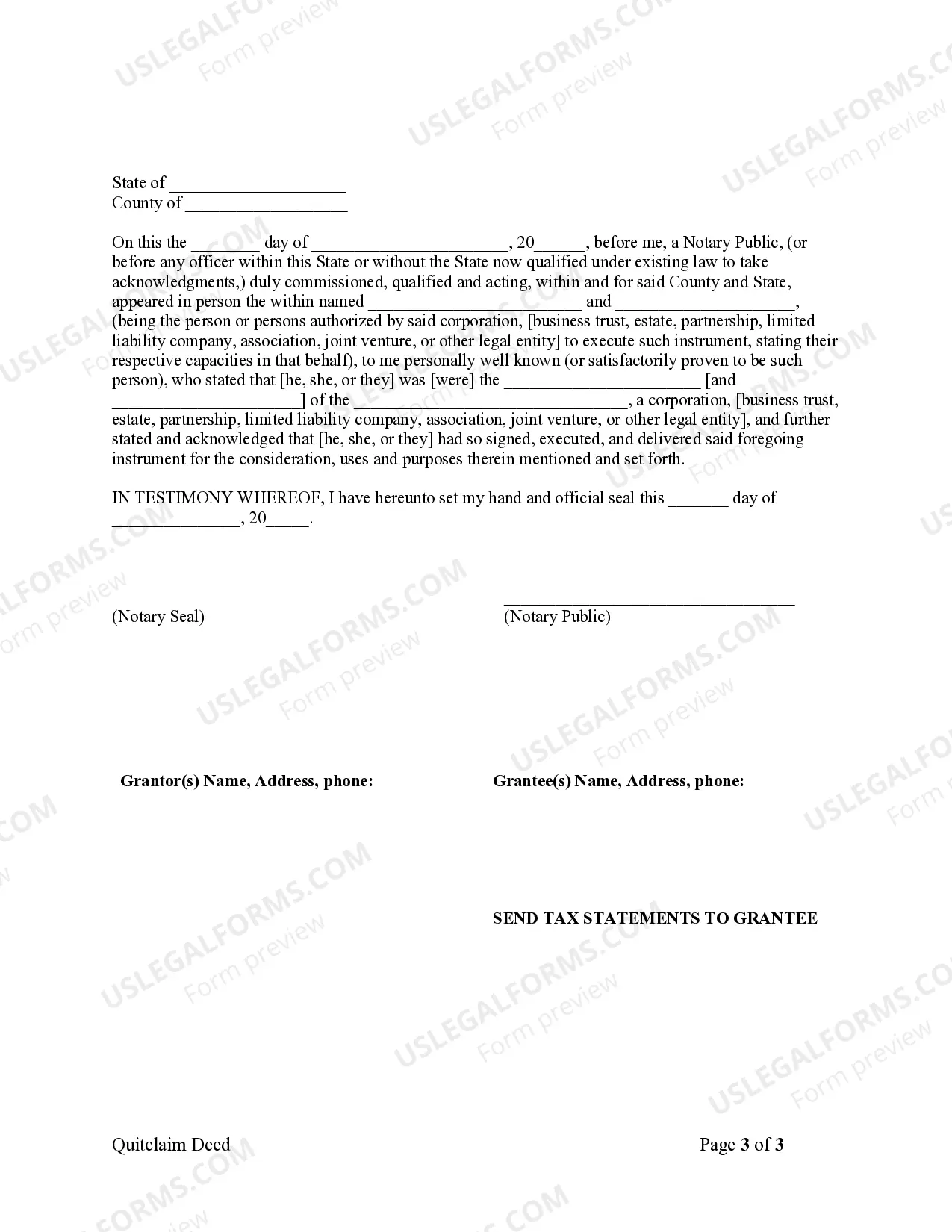
Notarization requirements for this form
This form needs to be notarized to ensure legal validity. US Legal Forms provides secure online notarization powered by Notarize, allowing you to complete the process through a verified video call, available anytime.
Get your form ready online
Our built-in tools help you complete, sign, share, and store your documents in one place.
Make edits, fill in missing information, and update formatting in US Legal Forms—just like you would in MS Word.
Download a copy, print it, send it by email, or mail it via USPS—whatever works best for your next step.
Sign and collect signatures with our SignNow integration. Send to multiple recipients, set reminders, and more. Go Premium to unlock E-Sign.
If this form requires notarization, complete it online through a secure video call—no need to meet a notary in person or wait for an appointment.
We protect your documents and personal data by following strict security and privacy standards.

Make edits, fill in missing information, and update formatting in US Legal Forms—just like you would in MS Word.

Download a copy, print it, send it by email, or mail it via USPS—whatever works best for your next step.

Sign and collect signatures with our SignNow integration. Send to multiple recipients, set reminders, and more. Go Premium to unlock E-Sign.

If this form requires notarization, complete it online through a secure video call—no need to meet a notary in person or wait for an appointment.

We protect your documents and personal data by following strict security and privacy standards.
Common mistakes
- Failing to include the legal description of the property.
- Not specifying the reservation of oil, gas, and minerals.
- Missing the grantor's signature or execution date.
- Incorrectly identifying the grantees.
Benefits of completing this form online
- Convenient access to professionally drafted legal templates.
- Ability to download, edit, and customize forms as needed.
- Cost-effective option compared to hiring legal counsel for simple transactions.
- Ensures compliance with current state law through up-to-date documents.
Looking for another form?









Form popularity
FAQ
Yes, you can add a spouse to a deed without refinancing, but it requires careful consideration and proper documentation. You might want to execute an Arkansas Warranty Deed from Corporation to Husband and Wife to facilitate this process. While it’s essential to adhere to state laws and regulations, using resources from US Legal Forms can simplify the necessary paperwork and ensure everything is in order.
Recording a warranty deed in Arkansas involves a few straightforward steps. First, you need to complete the deed accurately, ensuring it meets all legal requirements. Next, take the completed Arkansas Warranty Deed from Corporation to Husband and Wife to your local county clerk's office for recording. This official step protects your ownership rights and makes the transfer public.
Yes, you can add a name to a warranty deed. This process is often necessary when transferring property ownership, such as in an Arkansas Warranty Deed from Corporation to Husband and Wife. To successfully add a name, you should consult with a legal advisor to ensure proper documentation and compliance with state laws. Tools like US Legal Forms can guide you through this process with ease.
A valid warranty deed in Arkansas must include specific information such as the names of the grantor and grantee, a detailed legal description of the property, and appropriate signatures. Additionally, notarization is required to legitimize the document. To ensure the Arkansas Warranty Deed from Corporation to Husband and Wife meets all legal criteria, using a reliable platform like USLegalForms can greatly assist in creating the necessary documents.
In Arkansas, a warranty deed typically includes essential elements such as the names of the parties, a description of the property, and the signature of the grantor. It may also feature a notary acknowledgment to verify authenticity. The format may vary, but the main goal is to clearly transfer ownership, especially in situations involving an Arkansas Warranty Deed from Corporation to Husband and Wife. For a clear and compliant format, you can refer to resources available on USLegalForms.
A warranty deed can become invalid for several reasons, such as improper execution or failure to meet state-specific requirements. If the grantor lacks the legal capacity or if there is a lack of consideration, the deed may not hold up in court. Moreover, if there are any defects in the title that were not disclosed, these could invalidate an Arkansas Warranty Deed from Corporation to Husband and Wife. Ensuring thorough review and proper documentation can help avoid these issues.
While it is not legally required for an attorney to prepare a deed in Arkansas, it is highly advisable. An attorney can help ensure that the Arkansas Warranty Deed from Corporation to Husband and Wife complies with state laws and includes all necessary provisions. Their expertise can prevent errors or omissions that might lead to disputes in the future. Utilizing services like USLegalForms can simplify this process.
A warranty deed is valid when it is properly executed and signed by the parties involved. Both the grantor and grantee must have the legal capacity to enter into the agreement. Additionally, the deed must be delivered and accepted to transfer ownership rights effectively. In the case of an Arkansas Warranty Deed from Corporation to Husband and Wife, ensuring all these elements are met is crucial for a valid transfer.
The best way to transfer property title between family members in Arkansas is by using an Arkansas Warranty Deed from Corporation to Husband and Wife. This method ensures clarity and legal protection for both parties. Always remember to sign and notarize the deed and record it with the local county office to perfect the transfer.
Transferring a property title to a family member in Arkansas typically involves executing a deed, such as the Arkansas Warranty Deed from Corporation to Husband and Wife. You should include relevant details like the property's legal description and the names of both the current and new owners. Following the signing and notarization, you must record the deed with the county clerk.