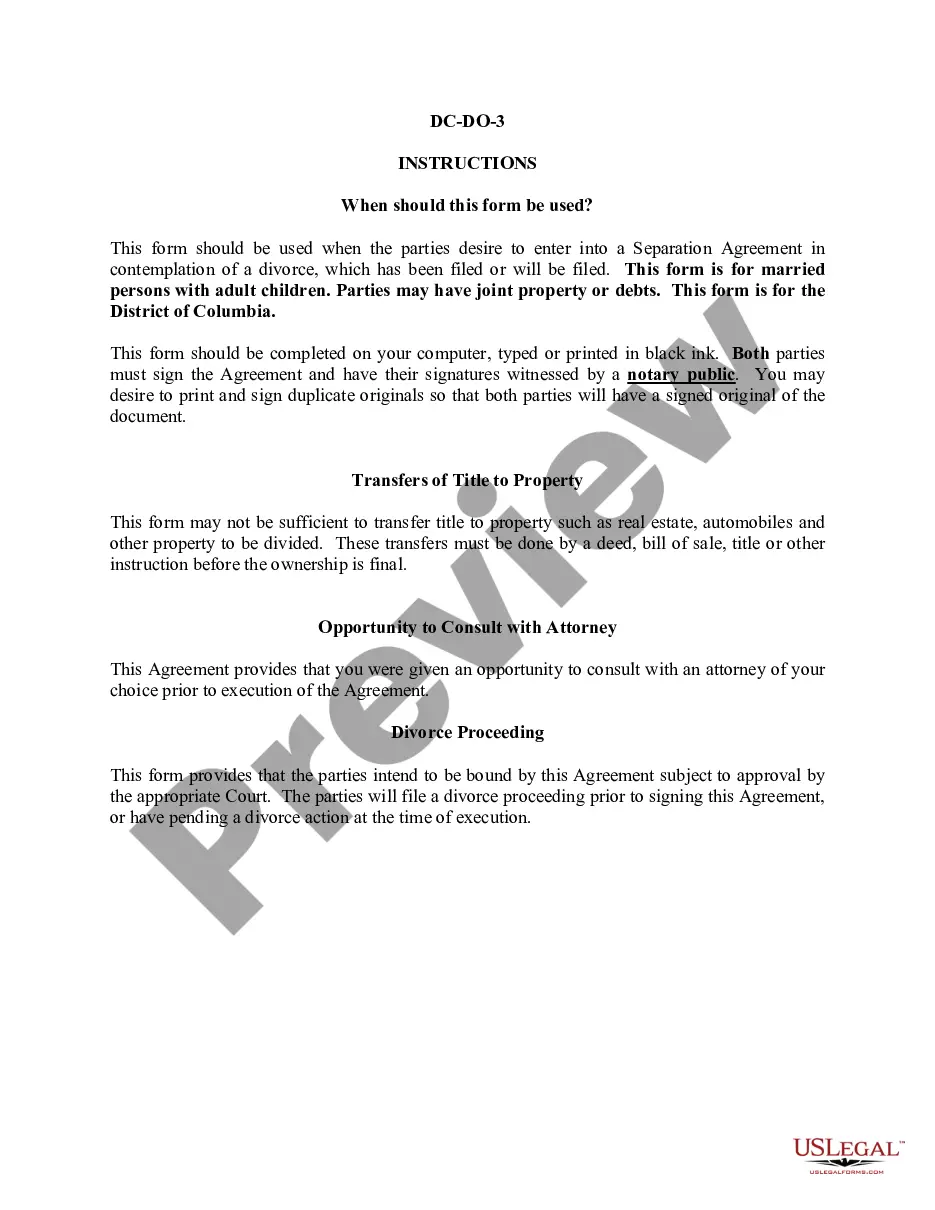
Alabama Warning of Default on Commercial Lease
Understanding this form
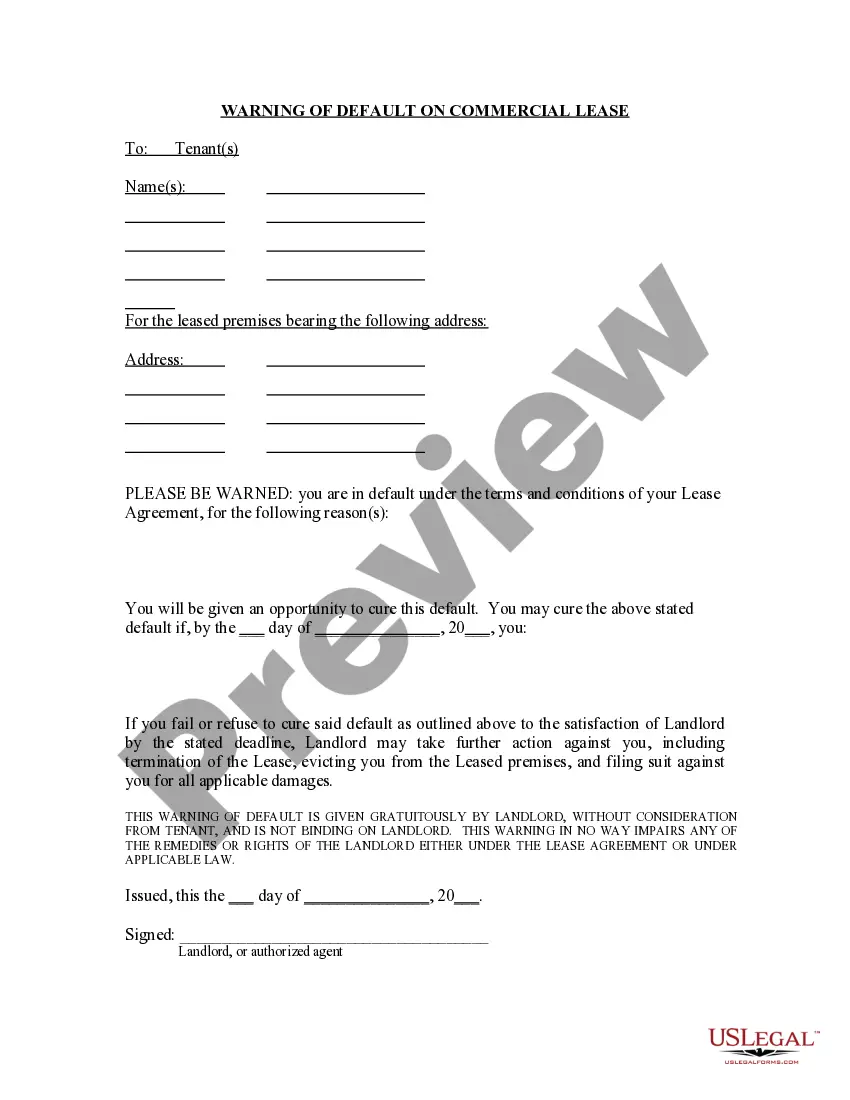
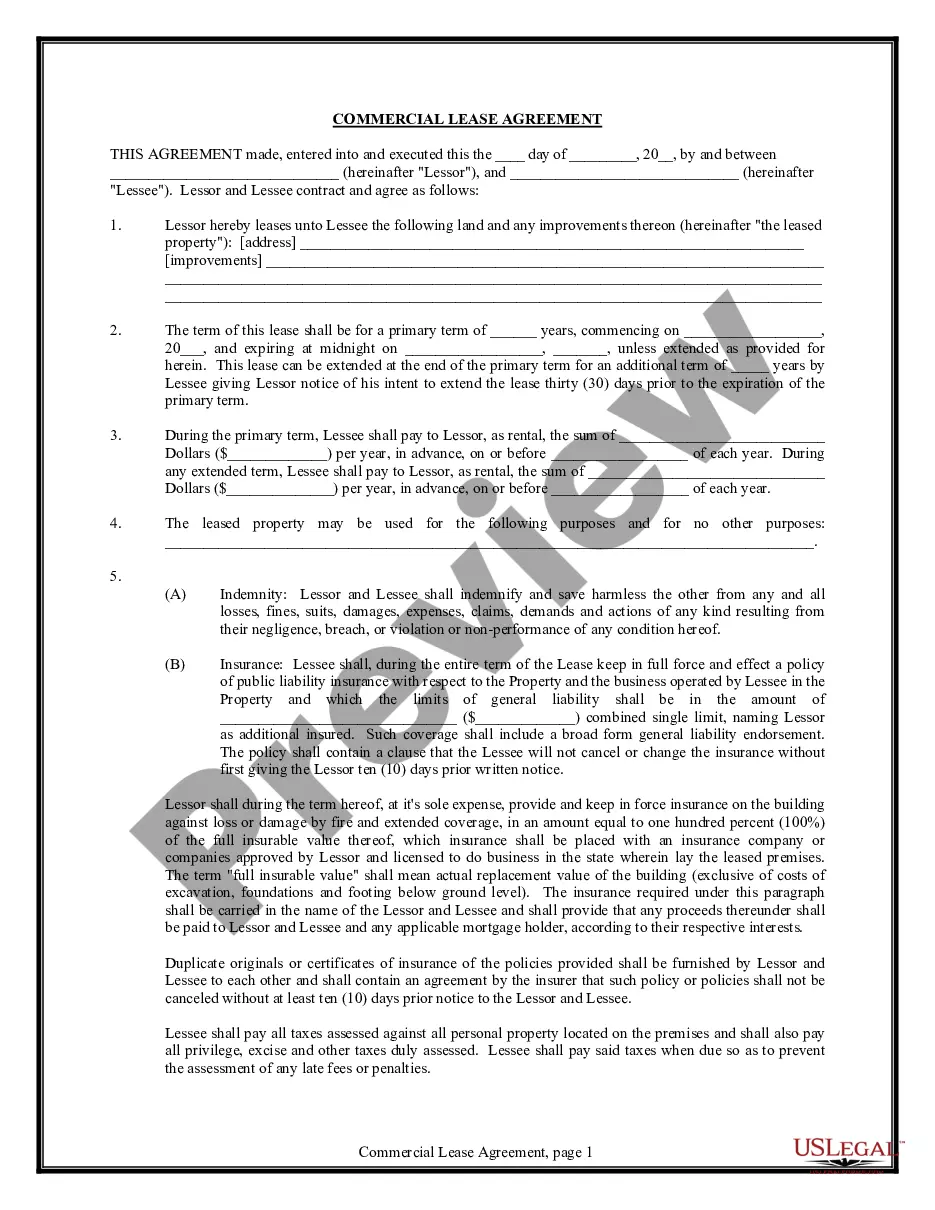
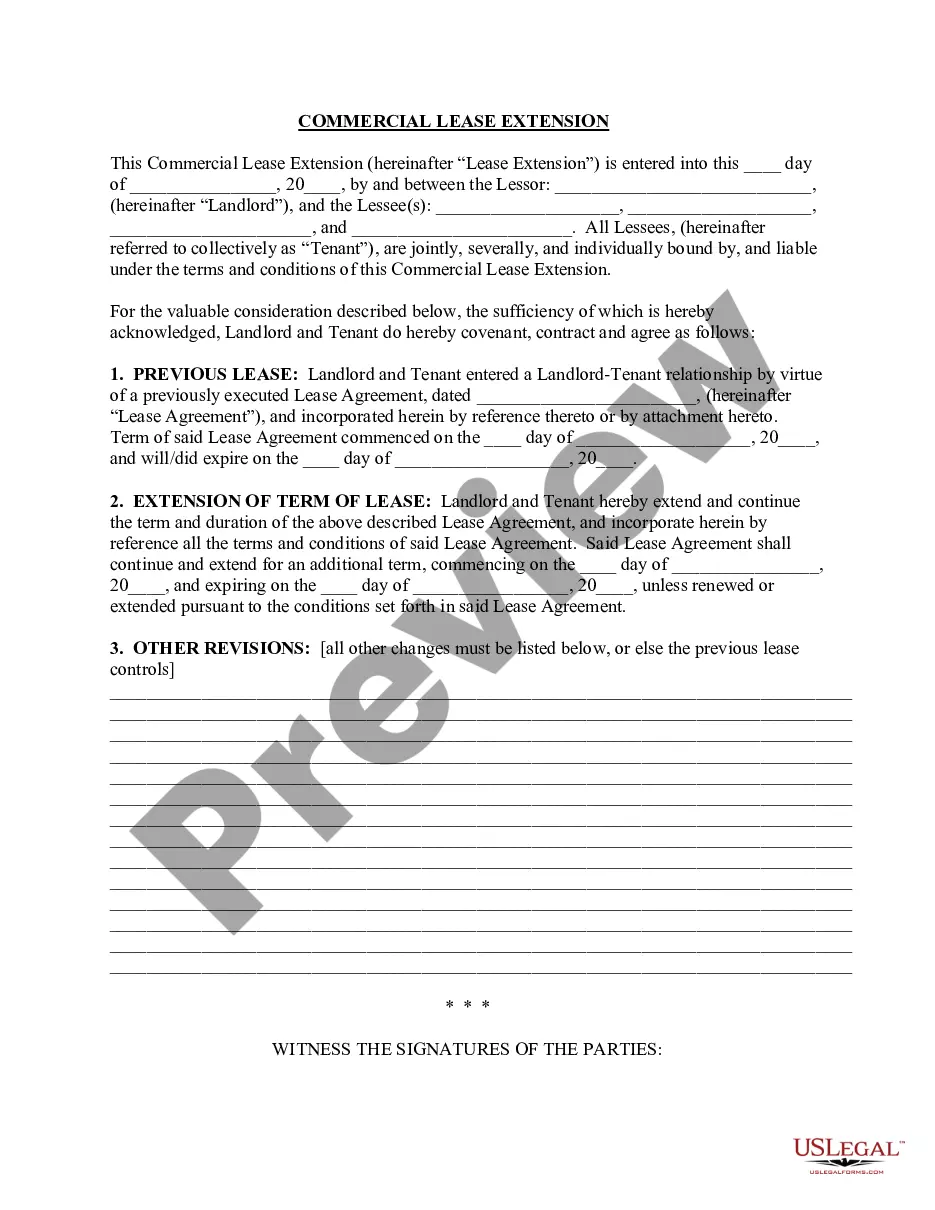
The Warning of Default on Commercial Lease is a legal notice issued by a landlord to inform a tenant of a potential violation of lease terms. This form serves as a crucial step in landlord-tenant law, emphasizing the need for tenants to rectify specific issues to avoid being declared in default. Unlike other rental forms, this warning specifically addresses defaults related to financial obligations under a commercial lease agreement.
What’s included in this form
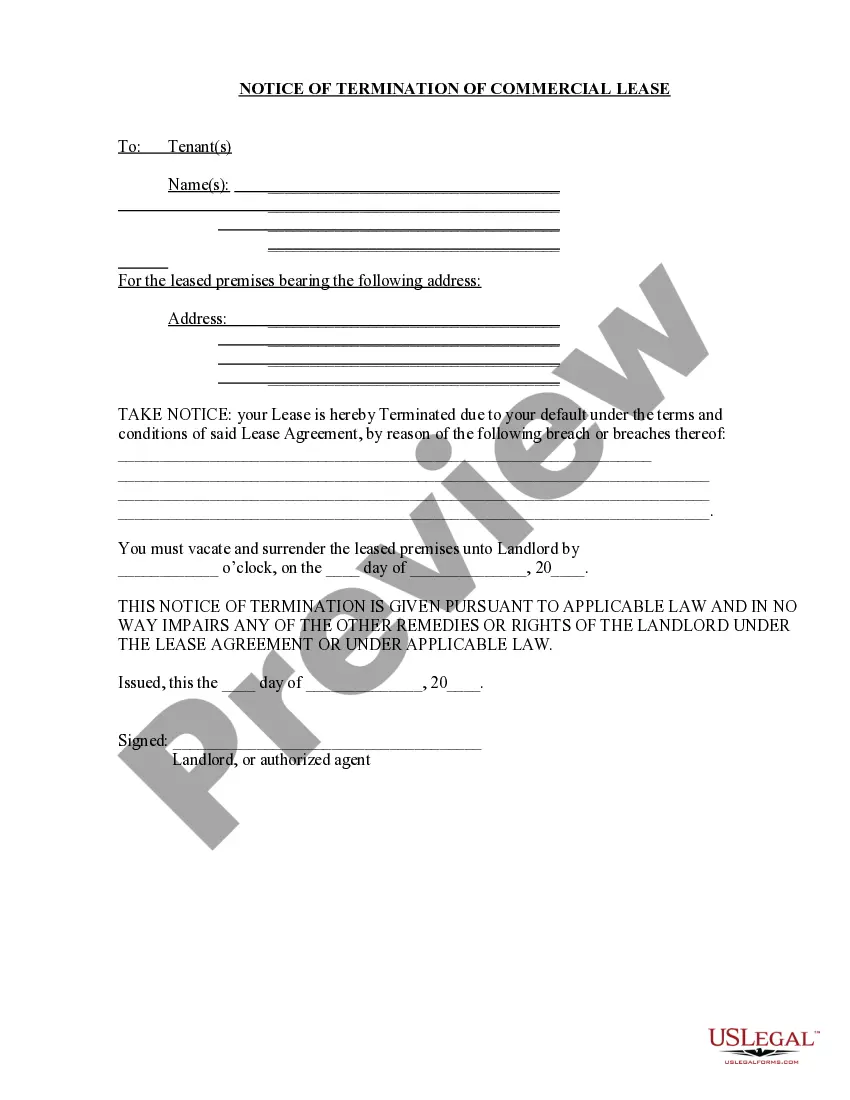
- Issuing date: The date on which the warning is issued.
- Landlord's signature: The signature of the landlord or authorized agent, affirming the notice.
- Tenant's obligations: A statement regarding the conditions that must be remedied to avoid default.
- Disclaimer: Clarifications that this warning does not limit the landlord's rights or remedies under the lease or applicable law.
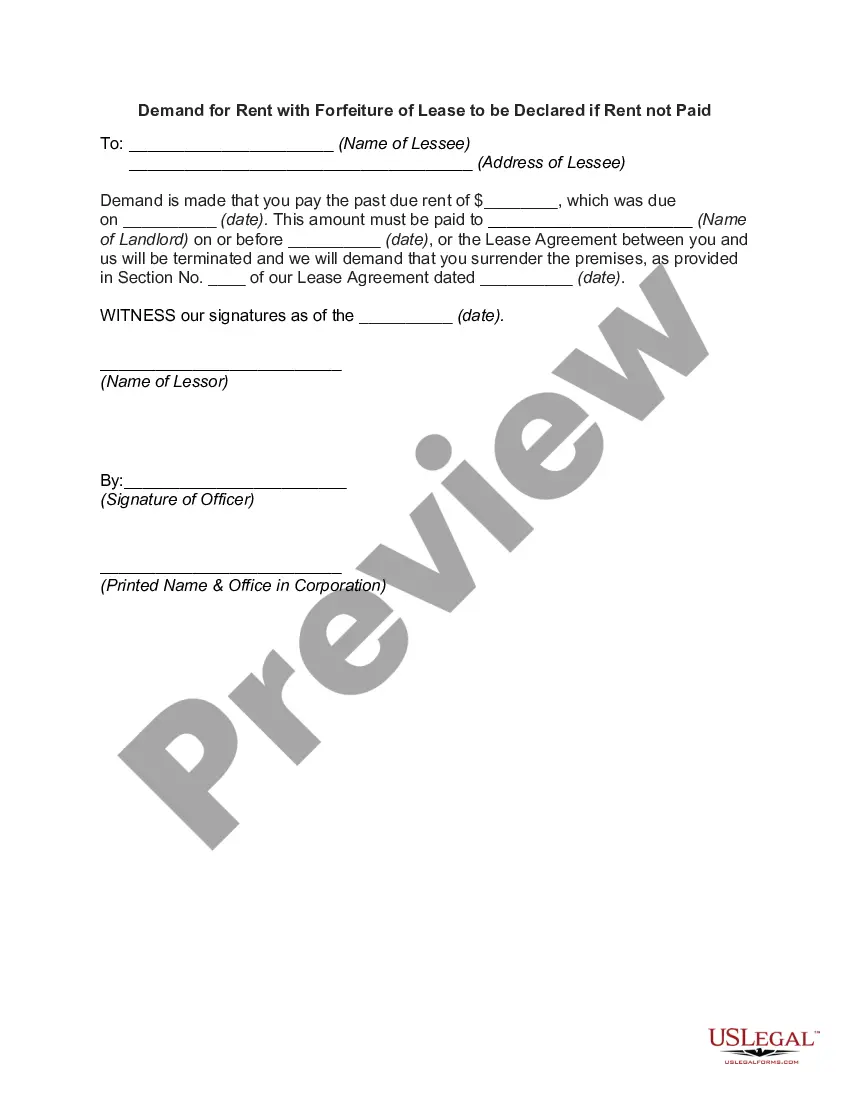
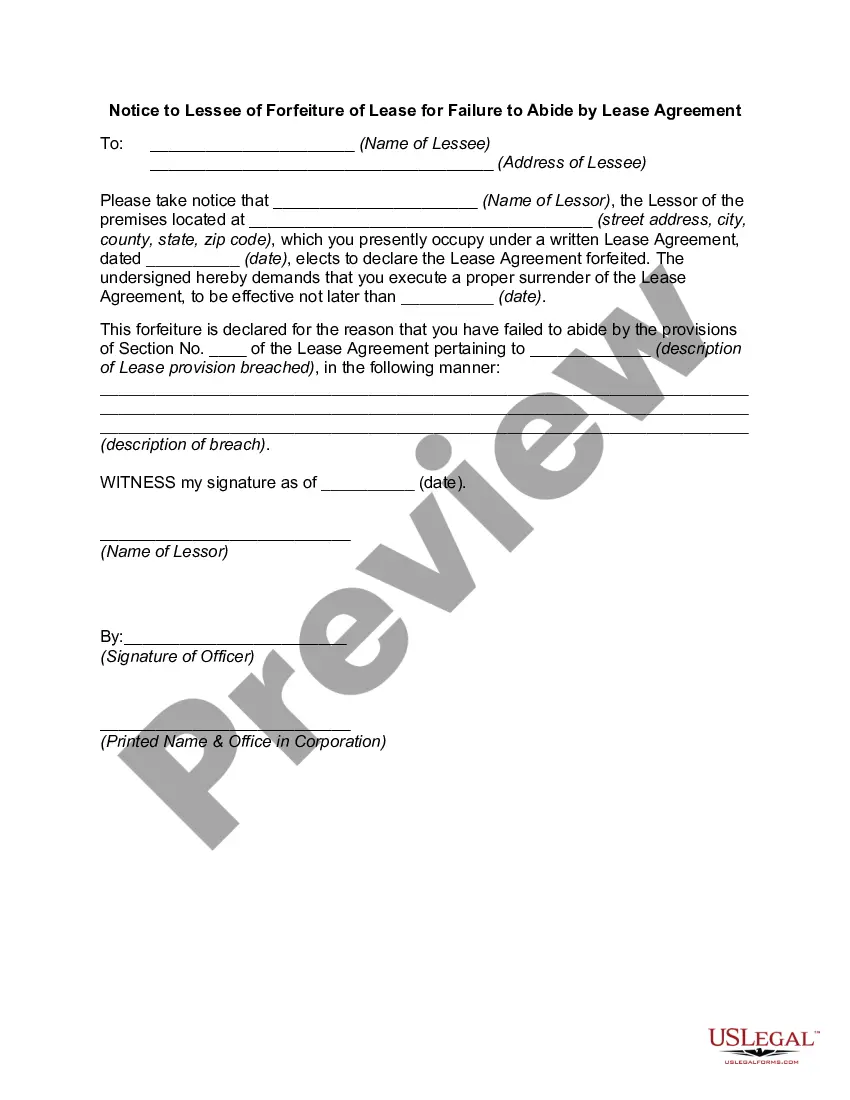
When to use this document
This form should be used when a landlord identifies that a tenant is failing to meet their lease obligations, typically relating to rent payments or other financial responsibilities. If a tenant is late on rent or has violated other key terms of the commercial lease, sending this warning can be an essential preemptive measure before considering legal action such as eviction.
Who should use this form
- Landlords of commercial properties looking to formally notify tenants of lease violations.
- Property managers acting on behalf of landlords who need to communicate tenant defaults.
- Legal professionals advising landlords in the management of commercial leases.
Steps to complete this form
- Enter the date of issuance in the appropriate section.
- Sign the form as the landlord or authorized agent.
- Clearly specify the tenant's obligations that are in default.
- Clearly indicate the potential consequences if the defaults are not remedied.
- Keep a copy for your records after delivering to the tenant.
Notarization guidance
Notarization is generally not required for this form. However, certain states or situations might demand it. You can complete notarization online through US Legal Forms, powered by Notarize, using a verified video call available anytime.
Get your form ready online
Our built-in tools help you complete, sign, share, and store your documents in one place.
Make edits, fill in missing information, and update formatting in US Legal Forms—just like you would in MS Word.
Download a copy, print it, send it by email, or mail it via USPS—whatever works best for your next step.
Sign and collect signatures with our SignNow integration. Send to multiple recipients, set reminders, and more. Go Premium to unlock E-Sign.
If this form requires notarization, complete it online through a secure video call—no need to meet a notary in person or wait for an appointment.
We protect your documents and personal data by following strict security and privacy standards.

Make edits, fill in missing information, and update formatting in US Legal Forms—just like you would in MS Word.

Download a copy, print it, send it by email, or mail it via USPS—whatever works best for your next step.

Sign and collect signatures with our SignNow integration. Send to multiple recipients, set reminders, and more. Go Premium to unlock E-Sign.

If this form requires notarization, complete it online through a secure video call—no need to meet a notary in person or wait for an appointment.

We protect your documents and personal data by following strict security and privacy standards.
Typical mistakes to avoid
- Failing to specify the exact nature of the default can lead to confusion.
- Not signing the form may render it ineffective as a legal warning.
- Not providing a clear deadline for remediation can result in legal complications.
Why complete this form online
- Convenient access to the form that can be downloaded and completed at your own pace.
- Editable templates allow landlords to customize the warning to fit specific situations.
- Reliability of a professionally drafted form, ensuring compliance with legal standards.
Looking for another form?
Form popularity
FAQ
When considering how to break a commercial lease in Alabama, a common excuse is significant property damage that affects the ability to operate your business. Additionally, if the landlord fails to meet their obligations, such as keeping the premises habitable, this may provide grounds to terminate the lease. The Alabama Warning of Default on Commercial Lease can also indicate a breach, allowing tenants to exit under certain conditions. It's wise to consult with a legal expert and utilize platforms like US Legal Forms for tailored legal documents that reflect your specific situation.
Defaulting on a lease and breaking a lease refer to different actions, though both involve lease violations. Defaulting usually pertains to failing to fulfill specific obligations, while breaking a lease generally means terminating the lease before its expiration. Understanding the distinction is crucial, as the Alabama Warning of Default on Commercial Lease can help landlords and tenants manage potential conflicts and find solutions.
A notice of default on a commercial lease is a document issued by a landlord when a tenant has violated terms of the lease. It typically outlines the specific actions or inactions that resulted in the default, creating an opportunity for the tenant to remedy the situation. Recognizing the importance of the Alabama Warning of Default on Commercial Lease can be vital for tenants to respond promptly and avoid further complications.
Default on a commercial lease agreement occurs when one party fails to fulfill their obligations, typically payment of rent or compliance with lease terms. This breach can trigger various actions, including legal proceedings and eviction. Being informed about the Alabama Warning of Default on Commercial Lease can help both parties address issues proactively and maintain a positive business relationship.
A notice of default letter is an official document sent by a landlord to a tenant when the tenant is in breach of their lease agreement. This letter serves as a formal warning, highlighting specific lease violations, such as unpaid rent or failure to maintain the property. In the context of Alabama, understanding the Alabama Warning of Default on Commercial Lease can help tenants and landlords navigate their rights and responsibilities effectively.
The most common form of landlord default involves failure to make necessary repairs or provide essential services, such as heat or water. This could lead to unsafe living conditions or business operations. An Alabama Warning of Default on Commercial Lease allows tenants to formally highlight issues, urging landlords to fulfill their obligations.
Remedies for landlords and tenants commonly include monetary damages, lease termination, and specific performance. For landlords, seeking compensation for unpaid rent is a common practice. For tenants, understanding the Alabama Warning of Default on Commercial Lease can empower them to seek fair remedies and protect their interests.
If a landlord defaults, tenants could face disruptions in their tenancy, such as lack of essential services or repairs. In many cases, tenants have the right to seek remedies, which can include rent reduction or even lease termination. Receiving an Alabama Warning of Default on Commercial Lease may help tenants understand their rights and the next steps they should take.
When a business defaults on a lease, the landlord typically has the right to pursue eviction or seek damages. The landlord may also issue an Alabama Warning of Default on Commercial Lease to formally notify the tenant about their default status. Taking action promptly can help mitigate severe consequences and may lead to alternative solutions.
Yes, a landlord can terminate a commercial lease early, but they usually must provide a valid reason specified in the lease agreement. Common reasons include tenant default or failure to comply with lease terms. If you receive an Alabama Warning of Default on Commercial Lease, it’s critical to respond quickly to avoid premature termination.