Alaska Special or Limited Power of Attorney for Real Estate Sales Transaction By Seller
About this form
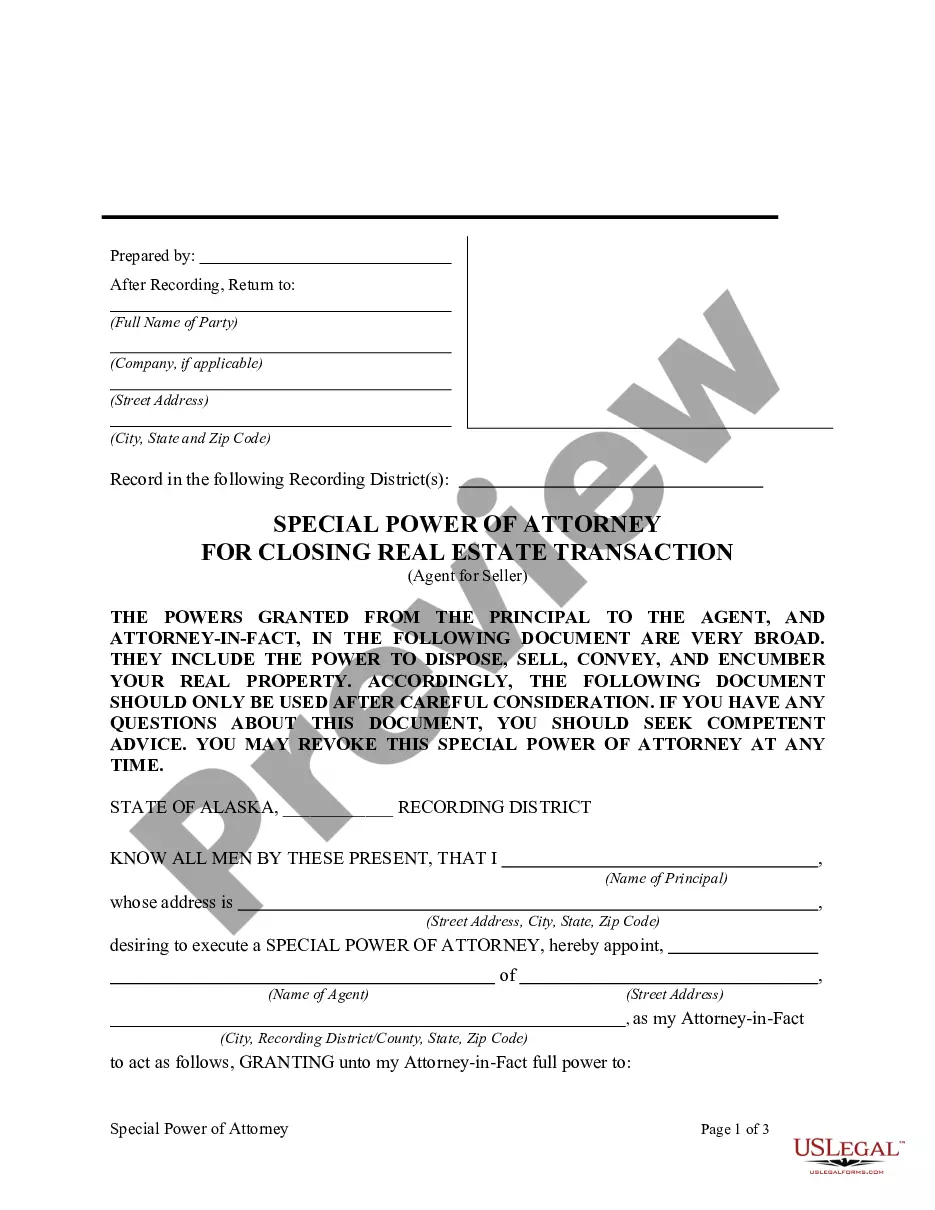
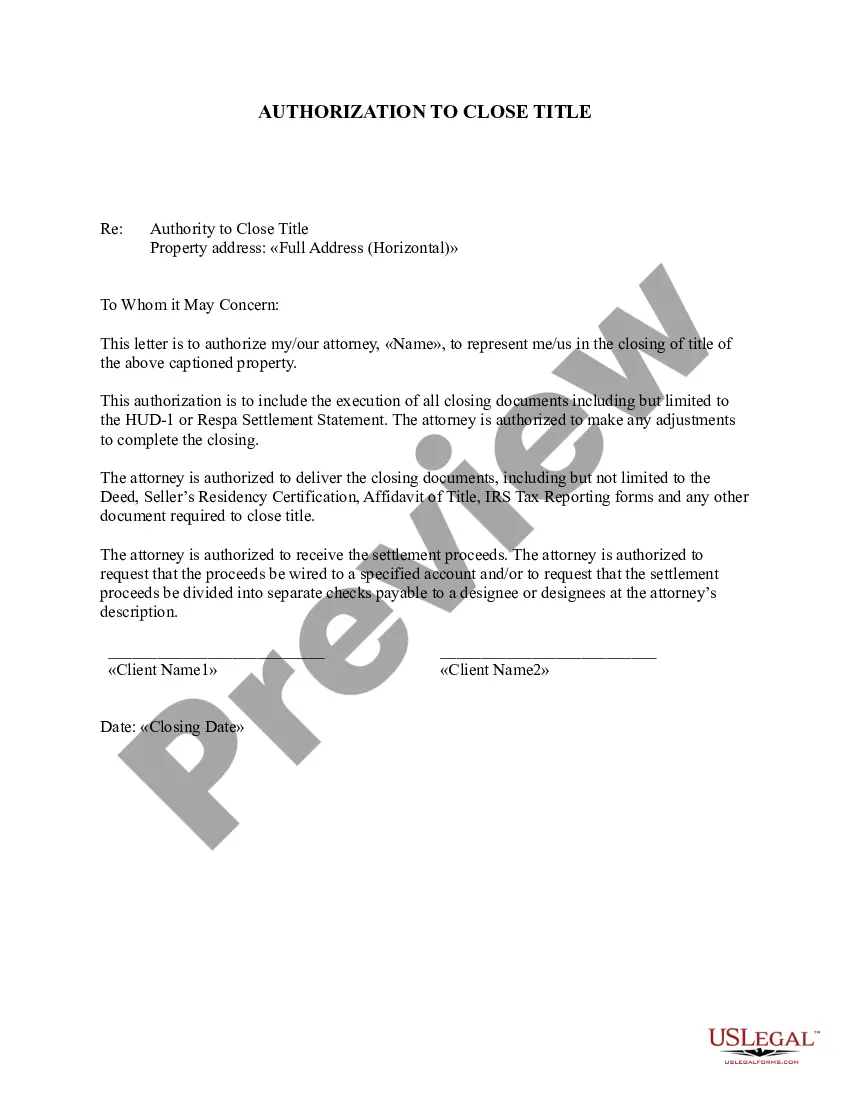
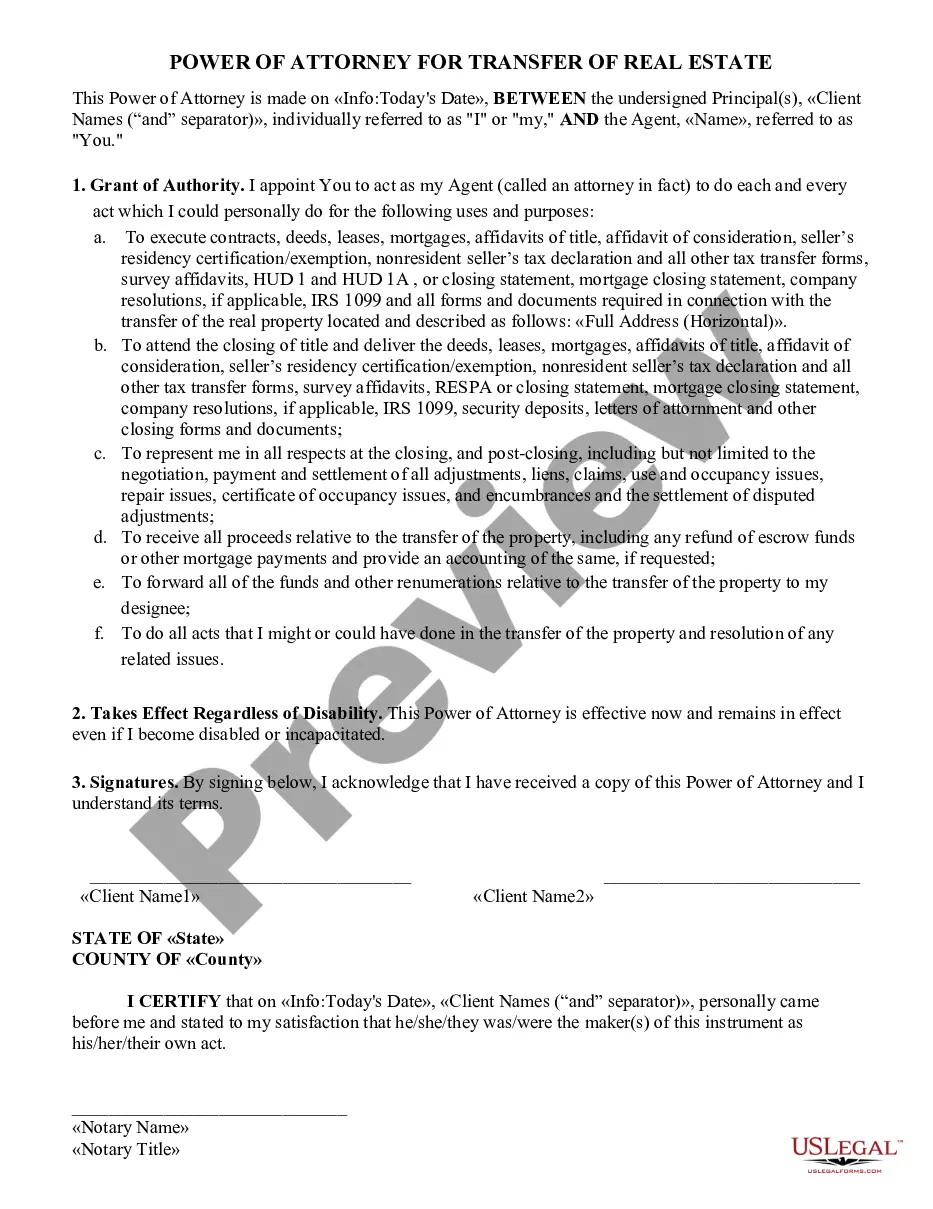
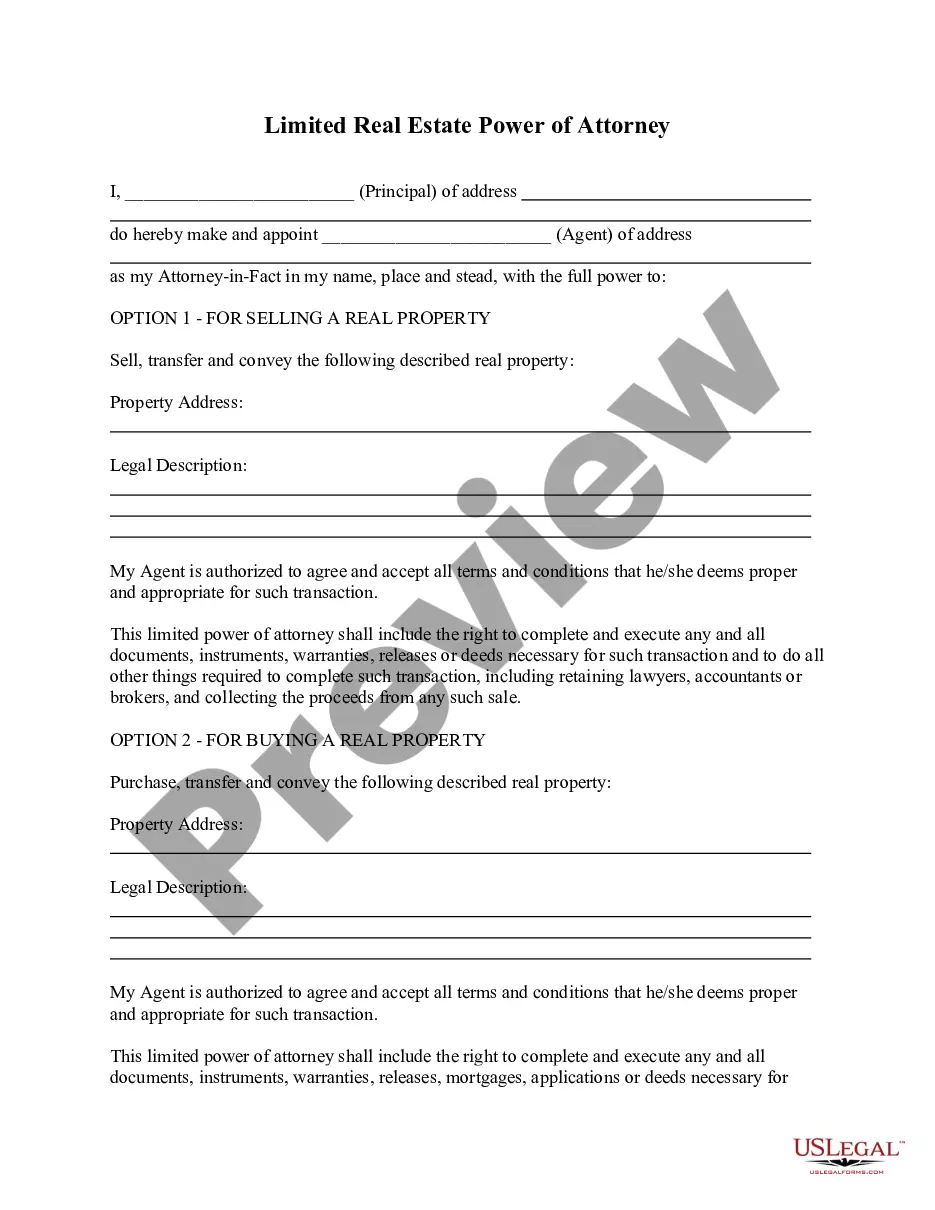
The Special or Limited Power of Attorney for Real Estate Sales Transaction By Seller form allows a Seller to grant authority to an attorney-in-fact for the purpose of executing necessary documents to convey a specific parcel of real estate. This form is particularly useful when the Seller is unable to manage the transaction directly, allowing someone trusted to complete the sale process on their behalf.
Form components explained
- Identification of the Seller and attorney-in-fact.
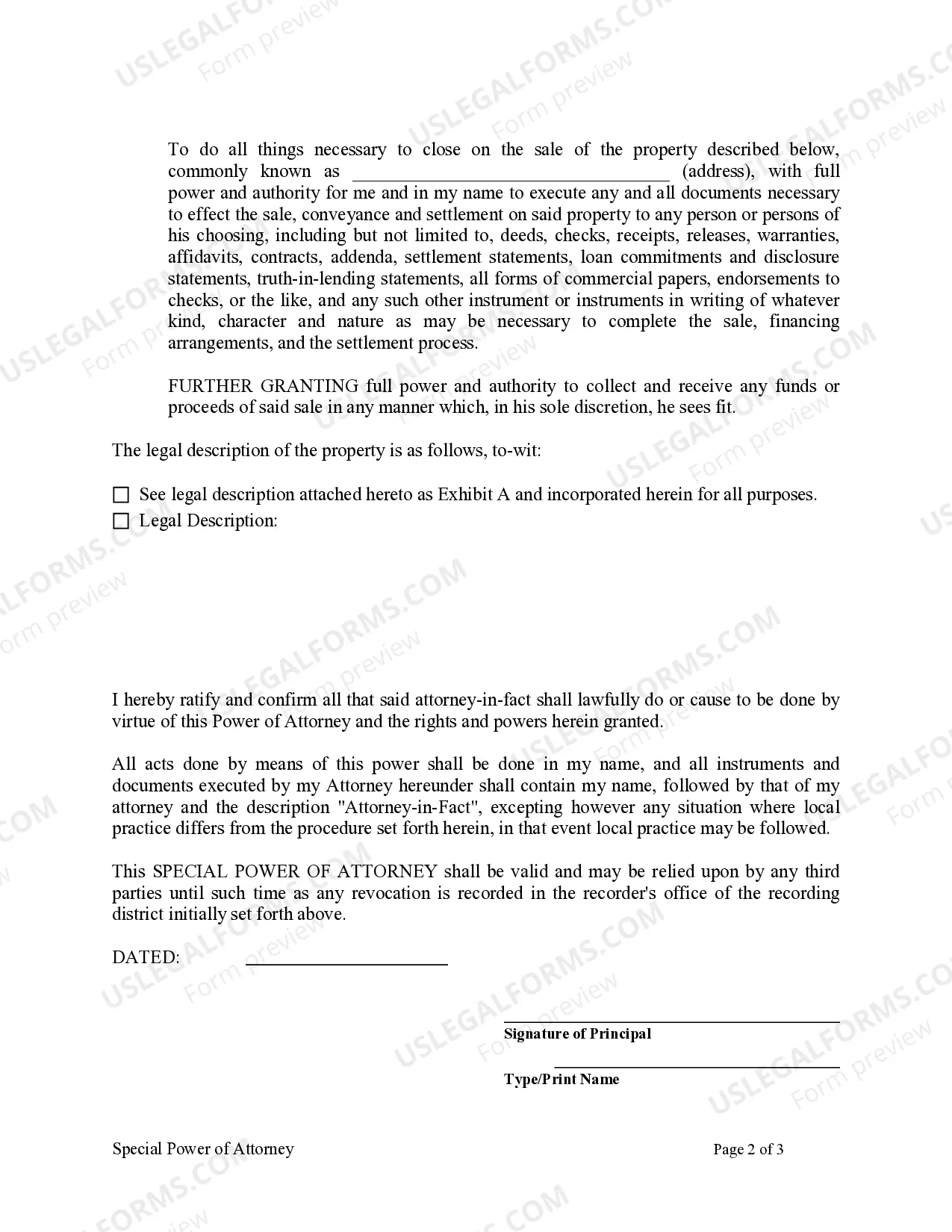
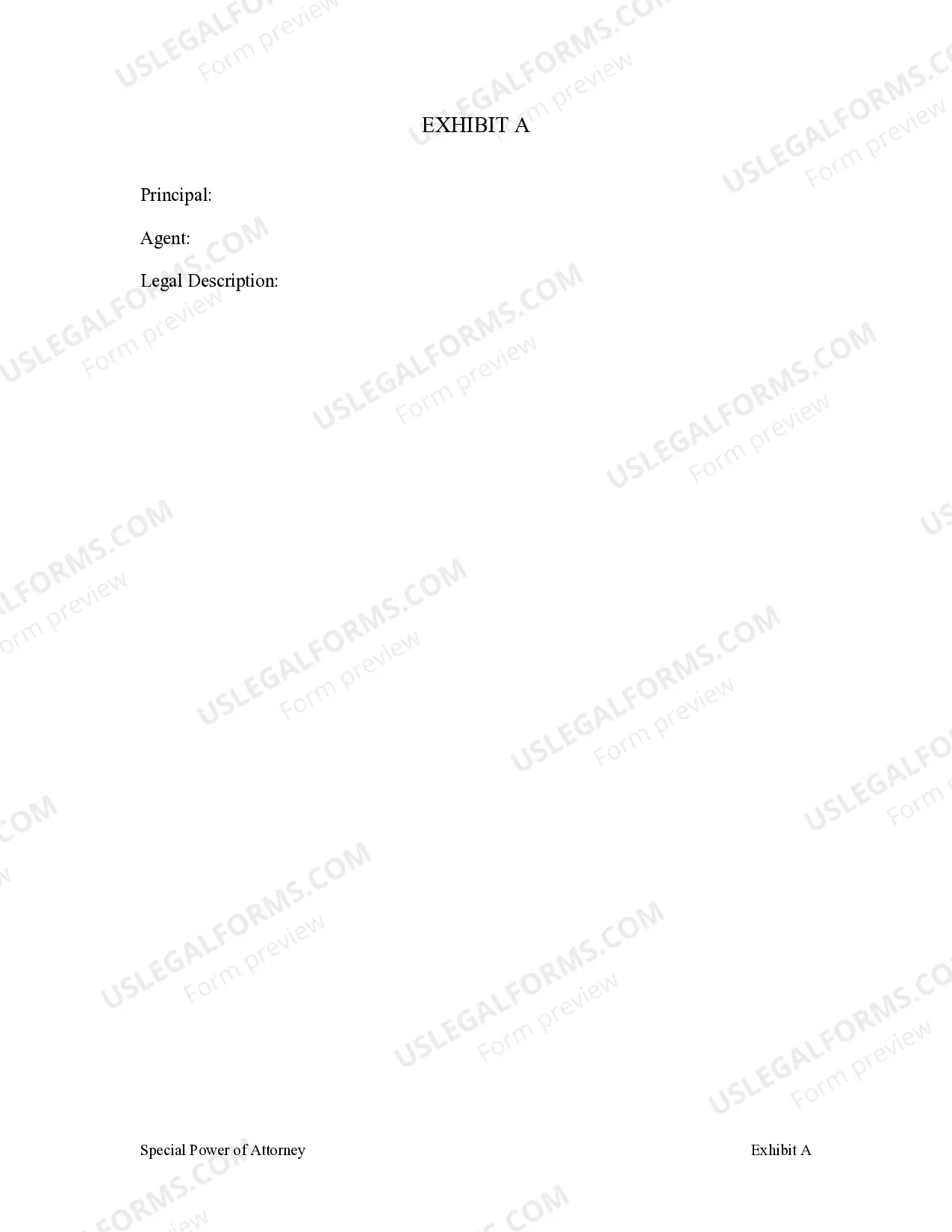
- A detailed legal description of the real estate being sold.
- Explicit powers granted to the attorney-in-fact regarding the sale.
- Instructions on how to execute documents in the Seller's name.
- Section for the Seller's signature and date.
When this form is needed
This form should be used when a Seller needs to appoint someone else to handle the sale of their real estate property. Situations include being out of state during the transaction, health issues that prevent the Seller from being present, or simply needing a trusted individual to manage the details of the property sale.
Who should use this form
- Homeowners looking to sell property while unable to be present.
- Individuals who require assistance in managing the sale process due to health or logistical constraints.
- People intending to delegate authority to a trusted friend or family member for a real estate transaction.
Completing this form step by step
- Identify the Seller and the attorney-in-fact by filling in their names and contact information.
- Clearly describe the property being conveyed using the legal description.
- Specify the powers granted to the attorney-in-fact, detailing what they can do on your behalf.
- Sign and date the form where indicated, ensuring it reflects your consent.
- Provide any additional documentation if required by local practice.
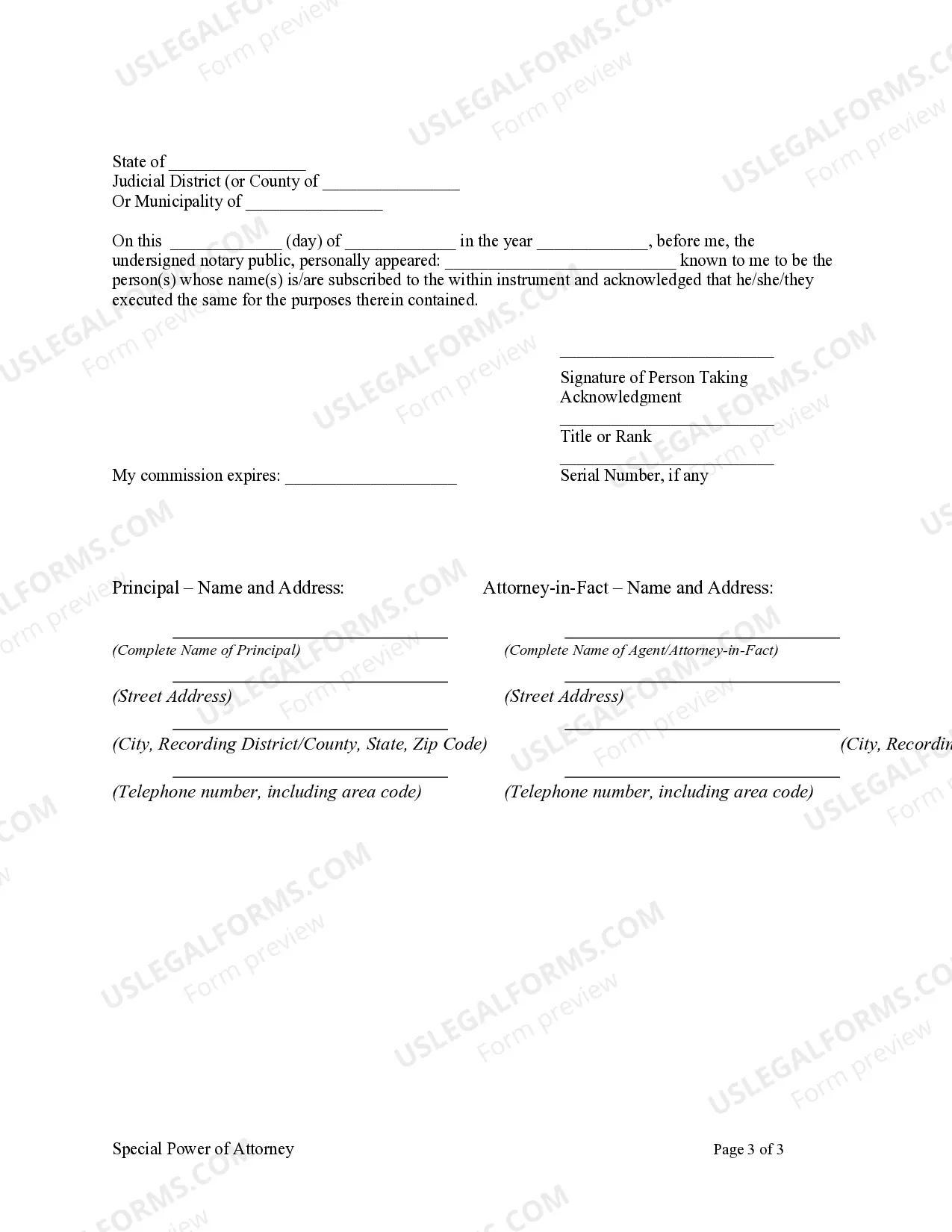
Does this document require notarization?
This form does not typically require notarization unless specified by local law. However, notarization may add an extra layer of trust and security to the transaction, especially when dealing with substantial financial matters.
Get your form ready online
Our built-in tools help you complete, sign, share, and store your documents in one place.
Make edits, fill in missing information, and update formatting in US Legal Forms—just like you would in MS Word.
Download a copy, print it, send it by email, or mail it via USPS—whatever works best for your next step.
Sign and collect signatures with our SignNow integration. Send to multiple recipients, set reminders, and more. Go Premium to unlock E-Sign.
If this form requires notarization, complete it online through a secure video call—no need to meet a notary in person or wait for an appointment.
We protect your documents and personal data by following strict security and privacy standards.

Make edits, fill in missing information, and update formatting in US Legal Forms—just like you would in MS Word.

Download a copy, print it, send it by email, or mail it via USPS—whatever works best for your next step.

Sign and collect signatures with our SignNow integration. Send to multiple recipients, set reminders, and more. Go Premium to unlock E-Sign.

If this form requires notarization, complete it online through a secure video call—no need to meet a notary in person or wait for an appointment.

We protect your documents and personal data by following strict security and privacy standards.
Common mistakes to avoid
- Failing to include a complete legal description of the property.
- Not clearly defining the powers granted to the attorney-in-fact.
- Neglecting to sign and date the form in the proper area.
- Using the form without understanding state-specific requirements.
Advantages of online completion
- Easy access to the form anytime from anywhere.
- Instantly downloadable and editable to suit specific needs.
- Reliable templates drafted by licensed attorneys ensure legal compliance.
Legal use & context
- This form must comply with applicable real estate transaction laws in Alaska.
- Any document executed under this power must clearly reflect the agentâs authority.
- Limitations may exist based on local regulations, so consult an attorney if uncertain.
Quick recap
- The form enables sellers to delegate authority in real estate transactions.
- Proper completion ensures clarity and legality in the sales process.
- Always review state-specific requirements and consider consulting with a legal professional.
Looking for another form?

Form popularity
FAQ
The POA can be a useful tool in residential real estate transactions when a necessary party will be unavailable to execute documents prior to or attend the closing.In order to be recorded, the POA presented must contain the original signature of the principal, and it must be notarized.
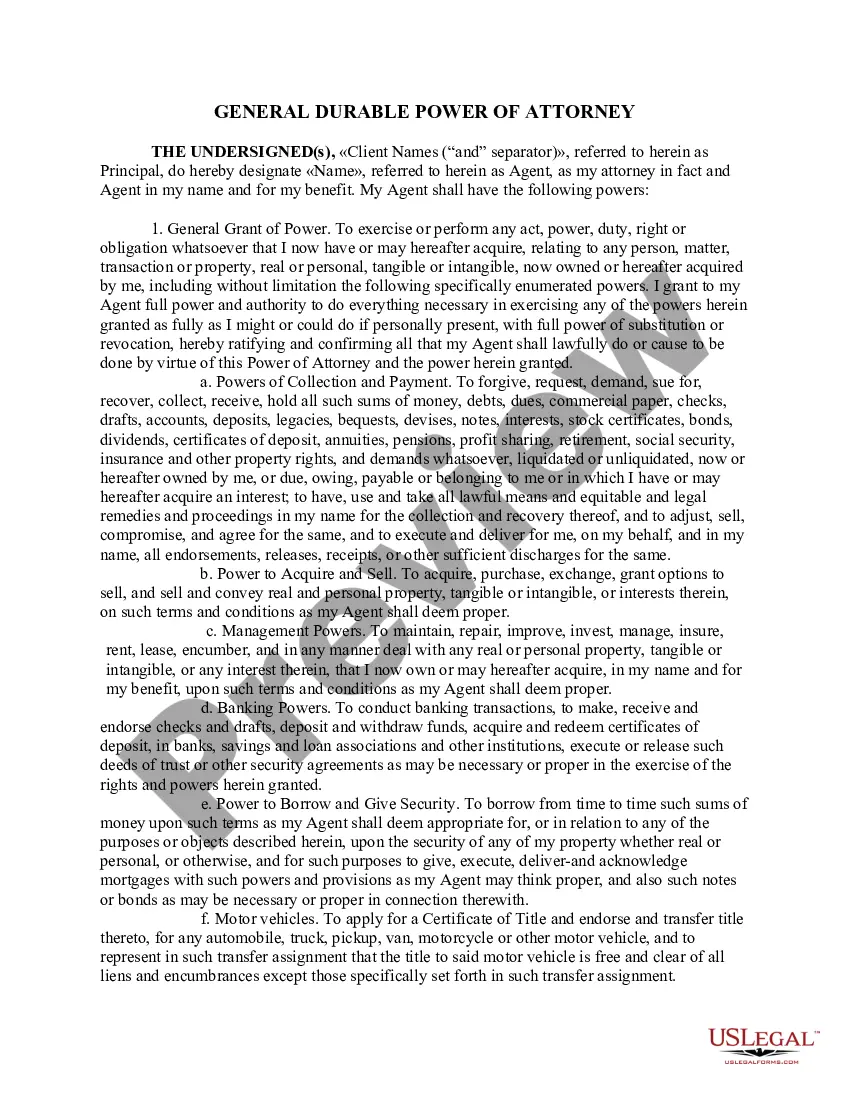
General Power of Attorney. Durable Power of Attorney. Special or Limited Power of Attorney. Springing Durable Power of Attorney.
A limited power of attorney grants the representative that you choose (the agent or attorney-in-fact) the power to act on your behalf under limited circumstances.Under a general power of attorney, the agent or attorney-in-fact can do anything that you can do.
What's the difference between durable and general power of attorney? A general power of attorney ends the moment you become incapacitated.A durable power of attorney stays effective until the principle dies or until they act to revoke the power they've granted to their agent.
The durable power of attorney is almost always required. This instrument gives another person specific powers to sign for an individual in a real estate transaction where the exact name and description of the property is stated in the document.
Remember that all of the authorized agents under the power of attorney or representatives in an estate must sign the listing agreement, disclosure documents, etc. For example, when there are two executors in an estate, then they both must sign the Listing Contract.
A limited PoA, amongst other things, grants the PoA holder access and permission to execute trades/orders on your trading account, on your behalf. However, it does not allow the PoA holder to perform withdrawals requests or transfer of funds. All withdrawals must be requested by the authorized signatory of the account.
The non-durable power of attorney is used only for a set period of time and usually for a particular transaction in which you grant your agent authority to act on your behalf. Once the transaction is completed, or should the principal become incapacitated during this time, the non-durable power of attorney ceases.