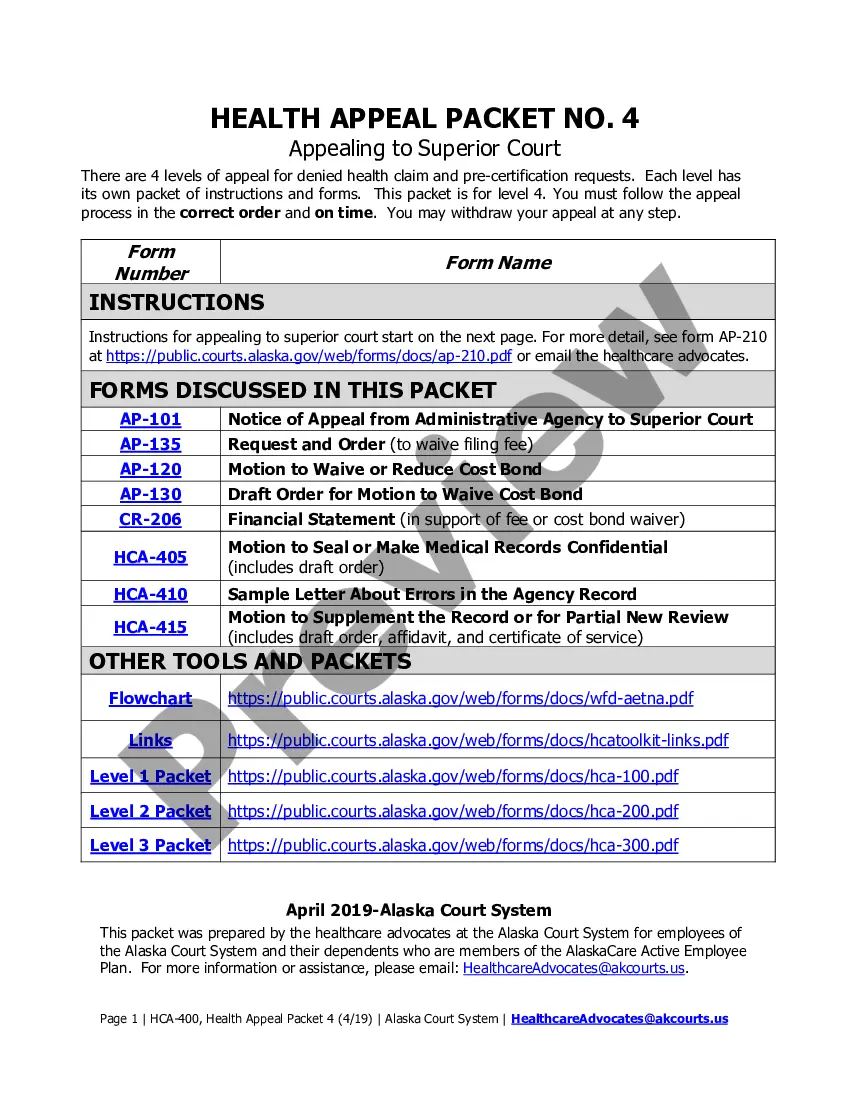
Alaska Letter from Tenant to Landlord about Fair Housing Reduction or Denial of services to Family with Children
What this document covers
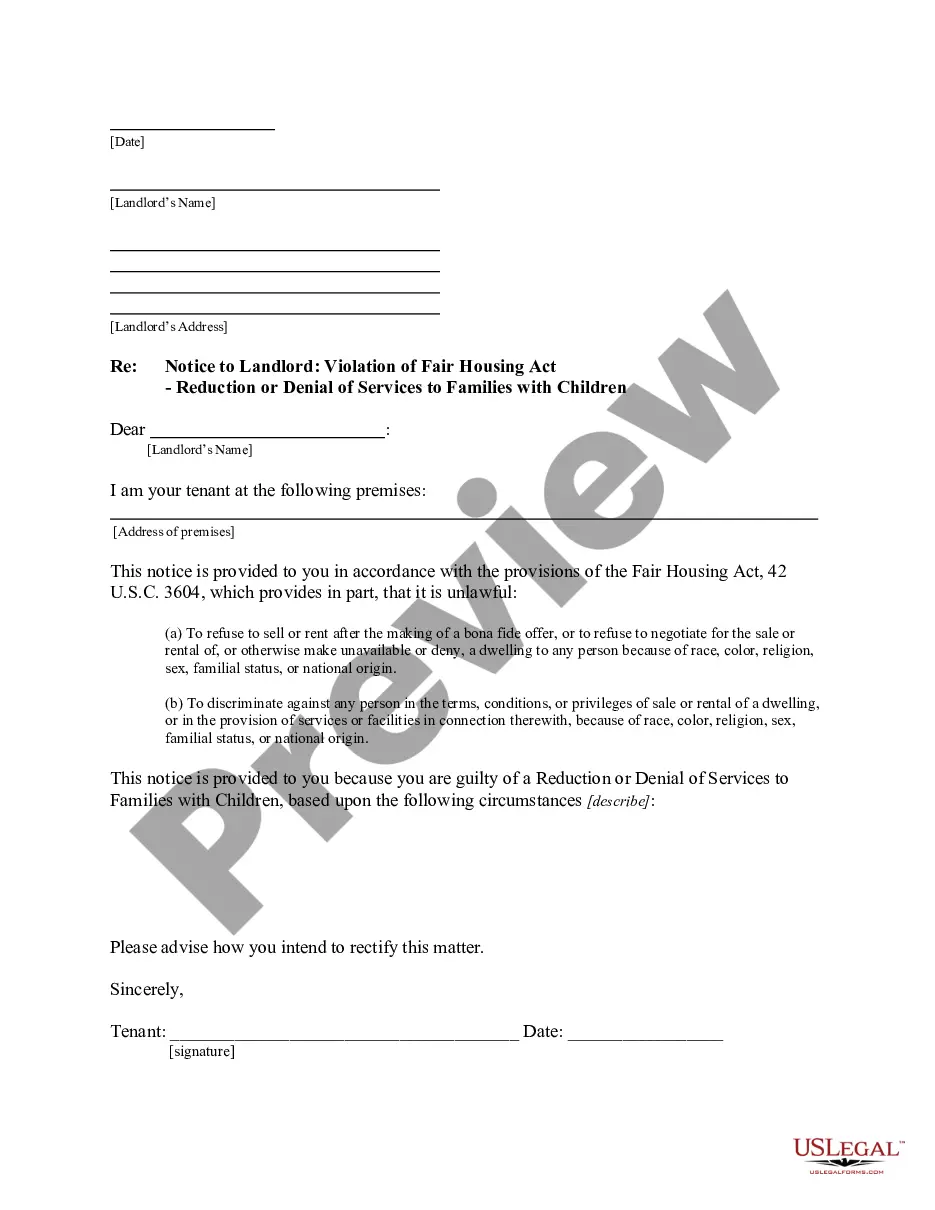
This form is a letter from a tenant to a landlord that notifies the landlord of violations of the Fair Housing Act, specifically regarding reduction or denial of services to families with children. This letter is designed to formally communicate the issue and assert the tenant's rights, making it clear that such discrimination based on familial status is unlawful. Unlike other tenancy notices, this form specifically targets issues related to the Fair Housing Act and seeks to remedy discriminatory practices against families with children.
Form components explained
- Identification of parties involved (tenant and landlord).
- Details of the Fair Housing Act violations being claimed.
- Description of the specific reduction or denial of services faced by families with children.
- Date of notice.
- Signature of the tenant.

Situations where this form applies
This form should be used when a tenant believes that their landlord has unlawfully reduced or denied services based on the presence of children in the household. It is appropriate to issue this notice when a tenant experiences any form of discrimination, such as denial of amenities, refusal to make necessary repairs, or any other actions that unfairly disadvantage families due to their familial status.
Who needs this form
- Tenants who have children and are facing discrimination by their landlord.
- Individuals seeking to enforce their rights under the Fair Housing Act.
- Guardians or custodians living with minor children who encounter housing issues related to familial status.
How to complete this form
- Identify the tenant and landlord by entering their full names and addresses at the top of the form.
- Describe the specific violations of the Fair Housing Act you are experiencing.
- Clearly state the date of this notice.
- Sign the letter to validate the notice.
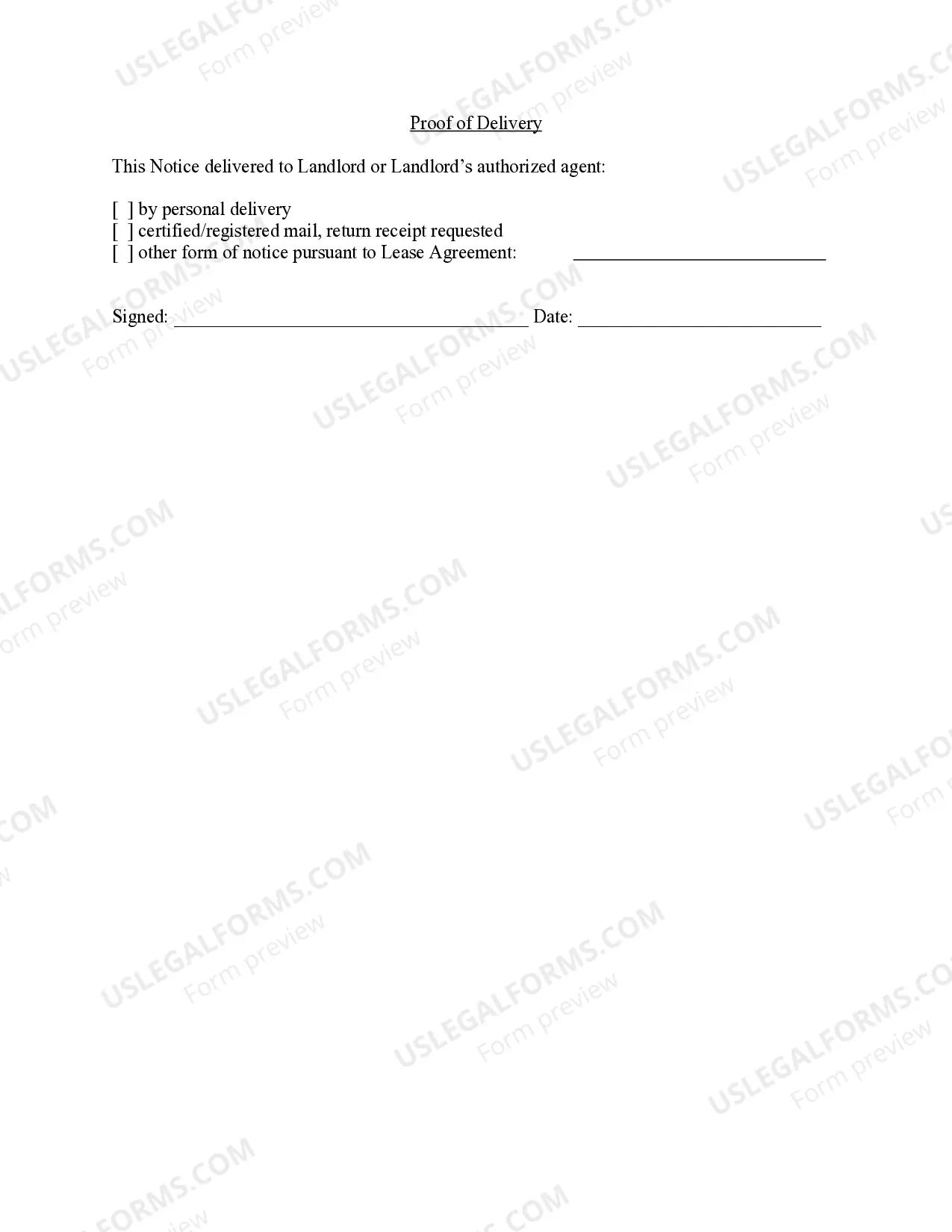
- Deliver the form to the landlord via an agreed-upon method (e.g., email, certified mail).
Is notarization required?
This form does not typically require notarization unless specified by local law. However, it is important to check your stateâs regulations to ensure compliance.
Get your form ready online
Our built-in tools help you complete, sign, share, and store your documents in one place.
Make edits, fill in missing information, and update formatting in US Legal Forms—just like you would in MS Word.
Download a copy, print it, send it by email, or mail it via USPS—whatever works best for your next step.
Sign and collect signatures with our SignNow integration. Send to multiple recipients, set reminders, and more. Go Premium to unlock E-Sign.
If this form requires notarization, complete it online through a secure video call—no need to meet a notary in person or wait for an appointment.
We protect your documents and personal data by following strict security and privacy standards.

Make edits, fill in missing information, and update formatting in US Legal Forms—just like you would in MS Word.

Download a copy, print it, send it by email, or mail it via USPS—whatever works best for your next step.

Sign and collect signatures with our SignNow integration. Send to multiple recipients, set reminders, and more. Go Premium to unlock E-Sign.

If this form requires notarization, complete it online through a secure video call—no need to meet a notary in person or wait for an appointment.

We protect your documents and personal data by following strict security and privacy standards.
Common mistakes to avoid
- Not providing specific details of the discriminatory actions.
- Failing to sign and date the letter.
- Not keeping a copy of the notice for personal records.
- Ignoring deadlines for responding to housing discrimination.
Why use this form online
- Convenience of immediate access and download from anywhere.
- Editability to customize the letters per your specific situation.
- Ensures the use of legally vetted templates drafted by licensed attorneys.
Legal use & context
- The letter serves as an important step in documenting issues of discrimination.
- Using this form may help initiate an open dialogue with the landlord.
- It provides a written record, which can be useful if legal action becomes necessary.
Key takeaways
Key takeaways:
- This letter serves as an important notice to landlords regarding Fair Housing violations.
- It is crucial for tenants to voice their concerns about discrimination.
- Properly completing and submitting the letter can lead to resolution of the issue.
Looking for another form?
Form popularity
FAQ
HUD Settles Disability Discrimination Fair Housing Act Case For $80,000.
The legal definition of an unsanitary living condition can vary from state-to-state and even county-to-county. However, generally speaking, these definitions might include but are not limited to: excessive dirt or filth in the home. improper building construction or poor maintenance of living quarters.
Showing the premises to prospective tenants 'reasonable' notice / number of times. The law does not say what 'reasonable' means.If you refuse access, the landlord/agent can apply to the Tribunal for an order that authorises them or any other person to enter the premises.
Every tenant has a right to enjoy peaceful possession of the property without any disturbance or encumbrance from anyone including the owner. At no point of time under your tenancy can your landlord ask you to evict or leave the premises without assigning a valid reason.
Know your state's landlord/tenant laws. Read and respond to the court summons. Try to work out a settlement. Consider legal counsel. Show up for court. Look sharp and provide evidence.
While tenants cannot unreasonably deny access to a landlord, landlords must also follow all of the state and local rules regarding access to tenants' apartments. Roughly half of states have rules governing landlord entry into tenants' apartments.
The landlord had a duty to reasonably maintain the property; The landlord knew or should have known of the dangerous condition; The landlord breached their duty by failing to repair/fix the dangerous condition;
If the tenant refuses, you are permitted to send them a notice to agree or quit the property. The tenant refusing you access constitutes a breach in the lease agreement, so they could be evicted if they continue to deny access.
Uninhabitable conditions can include dangerous ones, such as holes in the floor, unsafe or exposed wiring, or non-working air conditioning in dangerously hot summer months. Gross infestations of roaches, fleas or other pests are also uninhabitable conditions.