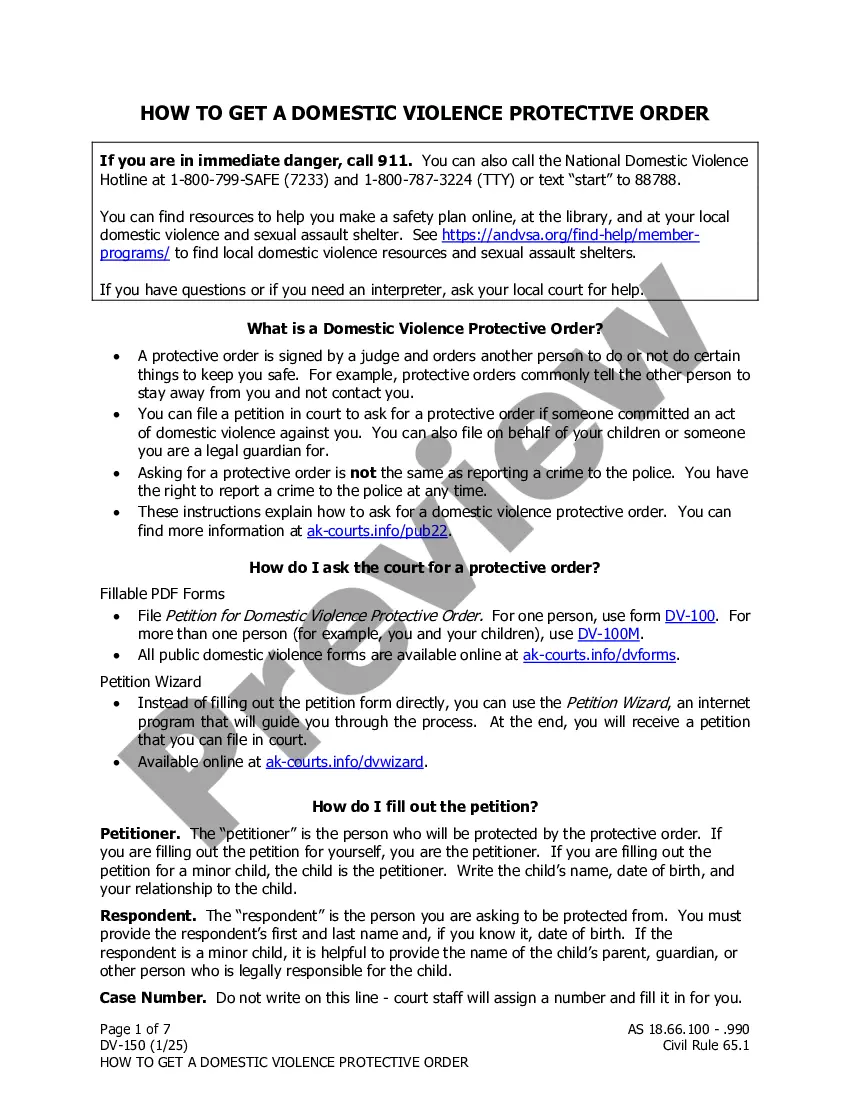
Alaska Letter from Tenant to Landlord with Demand that landlord repair broken windows
Understanding this form
The Letter from Tenant to Landlord with Demand that landlord repair broken windows is a formal notice used by tenants to request necessary repairs for broken windows in their rental unit. This form serves as a way to inform the landlord of breaches in their duty to maintain the premises, ensuring the living environment remains safe and tenantable. Unlike other tenant communication forms, this letter specifically addresses window repairs while maintaining legal compliance with lease agreements.
Key parts of this document
- Description of the broken window and its condition.
- Identification of faulty window fixtures that may lead to security issues.
- A statement confirming that damages are not caused by the tenant.
- A polite request for repair, emphasizing the tenant's intent to comply with lease terms.
- Sections for the tenantâs signature, printed name, and the date of submission.

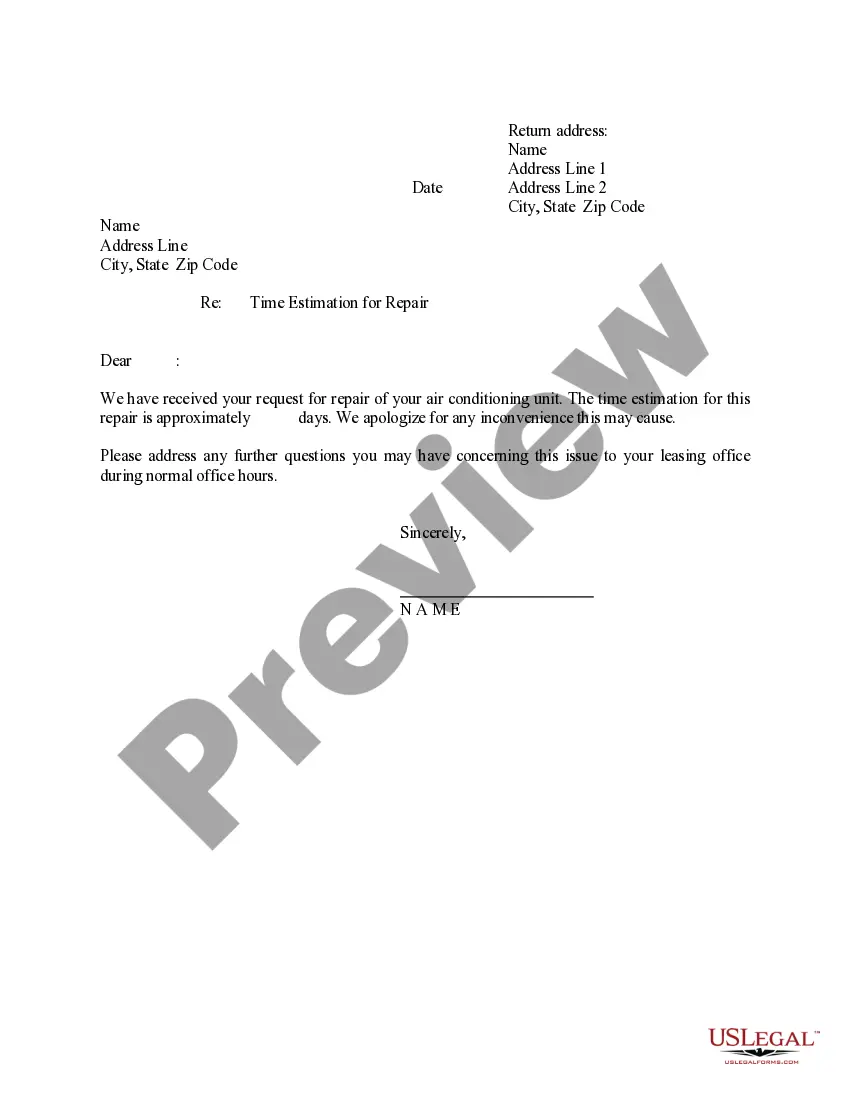
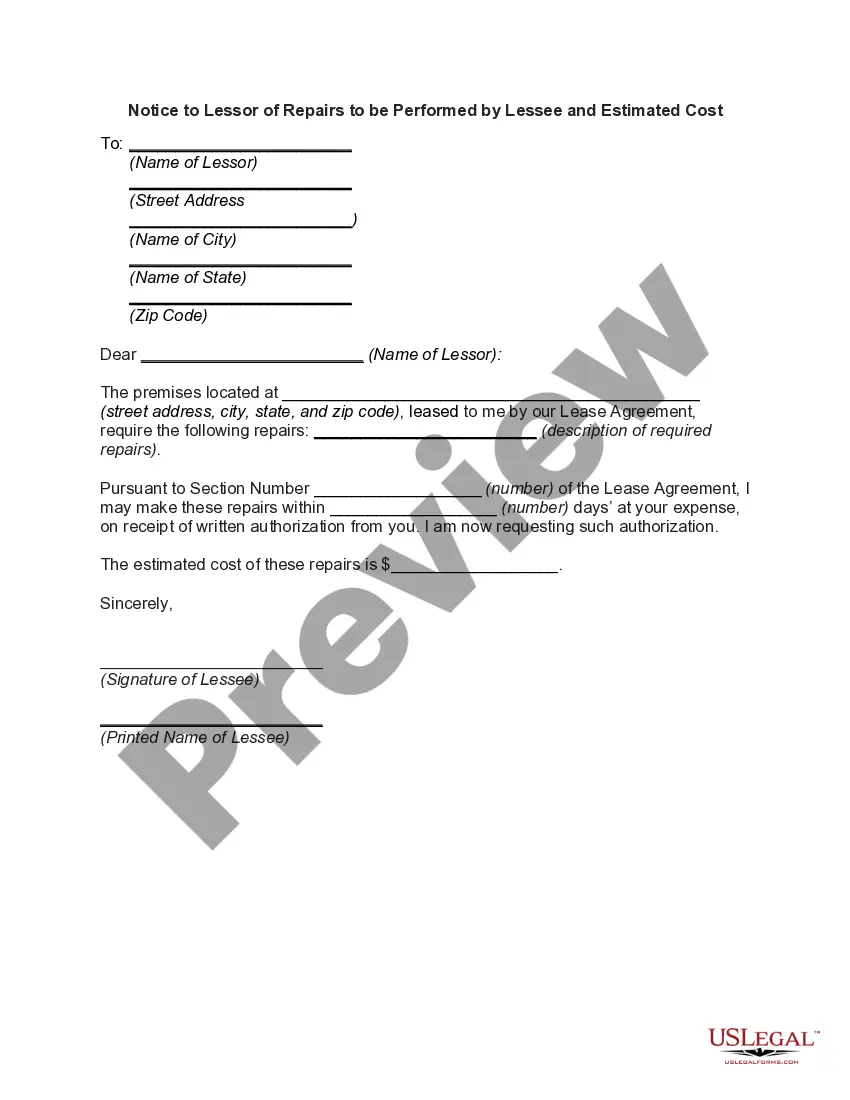
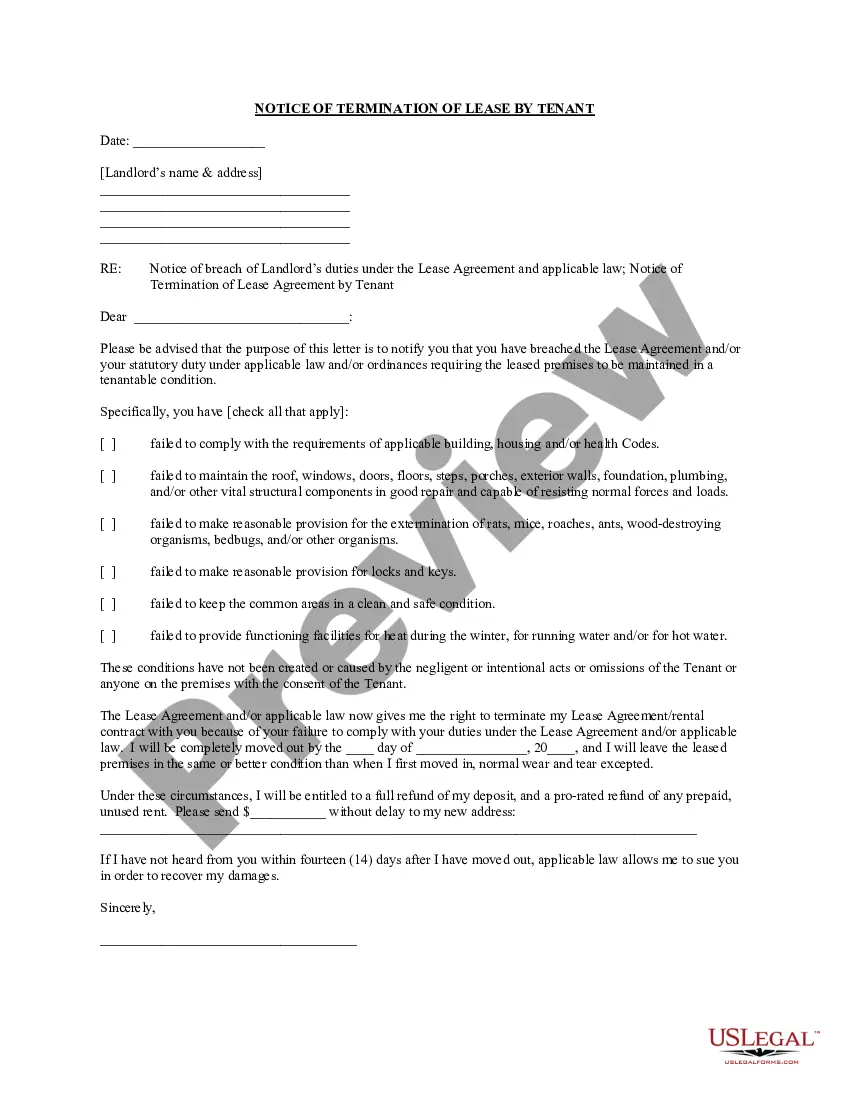
When this form is needed
This form is useful in various situations, such as when a tenant notices broken windows that compromise safety or comfort. If drafty or insecure windows disrupt the tenant's enjoyment of the property, this notice can formally request prompt repairs from the landlord. Using this form helps document the tenant's requests while reinforcing the landlordâs obligations under the lease agreement.
Who this form is for
- Tenants experiencing issues with broken windows in their rental properties.
- Individuals who have previously discussed repair needs with their landlord but have not received action.
- Renters wanting to document their request for repairs for future reference.
How to prepare this document
- Identify the specific window issues and write a clear description.
- Outline any safety concerns related to the broken windows.
- State that the damages are not due to any fault of your own.
- Detail your request for repair in a professional manner.
- Sign the letter and include the date, as well as your printed name.
Is notarization required?
This form does not typically require notarization unless specified by local law. However, if a state mandates notarization for legal notices, ensure that the document is signed in the presence of a notary public.
Get your form ready online
Our built-in tools help you complete, sign, share, and store your documents in one place.
Make edits, fill in missing information, and update formatting in US Legal Forms—just like you would in MS Word.
Download a copy, print it, send it by email, or mail it via USPS—whatever works best for your next step.
Sign and collect signatures with our SignNow integration. Send to multiple recipients, set reminders, and more. Go Premium to unlock E-Sign.
If this form requires notarization, complete it online through a secure video call—no need to meet a notary in person or wait for an appointment.
We protect your documents and personal data by following strict security and privacy standards.

Make edits, fill in missing information, and update formatting in US Legal Forms—just like you would in MS Word.

Download a copy, print it, send it by email, or mail it via USPS—whatever works best for your next step.

Sign and collect signatures with our SignNow integration. Send to multiple recipients, set reminders, and more. Go Premium to unlock E-Sign.

If this form requires notarization, complete it online through a secure video call—no need to meet a notary in person or wait for an appointment.

We protect your documents and personal data by following strict security and privacy standards.
Typical mistakes to avoid
- Failing to provide a detailed description of the window damages.
- Not including specific deadlines for repair requests.
- Neglecting to keep a copy of the letter for personal records.
Benefits of using this form online
- Convenient access allows for immediate completion and submission.
- Editability to tailor content specific to your situation.
- Reliable templates drafted by licensed attorneys ensure legal compliance.
Legal use & context
- This letter serves as a formal record of the tenant's request for repairs, which can be useful if further action is needed.
- It highlights the landlord's obligations under the lease agreement to maintain the property.
- Providing a written notice can strengthen the tenant's position should disputes arise.
Main things to remember
- This form is essential for addressing broken window issues in rental properties.
- It allows tenants to formally communicate repair needs to landlords.
- Documentation is critical for ensuring legal rights are upheld.
Looking for another form?

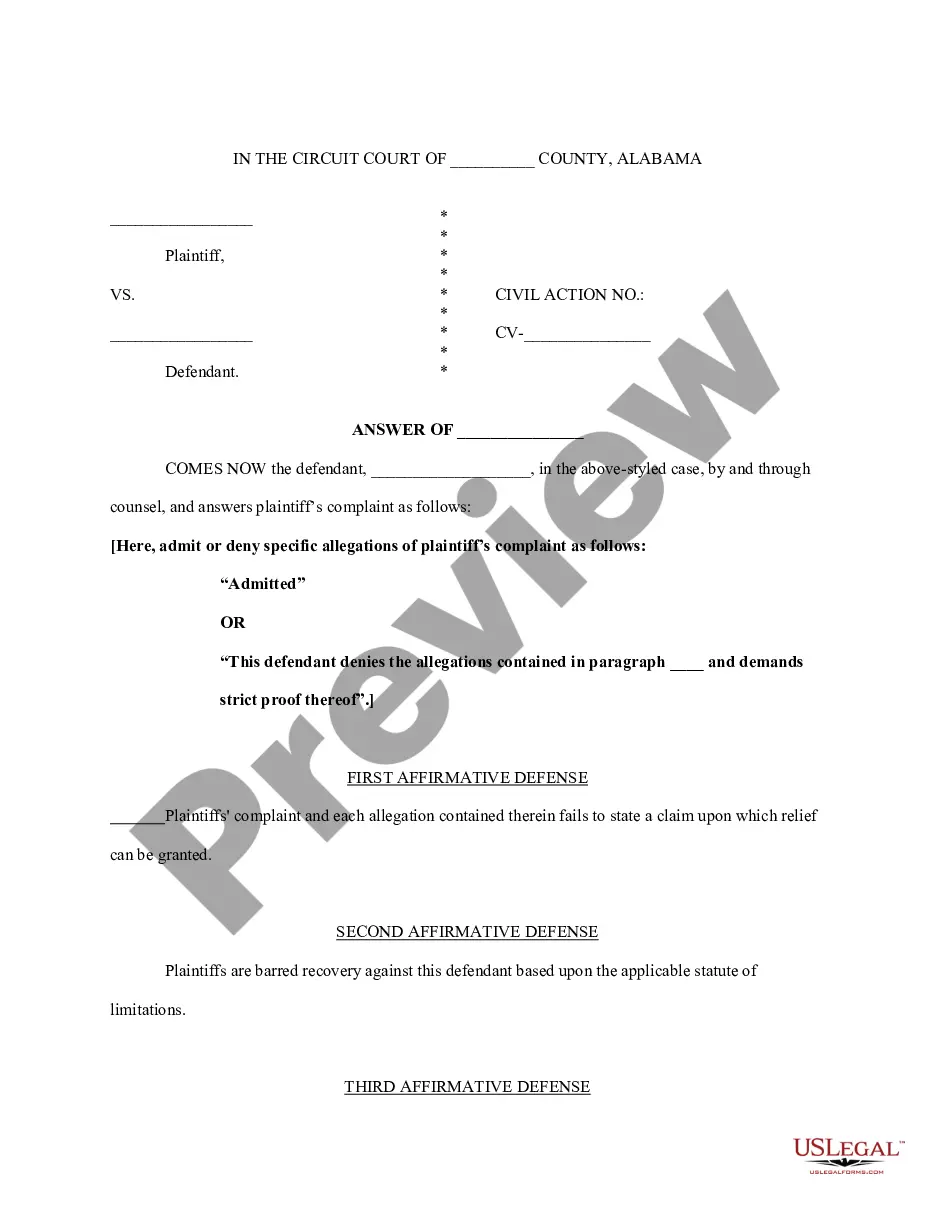
Form popularity
FAQ
Rent Increases: RCW 59.18. 140 requires landlords to give tenants 60 Days' notice before increasing the rent. In a month-to-month rental, the landlord must give you 60 Days' written notice before each rent increase (except in certain subsidized rental units, the landlord must give you at least 30 days written notice).
Check Public Ownership Records Search the records for the address of the rental property to find out if the landlord is listed as the owner. If the names don't match, contact the legal owner and ask if she knows the person purporting to be the landlord.
The cost of registering a lease is generally paid by a tenant. Leases with a lease period of more than three years, including any option period, must be registered. This helps to protect the tenant's interests.
When there is no lease agreement (like in the case of weekly rentals), you can instead use the Alaska Notice to Vacate to inform the other party in advance that you wish to end the tenancy agreement and vacate the premises.