Fair Debt Collection Practices Act Handbook
What is this form?
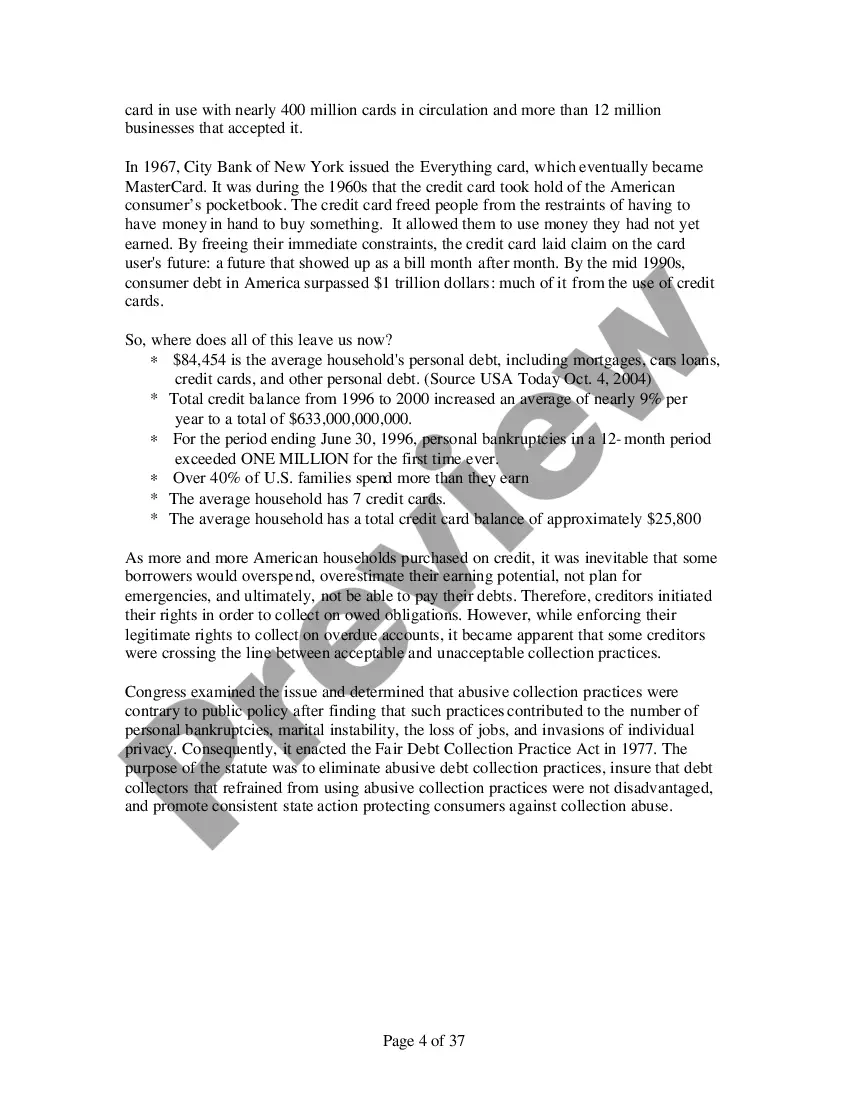
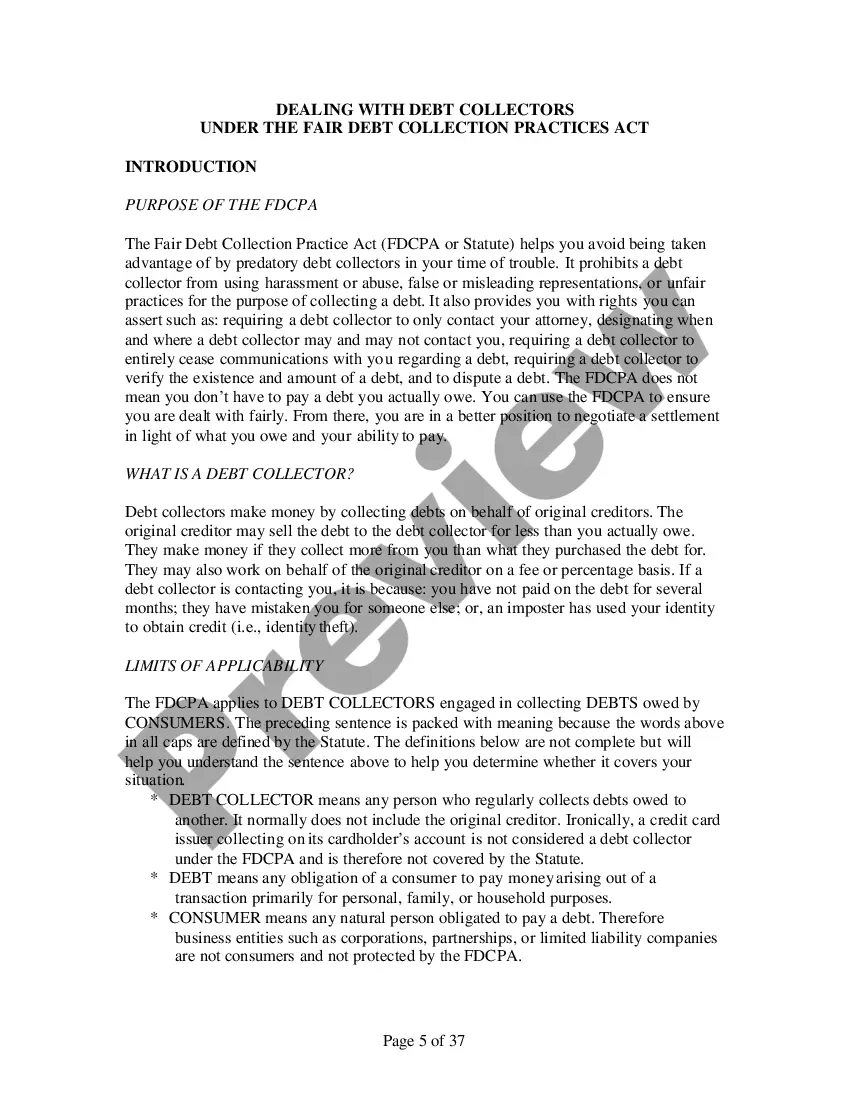
The Fair Debt Collection Practices Act (FDCPA) Handbook is a comprehensive resource that outlines your rights when dealing with debt collectors. It serves to educate consumers on how to negotiate with collectors and creditors while ensuring they are protected from abusive practices. Unlike more general debt management resources, this handbook focuses explicitly on the federal regulations established to protect consumers from unfair debt collection practices, making it a vital tool for those facing collection issues.
Main sections of this form
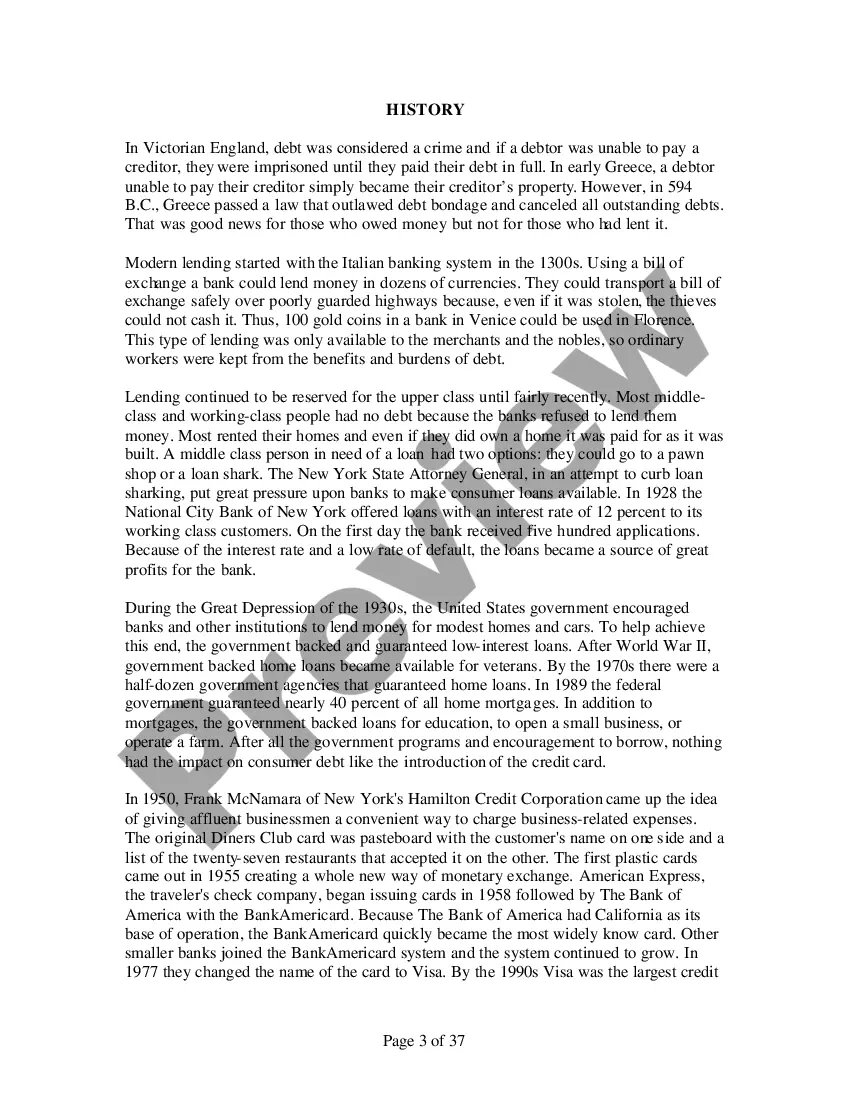
- History of consumer credit and debt collection practices.
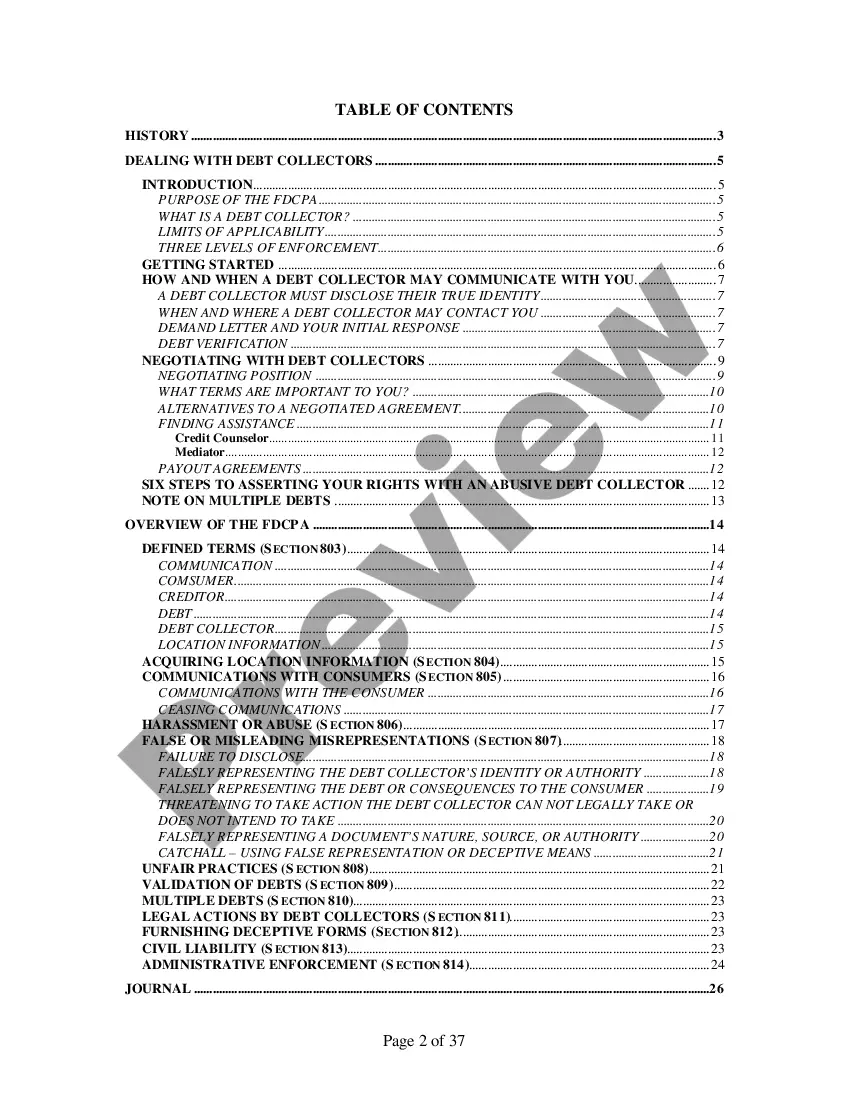
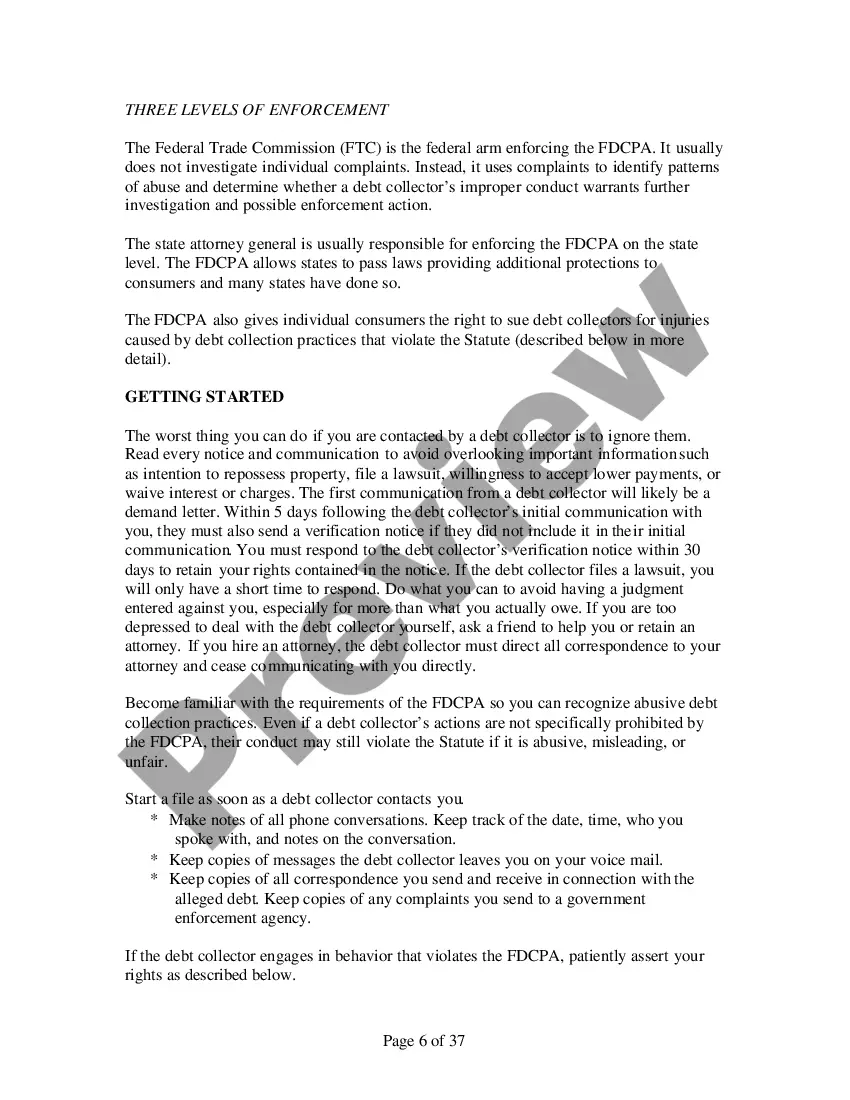
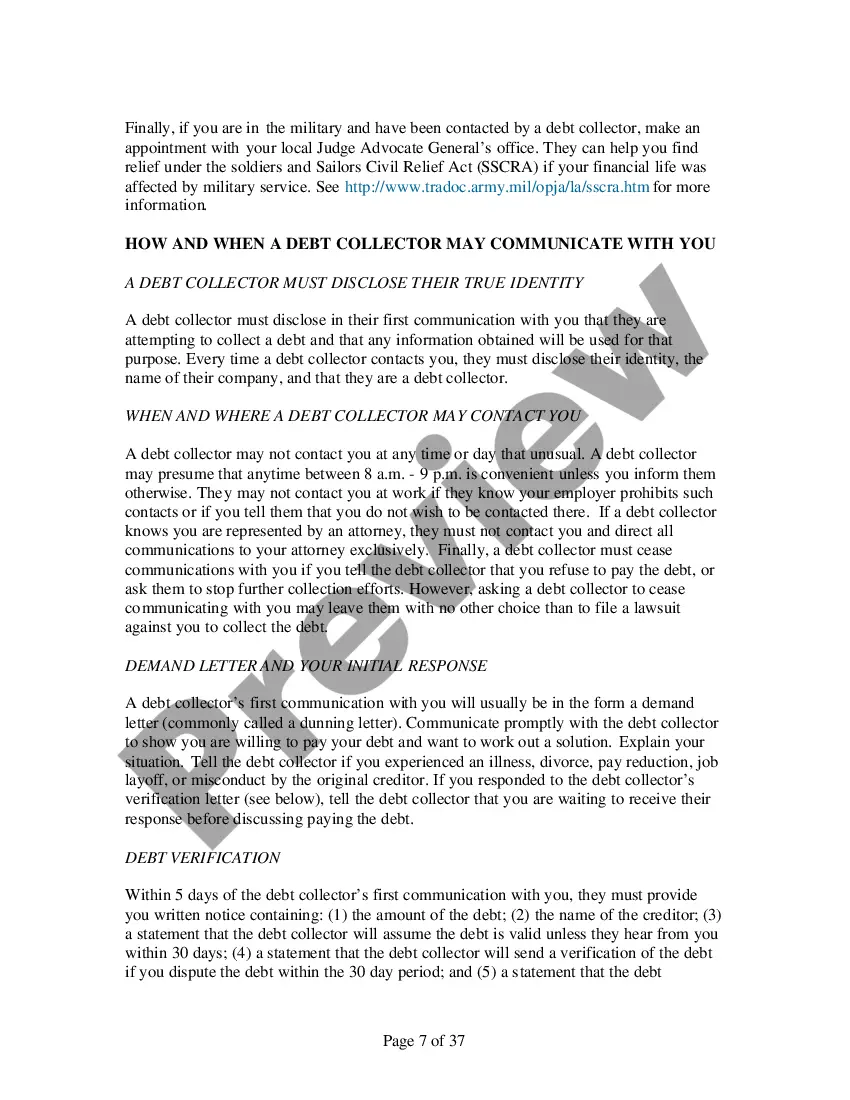
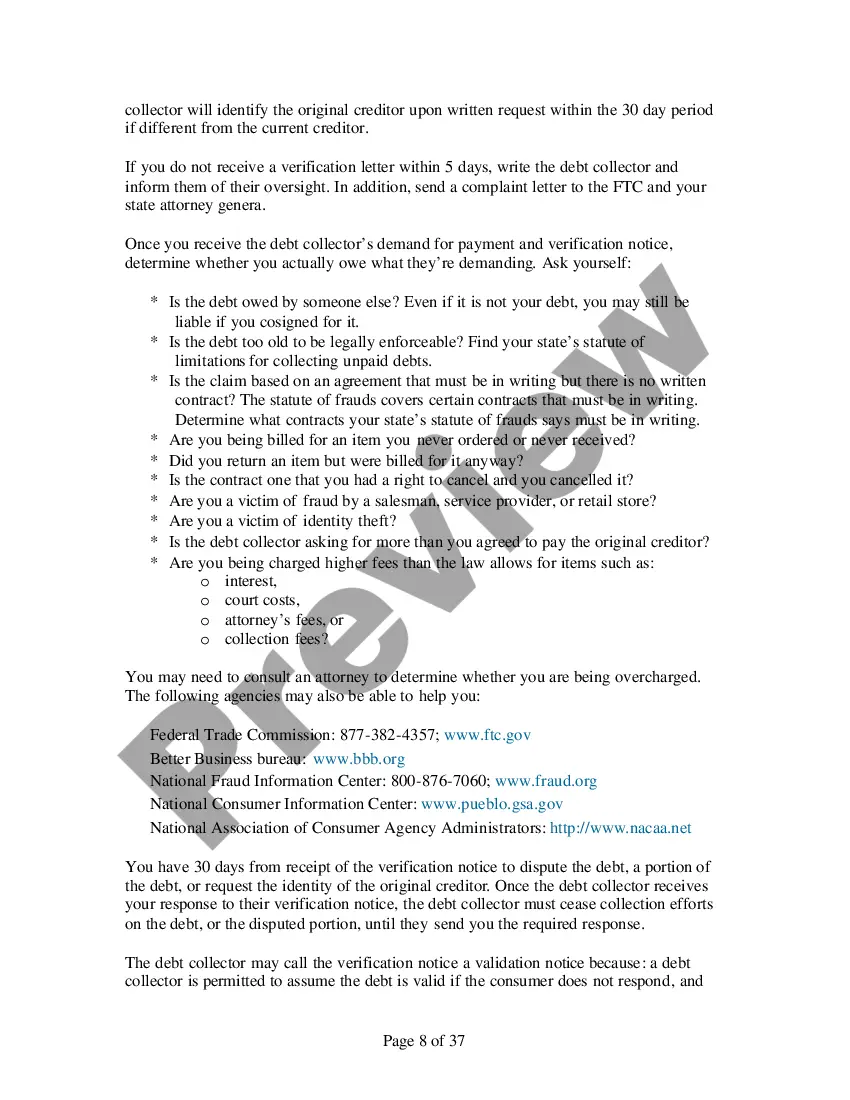
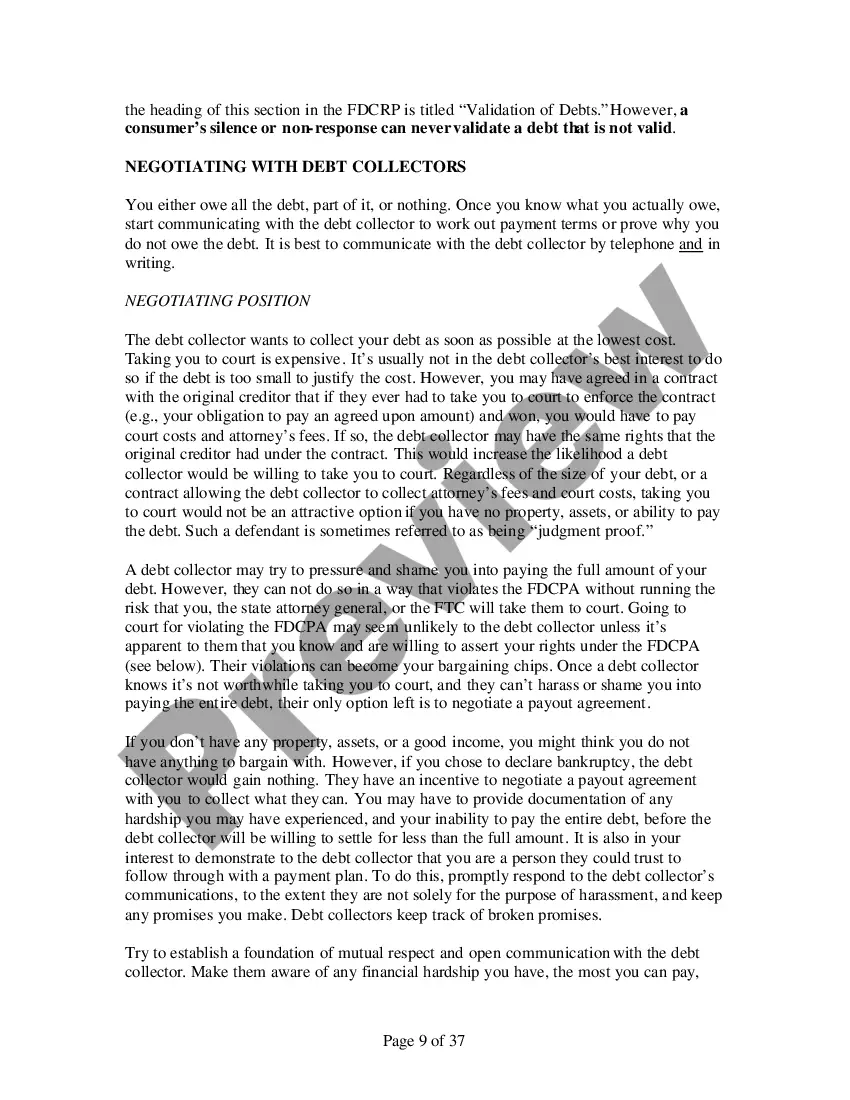
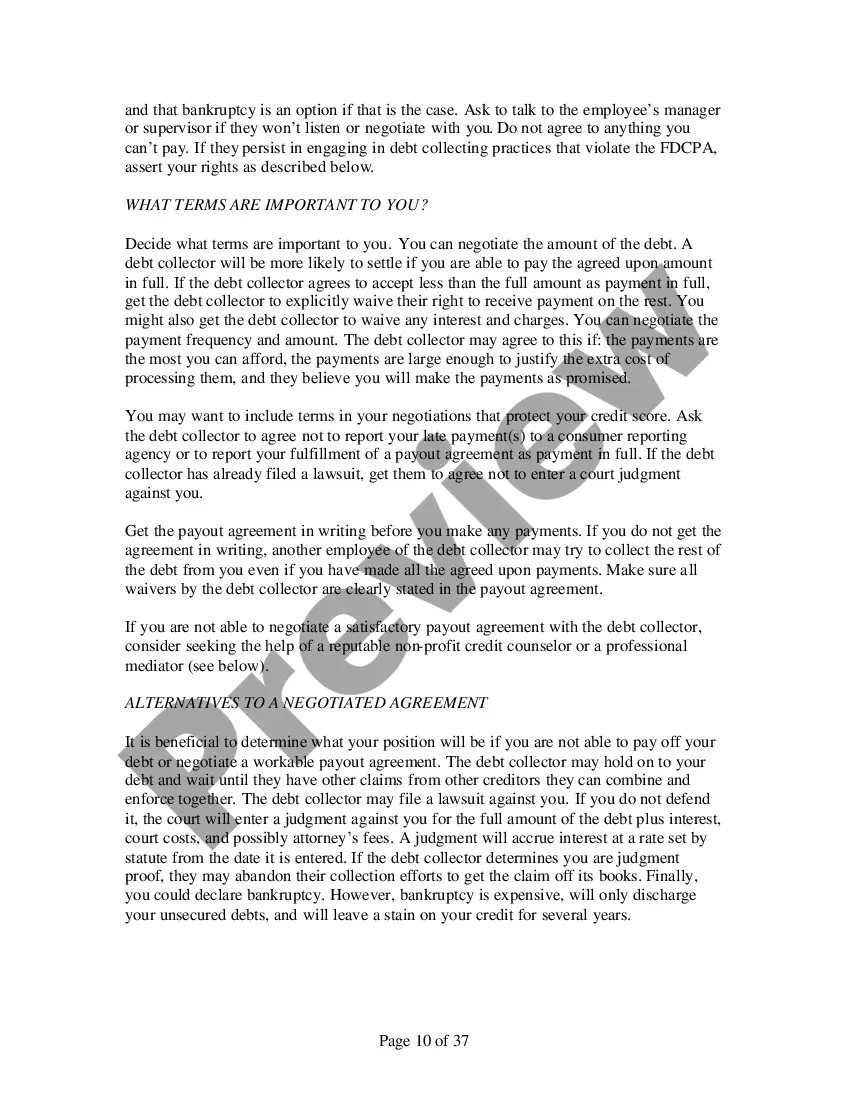
- Guidelines on how to deal with debt collectors effectively.
- An overview of the Fair Debt Collection Practices Act (FDCPA) and its key provisions.
- A journal section for documenting communications with debt collectors.

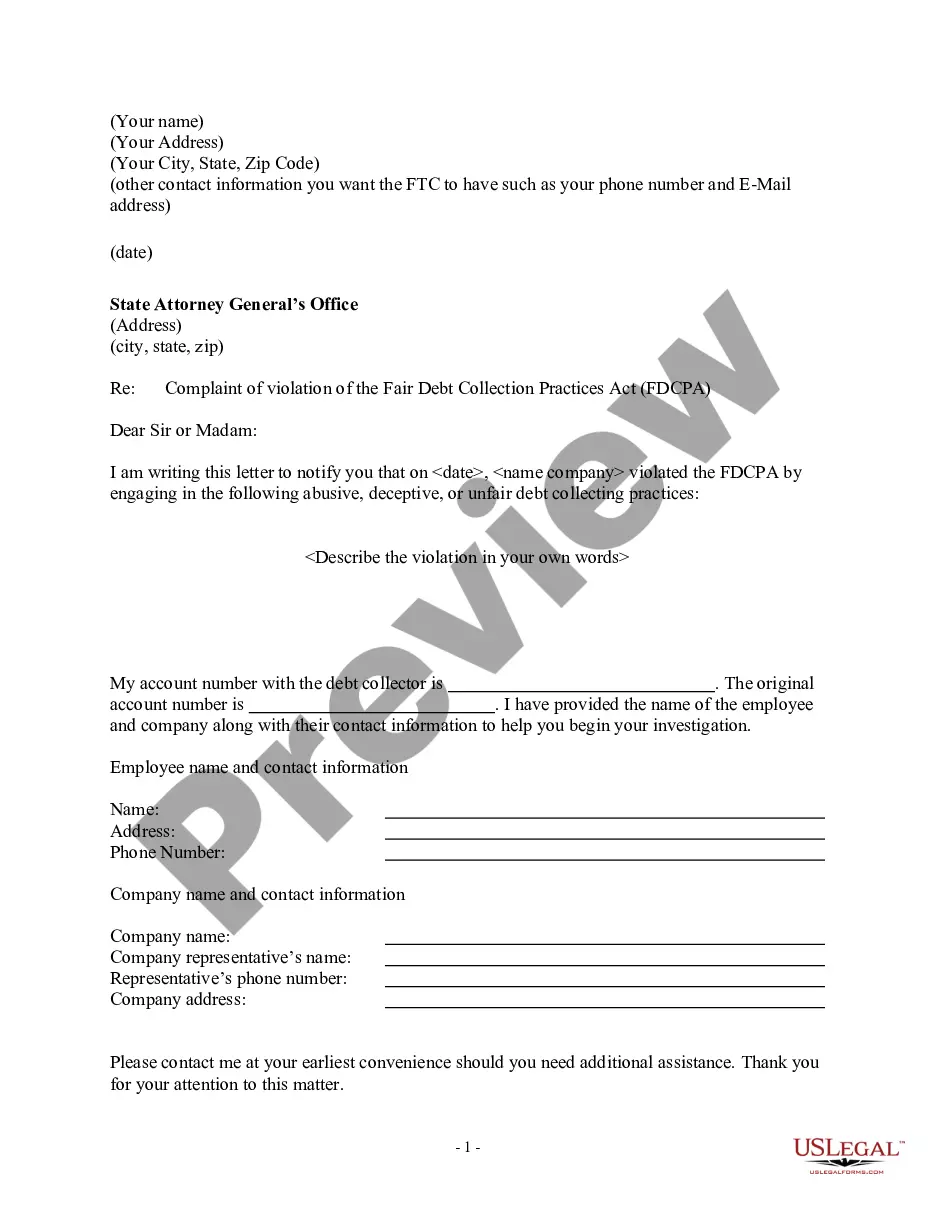
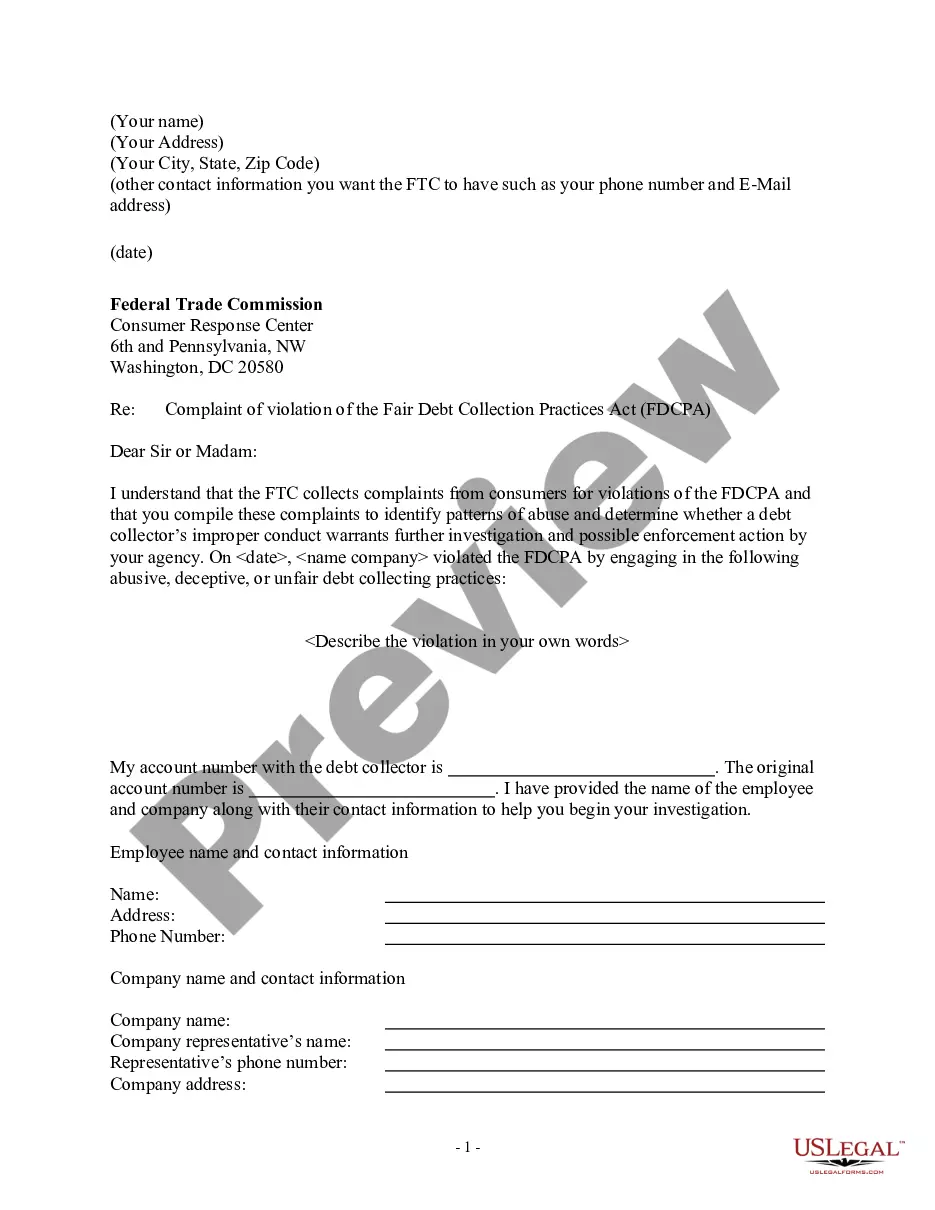
When to use this form
This handbook is particularly useful in situations where you are facing harassment from debt collectors, need to negotiate payment terms, or seek a better understanding of your rights under the FDCPA. If you are uncertain about the legitimacy of a debt or have received conflicting information from collectors, this handbook can guide you through the necessary steps to take.
Intended users of this form
- Consumers currently dealing with debt collectors or creditors.
- Individuals who believe they may be victims of unlawful debt collection practices.
- People seeking to negotiate payment plans or settlements with creditors.
- Anyone interested in understanding their rights under the FDCPA.
How to prepare this document
- Read the introduction to familiarize yourself with the FDCPA and its importance.
- Review the history section to understand the evolution of consumer debt practices.
- Use the guidelines provided for dealing with debt collectors to navigate your situation effectively.
- Document any communication you have with debt collectors in the journal section provided.
- Maintain a copy of the handbook for reference as you negotiate with creditors.
Does this document require notarization?
This form does not typically require notarization to be legally valid. However, some jurisdictions or document types may still require it. US Legal Forms provides secure online notarization powered by Notarize, available 24/7 for added convenience.
Get your form ready online
Our built-in tools help you complete, sign, share, and store your documents in one place.
Make edits, fill in missing information, and update formatting in US Legal Forms—just like you would in MS Word.
Download a copy, print it, send it by email, or mail it via USPS—whatever works best for your next step.
Sign and collect signatures with our SignNow integration. Send to multiple recipients, set reminders, and more. Go Premium to unlock E-Sign.
If this form requires notarization, complete it online through a secure video call—no need to meet a notary in person or wait for an appointment.
We protect your documents and personal data by following strict security and privacy standards.

Make edits, fill in missing information, and update formatting in US Legal Forms—just like you would in MS Word.

Download a copy, print it, send it by email, or mail it via USPS—whatever works best for your next step.

Sign and collect signatures with our SignNow integration. Send to multiple recipients, set reminders, and more. Go Premium to unlock E-Sign.

If this form requires notarization, complete it online through a secure video call—no need to meet a notary in person or wait for an appointment.

We protect your documents and personal data by following strict security and privacy standards.
Typical mistakes to avoid
- Ignoring communication from debt collectors, which can lead to legal action.
- Failing to document interactions with debt collectors, making it harder to assert your rights.
- Assuming that a debt is valid without verifying the details.
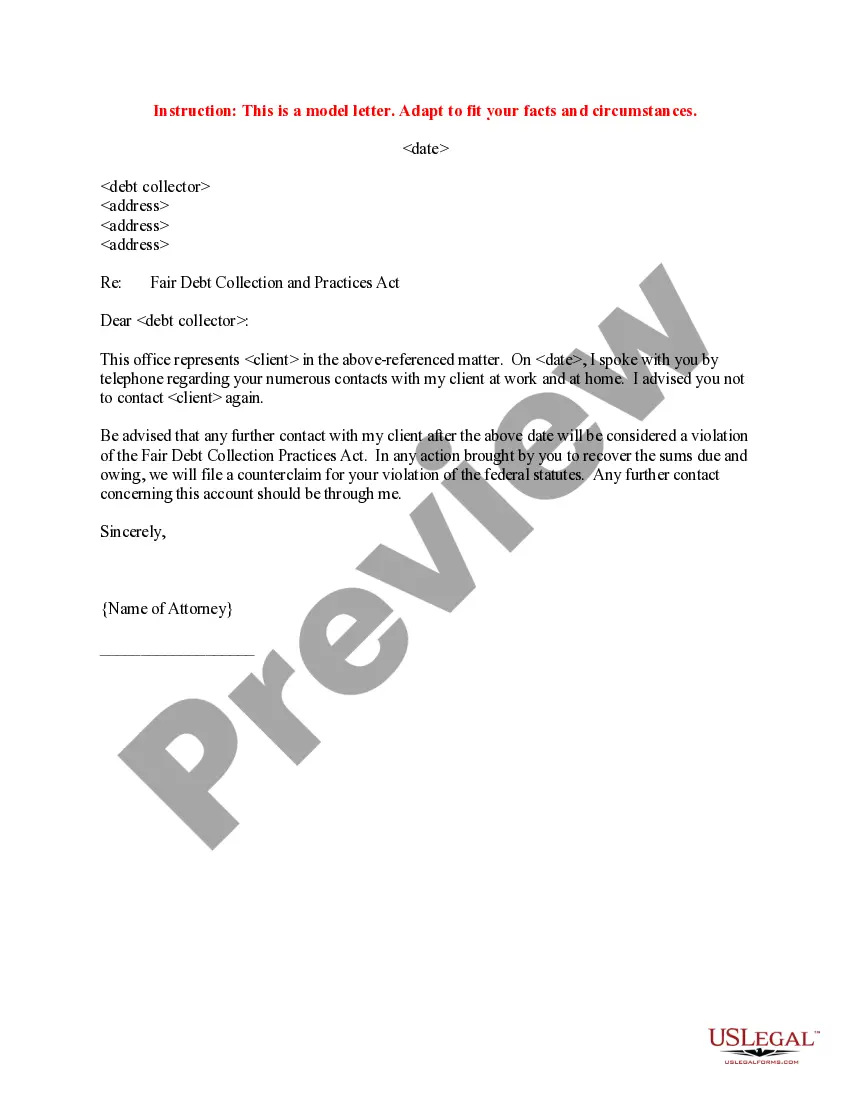
- Not standing firm on your rights under the FDCPA when faced with harassment or threats.
Why complete this form online
- Immediate access to critical information when you need it most.
- Editable format allows you to personalize the document for your specific situation.
- Reliable content created by licensed attorneys ensures accuracy and compliance with current laws.
- Convenient to download and print from the comfort of your home.
Legal use & context
The FDCPA is a federal law that provides protections for consumers against abusive debt collection practices. It is enforceable in court, allowing consumers to take legal action against debt collectors who violate its provisions. Familiarity with this handbook is essential for understanding your rights and ensuring that debt collectors comply with legal standards.
Key takeaways
- The FDCPA protects consumers from abusive debt collection practices.
- Understanding your rights can significantly improve your ability to negotiate with collectors.
- Documenting interactions with debt collectors is crucial for asserting your rights.
- Consulting with a legal professional may be necessary if you face persistent harassment.
Looking for another form?
Form popularity
FAQ
The Fair Debt Collection Practices Act Handbook is a reference guide that explains the FDCPA's consumer rights and the obligations of debt collectors. It is intended to help individuals understand what debt collectors can and cannot do and to recognize potential violations across multiple states. Use it when you want a clear, general overview of FDCPA protections.
FDCPA violations include debt collectors harassing or abusing consumers, making false statements or threats, and contacting at prohibited times or places. The handbook describes these prohibitions and examples to help you identify improper collection practices and know when you may have a claim under the FDCPA across multiple states.
Never admit to owing a debt you're unsure about, and never disclose sensitive information or agree to payment terms before verifying the debt. The handbook emphasizes keeping communications focused on verification and rights, and it guides readers on how to respond safely to debt collectors.
Two common prohibitions under the FDCPA are harassment or abuse of consumers and making false or misleading representations about a debt. The handbook highlights these and other protections, helping readers understand limits on calls, statements, and the collection process across multiple states.
The most common FDCPA violation cited is debt collectors contacting consumers at odd hours or after a written request to stop communication. The handbook explains why this behavior crosses the line and how consumers can document violations to pursue remedies under the FDCPA.
It is a reference resource that provides explanations, examples, and plain-language guidance rather than a fill-in, ready-to-submit document. The handbook aims to teach consumers about the FDCPA's protections and a general understanding of debt collection practices across states, whereas a standard form is designed for completing a specific filing or request.