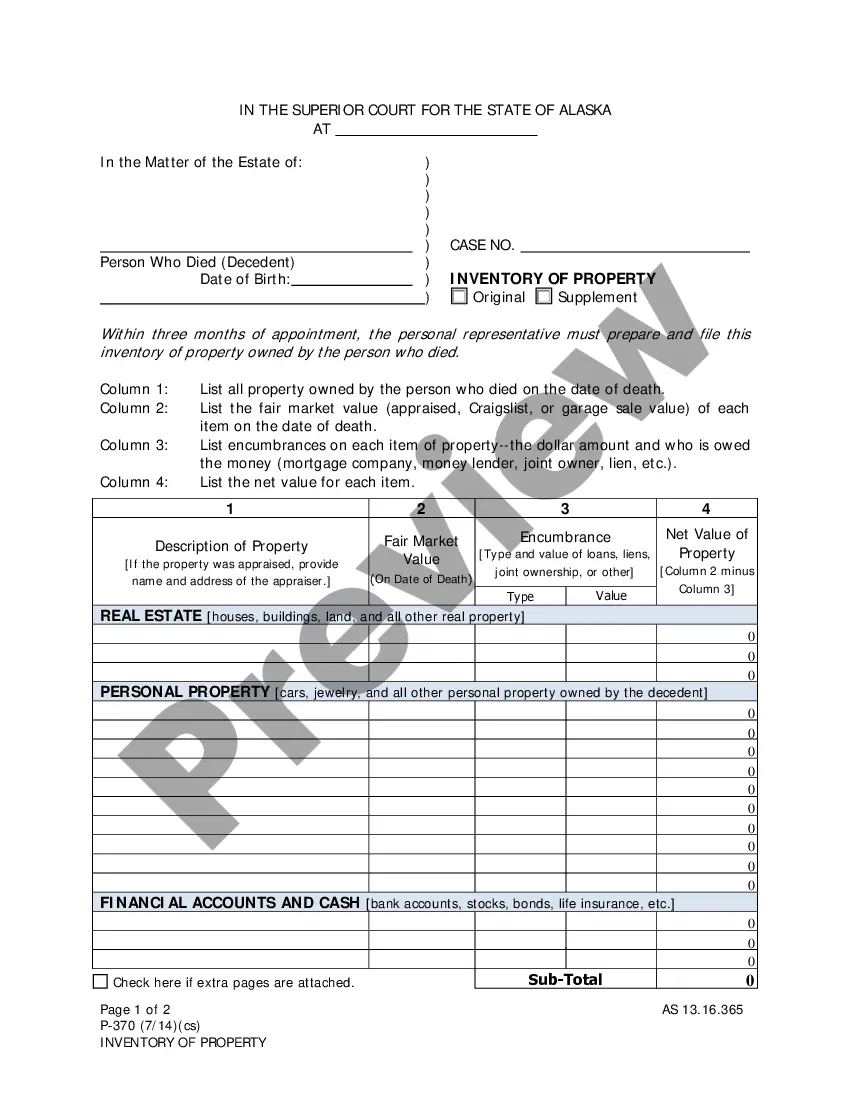
Alaska 10 Day Notice of Termination for Landlord's Unlawfully Entering Premises for Residential from Tenant to Landlord
About this form
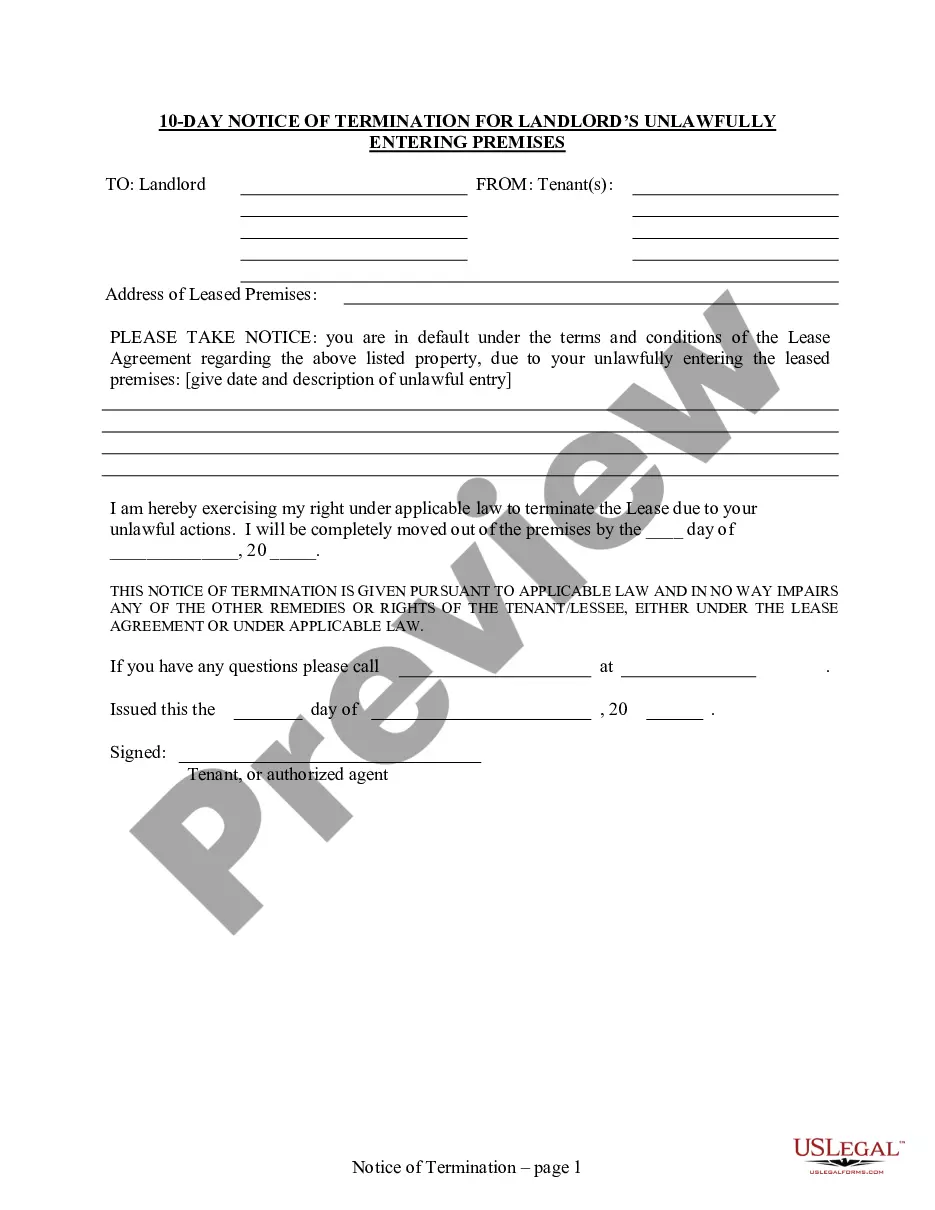
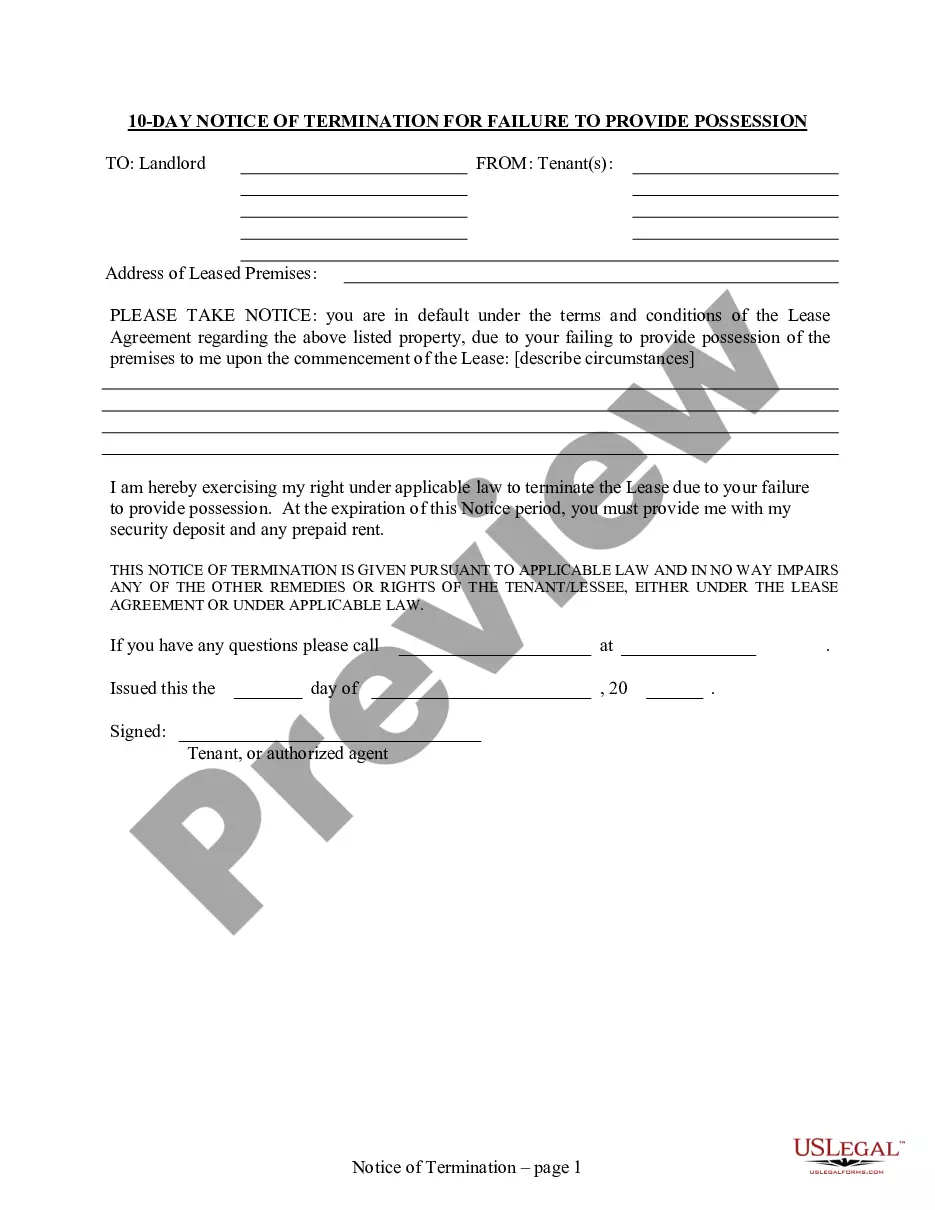
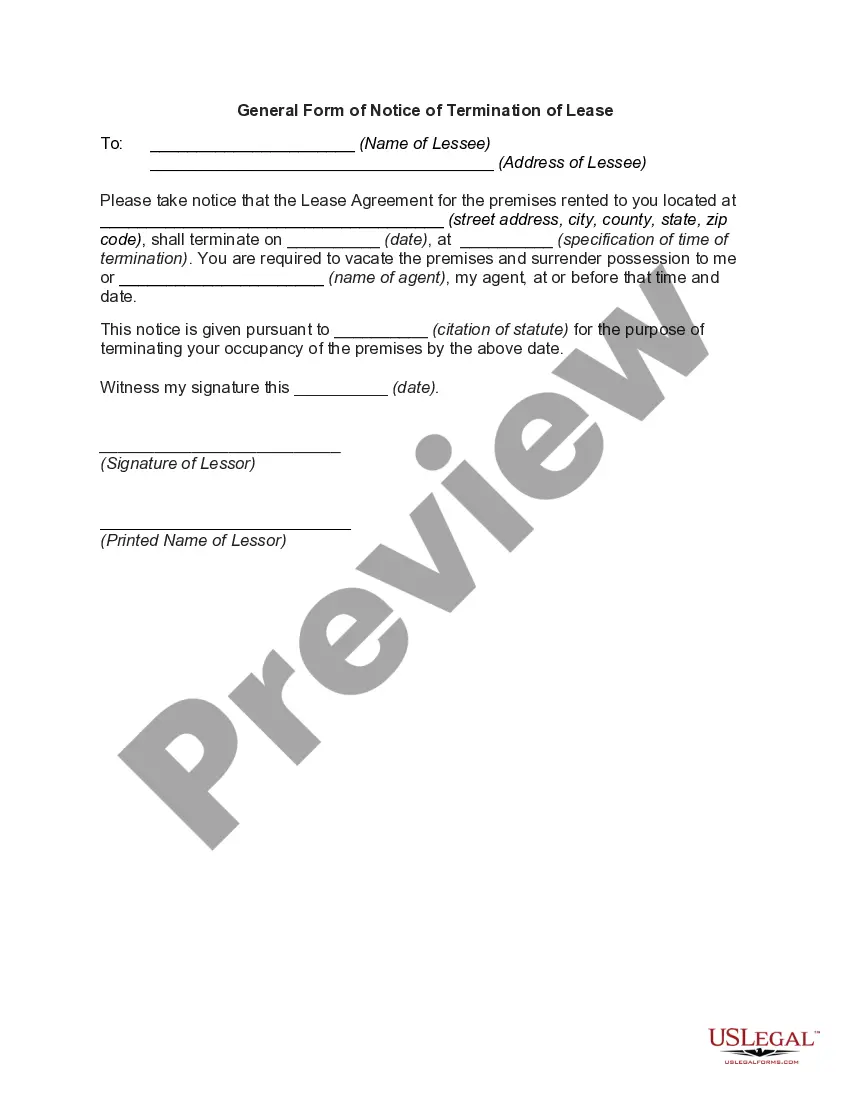
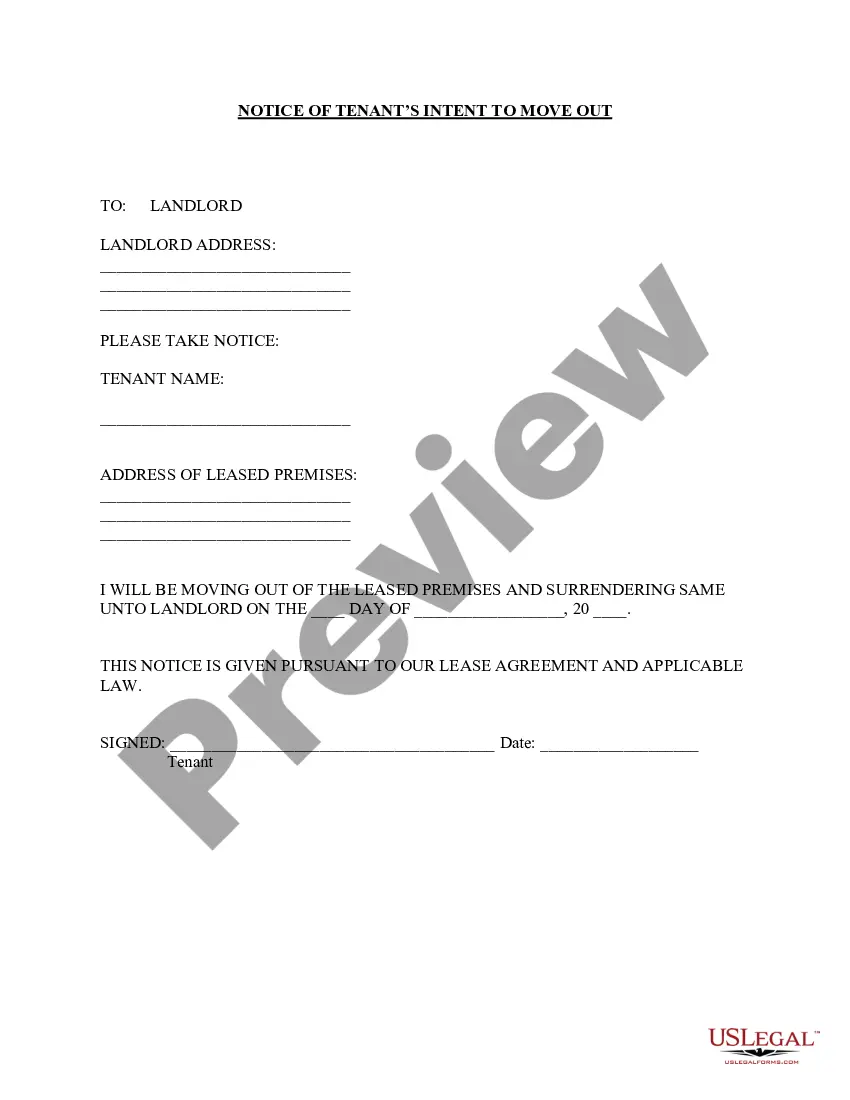
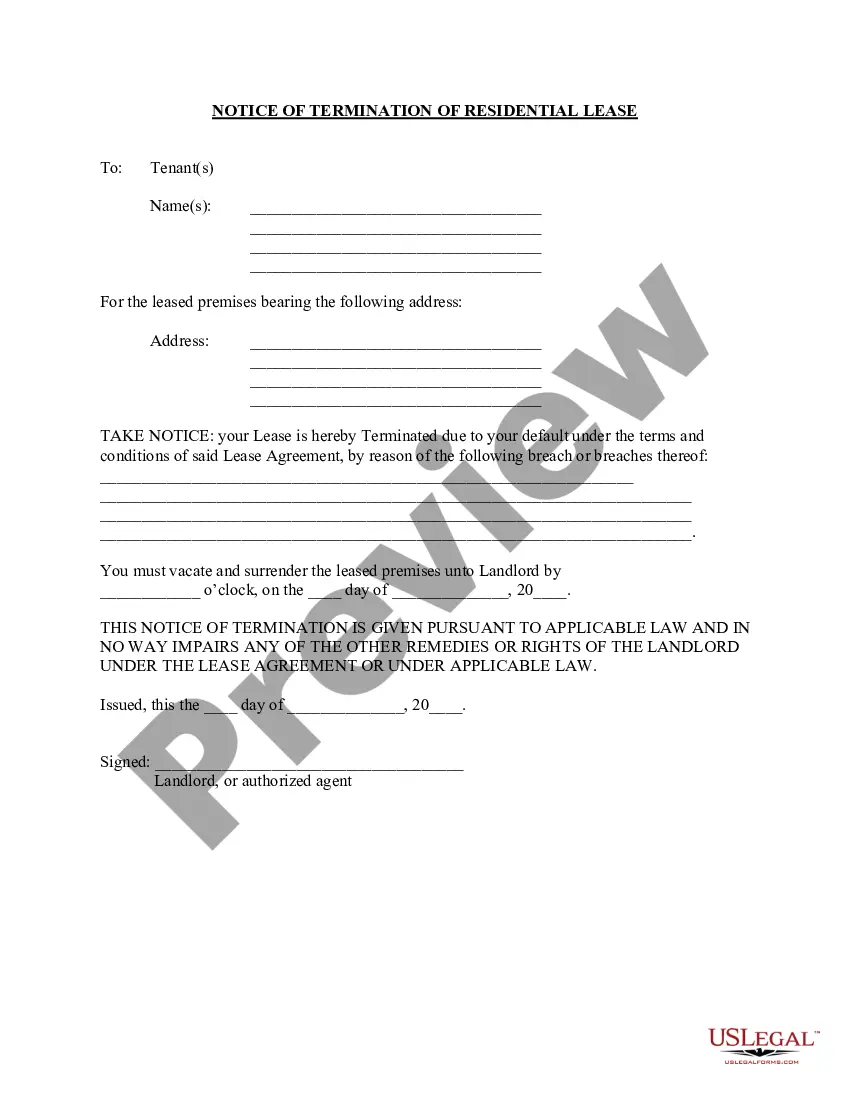
The 10 Day Notice of Termination for Landlord's Unlawfully Entering Premises is a legal document used by tenants to formally terminate their lease when the landlord has unlawfully entered the rental property. This notice serves as a means for tenants to assert their rights and provides a clear timeline for the termination process, ensuring that both parties are aware of the situation. Unlike general lease termination notices, this form specifically addresses unlawful entry by the landlord, making it essential for tenants in such circumstances.
Key parts of this document
- Identifies the landlord and tenant involved in the lease agreement.
- Details the address of the leased premises.
- Specifies the date and description of the landlord's unlawful entry.
- States the tenant's intention to terminate the lease and the date by which they will vacate the property.
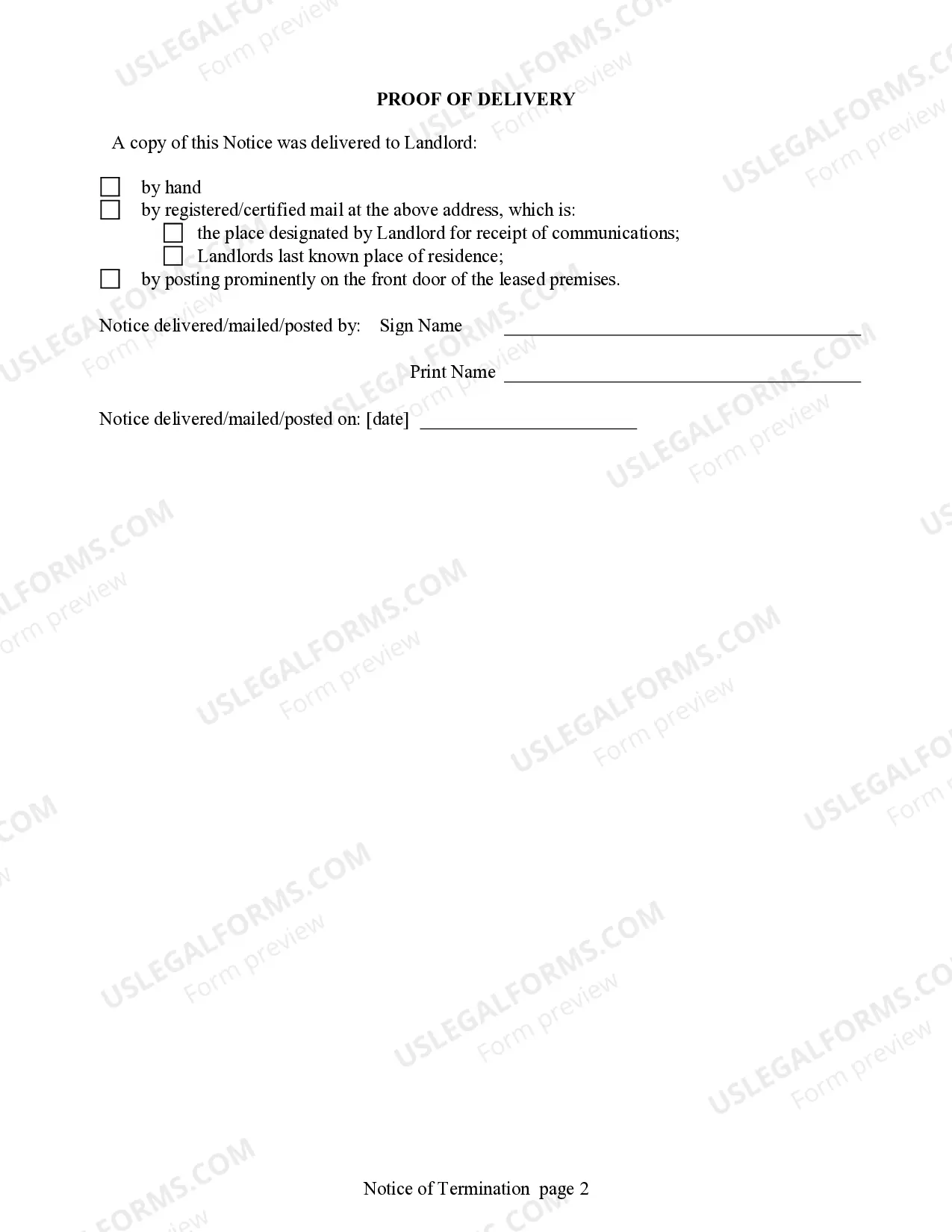
- Includes a section for proof of delivery to the landlord.
- Allows space for tenant signatures and dates of issuance.
Common use cases
This form should be used when a tenant has experienced unlawful entry by their landlord into their rented residence. It is applicable in situations where a tenant feels their privacy and security have been violated, and they wish to terminate their lease as a result. Common scenarios include unexpected visits without notice, entry for non-emergency reasons, or entry that violates the lease agreement.
Who can use this document
- Tenants who have experienced unlawful entries by their landlords.
- Individuals renting residential properties where privacy rights have been breached.
- Renters who need to terminate their lease due to landlord misconduct.
Instructions for completing this form
- Identify the parties involved by entering the names of the landlord and tenant.
- Specify the address of the leased premises in the provided section.
- Clearly describe the date and nature of the landlord's unlawful entry.
- Fill in the date by which you intend to vacate the property.
- Sign and date the notice to validate it as legally effective.
- Ensure proof of delivery is completed, indicating how and when the notice was delivered to the landlord.
Does this document require notarization?
In most cases, this form does not require notarization. However, some jurisdictions or signing circumstances might. US Legal Forms offers online notarization powered by Notarize, accessible 24/7 for a quick, remote process.
Get your form ready online
Our built-in tools help you complete, sign, share, and store your documents in one place.
Make edits, fill in missing information, and update formatting in US Legal Forms—just like you would in MS Word.
Download a copy, print it, send it by email, or mail it via USPS—whatever works best for your next step.
Sign and collect signatures with our SignNow integration. Send to multiple recipients, set reminders, and more. Go Premium to unlock E-Sign.
If this form requires notarization, complete it online through a secure video call—no need to meet a notary in person or wait for an appointment.
We protect your documents and personal data by following strict security and privacy standards.

Make edits, fill in missing information, and update formatting in US Legal Forms—just like you would in MS Word.

Download a copy, print it, send it by email, or mail it via USPS—whatever works best for your next step.

Sign and collect signatures with our SignNow integration. Send to multiple recipients, set reminders, and more. Go Premium to unlock E-Sign.

If this form requires notarization, complete it online through a secure video call—no need to meet a notary in person or wait for an appointment.

We protect your documents and personal data by following strict security and privacy standards.
Common mistakes
- Failing to provide a clear description of the landlord's unlawful entry.
- Not specifying the exact date the tenant plans to vacate the property.
- Neglecting to sign and date the notice before delivering it.
- Forgetting to retain proof of delivery for personal records.
Advantages of online completion
- Quick access to a professionally drafted legal form.
- Immediate download option for personal use.
- Editable fields allow customization to fit specific situations.
- Reliable resources and guidance to ensure proper completion.
Legal use & context
The 10 Day Notice of Termination serves as a legal instrument protecting tenants' rights when facing unlawful entry by landlords. It ensures that the termination process is documented and legally recognized, which may be crucial in potential disputes or further legal action.
Looking for another form?



Form popularity
FAQ
The big take-away is that in most circumstances a landlord cannot enter a property without agreement from the tenant. And If the landlord ignores the law and enters the property without permission, the tenant may be able to claim damages or gain an injunction to prevent the landlord doing it again.
In all states, a landlord can enter the property in an emergency without notice or permission.Even if your landlord gives you notice, he or she must have a good reason to enter the property. In most cases, your landlord can enter your home: In an emergency.
A landlord can only enter a tenant's unit for specific reasons, unless: the tenant has given the landlord permission to enter; there is an emergency that requires the landlord to enter the unit; or. the tenant has abandoned the property.
Apply to the Tribunal for orders: to stop the landlord/agent entering the premises. (Apply within 3 months after you become aware of the landlord's/agent's breach.) report trespass to the police. complain to NSW Fair Trading.
Tenants have the right to refuse entry, if asked. But should they ignore a request for entry then their landlord has the right to let themselves in if they have a valid reason to do so.
ENTRY WITHOUT NOTICE The landlord may enter the residential premises without permission and without giving the tenant any notice for two reasons: If the landlord believes there is an emergency; 2022 If the landlord believes the tenant has abandoned the residential premises.
Sue the landlord and whoever for up to $10,000 in small claims court for trespassing, breach of contract, invasion of privacy, and breach of quiet enjoyment; if you are two or more tenants, each can separately sue them for up to $10,000, and a joint action is not required.
Put cameras everywhere (Nest Cam is a good brand), make sure you put signs "Premises secured by video surveillance" and you will be good to go. While it won't prevent the landlord from entering, it will prevent the landlord from doing anything funky, and who knows, with time even stop.