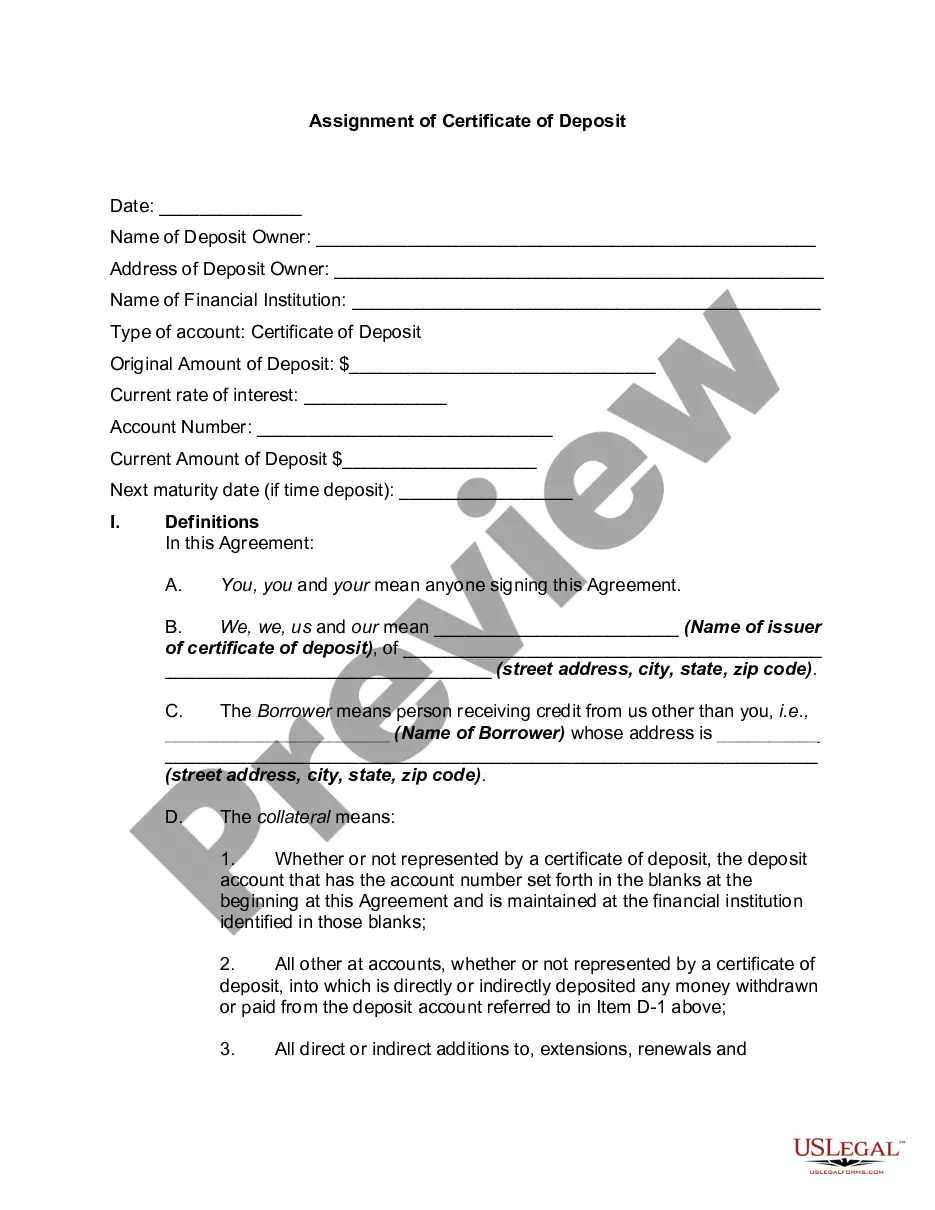
Wyoming Letter from Tenant to Landlord about Fair Housing Reduction or Denial of services to Family with Children
What is this form?
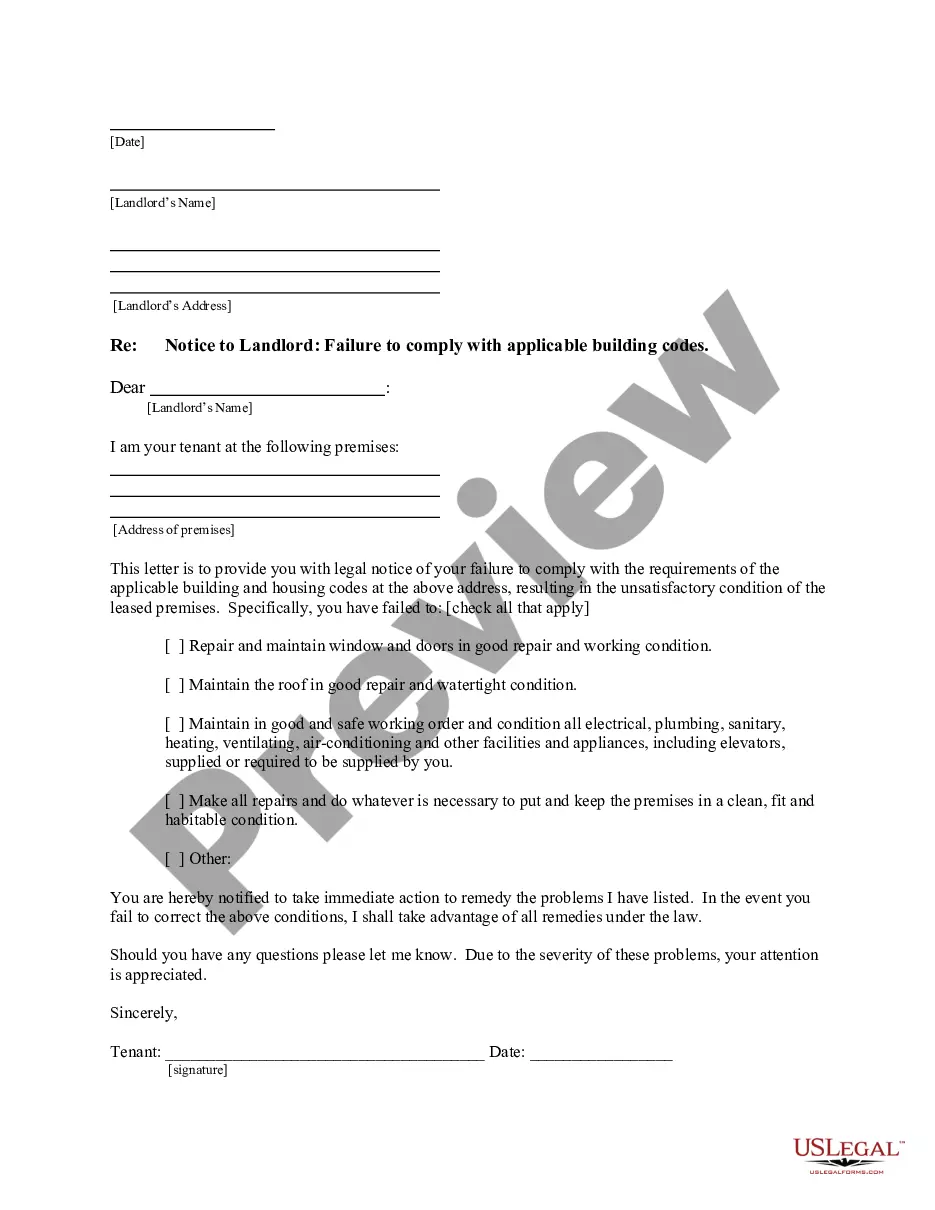
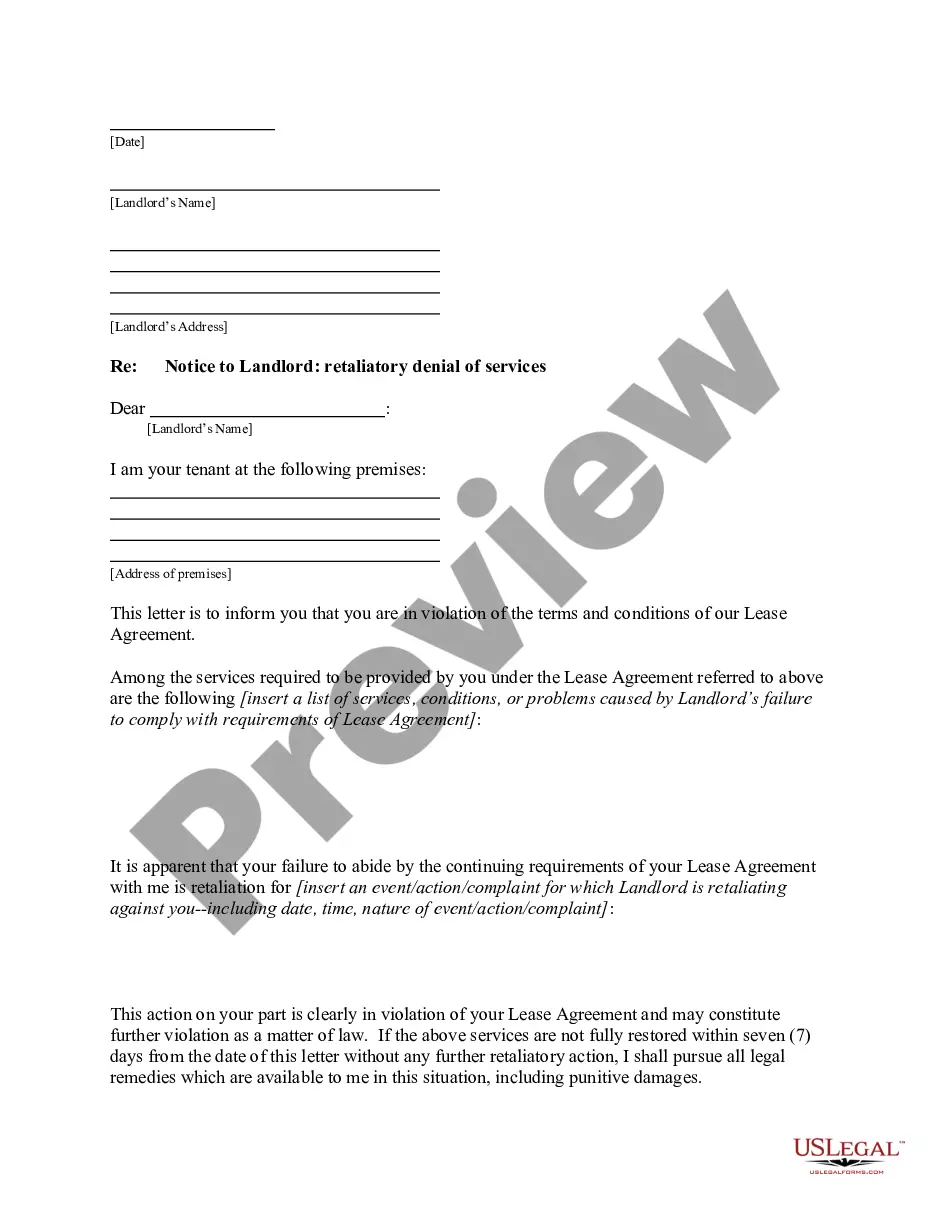
This form is a letter from a tenant to their landlord that addresses violations of the Fair Housing Act, specifically concerning the reduction or denial of services to families with children. This letter serves as a formal notice to the landlord, highlighting unlawful discrimination based on familial status and ensuring the tenant's rights are affirmed. Unlike other housing-related letters, this form specifically focuses on compliance with fair housing laws and addresses issues regarding children in the household.
What’s included in this form
- Identification of the tenant and landlord involved in the tenancy.
- Statement declaring the violation of the Fair Housing Act.
- Specific circumstances regarding the reduction or denial of services.
- Clear request for remedial action from the landlord.
- Contact information for further communication.
When this form is needed
This form should be used when a tenant notices that their landlord is reducing or denying services to them based on familial status, such as the presence of children in the home. Typical scenarios include instances of unequal treatment in access to utilities, maintenance, or other essential services, which could violate fair housing laws. Tenants should document these occurrences and send this letter to formally address the issue with their landlord.
Who can use this document
Eligible users of this form include:
- Tenants who believe they are being discriminated against by their landlord due to having children.
- Families with children seeking to ensure their fair housing rights are protected.
- Individuals looking to document and address violations of the Fair Housing Act with their landlords.
Steps to complete this form
Follow these steps to complete this form:
- Identify the parties involved by entering the names and addresses of both the tenant and landlord.
- Clearly state the violation of the Fair Housing Act regarding services denied to families with children.
- Provide specific details about the reduction or denial of services faced.
- Request a remedy or action from the landlord to correct the issue outlined.
- Sign the letter and include your contact information for follow-up communication.
Notarization requirements for this form
This form does not typically require notarization unless specified by local law. It is important to understand local regulations that may impose additional requirements for legal documentation. Ensure that you follow any relevant local laws or guidelines regarding the delivery and acknowledgement of the notice.
Get your form ready online
Our built-in tools help you complete, sign, share, and store your documents in one place.
Make edits, fill in missing information, and update formatting in US Legal Forms—just like you would in MS Word.
Download a copy, print it, send it by email, or mail it via USPS—whatever works best for your next step.
Sign and collect signatures with our SignNow integration. Send to multiple recipients, set reminders, and more. Go Premium to unlock E-Sign.
If this form requires notarization, complete it online through a secure video call—no need to meet a notary in person or wait for an appointment.
We protect your documents and personal data by following strict security and privacy standards.

Make edits, fill in missing information, and update formatting in US Legal Forms—just like you would in MS Word.

Download a copy, print it, send it by email, or mail it via USPS—whatever works best for your next step.

Sign and collect signatures with our SignNow integration. Send to multiple recipients, set reminders, and more. Go Premium to unlock E-Sign.

If this form requires notarization, complete it online through a secure video call—no need to meet a notary in person or wait for an appointment.

We protect your documents and personal data by following strict security and privacy standards.
Avoid these common issues
- Failing to provide specific examples of the discrimination faced.
- Not including correct contact information for follow-up.
- Using vague language that does not assert the violation clearly.
- Neglecting to keep a copy of the notice for personal records.
Benefits of using this form online
- Convenience of downloading and completing the form at your own pace.
- Legal validity ensured by templates drafted by licensed attorneys.
- Easy customization of the form to fit your specific situation.
- Access to guidance in completing the form effectively.
Legal use & context
- This letter serves as documentation of the tenant's complaint, which may be needed for future legal proceedings.
- It invokes protections provided under the Fair Housing Act, emphasizing illegal discrimination based on familial status.
- Proper use of this form can promote compliance and resolution without additional disputes.
Key takeaways
- This form is vital for tenants facing discrimination based on familial status.
- It serves as a formal notice for violations under the Fair Housing Act.
- Completing the form properly can help protect your legal rights.
- Familiarize yourself with local housing laws that may further support your case.
Looking for another form?



Form popularity
FAQ
HUD Settles Disability Discrimination Fair Housing Act Case For $80,000.
Dear Mr./Ms. (Contact at Human Resources Department): I work at ________(Company Name) as a ________(Your Job Title) and have been in this position since ____ (Date). I am writing to request that you provide __________________(list accommodation needed here) as a reasonable accommodation under the ADA.
Under the FHA, familial status discrimination occurs when a landlord, property manager, real estate agent, or property owner treats someone differently because they have a family with one or more individuals who are under 18 years of age.
Dear So-and-So, I am writing to request a reasonable accommodation as a person with disabilities. I am requesting this accommodation so that I will have equal opportunity to participate in your housing.
Identify yourself as a person with a disability. State that you are requesting accommodations under the ADA (or the Rehabilitation Act of 1973 if you are a federal employee) Identify your specific problematic job tasks. Identify your accommodation ideas.
Reasonable documentation means that the employer may require only the documentation that is needed to establish that a person has an ADA disability, and that the disability necessitates a reasonable accommodation.
The Fair Housing Act covers most housing. In some circumstances, the Act exempts owner-occupied buildings with no more than four units, single-family housing sold or rented without the use of a broker and housing operated by organizations and private clubs that limit occupancy to members.
It is against Fair Housing guidelines to provide discounts to the elderly.
Providing an assistant as needed may be a reasonable accommodation for a person with a disability, if this does not impose an undue hardship. Examples include: An assistant may be needed to retrieve items on shelves, file, or selectively assist a person with quadriplegia with other clerical duties.