West Virginia Statutory Medical Power of Attorney and Living Will
Overview of this form
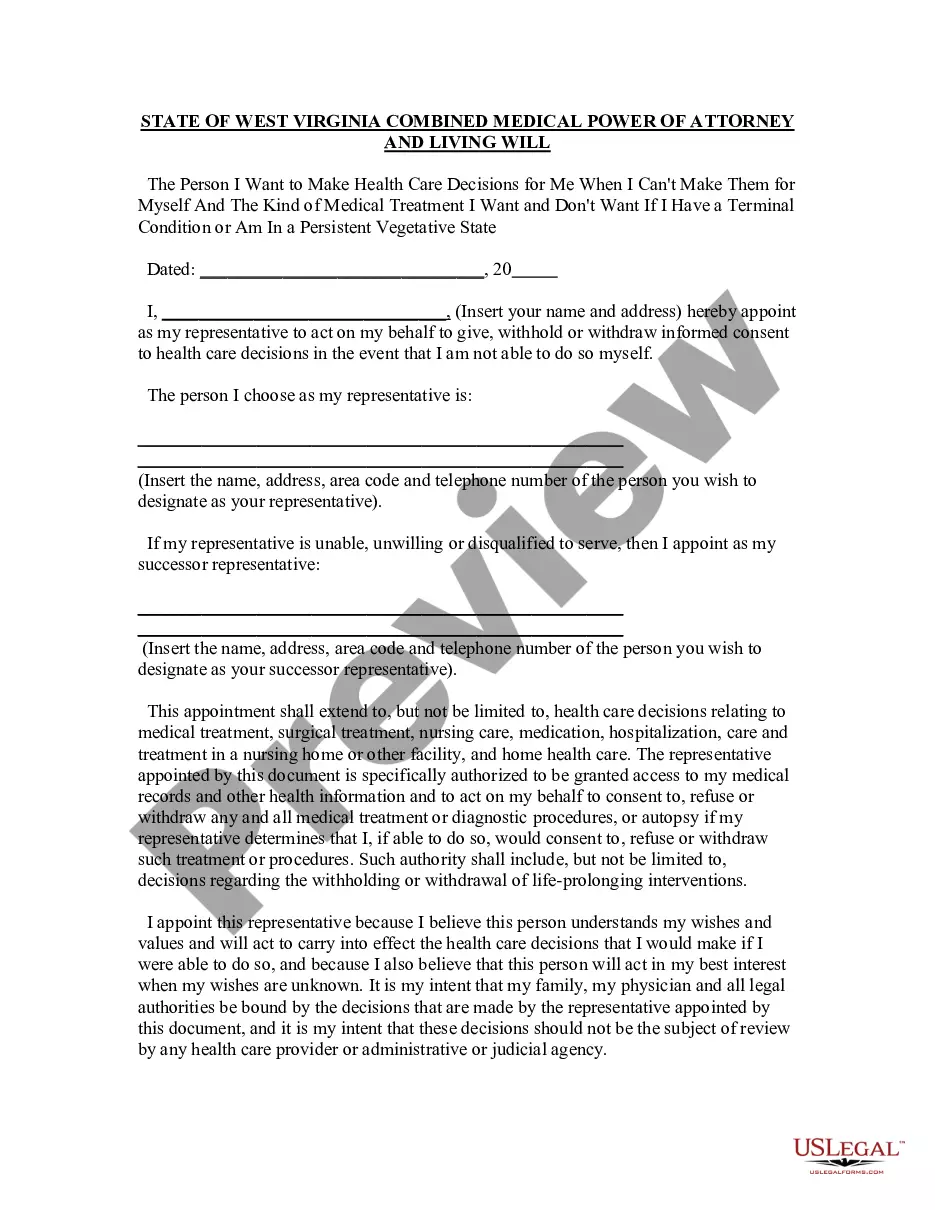
The Statutory Medical Power of Attorney and Living Will allows you to articulate your health care preferences in scenarios where you may be incapacitated. This form not only designates a health care agent to make medical decisions on your behalf but also outlines your wishes regarding life-sustaining treatments, ensuring that your desires are followed. Unlike a general power of attorney, this form specifically focuses on health care decisions and provides critical guidelines for end-of-life care.
Key components of this form
- Designates a health care agent who can make medical decisions on your behalf.
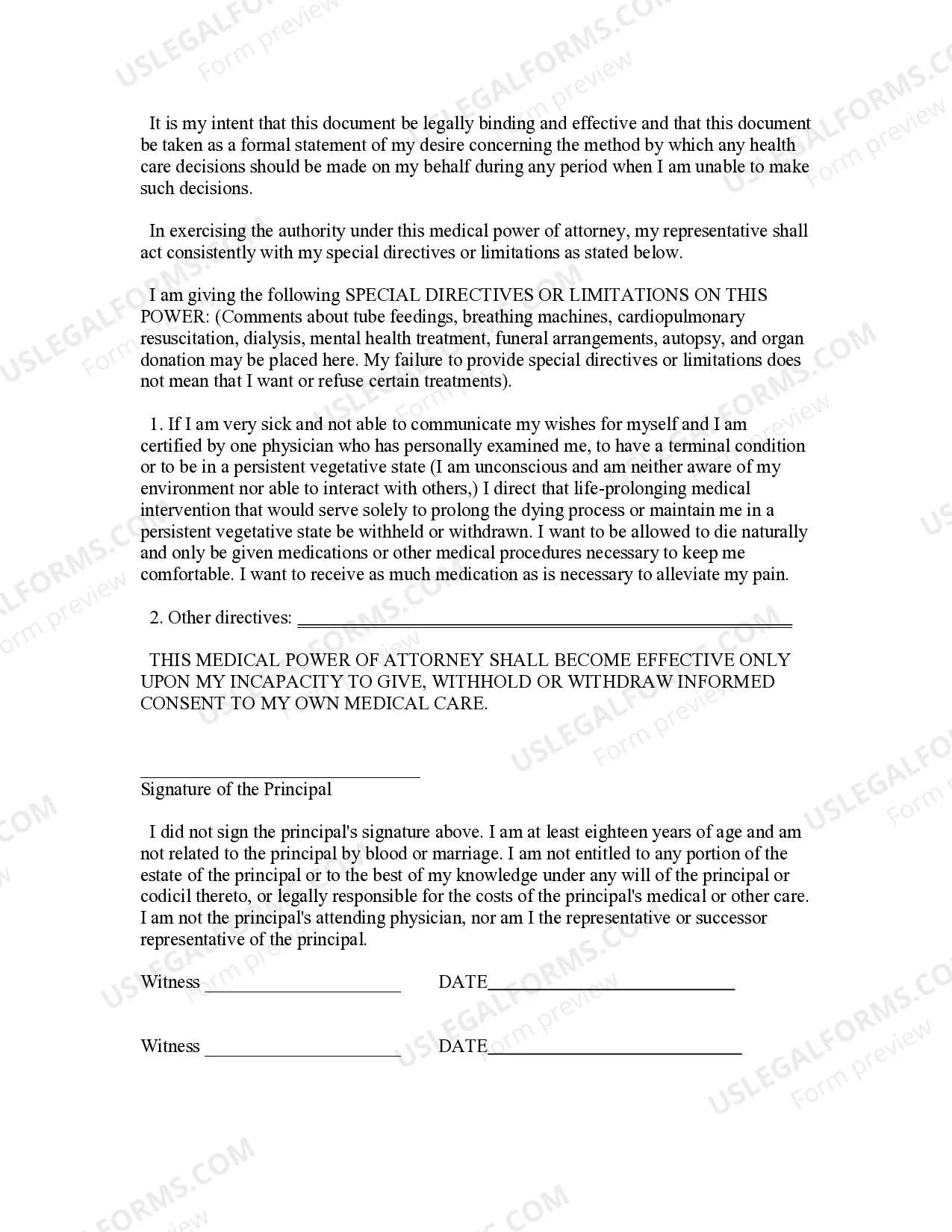
- Outlines your preferences for life-sustaining treatments if facing a terminal condition.
- Includes special directives or limitations to specify any desired treatments or refusals.
- Ensures your medical records and health information can be accessed by your representative.
- Legally binding statement of your wishes regarding health care during incapacitation.

Situations where this form applies
This form is essential if you want to establish clear medical preferences in advance. It is particularly useful for individuals diagnosed with a serious illness, those undergoing major surgeries, or anyone concerned about how their health care decisions will be handled if they can no longer communicate. It can provide peace of mind knowing that your wishes will be honored during critical medical situations.
Who needs this form
- Adults who want to plan for potential health crises.
- Individuals with terminal illnesses looking to ensure their treatment preferences are respected.
- People undergoing significant medical procedures or surgeries.
- Anyone wishing to designate a trusted individual to make health care decisions on their behalf.
Steps to complete this form
- Identify and list the person you wish to designate as your health care agent, including their contact information.
- Designate a successor representative in case your primary agent is unavailable.
- Specify any special directives or limitations regarding treatments you do or do not want.
- Ensure your signature is present to validate the document.
- Have the required witnesses sign the form in accordance with state regulations.
Is notarization required?
Notarization is not commonly needed for this form. However, certain documents or local rules may make it necessary. Our notarization service, powered by Notarize, allows you to finalize it securely online anytime, day or night.
Get your form ready online
Our built-in tools help you complete, sign, share, and store your documents in one place.
Make edits, fill in missing information, and update formatting in US Legal Forms—just like you would in MS Word.
Download a copy, print it, send it by email, or mail it via USPS—whatever works best for your next step.
Sign and collect signatures with our SignNow integration. Send to multiple recipients, set reminders, and more. Go Premium to unlock E-Sign.
If this form requires notarization, complete it online through a secure video call—no need to meet a notary in person or wait for an appointment.
We protect your documents and personal data by following strict security and privacy standards.

Make edits, fill in missing information, and update formatting in US Legal Forms—just like you would in MS Word.

Download a copy, print it, send it by email, or mail it via USPS—whatever works best for your next step.

Sign and collect signatures with our SignNow integration. Send to multiple recipients, set reminders, and more. Go Premium to unlock E-Sign.

If this form requires notarization, complete it online through a secure video call—no need to meet a notary in person or wait for an appointment.

We protect your documents and personal data by following strict security and privacy standards.
Avoid these common issues
- Failing to specify your health care preferences clearly.
- Not updating the form if your wishes change or if your appointed representative becomes unavailable.
- Neglecting to have the form signed by the required witnesses.
- Overlooking to provide the contact information of your representatives.
Why use this form online
- Easy access: Download the form at your convenience without needing to visit a lawyer.
- Editability: Customize the form to meet your personal health care desires.
- Reliability: Ensure that the document is drafted based on legal standards, minimizing potential errors.
- Confidentiality: Keep your medical preferences private while ensuring they are legally noted.
Looking for another form?


Form popularity
FAQ
Even though they are not required to follow your wishes, most will do so.In an emergency, a physician's choices could override your living will for another reason; if proper care dictates you to be treated in a certain way or there is an ethical obligation, that could override your wishes.
Can you have both a living will and healthcare power of attorney? Yes. Since a living will generally covers very specific issues like DNR (or do not resuscitate), it may not deal with other important medical concerns you might have.
A living will is a vital part of the estate plan. You can alter it as your preferences and needs change over time.But your family cannot override your living will. They cannot take away your authority to make your own treatment and care plans.
A living will is only valid if you are unable to communicate your wishes. A health care power of attorney gives someone else (the proxy) the ability to make decisions for you regarding your health care. Unlike a living will, it applies to both end-of-life treatment as well as other areas of medical care.
With what is known as a durable power of attorney for health care, you can designate an agent that will make decisions that weren't covered by your living will. It is important to note that your health care agent can't overrule any of the provisions of your living will.
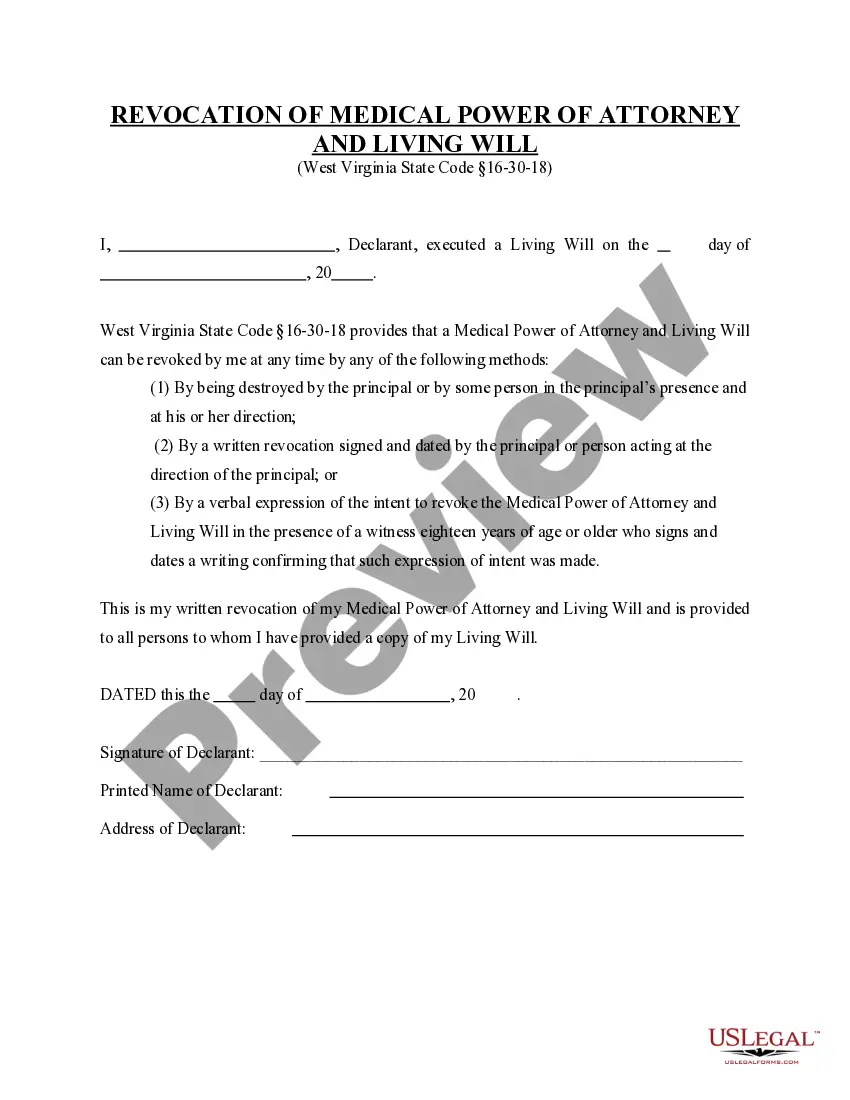
When a Living Will or Power of Attorney for Healthcare Ends Your living will and the power of attorney for healthcare are generally extinguished upon your death. This also means that your healthcare agent, if you designate one, can only make healthcare decisions for you while you are alive and incapacitated.
A living will is a vital part of the estate plan.But your family cannot override your living will. They cannot take away your authority to make your own treatment and care plans. In fact, you always retain the right to override your own decisions.
You may decide to have both a power of attorney and a living will, called a combined advance directive for health care. Whether you go with one or both, you receive similar benefits. You prevent the matter from having to go to court, where a judge who does not know you would determine what your care would be.
Although the documents may come into play during similar circumstances, they have different purposes. In short, a living will presents decisions you've made ahead of time regarding your own end-of-life health care, and a power of attorney names the person who can make financial or health care decisions for you.