Florida Last Will and Testament
A Last Will and Testament outlines how your assets should be distributed after death. Attorney-drafted templates are quick and simple to complete.

Similar documents: key differences
- Will vs. Trust — a will distributes assets after death, while a trust manages assets during life and after death.
- Formal Will vs. Holographic Will — a formal will is typed and witnessed, whereas a holographic will is handwritten and may not need witnesses.
- Testamentary Will vs. Living Will — a testamentary will takes effect after death, while a living will specifies medical preferences during life.
- Joint Will vs. Mutual Will — a joint will is a single document for two people, while mutual wills are separate documents reflecting similar intentions.
- Self-Proving Will vs. Simple Will — a self-proving will is validated with witness signatures, while a simple will may not include such provisions.
Search for more forms
Types of Will forms
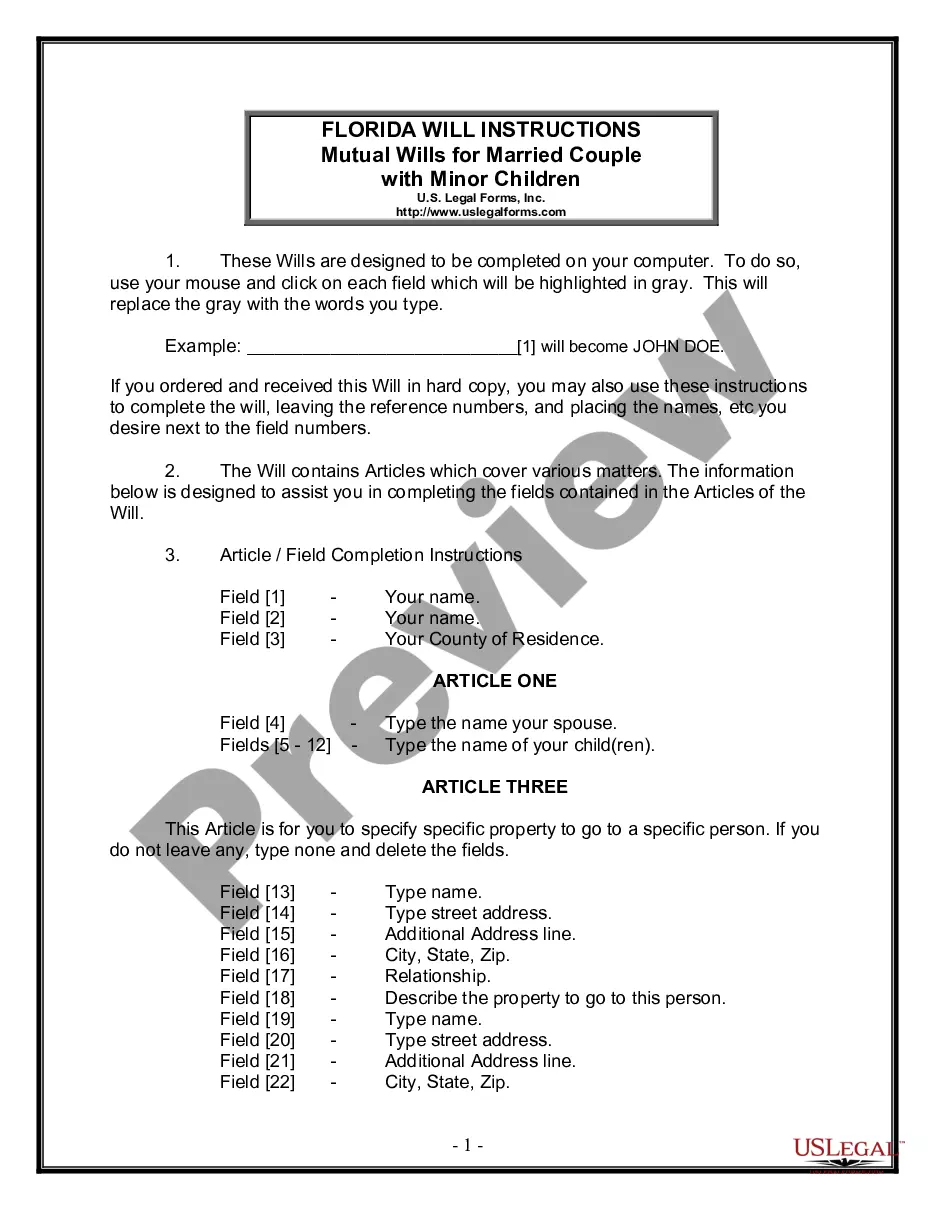
With Minor Children
Plan your estate and protect your minor children's future with a legally sound will tailored for married individuals.
With Minor Children (Prior Marriage)
Ensure your wishes are honored with a comprehensive will tailored for married individuals with children from previous relationships.
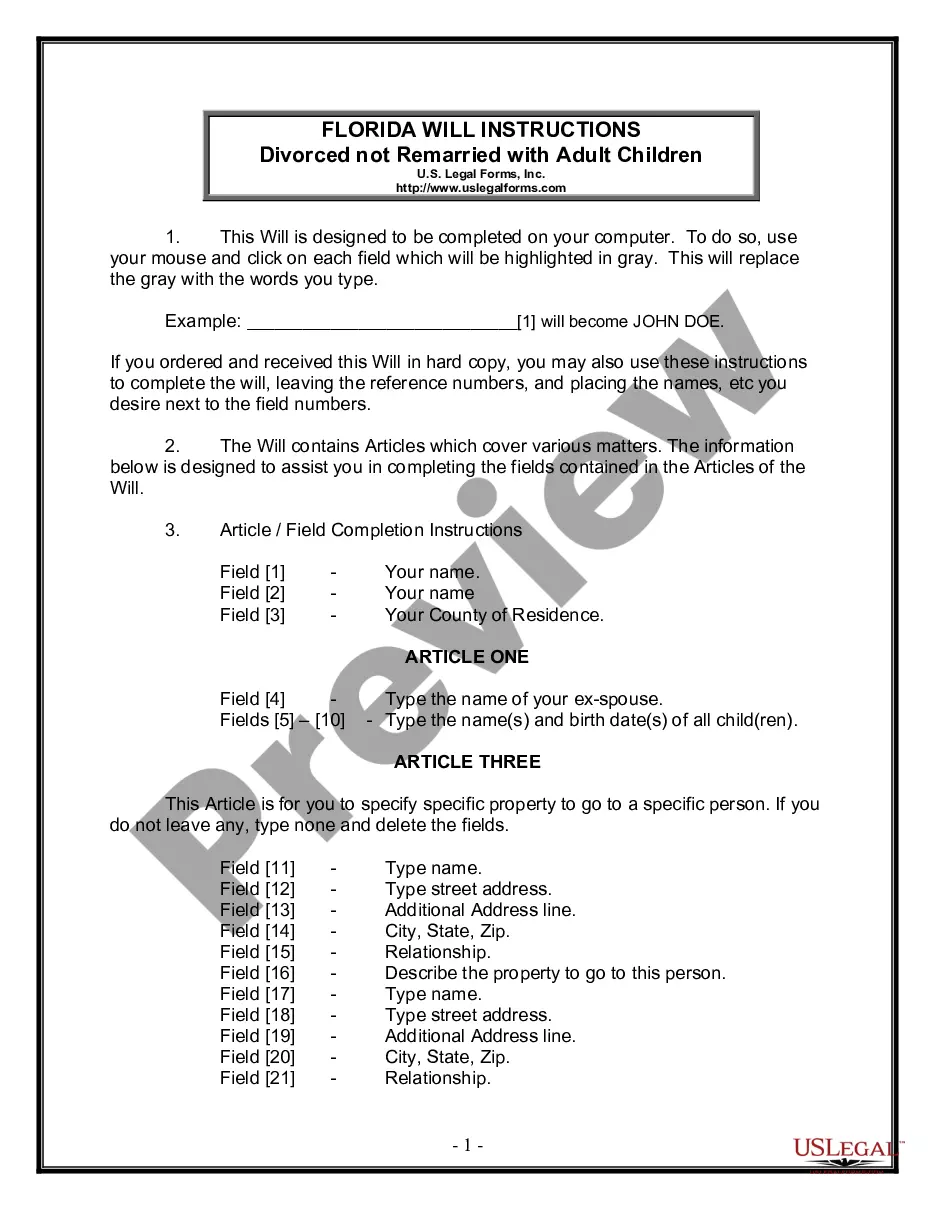
With Adult Children (Prior Marriage)
Create a legal document that determines how your assets are distributed after death, specifically tailored for married individuals with adult children from a prior marriage.
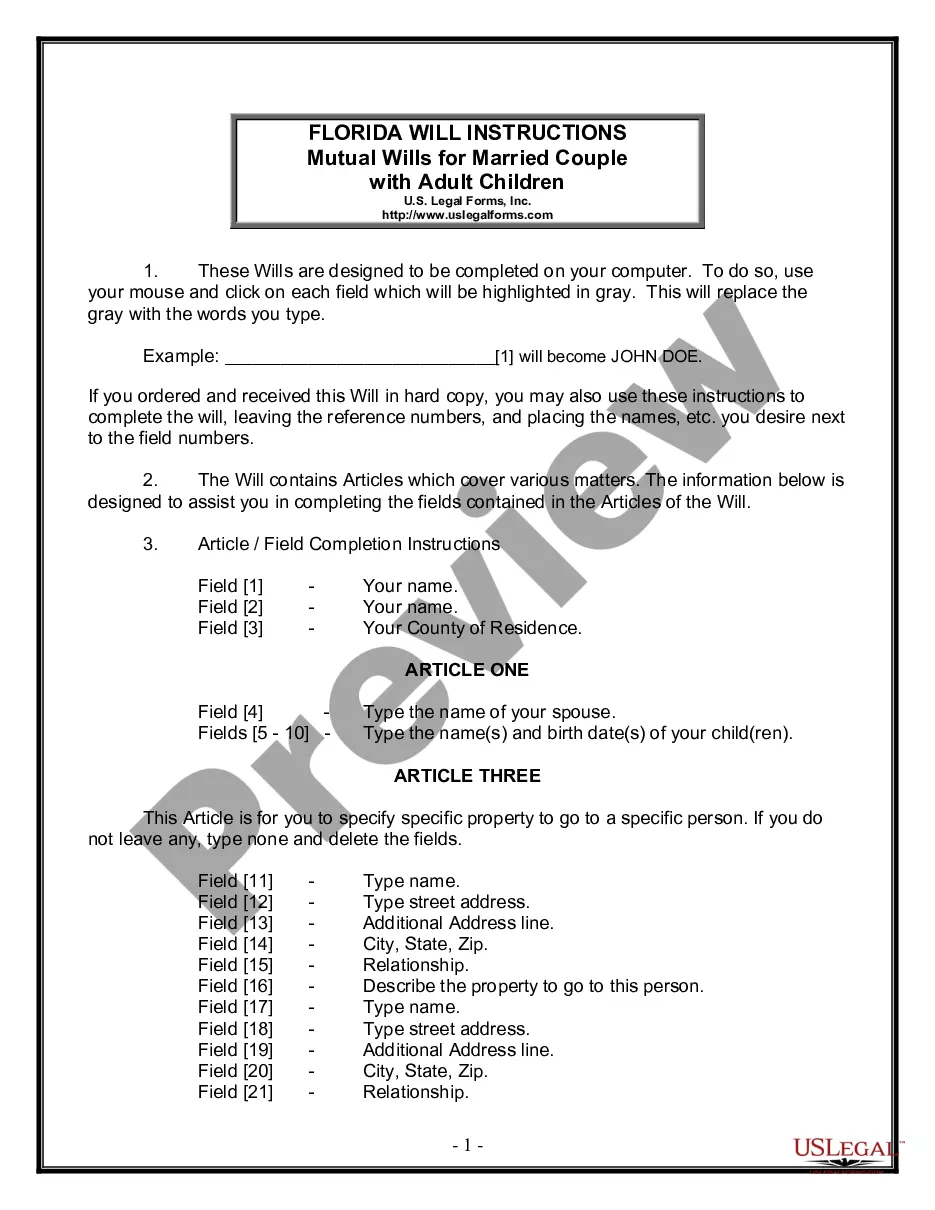
With Adult Children
Create a comprehensive will tailored for a married person with adult children to ensure your estate is distributed according to your wishes.
With Adult + Minor Children
Plan your estate effectively with this comprehensive document that outlines asset distribution and guardian appointments for your children.
With Adult + Minor Children (Prior Marriage)
Secure your family's future with a legal document that outlines your wishes for property distribution and guardianship of minor children.
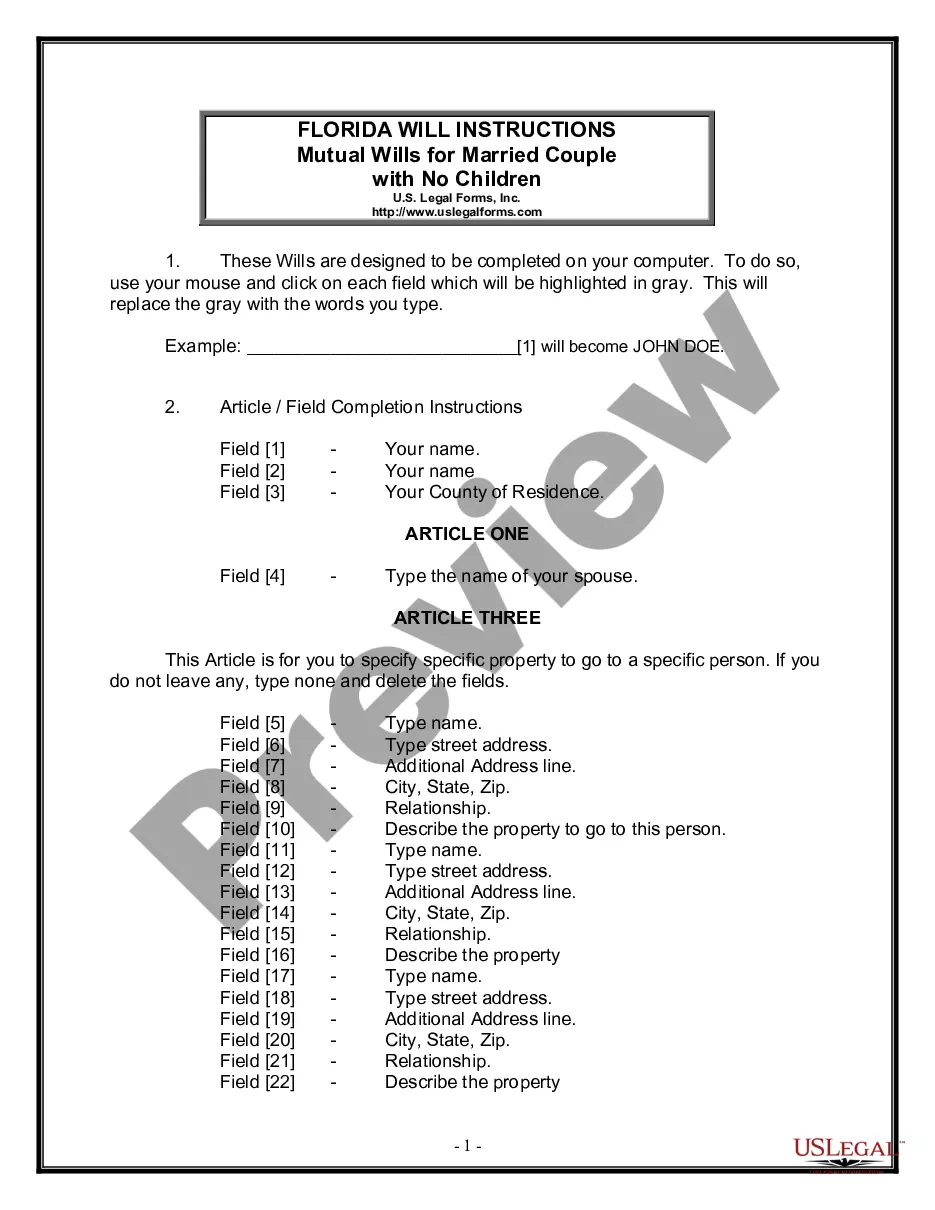
With No Children
Create a legally binding will to specify how your assets are distributed upon your death, ensuring your spouse is taken care of.
Not Married with Minor Children
Design a comprehensive will for partners who are not married but share minor children, outlining property distribution and guardianship.
Not Married with No Children
Create mutual wills to outline property distribution for partners living together, not married, with no children.
Codicil / Amendment (General)
Update your existing will with important amendments like beneficiaries or executor appointments easily and legally.
Pour-Over Will (to Trust)
Secure your living trust with a will that directs any remaining assets to it after your death.
For Other Persons
Plan for the distribution of your assets after death, appoint a guardian for minor children, and choose a personal representative to manage your estate.
Codicil / Amendment — Testamentary Pet Trust
Easily modify your will to include provisions for the care of your pets after your death or disability.
Complex Will with Credit-Shelter Marital Trust
Create a comprehensive will that establishes a credit shelter marital trust, ensuring protection from estate taxes for high-value estates.
Revocation of Will
Ensure your last wishes are clear by formally revoking any previous wills, preventing confusion for your heirs.
Estate Planning Questionnaire and Worksheets
Gather essential information for effective estate planning with this comprehensive questionnaire, ensuring your wishes are clearly outlined and organized.
Proof of Will
Use this document to officially affirm a will in cases where witnesses are unavailable or incompetent.
With Minor Children
Plan for your minor children's future and ensure your wishes are honored with a legally binding directive.
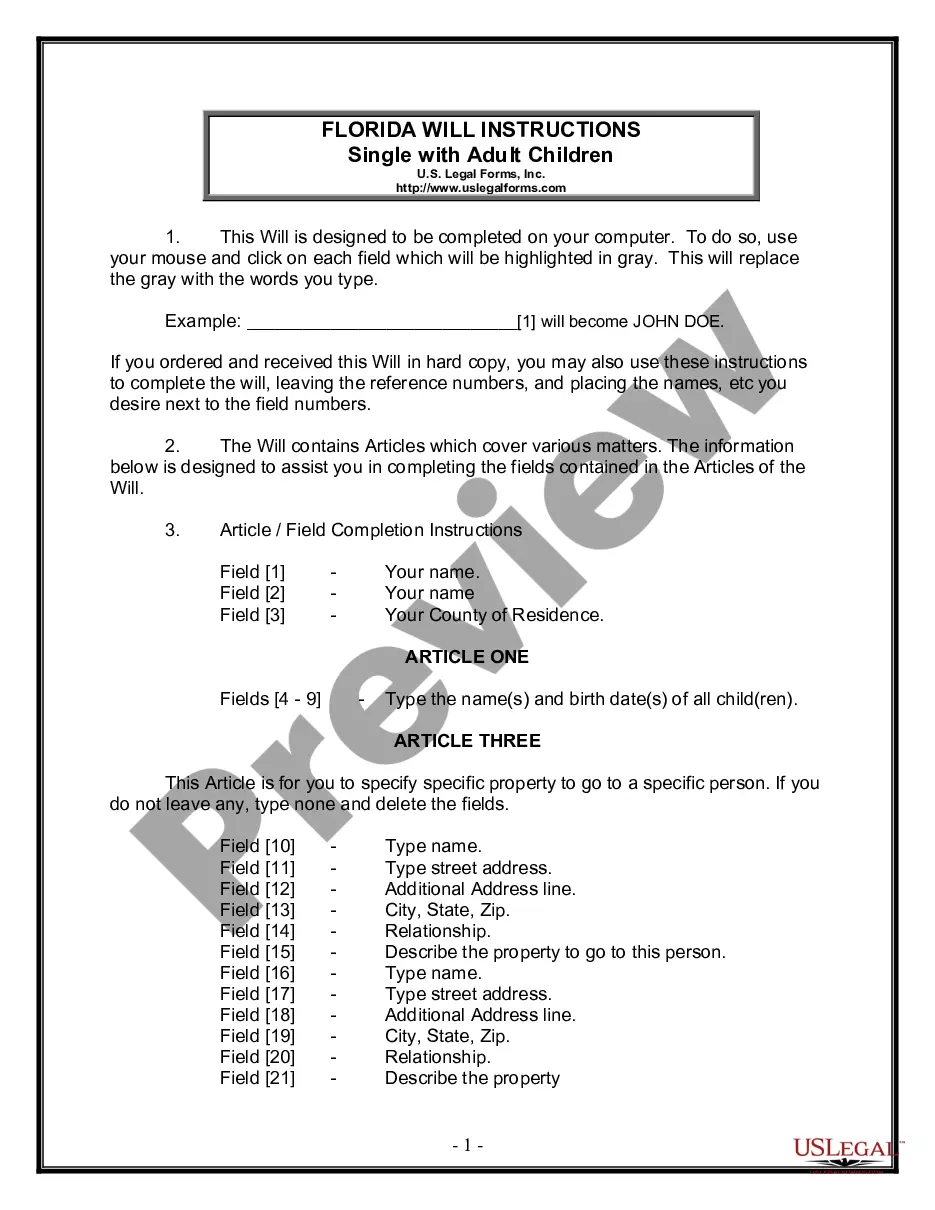
With Adult Children
Create a legally binding will to designate beneficiaries and appoint a personal representative, ensuring your wishes are honored after your passing.
With Adult + Minor Children
Ensure your estate is distributed as you wish with this essential document for single parents, detailing guardianship and property distribution for minor and adult children.
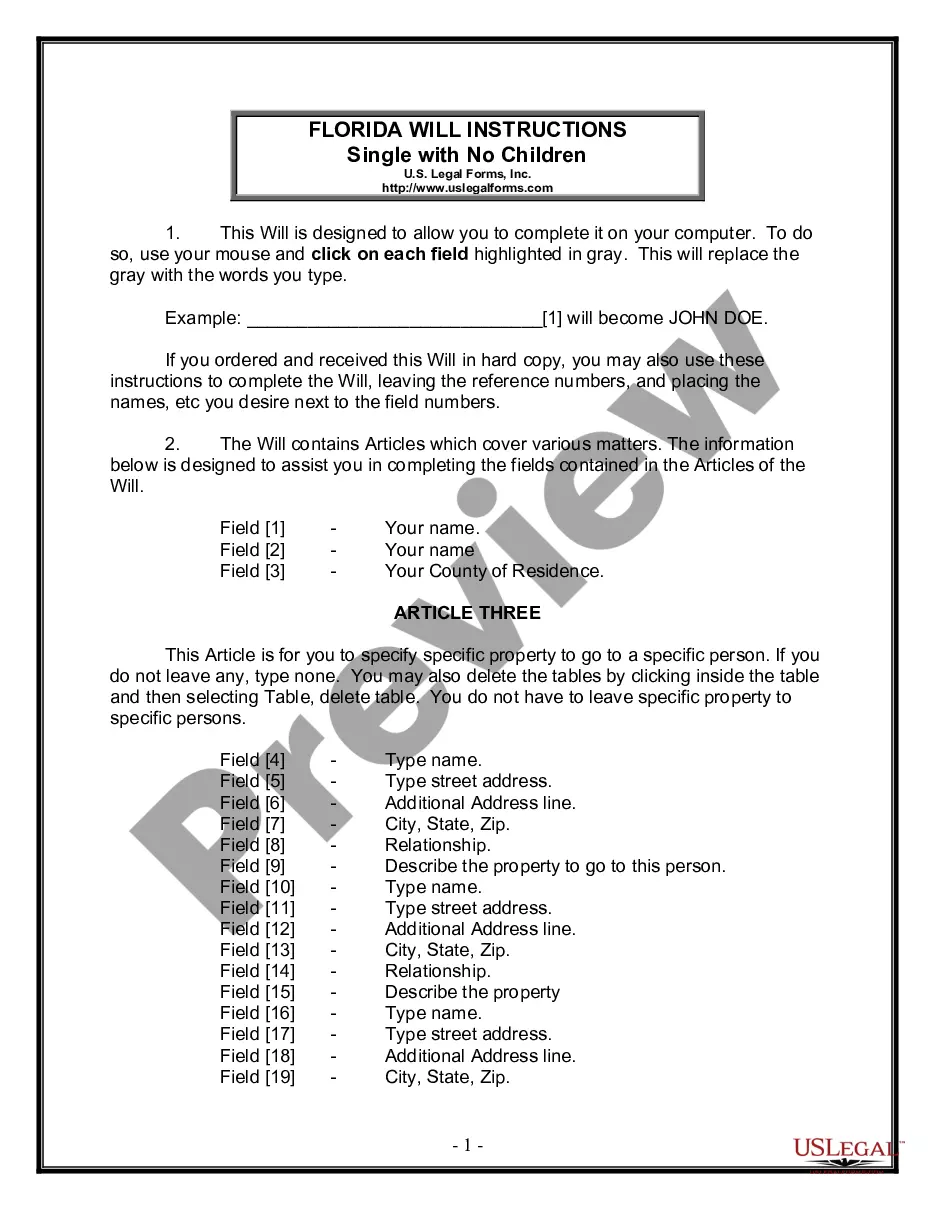
With No Children
Create a clear plan for your assets and final wishes with this simple item, designed for single people without children.
With Minor Children
Ensure your minor children are provided for after your passing with a legally sound will tailored for divorced individuals.
With Adult Children
Create a comprehensive will that reflects your wishes after divorce, ensuring your adult children's inheritance is clearly defined.
With Adult + Minor Children
Prepare a legal document to clarify how your assets will be distributed after your death, especially for divorced parents with children.
With Blended Children
Create a legally binding will that reflects your family structure and specific wishes, ensuring your assets are distributed according to your preferences.
With No Children
Prepare a will tailored for those who are divorced, without children, ensuring your estate is distributed according to your wishes.
With Minor Children
Create a customized will tailored for a widow or widower with minor children, ensuring your estate is distributed according to your wishes.
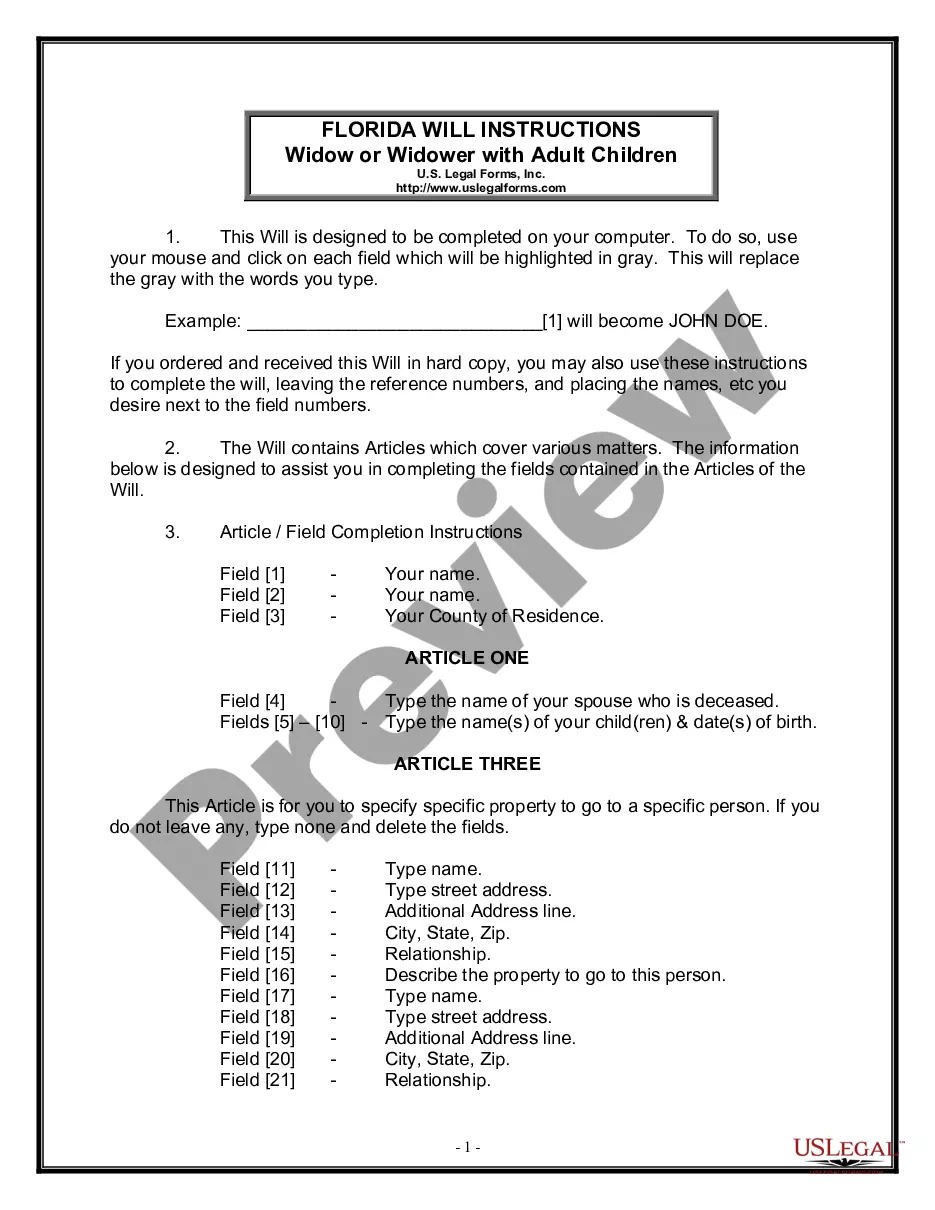
With Adult Children
Create a legal document to specify how your assets will be distributed upon your death, ensuring your wishes are honored.
With Adult + Minor Children
Create a customized will that reflects your wishes for your estate, ensuring your spouse and children are protected and provided for after your passing.
With No Children
Create a tailored will to properly distribute your assets after your death, ensuring your wishes are honored.
Common Florida Last Will and Testament documents
- Individual Will — outlines asset distribution for a single person.
- Pour-Over Will — directs assets into a trust upon death.
- Mutual Will — shared by two people, detailing joint wishes.
- Holographic Will — handwritten will without witnesses.
- Self-Proving Will — includes a statement confirming validity and witnesses.
- Statutory Will — follows a standardized form provided by state law.
FAQs
Not necessarily; a will is sufficient for many, but trusts can offer additional benefits.
If you do not have a will, state laws will determine asset distribution, which may not align with your wishes.
It's wise to review and update your will every few years or after major life events.
Beneficiary designations usually take precedence over your will for those specific assets.
Yes, you can appoint separate individuals for financial and healthcare decisions.
Key legal points
- A Last Will and Testament is essential for asset distribution.
- Wills can appoint guardians for minor children.
- Witnesses are often required for valid wills.
- Wills do not avoid probate but guide the process.
- Changes to wills should be made with proper amendments.
- Different types of wills suit various personal situations.
- Beneficiary designations can override will provisions.
How to get started
Begin your estate planning process with these simple steps.
- Find a template that suits your specific needs.
- Review the template details and signing requirements.
- Access the template with a subscription.
- Complete the document using the online editor.
- Export or send the completed document as needed.
Practical tip
Consider creating a will first, as it provides clear instructions for asset distribution.