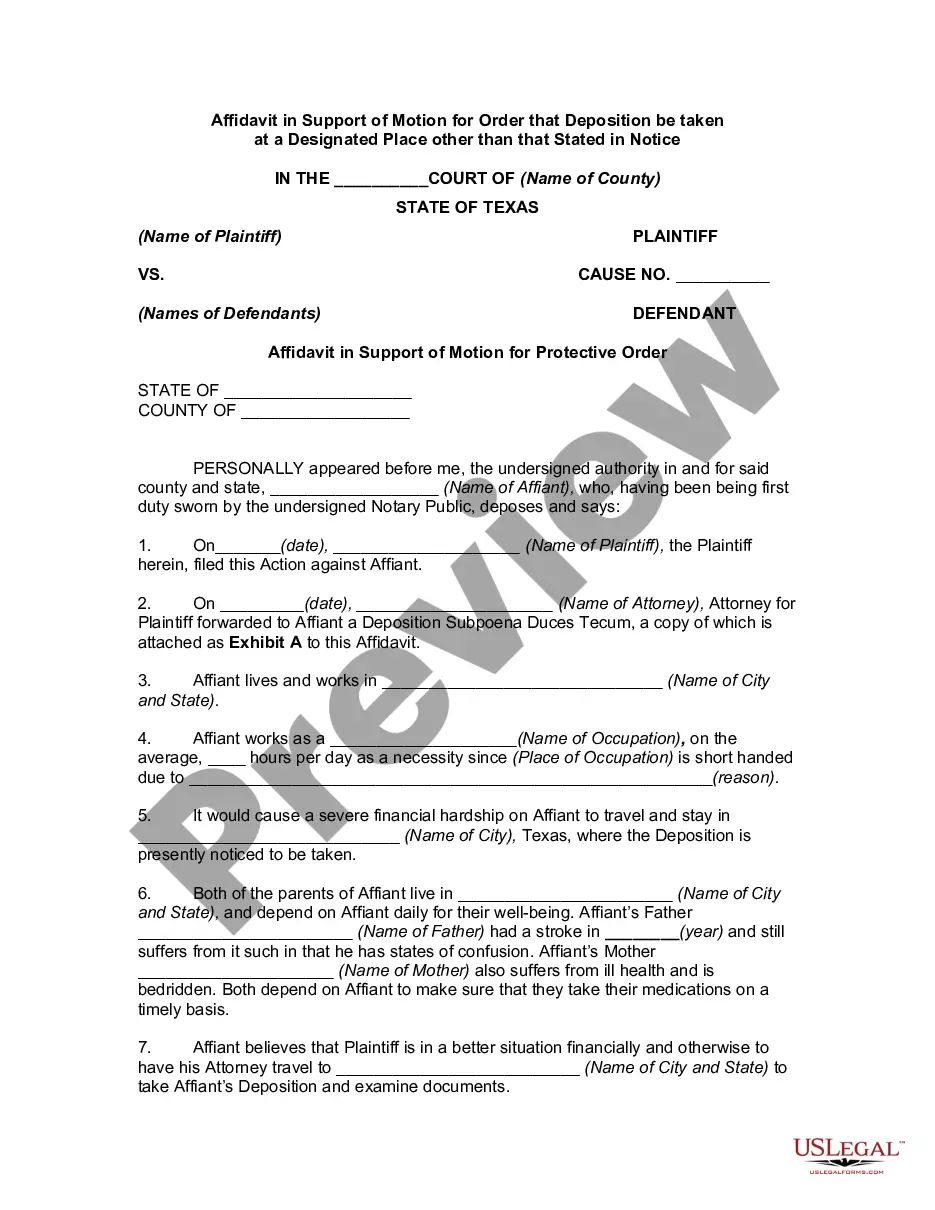
Wisconsin Landlord Tenant Closing Statement to Reconcile Security Deposit
Understanding this form
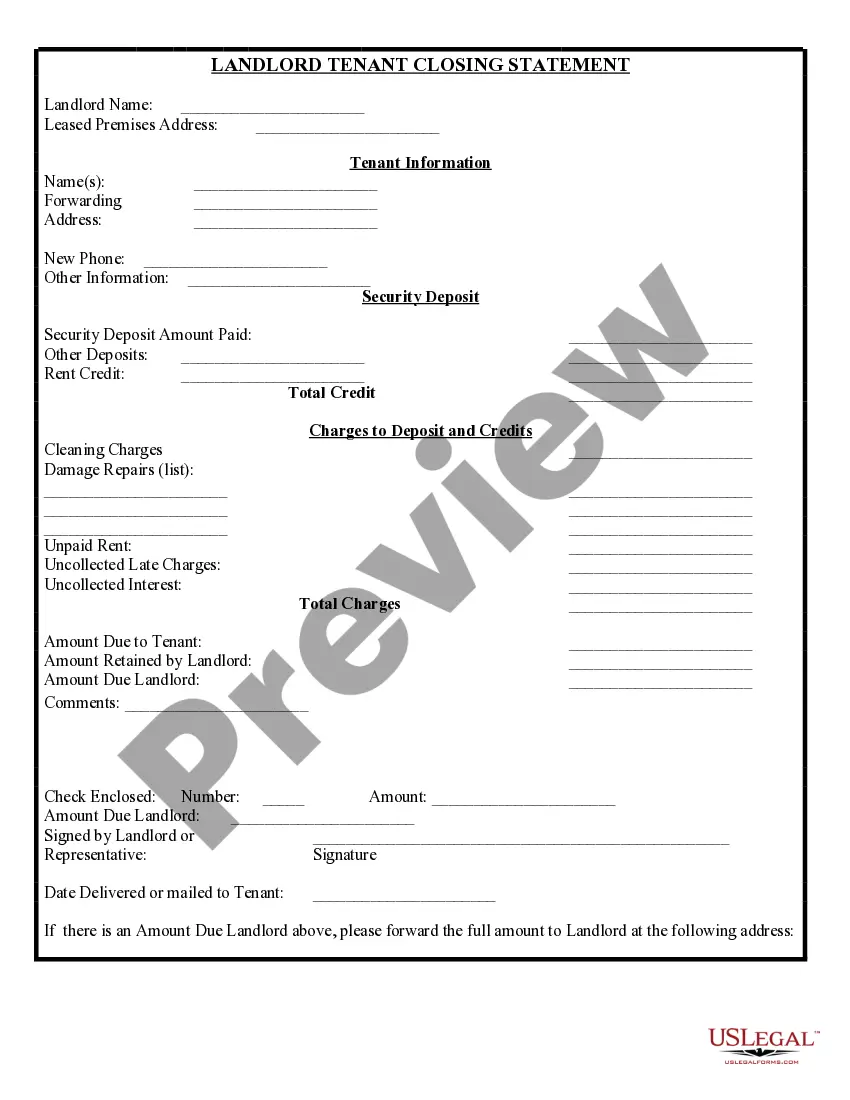
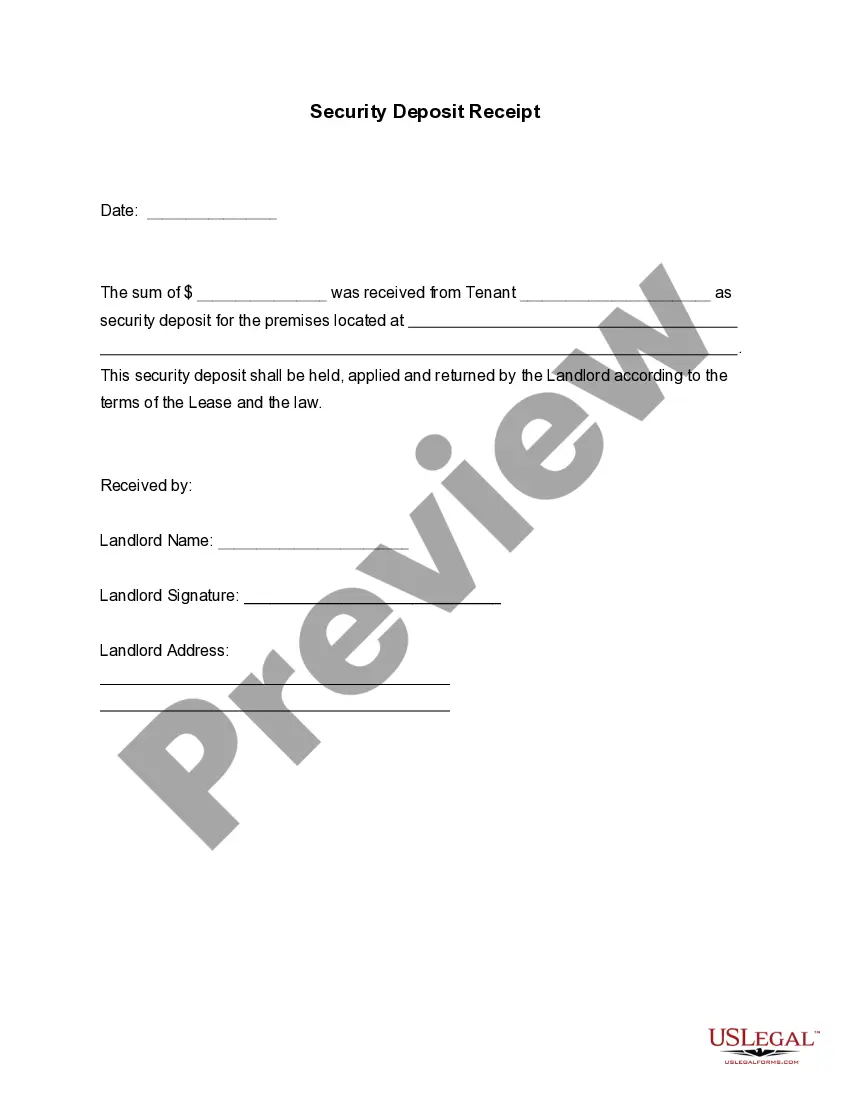
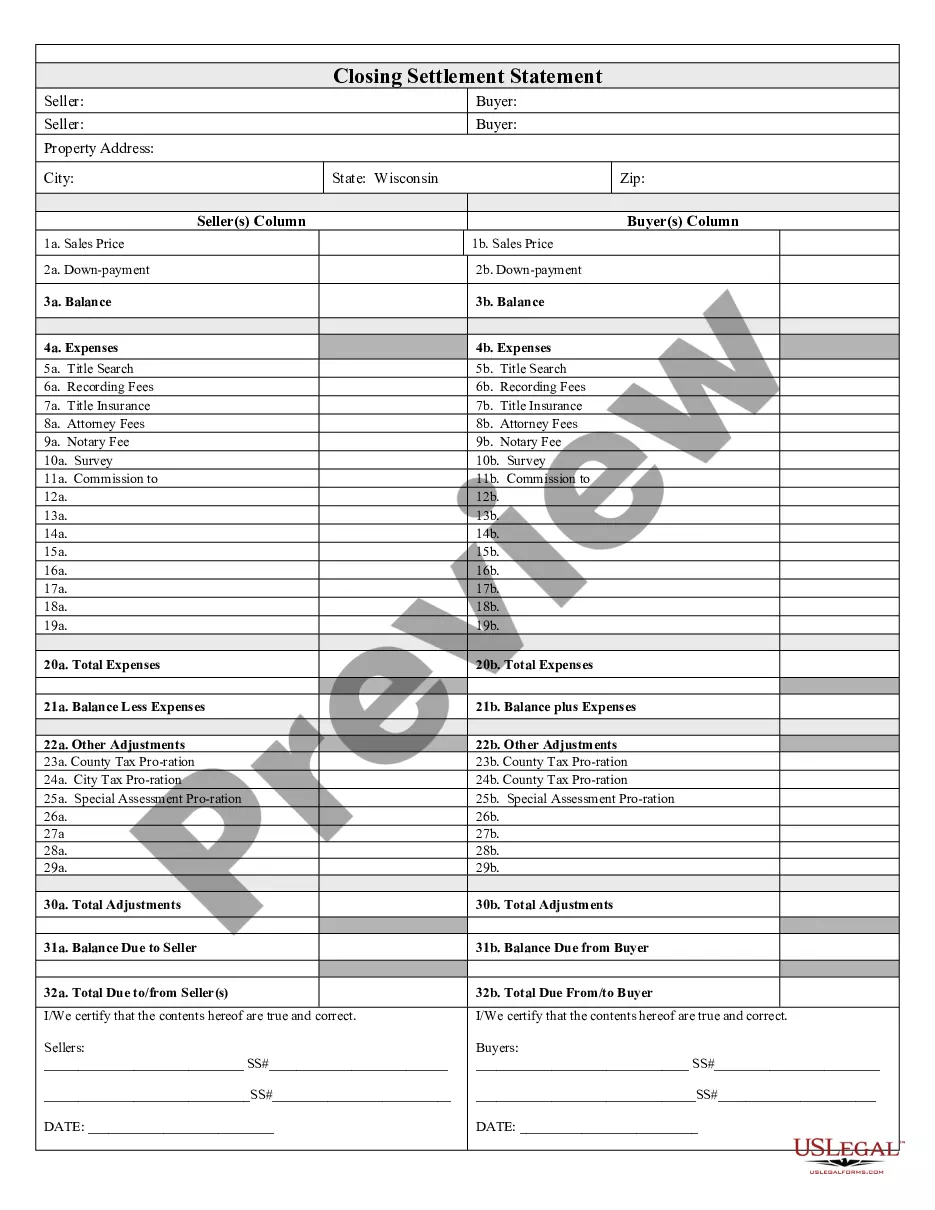
The Landlord Tenant Closing Statement to Reconcile Security Deposit is a legal document that allows landlords to outline the security deposits and any applicable credits, while detailing deductions from those amounts. This form serves to provide a clear account of the funds held by the landlord, ensuring transparency to both the landlord and tenant regarding the security deposit and financial transactions related to the lease agreement.
Key parts of this document
- Identification of the landlord and tenant.
- Detailed listing of the security deposit amount.
- Credits applied against the security deposit, if any.
- Deductions made for repairs or damages beyond normal wear and tear.
- Final accounting of the deposit amount to be returned to the tenant.
- Signature lines for both the landlord and tenant to acknowledge the statement.
Common use cases
This form is used at the conclusion of a rental agreement when a tenant vacates the property. It ensures that both parties have a mutual understanding of the status of the security deposit, including how much money will be returned to the tenant after accounting for any damages or unpaid rent. It is also useful in resolving disputes over the handling of the security deposit.
Who can use this document
- Landlords looking to provide a formal accounting of the security deposit.
- Tenants vacating a rental property who want documentation of the security deposit reconciliation.
- Property managers acting on behalf of landlords to settle security deposit matters.
How to prepare this document
- Identify the parties by entering the names of the landlord and tenant at the top of the form.
- Specify the total amount of the security deposit initially collected.
- List any credits applied to the security deposit, such as pre-paid rent or repairs made by the landlord.
- Document any deductions for damages or unpaid rent, detailing the nature of each deduction.
- Calculate the final amount to be returned to the tenant and include this amount in the summary.
- Both parties should review the completed form and provide signatures to acknowledge agreement.
Notarization guidance
Notarization is not commonly needed for this form. However, certain documents or local rules may make it necessary. Our notarization service, powered by Notarize, allows you to finalize it securely online anytime, day or night.
Get your form ready online
Our built-in tools help you complete, sign, share, and store your documents in one place.
Make edits, fill in missing information, and update formatting in US Legal Forms—just like you would in MS Word.
Download a copy, print it, send it by email, or mail it via USPS—whatever works best for your next step.
Sign and collect signatures with our SignNow integration. Send to multiple recipients, set reminders, and more. Go Premium to unlock E-Sign.
If this form requires notarization, complete it online through a secure video call—no need to meet a notary in person or wait for an appointment.
We protect your documents and personal data by following strict security and privacy standards.

Make edits, fill in missing information, and update formatting in US Legal Forms—just like you would in MS Word.

Download a copy, print it, send it by email, or mail it via USPS—whatever works best for your next step.

Sign and collect signatures with our SignNow integration. Send to multiple recipients, set reminders, and more. Go Premium to unlock E-Sign.

If this form requires notarization, complete it online through a secure video call—no need to meet a notary in person or wait for an appointment.

We protect your documents and personal data by following strict security and privacy standards.
Typical mistakes to avoid
- Failing to provide clear documentation of deductions made from the security deposit.
- Not including the full names and addresses of both the landlord and tenant.
- Omitting signatures from both parties, leading to potential disputes.
Why use this form online
- Convenient access and easy download of legal documents.
- Editable fields allow for quick customization and accurate record-keeping.
- Reliable templates prepared by licensed attorneys ensure compliance with legal standards.
Legal use & context
- This form serves as a legal record of the reconciliation process of a security deposit.
- It helps protect both the landlord and tenant by documenting agreed-upon deductions.
- Failure to use such a document may lead to misunderstandings or disputes that could escalate to legal issues.
Main things to remember
- The Landlord Tenant Closing Statement is essential for reconciling a tenant's security deposit.
- Clear documentation helps prevent disputes regarding deposit deductions.
- State laws may impose specific rules on security deposits and their reconciliation.
Looking for another form?

Form popularity
FAQ
Tenant's name and new address, or address he gave for return of the security deposit. Commencement date of the lease and date it ended. Amount of the security deposit when the tenant moved in. Amount of interest accrued.
The Real Deal with Carpet Cleaning According to the Department of Agriculture, Trade and Consumer Protection, landlords CANNOT charge for routine carpet cleaning - during the lease or from a security deposit-no matter what your lease says.
The cost of fixing any damages to the property caused by the tenant or the tenant's guests. The cost of cleaning the unit when the tenant moves out, but only to make the unit as clean as it was when the tenant first moved in (less reasonable wear and tear).
Damage, waste, or neglect of the unit. Unpaid rent. Unpaid utilities for which the tenant is responsible.
Returning security deposits (ATCP 134.06(2)) The rules provide that the landlord must deliver or mail the security deposit, less any amounts properly withheld, to the last known address of the tenant within 21 days after the end of the rental agreement.
Routine painting: Much like routine carpet cleaning, if a tenant did something that caused the landlord to be forced to paint (smoking is a common example), then it is likely legal that the landlord charge the tenant to paint.
Security Deposit Received: $1,000. Interest on Deposit (if required by lease or law): $N/A. TOTAL CREDIT (sum of lines 1 and 2): $1,000. Itemized Repairs and Related Losses: Necessary Cleaning: Total Cleaning & Repair (sum of lines 4 and 5) $400. Amount Owed (line 3 minus the sum of line 6)
Dear Name: I am writing to provide notice of my request that you refund the security deposit paid in the amount of $1500.00 for the rental of Address, City, State Zip Code. I vacated the residence on 00/00/00 without any damages beyond oridnary wear and tear.
Unpaid rent (some exceptions in Wis. Stat. 704.29) Unpaid utilities owed under the rental agreement, or for which the landlord becomes responsible. Damages caused by the tenant or their guests that go beyond "normal wear and tear" Unpaid monthly municipal permit fees, Wis. Stat.