Vermont Relative Caretaker Legal Documents Package
About this form package
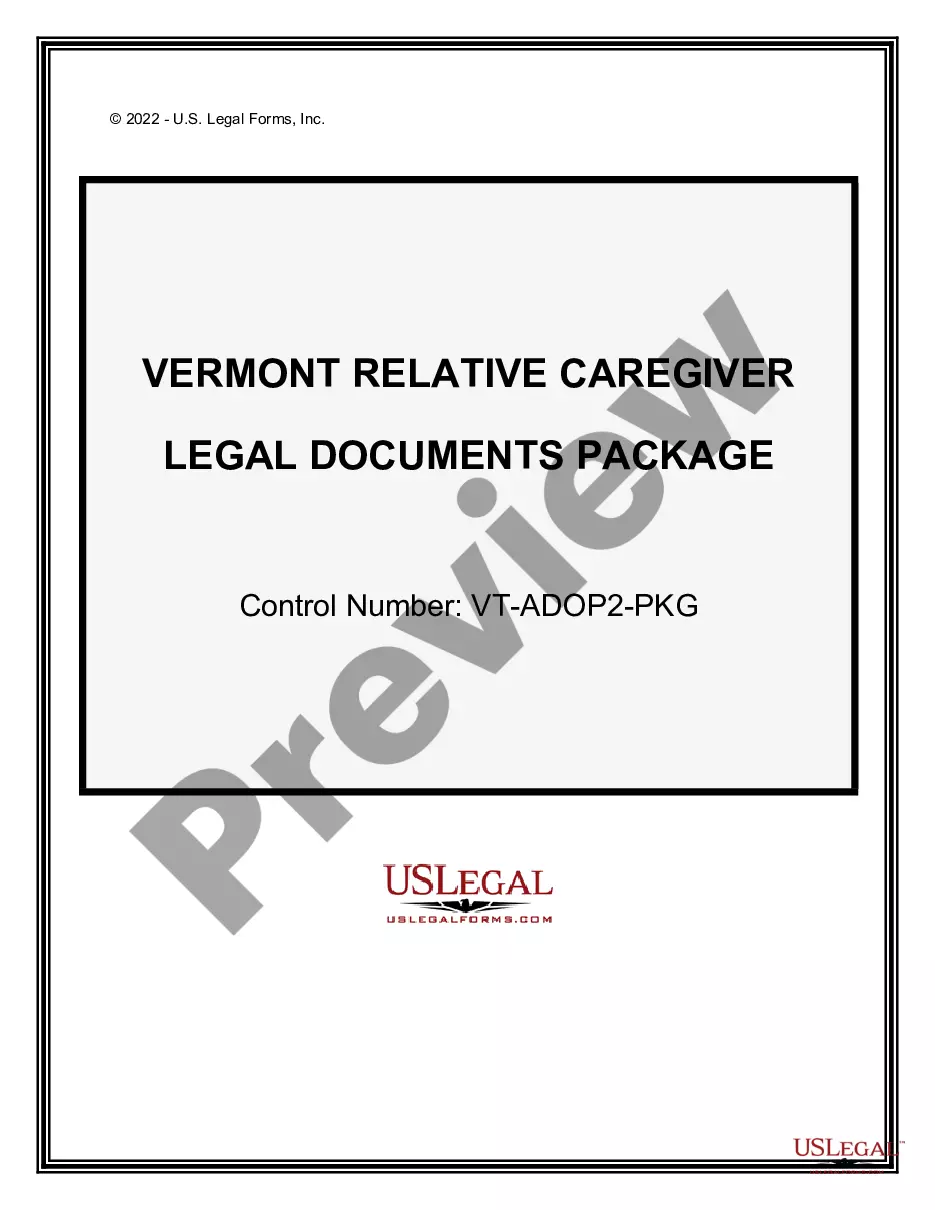
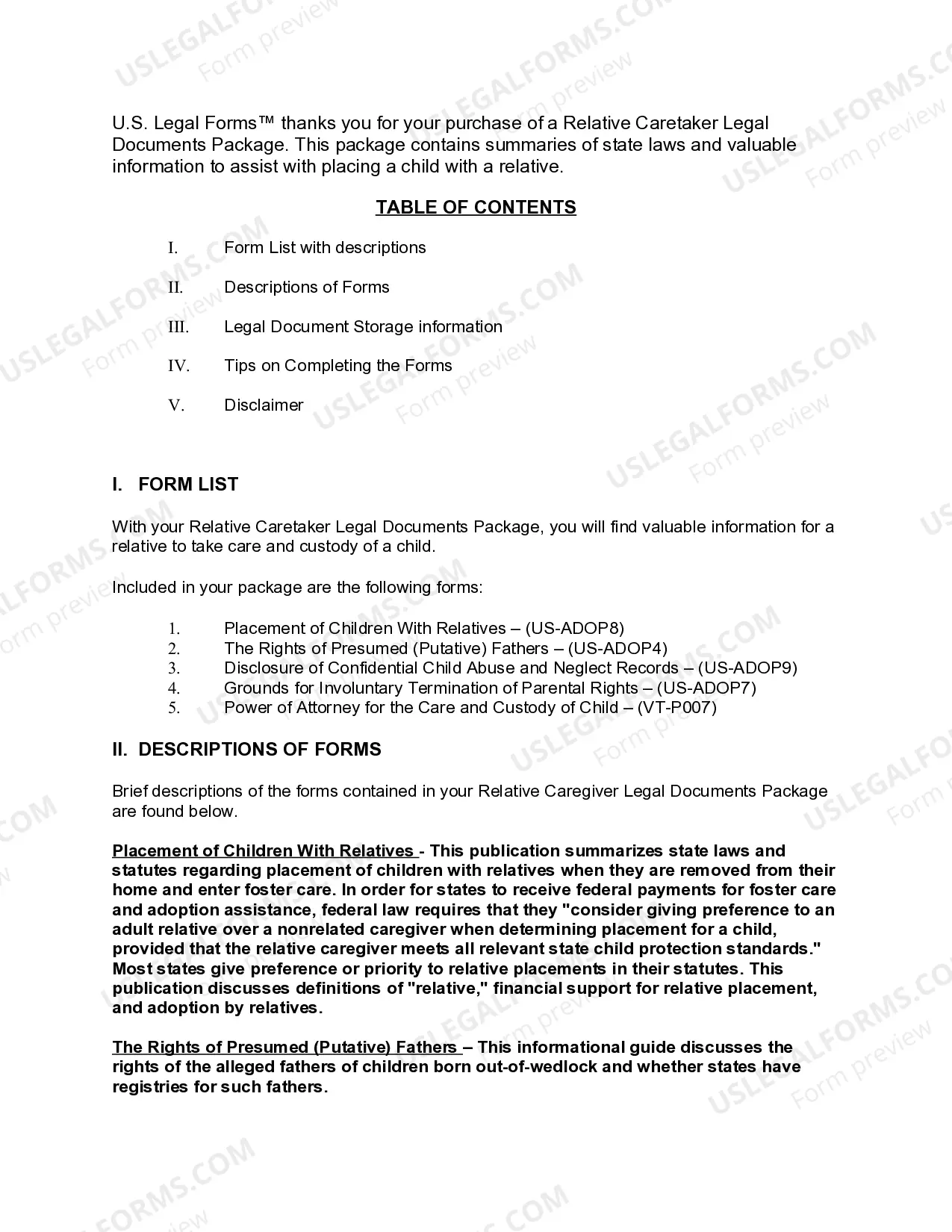
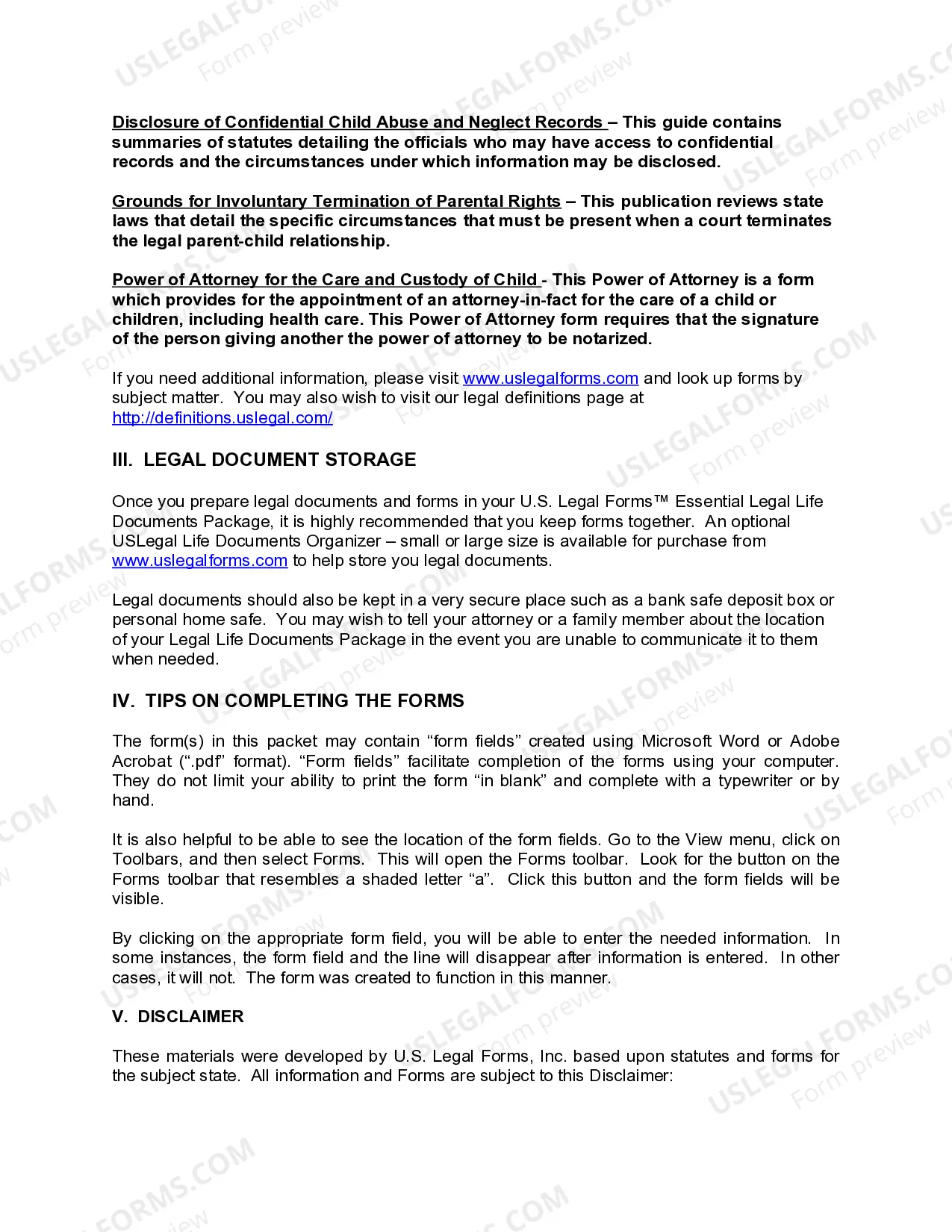
The Vermont Relative Caretaker Legal Documents Package is designed to assist relatives in caring for and placing children who have been removed from their homes. This comprehensive package streamlines the process by providing all necessary legal forms and guides, ensuring compliance with Vermont state laws. By purchasing this package, you save over 50% compared to buying each form and guide individually, making it a cost-effective solution for those in need of relative caregiver documentation.
What’s included in this form package


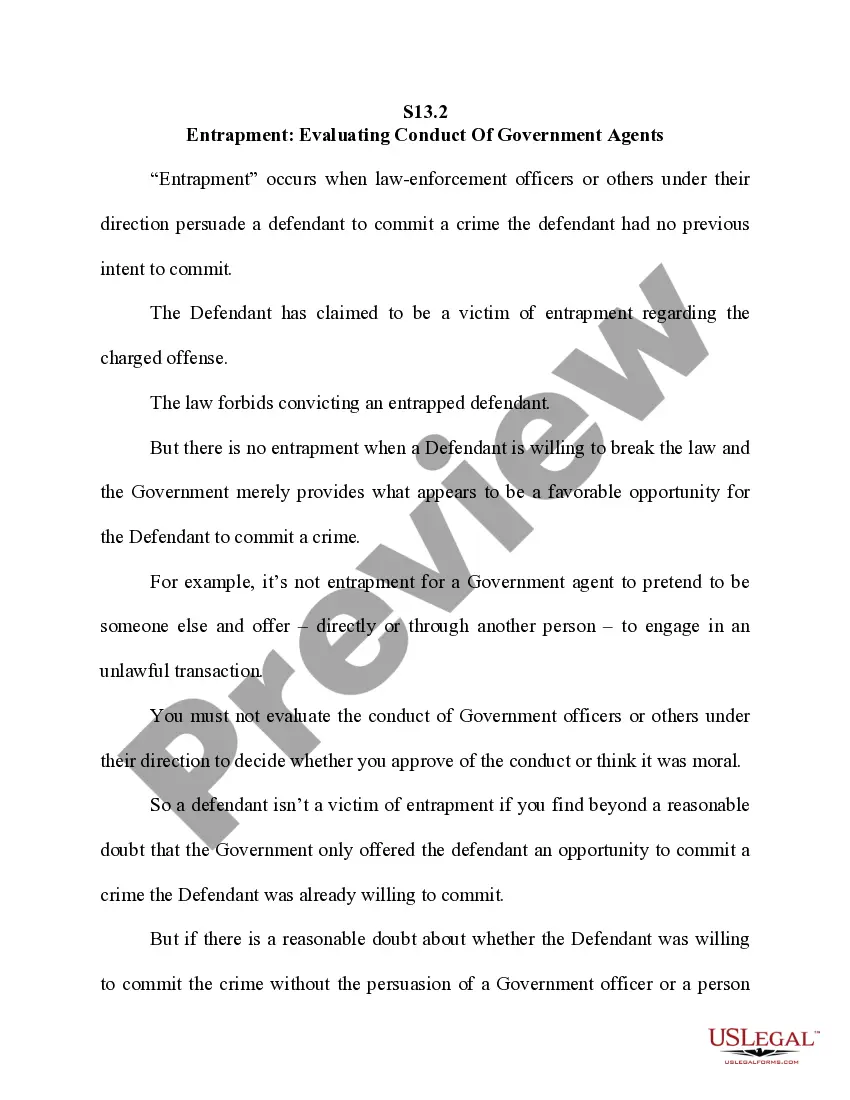
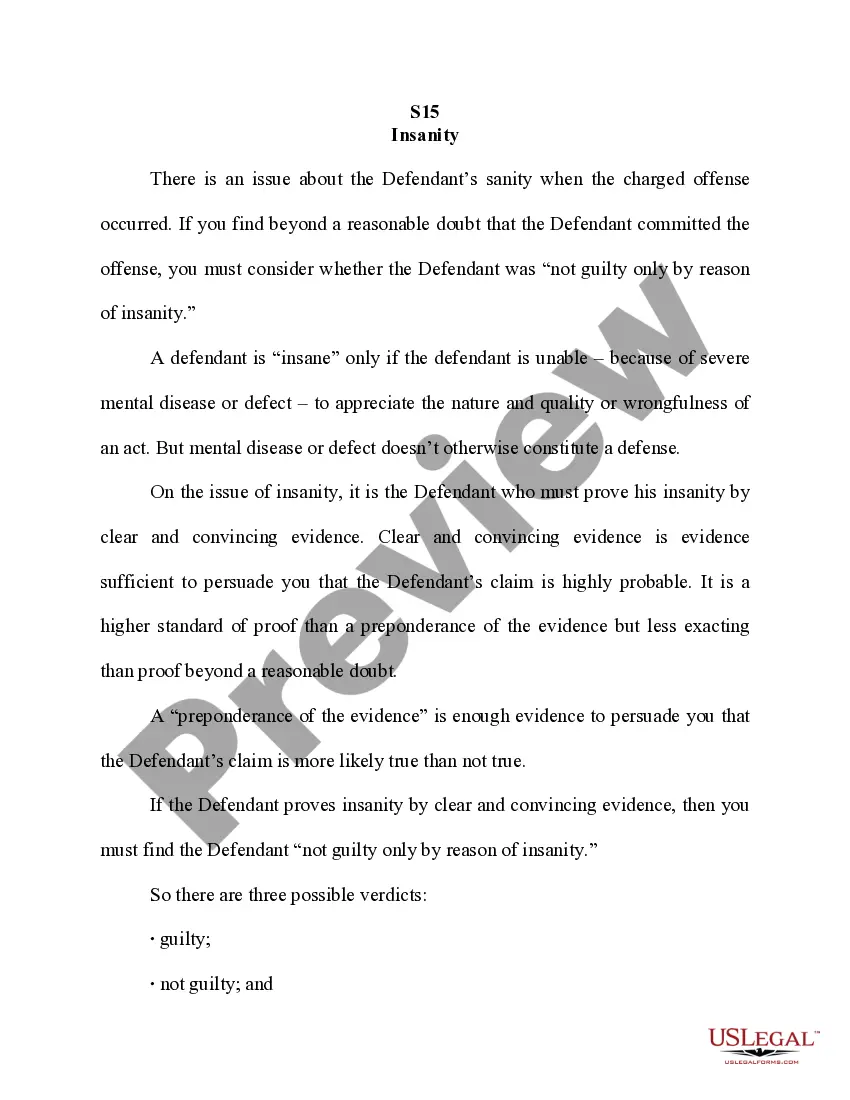
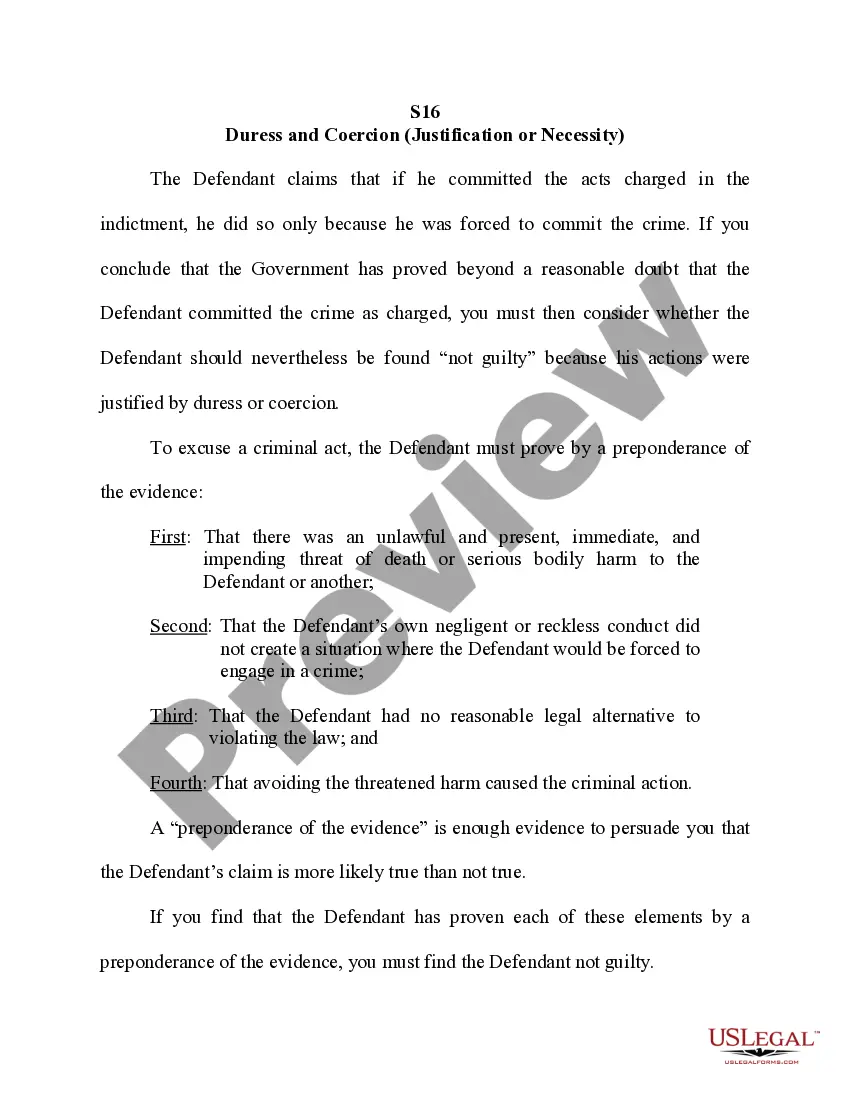
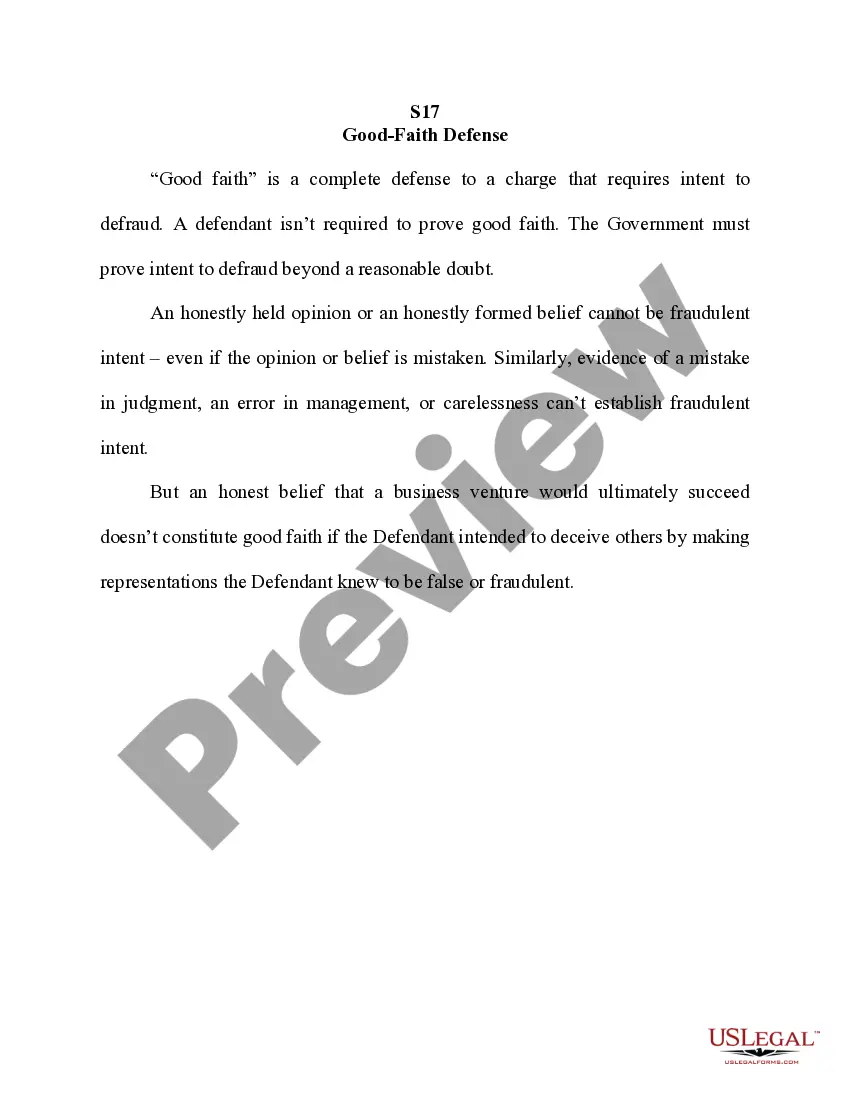
When this form package is needed
This package is essential in various scenarios, including:
- When a child is removed from their home and needs to be placed with a relative.
- When relatives wish to assume care duties for a child in foster care.
- When a relative seeks to understand their legal rights and responsibilities in such situations.
- When navigating the process of applying for financial support or adoption assistance as a relative caregiver.
Who this form package is for
- Grandparents, aunts, uncles, and other relatives wanting to care for a child.
- Individuals who are considering legal guardianship or custody of a relative's child.
- Putative fathers looking to understand their rights regarding children born out of wedlock.
- Anyone needing to access confidential child abuse and neglect records in Vermont.
Steps to complete these forms
- Review all included forms and their purposes carefully.
- Identify the relevant parties involved in the childâs care.
- Enter the necessary information accurately in each form.
- Ensure that the Power of Attorney form is notarized as required.
- Store all completed documents securely for future reference.
Do forms in this package need to be notarized?
Yes, forms in this package must be notarized to be legally valid. The Power of Attorney for the Care and Custody of Child requires notarization, which can be conveniently done through US Legal Formsâ online notarization service. This service is available 24/7 via secure video call, ensuring your documents are ready without the need for travel.
Get your form ready online
Our built-in tools help you complete, sign, share, and store your documents in one place.
Make edits, fill in missing information, and update formatting in US Legal Forms—just like you would in MS Word.
Download a copy, print it, send it by email, or mail it via USPS—whatever works best for your next step.
Sign and collect signatures with our SignNow integration. Send to multiple recipients, set reminders, and more. Go Premium to unlock E-Sign.
If this form requires notarization, complete it online through a secure video call—no need to meet a notary in person or wait for an appointment.
We protect your documents and personal data by following strict security and privacy standards.

Make edits, fill in missing information, and update formatting in US Legal Forms—just like you would in MS Word.

Download a copy, print it, send it by email, or mail it via USPS—whatever works best for your next step.

Sign and collect signatures with our SignNow integration. Send to multiple recipients, set reminders, and more. Go Premium to unlock E-Sign.

If this form requires notarization, complete it online through a secure video call—no need to meet a notary in person or wait for an appointment.

We protect your documents and personal data by following strict security and privacy standards.
Typical mistakes to avoid
- Failing to read the accompanying guides which explain the legal context of each form.
- Inaccurately filling out forms, resulting in delays or legal issues.
- Neglecting to notarize the Power of Attorney form when required.
- Not properly securing documents after completion to avoid loss or unauthorized access.
Why complete this package online
- Convenience of accessing all needed forms in one package.
- Editable templates that can be completed digitally or printed for hand completion.
- Cost savings compared to purchasing forms and guides separately.
- Guidance provided by licensed attorneys, ensuring legal compliance.
Looking for another form?



Form popularity
FAQ
Unlike fostering, kinship is a type of out-of-home care where the child or young person is with a caregiver with whom they have had a previous relationship.informal, when the caregiver is providing home care as a private arrangement with the family, unrecognised by both the court and jurisdiction.
For relative placements, before a child can be placed in. the home of a relative, the child-placing agency must do. an assessment to determine that the relative is fit and. willing to provide a suitable placement for the child, able to ensure the child's safety, and able to meet the.
Placement refers to the placing of a child in the. home of an individual other than a parent or guardian or in a facility other than a youth services center.
Guardianship, as opposed to foster care, is a more permanent solution and is typically used for cases involving relative caregivers.? Kinship care is usually preferred over foster care so that a child is able to maintain relationships with extended family in a safe and familiar environment.
21 years of age or older, In good health. Able to demonstrate an ability and interest in caring for children. Able to provide a safe living environment for a child.
The process to become an approved foster carer usually takes around 3 to 6 months. This varies depending on your individual circumstances and the type of care you want to provide.
The Kin-GAP Program offers financial assistance and other support services such as Medi-Cal for a child who is placed with an approved relative legal guardian.The payment amount cannot exceed the amount the child/youth would have received in foster care.
Kinship care program allows for a child who needs to come into care to be placed immediately with someone familiar. Kinship caregivers: take care of the day-to-day needs of the child residing in their care, including the child's physical, emotional, spiritual and cultural needs.
When Will the Court Consider a Child's Preference? When a child has reached the age of 14 in Vermont, the child can choose his or her guardian, subject to the court's approval. Children who are younger than 14 don't have the right to select the parent who they would like to have custody.