Vermont Landlord Tenant Closing Statement to Reconcile Security Deposit
What is this form?
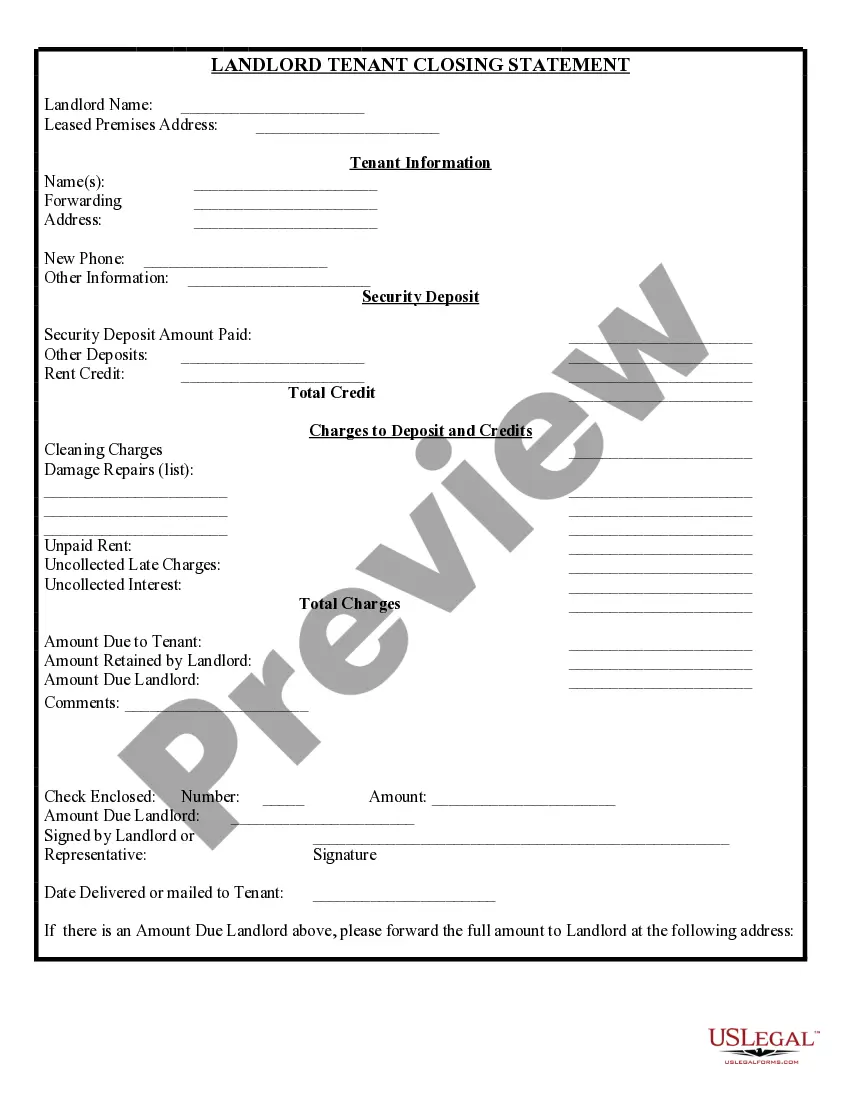
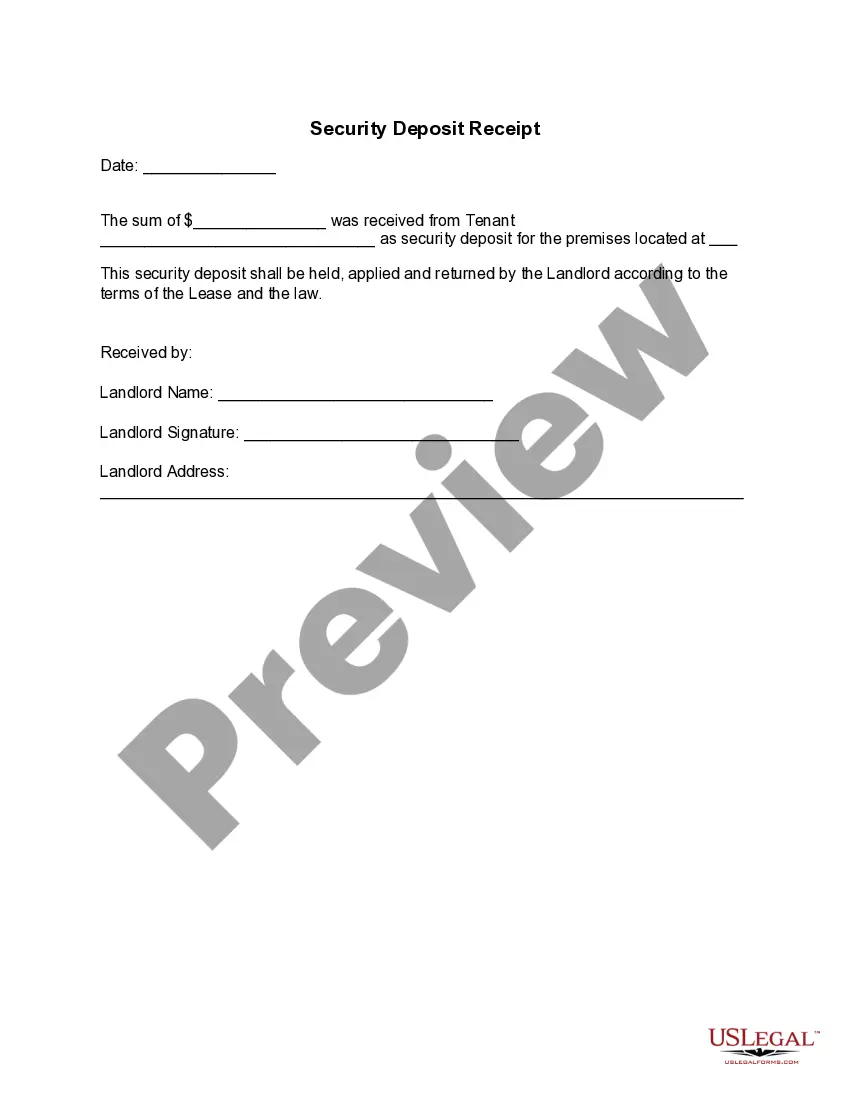
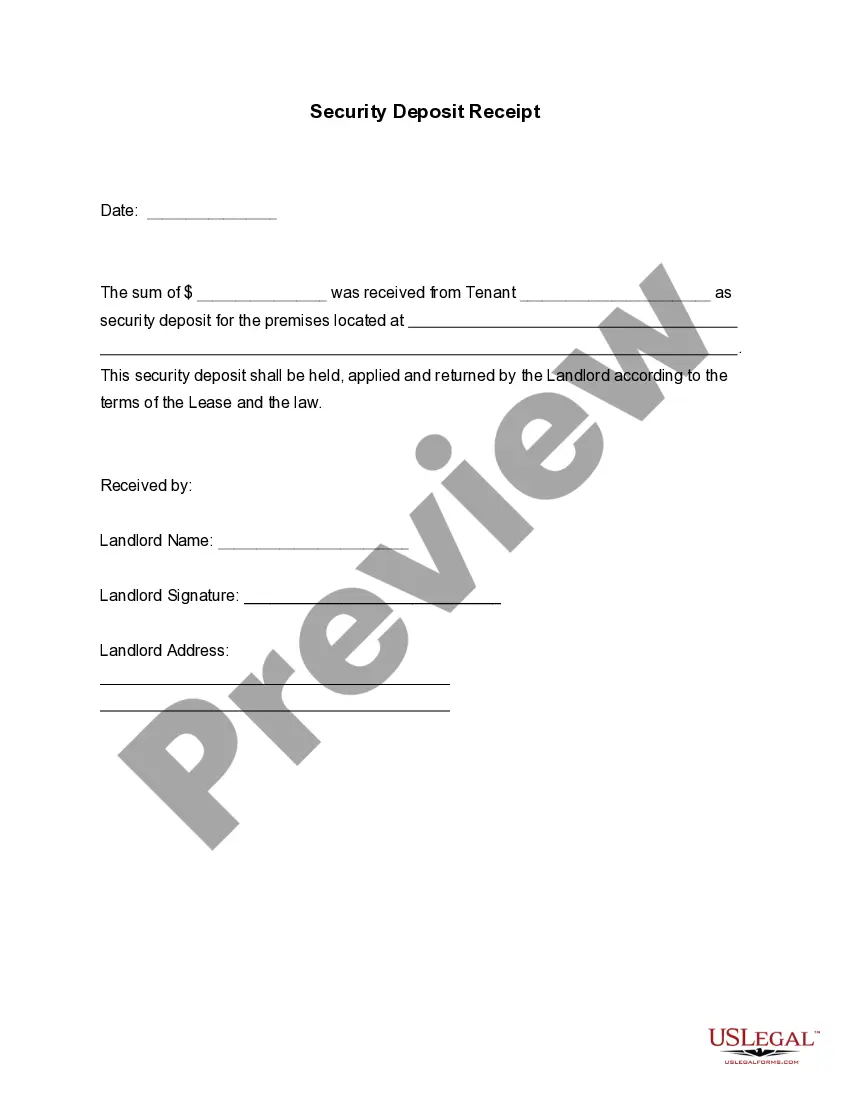
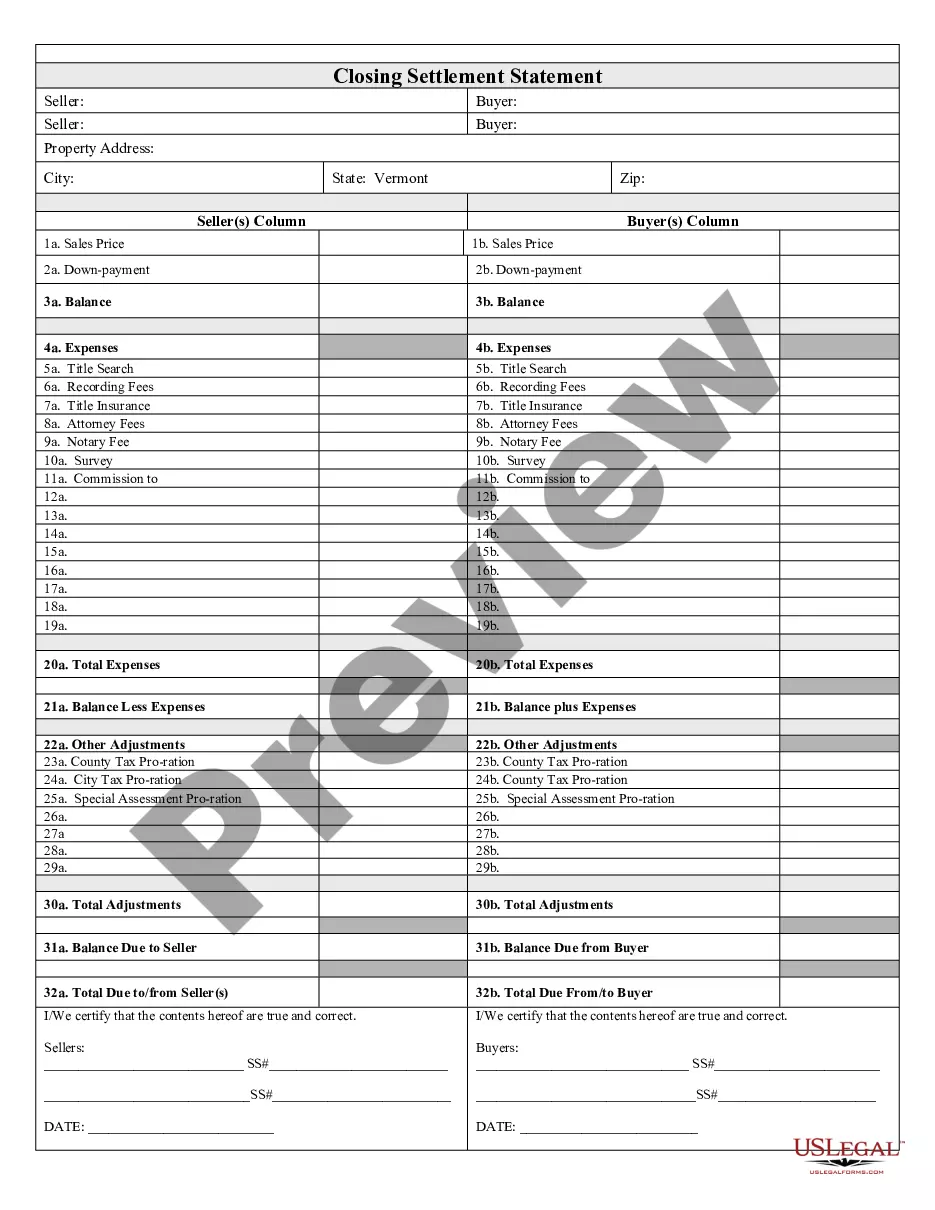
The Landlord Tenant Closing Statement to Reconcile Security Deposit is a crucial document that outlines the financial details regarding a tenant's security deposit. This form enables landlords to record the deposits and credits while accounting for any deductions due to damages beyond normal wear and tear. Unlike other rental documents, this closing statement specifically focuses on reconciling the security deposit, ensuring that both landlords and tenants have a clear understanding of the funds held and any amounts owed.
Key parts of this document
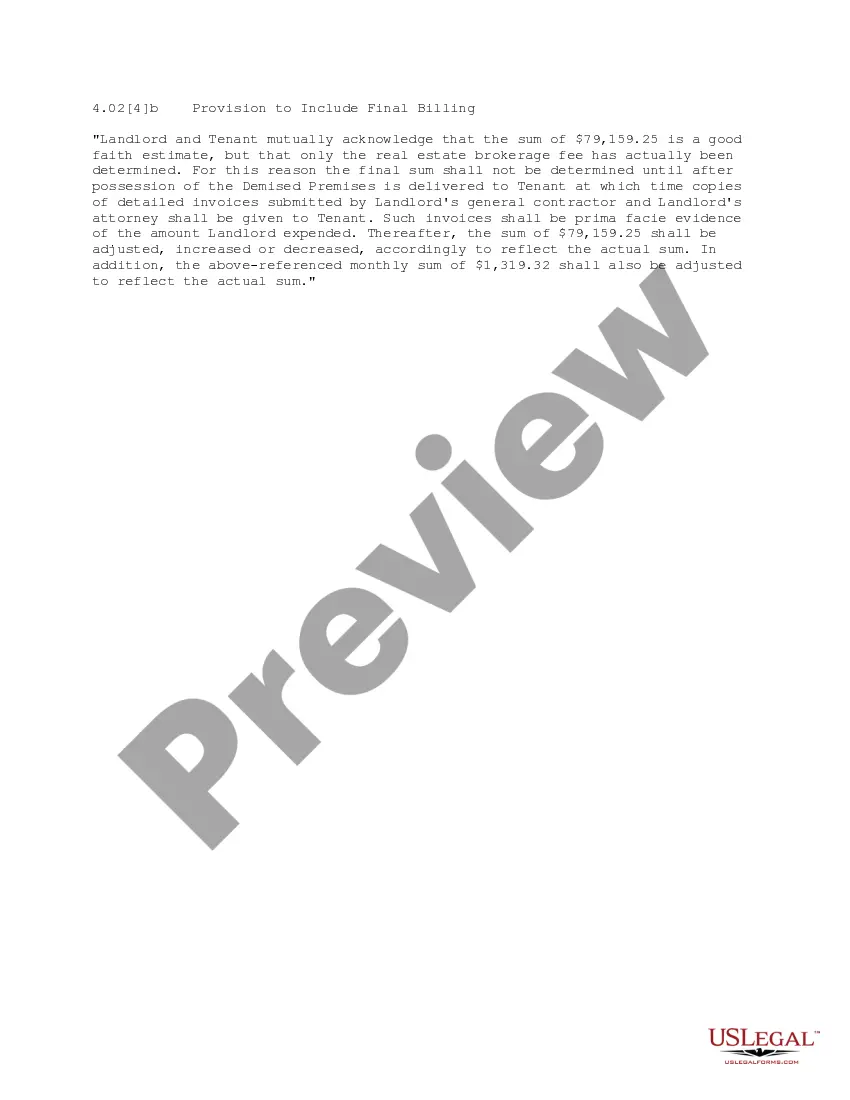
- Landlord's and tenant's details: Information about both parties involved.
- Deposits received: Total amount of security deposits collected from the tenant.
- Credits: Any payments or credits applied to the security deposit.
- Deductions: Specific reasons and amounts deducted from the deposit for damages.
- Net amount due: Calculation of what is owed to the tenant or landlord after deductions.
- Date of reconciliation: The date the closing statement is finalized.
Common use cases
This form is typically used when a tenant vacates a rental property, allowing the landlord to provide a detailed account of the security deposit. It is essential in cases where the landlord needs to justify the return amount to the tenant or in disputes regarding damages and the handling of the security deposit. Utilizing this form ensures clarity and accountability for both parties involved.
Who needs this form
- Landlords managing rental properties who require documentation of security deposits.
- Tenants looking to understand their security deposit reconciliation upon moving out.
- Property managers who handle rental transactions on behalf of property owners.
Completing this form step by step
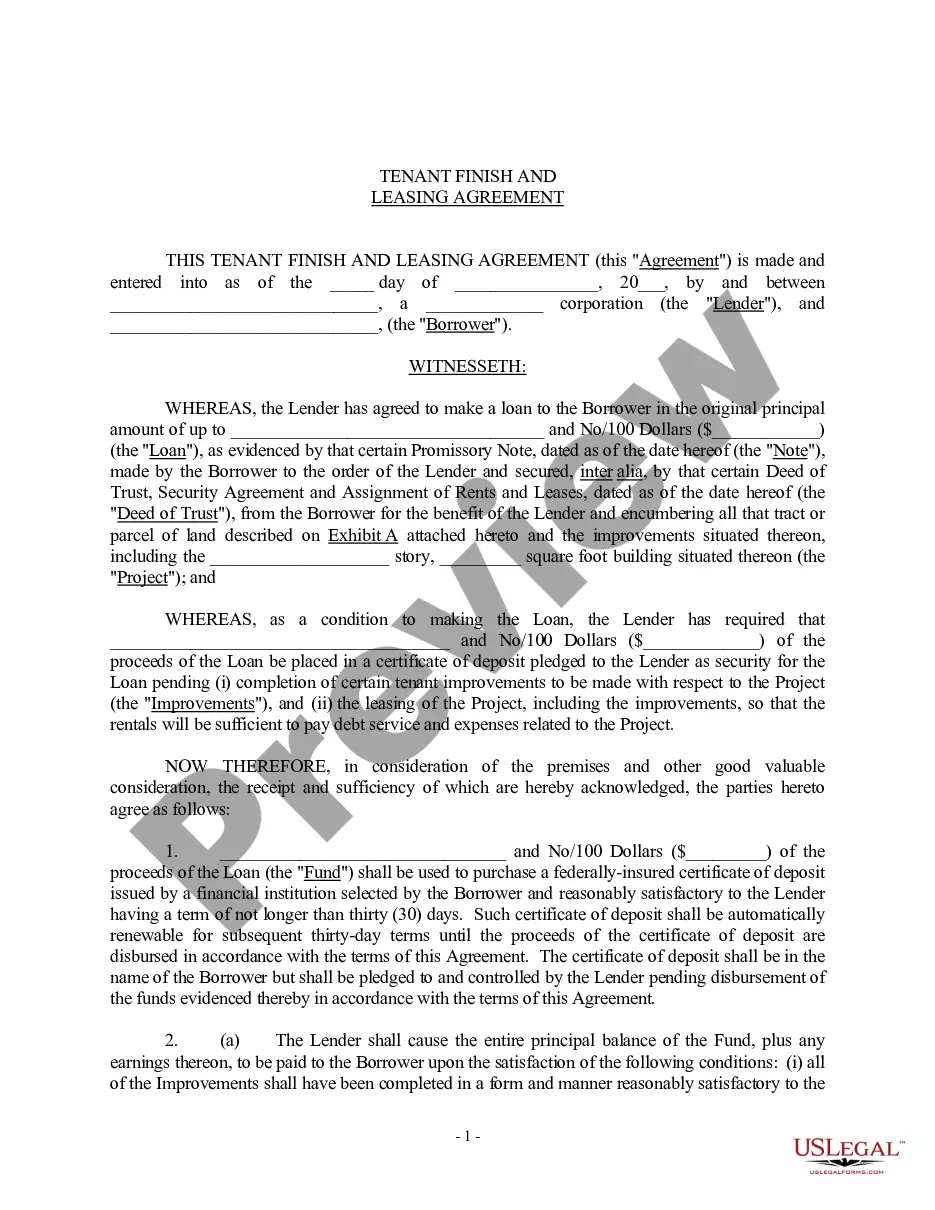
- Identify the parties: Enter the names and contact information of both the landlord and tenant.
- Specify the financial details: Fill in the total deposits received and any payments made towards the security deposit.
- Document deductions: Clearly outline any deductions taken from the deposit along with reasons for each deduction.
- Calculate the net amount: Determine any amounts owed to the landlord or tenant after deductions.
- Include signatures: Ensure that both parties sign and date the document to confirm agreement on the reconciliation.
Does this form need to be notarized?
In most cases, this form does not require notarization. However, some jurisdictions or signing circumstances might. US Legal Forms offers online notarization powered by Notarize, accessible 24/7 for a quick, remote process.
Get your form ready online
Our built-in tools help you complete, sign, share, and store your documents in one place.
Make edits, fill in missing information, and update formatting in US Legal Forms—just like you would in MS Word.
Download a copy, print it, send it by email, or mail it via USPS—whatever works best for your next step.
Sign and collect signatures with our SignNow integration. Send to multiple recipients, set reminders, and more. Go Premium to unlock E-Sign.
If this form requires notarization, complete it online through a secure video call—no need to meet a notary in person or wait for an appointment.
We protect your documents and personal data by following strict security and privacy standards.

Make edits, fill in missing information, and update formatting in US Legal Forms—just like you would in MS Word.

Download a copy, print it, send it by email, or mail it via USPS—whatever works best for your next step.

Sign and collect signatures with our SignNow integration. Send to multiple recipients, set reminders, and more. Go Premium to unlock E-Sign.

If this form requires notarization, complete it online through a secure video call—no need to meet a notary in person or wait for an appointment.

We protect your documents and personal data by following strict security and privacy standards.
Common mistakes to avoid
- Failing to provide complete and accurate financial details.
- Not documenting the reasons for deductions clearly.
- Omitting signatures from either party.
- Using outdated forms that may not comply with current laws.
Benefits of completing this form online
- Convenient access: Download and complete the form from anywhere.
- Editable format: Easily modify the document to suit specific needs
- Legally vetted: Forms drafted by licensed attorneys ensure reliability and compliance.
Legal use & context
- This form serves as a legal record of the reconciliation process of a security deposit.
- It helps protect both the landlord and tenant by documenting agreed-upon deductions.
- Failure to use such a document may lead to misunderstandings or disputes that could escalate to legal issues.
Summary of main points
- The Landlord Tenant Closing Statement is essential for reconciling security deposits.
- Both landlords and tenants can benefit from clear documentation of the security deposit process.
- Understanding state laws regarding security deposits is crucial for compliance and protection.
Looking for another form?

Form popularity
FAQ
Money required to be paid to a landlord or to service providers in order to protect them against possible default.
A security deposit is defined as a fixed amount of money paid to a property manager or landlord that ensures the tenant will pay rent and follow the lease.Once your apartment has been inspected and damage costs have been deducted (if any), your property manager or landlord will then return what's left to you.
When a tenant moves into a rental property, he or she will pay the landlord a security deposit in addition to first month's rent. This deposit will typically be returned to the tenant at the end of the lease term, as long as the tenant follows all the terms of the lease agreement.
To avoid the security deposit fiasco altogether, consider purchasing Accidental Rental Damage Insurance (ARDI). ARDI eliminates the needs for a security deposit altogether, and provides peace of mind protection to both you and your landlord.
A security deposit is any money a landlord takes from a tenant other than the advance payment of rent. The security deposit serves to protect the landlord if the tenant breaks or violates the terms of the lease or rental agreement. It may be used to cover damage to the property, cleaning, key replacement, or back rent.