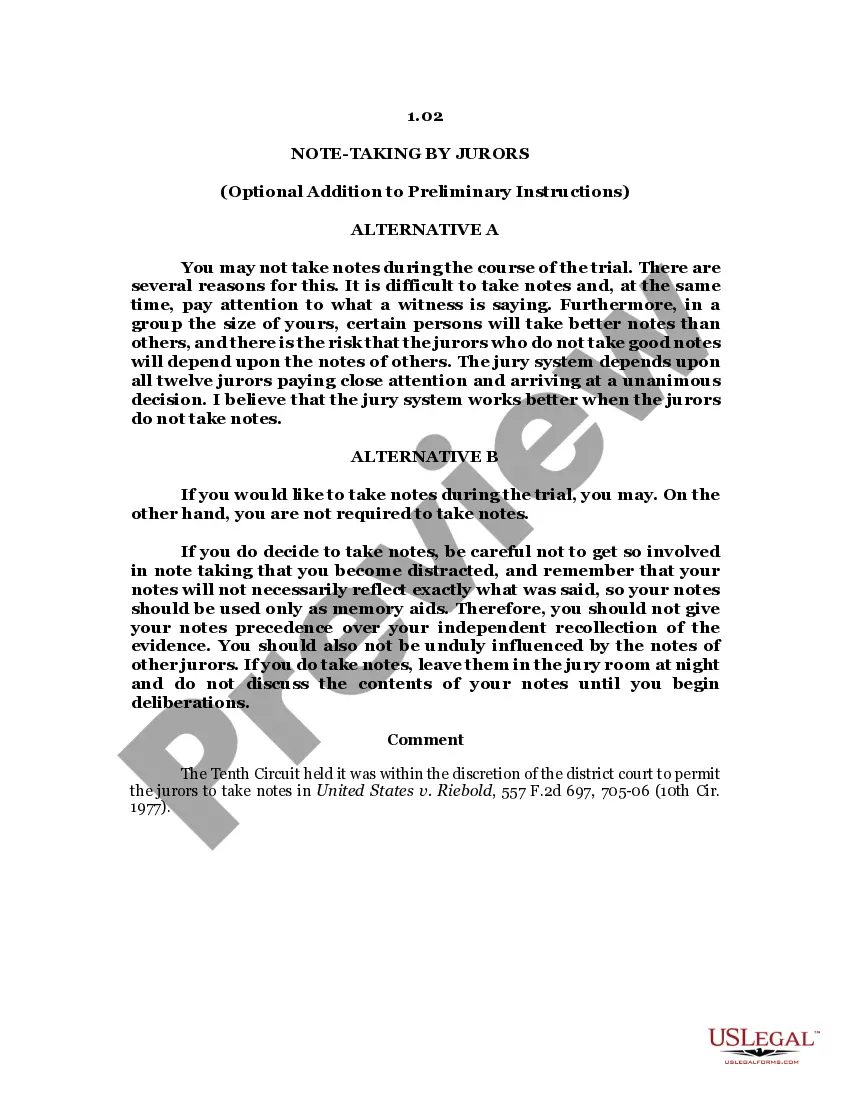
Vermont Commercial Rental Lease Application Questionnaire
About this form
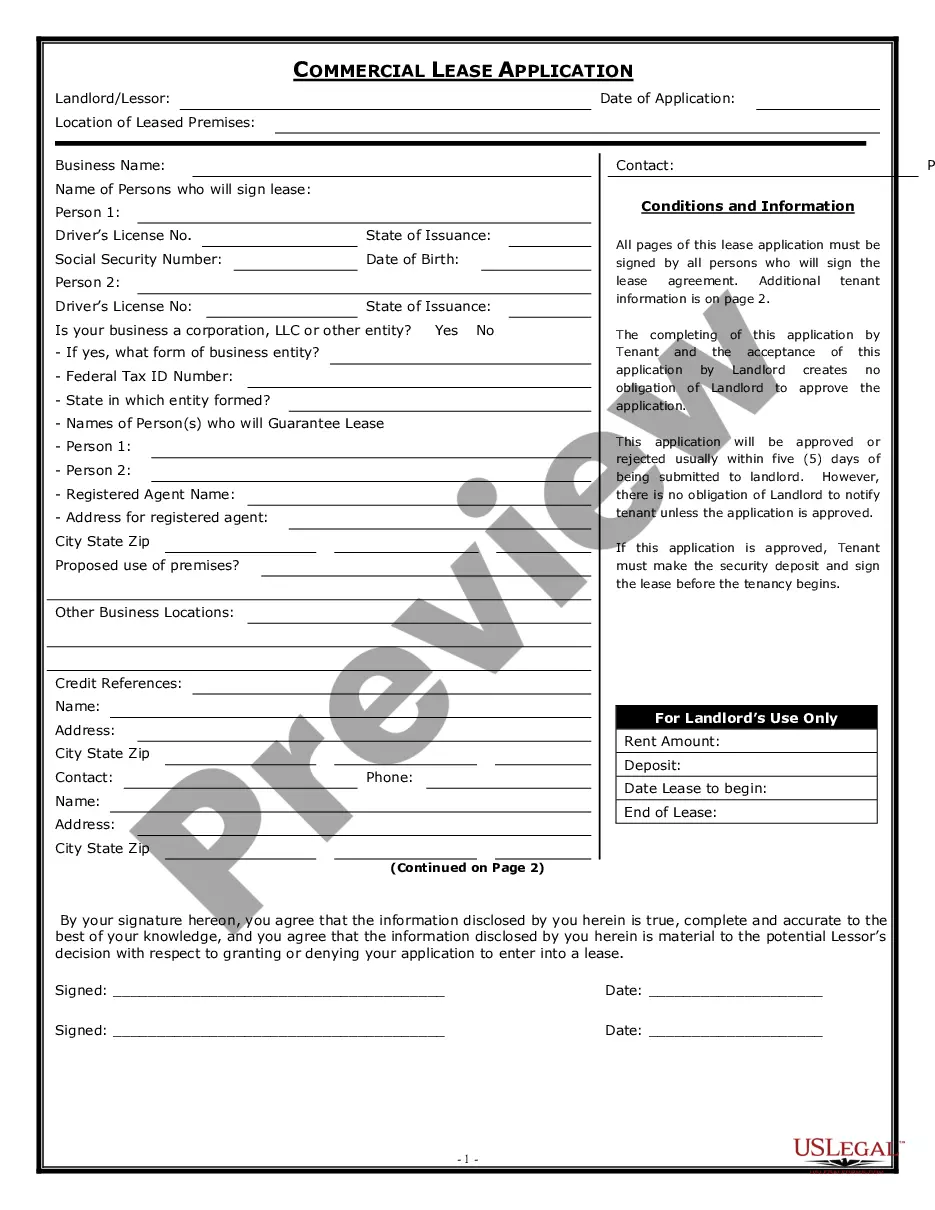
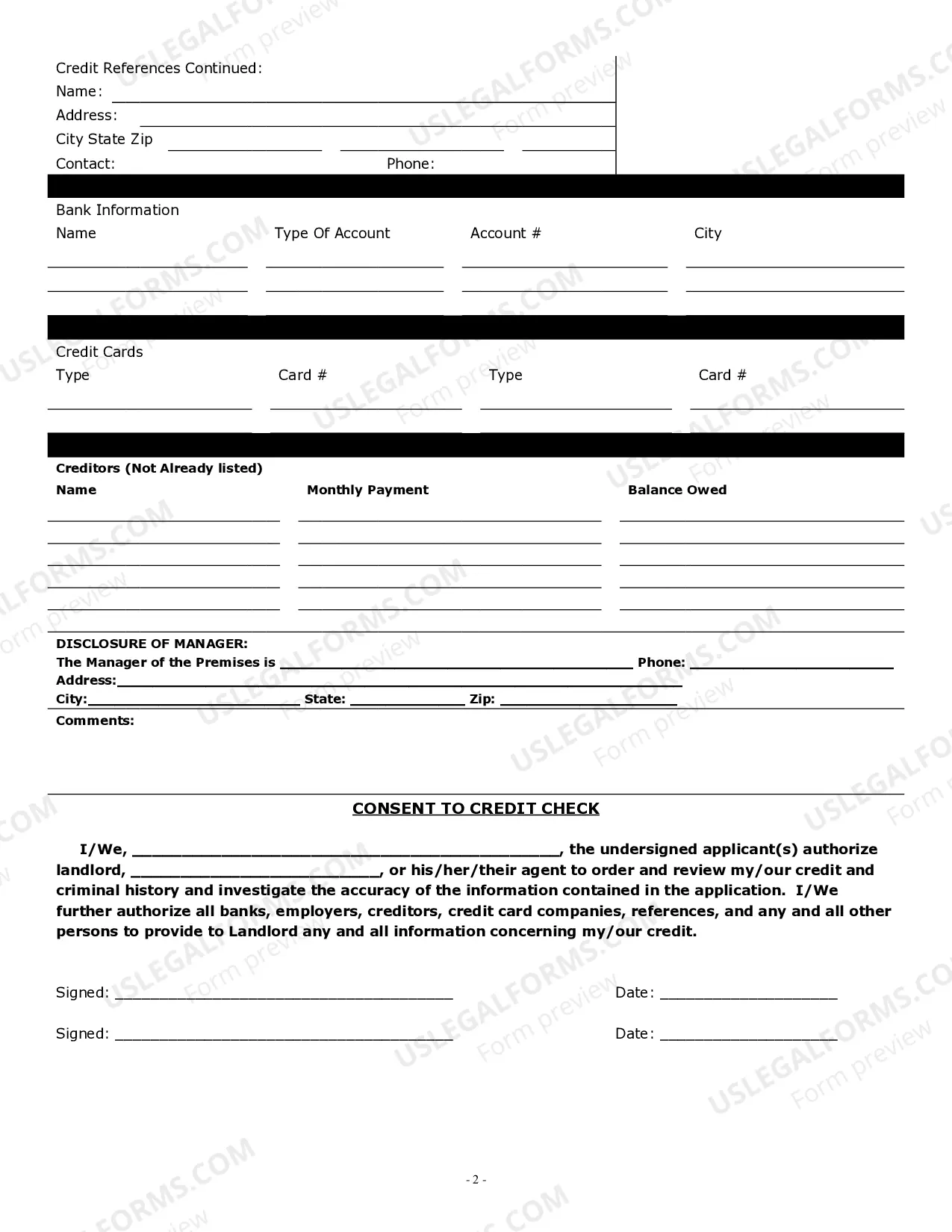
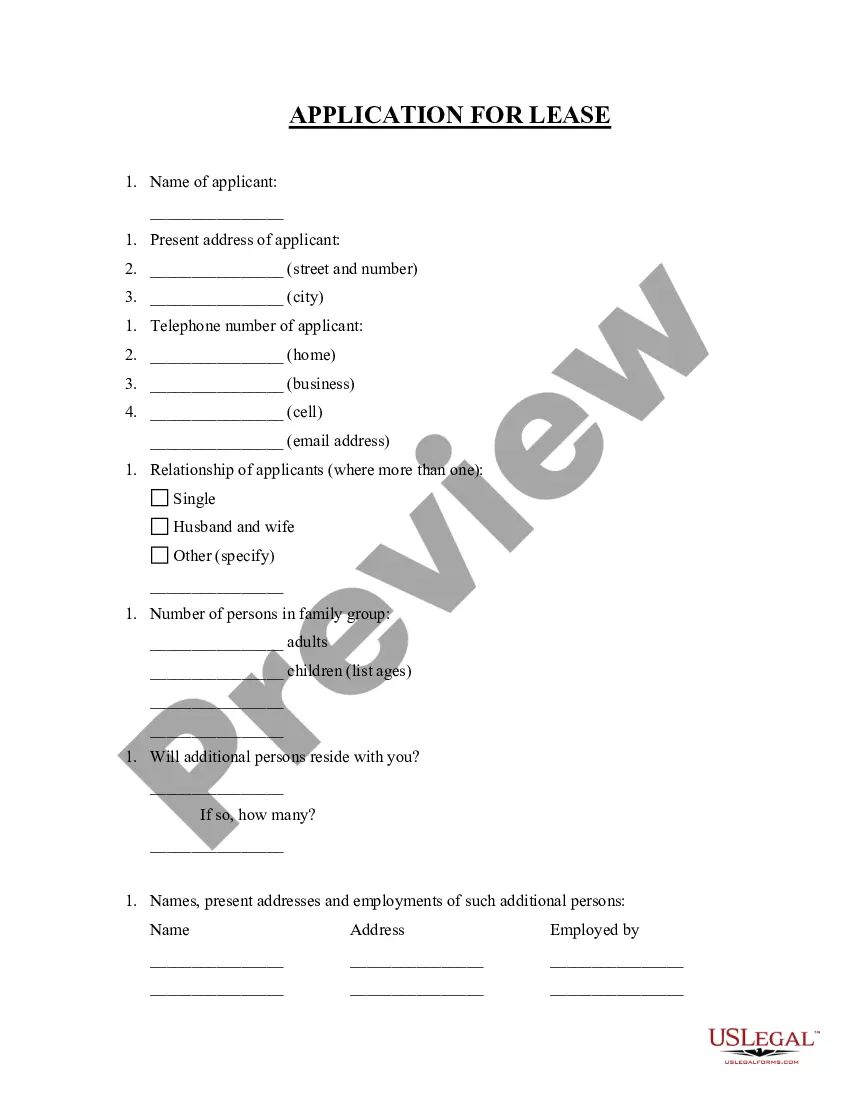
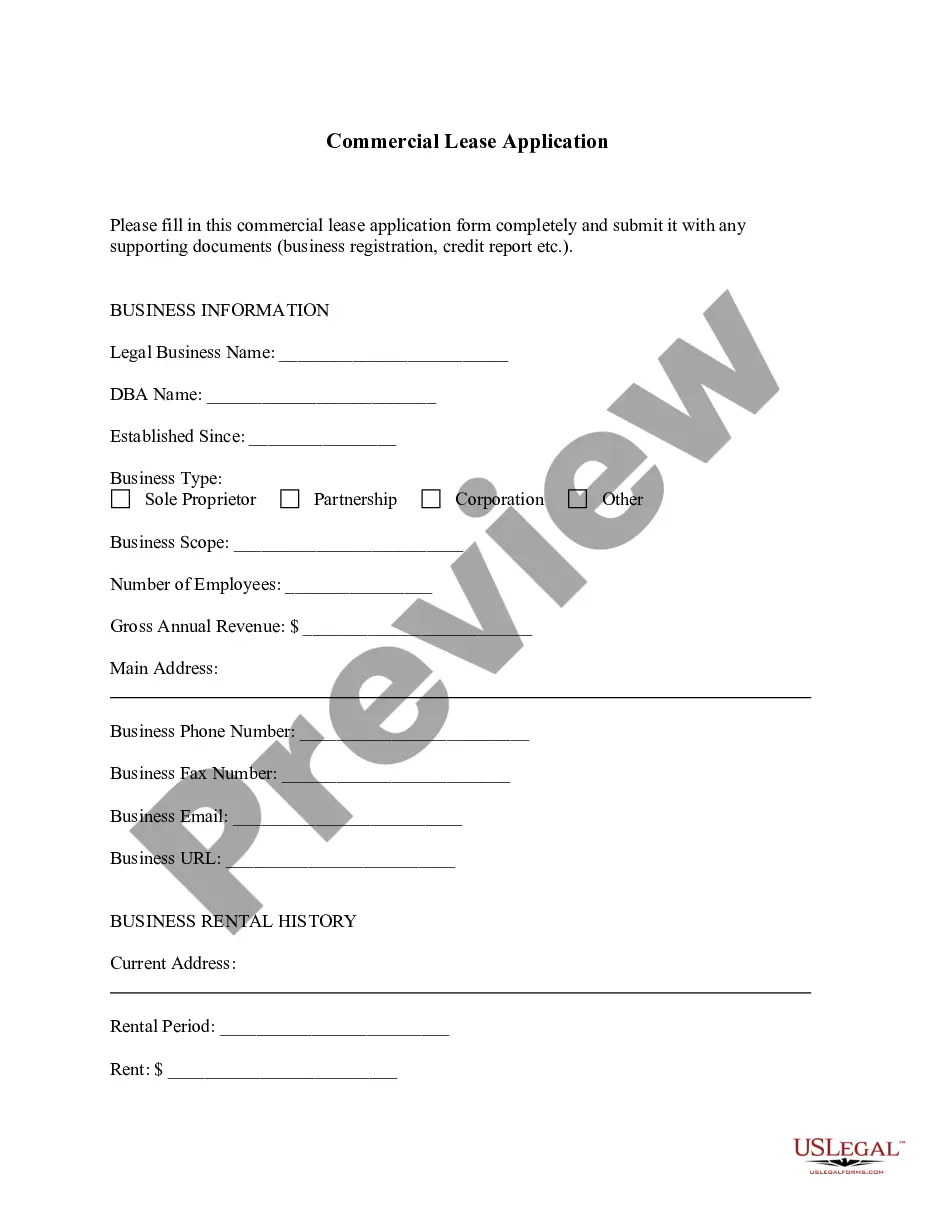
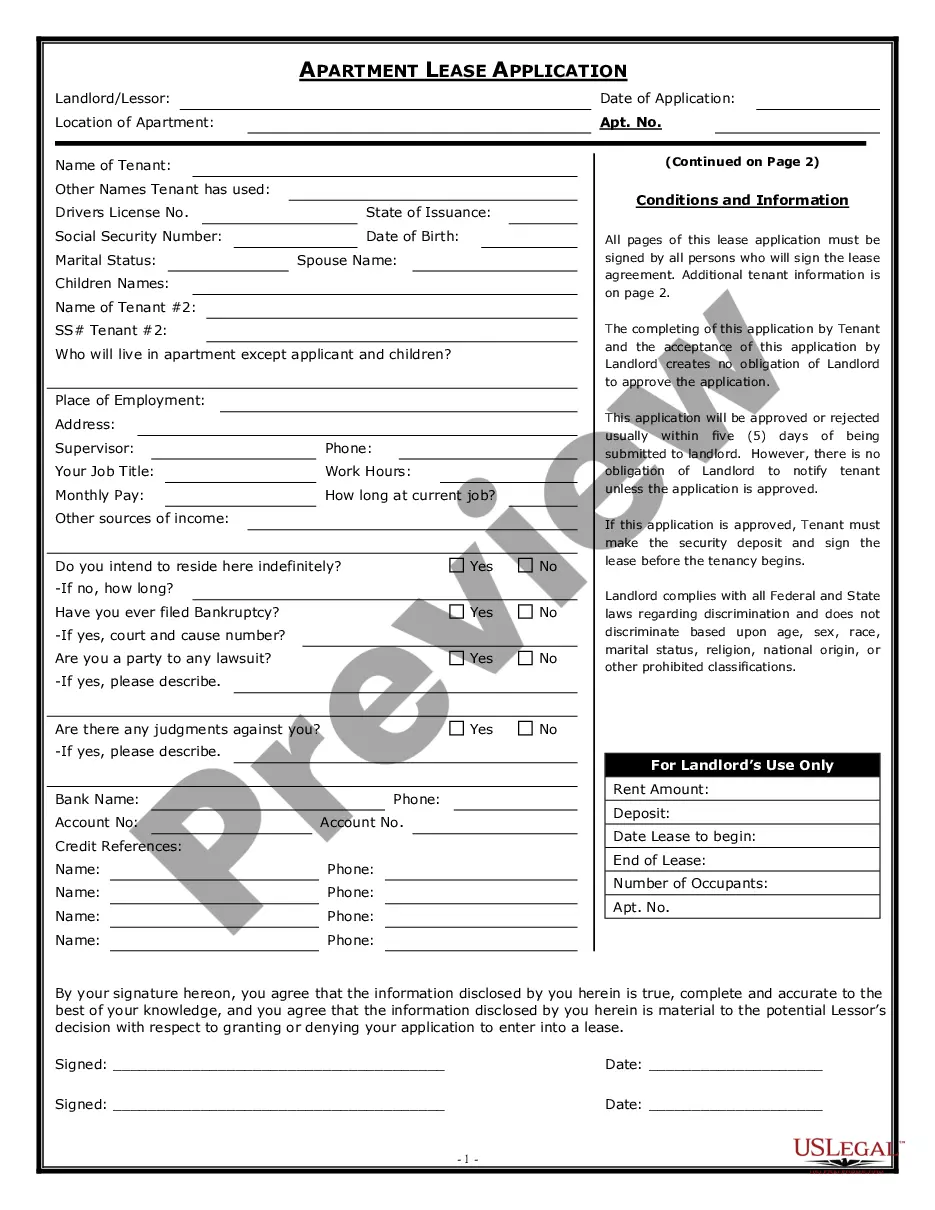
The Commercial Rental Lease Application Questionnaire is a legal form used by landlords (lessors) to gather important information from potential tenants (lessees) seeking to lease commercial property. This form is essential in assessing a tenant's suitability for tenancy and includes necessary disclosures and an authorization for the release of personal information. Unlike residential leases, commercial leases are often more detailed and may involve different terms related to the rental agreement.
Main sections of this form
- Identification Information: Section for the applicant to provide personal and business details.
- Disclosure of Manager: Information about the property manager, including their contact details.
- Credit References: A section for applicants to list their credit references and financial institutions.
- Consent to Credit Check: Authorization for landlords to check personal credit histories and related information.
- Signatures: Required signatures from all applicants, confirming the accuracy of the information provided.

When to use this form
This form should be used when a landlord needs to evaluate prospective tenants seeking to lease commercial space. It is typically completed during the application process and is essential for ensuring that the landlord can make informed decisions regarding the potential lease agreement.
Who needs this form
Intended Audience:
- Landlords and property managers seeking reliable tenants for commercial properties.
- Business owners or individuals looking to lease commercial space.
- Real estate agents involved in facilitating commercial leases.
How to prepare this document
Steps to Complete the Form:
- Complete the identification section with accurate personal and business information.
- Fill out the credit references section, including addresses and contact details.
- Provide the name and contact information for the property manager.
- Sign the consent section to authorize a credit check and confirm the information is accurate.
- Submit the application to the landlord for review.
Does this document require notarization?
This form does not typically require notarization unless specified by local law.
Get your form ready online
Our built-in tools help you complete, sign, share, and store your documents in one place.
Make edits, fill in missing information, and update formatting in US Legal Forms—just like you would in MS Word.
Download a copy, print it, send it by email, or mail it via USPS—whatever works best for your next step.
Sign and collect signatures with our SignNow integration. Send to multiple recipients, set reminders, and more. Go Premium to unlock E-Sign.
If this form requires notarization, complete it online through a secure video call—no need to meet a notary in person or wait for an appointment.
We protect your documents and personal data by following strict security and privacy standards.

Make edits, fill in missing information, and update formatting in US Legal Forms—just like you would in MS Word.

Download a copy, print it, send it by email, or mail it via USPS—whatever works best for your next step.

Sign and collect signatures with our SignNow integration. Send to multiple recipients, set reminders, and more. Go Premium to unlock E-Sign.

If this form requires notarization, complete it online through a secure video call—no need to meet a notary in person or wait for an appointment.

We protect your documents and personal data by following strict security and privacy standards.
Mistakes to watch out for
Common Mistakes to Avoid:
- Omitting required information, which can slow down the application process.
- Not double-checking names and contact information for accuracy.
- Filling out the form without consulting partners or co-applicants, leading to discrepancies.
- Failing to sign the application, making it invalid.
Why complete this form online
Benefits of Using This Form Online:
- Convenience of accessing and completing the form anytime and anywhere.
- Editable fields allow for quick corrections and updates before final submission.
- Reliable templates drafted by licensed attorneys ensure compliance with legal standards.
Legal use & context
- This application is essential in determining a potential tenant's qualifications.
- It provides a legal basis for landlords to conduct necessary background checks.
- Accuracy in filling this form ensures the integrity of the leasing process and can help mitigate potential disputes.
What to keep in mind
- The Commercial Rental Lease Application Questionnaire is crucial for landlords assessing prospective tenants.
- Accurate and complete information is essential to avoid delays or rejections.
- Landlords should verify local laws for any specific requirements regarding the form.
Looking for another form?
Form popularity
FAQ
The first sentence should explain who is writing the letter and why. It should also give the name of the tenant, so the purpose of the letter is clear. The writer may be a property manager or the owner of the property. The landlord can include, if applicable, a statement on the character of the tenant.
The Person Liable for the Lease. Your Business Structure. How Long You Have Been in Business. The Nature of Your Business. Contact Information. Your Proposed Terms (or, Counter Offer) The Length of the Lease. Condition of the Property.
The tenant should fill his original name with father name, permanent address, and other essential information in the given form. It verifies a tenant and makes it easy for the landlord to involve the police in case of a dispute.
The landlord verification form is a document used by a landlord when verifying the previous rental information of an applicant for tenancy. The requesting landlord must send the form to the applicant's current or past landlord in order to obtain all details related to the tenancy of the individual.
Make sure you have all the correct documentation. Save time and apply online. Get your housemates into gear. Be on time to inspections. Be presentable at the inspection. Be reasonable and pleasant on the day of the inspection. Follow up.
Property address. Monthly rent, generally calculated by square footage. Deposit amount. Purpose for which the space is being rented. Start date for the lease agreement. End date of the rental agreement. Names & signatures of all parties.
The Parties & Personal Guarantees. Lease Term & Renewals. Rent Payments and Expenses. Business Protection Clauses.
Tenant's Name. Tenant's Address, Including Unit Number. Date of Move-In. Date of Move-Out (When Occurs). Date of Move-In Inspection. Date of Move-Out Inspection.
Names of all tenants. Limits on occupancy. Term of the tenancy. Rent. Deposits and fees. Repairs and maintenance. Entry to rental property. Restrictions on tenant illegal activity.