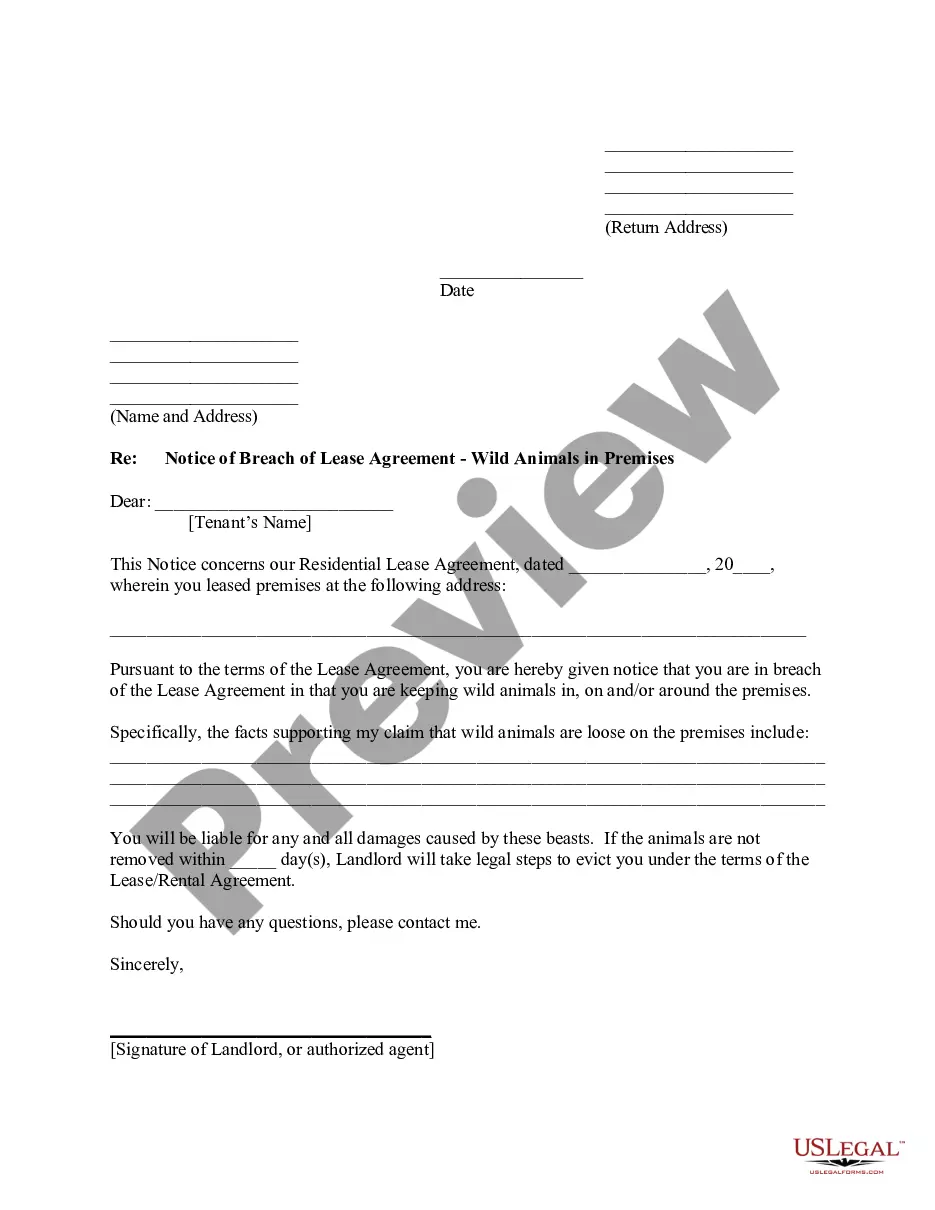
Virginia Apartment Rules and Regulations
What is this form?
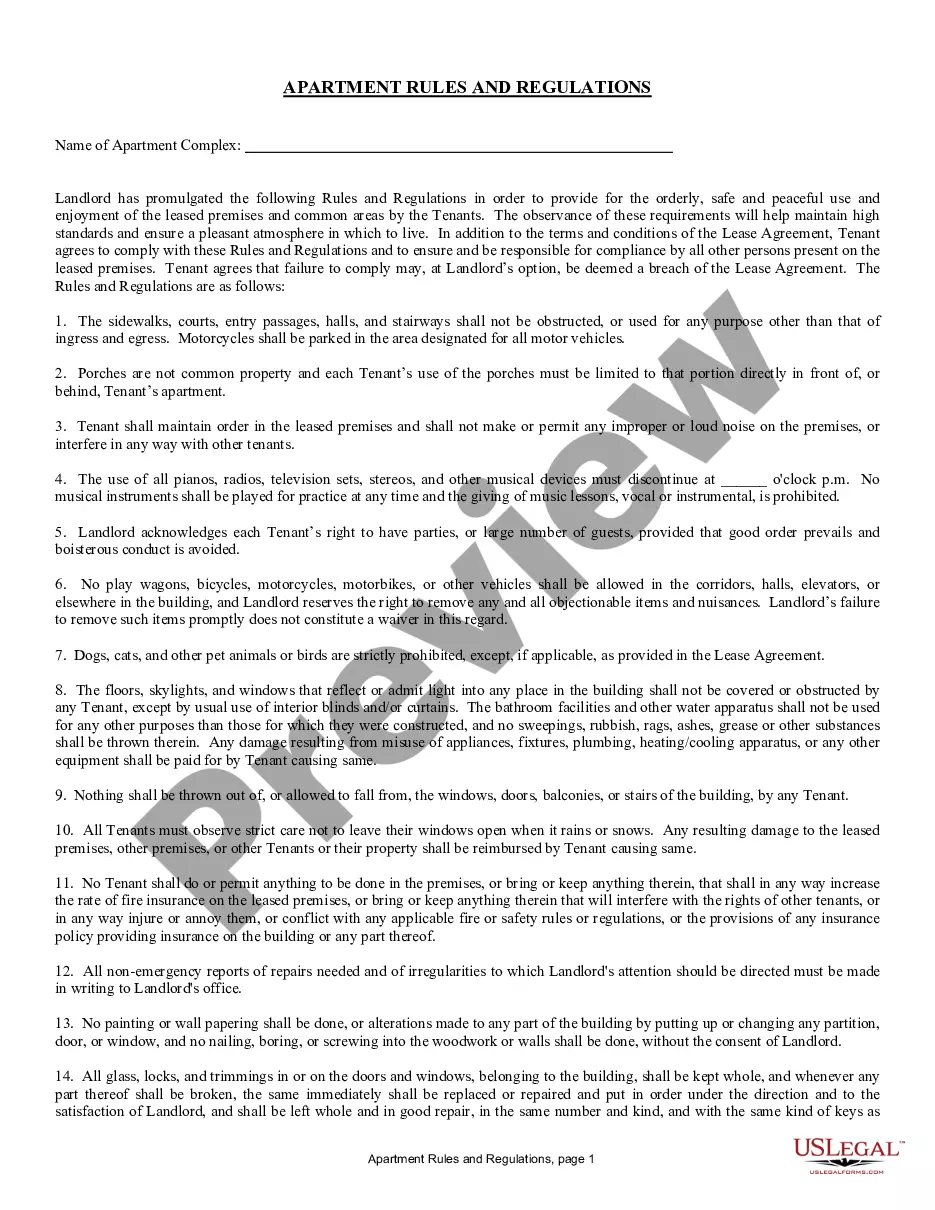
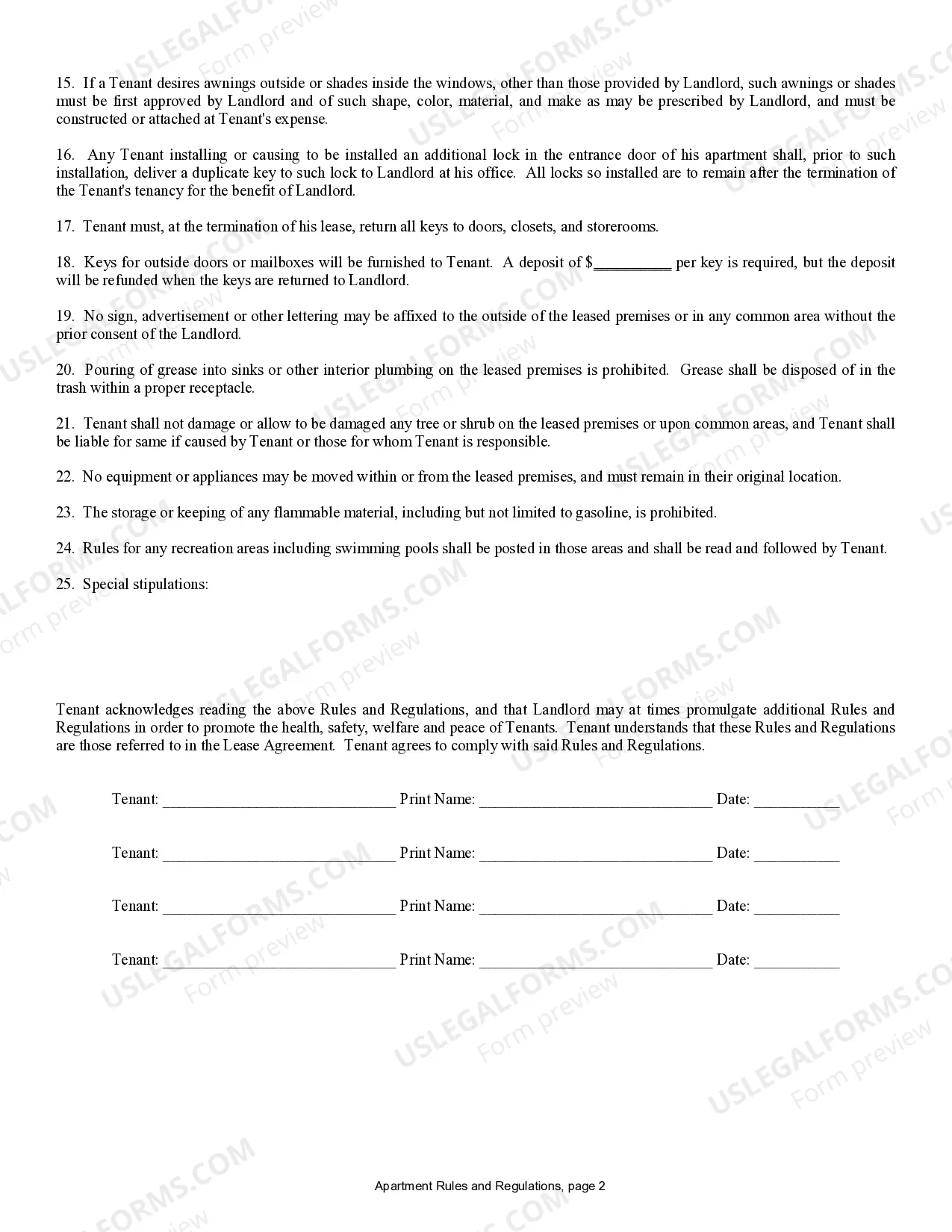
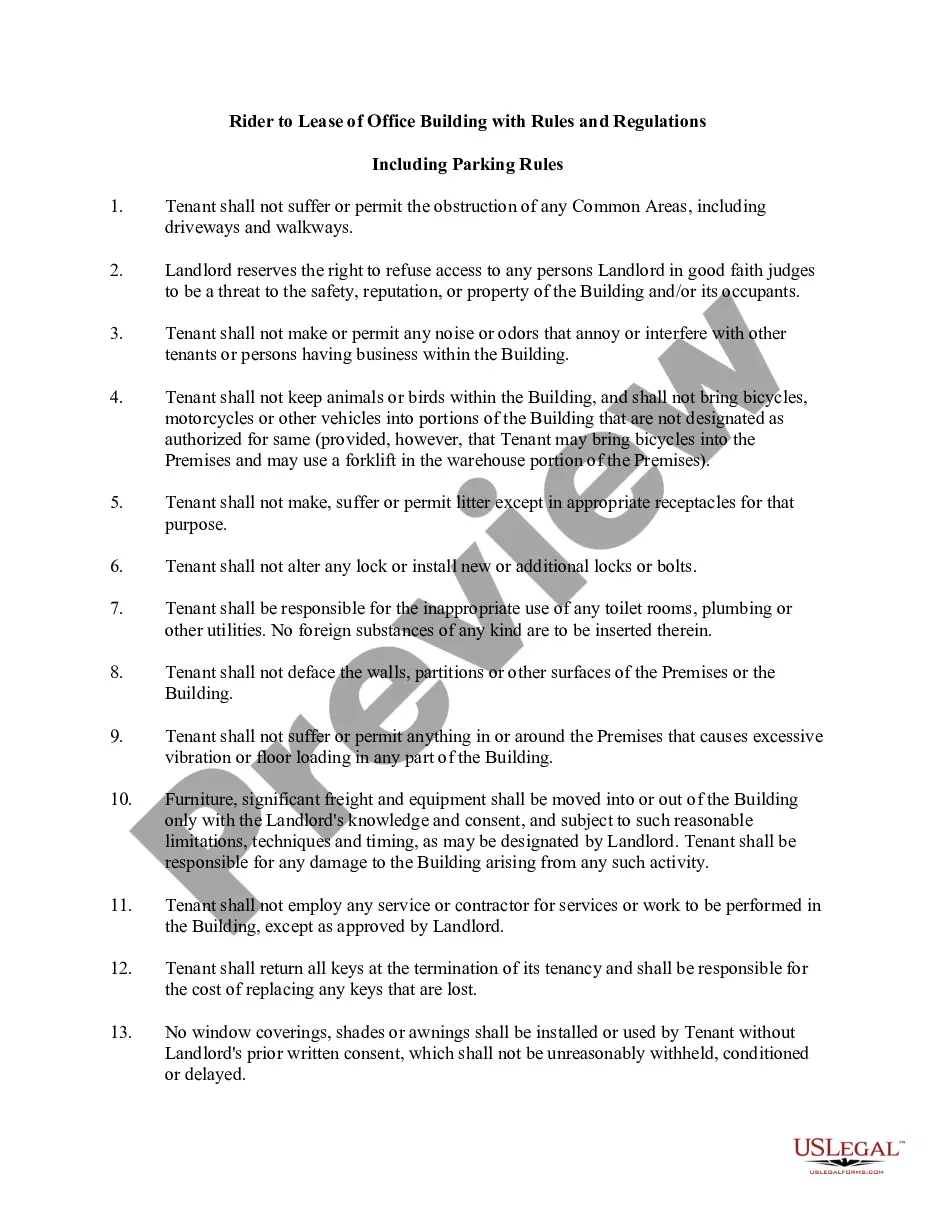
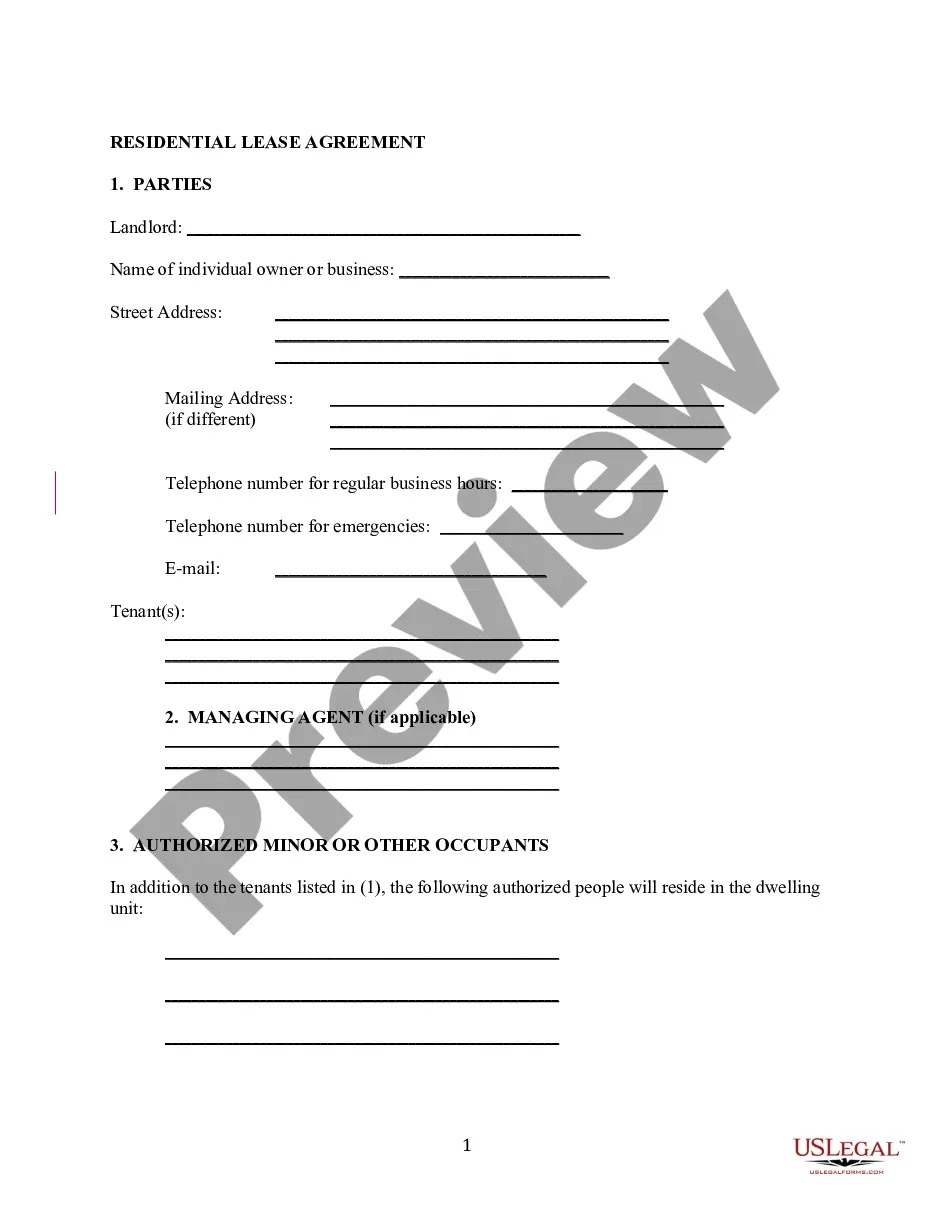
The Apartment Rules and Regulations form outlines specific rules that tenants must agree to follow in order to ensure a safe, enjoyable living environment. Unlike an Apartment Lease Agreement, which details the terms of the lease, this form focuses on day-to-day conduct within the apartment complex. It helps landlords set expectations for tenant behavior and ensure compliance with community standards.
What’s included in this form
- Name of the apartment complex where the rules apply.
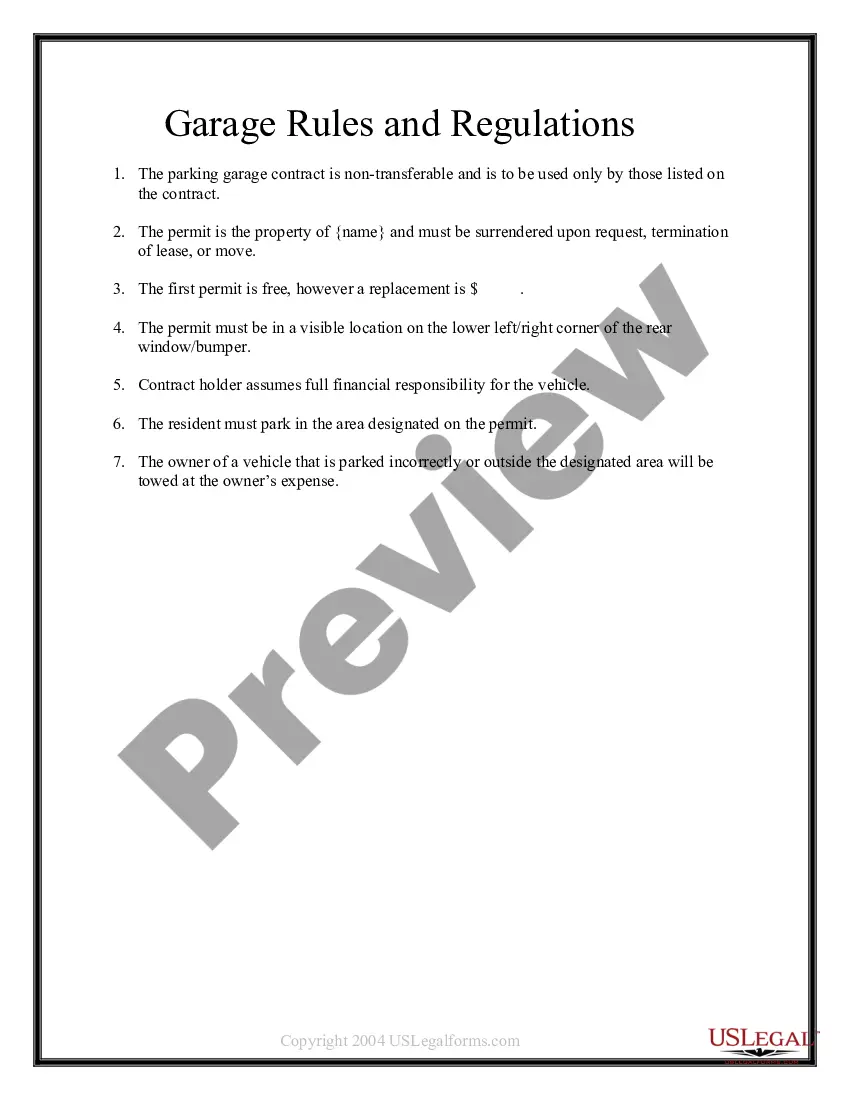
- Detailed clauses covering noise control, use of common areas, and maintenance of the property.
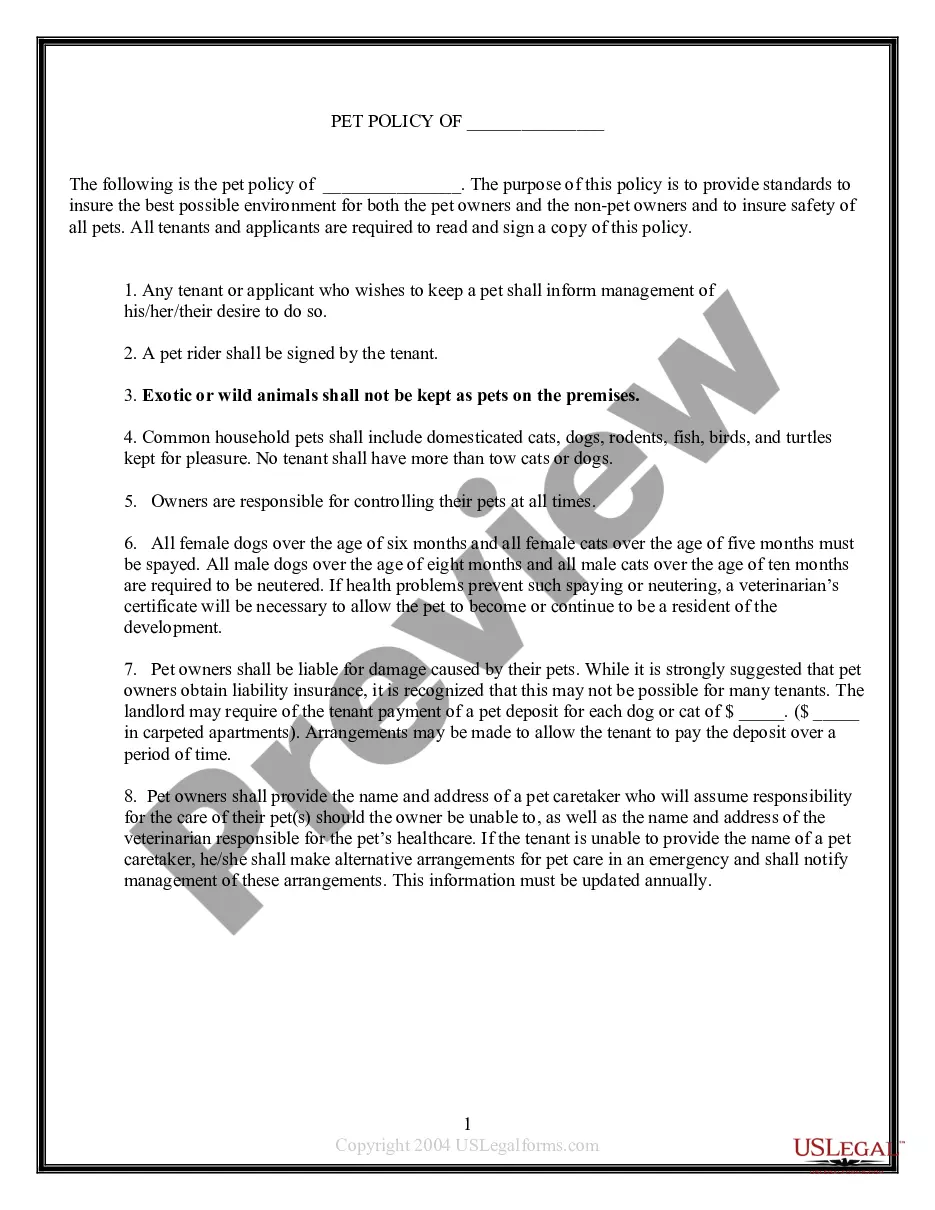
- Restrictions on pets, alterations to the apartment, and disposal of waste.
- Guidelines for inviting guests and hosting gatherings.
- Procedures for reporting repairs and maintenance issues to the landlord.
When to use this document
This form is essential when establishing a clear set of expectations for tenants who are renting apartments. Use this document at the start of a lease to ensure that all tenants understand the rules that govern their behavior and the use of shared spaces, contributing to a harmonious living environment.
Who can use this document
- Landlords or property managers managing residential apartment complexes.
- Tenants who want to understand their responsibilities and rights regarding property use.
- Real estate professionals facilitating apartment rentals.
Steps to complete this form
- Write the name of the apartment complex at the top of the form.
- Review each rule and regulation carefully to ensure understanding.
- Have all tenants sign and date the form to acknowledge their agreement to the rules.
- Provide a copy of the signed document to each tenant for their records.
- Keep the original signed form on file for reference.
Does this form need to be notarized?
This form usually doesn’t need to be notarized. However, local laws or specific transactions may require it. Our online notarization service, powered by Notarize, lets you complete it remotely through a secure video session, available 24/7.
Get your form ready online
Our built-in tools help you complete, sign, share, and store your documents in one place.
Make edits, fill in missing information, and update formatting in US Legal Forms—just like you would in MS Word.
Download a copy, print it, send it by email, or mail it via USPS—whatever works best for your next step.
Sign and collect signatures with our SignNow integration. Send to multiple recipients, set reminders, and more. Go Premium to unlock E-Sign.
If this form requires notarization, complete it online through a secure video call—no need to meet a notary in person or wait for an appointment.
We protect your documents and personal data by following strict security and privacy standards.

Make edits, fill in missing information, and update formatting in US Legal Forms—just like you would in MS Word.

Download a copy, print it, send it by email, or mail it via USPS—whatever works best for your next step.

Sign and collect signatures with our SignNow integration. Send to multiple recipients, set reminders, and more. Go Premium to unlock E-Sign.

If this form requires notarization, complete it online through a secure video call—no need to meet a notary in person or wait for an appointment.

We protect your documents and personal data by following strict security and privacy standards.
Typical mistakes to avoid
- Not having all tenants sign the form, which can lead to disputes about compliance.
- Failing to clearly explain the rules to tenants during the leasing process.
- Overlooking local laws that may require additional provisions in the rules.
Benefits of using this form online
- Convenience of downloading and printing the form as needed.
- Ease of editing to tailor rules specific to your apartment complex.
- Reliable legal templates drafted by licensed attorneys, ensuring compliance with best practices.
- The rules established in this form are enforceable as part of the lease agreement.
- Landlords must ensure that all rules comply with fair housing laws and local ordinances.
- This form provides a framework for dispute resolution should conflicts arise between tenants.
What to keep in mind
- The Apartment Rules and Regulations form clarifies tenant responsibilities.
- It helps maintain order and peace within the apartment community.
- Signature from all tenants is crucial to enforce these rules effectively.
Looking for another form?
Form popularity
FAQ
In general, landlords and tenants both have the right to give notice to each other, cancelling any lease agreement between them. (See Rental Housing Act 1999.)The Consumer Protection Act (CPA) gives additional rights to the tenant by allowing them to cancel the lease provided 20 business days' notice is given.
TERMINATING OR ENDING YOUR TENANCY If you have no written lease and you pay rent by the month, the tenancy can be terminated by either you or the landlord for any reason or no reason at all, by giving at least 30 days written notice before the next rental due date.
No. There is no law which stipulates tat tenant can claim the rigt of the property after 12 years, 2.
A landlord cannot evict a tenant without an adequately obtained eviction notice and sufficient time. A landlord cannot retaliate against a tenant for a complaint. A landlord cannot forego completing necessary repairs or force a tenant to do their own repairs.A landlord cannot remove a tenant's personal belongings.
As a renter in Virginia, you have legal protections under the Virginia Residential Landlord and Tenant Act (VRLTA) that include the right to: A fair application fee. A fair security deposit.A certain level of security.
The right to collect rent. Simply by the fact that you are renting, your landlord has the right to collect rent and any prearranged late fees for overdue rent payments. The right to raise your rent according to your lease agreement.Your landlord has the right to evict you, especially if you do not pay your rent.
As a tenant in a private rented property, your tenancy agreement (which should be co-signed by you and your landlord before you move in) provides you with a number of rights: The right to live in a property that's safe and in a good state of repair.The right to be protected from unfair rent and unfair eviction.
The Virginia Residential Landlord and Tenant Act (VRLTA), Sections 55.1-1200 through 55.1-1262 of the Code of Virginia, establishes the rights and obligations of residential landlords and tenants in the Commonwealth, but only the courts can enforce those rights and obligations.
As a renter in Virginia, you have legal protections under the Virginia Residential Landlord and Tenant Act (VRLTA) that include the right to: A fair application fee. A fair security deposit. A decent and safe place to live.