Virginia Letter from Tenant to Landlord containing Notice to landlord to cease retaliatory threats to evict or retaliatory eviction
What this document covers
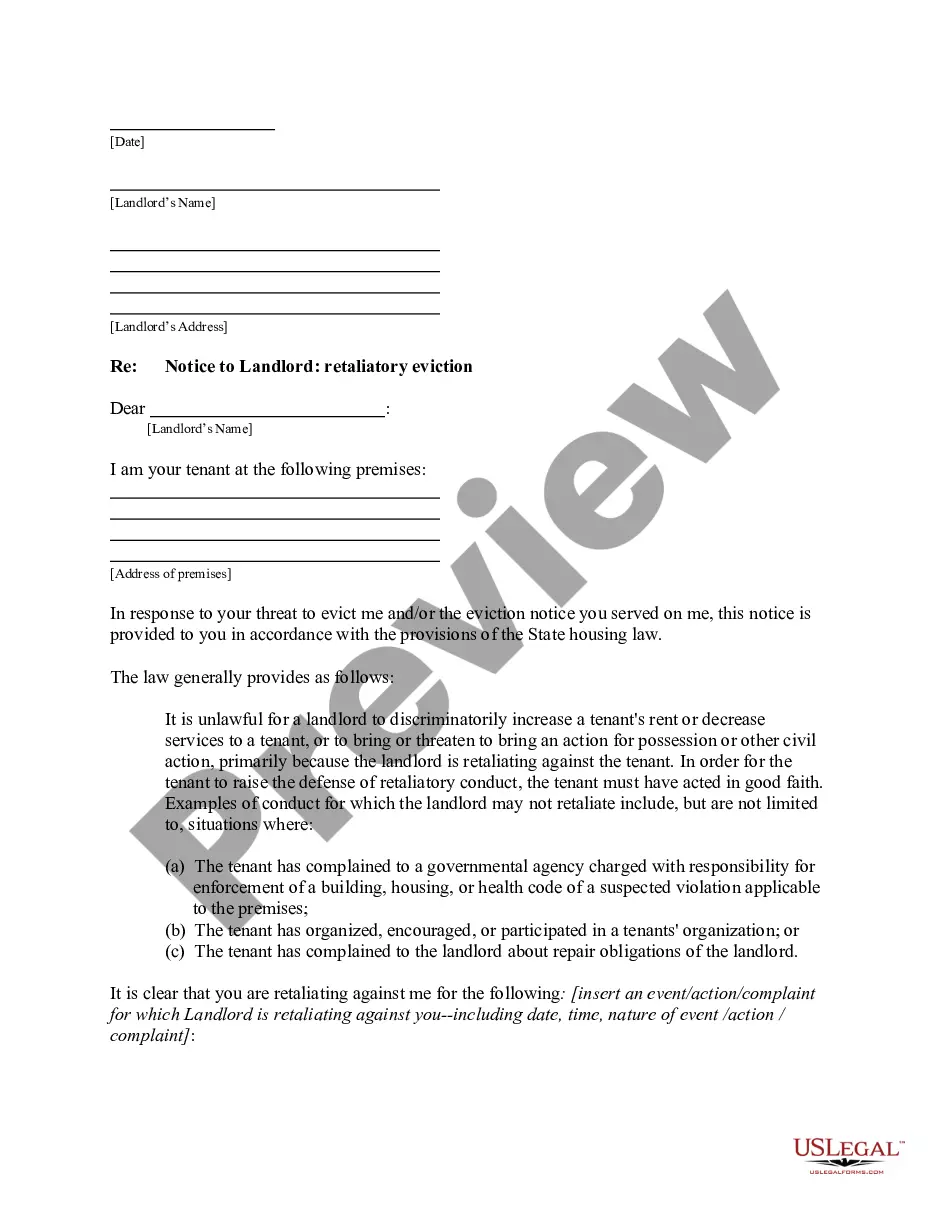
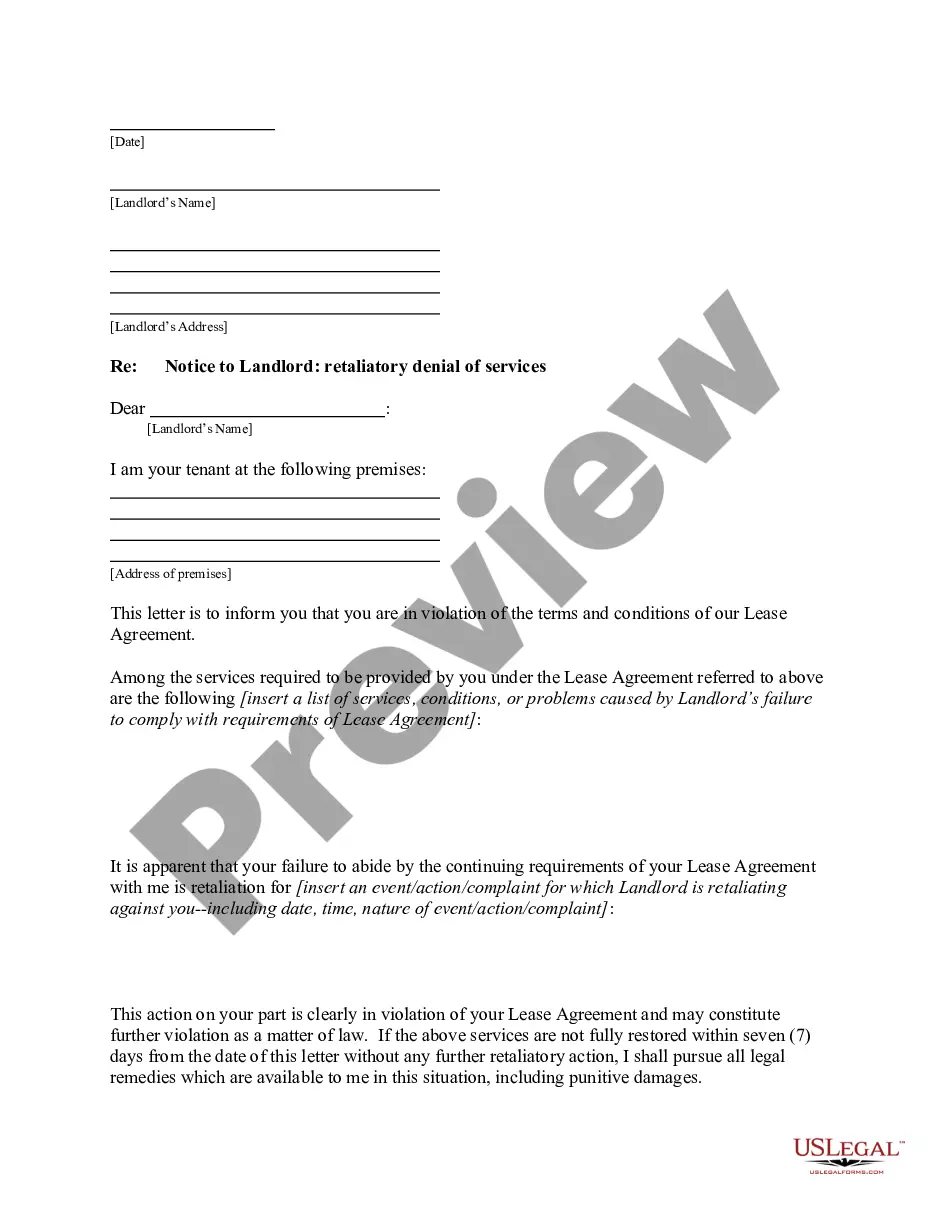
This form is a Letter from Tenant to Landlord containing Notice to cease retaliatory threats to evict. It is used by tenants who believe that their landlord's threat of eviction is retaliatory, meaning it is based on the tenantâs lawful actions, such as filing a complaint or participating in tenant organizing. This form complies with state housing laws and serves to protect tenants from unjust eviction practices.
Form components explained
- Identification of the Tenant and Landlord.
- A clear statement of the landlord's threats and the tenant's response.
- References to specific actions taken by the tenant that may have prompted retaliation.
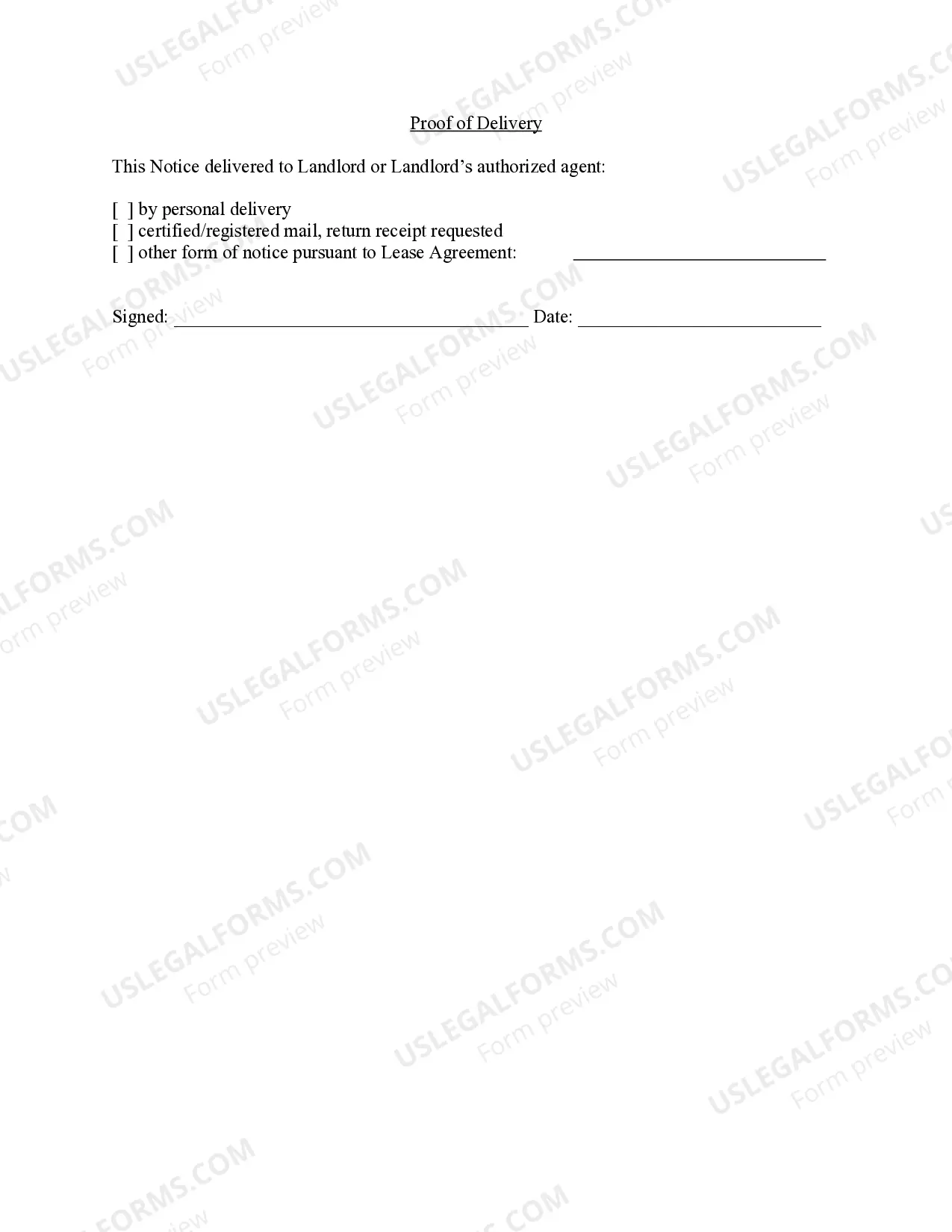
- Proof of delivery methods to ensure the landlord receives the notice.
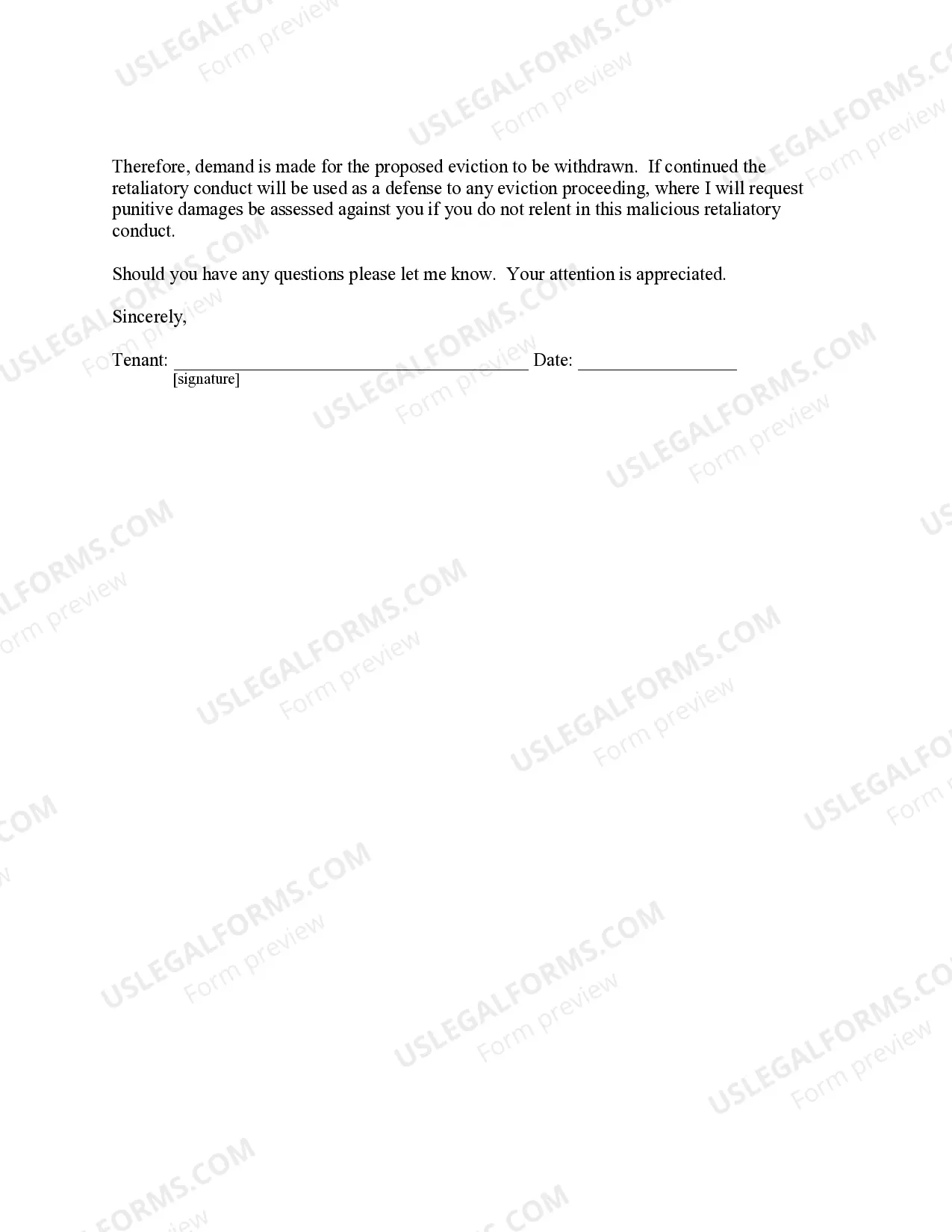
- Date and signature fields for the tenant.



Common use cases
This form should be used when a tenant has received threats of eviction from a landlord that the tenant believes are retaliatory. Typical situations include responding to threats made after the tenant has complained about safety or repair issues, filed a report with a government agency, or participated in tenantsâ rights activities. This letter formally notifies the landlord that such behavior is unlawful under housing laws.
Intended users of this form
- Tenants who feel threatened with eviction by their landlord.
- Individuals who have recently taken action against their landlord regarding housing issues.
- Renters who want to formally notify their landlord of perceived retaliatory behavior.
- Those looking to protect their rights under state housing laws.
Completing this form step by step
- Identify the tenant and landlord, providing complete names and contact information.
- Clearly state the nature of the retaliatory threats from the landlord.
- Detail the actions you have taken as a tenant that may have provoked the landlordâs threats.
- Provide the date on which you are issuing the notice and seal it with your signature.
- Deliver the notice to the landlord or their authorized agent via one of the accepted methods specified in the form.
Notarization requirements for this form
This form does not typically require notarization unless specified by local law. Ensure to check any additional legal necessities based on your situation and jurisdiction.
Get your form ready online
Our built-in tools help you complete, sign, share, and store your documents in one place.
Make edits, fill in missing information, and update formatting in US Legal Forms—just like you would in MS Word.
Download a copy, print it, send it by email, or mail it via USPS—whatever works best for your next step.
Sign and collect signatures with our SignNow integration. Send to multiple recipients, set reminders, and more. Go Premium to unlock E-Sign.
If this form requires notarization, complete it online through a secure video call—no need to meet a notary in person or wait for an appointment.
We protect your documents and personal data by following strict security and privacy standards.

Make edits, fill in missing information, and update formatting in US Legal Forms—just like you would in MS Word.

Download a copy, print it, send it by email, or mail it via USPS—whatever works best for your next step.

Sign and collect signatures with our SignNow integration. Send to multiple recipients, set reminders, and more. Go Premium to unlock E-Sign.

If this form requires notarization, complete it online through a secure video call—no need to meet a notary in person or wait for an appointment.

We protect your documents and personal data by following strict security and privacy standards.
Common mistakes
- Failing to include the date, which can make the notice less valid.
- Not describing the retaliatory actions clearly, which could weaken the argument.
- Omitting proof of delivery, which is essential for showing that the landlord received the notice.
- Assuming verbal delivery is sufficient; always use documented methods.
Benefits of using this form online
- Convenient access to a legally vetted document that you can fill out at your own pace.
- Edit and save your information easily without the need for printouts until final submission.
- Ensure the form complies with current legal standards, given it is created by licensed attorneys.
- Quickly obtain a record of your actions for future reference if needed.
Legal use & context:
- Utilizing this form helps establish a formal record of communication regarding retaliatory eviction threats.
- It reinforces the tenantâs rights against unlawful practices and provides legal grounding if the dispute escalates.
Quick recap
- This form protects tenants from unlawful eviction due to retaliatory threats.
- Completing and sending the form properly can help assert tenant rights effectively.
- Be aware of state-specific protections to utilize this form correctly.
Looking for another form?

Form popularity
FAQ
Harassment based on race. Harassment based on gender. Harassment based on religion. Harassment based on disability. Harassment based on sexual orientation. Age-related harassment. Sexual harassment. Quid pro quo sexual harassment.
The civil harassment laws say harassment is: Unlawful violence, like assault or battery or stalking, OR. A credible threat of violence, AND. The violence or threats seriously scare, annoy, or harass someone and there is no valid reason for it.
Race, Religion, Sex, and National Origin. Title VII of the Civil Rights Act of 1964 prohibits harassment on the basis of race, religion, sex, and national origin. Age. Disability. Status as a Veteran. Sexual Orientation and Marital Status. Gender Identification. Political Beliefs. Criminal History.
Examples of harassment in the workplace include derogatory jokes, racial slurs, personal insults, and expressions of disgust or intolerance toward a particular race. Abuse may range from mocking a worker's accent to psychologically intimidating employees by making threats or displaying discriminatory symbols.