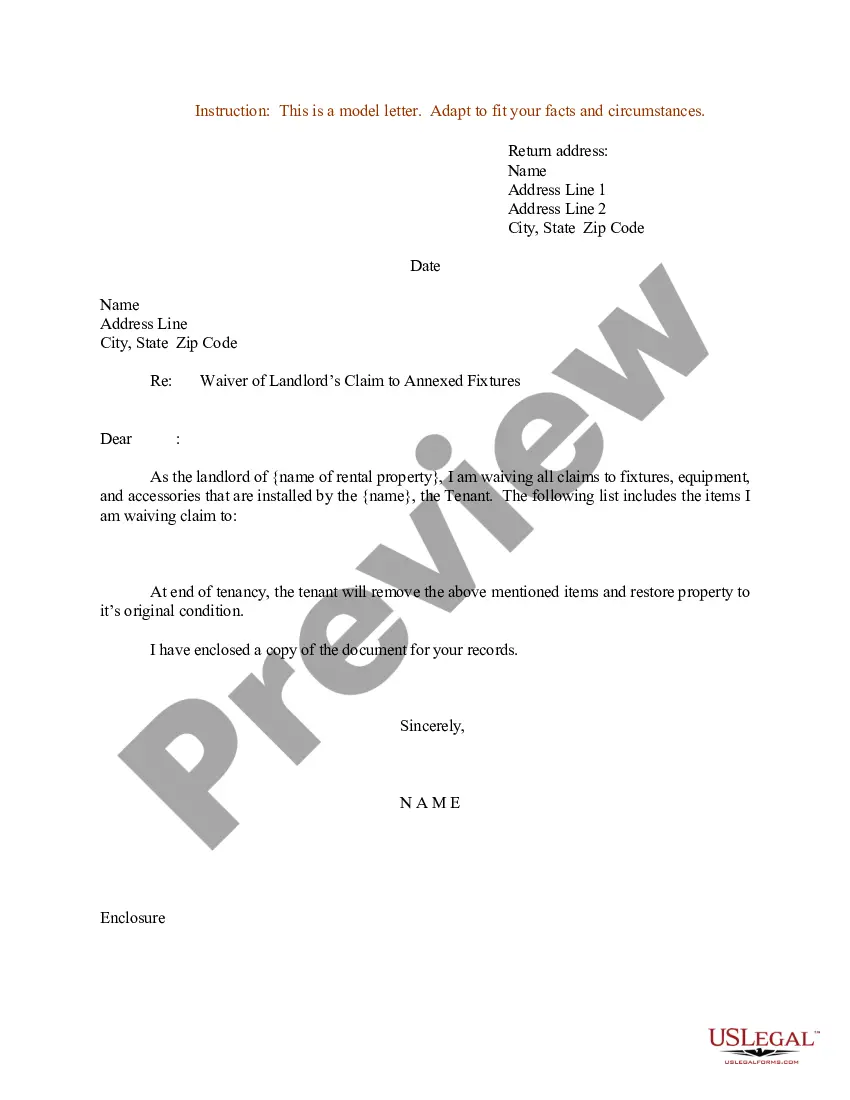
Virginia Letter from Tenant to Landlord containing Notice to Cease Unjustified Nonacceptance of Rent
What is this form?
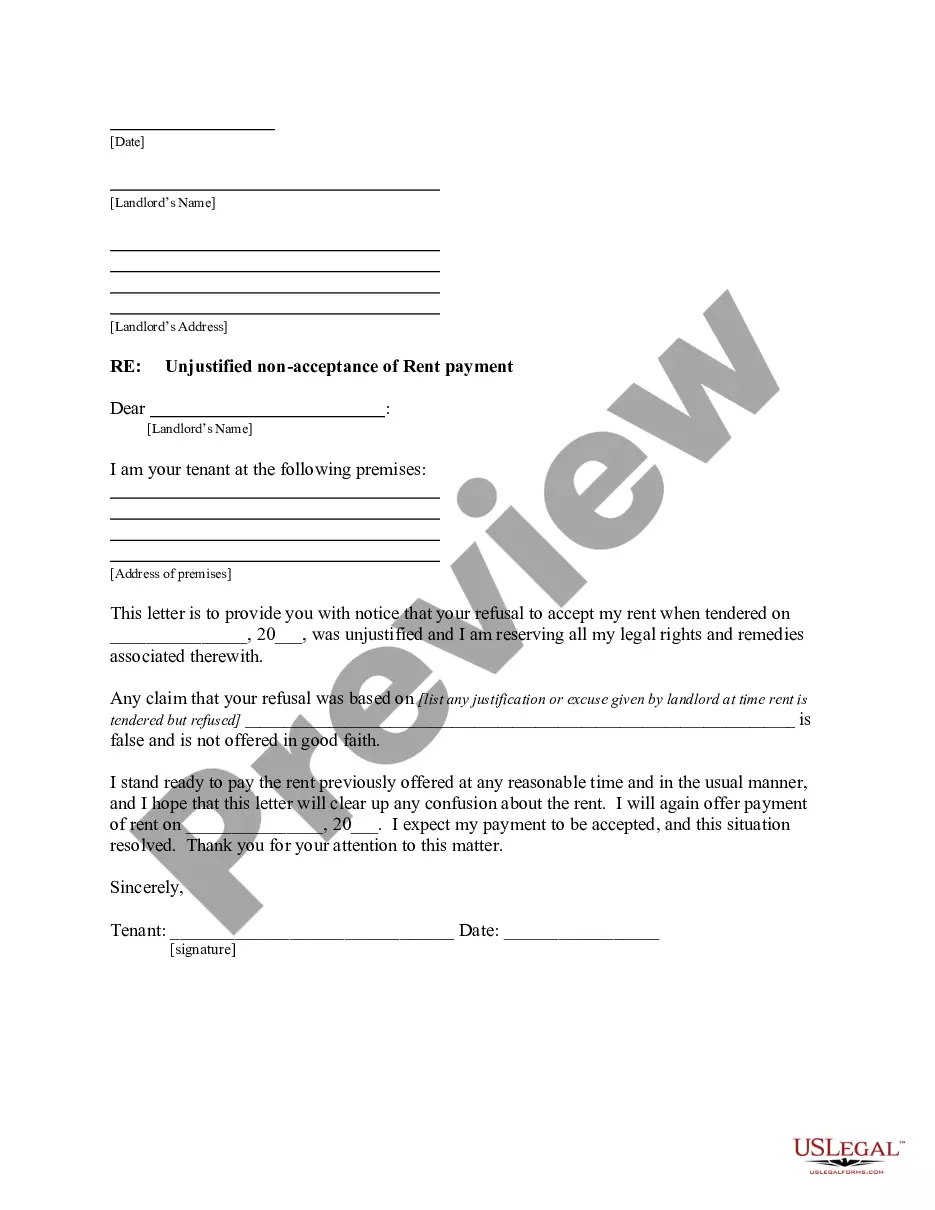
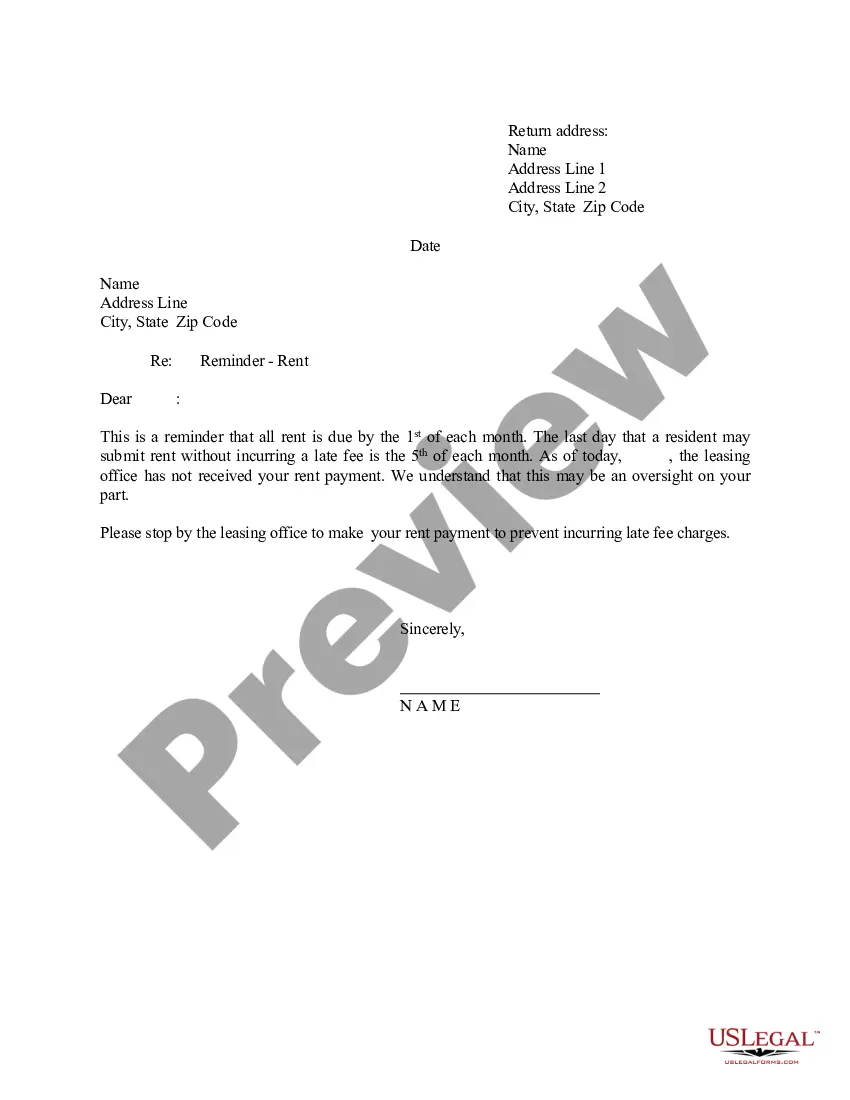
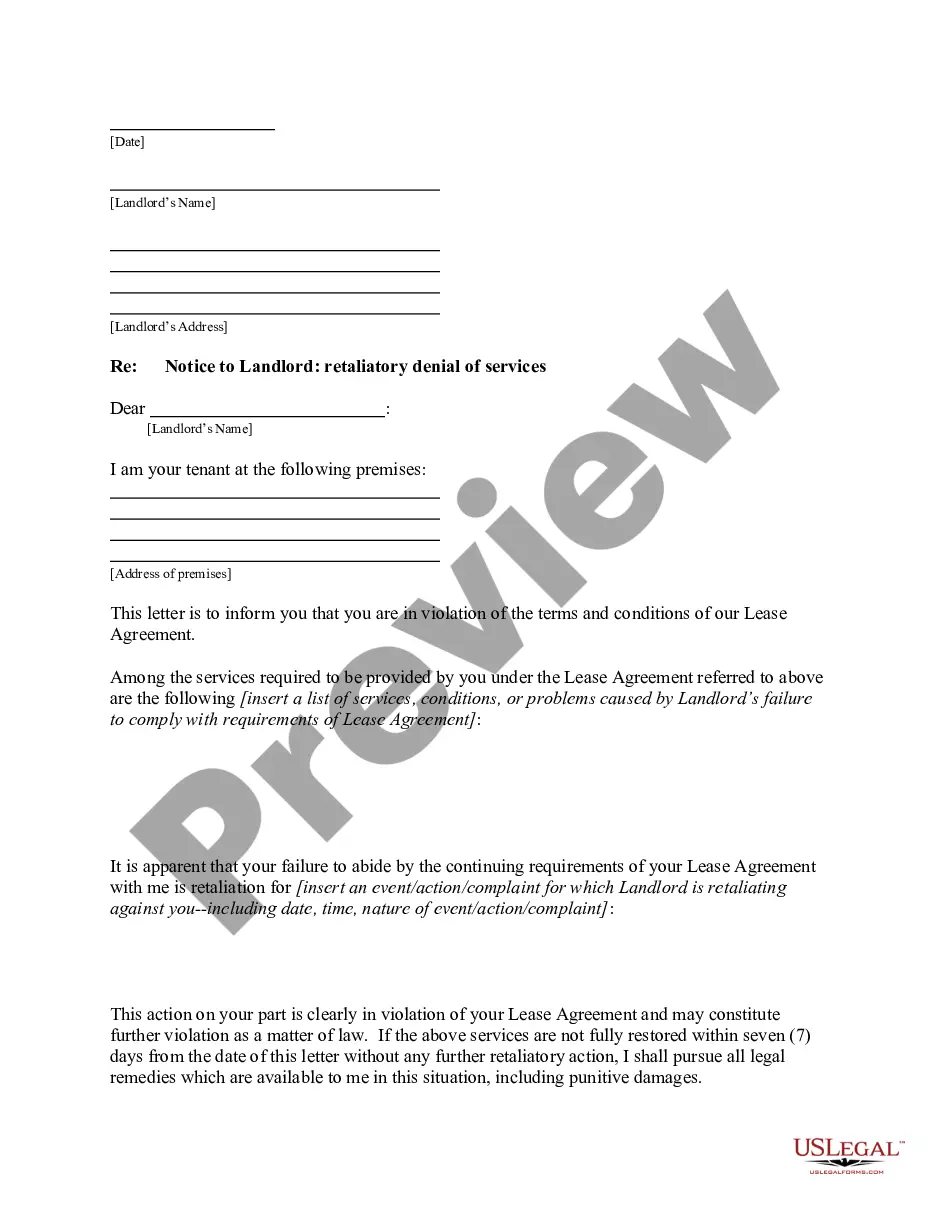
This form is a Letter from Tenant to Landlord containing Notice to Cease Unjustified Nonacceptance of Rent. It is specifically designed for tenants who wish to formally address a landlord's unjustified refusal to accept rent. By using this form, tenants can clarify their intent to pay rent and preserve their legal rights in case of a disagreement with their landlord.
Key components of this form
- Tenant's statement regarding the landlord's refusal to accept rent.
- Specific justification or excuse given by the landlord at the time of the refusal.
- Declaration of the tenant's readiness to pay the rent previously offered.
- Proposed date for the next payment attempt.
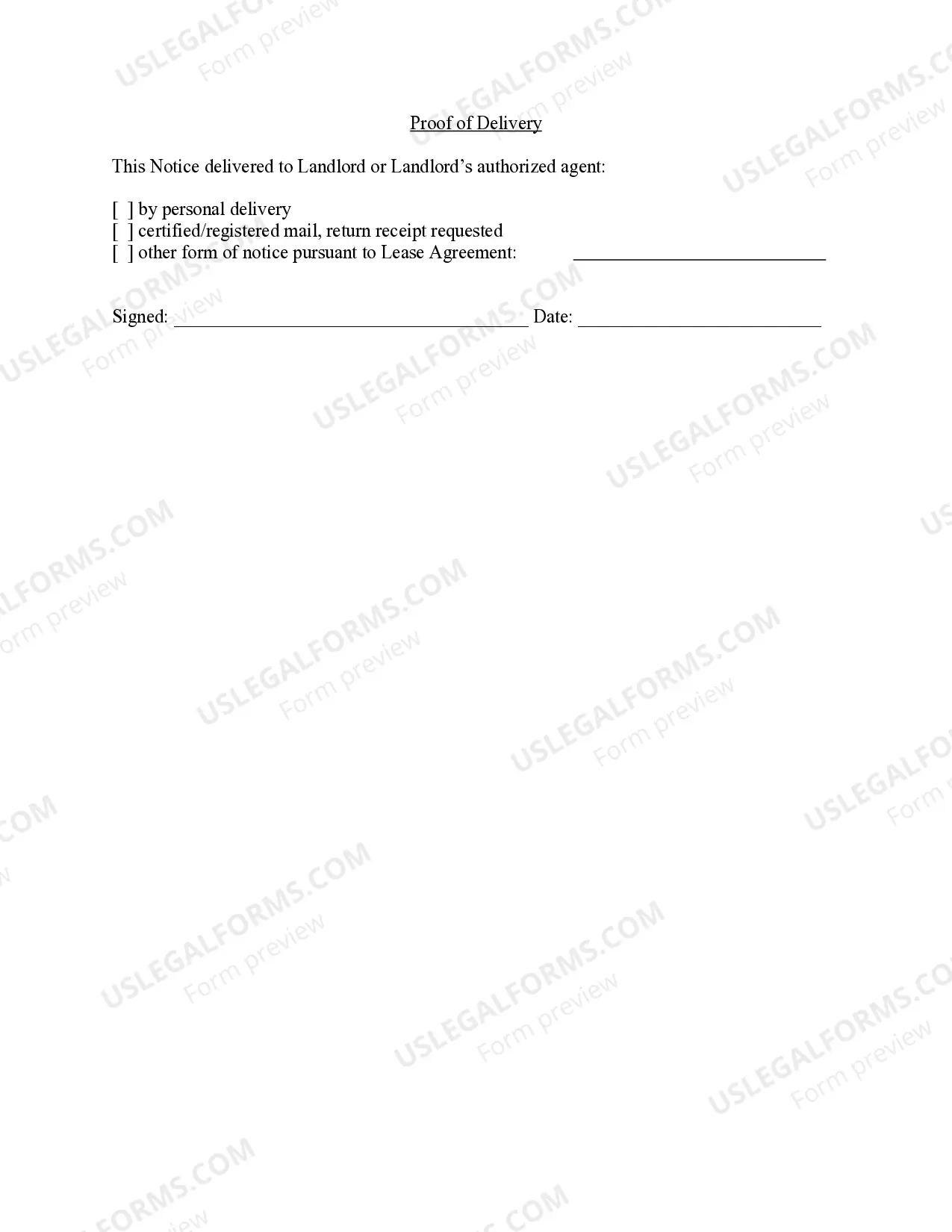
- Proof of delivery section to confirm that the notice was given to the landlord.


When to use this form
This form should be used when a tenant has attempted to pay rent, but the landlord has refused payment without a valid or legal reason. It serves as a notice to the landlord, indicating that the tenant seeks to fulfill their obligations and wishes to resolve the matter amicably while protecting their rights.
Who this form is for
- Tenants who have faced unjustified rent refusals from their landlords.
- Individuals seeking to document communication regarding rent payments.
- Anyone looking to preserve their legal rights related to rental agreements.
How to complete this form
- Identify the parties involved, including the tenant's and landlord's names and addresses.
- State the specific justification provided by the landlord for refusing rent.
- Indicate your readiness to pay the rent and specify a date for the next payment.
- Include your signature and date the letter.
- Complete the proof of delivery section to record how you delivered the notice to the landlord.
Does this document require notarization?
This form does not typically require notarization unless specified by local law. However, it is advisable to keep a copy for your records and ensure all parties have a clear understanding of the communications regarding rent payments.
Get your form ready online
Our built-in tools help you complete, sign, share, and store your documents in one place.
Make edits, fill in missing information, and update formatting in US Legal Forms—just like you would in MS Word.
Download a copy, print it, send it by email, or mail it via USPS—whatever works best for your next step.
Sign and collect signatures with our SignNow integration. Send to multiple recipients, set reminders, and more. Go Premium to unlock E-Sign.
If this form requires notarization, complete it online through a secure video call—no need to meet a notary in person or wait for an appointment.
We protect your documents and personal data by following strict security and privacy standards.

Make edits, fill in missing information, and update formatting in US Legal Forms—just like you would in MS Word.

Download a copy, print it, send it by email, or mail it via USPS—whatever works best for your next step.

Sign and collect signatures with our SignNow integration. Send to multiple recipients, set reminders, and more. Go Premium to unlock E-Sign.

If this form requires notarization, complete it online through a secure video call—no need to meet a notary in person or wait for an appointment.

We protect your documents and personal data by following strict security and privacy standards.
Mistakes to watch out for
- Failing to specify the date of the next payment attempt.
- Not clearly stating the unjustified reason given for the refusal of rent.
- Omitting proof of delivery, which is essential for legal documentation.
Why complete this form online
- Easy to fill out and customize according to your situation.
- Instant availability reduces delays in communication with your landlord.
- Access to professionally drafted templates ensures legal compliance.
- This notice serves as an official documentation of the tenant's efforts to pay rent.
- A properly completed form can support the tenant's legal standing in disputes.
- Failure to address unjustified nonacceptance may risk eviction or other legal consequences.
Main things to remember
- The letter serves to address unjustified rent refusals and maintain tenant rights.
- Be sure to document all communication regarding rental payments.
- Follow state-specific requirements to ensure the letter's effectiveness.
Looking for another form?




Form popularity
FAQ
Virginia is a moderately landlord-friendly state as there is no rent control and landlords have a large amount of freedom when picking tenants.
This notice will inform the tenant that the tenant has 21 days to either remedy the violation or move out of the rental unit. If the tenant does not remedy the violation or move, then the landlord can file an eviction lawsuit against the tenant at the end of the 30 days. (Va. Code Ann.
TERMINATING OR ENDING YOUR TENANCY If you have no written lease and you pay rent by the month, the tenancy can be terminated by either you or the landlord for any reason or no reason at all, by giving at least 30 days written notice before the next rental due date.
If any of these conditions exists, the Tenant should take immediate action to preserve his or her rights. But, under Virginia law, a Tenant may not immediately withhold rent until giving the Landlord an opportunity to correct the condition.
NOTE: Under Virginia law, if you do not have a lease, and you do not pay rent, you are considered a tenant at sufferance. This means you can be evicted for any reason at all, at any time, and no notice needs to be given to you.
Virginia residents do not have the right to withhold rent from the landlord, but for properties that do not meet health or safety standards or for material breaches of the lease agreement, tenants are able to take specific steps and then pay their rent into the court's escrow account instead of the landlord.
How Much can a landlord raise the rent? There is no rent control in Virginia. Therefore, there is no limit on rent increases a landlord can impose, but they must give a 30-day written notice of the increase. If a tenant objects to the new rent amount, they have the right to vacate the unit within that 30-day period.
As a renter in Virginia, you have legal protections under the Virginia Residential Landlord and Tenant Act (VRLTA) that include the right to: A fair application fee. A fair security deposit. A decent and safe place to live.