Virginia Bill of Sale for Automobile or Vehicle including Odometer Statement and Promissory Note
What this document covers
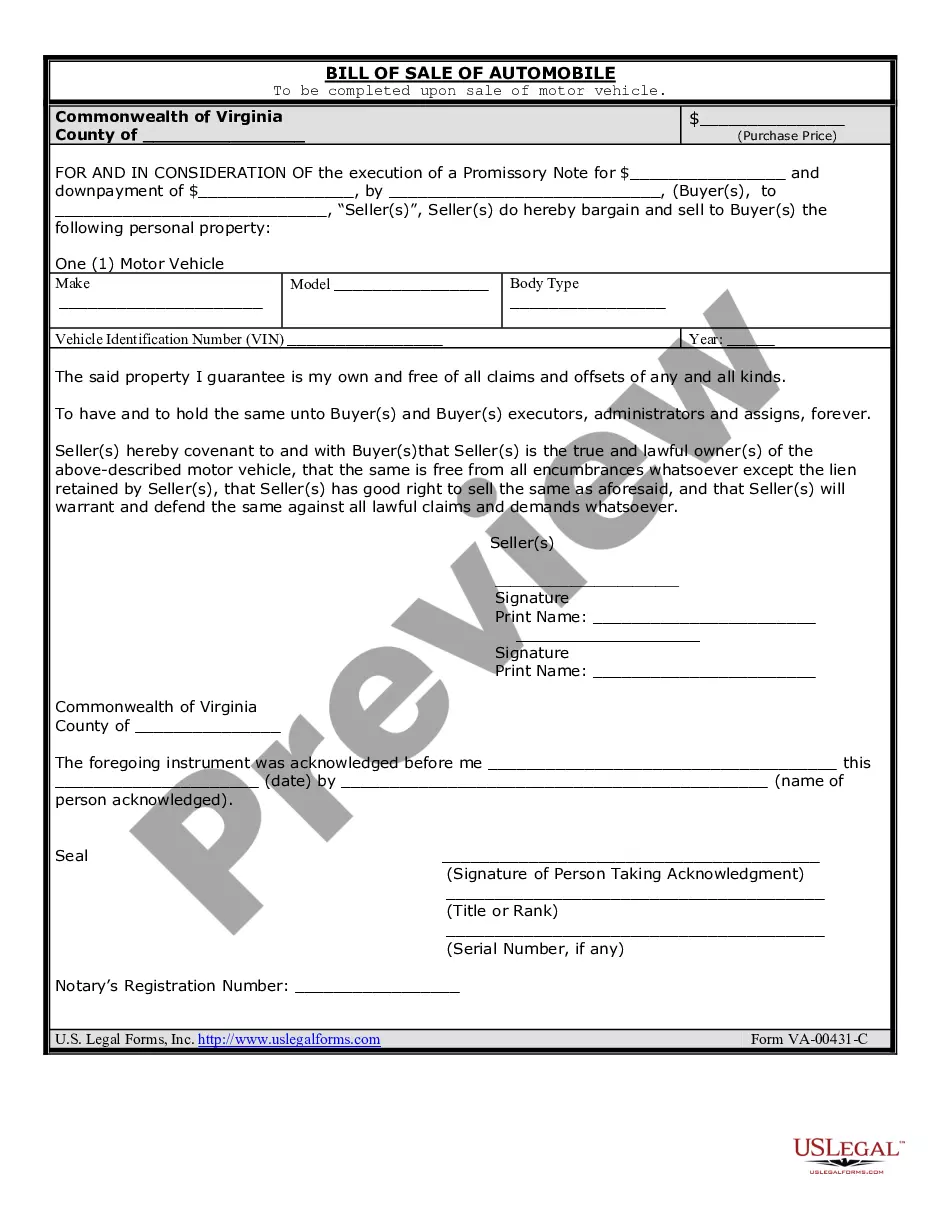
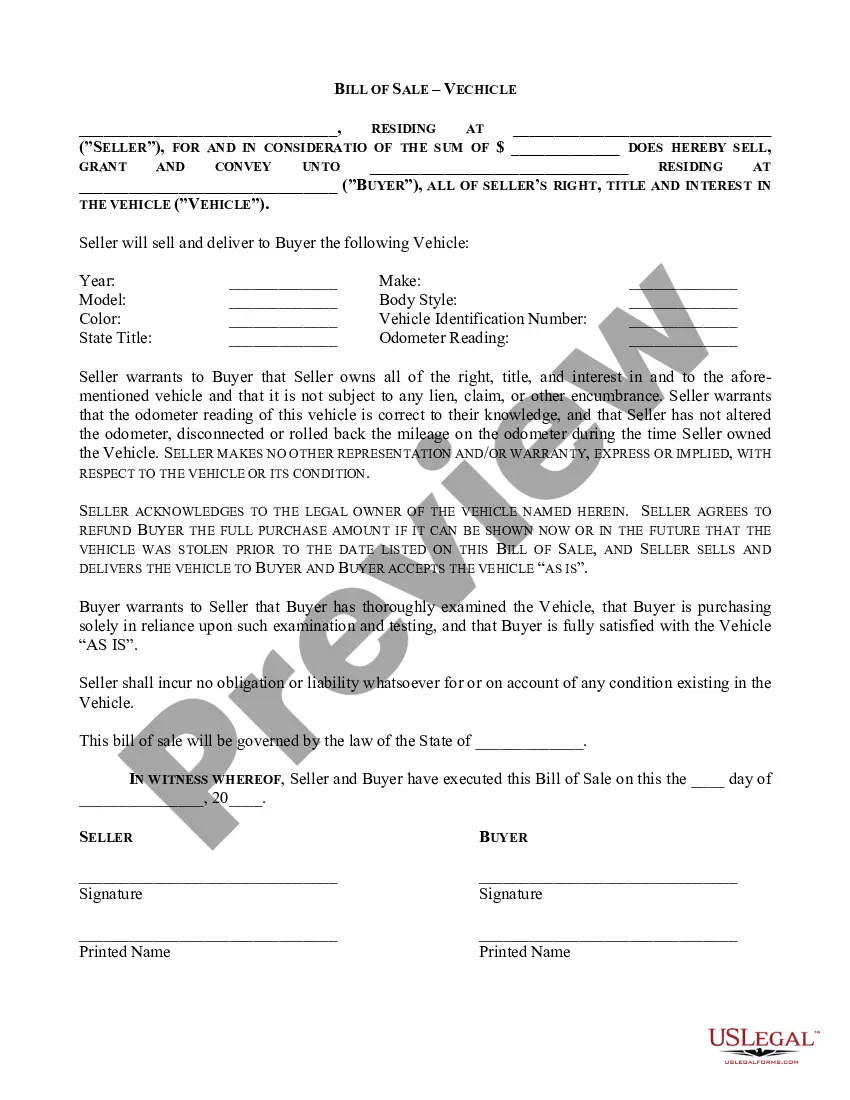
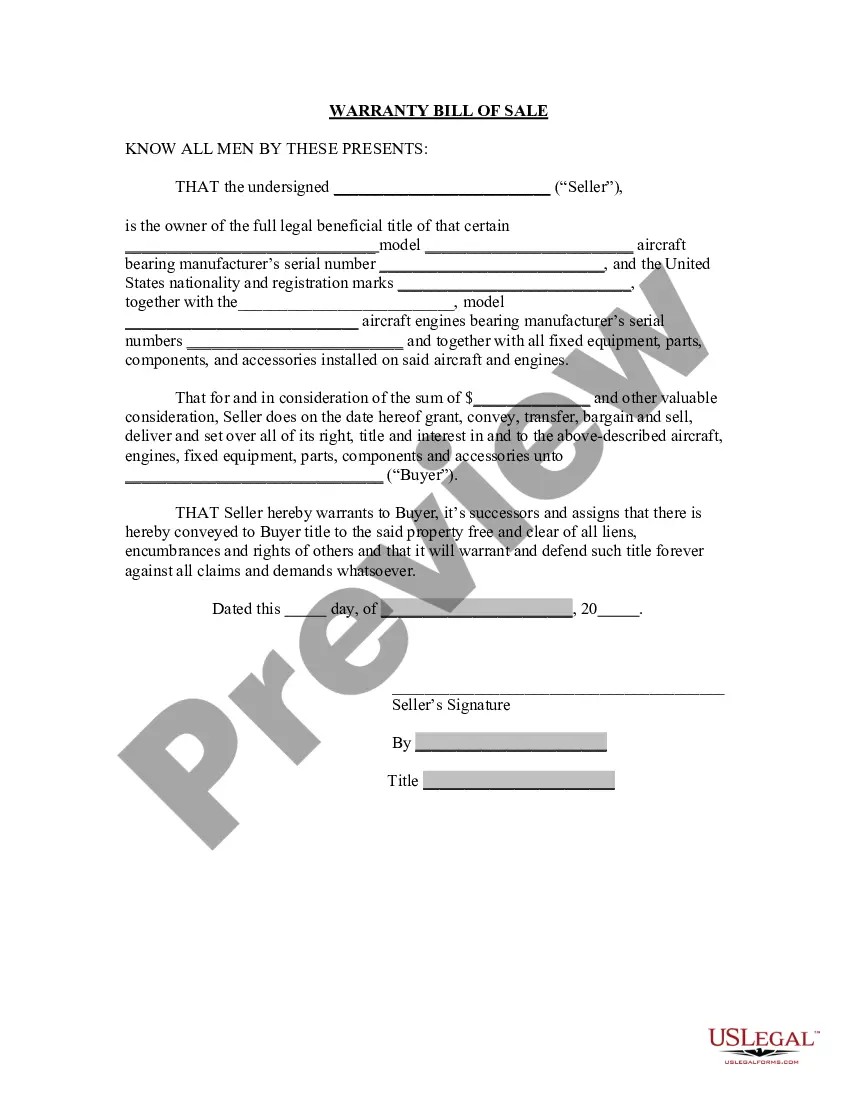
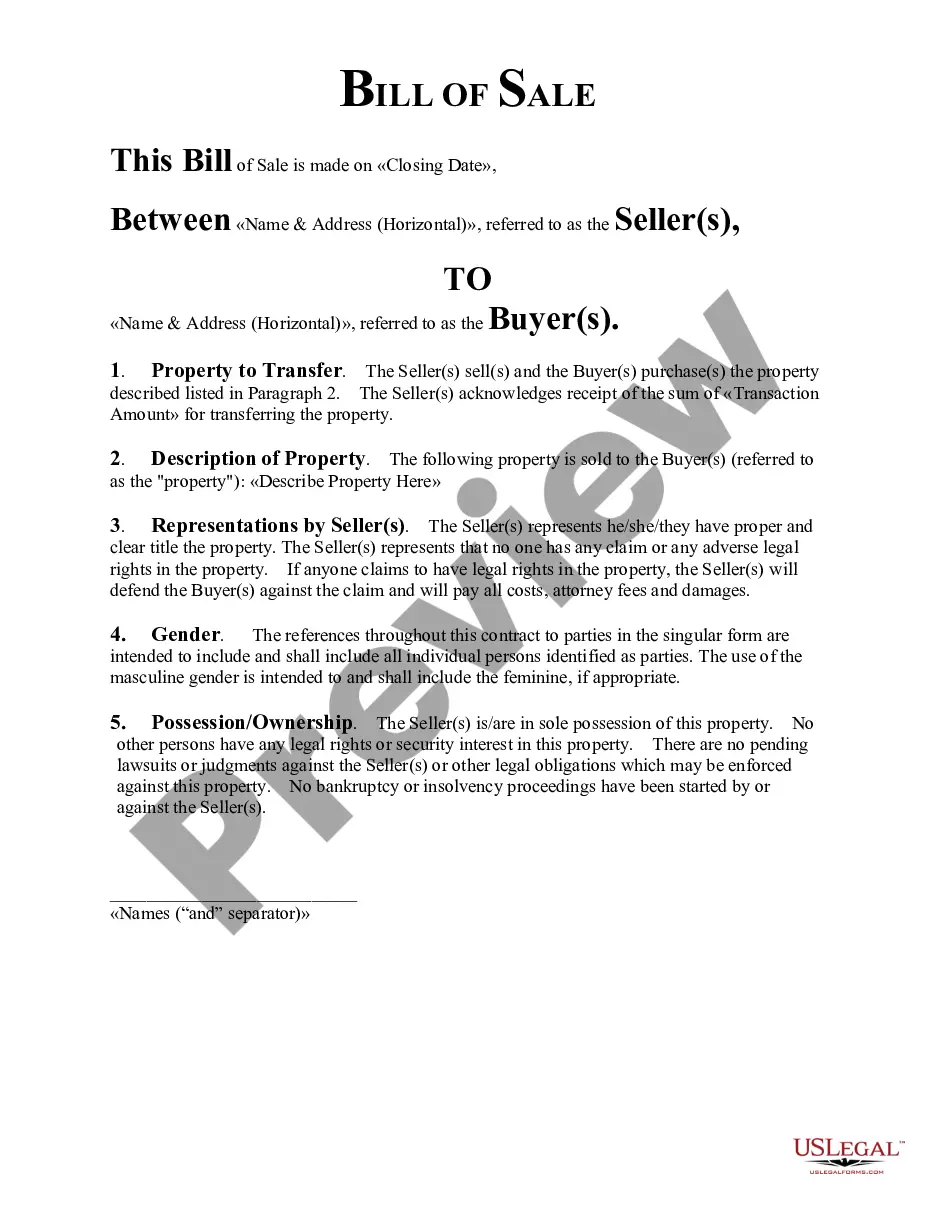
This Bill of Sale for Automobile or Vehicle, including Odometer Statement and Promissory Note, is a legal document used to transfer ownership of a vehicle from the seller to the buyer. This form is essential when the buyer makes a downpayment and agrees to pay the remaining balance over time through a promissory note. The odometer statement included ensures transparency about the vehicle's mileage at the time of sale, making it a comprehensive package for any automotive transaction.
Key components of this form
- BILL OF SALE section detailing the vehicle's information and the purchase agreement.
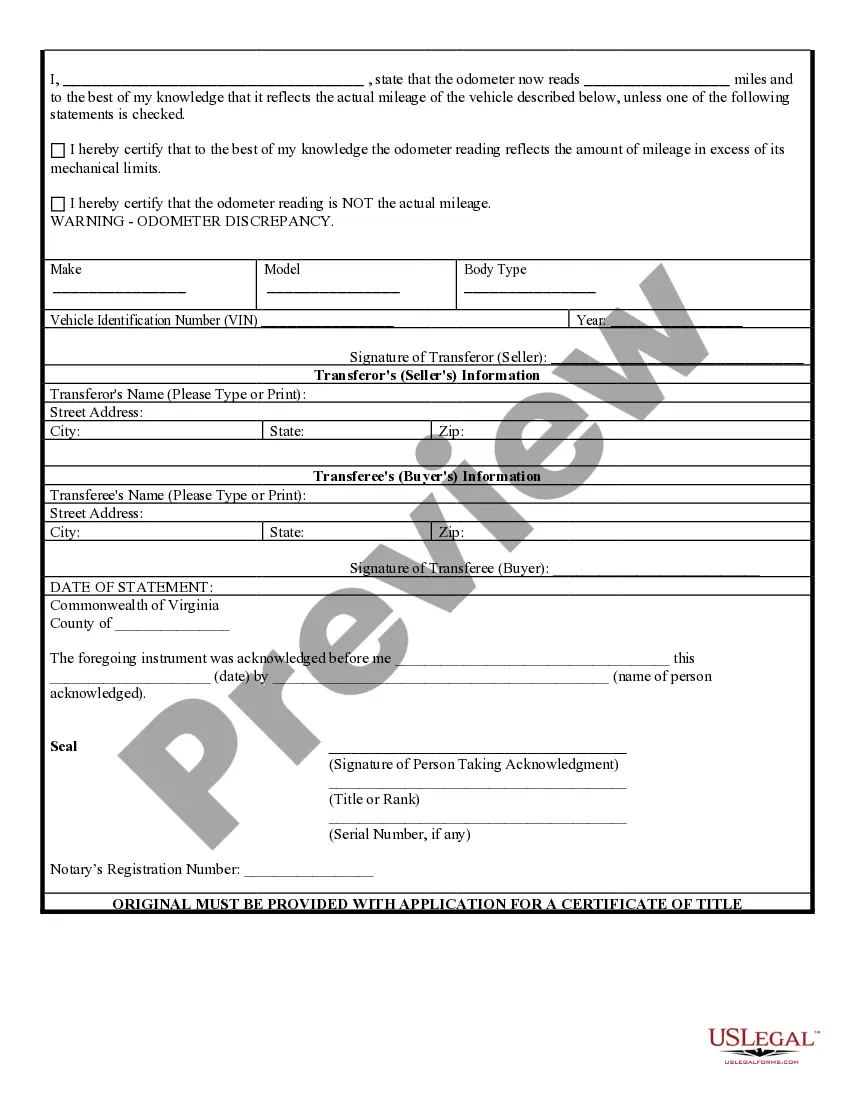
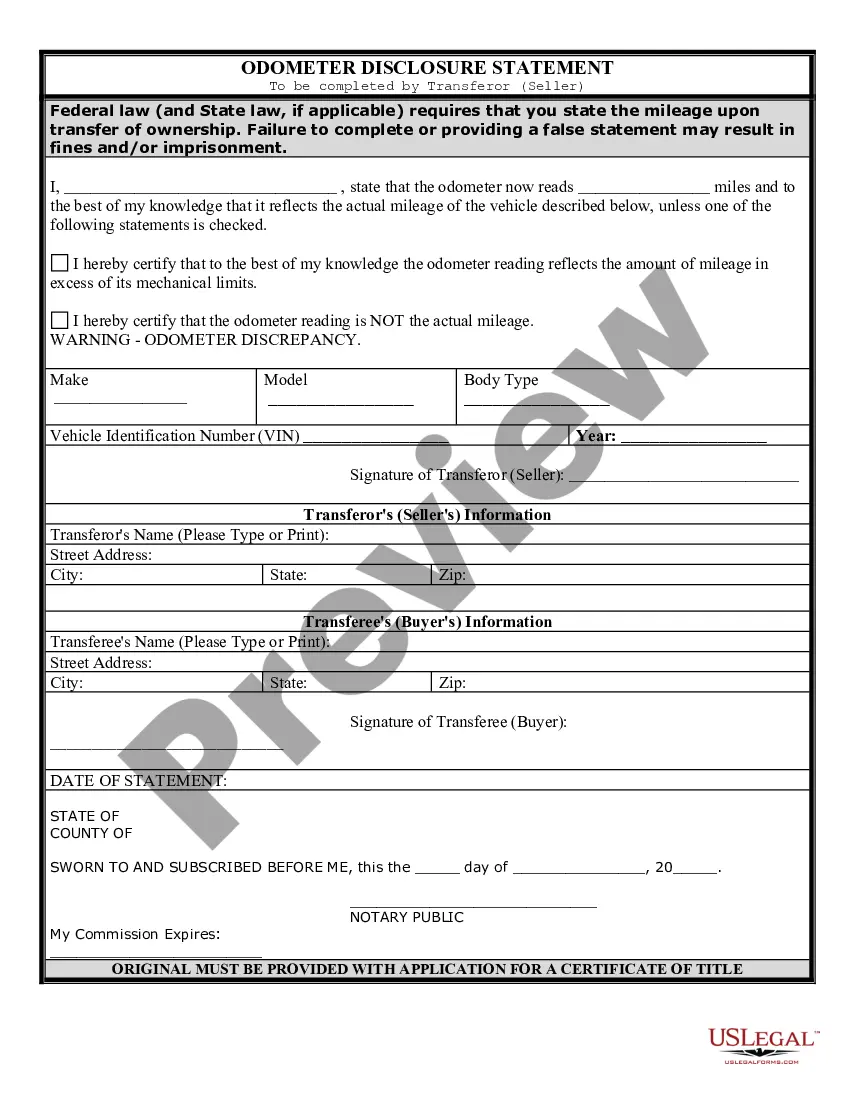
- ODOMETER DISCLOSURE STATEMENT confirming the vehicle's mileage to comply with federal and state laws.
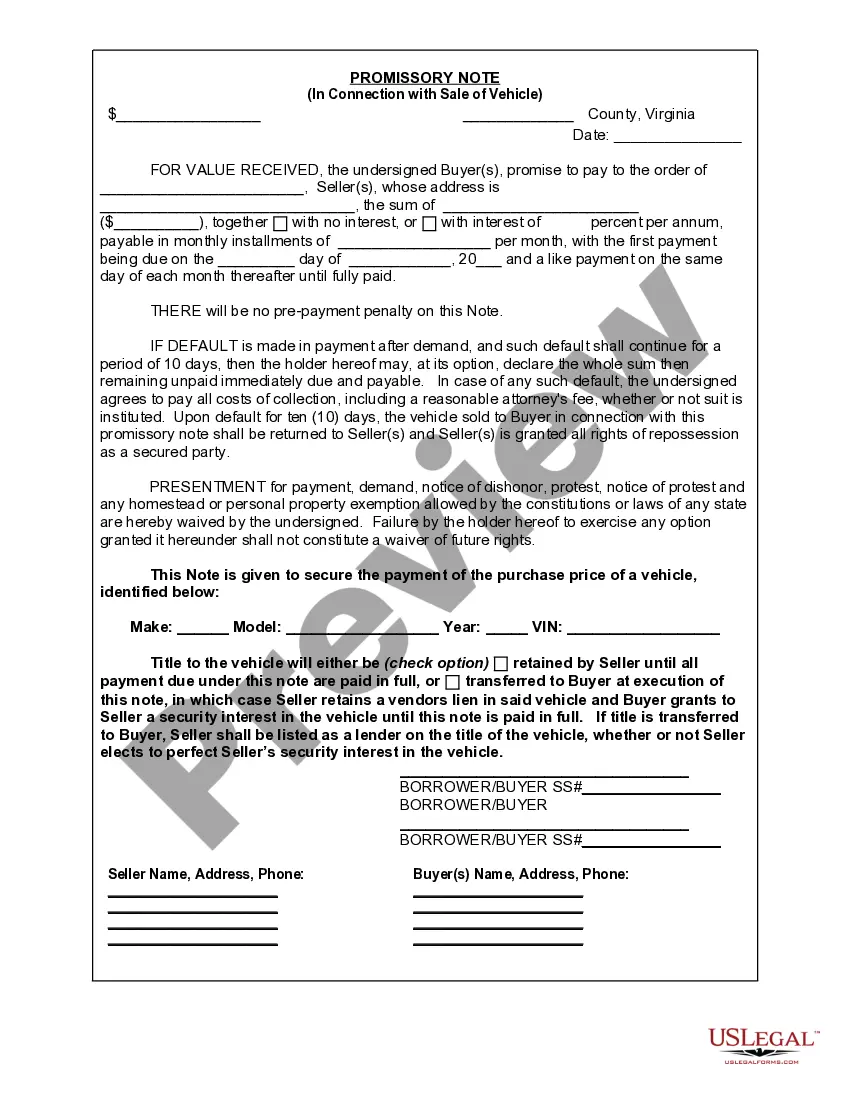
- PROMISSORY NOTE outlining the payment terms and conditions if the buyer is financing part of the purchase price.
- Signatures of the buyer and seller, indicating consent and agreement to the terms.
- Notary acknowledgment, adding legal validation to the document.
Situations where this form applies
This form should be used when selling or purchasing a motor vehicle, especially when the buyer is unable to pay the full purchase price upfront. It is particularly useful in situations where a downpayment is made, and the remaining balance is financed through a promissory note. Additionally, it is vital when there is a need to officially document the odometer reading at the time of the sale, complying with legal requirements.
Who should use this form
- Individuals or entities looking to sell a vehicle.
- Buyers who intend to purchase a vehicle and need to document the sale.
- Parties involved in a financed vehicle sale, where payment is made in installments.
- Anyone needing to provide an official statement of odometer reading to comply with legal obligations.
Steps to complete this form
- Identify the parties involved: Enter the names of the seller(s) and buyer(s).
- Specify the property: Fill in the details of the vehicle, including make, model, year, and VIN.
- Enter the purchase price: Include both the downpayment and the total financing amount in the appropriate sections.
- Complete the odometer disclosure: State the current odometer reading and certify its accuracy.
- Sign and date the document: Ensure all parties sign in the presence of a notary if required.
Notarization requirements for this form
Yes, this form must be notarized to be legally valid. Having a notary public witness and sign the document enhances its authenticity and can protect against potential disputes. U.S. Legal Forms provides options for integrated online notarization, allowing for secure and legally recognized notarization via video call at your convenience.
Get your form ready online
Our built-in tools help you complete, sign, share, and store your documents in one place.
Make edits, fill in missing information, and update formatting in US Legal Forms—just like you would in MS Word.
Download a copy, print it, send it by email, or mail it via USPS—whatever works best for your next step.
Sign and collect signatures with our SignNow integration. Send to multiple recipients, set reminders, and more. Go Premium to unlock E-Sign.
If this form requires notarization, complete it online through a secure video call—no need to meet a notary in person or wait for an appointment.
We protect your documents and personal data by following strict security and privacy standards.

Make edits, fill in missing information, and update formatting in US Legal Forms—just like you would in MS Word.

Download a copy, print it, send it by email, or mail it via USPS—whatever works best for your next step.

Sign and collect signatures with our SignNow integration. Send to multiple recipients, set reminders, and more. Go Premium to unlock E-Sign.

If this form requires notarization, complete it online through a secure video call—no need to meet a notary in person or wait for an appointment.

We protect your documents and personal data by following strict security and privacy standards.
Avoid these common issues
- Failing to accurately record the odometer reading.
- Not having the document notarized when required.
- Leaving sections incomplete, which can lead to disputes later on.
- Ignoring local laws that may affect the sale and documentation.
Advantages of online completion
- Convenient access to legal forms that can be completed at your own pace.
- Editable templates that allow you to customize information as needed.
- Reliable, professionally drafted content ensures legal compliance.
Legal use & context
- This Bill of Sale acts as a legal record of the vehicle transfer, protecting the interests of both buyer and seller.
- It is enforceable in court, provided that it is completed accurately and notarized when required.
- Failure to complete the form or inaccuracies can lead to disputes or legal complications in the future.
Key takeaways
- Always use the Bill of Sale for transactions involving vehicles to ensure legal clarity.
- Accurate odometer disclosures are not only a requirement but also protect against potential fraud.
- Notarization adds necessary legitimacy to the vehicle sale, safeguarding both parties.
Looking for another form?

Form popularity
FAQ
In Virginia, a bill of sale is not necessarily required. However, the state DMV does provide the Vehicle Price Certification, or Form SUT 1, to provide the requisite proof of purchase price necessary to register and title a vehicle that is over 5 years old.
Photo ID. bill of sale. Proof of insurance. Inspection Certificate. A title signed over to you. Proof of residency that matches your ID. Be prepared to pay all titling and/or registration fees.
Is a bill of sale required in California? While a bill of sale is not a legal requirement in California, it's a good idea to have one if you sell or purchase a vehicle. There is no specific form required, but the California Department of Motor Vehicles (DMV) has a bill of sale form.
Alabama. Arkansas. Colorado. Connecticut. Hawaii. Idaho. Maine. Nebraska.
Can a Bill of Sale Be Handwritten? A bill of sale is a legal document that verifies you have sold your car and provides basic information about the vehicle or any other item and the terms of the sale.As, with any legal written document a bill of sale can be handwritten.
The full names and contact information of the buyer and seller. A statement that transfers ownership of the item from the seller to the buyer. A complete description of the item being purchased. A clause indicating the item is sold "as-is"
Louisiana. Maryland. Nebraska. New Hampshire. West Virginia. Montana.
Sign your vehicle title over to the buyer/recipient. Hand over the title to the buyer / recipient. Remove your license plates from the vehicle. Notify DMV that you have sold, traded or donated the vehicle. Notify the insurance company that you sold, traded or donated the vehicle.
An original copy of a sales contract, or proof of purchase, which could be a letter, bill of sale, receipt, or tax invoice, showing the seller's details, the buyer's details, the date of the sale, the selling price or market value of the car, whichever is higher, and the car's registration and VIN numbers.