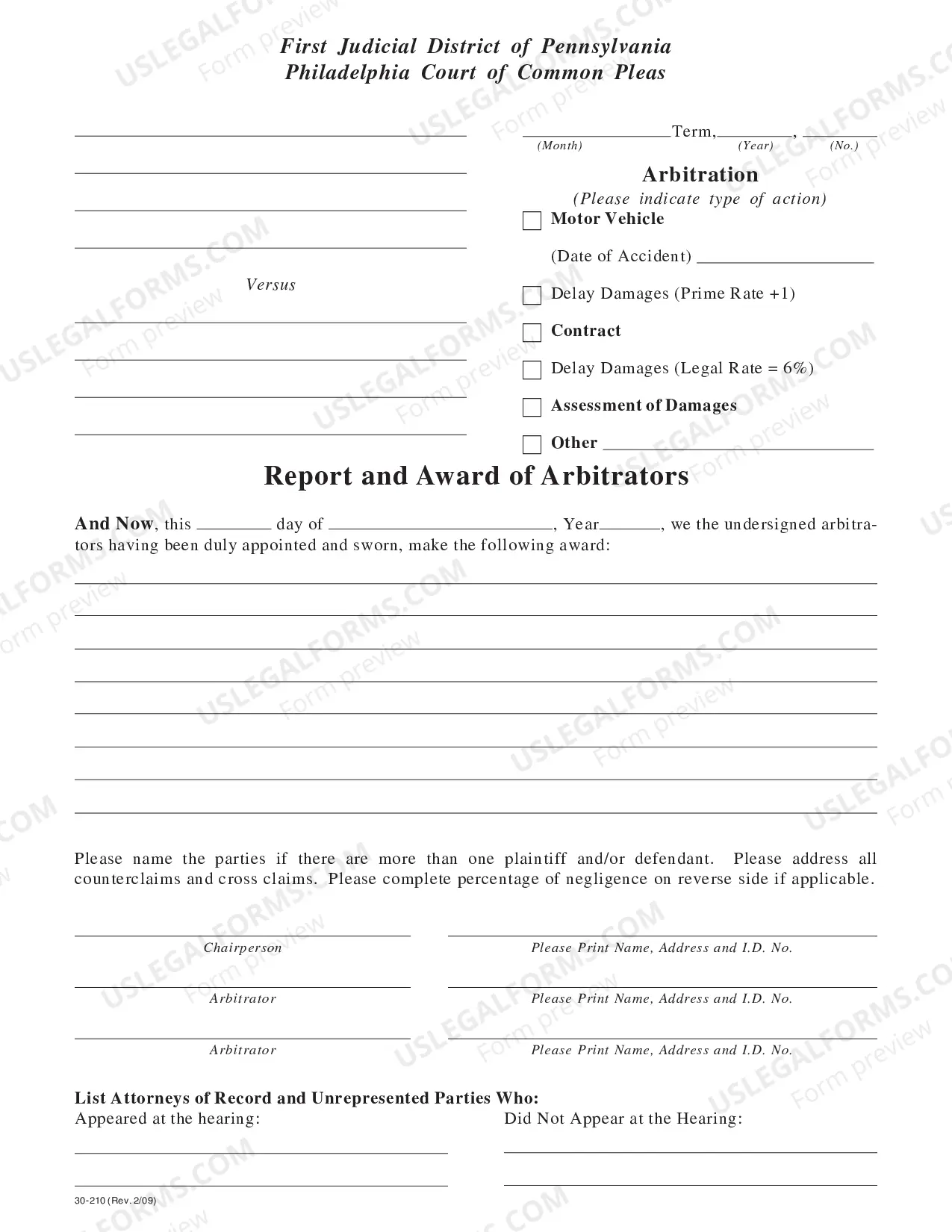
Complaint regarding Negligent Supervision of Minor Child
About this form
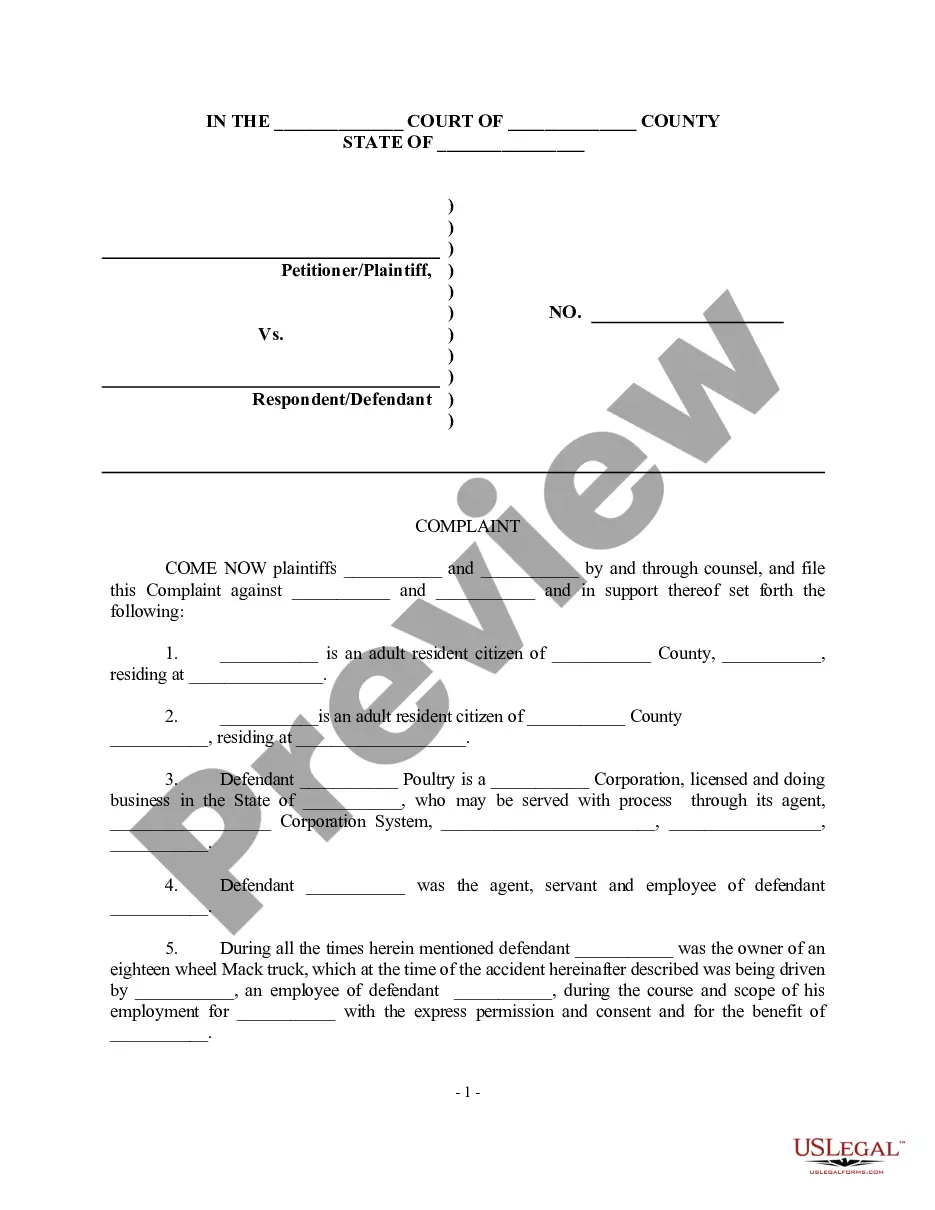
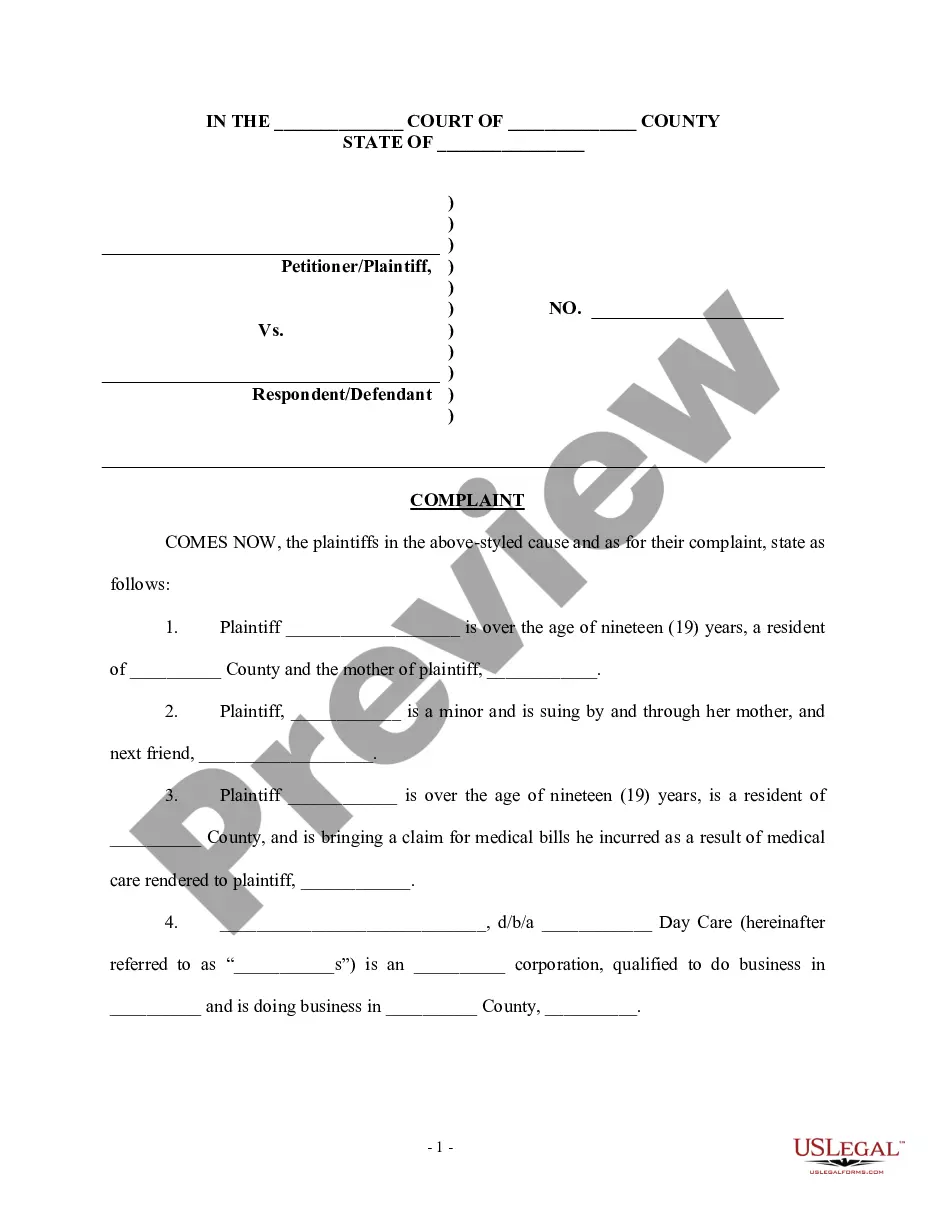
The Complaint regarding Negligent Supervision of Minor Child is a legal document used to assert a claim against an individual for failing to provide proper care and supervision of a minor, resulting in injury to the child. This form specifically addresses situations where the child's injuries were caused by negligence during supervision, as opposed to general personal injury claims. Utilizing this form helps victims and their families seek compensation for damages incurred due to such negligence.
Form components explained
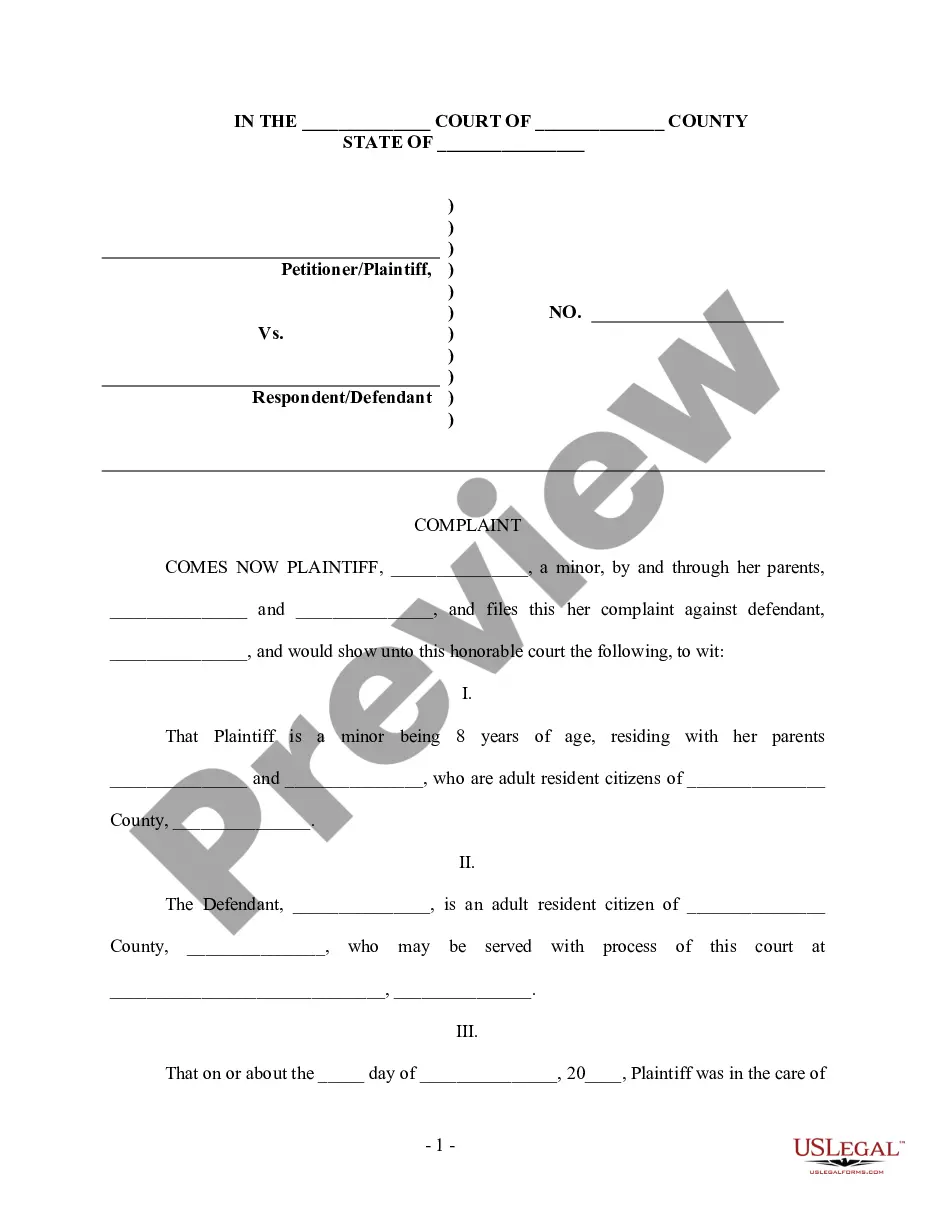
- Identification of the minor plaintiff and their parents or guardians.
- Details of the defendant's identity and residence.
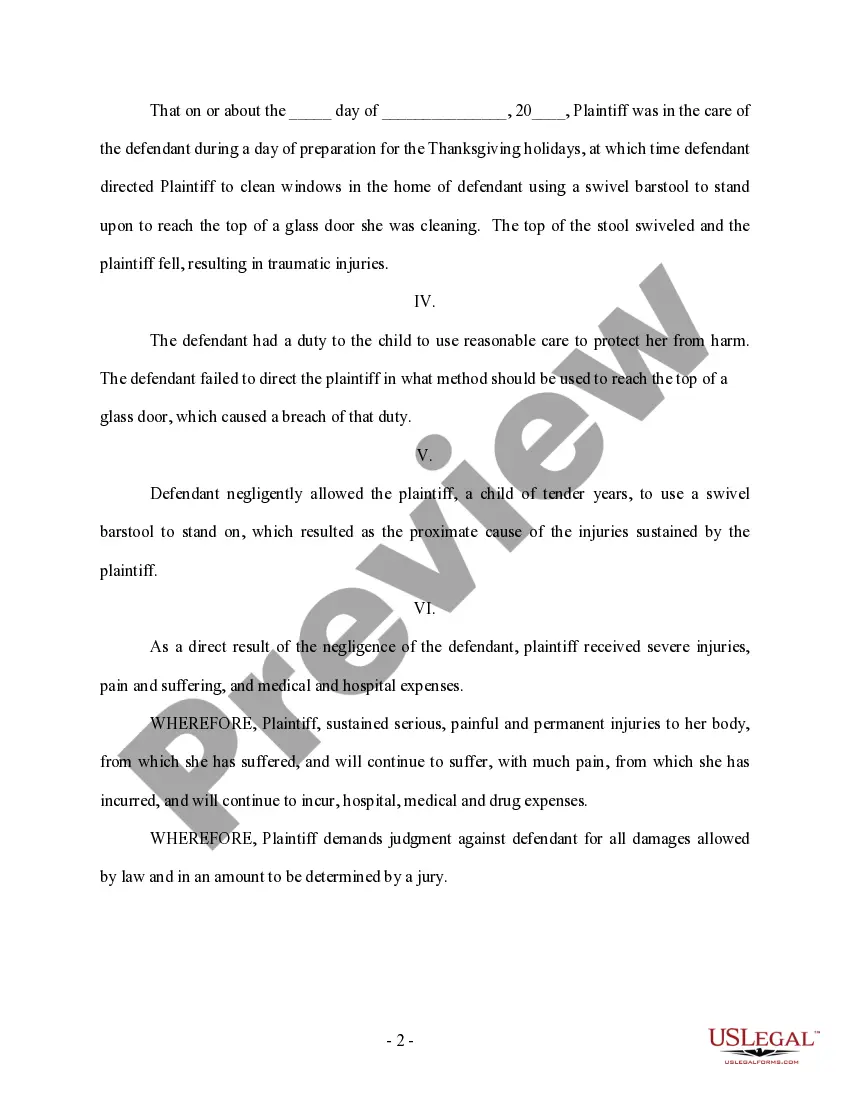
- Incident description outlining the negligence and resulting injuries.
- Assertion of the defendant's duty to the minor and breach of that duty.
- Statement of damages including medical expenses and suffering conducted by the plaintiff.
- Request for judgment against the defendant for damages.


Situations where this form applies
This form is typically used when a minor has been injured due to the negligent supervision of an adult, such as a caregiver or teacher. For instance, if a child is instructed to use unsafe equipment or is left unsupervised in a hazardous situation, and as a result sustains injuries. It can also be used when seeking compensation for medical expenses, pain, and suffering that arises from such negligence.
Who this form is for
- Parents or guardians of minors who have been harmed due to negligence.
- Individuals seeking to claim damages for injuries sustained by minor children.
- Legal representatives acting on behalf of injured minors.
Steps to complete this form
- Identify the minor plaintiff's name, age, and residence along with the names of their parents.
- Fill in the defendant's name and address where legal notices can be sent.
- Describe the incident in detail, including the date, location, and actions taken by the defendant.
- State clearly how the defendant's actions constituted negligence and resulted in injury.
- Specify the damages incurred, including any medical expenses and ongoing impacts on the childâs well-being.
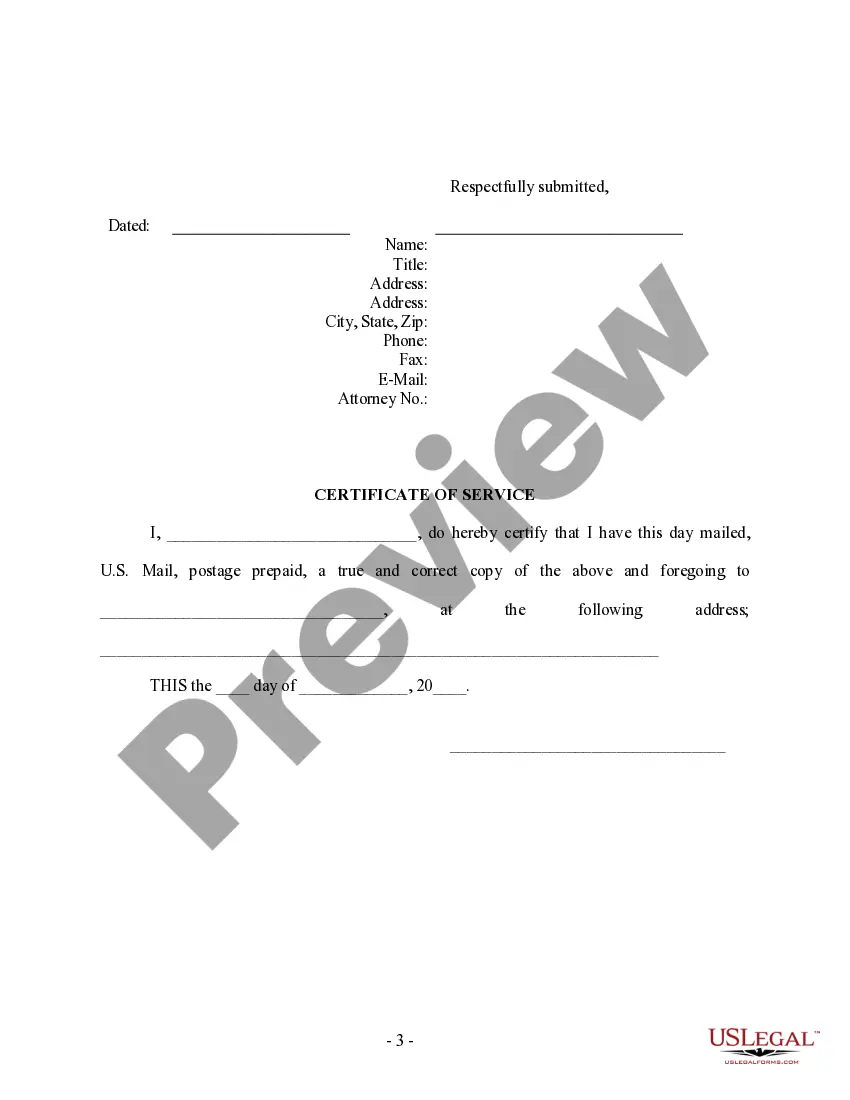
- Sign and date the form where required, ensuring all information is accurate and complete.
Notarization requirements for this form
This form does not typically require notarization unless specified by local law. However, obtaining a notary's signature can add credibility to the document, depending on the jurisdiction in which it is filed.
Get your form ready online
Our built-in tools help you complete, sign, share, and store your documents in one place.
Make edits, fill in missing information, and update formatting in US Legal Forms—just like you would in MS Word.
Download a copy, print it, send it by email, or mail it via USPS—whatever works best for your next step.
Sign and collect signatures with our SignNow integration. Send to multiple recipients, set reminders, and more. Go Premium to unlock E-Sign.
If this form requires notarization, complete it online through a secure video call—no need to meet a notary in person or wait for an appointment.
We protect your documents and personal data by following strict security and privacy standards.

Make edits, fill in missing information, and update formatting in US Legal Forms—just like you would in MS Word.

Download a copy, print it, send it by email, or mail it via USPS—whatever works best for your next step.

Sign and collect signatures with our SignNow integration. Send to multiple recipients, set reminders, and more. Go Premium to unlock E-Sign.

If this form requires notarization, complete it online through a secure video call—no need to meet a notary in person or wait for an appointment.

We protect your documents and personal data by following strict security and privacy standards.
Mistakes to watch out for
- Failing to provide complete and accurate details of the incident.
- Not including all relevant medical expenses and damages.
- Neglecting to properly identify the parties involved.
- Inadequately describing the defendant's negligent actions.
Benefits of using this form online
- Convenience of downloading and filling out from home.
- Editability allows users to customize the form as needed.
- Access to forms prepared by licensed attorneys ensures reliability.
Legal use & context
- This form initiates legal action for injuries resulting from negligence, specifically related to minor children.
- It is important to understand the legal responsibilities of guardians or caretakers in supervision cases.
- Filing this complaint may lead to a jury trial where damages can be assessed based on injury severity and associated losses.
Summary of main points
- The Complaint regarding Negligent Supervision of Minor Child addresses injuries due to negligence by an adult caretaker.
- Accurate completion of the form is critical for a successful legal claim.
- Understanding your rights and legal obligations is essential when navigating personal injury cases involving minors.
Looking for another form?

Form popularity
FAQ
The Complaint regarding Negligent Supervision of Minor Child is a civil claim alleging that an adult failed to properly supervise a minor, causing injury. It targets negligence in supervision rather than general personal injury. Use this form to identify the minor and guardians, describe the incident, state the duty and breach, list damages (medical expenses and suffering), and seek judgment for those damages.
An example is leaving a child unsupervised near dangerous equipment or in a hazardous setting that leads to injury. With this form, you would document such a scenario by identifying the minor and guardians, naming the defendant, describing how supervision failed and the resulting injuries, and then itemizing medical expenses, pain and suffering, and other damages to request judgment.
Improper supervision means a caregiver failed to exercise reasonable care to supervise and protect the child, resulting in harm. This form requires tying that failure to the incident description and to the damages claimed, including medical expenses and suffering, while identifying the defendant and the minor’s guardians.
The form requires: identify the minor plaintiff and their parents or guardians; name the defendant and their residence; describe the negligent incident and resulting injuries; state the duty owed to the minor and the breach of that duty; itemize damages (medical expenses and pain and suffering); and request judgment for those damages.
Parents or guardians of harmed minors, individuals seeking damages for injuries to minor children, and legal representatives acting on behalf of injured minors should use this form.
This form specifically targets negligent supervision of a minor and includes identifying the minor and guardians, detailing the supervision failure, and claiming damages tied to that supervision, in a multi-state context. It differs from a general negligence complaint by focusing on supervision duties to a minor rather than broad personal injury claims.