Personal Injury - Order Dismissing Cause Without Prejudice
Overview of this form
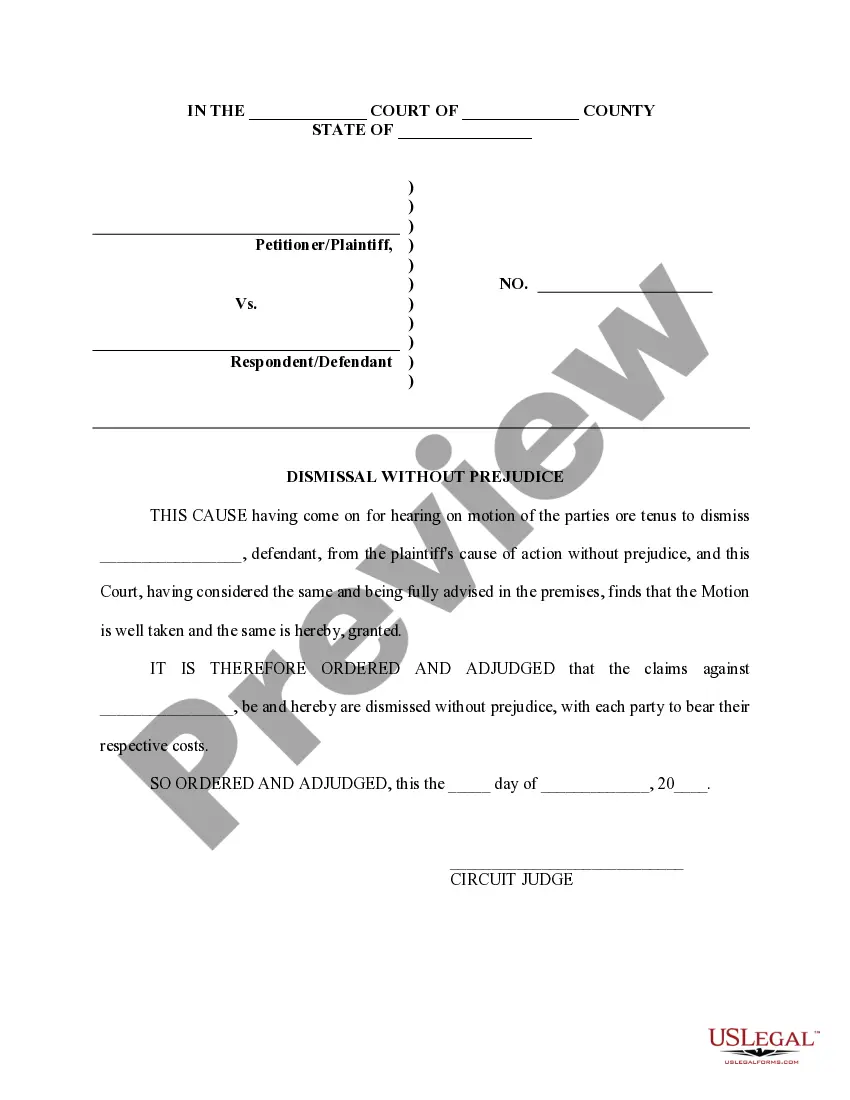
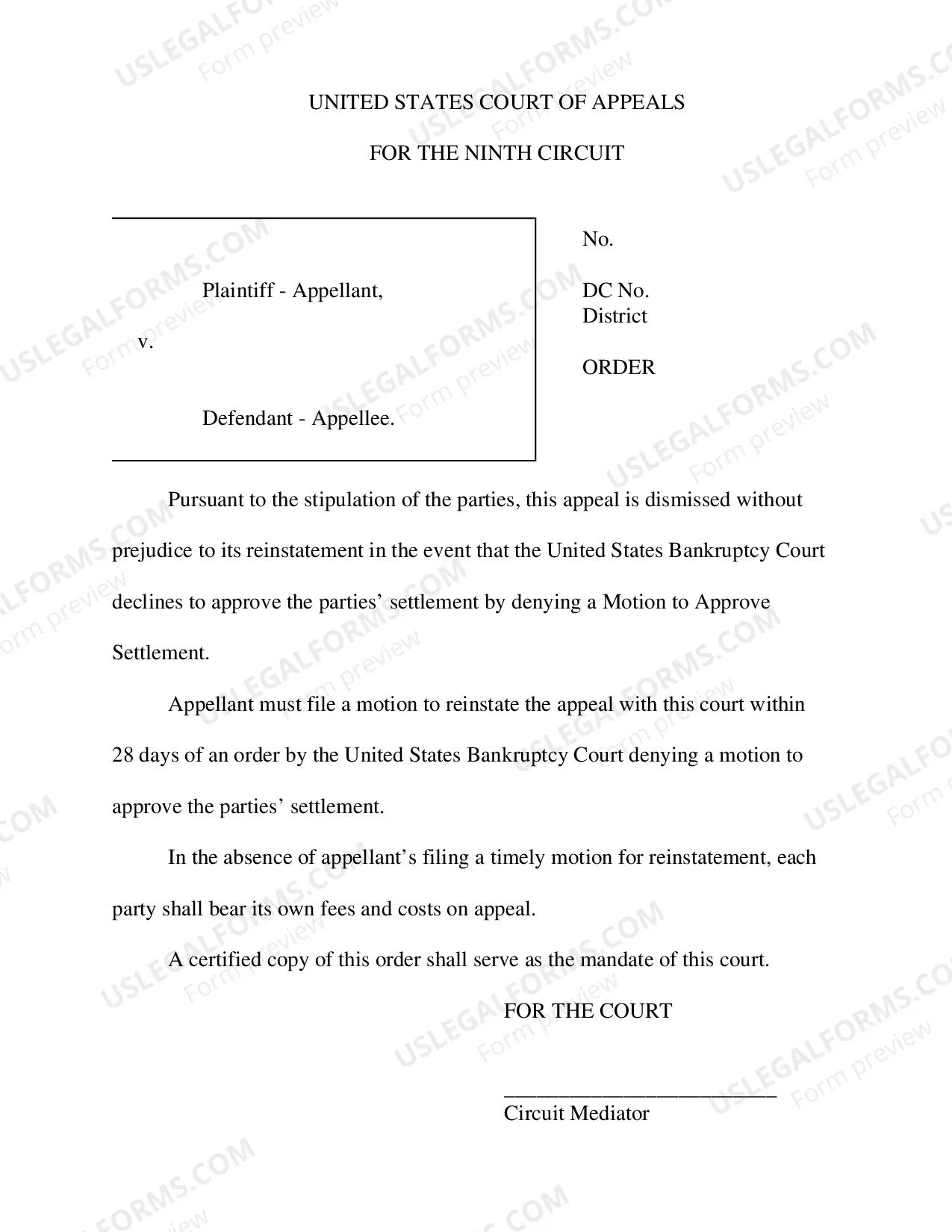
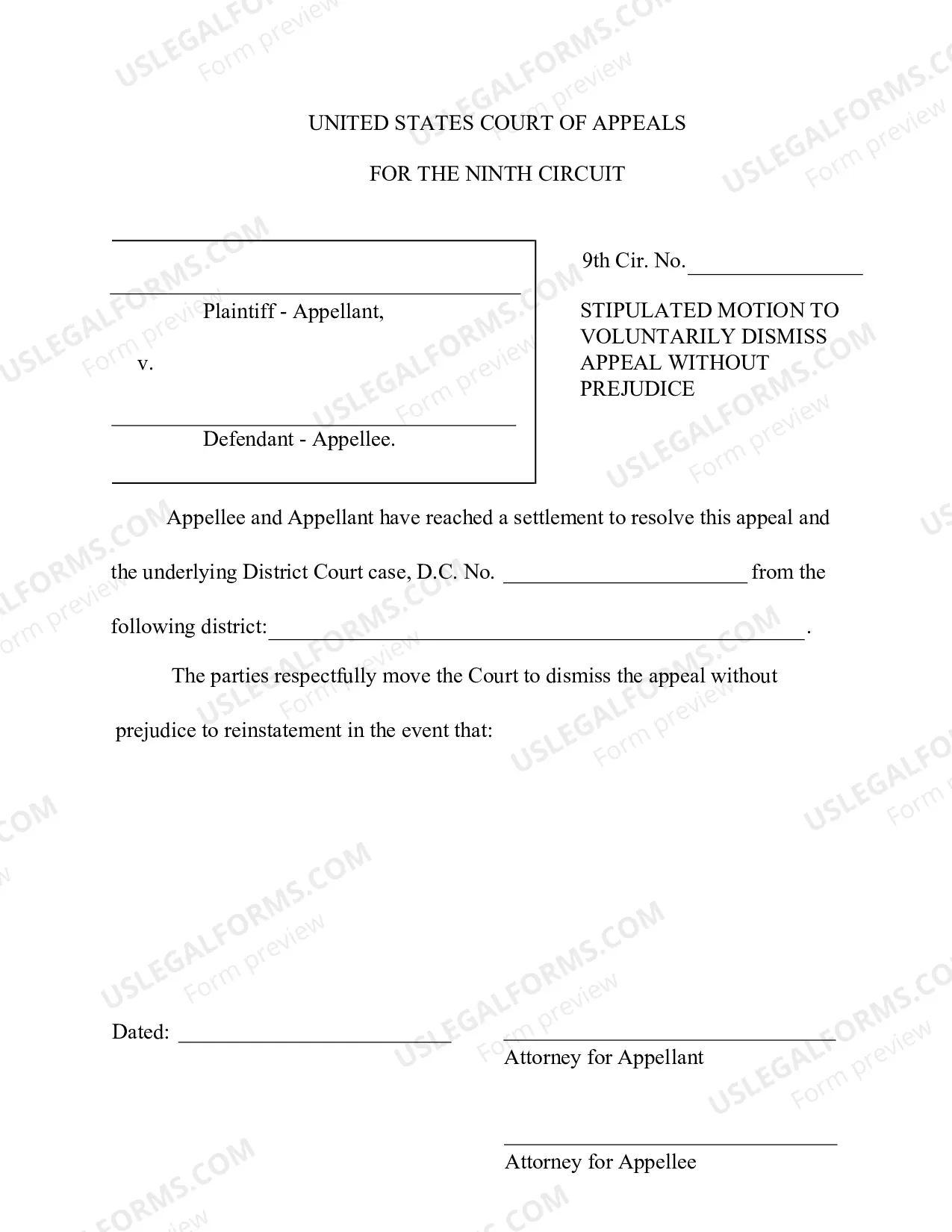
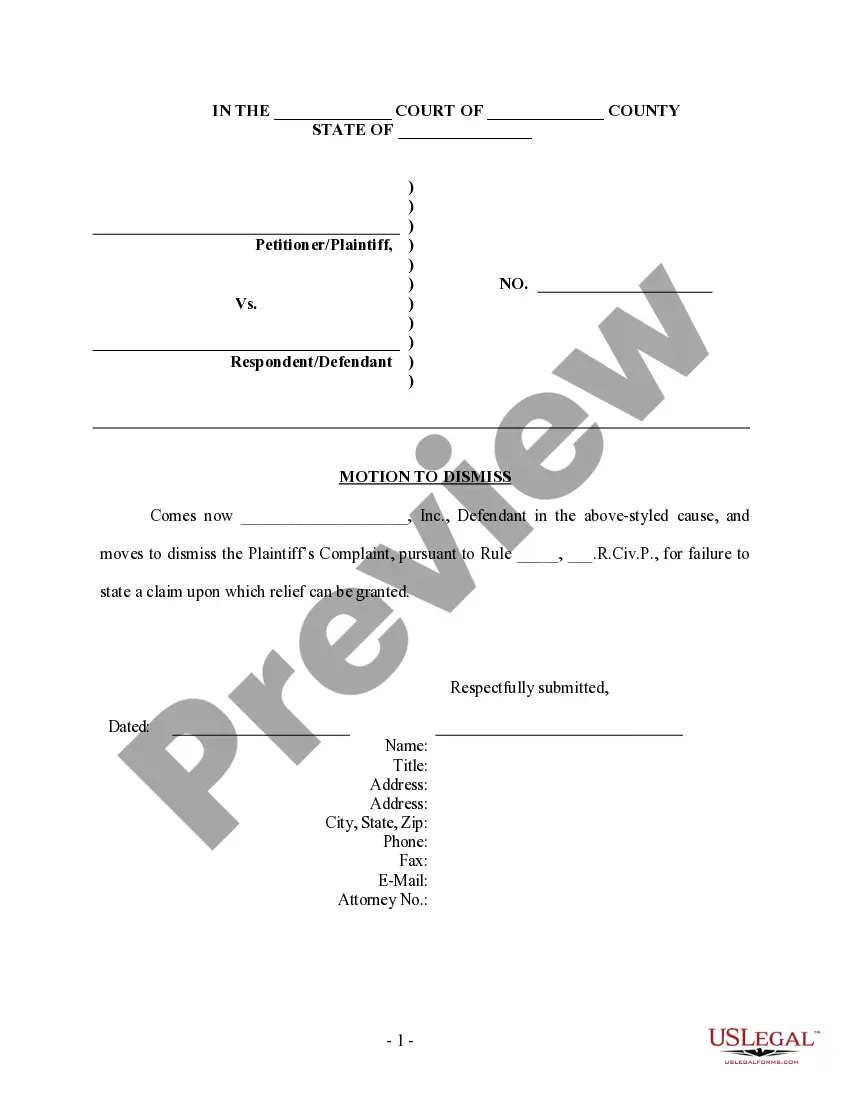
The Personal Injury - Order Dismissing Cause Without Prejudice is a legal document used to formally dismiss a plaintiff's case without prejudice. This means that the plaintiff retains the right to file the case again in the future. Unlike a dismissal with prejudice, which permanently closes the case, this form allows for the possibility of re-filing if necessary.
Main sections of this form
- Identifies the claims and parties involved that are being dismissed.
- States the dismissal is without prejudice, preserving the right to re-file.
- Includes a provision for each party to bear their own costs.
- Requires a signature from the presiding circuit judge to finalize the dismissal.
- Contains a date field for when the order is signed.
Common use cases
This form is typically used when a plaintiff decides to withdraw their claims in a personal injury case but wishes to preserve the option to re-initiate those claims in the future. It might be necessary due to various reasons such as reaching a settlement, needing more time to gather evidence, or other strategic legal considerations.
Who needs this form
- Individuals who are plaintiffs in a personal injury lawsuit.
- Legal representatives of plaintiffs looking to dismiss a case without losing their right to re-file.
- Anyone seeking to formally document the dismissal of a claim in court.
Completing this form step by step
- Enter the name of the defendant or party against whom the claims are being dismissed.
- Clearly state the dismissal of claims is "without prejudice."
- Fill in the date when the order is signed.
- Obtain the signature of the circuit judge to finalize the order.
- Make copies of the signed form for your records and any necessary parties.
Is notarization required?
In most cases, this form does not require notarization. However, some jurisdictions or signing circumstances might. US Legal Forms offers online notarization powered by Notarize, accessible 24/7 for a quick, remote process.
Get your form ready online
Our built-in tools help you complete, sign, share, and store your documents in one place.
Make edits, fill in missing information, and update formatting in US Legal Forms—just like you would in MS Word.
Download a copy, print it, send it by email, or mail it via USPS—whatever works best for your next step.
Sign and collect signatures with our SignNow integration. Send to multiple recipients, set reminders, and more. Go Premium to unlock E-Sign.
If this form requires notarization, complete it online through a secure video call—no need to meet a notary in person or wait for an appointment.
We protect your documents and personal data by following strict security and privacy standards.

Make edits, fill in missing information, and update formatting in US Legal Forms—just like you would in MS Word.

Download a copy, print it, send it by email, or mail it via USPS—whatever works best for your next step.

Sign and collect signatures with our SignNow integration. Send to multiple recipients, set reminders, and more. Go Premium to unlock E-Sign.

If this form requires notarization, complete it online through a secure video call—no need to meet a notary in person or wait for an appointment.

We protect your documents and personal data by following strict security and privacy standards.
Mistakes to watch out for
- Failing to include the judge's signature, rendering the order invalid.
- Not clearly stating that the dismissal is "without prejudice."
- Omitting the date on which the order is signed.
Why use this form online
- Convenient access to legal forms from anywhere at any time.
- Ability to download and edit the form to meet specific needs.
- Reliable templates drafted by licensed attorneys for legal accuracy.
Looking for another form?
Form popularity
FAQ
When a case is dismissed without prejudice, it leaves the plaintiff free to bring another suit based on the same grounds, for example if the defendant doesn't follow through on the terms of a settlement. See: dismiss, dismissal with prejudice.
A case dismissed with prejudice is over and done with, once and for all, and can't be brought back to court. A case dismissed without prejudice means the opposite. It's not dismissed forever. The person whose case it is can try again.
Dismissal without prejudice refers to a situation where a case is dismissed, but the petitioner is not necessarily precluded from later refiling it. This can occur in a criminal case, although it is more common in civil cases.
A judge may dismiss a case without prejudice in order to allow for errors in the case presented to be addressed before it is brought back to court. A judge will dismiss a case with prejudice if he or she finds reason why the case should not move forward and should be permanently closed.
The courts in California may dismiss a case either with or without prejudice. Cases dismissed with prejudice cannot be reopened.After a dismissal without prejudice, a case may be refiled in Los Angeles. This means that you can face the same charges again.
When a case is dismissed without prejudice, it leaves the plaintiff free to bring another suit based on the same grounds, for example if the defendant doesn't follow through on the terms of a settlement. See: dismiss, dismissal with prejudice.
A case dismissed with prejudice is over and done with, once and for all, and can't be brought back to court. A case dismissed without prejudice means the opposite. It's not dismissed forever.When cases are dismissed involuntarily, it's by a judge, against the wishes of the person whose case is dismissed.
The WP rule is to encourage settlement discussions without parties weakening their position in the formal dispute. Basically, if this rule applies, people can speak and write openly without fear that what they are saying may be used against them in court or arbitration.