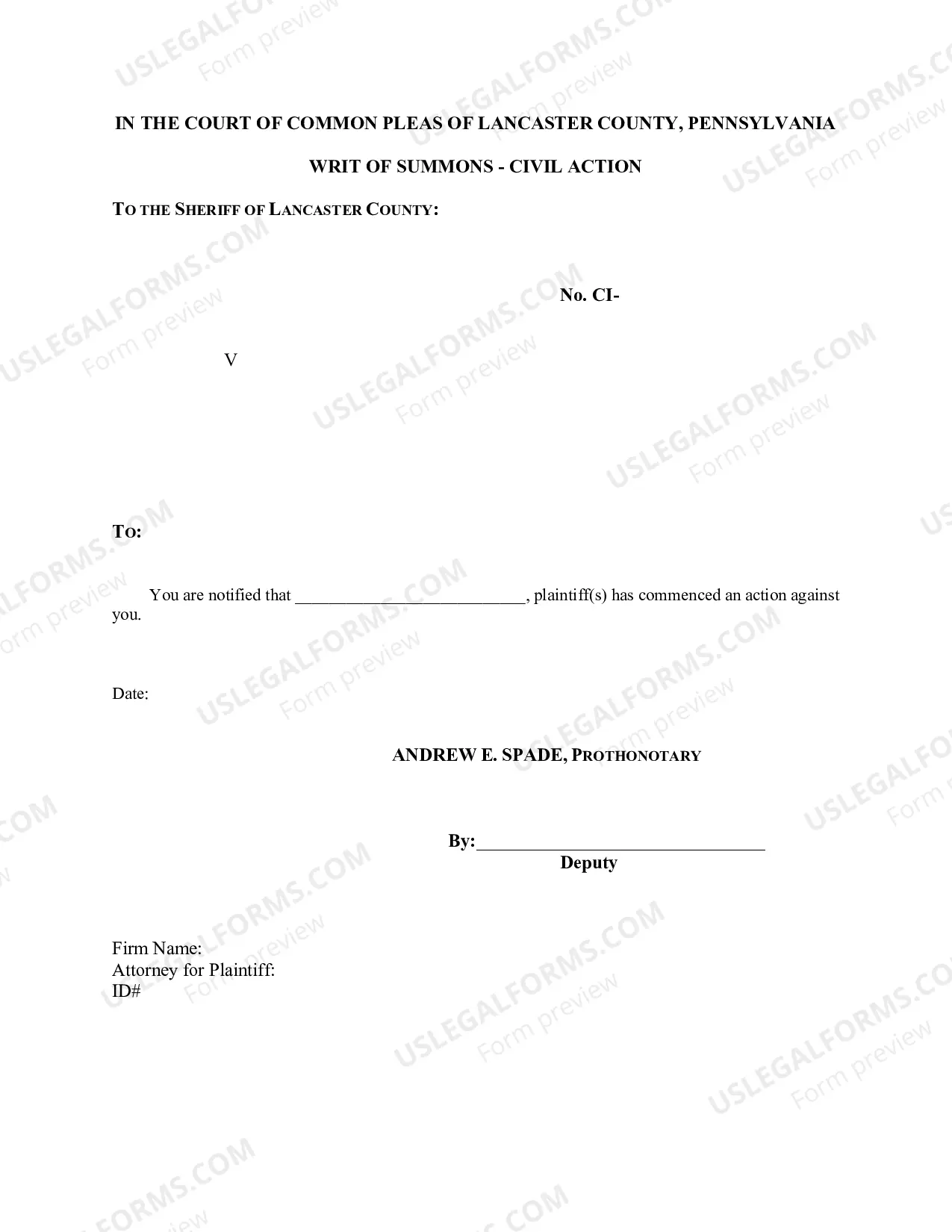
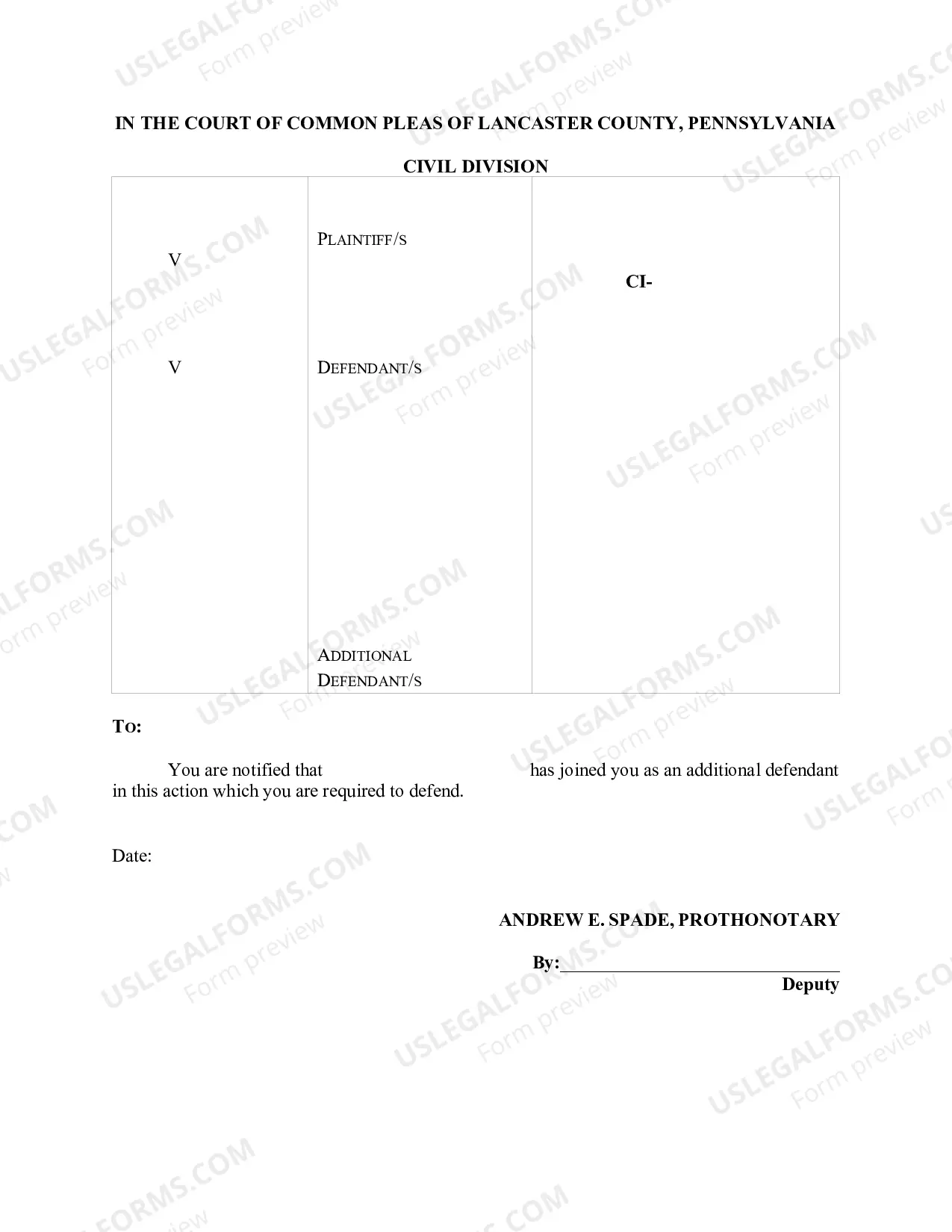
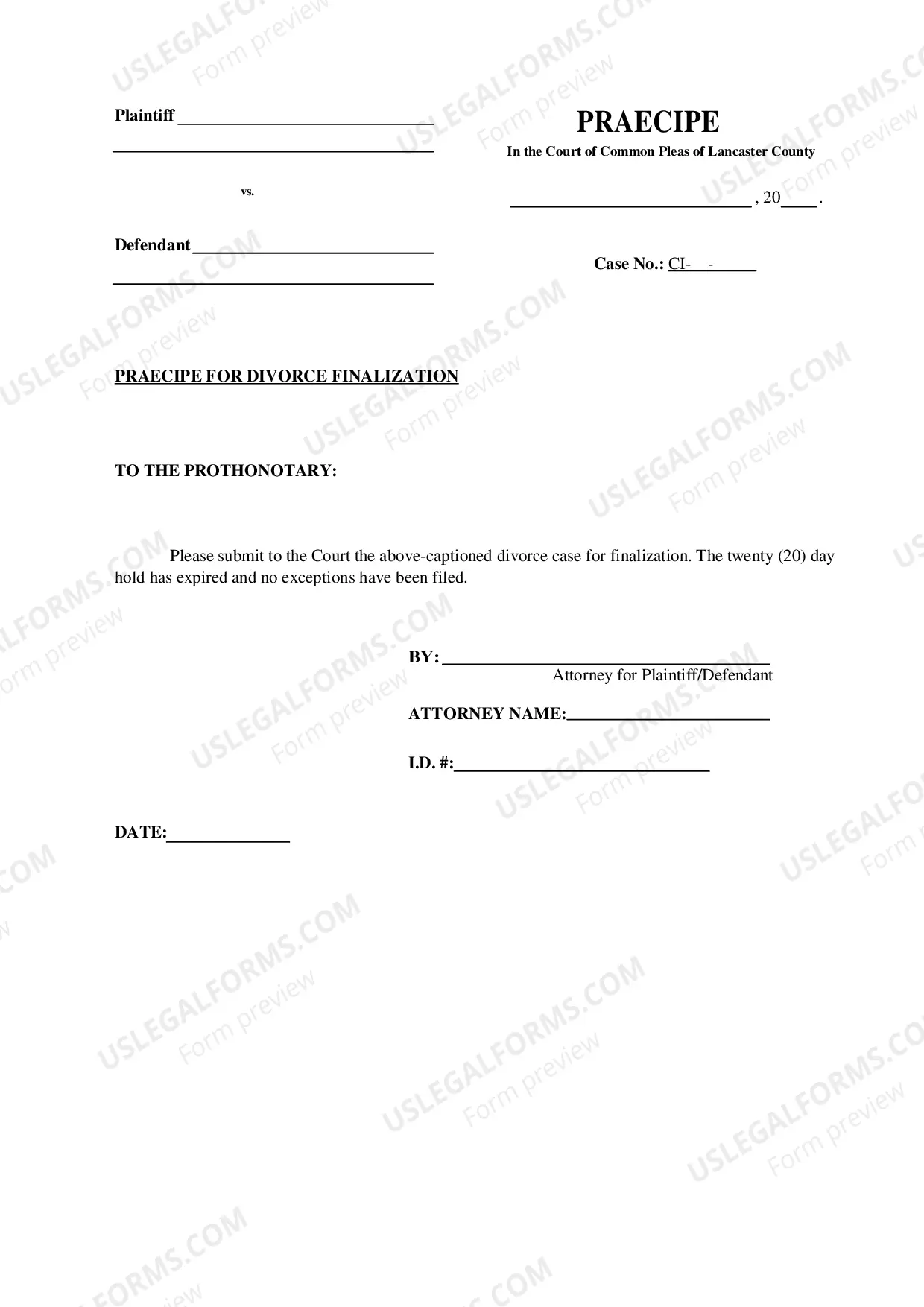
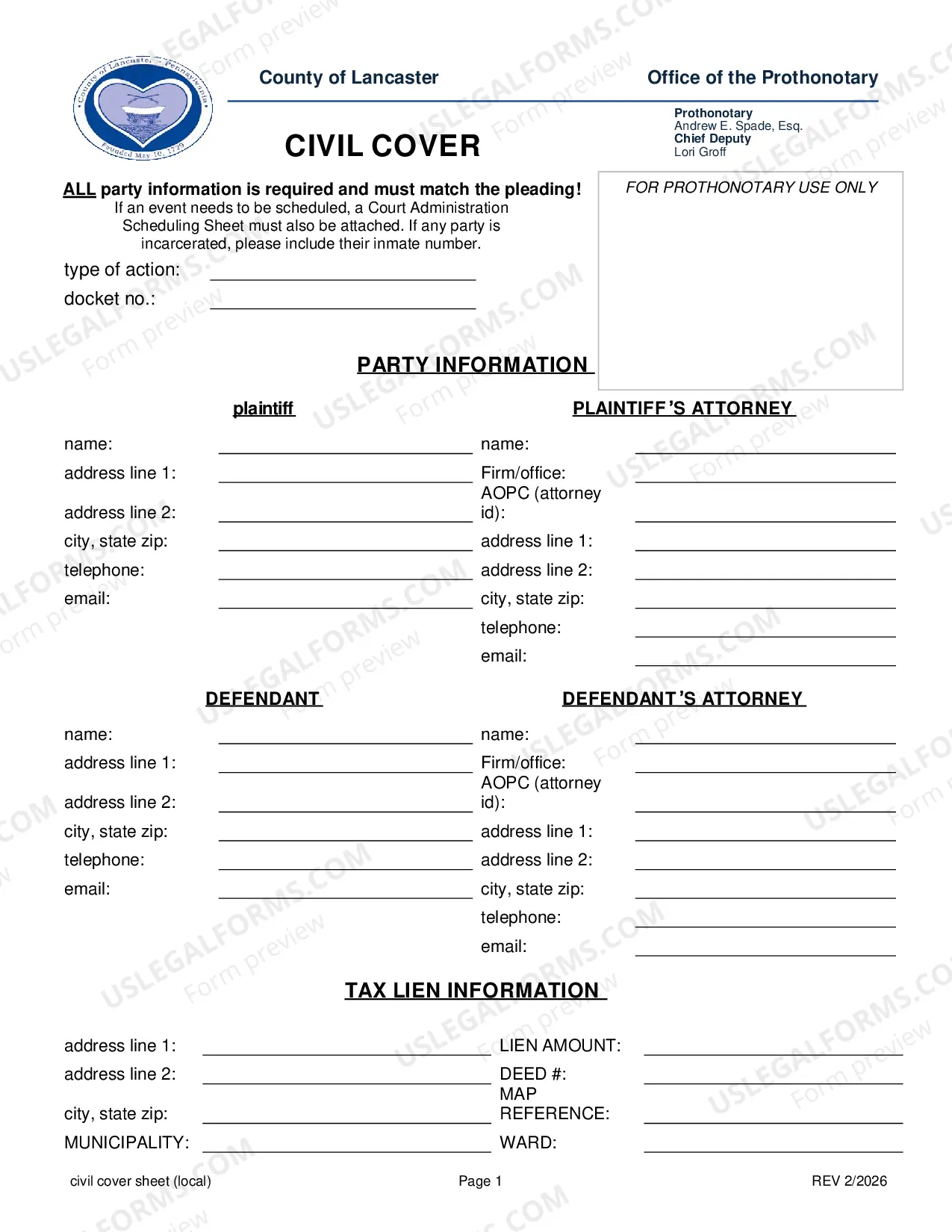
General Personal Injury Complaint
Overview of this form
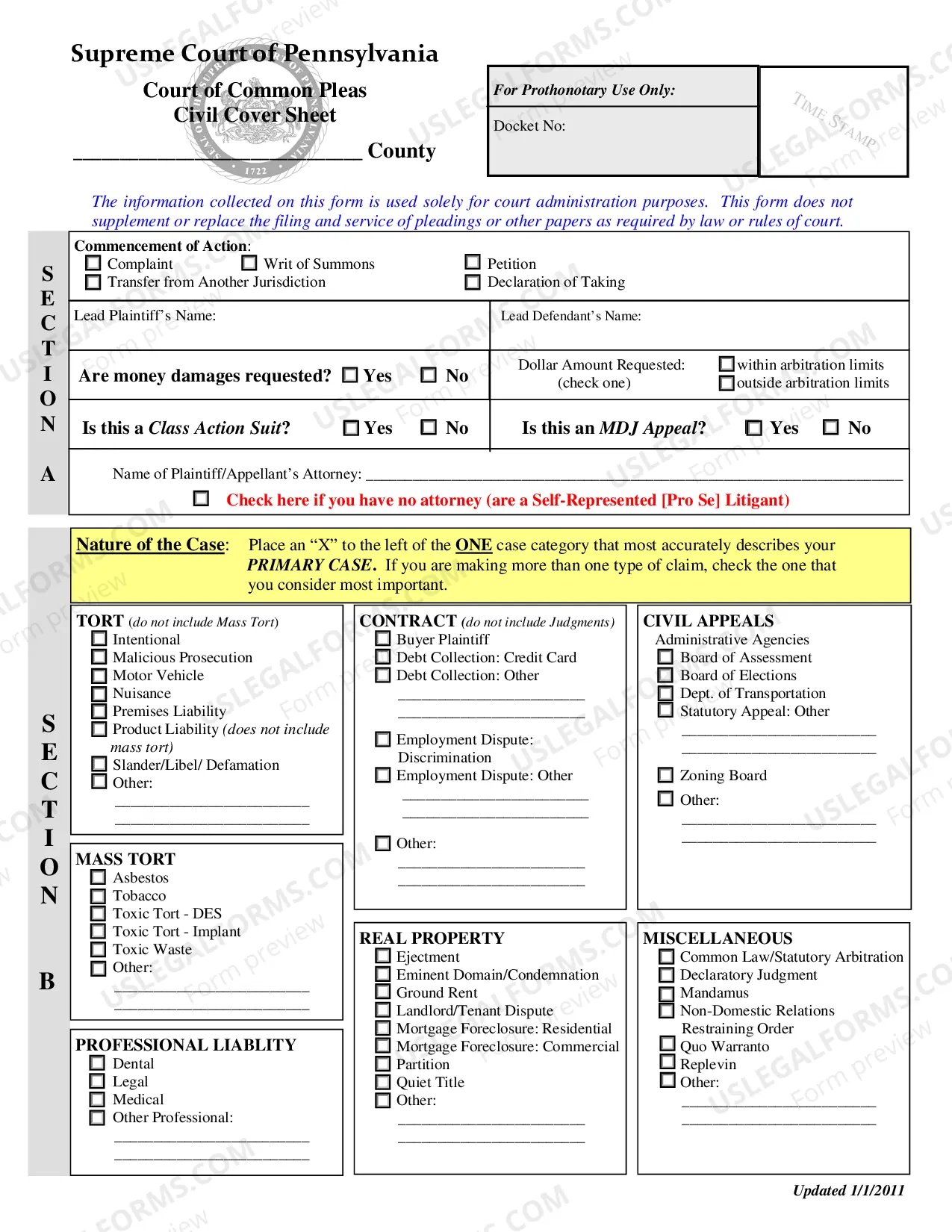
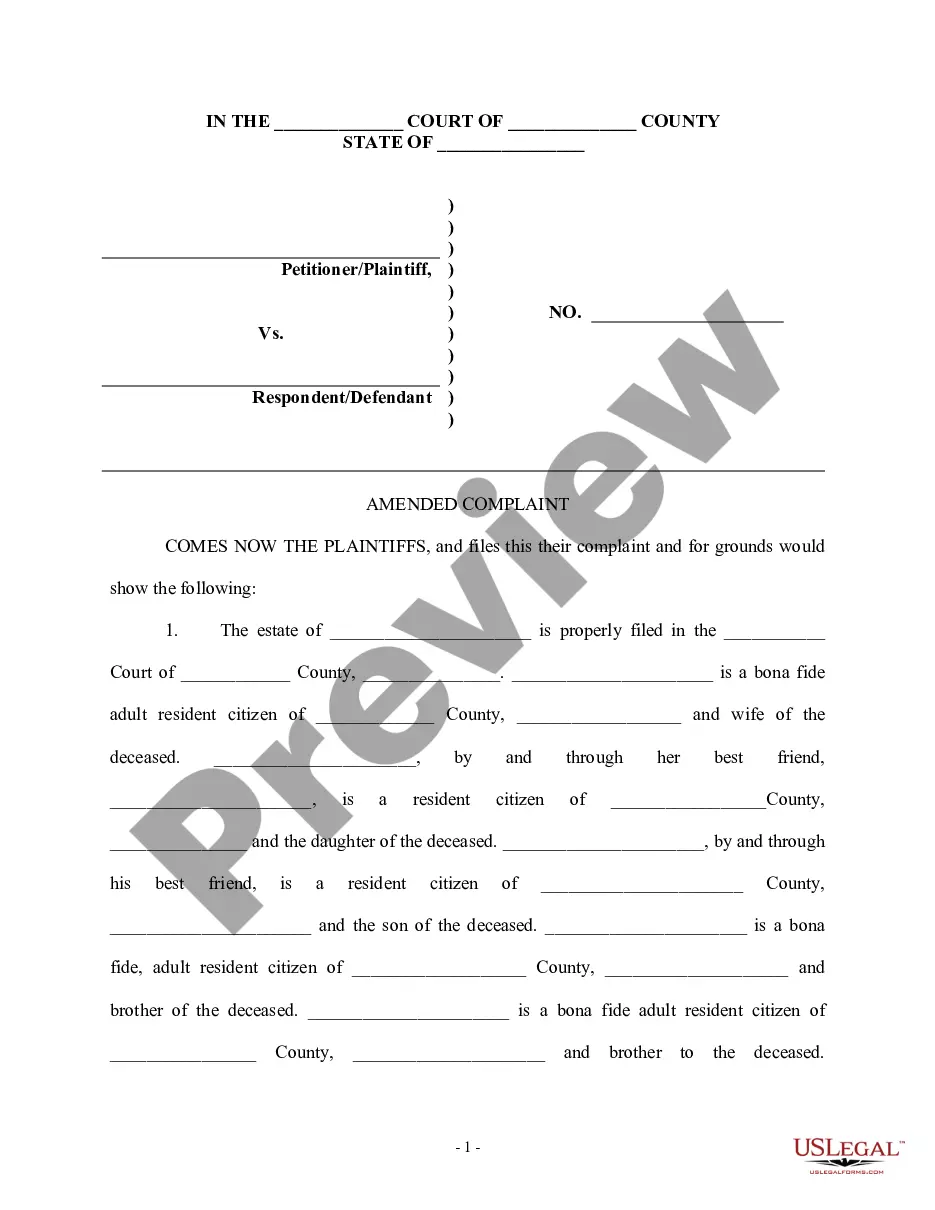
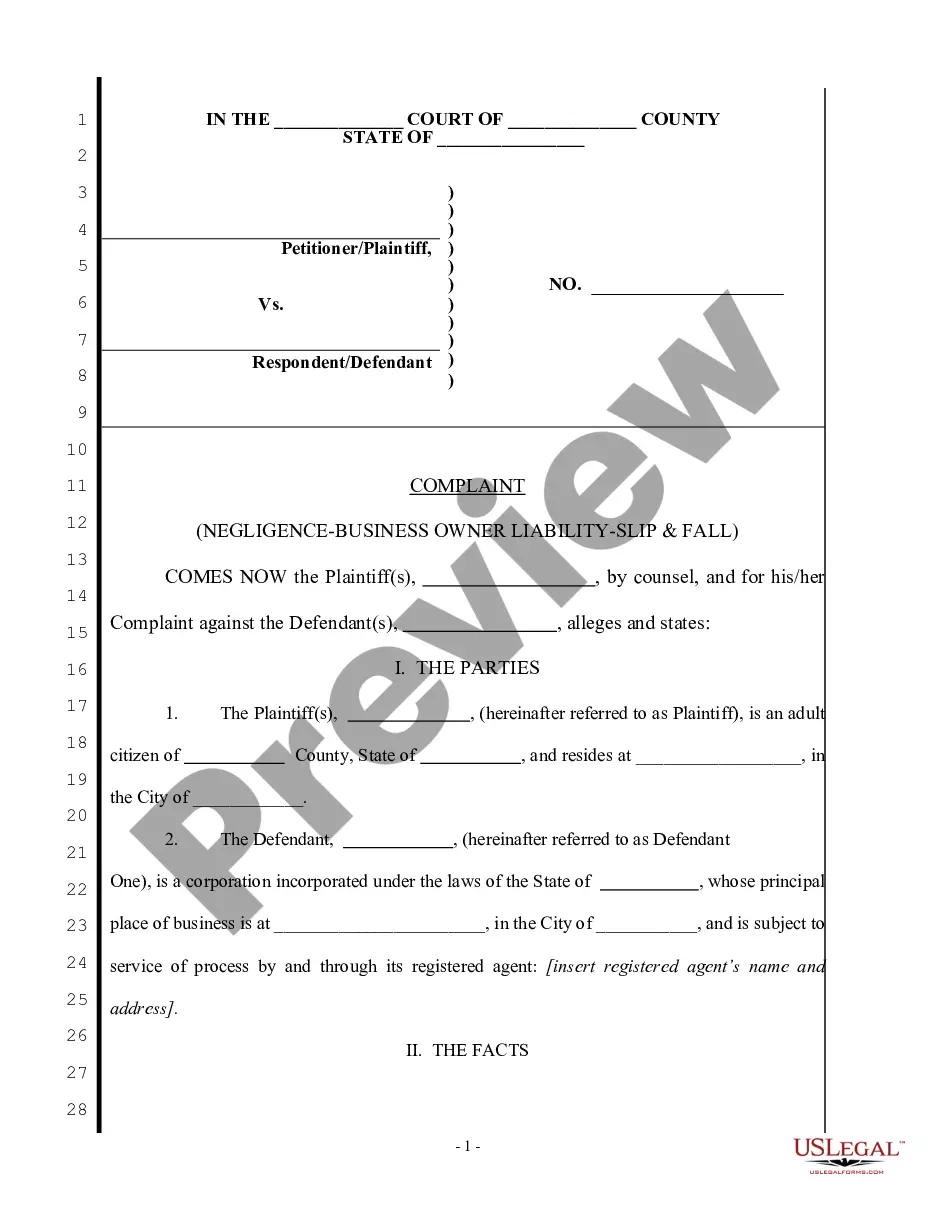
The General Personal Injury Complaint is a legal document used to initiate a lawsuit when an individual claims to have suffered harm due to the actions or negligence of another party. This form allows the plaintiff to detail the facts of the case, establish the cause of action, and specify the damages being sought. It is tailored to fit a wide array of personal injury situations, making it distinct from other complaint forms that may cover different types of legal issues.
Main sections of this form
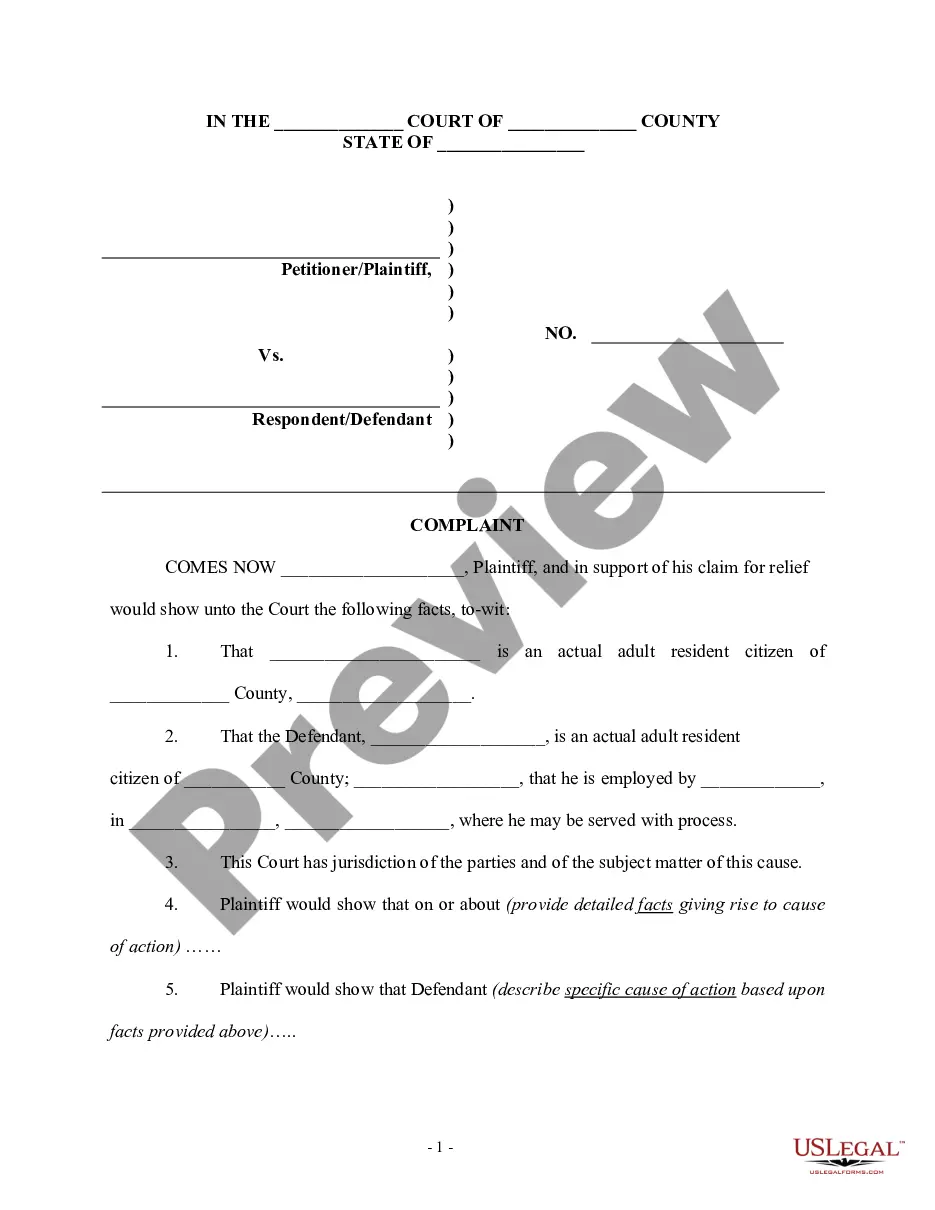
- Identification of the plaintiff and defendant, including residence and employment details.
- Statement of jurisdiction by the court over the parties involved.
- Detailed account of the events that led to the injury.
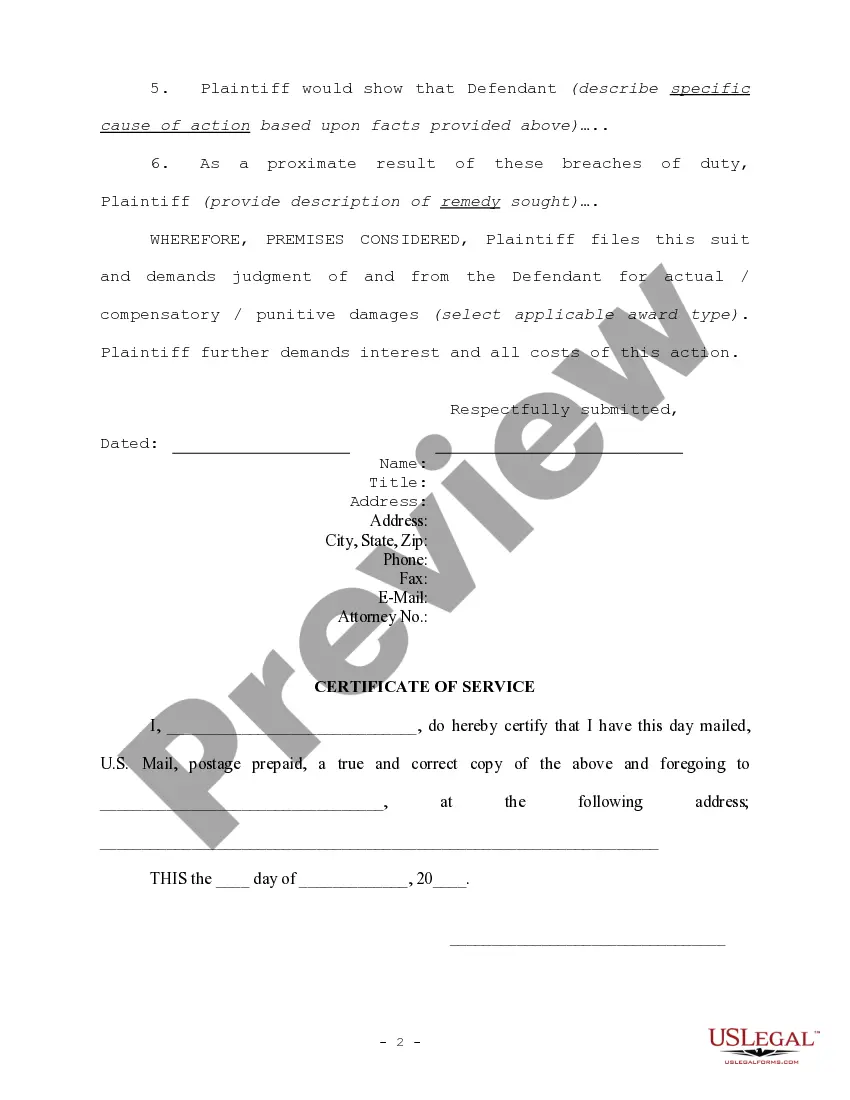
- Specific legal basis for the complaint, outlining the cause of action.
- Description of the damages sought, including compensatory and punitive damages.
- Signature line for the plaintiff and date of filing.


Situations where this form applies
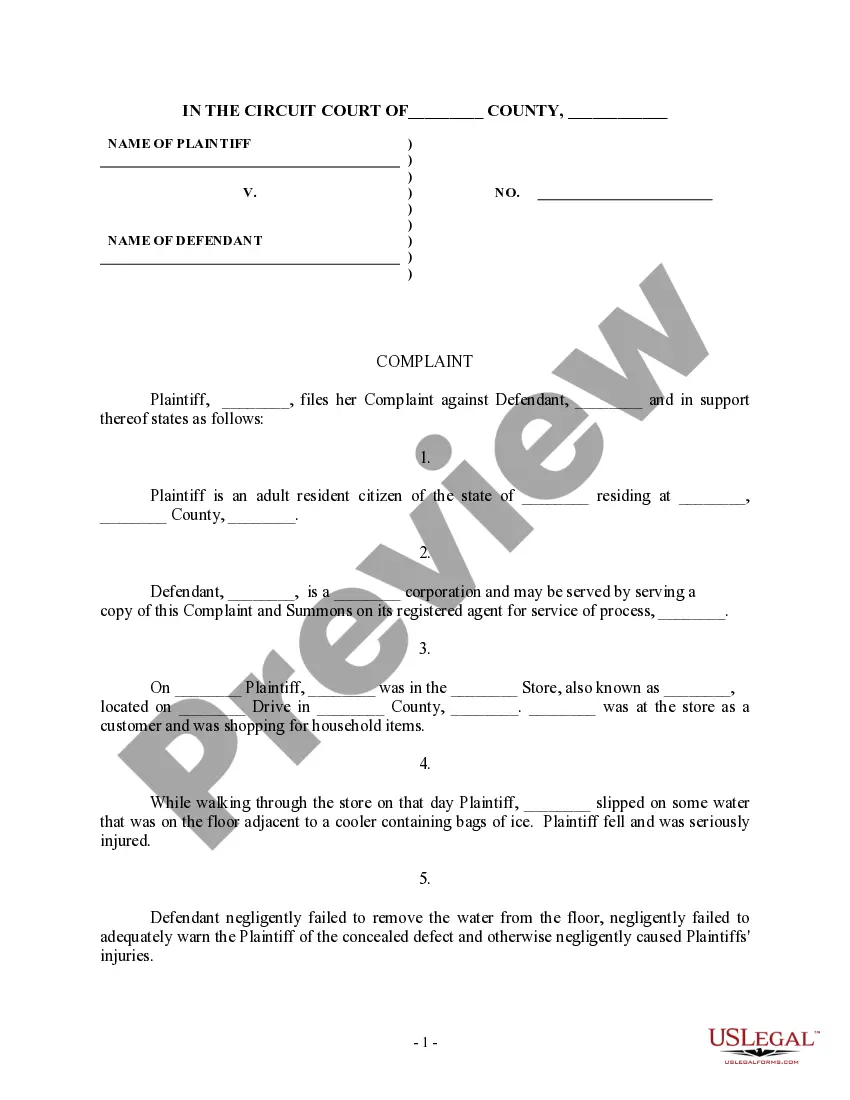
This form should be used when an individual wishes to file a personal injury lawsuit against another party. Scenarios include accidents, medical malpractice, slip and fall incidents, or any situation where an individual has suffered physical or emotional harm due to another's actions or negligence. It is essential for the plaintiff to clearly articulate the details of the incident and the damages claimed.
Who should use this form
- Individuals who have been injured due to someone else's negligence.
- People seeking compensation for medical expenses, lost wages, or pain and suffering.
- Any person intending to file a lawsuit in a civil court regarding personal injuries.
- Individuals who want to represent themselves in a personal injury case, also known as pro se litigants.
How to complete this form
- Identify the parties involved by filling in the names and addresses of the plaintiff and defendant.
- Detail the specific facts that led to the personal injury, including dates and circumstances.
- State the specific cause of action based on the facts provided.
- Describe the damages sought clearly, indicating whether they are actual, compensatory, or punitive.
- Sign and date the form in the designated area to validate your complaint.
Is notarization required?
This form usually doesn’t need to be notarized. However, local laws or specific transactions may require it. Our online notarization service, powered by Notarize, lets you complete it remotely through a secure video session, available 24/7.
Get your form ready online
Our built-in tools help you complete, sign, share, and store your documents in one place.
Make edits, fill in missing information, and update formatting in US Legal Forms—just like you would in MS Word.
Download a copy, print it, send it by email, or mail it via USPS—whatever works best for your next step.
Sign and collect signatures with our SignNow integration. Send to multiple recipients, set reminders, and more. Go Premium to unlock E-Sign.
If this form requires notarization, complete it online through a secure video call—no need to meet a notary in person or wait for an appointment.
We protect your documents and personal data by following strict security and privacy standards.

Make edits, fill in missing information, and update formatting in US Legal Forms—just like you would in MS Word.

Download a copy, print it, send it by email, or mail it via USPS—whatever works best for your next step.

Sign and collect signatures with our SignNow integration. Send to multiple recipients, set reminders, and more. Go Premium to unlock E-Sign.

If this form requires notarization, complete it online through a secure video call—no need to meet a notary in person or wait for an appointment.

We protect your documents and personal data by following strict security and privacy standards.
Typical mistakes to avoid
- Failing to provide sufficient facts to support the claim.
- Neglecting to specify the type of damages being sought.
- Errors in the names or addresses of the parties involved.
- Not signing or dating the complaint before submission.
Why use this form online
- Convenient access to legal forms from any location at any time.
- Edit and customize the form to meet your specific situation easily.
- Reliable templates drafted by licensed attorneys ensure legal accuracy.
What to keep in mind
- The General Personal Injury Complaint is essential for initiating a personal injury lawsuit.
- Providing detailed and accurate information is crucial for the success of your claim.
- It is adaptable to the legal requirements of different states.
- This form facilitates the legal process of seeking damages for personal injuries.
Looking for another form?

Form popularity
FAQ
General damages compensate an injured individual for non-monetary damages incurred in an injury claim. They are called general damages because they address harm that is typically or generally sustained in an injury. All personal injury victims are expected to have at least some general damages.
Personal injury implies any type of injury sustained in accidents. These types of injuries may arise from car accidents, slip and fall accidents, defective products, or wrongful death claims. On the other hand, bodily injury is more limited and may imply injuries sustained by another person, usually in a car accident.
Compensatory damages are further categorized into special damages, which are economic losses such as loss of earnings, property damage and medical expenses, and general damages, which are non-economic damages such as pain and suffering and emotional distress.
Personal injury cases are legal disputes that arise when one person suffers harm from an accident or injury, and someone else might be legally responsible for that harm.If the case involves medical malpractice, your personal injury attorney will be working with insurance companies and hospital attorneys.
On the low end, an injury case might settle for only a few thousand dollars. But many personal injury cases settle for much more. An average personal injury settlement amount is anywhere between $3,000 and $75,000.
Loss of reputation. Loss of enjoyment of life. Disfigurement.
Examples of general damages include pain and suffering, mental anguish, and loss of consortium. General damages can also include future losses due to loss of earning capacity or future medical care.
General damages represent the types of damages that can't easily be assigned a monetary value, such as pain and suffering, loss of consortium and emotional trauma. There is no evidence, such as bills or receipts, of a specific dollar amount, but they are losses for which the plaintiff deserves compensation nonetheless.
Examples of general damages include pain and suffering, mental anguish, and loss of consortium. General damages can also include future losses due to loss of earning capacity or future medical care.