Assignment of Easements - Short Form
What this document covers
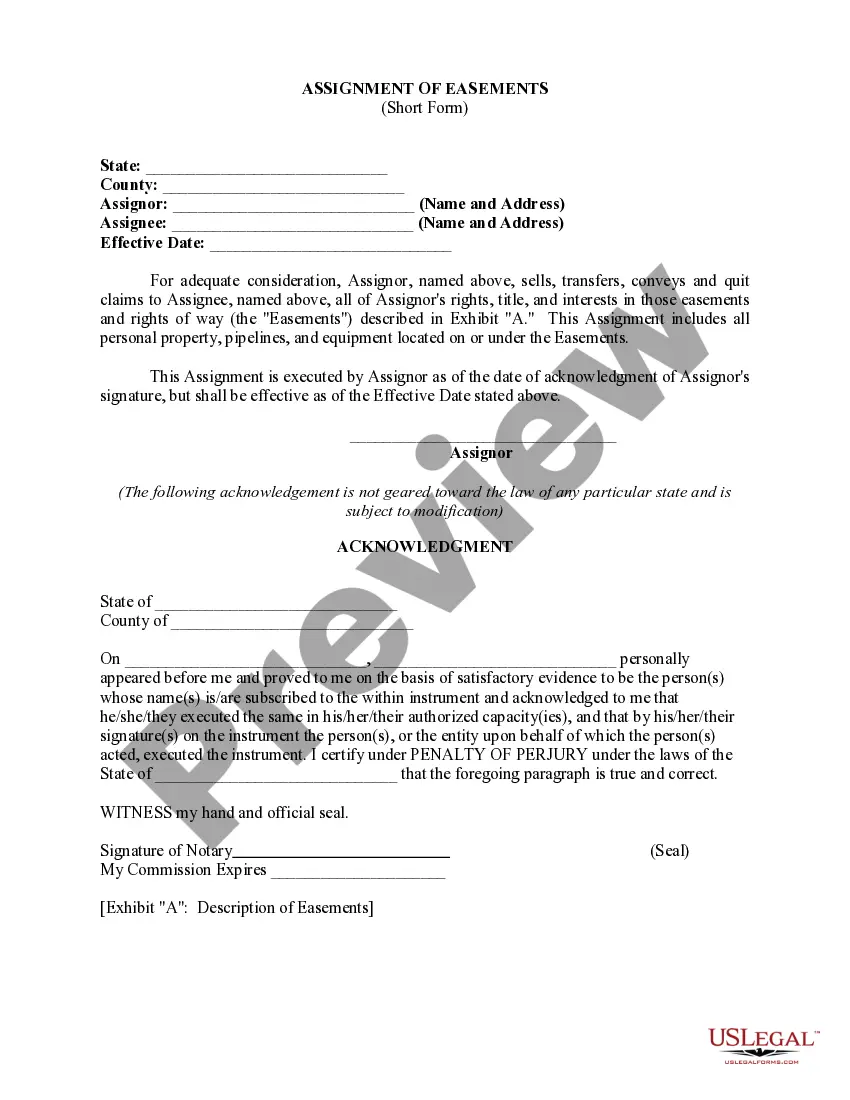
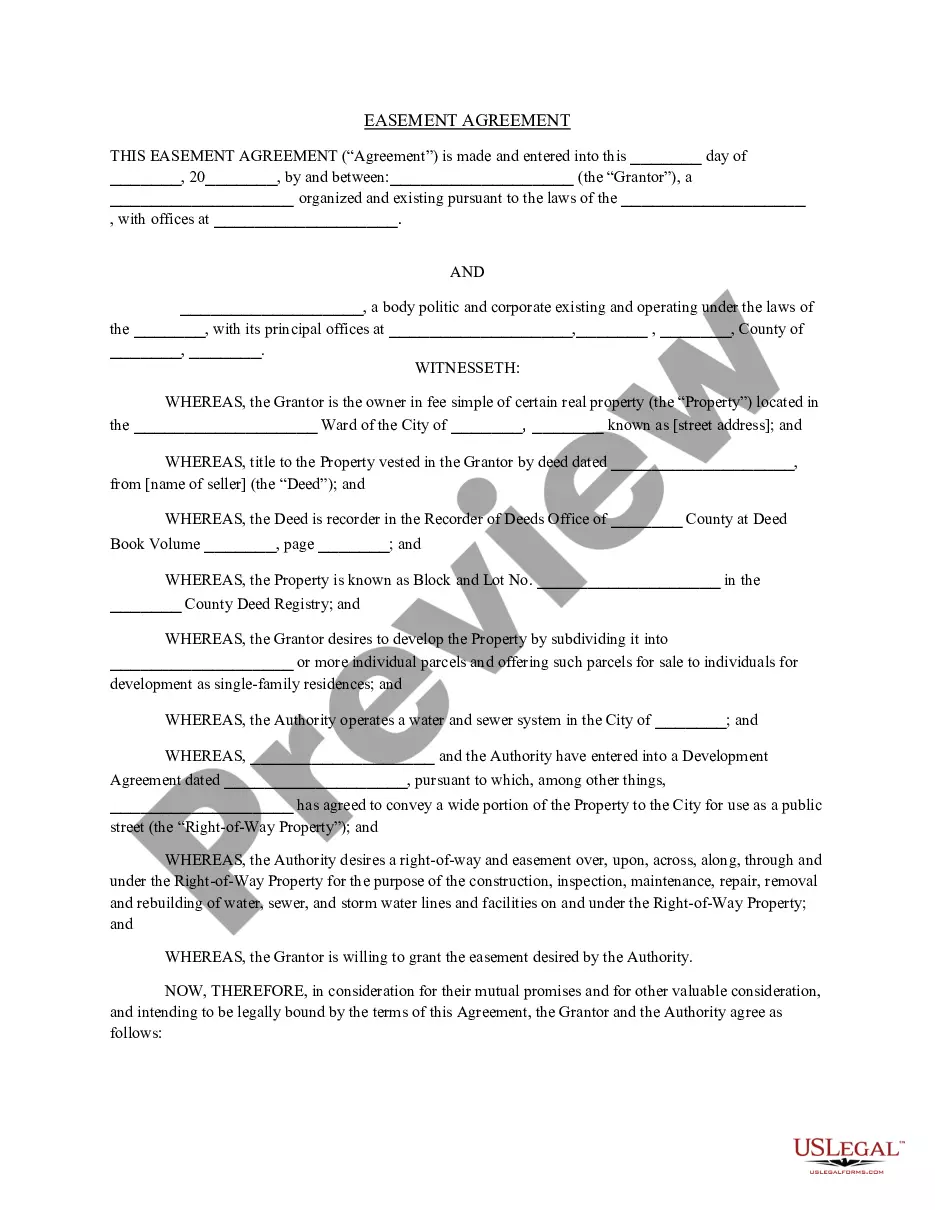
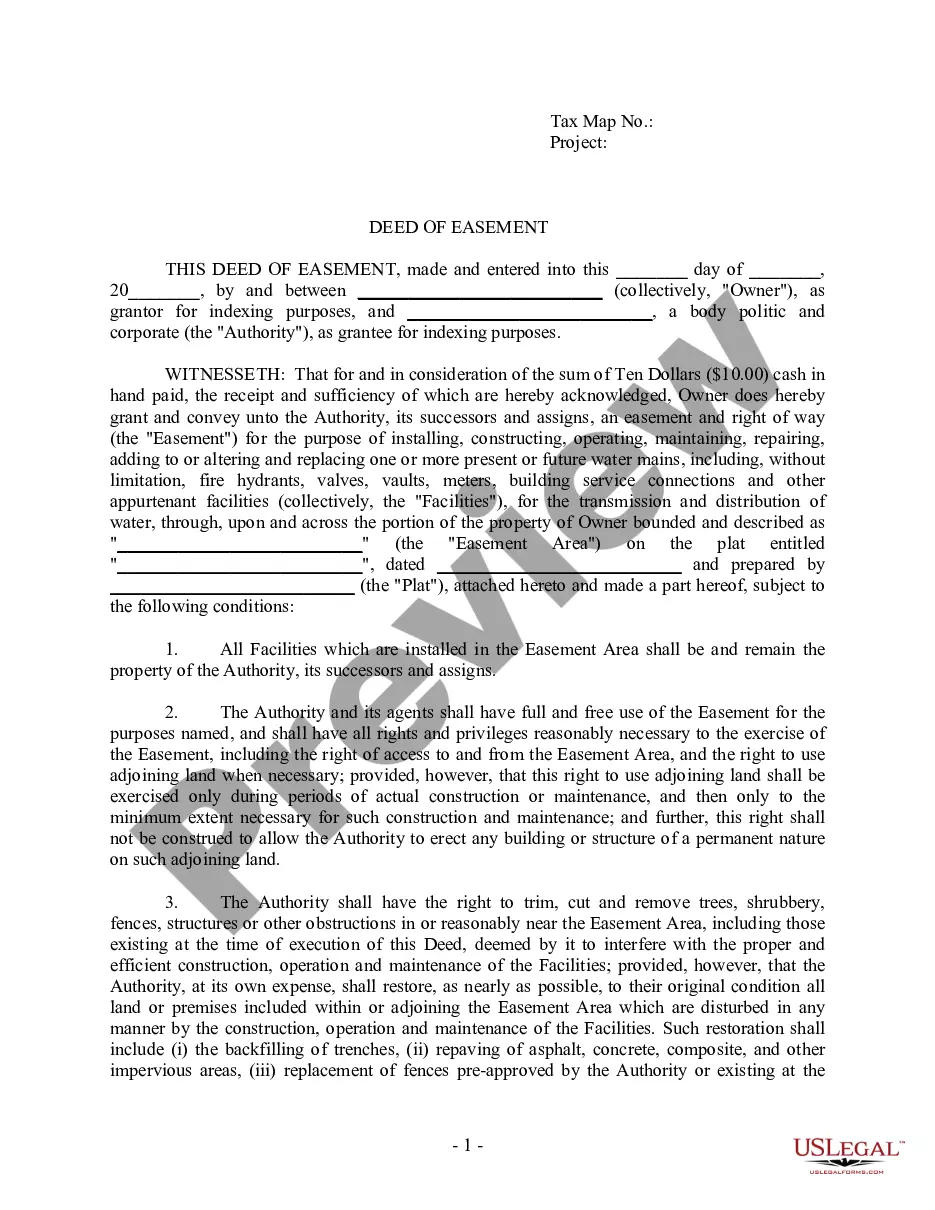
The Assignment of Easements - Short Form is a legal document used to transfer easement rights from one party (the Assignor) to another (the Assignee). This form allows the Assignor to sell, transfer, and convey all rights, titles, and interests related to specified easements and rights of way. It differs from other transfer documents by specifically addressing easements and any associated property or equipment. Easily downloadable, this form simplifies the process of handling easement transfers.
Form components explained
- Identifying details such as State, County, Assignor and Assignee names and addresses.
- An effective date marking when the transfer becomes official.
- Clarity on what easements and rights of way are being transferred, referenced in Exhibit A.
- Statement of transfer that includes all personal property, pipelines, and equipment located under the easements.
- Acknowledgment section requiring notarization for the document to be legally binding.
Situations where this form applies
This form is typically used when an owner of easements (the Assignor) wants to transfer their rights to another party (the Assignee). Situations may include selling land that contains easements, transferring easement rights as part of a larger transaction, or settling disputes regarding easement usage. This form facilitates clear, legally binding documentation of the transfer to avoid future disputes.
Who should use this form
This form is intended for:
- Property owners looking to transfer easement rights.
- Real estate professionals managing property transactions involving easements.
- Individuals or entities acquiring easement rights for development or access.
- Attorneys representing clients in easement transfers.
Instructions for completing this form
- Identify the parties involved by filling in the Assignor and Assignee names and addresses.
- Indicate the effective date of the easement transfer.
- Clearly describe the easements being transferred in Exhibit A.
- Have the Assignor sign the document to acknowledge the transfer.
- Arrange for notarization of the document to ensure its legal validity.
Notarization guidance
To make this form legally binding, it must be notarized. Our online notarization service, powered by Notarize, lets you verify and sign documents remotely through an encrypted video session.
Get your form ready online
Our built-in tools help you complete, sign, share, and store your documents in one place.
Make edits, fill in missing information, and update formatting in US Legal Forms—just like you would in MS Word.
Download a copy, print it, send it by email, or mail it via USPS—whatever works best for your next step.
Sign and collect signatures with our SignNow integration. Send to multiple recipients, set reminders, and more. Go Premium to unlock E-Sign.
If this form requires notarization, complete it online through a secure video call—no need to meet a notary in person or wait for an appointment.
We protect your documents and personal data by following strict security and privacy standards.

Make edits, fill in missing information, and update formatting in US Legal Forms—just like you would in MS Word.

Download a copy, print it, send it by email, or mail it via USPS—whatever works best for your next step.

Sign and collect signatures with our SignNow integration. Send to multiple recipients, set reminders, and more. Go Premium to unlock E-Sign.

If this form requires notarization, complete it online through a secure video call—no need to meet a notary in person or wait for an appointment.

We protect your documents and personal data by following strict security and privacy standards.
Common mistakes to avoid
- Failing to include a complete and accurate description of the easements in Exhibit A.
- Not providing the effective date, which is crucial for the transfer's legality.
- Omitting signatures or necessary notarization, rendering the document invalid.
- Using unclear language that can lead to disputes over the rights being transferred.
Why use this form online
- Quick and easy access to legally drafted forms tailored for your needs.
- Editable templates that allow for customization to fit specific transactions.
- Reliable formats that ensure compliance with legal standards.
- Instant download capabilities, enabling timely processing of legal matters.
Quick recap
- The Assignment of Easements - Short Form is essential for transferring easement rights legally and clearly.
- This form includes all necessary sections for a valid transfer, including acknowledgment and notarization requirements.
- Properly completing this form can help prevent future disputes related to easement rights.
Looking for another form?





Form popularity
FAQ
An easement in gross is an easement that attaches a particular right to an individual or entity rather than to the property itself.
Give the document a simple title: Grant of Easement is sufficient. Identify the parties. You need to explain who the parties are to the agreement. The person granting the easement to his property is the Grantor and the person gaining access to the property is the Grantee.
Easements can be created in a variety of ways. They can be created by an express grant, by implication, by necessity, and by adverse possession.
An easement is a limited right to use another person's land for a stated purpose. Examples of easements include the use of private roads and paths, or the use of a landowner's property to lay railroad tracks or electrical wires.
There must be a dominant and servient tenement. The easement must accommodate the dorminant tenement. The dorminant and servient tenements must be owned or occupied by different persons. The easement must be capable of forming the subject matter of the grant e.g. there must be a capable grantor or grantee.
An easement is a limited right to use another person's land for a stated purpose. Examples of easements include the use of private roads and paths, or the use of a landowner's property to lay railroad tracks or electrical wires.
An easement is the grant of a nonpossessory property interest that grants the easement holder permission to use another person's land.An affirmative easement gives the easement holder the right to do something on the grantor of the easement's land, such as travel on a road through the grantor's land.
An easement is a nonpossessory right to use and/or enter onto the real property of another without possessing it. It is "best typified in the right of way which one landowner, A, may enjoy over the land of another, B".