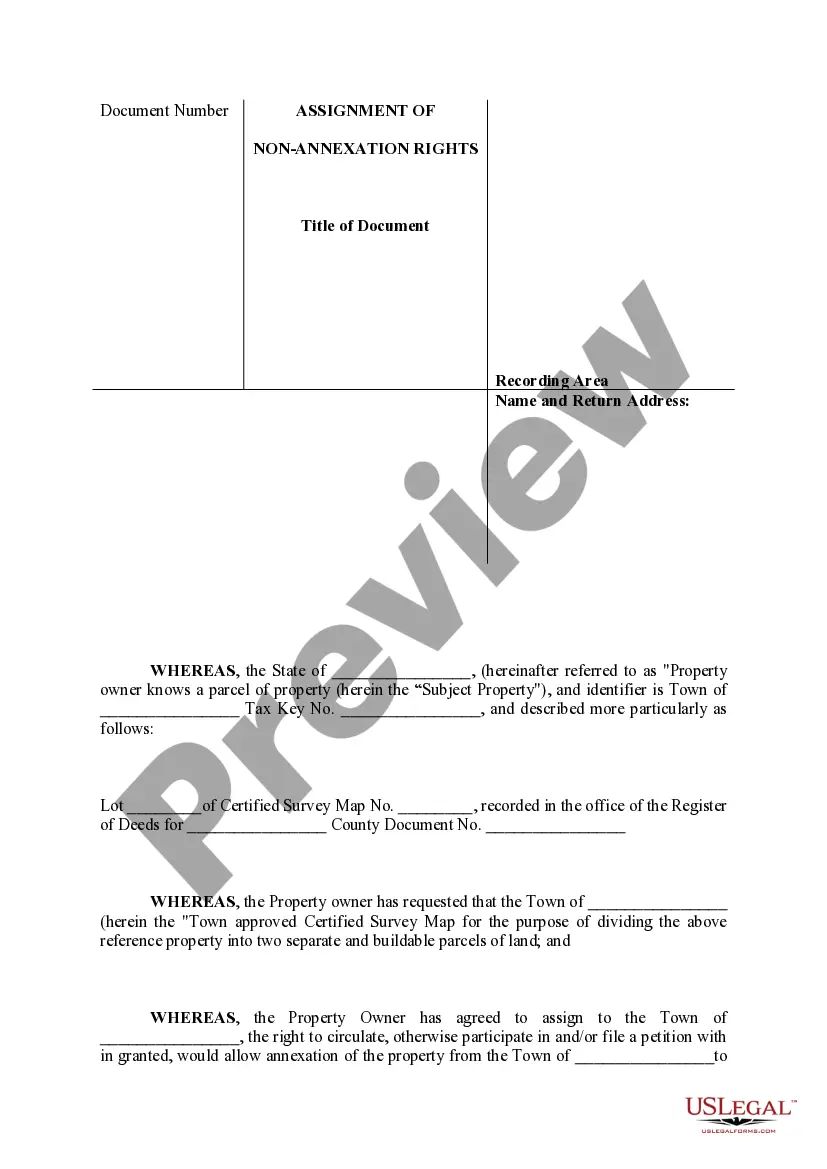
Motion for Continuance to Complete Discovery or in the Alternative Continuance of Summary Judgment Motion
Overview of this form
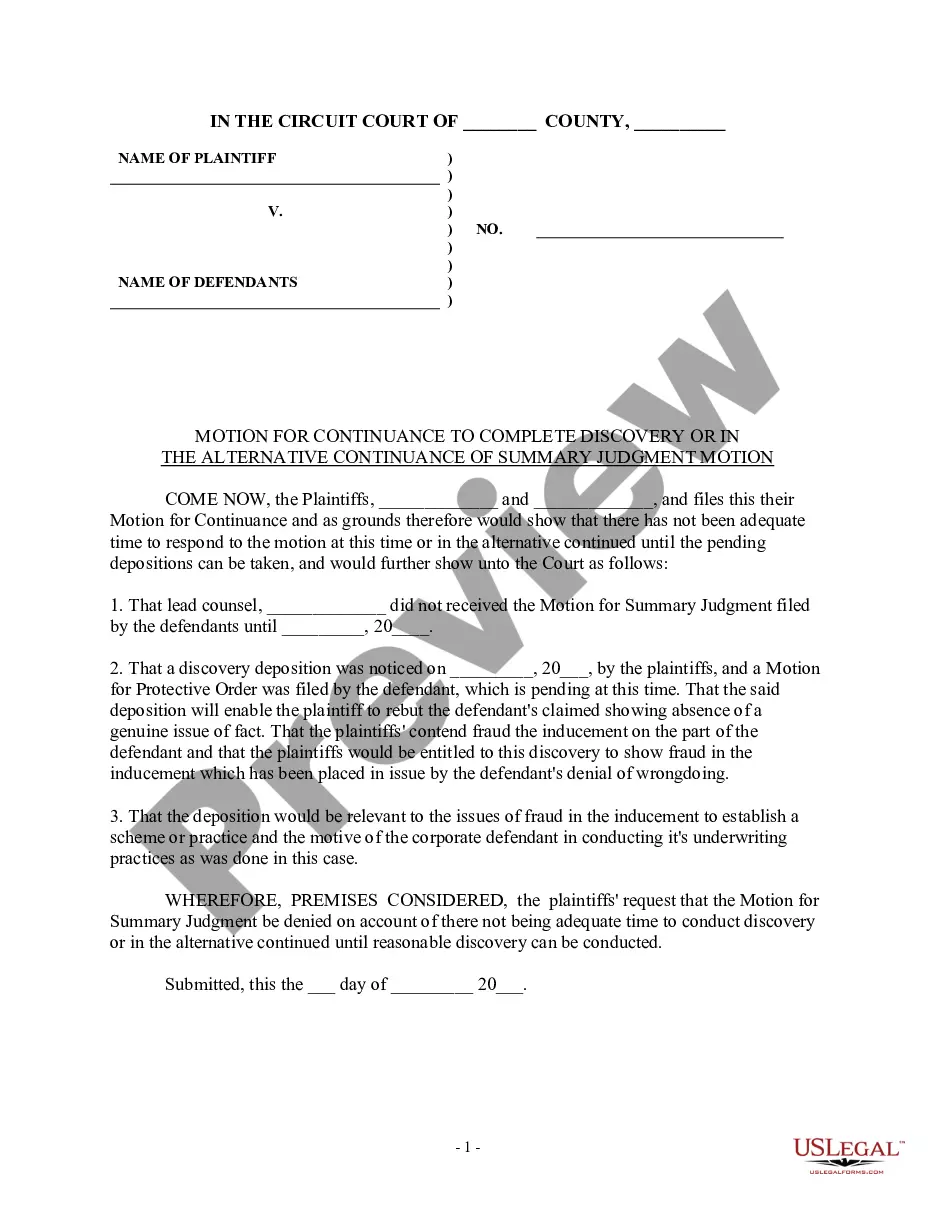
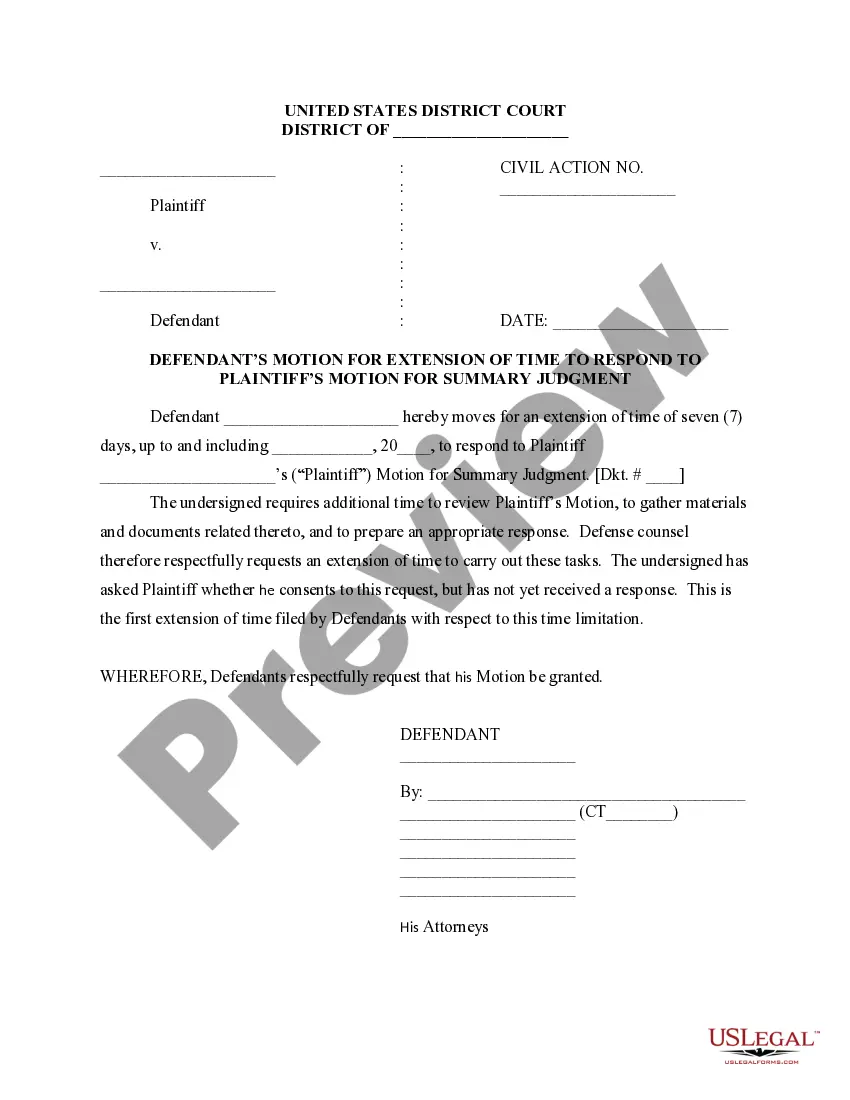
The Motion for Continuance to Complete Discovery or in the Alternative Continuance of Summary Judgment Motion is a legal document used in court proceedings. Its primary purpose is to request additional time for parties to complete discovery before a motion for summary judgment is decided. This form is crucial for ensuring that all relevant evidence is gathered, particularly when the requesting party believes that their ability to respond effectively has been hindered by insufficient time or outstanding matters, such as pending depositions.
Form components explained
- Identifying the parties involved in the case.
- Detailing the reasons for requesting a continuance, including timelines and pending depositions.
- Supporting claims, such as allegations of fraud in inducement.
- The specific relief sought from the court regarding the summary judgment motion.
- Certificate of service indicating delivery to all relevant parties.

When to use this form
This form should be used when a party in a legal proceeding needs more time to conduct discovery before responding to a summary judgment motion. Situations may include instances where significant evidence is still being collected, or when the opposing party has not fully complied with discovery demands. It is a critical tool for ensuring that all pertinent information is available to adequately contest a summary judgment.
Intended users of this form
- Plaintiffs in a legal case who require additional time for discovery.
- Defendants who feel that insufficient time may hinder their ability to properly address a motion for summary judgment.
- Legal professionals representing any party in a civil litigation where discovery is crucial.
How to complete this form
- Identify the names of the plaintiffs in the case.
- State the specific dates relevant to the discovery and the summary judgment motion.
- Clearly outline your reasons for requesting a continuance, citing any outstanding depositions or evidence needed.
- Include claims that substantiate your need for additional time, such as allegations of fraud.
- Complete the certificate of service section to confirm delivery of the motion to all parties involved.
Notarization requirements for this form
This form usually doesn’t need to be notarized. However, local laws or specific transactions may require it. Our online notarization service, powered by Notarize, lets you complete it remotely through a secure video session, available 24/7.
Get your form ready online
Our built-in tools help you complete, sign, share, and store your documents in one place.
Make edits, fill in missing information, and update formatting in US Legal Forms—just like you would in MS Word.
Download a copy, print it, send it by email, or mail it via USPS—whatever works best for your next step.
Sign and collect signatures with our SignNow integration. Send to multiple recipients, set reminders, and more. Go Premium to unlock E-Sign.
If this form requires notarization, complete it online through a secure video call—no need to meet a notary in person or wait for an appointment.
We protect your documents and personal data by following strict security and privacy standards.

Make edits, fill in missing information, and update formatting in US Legal Forms—just like you would in MS Word.

Download a copy, print it, send it by email, or mail it via USPS—whatever works best for your next step.

Sign and collect signatures with our SignNow integration. Send to multiple recipients, set reminders, and more. Go Premium to unlock E-Sign.

If this form requires notarization, complete it online through a secure video call—no need to meet a notary in person or wait for an appointment.

We protect your documents and personal data by following strict security and privacy standards.
Common mistakes
- Failing to provide specific dates related to the discovery timeline.
- Not including all required parties in the certificate of service.
- Using vague language when justifying the need for a continuance.
Benefits of using this form online
- Convenience of downloading the form at any time without the need for in-person visits.
- Editability allows users to customize the form to fit their specific case needs.
- Access to templates drafted by licensed attorneys ensures reliability and compliance with legal standards.
Looking for another form?
Form popularity
FAQ
A motion for summary judgment is a request made by a party asking the court to decide all or part of a lawsuit without going to trial because there's no dispute about the key facts of the case. The party making the motion (called the movant) can be the plaintiff or the defendant.
If a defendant refuses to produce documents or witnesses for depositions, you can oppose the summary-judgment motion by submitting your declaration and showing that facts essential to justify your opposition may exist but cannot for reasons stated be presented to the court.
Rule 56 of the Federal Rules of Civil Procedure governs summary judgment for federal courts. Under Rule 56, in order to succeed in a motion for summary judgment, a movant must show 1) that there is no genuine dispute as to any material fact, and 2) that the movant is entitled to judgment as a matter of law.
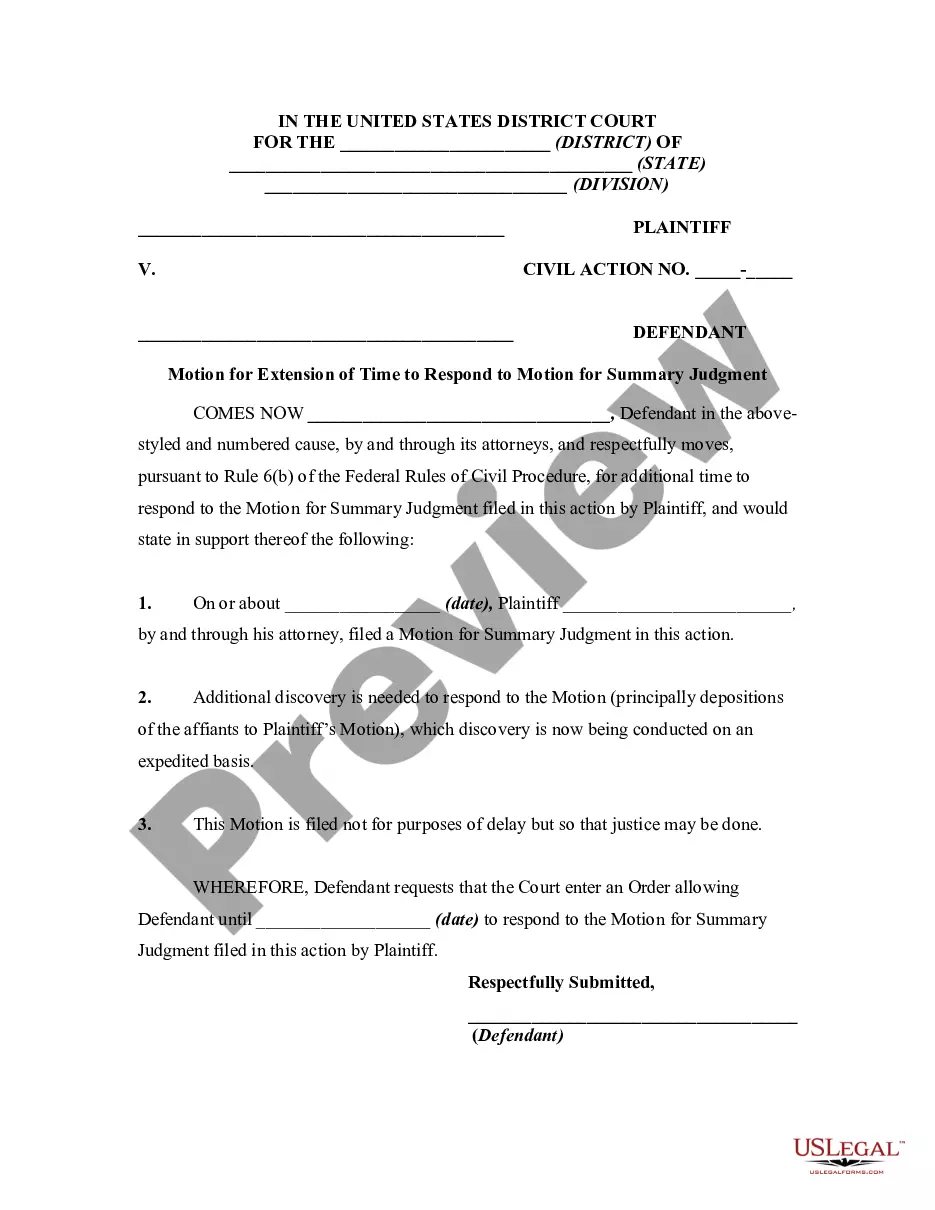
The new rule allows a party to move for summary judgment at any time, even as early as the commencement of the action. If the motion seems premature both subdivision (c)(1) and Rule 6(b) allow the court to extend the time to respond. The rule does set a presumptive deadline at 30 days after the close of all discovery.
Under the Federal Rules, a summary judgment motion can be made at any time until 30 days after close of fact discovery. However, judges are also required to issue scheduling orders that set deadlines for the filing of motions. The trial court may refuse to hear a motion for summary judgment filed after the deadline.
A response must be in writing and include the same supporting documents as a motion for summary judgment. The opposition to the motion for summary judgment should also include a statement of facts showing the dispute and supporting documents.
If the motion is granted, the judgment on the issue or case is deemed to be a final judgment from which a party may seek an appeal. The court of appeal can reverse the grant of summary judgment and reinstate the claim in the lower court. However, this is rarely done and most summary judgments are upheld on appeal.
Generally, you should move all at once. However, you can move to dismiss various affirmative defenses, causes of action and/or counterclaims early on but there's a high chance of being denied as premature.
Decision on motions for summary judgment: About 15 months after beginning of representation. The judge will make a decision on summary judgment about three months after s/he hears arguments from both sides.