Multistate Landlord Tenant Handbook - Guide - Laws
What this document covers
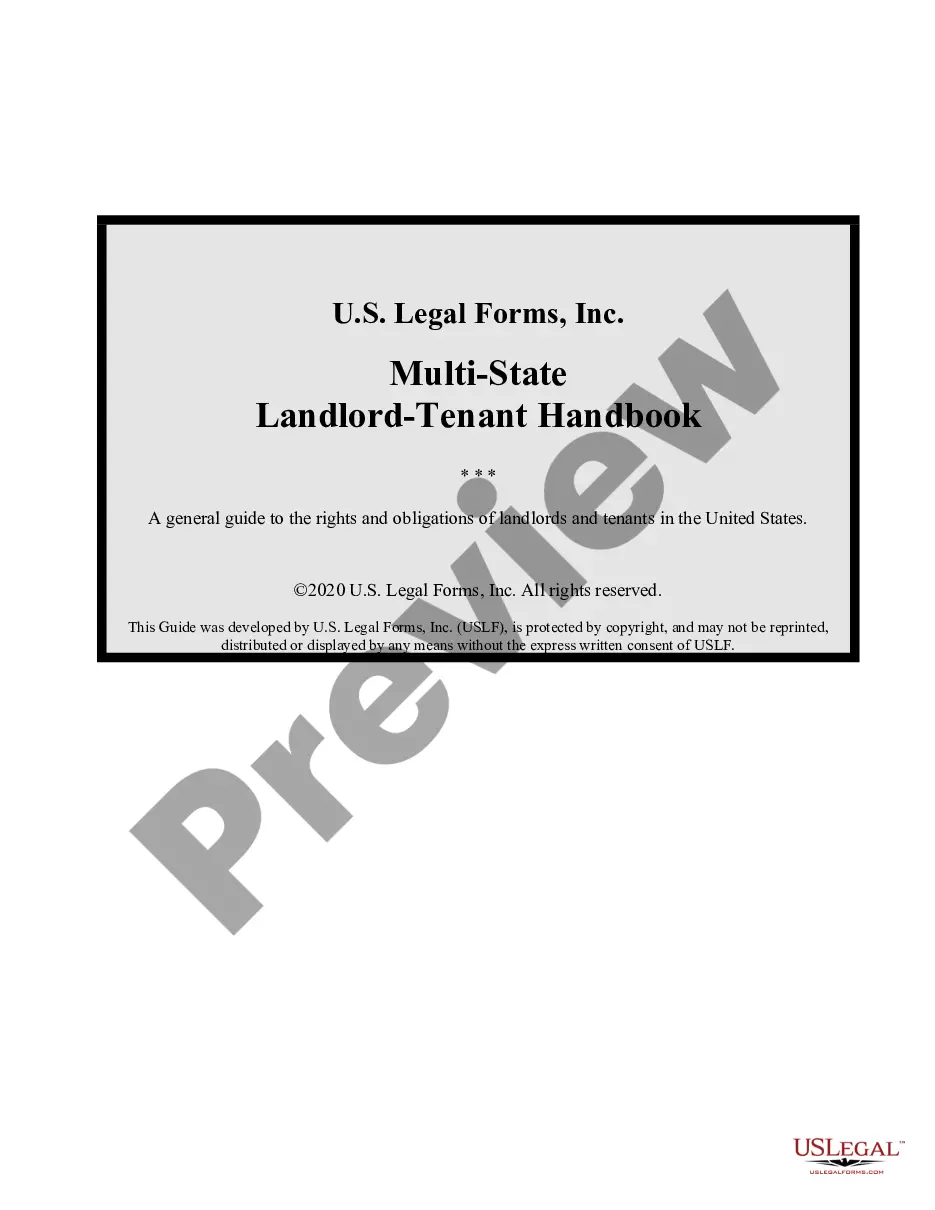
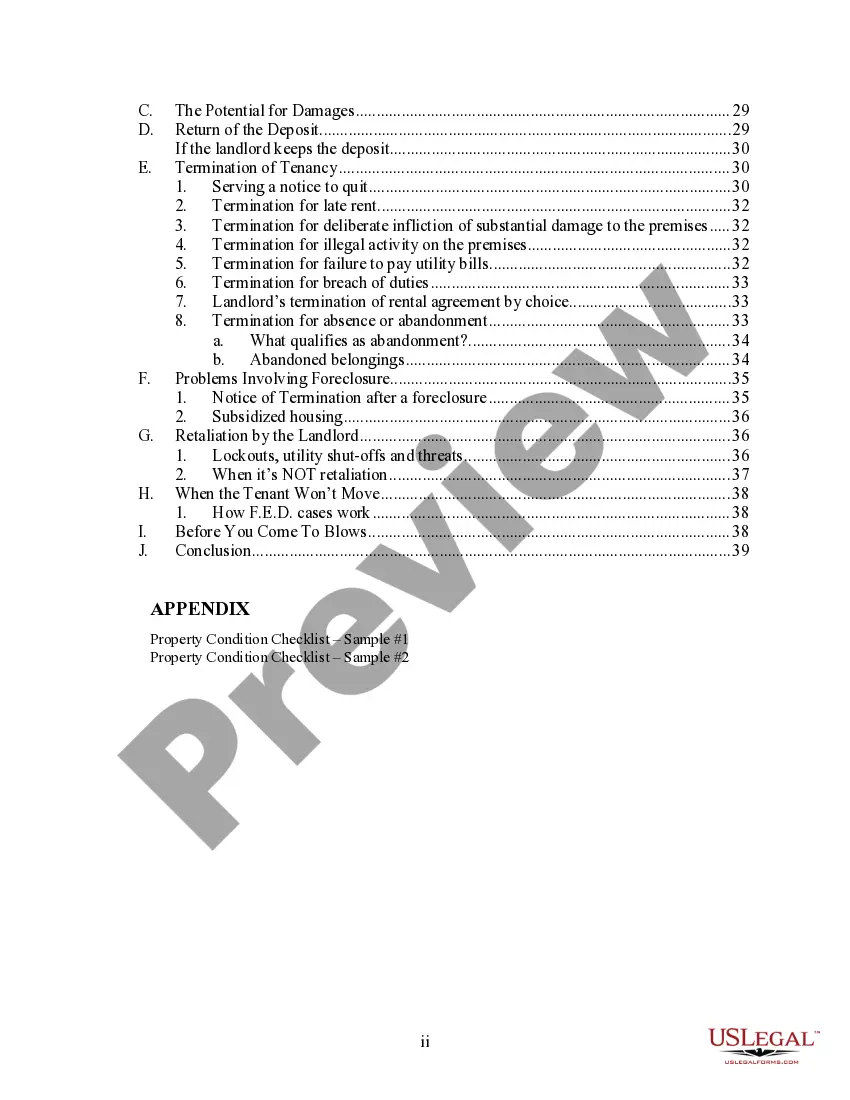
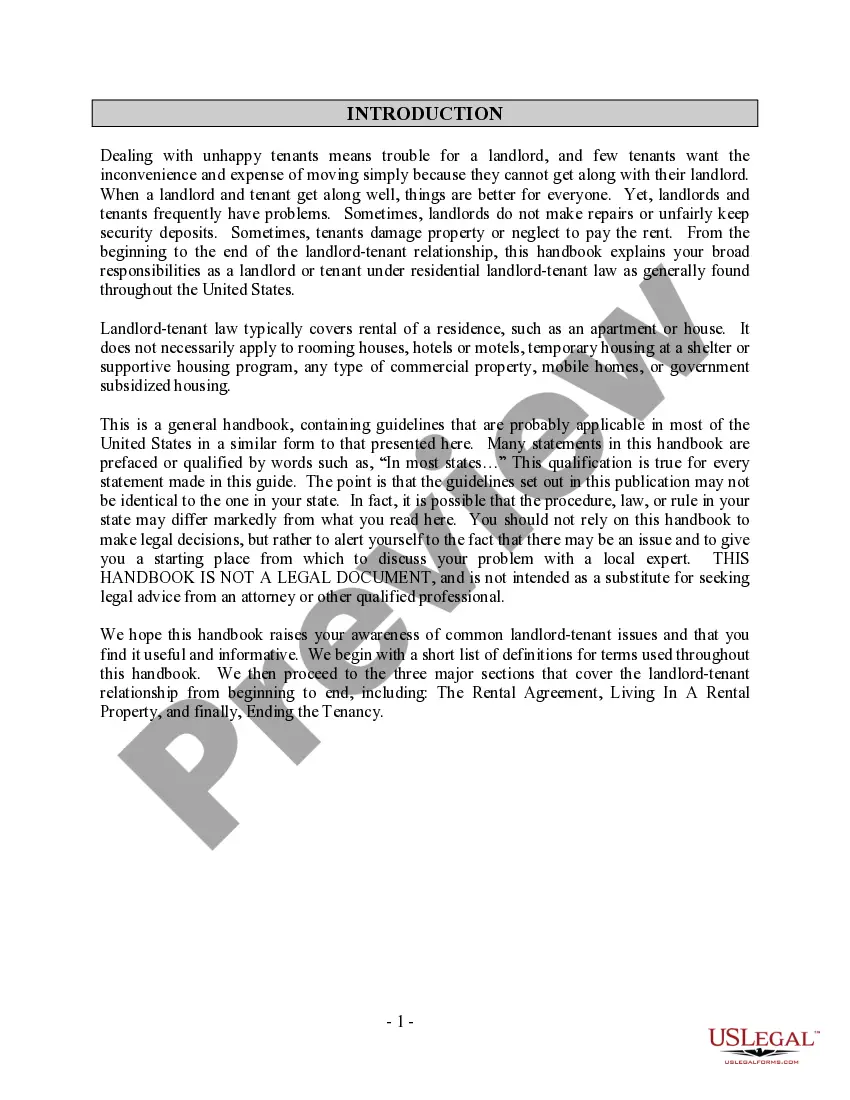
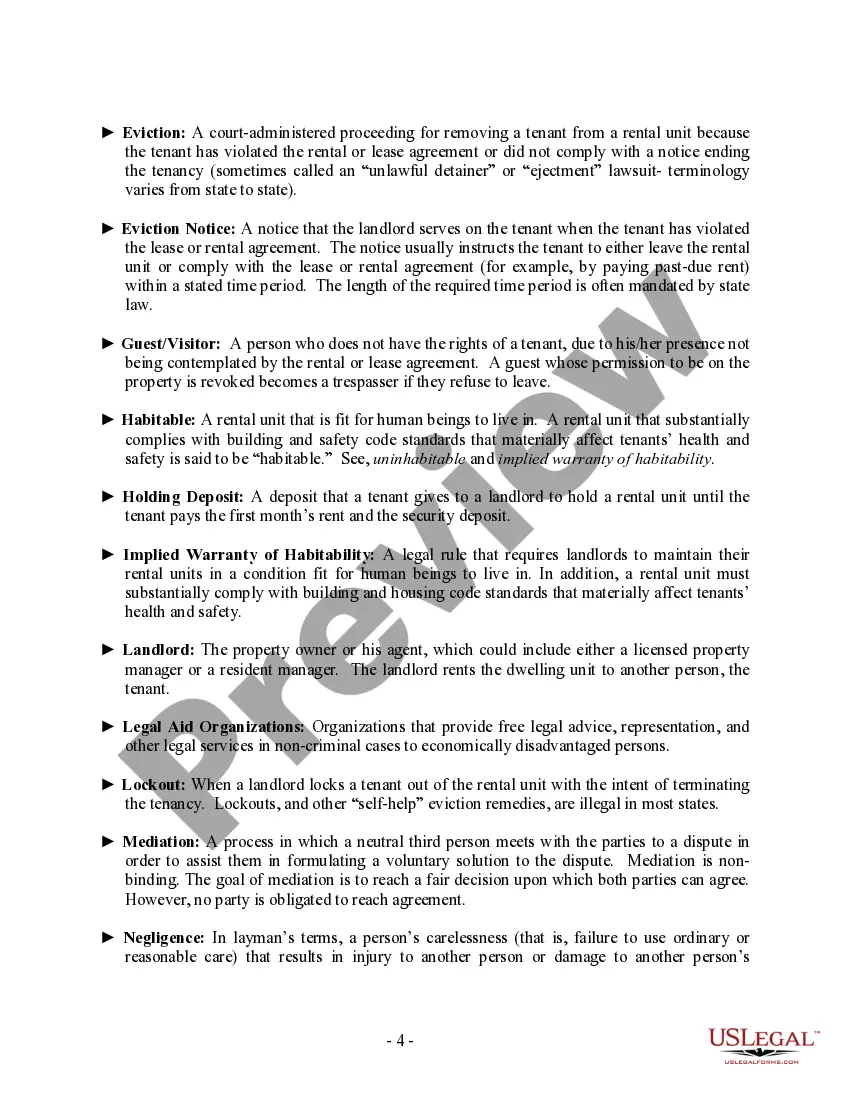
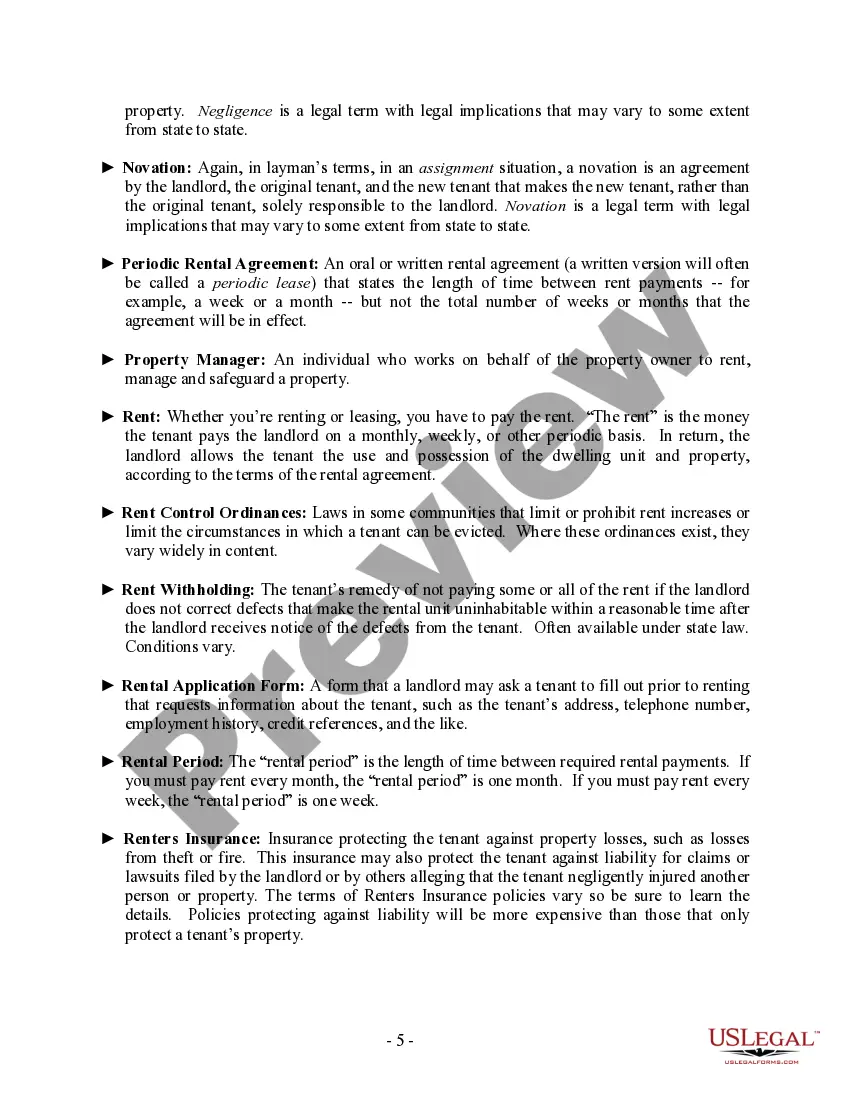
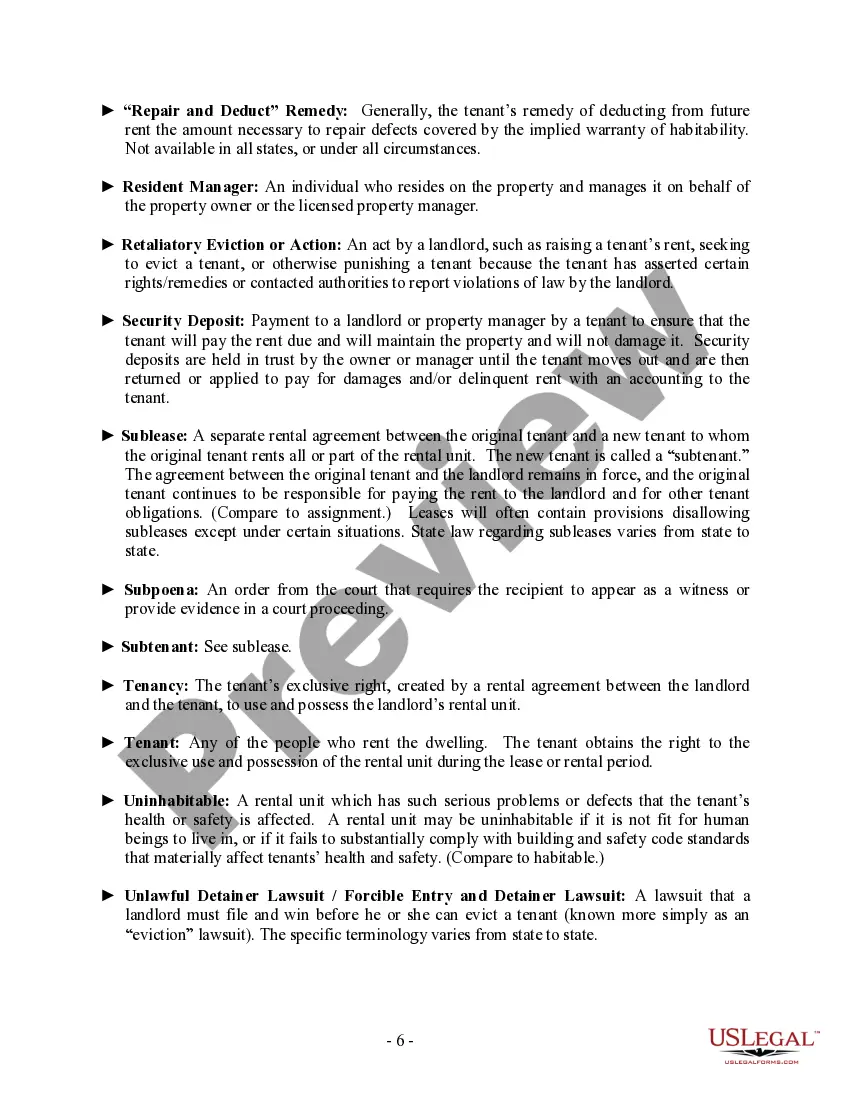
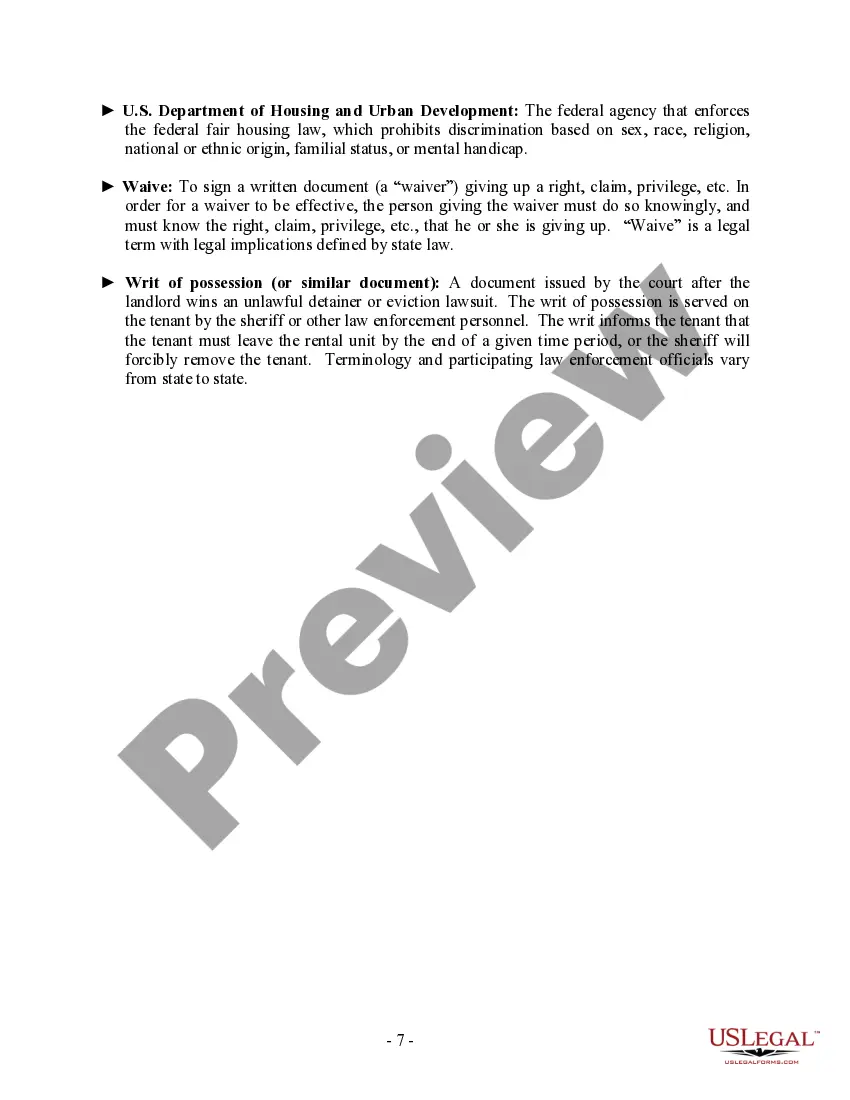
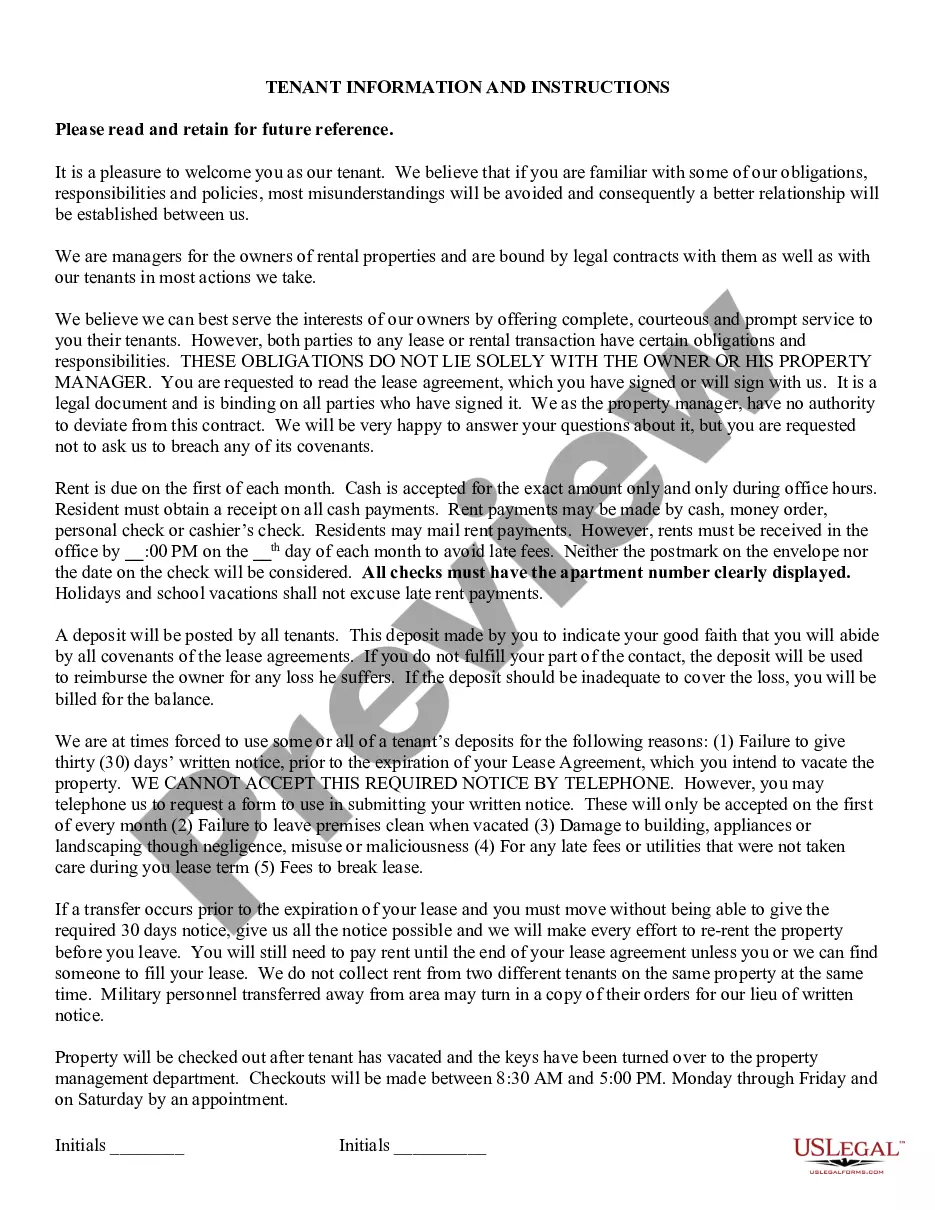
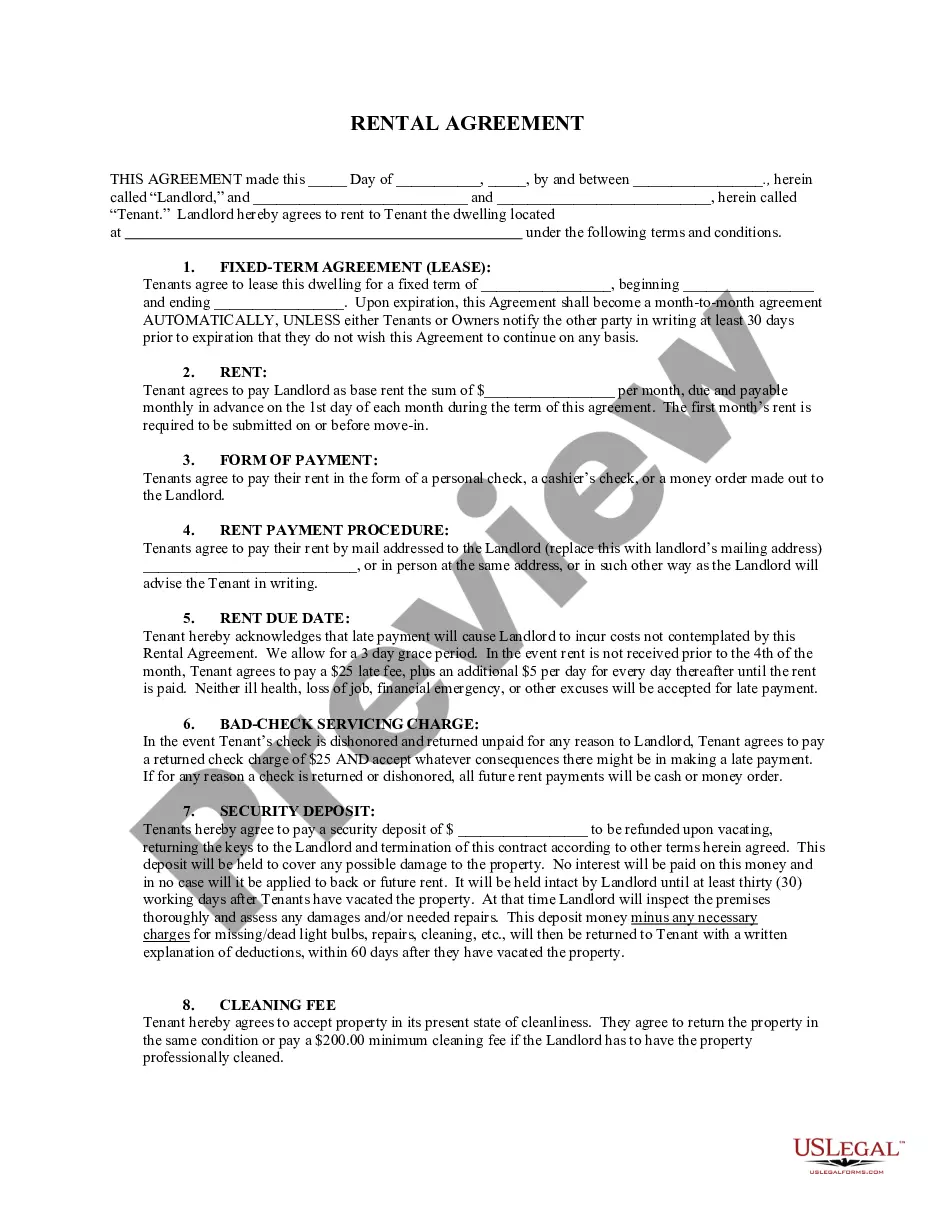
The Multistate Landlord-Tenant Handbook is a detailed guide that outlines the rights and obligations of both landlords and tenants across the United States. This handbook serves as an essential resource, breaking down complex topics such as lease agreements, security deposits, eviction notices, and tenant remedies. Unlike standard lease forms, this handbook provides informative content that helps parties navigate the landlord-tenant relationship, ensuring that both sides understand their legal standing and responsibilities.
Key components of this form
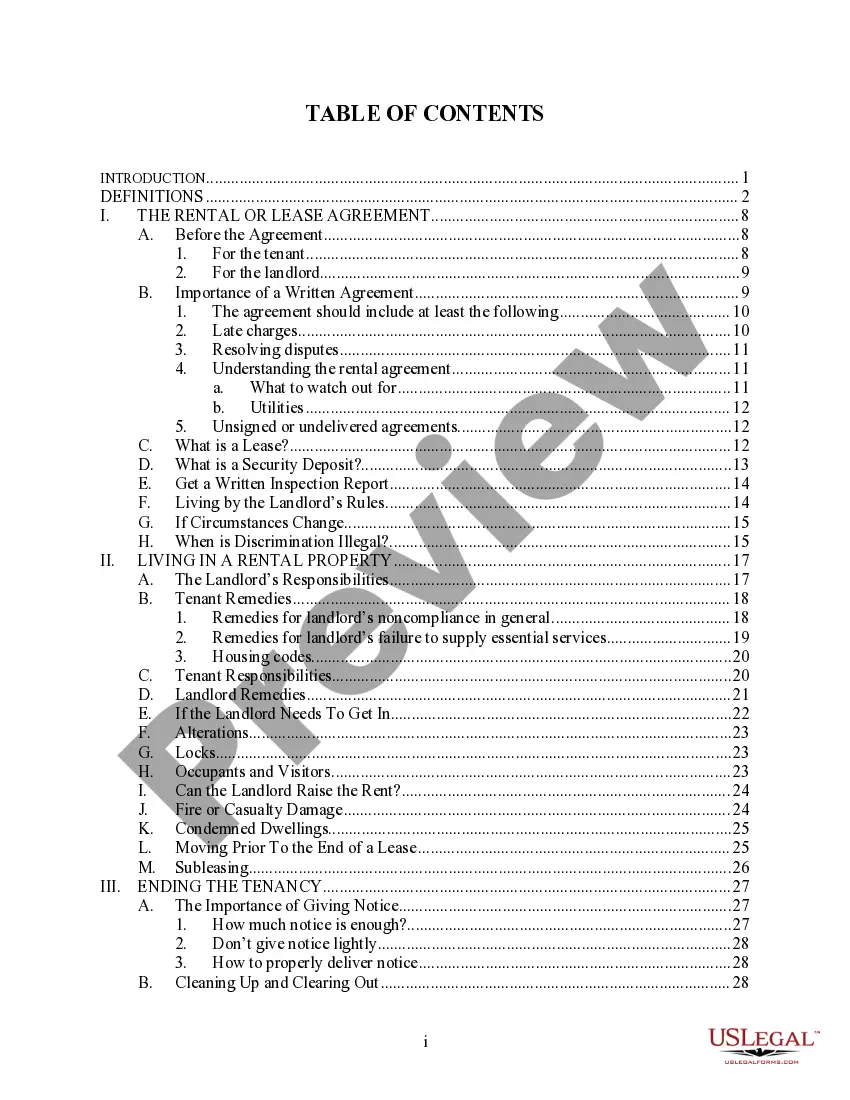
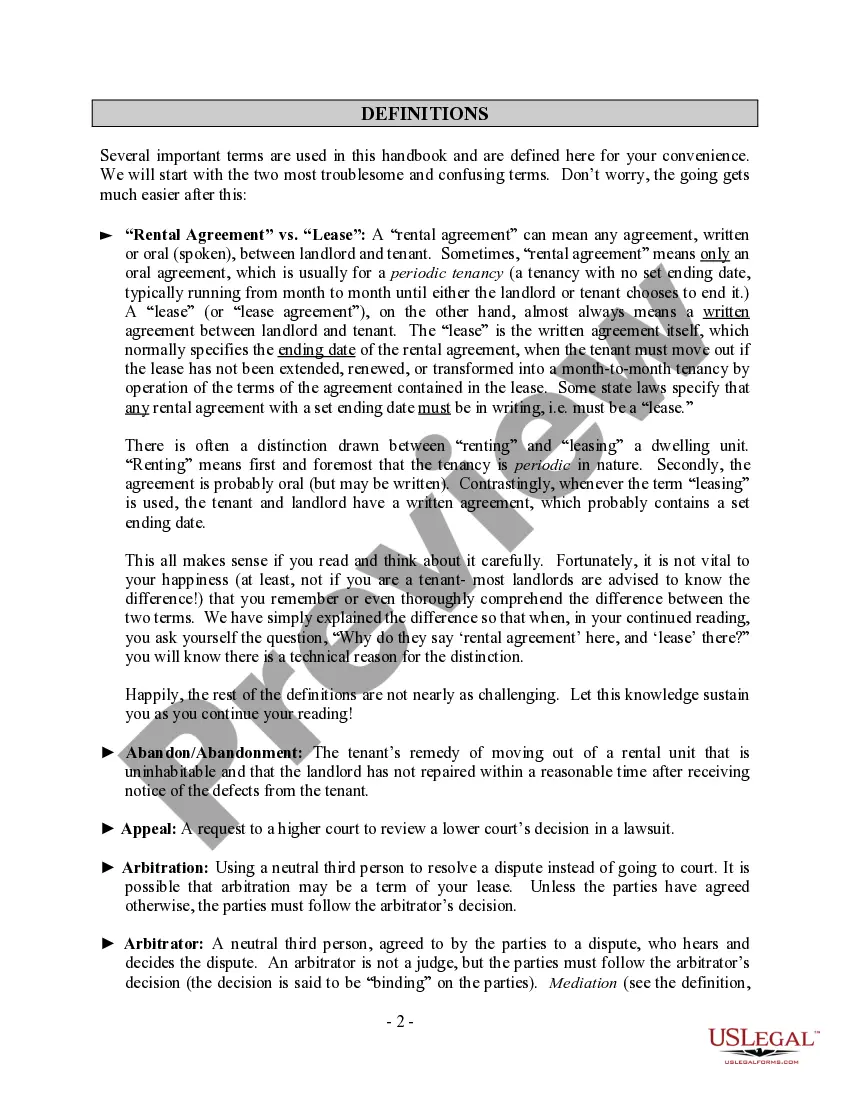
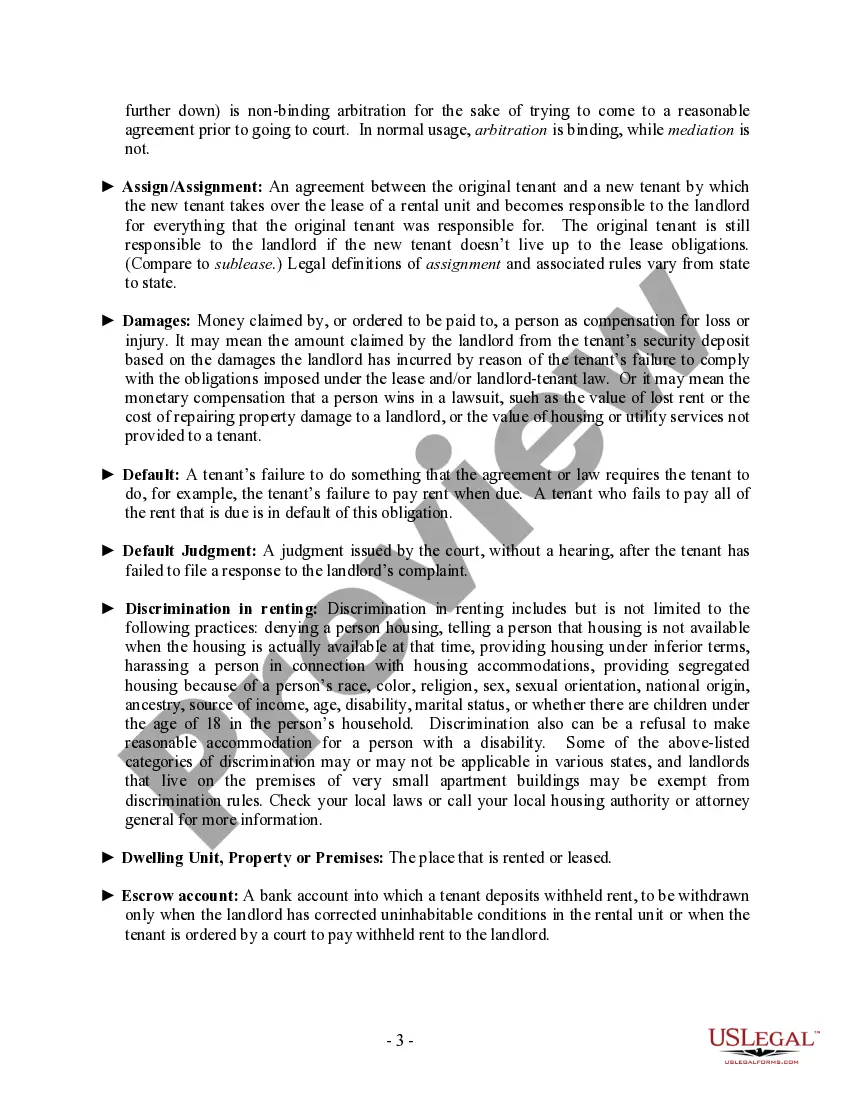
- Definitions of key terms related to landlord-tenant agreements.
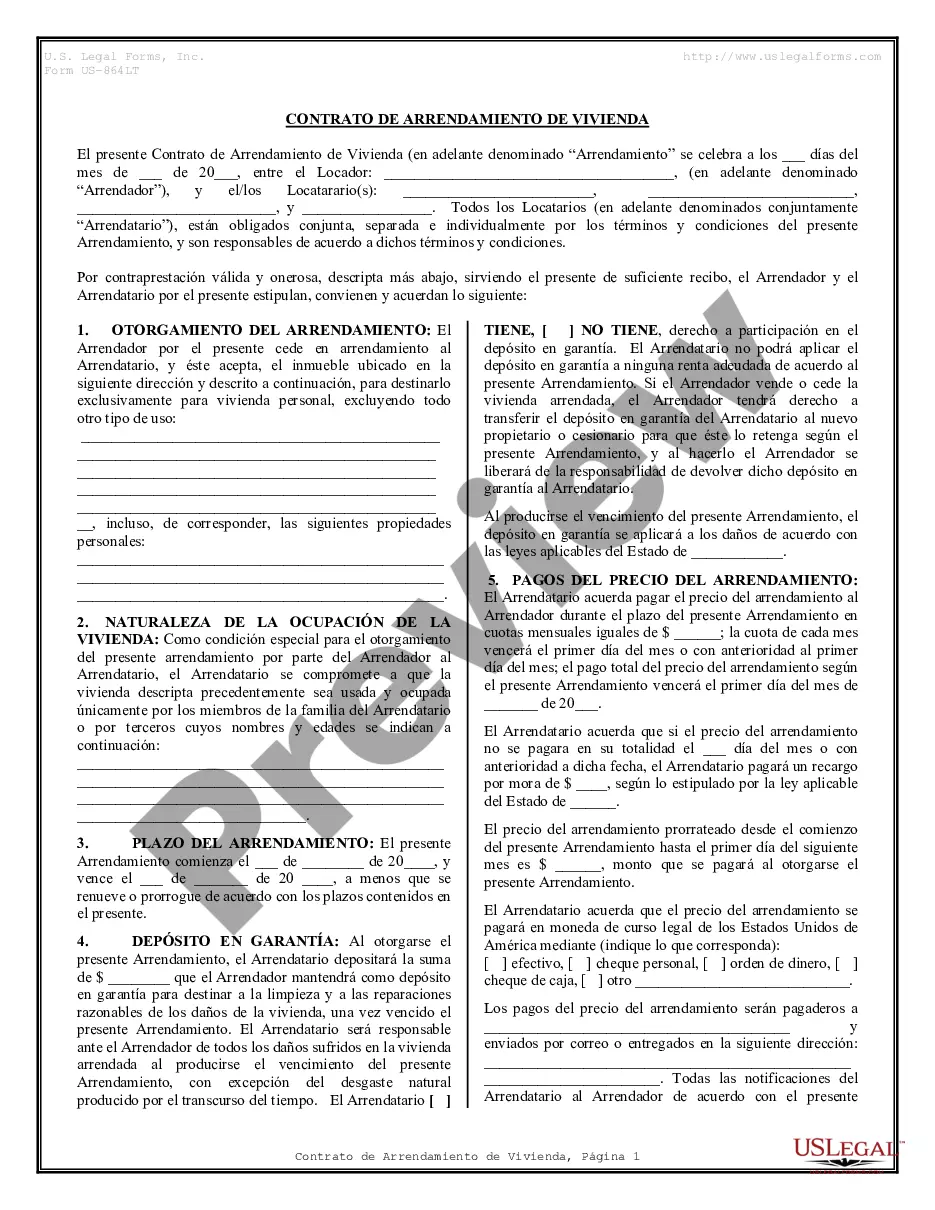
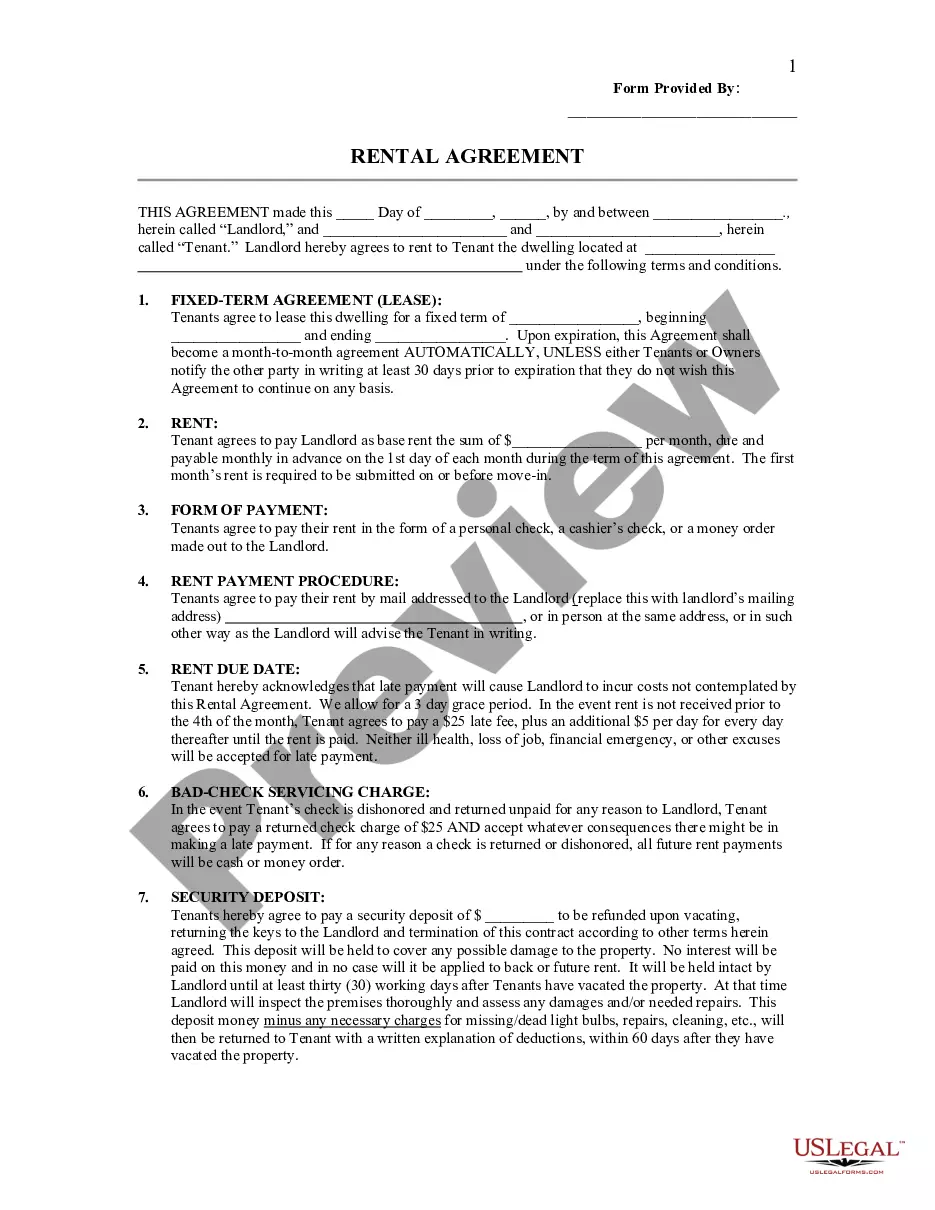
- Detailed information on rental agreements and lease agreements.
- A summary of responsibilities for both landlords and tenants.
- Instructions on how to handle notices, eviction processes, and termination of tenancy.
- Guidance on dealing with issues such as security deposits and maintenance obligations.

When to use this form
This handbook is useful when entering a rental agreement or lease, during the course of a tenancy, and at the end of a rental relationship. It provides guidance on common issues that arise, such as disputes over repairs, security deposit returns, and landlord entry notices. Use this handbook whenever questions about landlord-tenant laws and rights arise.
Who this form is for
- Landlords looking to understand their rights and responsibilities.
- Tenants seeking clarity on their rights under rental agreements.
- Any individual considering entering into a lease agreement.
- Real estate professionals who support either landlords or tenants.
How to complete this form
- Review the definitions and understand the key terms used in the handbook.
- Familiarize yourself with the rental agreement or lease format discussed in the handbook.
- Identify your responsibilities as a landlord or tenant as outlined in the relevant sections.
- Follow the guidance for giving proper notice when relevant issues arise.
- Consult local laws or legal advice for state-specific practices when necessary.
Notarization guidance
This form usually doesn’t need to be notarized. However, local laws or specific transactions may require it. Our online notarization service, powered by Notarize, lets you complete it remotely through a secure video session, available 24/7.
Get your form ready online
Our built-in tools help you complete, sign, share, and store your documents in one place.
Make edits, fill in missing information, and update formatting in US Legal Forms—just like you would in MS Word.
Download a copy, print it, send it by email, or mail it via USPS—whatever works best for your next step.
Sign and collect signatures with our SignNow integration. Send to multiple recipients, set reminders, and more. Go Premium to unlock E-Sign.
If this form requires notarization, complete it online through a secure video call—no need to meet a notary in person or wait for an appointment.
We protect your documents and personal data by following strict security and privacy standards.

Make edits, fill in missing information, and update formatting in US Legal Forms—just like you would in MS Word.

Download a copy, print it, send it by email, or mail it via USPS—whatever works best for your next step.

Sign and collect signatures with our SignNow integration. Send to multiple recipients, set reminders, and more. Go Premium to unlock E-Sign.

If this form requires notarization, complete it online through a secure video call—no need to meet a notary in person or wait for an appointment.

We protect your documents and personal data by following strict security and privacy standards.
Common mistakes
- Not reading or understanding the rental agreement before signing it.
- Failing to document the condition of the property before moving in.
- Ignoring jurisdiction-specific laws that can impact your lease or rental situation.
- Not giving proper notice when ending a tenancy, which can lead to financial penalties.
Benefits of using this form online
- Immediate access to comprehensive legal information can help clarify landlord-tenant relationships.
- Downloadable content allows for easy reference and precise usage when needed.
- Information provided is drafted by licensed attorneys to ensure reliability and accuracy.
Legal use & context
- This handbook serves as a reference to help navigate legal issues but is not a substitute for legal advice.
- Users should consult an attorney for specific legal matters related to their personal situations.
- Understanding the information within this handbook can lead to more informed decision-making regarding rental agreements.
Key takeaways
- The Multistate Landlord Tenant Handbook is a vital resource for understanding rental agreements.
- Knowing both landlord and tenant rights can prevent disputes and foster better relationships.
- Documentation is crucial, particularly with property conditions and communications.
- Consult local laws alongside this handbook for the best outcomes in specific scenarios.
Looking for another form?
Form popularity
FAQ
The landlord must give the tenant a three day notice, in writing, to evict for nonpayment of rent. The notice must state that the tenant must pay rent or vacate possession. If the tenant does not pay in three days, the landlord may file an eviction action in justice court and obtain an order of eviction.
Mississippi is another landlord-friendly state, there's no limit for how much a landlord can charge for a security deposit, and landlords have 45 days to return the security deposit at the end of a tenancy.
Notice to terminate a week-to-week lease. A one-week written notice is required. Notice to terminate a month-to-month lease. 30-day written notice is required. Notice to terminate a yearly lease with no end date.
Can you claim? You can claim compensation from the landlord if you can show: you have suffered loss, damage or significant inconvenience, and. it was caused by the landlord or their agent breaching their duties under the law or the tenancy agreement (lease).