Trademark License Agreement for use in Educational Market
About this form
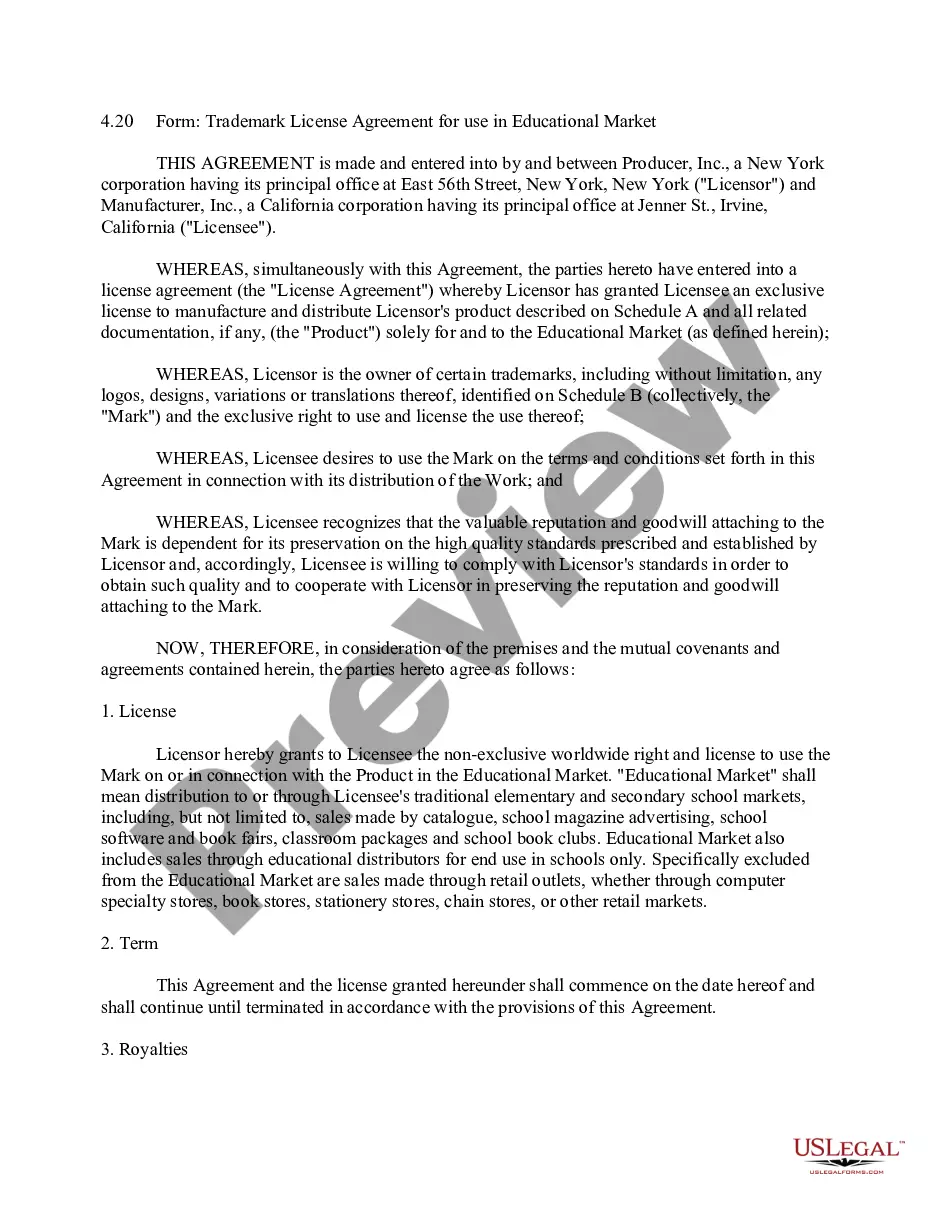
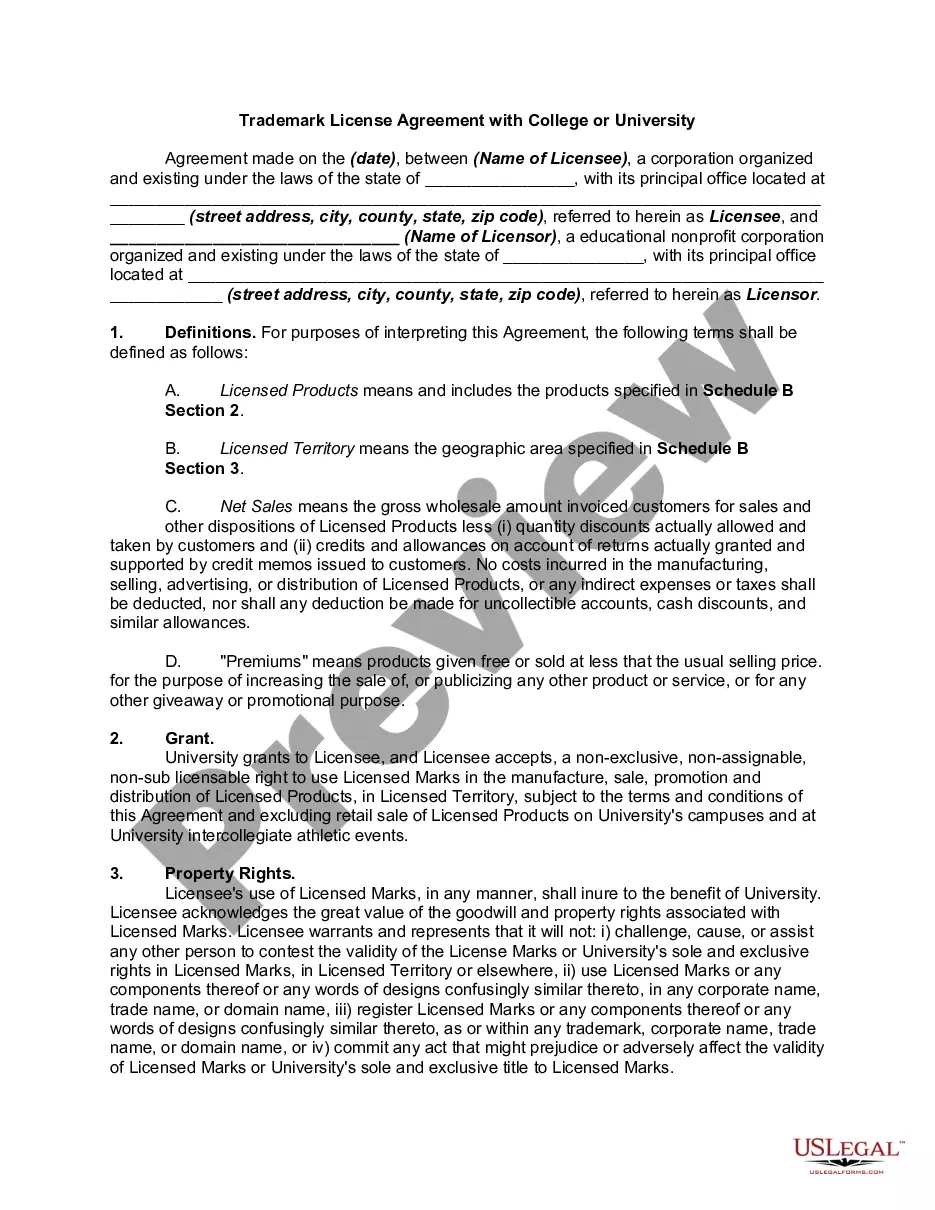
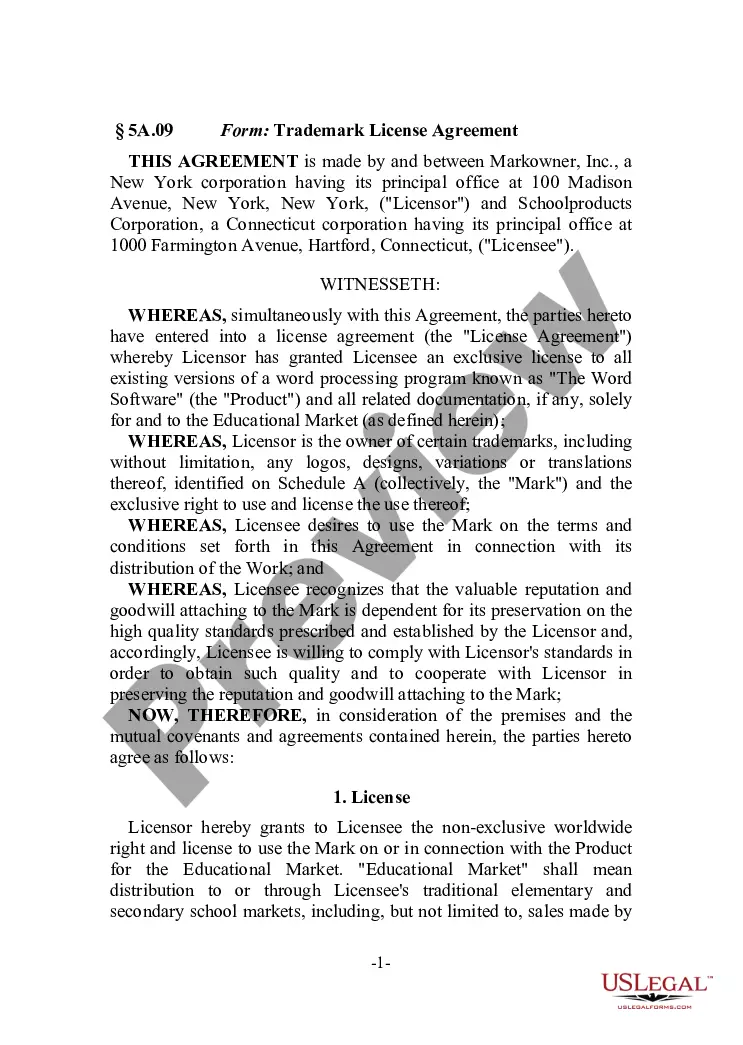
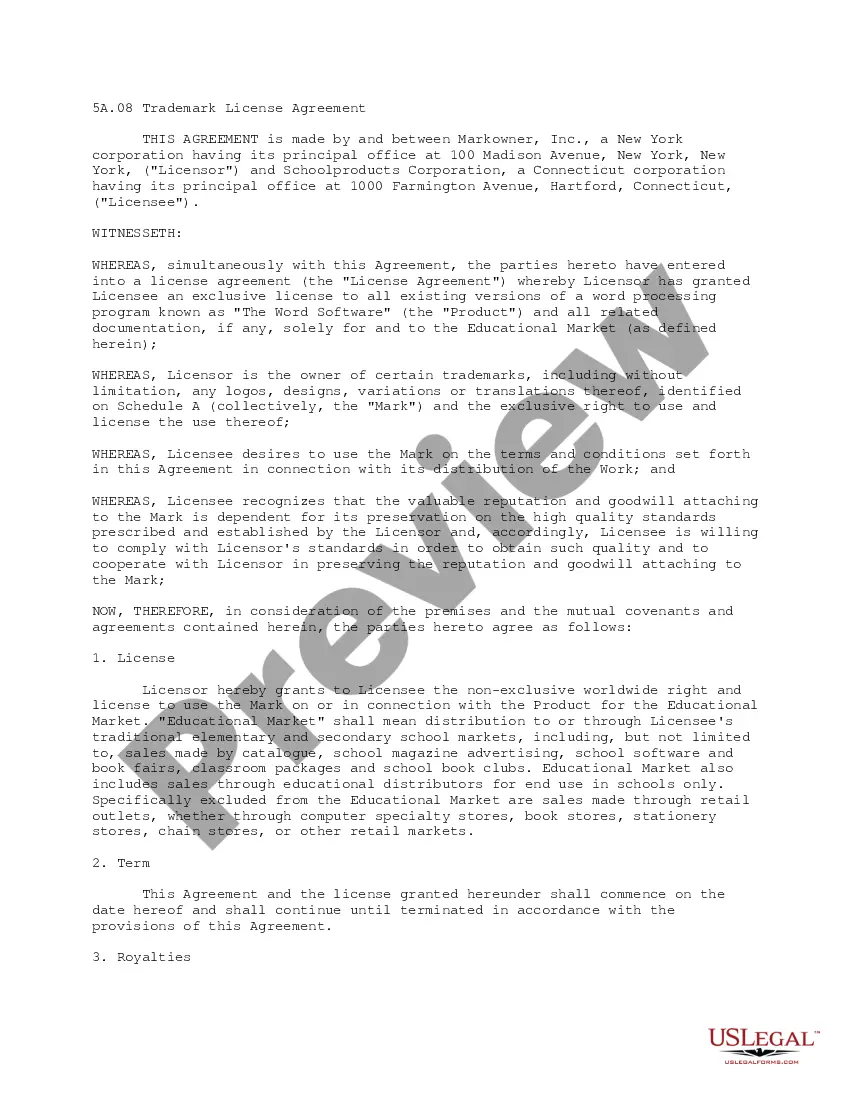
The Trademark License Agreement for use in the Educational Market is a legal document that outlines the terms under which a Licensor grants a Licensee the right to use specific trademarks. This agreement is essential for businesses that wish to manufacture and distribute products specifically targeting educational institutions. Unlike general licensing agreements, this form is tailored for a unique market and includes provisions that ensure the quality and reputation of the licensed trademarks are maintained within the educational sector.
Main sections of this form
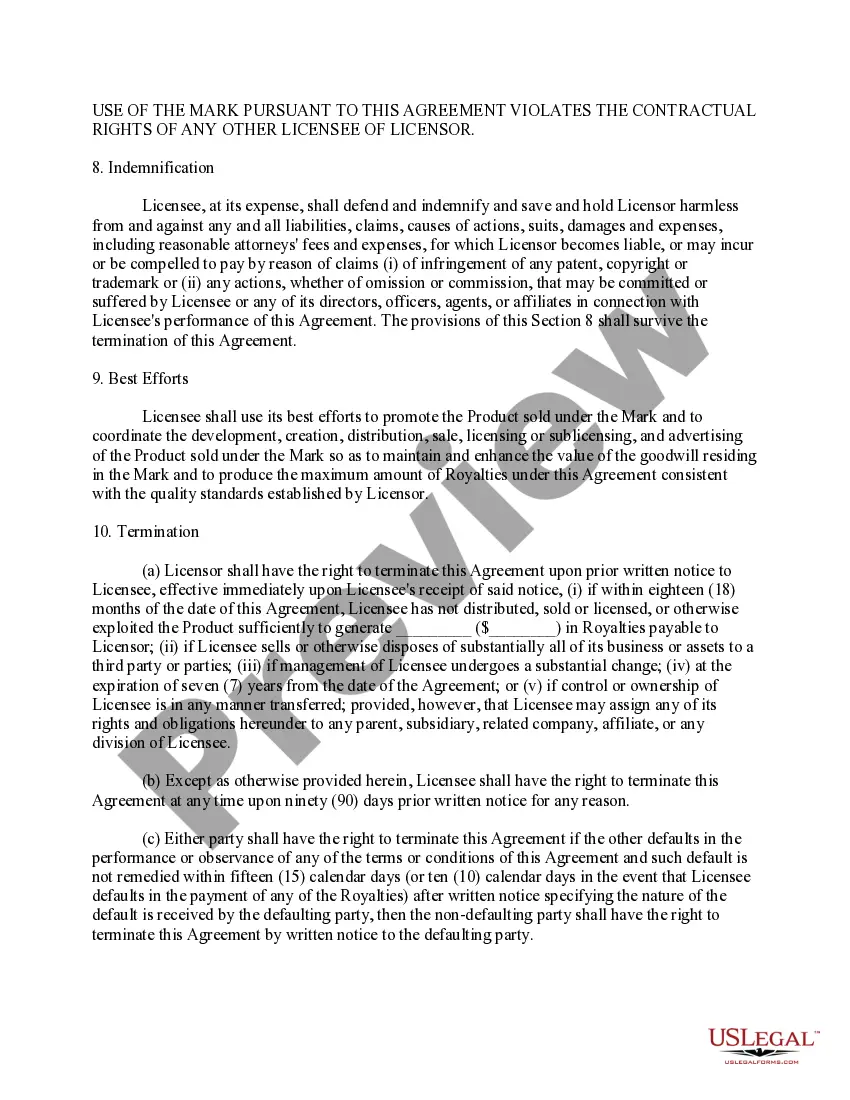
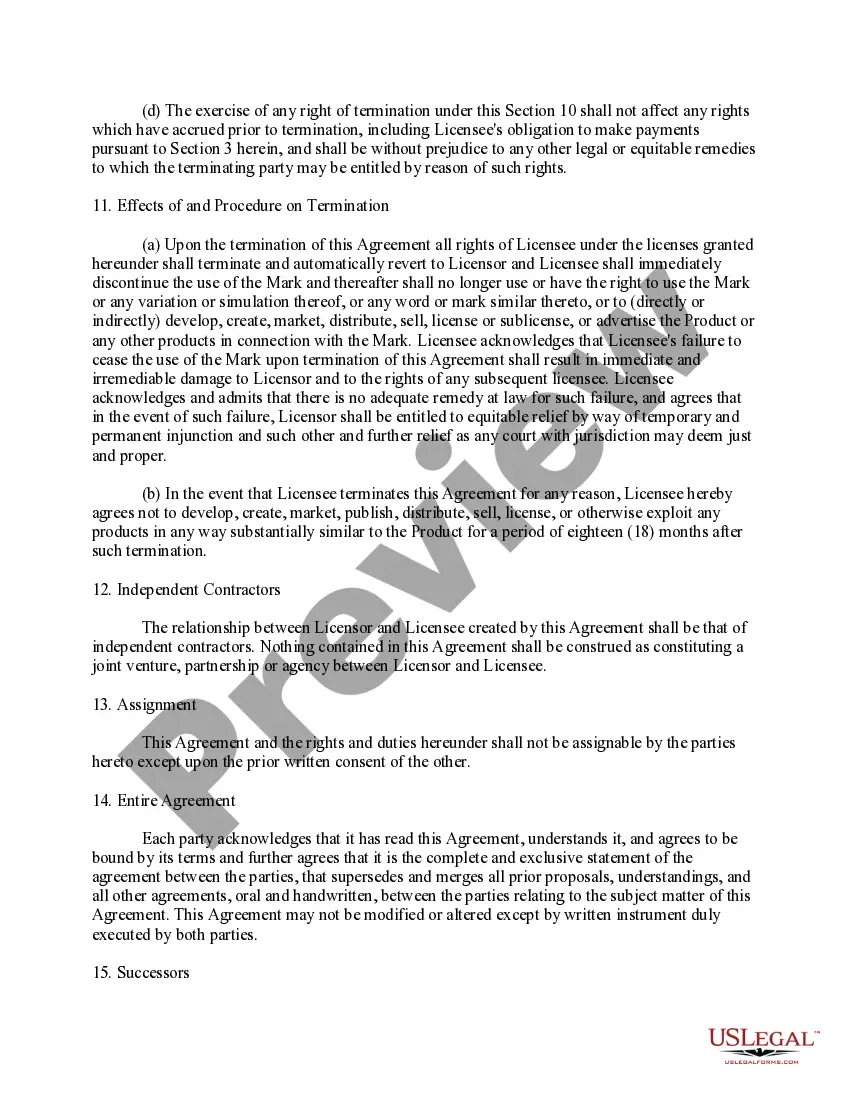
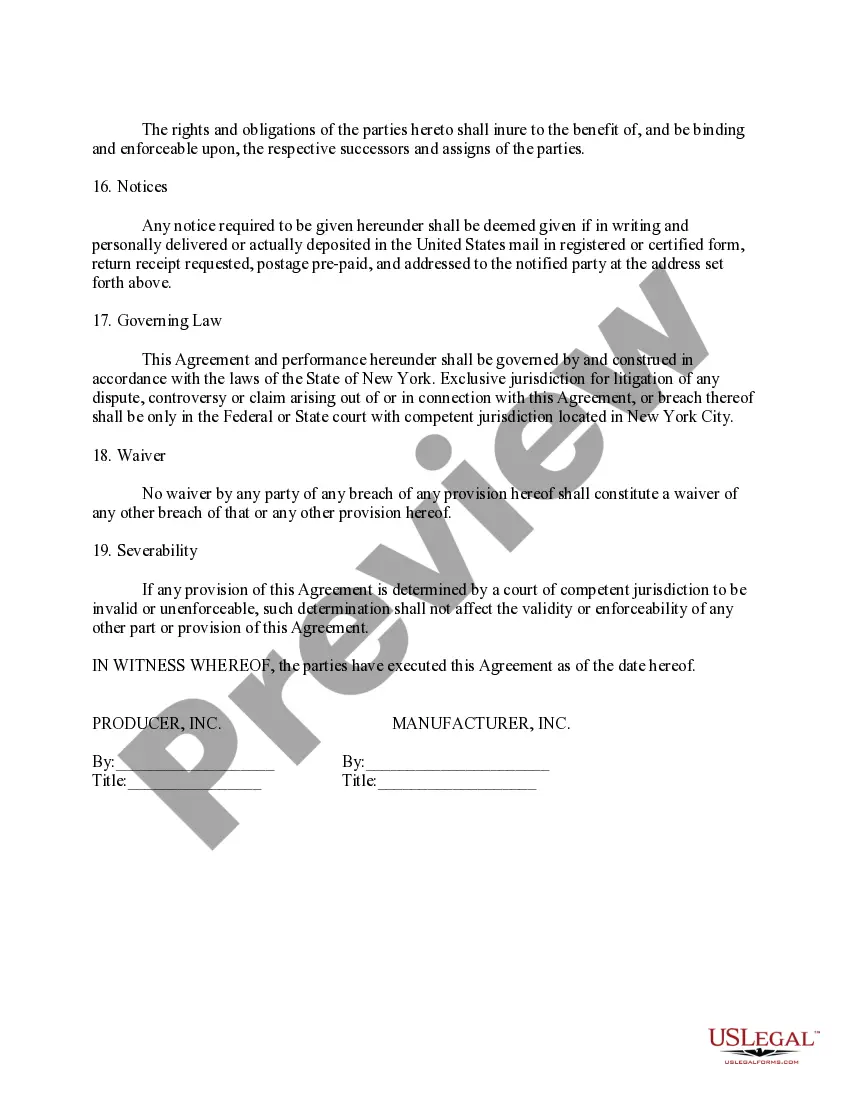
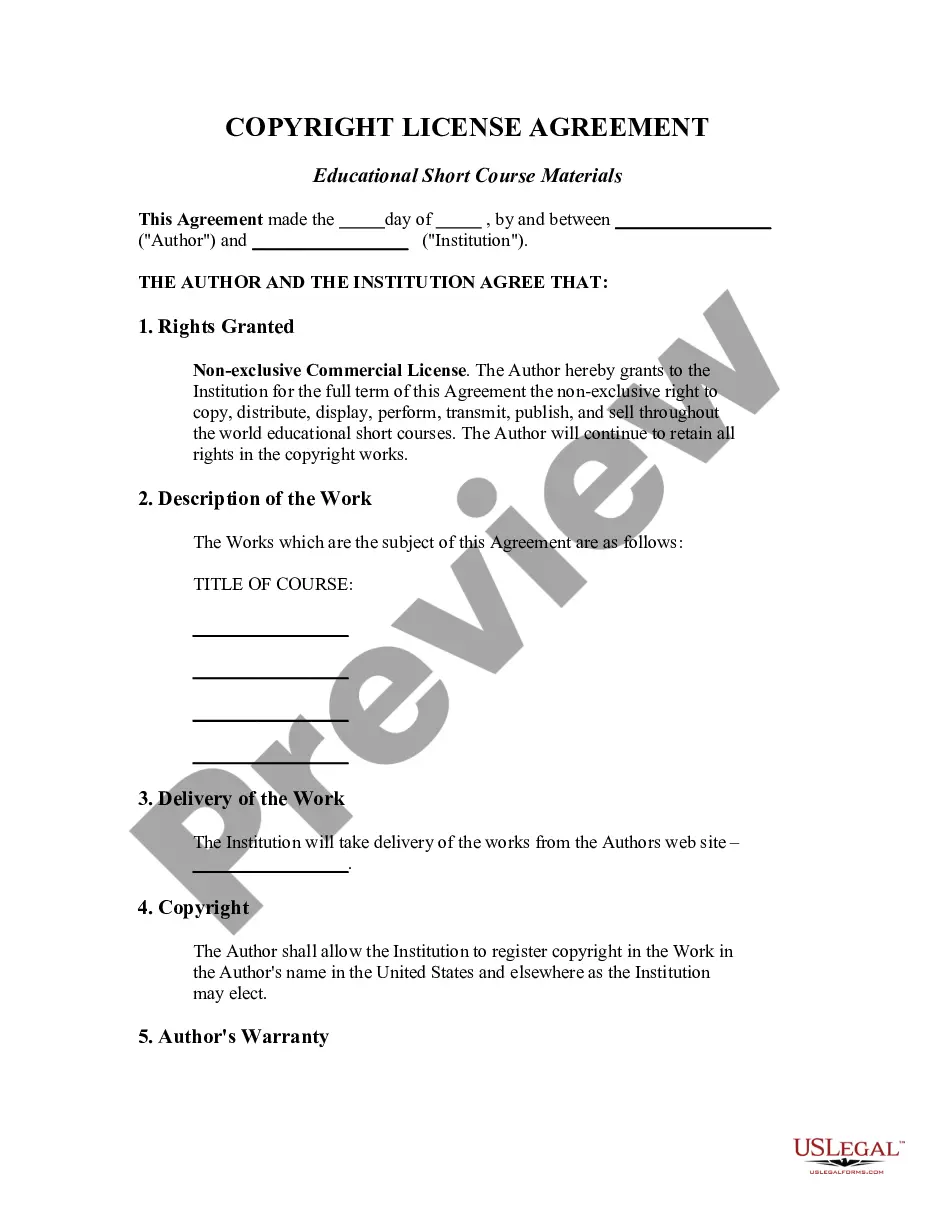
- License: Grants non-exclusive rights to use trademarks in the educational market.
- Term: Specifies the duration of the agreement and conditions for termination.
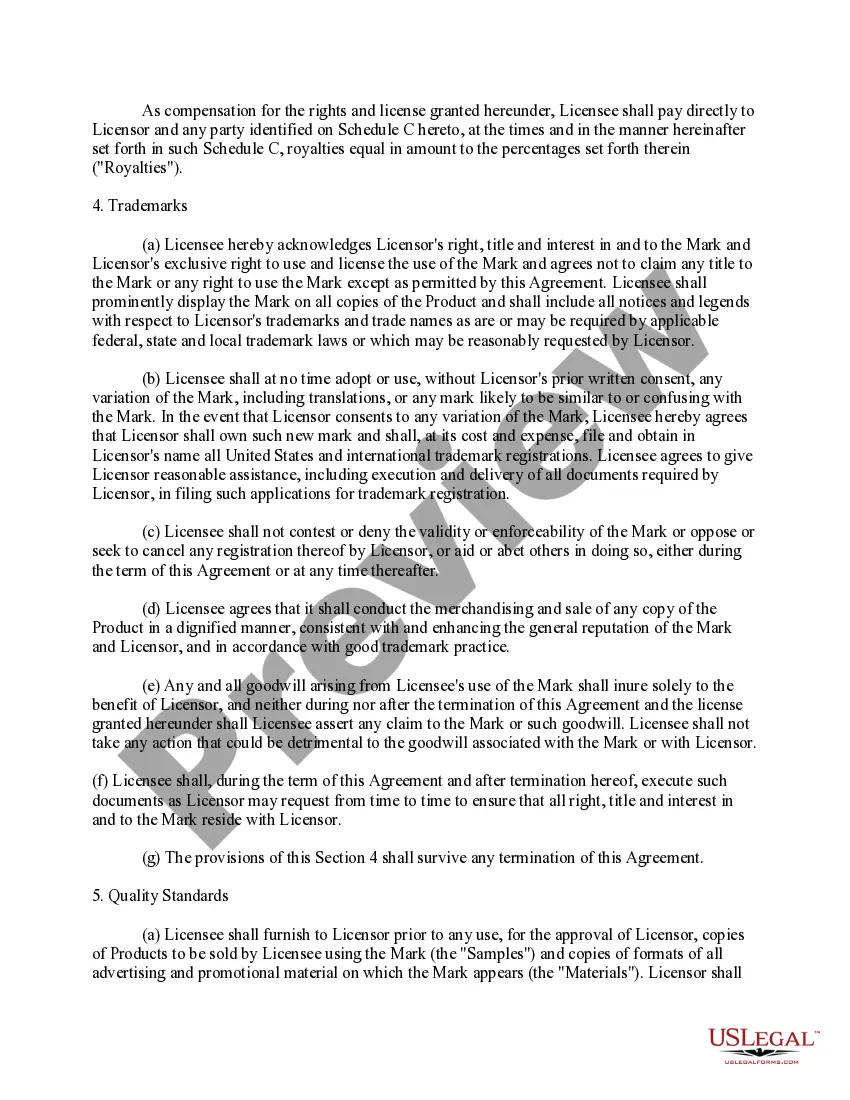
- Royalties: Details compensation for trademark use based on sales.
- Trademarks: Defines the rights and responsibilities related to trademark use and protection.
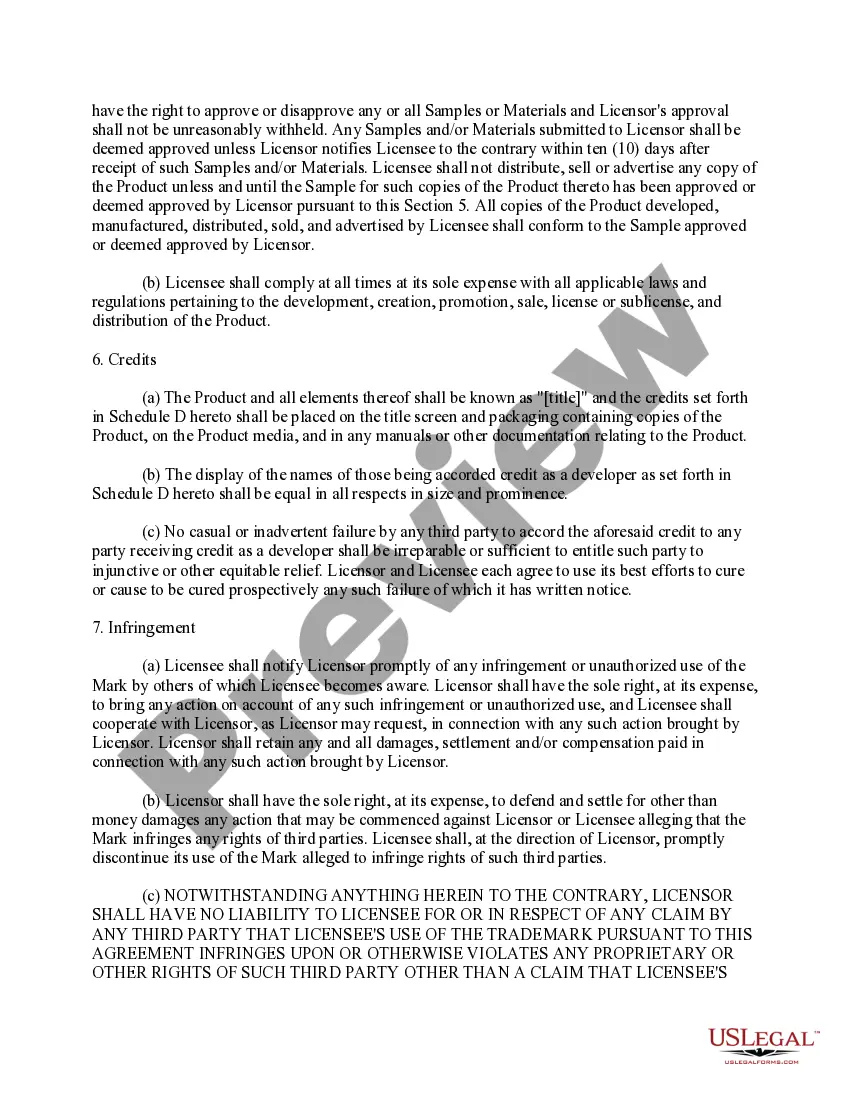
- Quality Standards: Establishes requirements for product approval and compliance with laws.
- Infringement: Outlines procedures for addressing unauthorized use of trademarks.
- Indemnification: Details obligations to protect and hold harmless the Licensor from claims.
Situations where this form applies
This form should be used when a manufacturer or distributor seeks to legally license a trademark owned by another party for educational products. It is particularly useful for businesses involved in the sale of educational materials through traditional school markets, such as schools, school software, and classroom packages. This agreement can help protect the interests of both parties while ensuring high standards for products associated with the trademark.
Who needs this form
- Manufacturers of educational products wishing to license trademarks.
- Distributors targeting the educational market for selling licensed materials.
- Companies seeking to ensure compliance with quality standards while using trademarks.
- Businesses involved in the creation and promotion of educational content.
Steps to complete this form
- Identify the parties involved: Clearly state the Licensor and Licensee names and addresses.
- Define the trademark: Specify the trademarks being licensed and include details in the related schedules.
- Outline product details: Describe the products for which the trademark will be used.
- Specify royalty structure: Indicate how and when royalties will be paid as outlined in the agreement.
- Include quality standards: Ensure compliance by detailing approval processes for products and promotional materials.
- Sign and date: Both parties should sign and date the agreement to formalize the terms.
Does this form need to be notarized?
This form usually doesn’t need to be notarized. However, local laws or specific transactions may require it. Our online notarization service, powered by Notarize, lets you complete it remotely through a secure video session, available 24/7.
Get your form ready online
Our built-in tools help you complete, sign, share, and store your documents in one place.
Make edits, fill in missing information, and update formatting in US Legal Forms—just like you would in MS Word.
Download a copy, print it, send it by email, or mail it via USPS—whatever works best for your next step.
Sign and collect signatures with our SignNow integration. Send to multiple recipients, set reminders, and more. Go Premium to unlock E-Sign.
If this form requires notarization, complete it online through a secure video call—no need to meet a notary in person or wait for an appointment.
We protect your documents and personal data by following strict security and privacy standards.

Make edits, fill in missing information, and update formatting in US Legal Forms—just like you would in MS Word.

Download a copy, print it, send it by email, or mail it via USPS—whatever works best for your next step.

Sign and collect signatures with our SignNow integration. Send to multiple recipients, set reminders, and more. Go Premium to unlock E-Sign.

If this form requires notarization, complete it online through a secure video call—no need to meet a notary in person or wait for an appointment.

We protect your documents and personal data by following strict security and privacy standards.
Mistakes to watch out for
- Failing to include all necessary parties in the agreement.
- Not specifying the trademark clearly, leading to confusion about its use.
- Overlooking the royalty payment terms and deadlines.
- Submitting products for sale before obtaining required approvals.
- Not addressing potential infringement issues adequately.
Why complete this form online
- Convenient access to a legally compliant trademark licensing agreement.
- Editable formats that allow customization to fit specific situations and needs.
- Quick downloads, reducing time needed to draft agreements manually.
- Reliability from forms drafted by licensed attorneys.
Legal use & context
- This agreement is legally binding once signed by both parties.
- It should be supplemented by additional agreements if needed to cover other aspects of the trademark usage.
- Compliance with state-specific requirements ensures that the agreement is enforceable.
Quick recap
- This Trademark License Agreement is crucial for businesses targeting the educational sector.
- Maintaining quality and adhering to specified market definitions are essential to uphold trademark rights.
- Both parties should carefully review the terms to ensure that all conditions align with their expectations and business practices.
Looking for another form?
Form popularity
FAQ
A licence is a formal agreement to use someone else's trade mark. You and the owner must agree the terms of the licence, for example the cost or how long it will last. When you've agreed a licence to use the trade mark, fill in the form to record a licensee and post it.
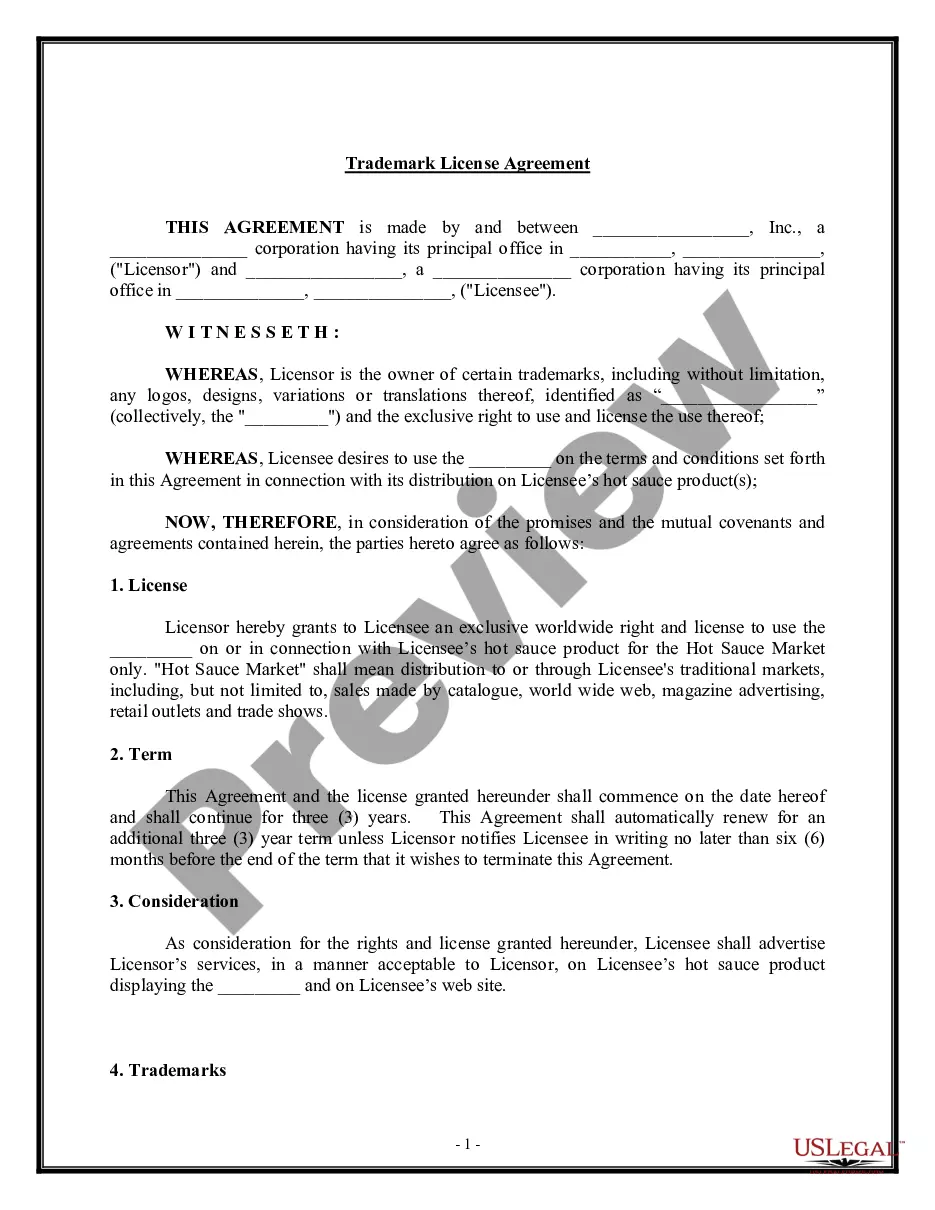
In a Trademark licence agreement the proprietor (Licensor) of a registered trademark gives authorization to another company (Licensee) to manufacture and distribute products under this trademark.
The 3 P's of collegiate licensing are protection, promotion, and profit.
An example of a licensing agreement is a contract between the copyright holders of software and another company, allowing the latter to use the computer software for their daily business operations.
Exclusive or non-exclusive. In an exclusive license, the intellectual property holder is licensing the work only to one person, for that particular use/territory. Territory. Use. Attribution. Derivative works. Confidentiality. Time frame. Termination.
An example of a licensing agreement is a contract between the copyright holders of software and another company, allowing the latter to use the computer software for their daily business operations.
In a typical licensing agreement, the licensor agrees to provide the licensee with intellectual property rights such as the licensor's technology, brand name, or product creation know-how.
A license agreement is a business contract between two parties. The licensor (the seller of the license) owns the asset being licensed and the licensee (the buyer) pays for the right to use the license. The licensee pays royalties to the owner in exchange for the right to sell the product or use the technology.
Download a template for a licensing agreement. Choose your role as the licensor or licensee. Define the license(s) in the agreement. Decide whether the license is exclusive or not. Settle the matter of fees and payment schedule. Add a renewal date and rules.