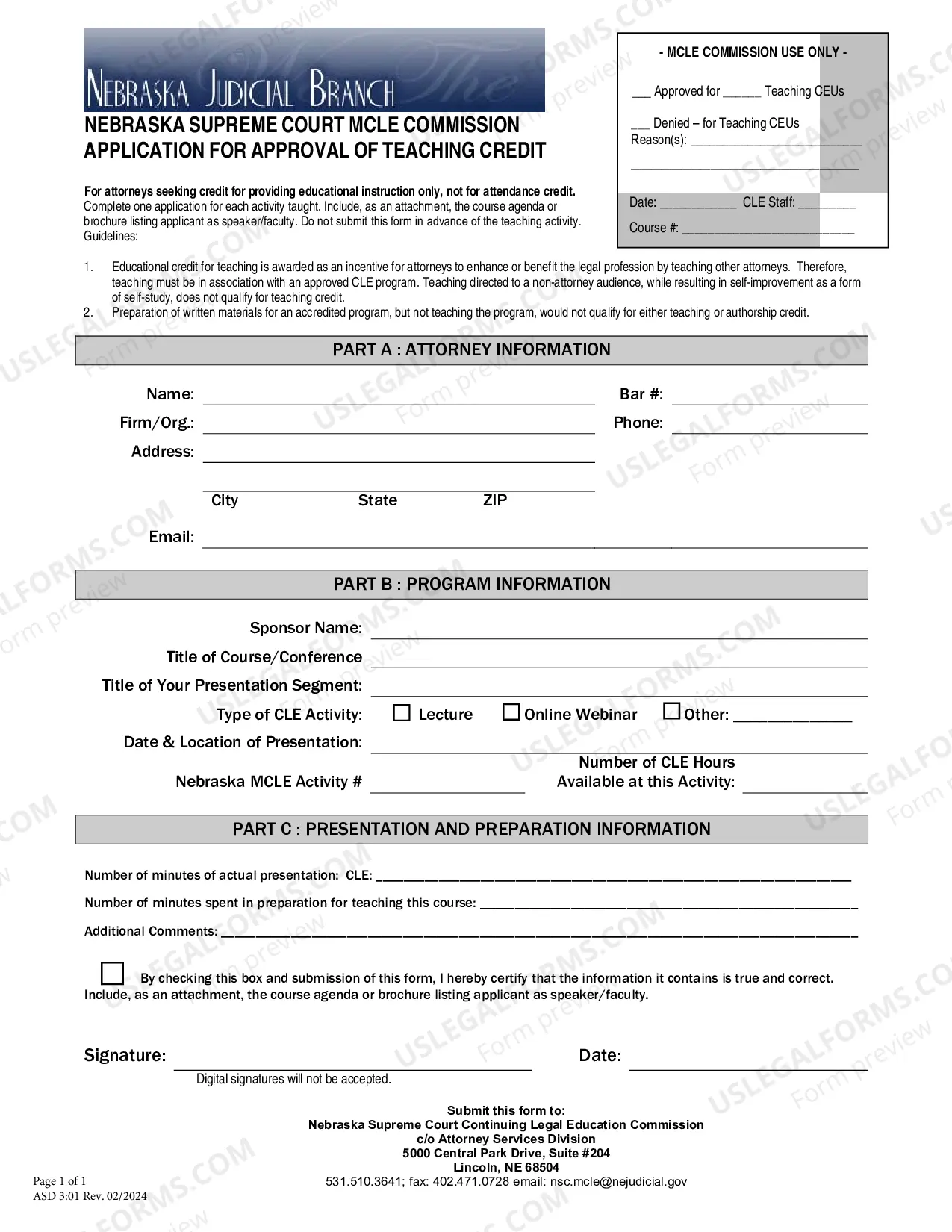
Letter of Intent for Development Agreement
Understanding this form
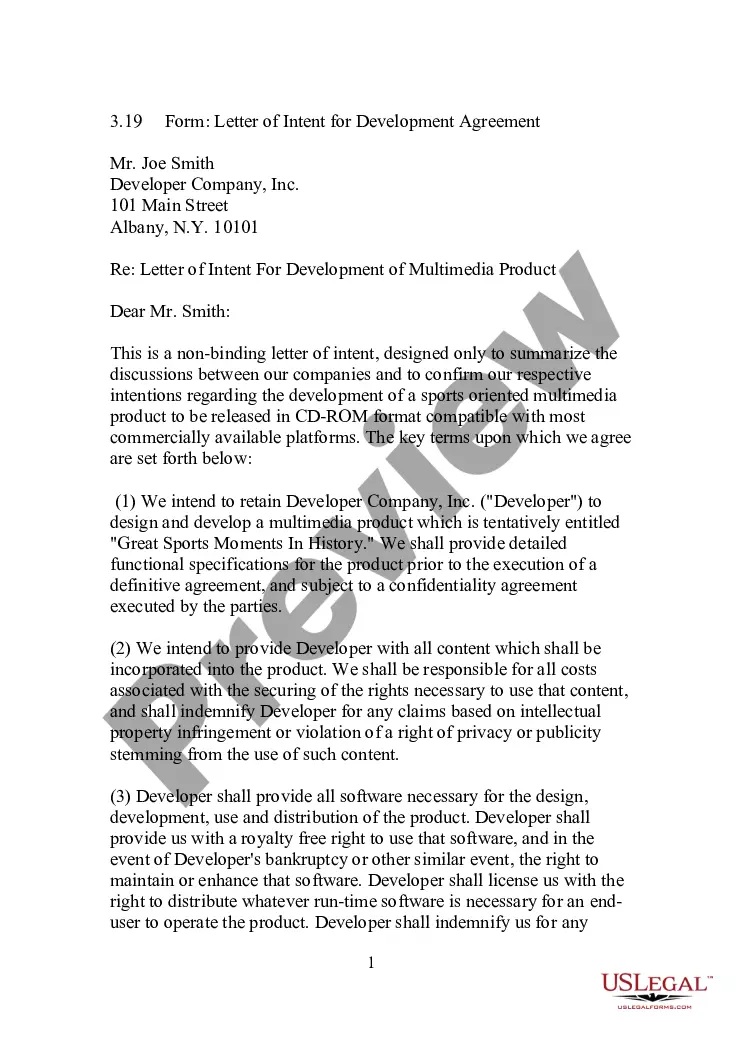
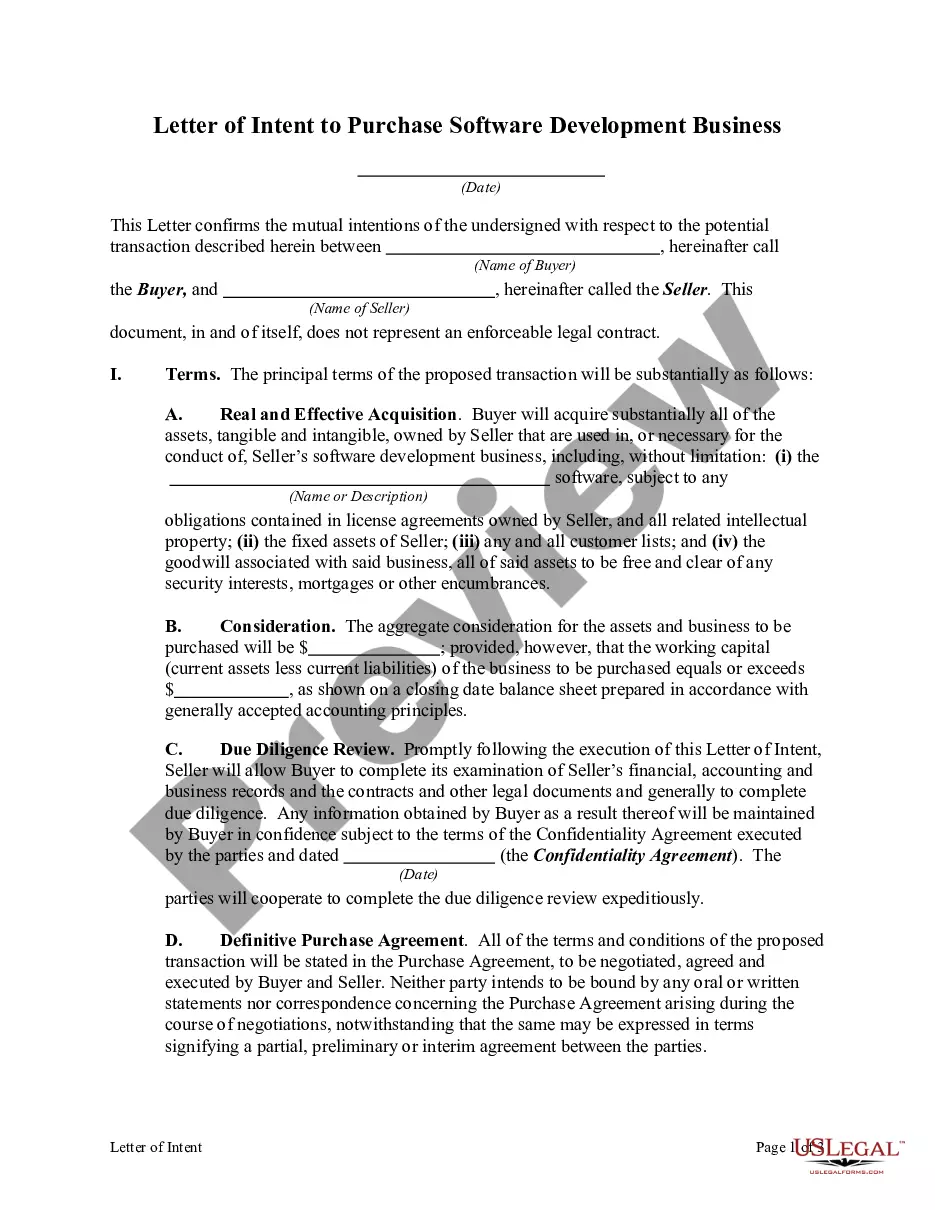
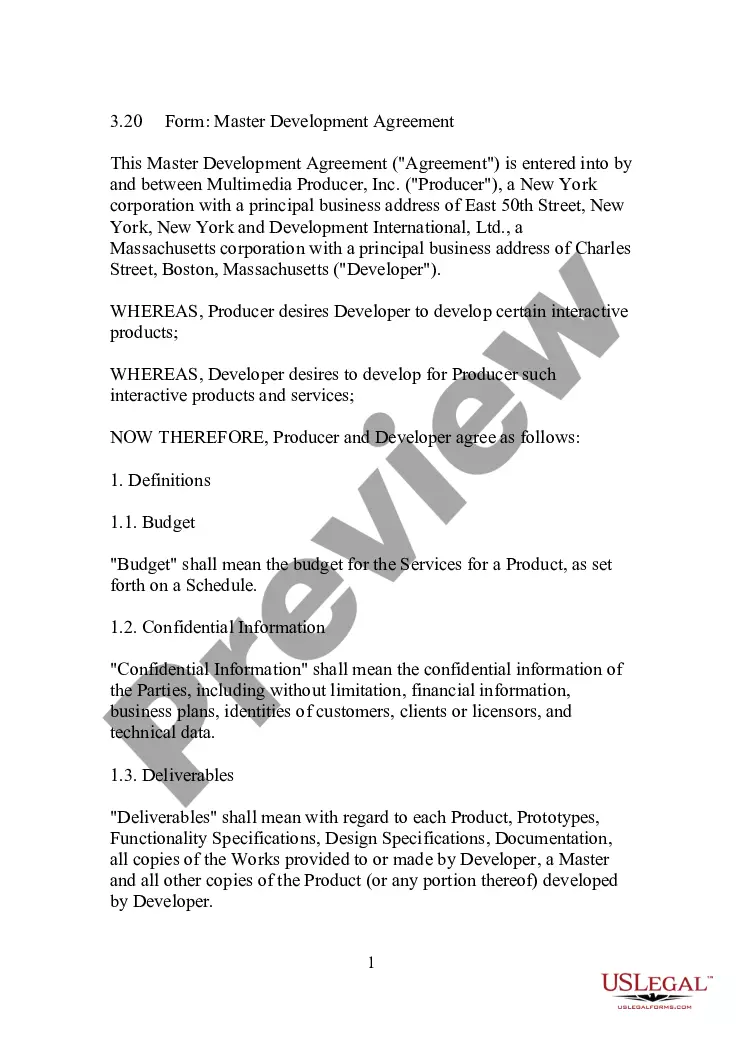
The Letter of Intent for Development Agreement is a preliminary document used in business negotiations. This non-binding letter summarizes intentions between parties regarding the development of a product, such as a multimedia offering. Unlike binding contracts, this letter outlines each party's goals and expectations while leaving room for further negotiation before a formal, legally binding agreement is reached.
Main sections of this form
- Parties involved: Identification of the developer and producer companies.
- Project description: Overview of the multimedia product being developed.
- Responsibilities: Details on content provision and cost responsibilities.
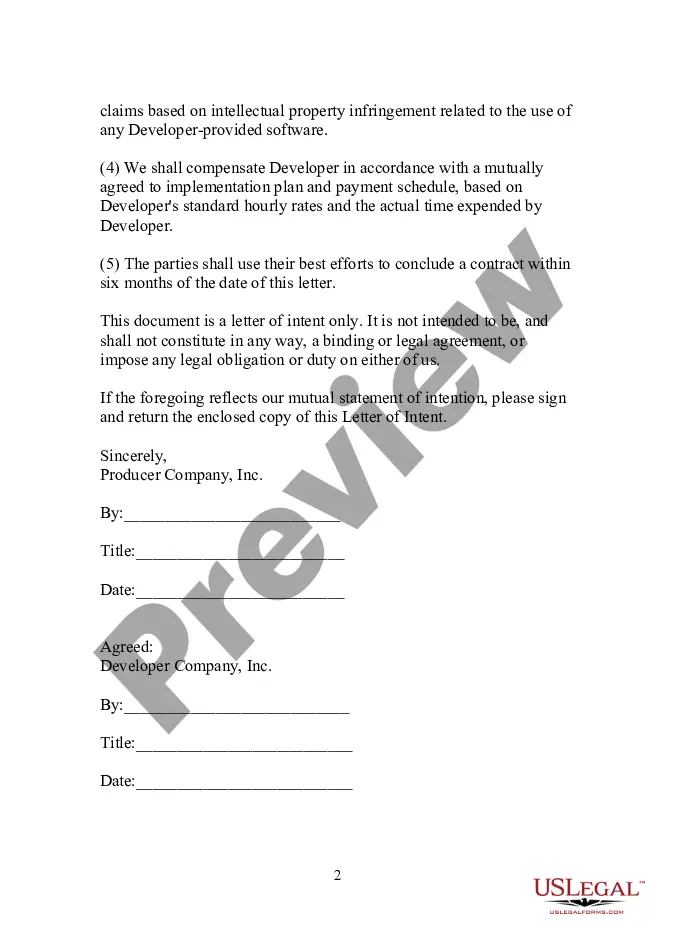
- Software licensing: Terms regarding software rights and indemnities.
- Compensation plan: Outline of payment terms and conditions.
- Timeline for a formal contract: Commitment to finalize an agreement within a specified time frame.
Common use cases
This form is appropriate when two or more parties are discussing the development of a product and want to outline their intentions and responsibilities before entering into a formal contract. It is particularly useful in the early stages of negotiations to clarify points of agreement and reduce misunderstandings.
Who needs this form
- Businesses entering negotiations for product development.
- Developers looking to collaborate on multimedia projects.
- Producers wanting to ensure clarity on project responsibilities.
- Legal professionals drafting initial agreements for clients.
How to complete this form
- Identify the parties: Enter the names and addresses of both the developer and the producer companies.
- Describe the project: Provide a clear outline of the multimedia product, including its title and key features.
- Specify responsibilities: Detail who will supply content and who will bear associated costs.
- Enter payment terms: Include an agreed-upon compensation plan along with any relevant payment schedules.
- Sign and date: Ensure authorized representatives from both parties sign and date the form to acknowledge mutual agreement.
Notarization guidance
This form usually doesn’t need to be notarized. However, local laws or specific transactions may require it. Our online notarization service, powered by Notarize, lets you complete it remotely through a secure video session, available 24/7.
Get your form ready online
Our built-in tools help you complete, sign, share, and store your documents in one place.
Make edits, fill in missing information, and update formatting in US Legal Forms—just like you would in MS Word.
Download a copy, print it, send it by email, or mail it via USPS—whatever works best for your next step.
Sign and collect signatures with our SignNow integration. Send to multiple recipients, set reminders, and more. Go Premium to unlock E-Sign.
If this form requires notarization, complete it online through a secure video call—no need to meet a notary in person or wait for an appointment.
We protect your documents and personal data by following strict security and privacy standards.

Make edits, fill in missing information, and update formatting in US Legal Forms—just like you would in MS Word.

Download a copy, print it, send it by email, or mail it via USPS—whatever works best for your next step.

Sign and collect signatures with our SignNow integration. Send to multiple recipients, set reminders, and more. Go Premium to unlock E-Sign.

If this form requires notarization, complete it online through a secure video call—no need to meet a notary in person or wait for an appointment.

We protect your documents and personal data by following strict security and privacy standards.
Common mistakes to avoid
- Failing to include all parties involved in the negotiation process.
- Not specifying key project details, leading to confusion later.
- Overlooking the summary nature of the letter, treating it as a binding agreement.
- Missing signatures, which can lead to disputes about the letter's acknowledgment.
Benefits of completing this form online
- Convenient: Easily download and customize the form to suit your specific project needs.
- Editability: Adjust terms and details as negotiations progress before formalizing any agreements.
- Reliability: Access legal forms drafted by licensed attorneys to ensure appropriate language and format.
Legal use & context
- This letter serves as an initial outline of intentions between parties, which may aid future negotiations.
- It is crucial to understand that this document is non-binding and does not impose legal obligations.
- Should disputes arise, the intent expressed in the letter may be reviewed to clarify negotiation history, but it is not enforceable as a contract.
Main things to remember
- The Letter of Intent for Development Agreement is a tool for setting expectations in business negotiations.
- This non-binding letter facilitates clarity and aids the planning of a future binding contract.
- Correctly identifying parties, responsibilities, and key project details is crucial for effective communication.
Looking for another form?
Form popularity
FAQ
State your reasons for writing the letter of intent. Give information on how you got to know about the vacancy and why you are interested in the said position. Highlight your accomplishments. Be confident to state your achievements. Praise the institution to which you are writing to.
Salutation. Begin with a professional salutation. Body Paragraph 1: Introduction. Body Paragraph 2: Highlight Relevant Skills. Body Paragraph 3: Call to Action. Closing. Use the appropriate format. When sending an email, include a clear subject line. Research the company.
Choose the Right Letter of Intent Format and Layout. Research the Company Before You Write. Find 3 Ways You Fit the Position. Get Attention with a Strong First Paragraph. Explain Why You're Interested in Them. End Your Letter of Intent by Asking for Action. Sign off with a Professional Closing.
Much like a cover letter, a letter of intent is a general overview of your industry-specific skills and experience as well as the reasons you are interested in working with an employer.
A letter of intent (LOI) is an initial, non-binding agreement between the parties in a proposed business deal. The LOI establishes the aspects of the deal the parties agree on, shows the parties are committed to making a final deal, and clears the way for a later, binding agreement called a definitive agreement.
Salutation. Begin with a professional salutation. Body Paragraph 1: Introduction. Body Paragraph 2: Highlight Relevant Skills. Body Paragraph 3: Call to Action. Closing. Use the appropriate format. When sending an email, include a clear subject line. Research the company.
Write the introduction. Describe the transaction and timeframes. List contingencies. Go through due diligence. Include covenants and other binding agreements. State that the agreement is nonbinding. Include a closing date.
A letter of intent (LOI) is a document that someone uses in order to declare their intent to do something, such as make a purchase, apply for a job or education program, or to clarify points in a business transaction. They are written in letter format, and signed by one party (the party writing it).