Agreement Regarding the Receipt of Confidential Information
About this form
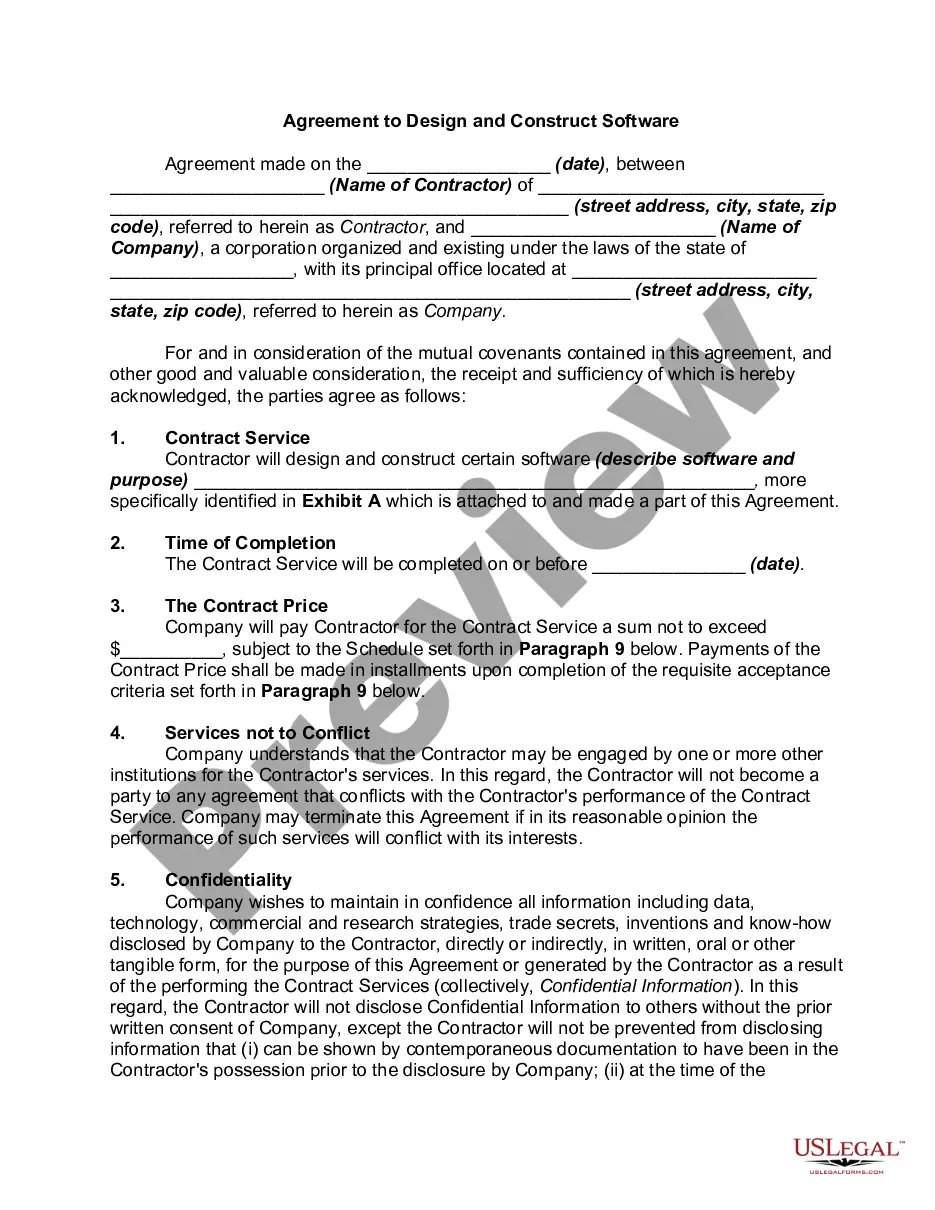
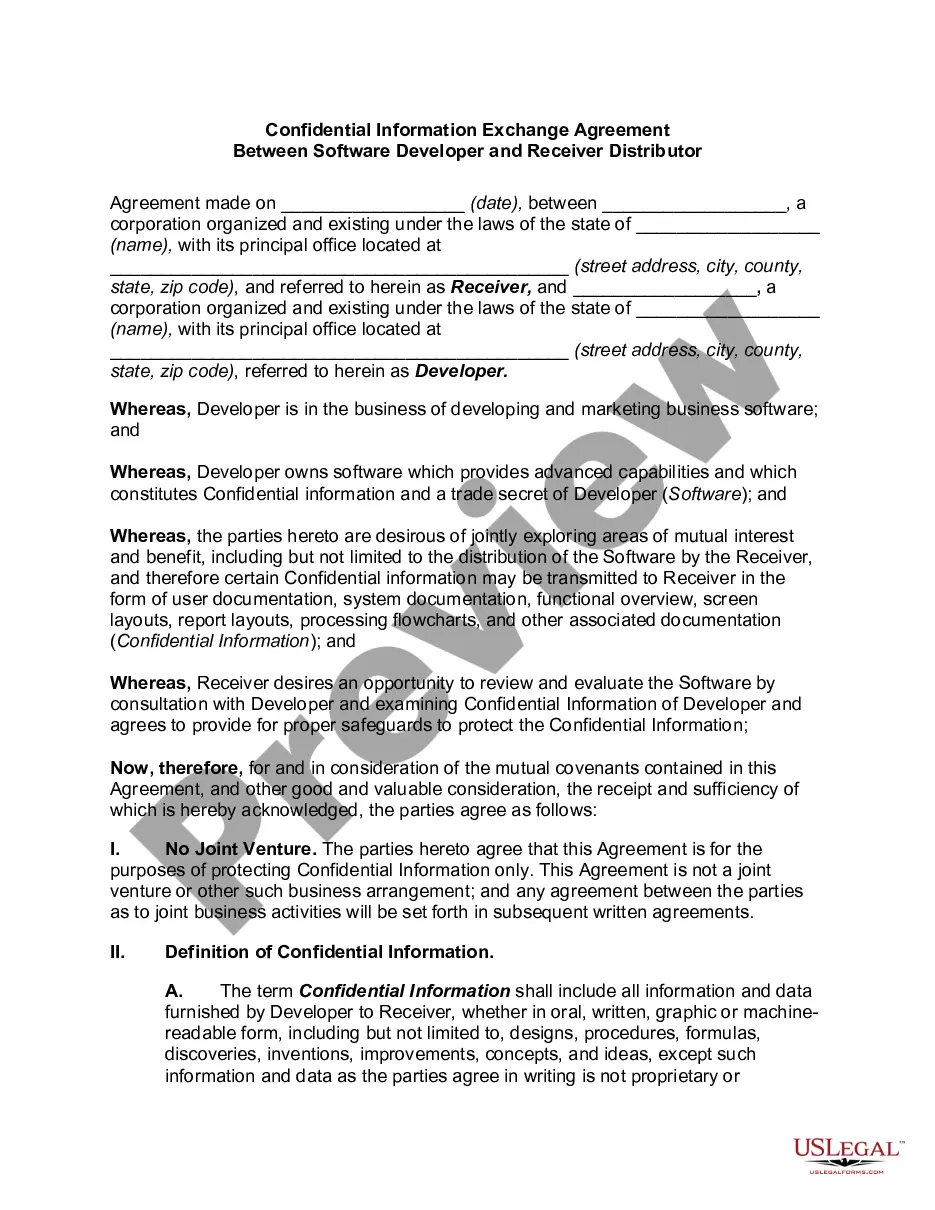
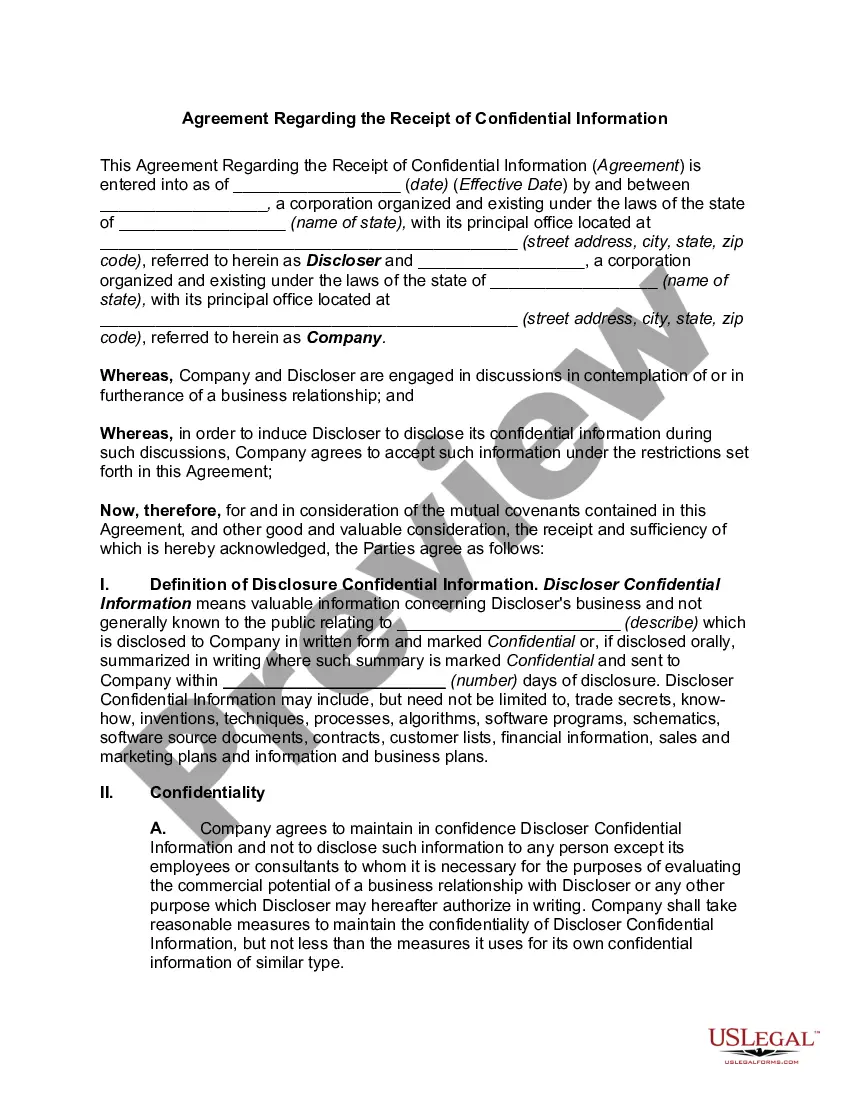
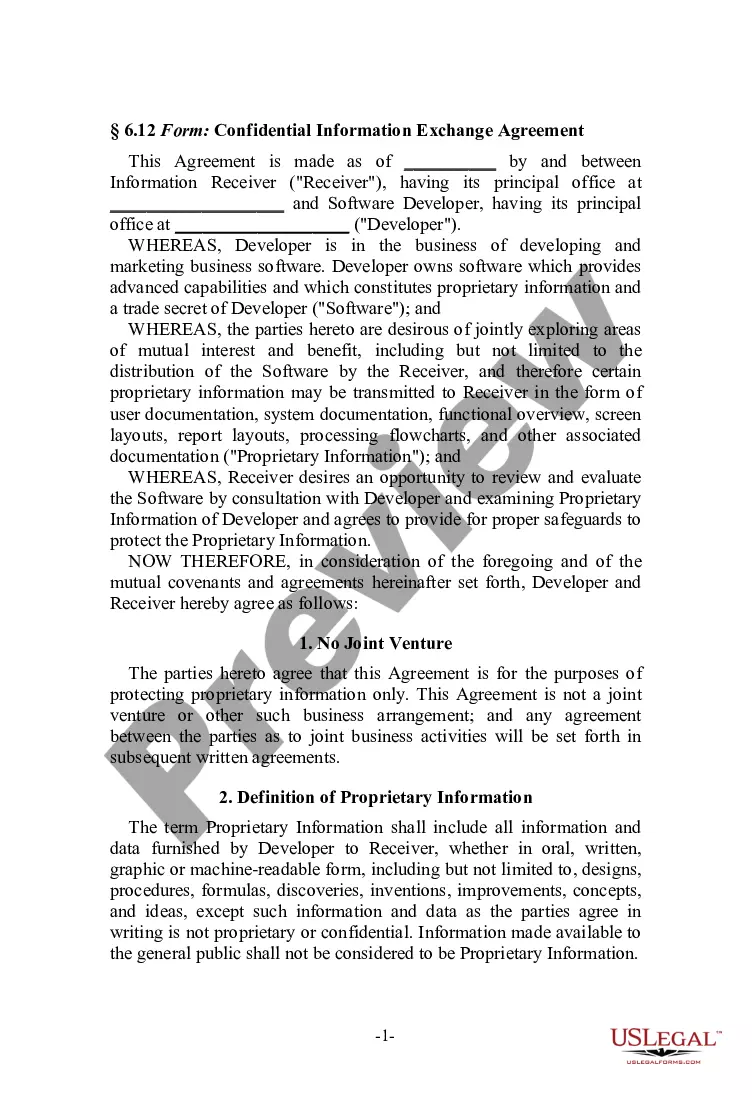
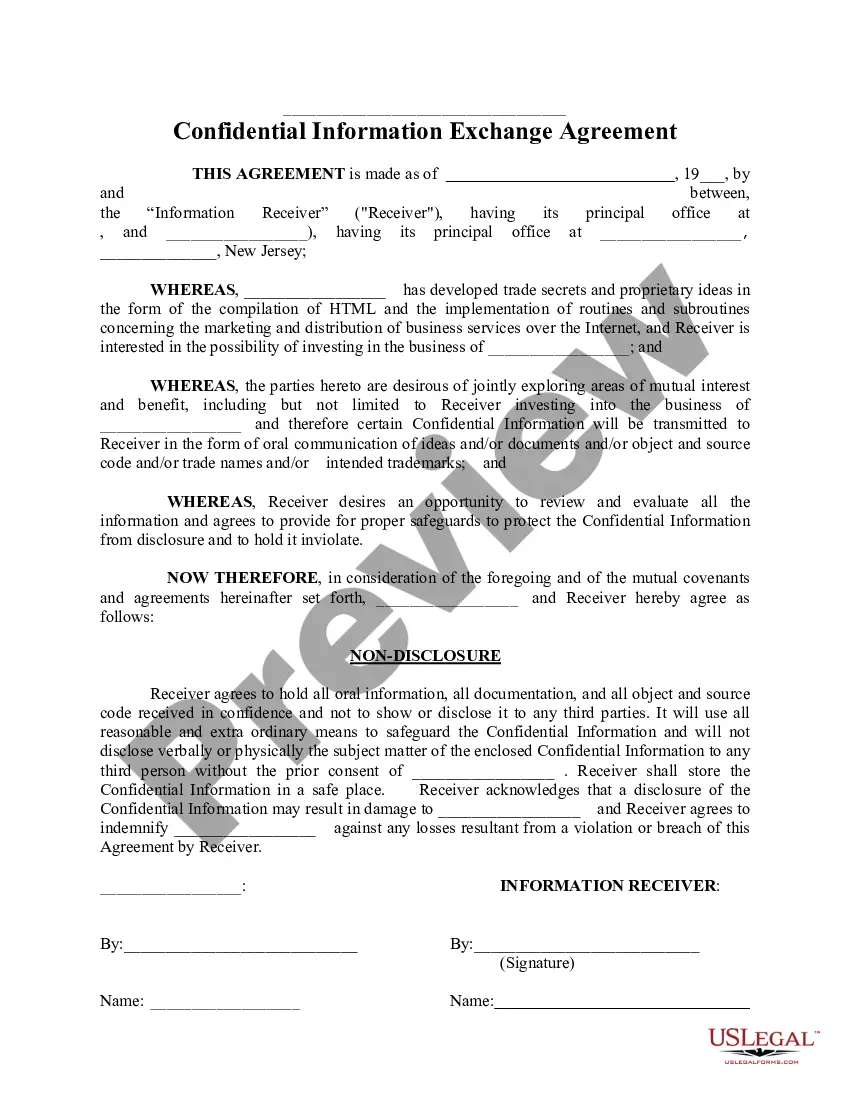
The Agreement Regarding the Receipt of Confidential Information is a legally binding document used to protect sensitive information shared between parties during discussions about a potential business relationship. This form is particularly relevant in the computer, internet, and software industries. It ensures that the receiving party keeps the disclosed information confidential, distinguishing it from other agreements such as general non-disclosure agreements by its specific focus on confidential information exchanged in the context of business discussions.
Form components explained
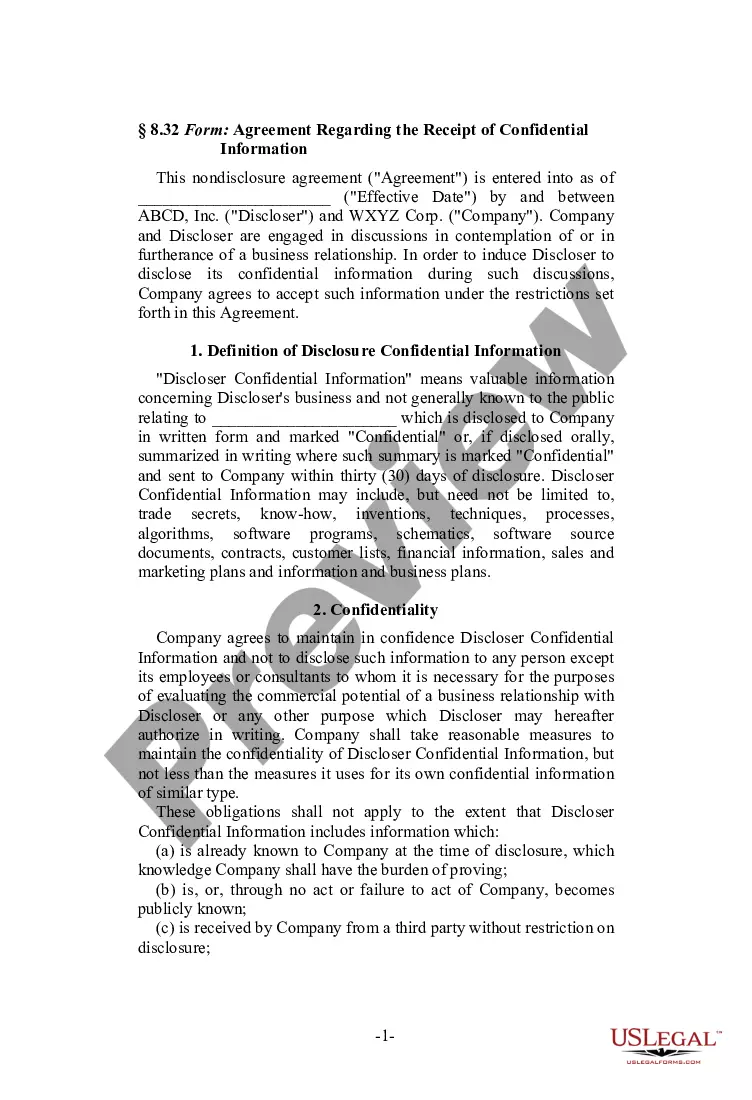
- Effective Date: The date when the agreement comes into force.
- Definition of Confidential Information: Clearly defines what is considered sensitive information.
- Confidentiality Obligations: Specifies the receiving party's responsibilities regarding the secrecy of the information.
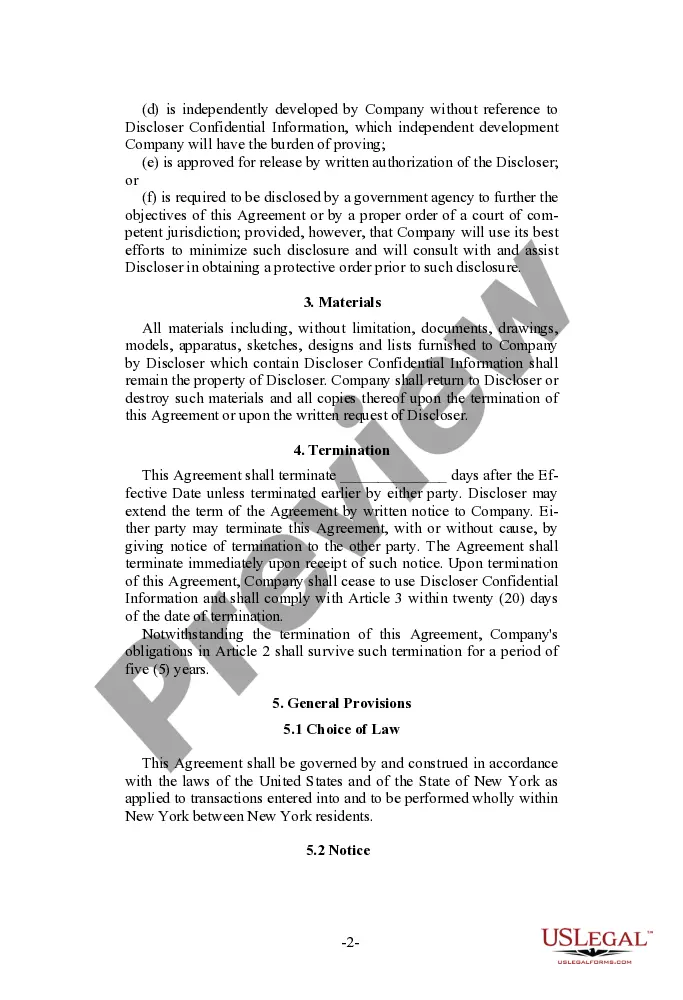
- Materials Return or Destruction: Outlines requirements for returning or destroying confidential materials upon termination of the agreement.
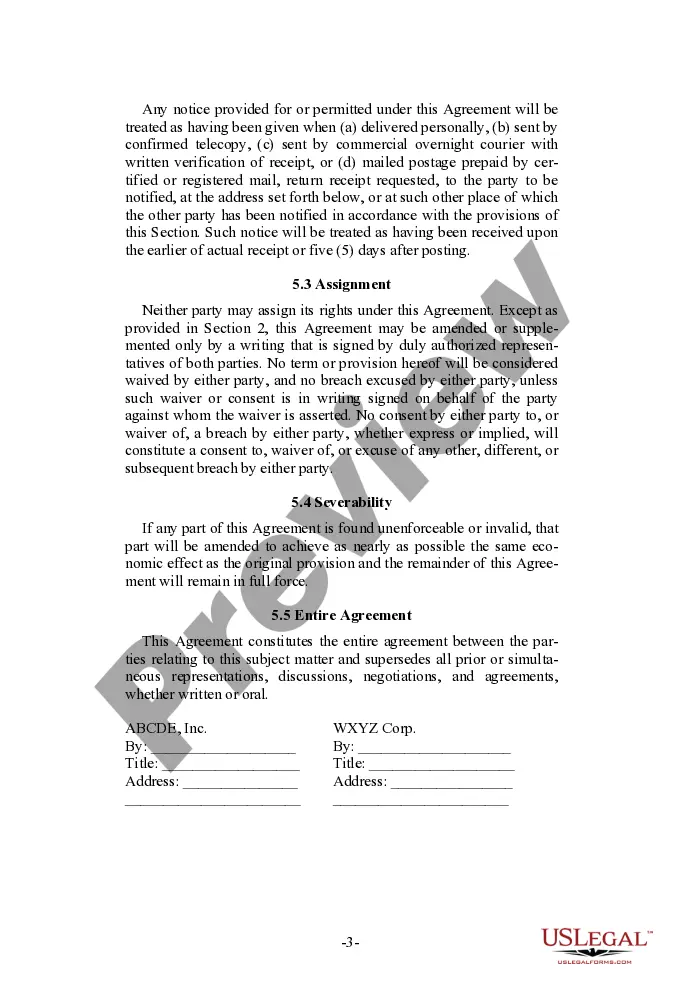
- Termination Clause: Describes how and when the agreement may be terminated.
- Governing Law: Indicates the legal jurisdiction under which the agreement falls.
Situations where this form applies
This form is essential when two parties plan to exchange confidential information as they explore potential business arrangements. It is particularly useful during negotiations where sensitive ideas, trade secrets, or business strategies are disclosed, helping to safeguard those assets from unauthorized use or disclosure.
Who needs this form
This agreement is suitable for:
- Businesses in the computer, internet, or software sectors.
- Companies engaged in discussions about partnerships, mergers, or joint ventures.
- Any entity needing to share proprietary information while ensuring its confidentiality.
How to complete this form
- Identify the disclosing party and the receiving party by entering their full legal names.
- Specify the effective date of the agreement.
- Define what constitutes confidential information under the agreement.
- Enter the duration of the agreement and any termination conditions.
- Ensure both parties sign and date the form in the designated areas.
Notarization requirements for this form
This form does not typically require notarization unless specified by local law. However, having a notarized signature can enhance the documentâs credibility in legal contexts.
Get your form ready online
Our built-in tools help you complete, sign, share, and store your documents in one place.
Make edits, fill in missing information, and update formatting in US Legal Forms—just like you would in MS Word.
Download a copy, print it, send it by email, or mail it via USPS—whatever works best for your next step.
Sign and collect signatures with our SignNow integration. Send to multiple recipients, set reminders, and more. Go Premium to unlock E-Sign.
If this form requires notarization, complete it online through a secure video call—no need to meet a notary in person or wait for an appointment.
We protect your documents and personal data by following strict security and privacy standards.

Make edits, fill in missing information, and update formatting in US Legal Forms—just like you would in MS Word.

Download a copy, print it, send it by email, or mail it via USPS—whatever works best for your next step.

Sign and collect signatures with our SignNow integration. Send to multiple recipients, set reminders, and more. Go Premium to unlock E-Sign.

If this form requires notarization, complete it online through a secure video call—no need to meet a notary in person or wait for an appointment.

We protect your documents and personal data by following strict security and privacy standards.
Mistakes to watch out for
- Failing to clearly define what constitutes confidential information.
- Not specifying the duration of confidentiality obligations.
- Omitting signatures or dates from the agreement, making it unenforceable.
Benefits of using this form online
- Convenience of immediate download for quick access.
- Editability allows users to customize the form to meet their specific needs.
- Reliability with templates drafted by licensed attorneys to ensure legal validity.
Legal use & context
- This agreement is legally enforceable as long as it is appropriately completed and signed by both parties.
- It provides a clear framework for handling sensitive information, reducing the risk of legal disputes.
Summary of main points
- The Agreement Regarding the Receipt of Confidential Information is crucial for protecting sensitive information during business discussions.
- Clearly defined terms and obligations help prevent misunderstandings and potential legal issues.
- Ensure completeness by accurately filling out all relevant sections and obtaining necessary signatures.
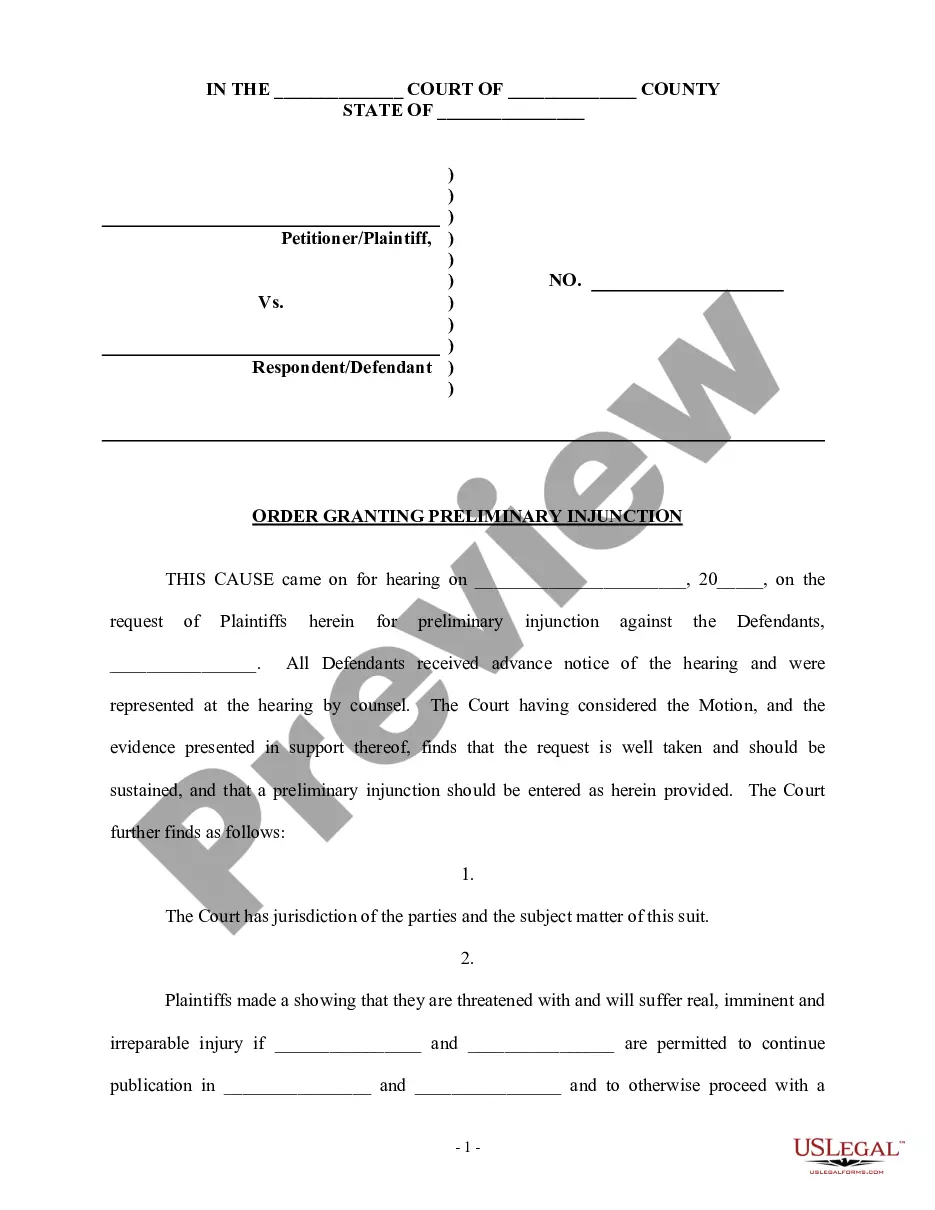
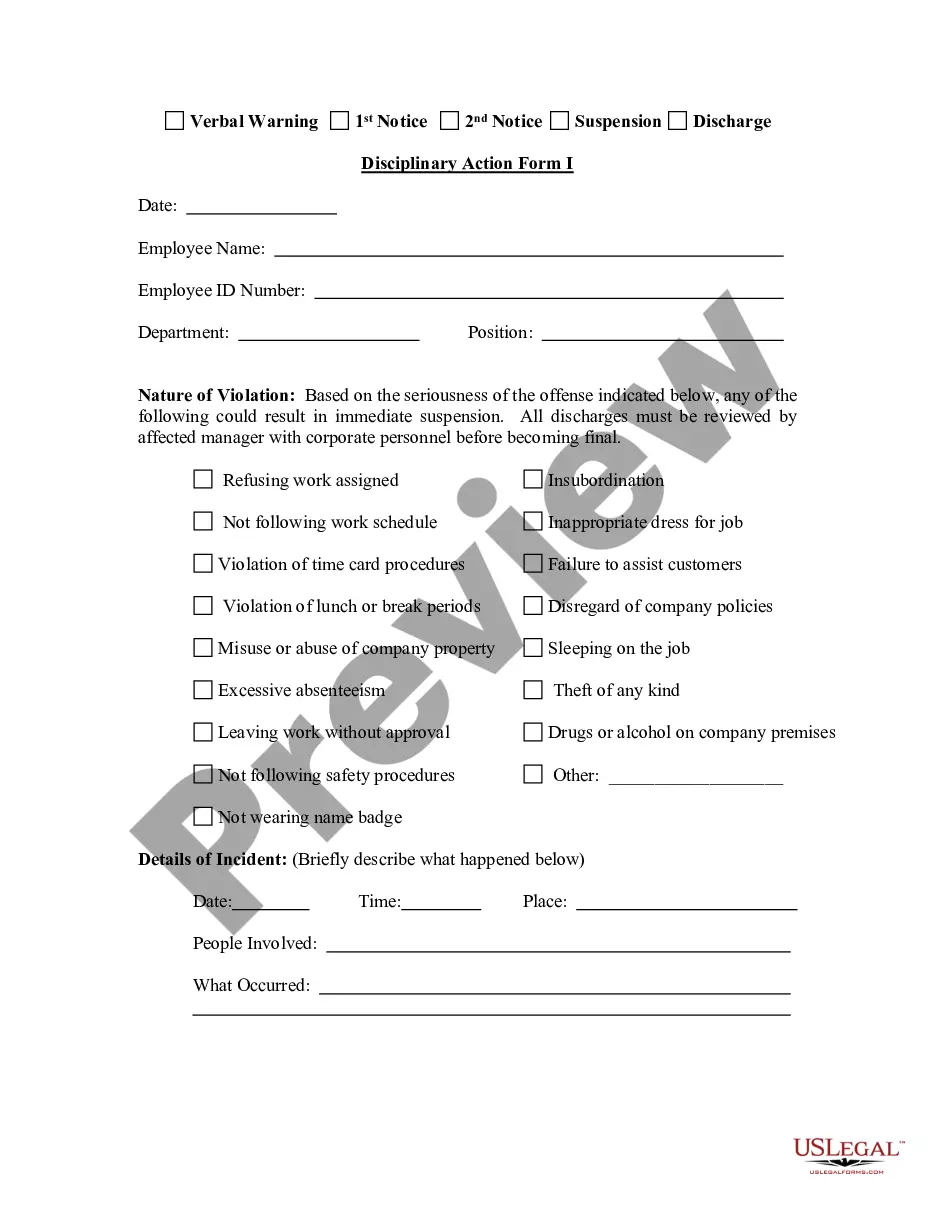
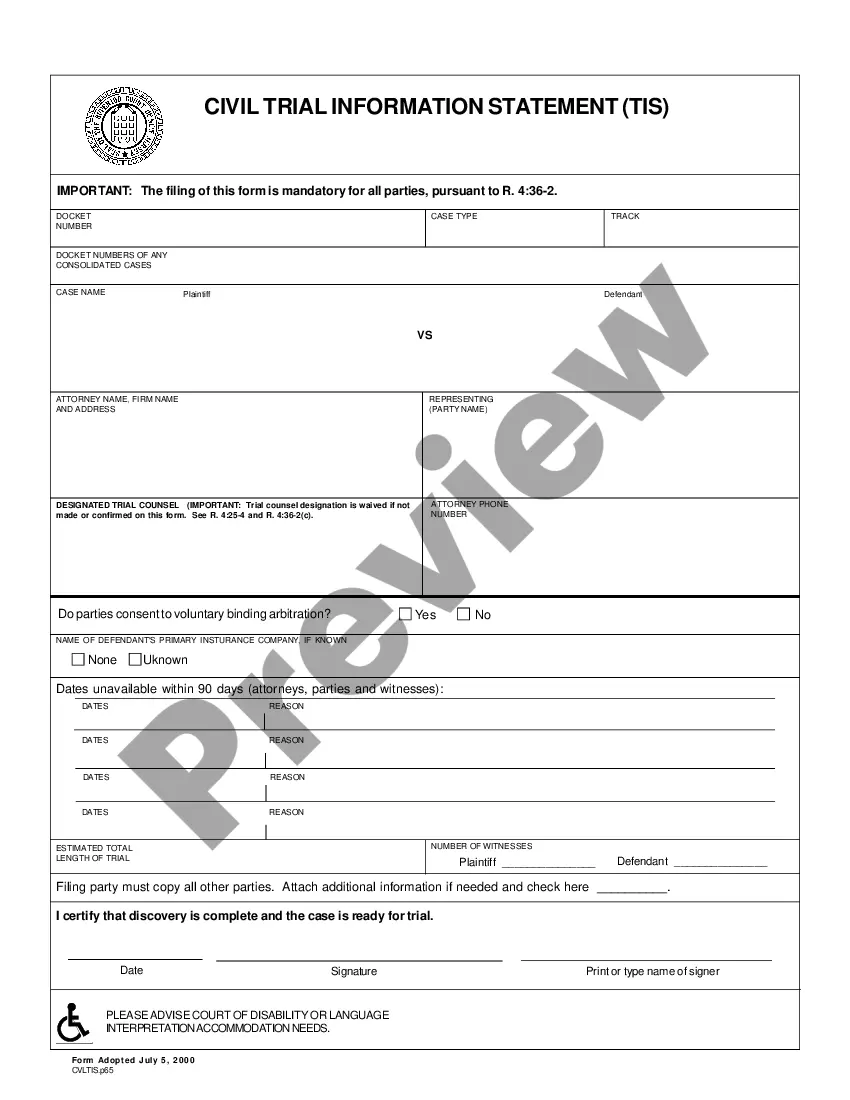
Looking for another form?
Form popularity
FAQ
Set the date of the agreement. Describe the two parties, sometimes called the Disclosing Party and the Receiving Party.7feff Include names and identification, so there can be no misunderstanding about who signed the agreement.
Depending on the complexity of what you need protected and the number of parties involved, the cost of having an NDA drafted can vary significantly. When you hire a lawyer in the Priori network, drafting an NDA typically costs anywhere from $175-$1,500.
If you sign an NDA, there are severe financial penalties for breaking it, says Mullin. The costs range from $25,000 to $100,000 or even $750,000 per breach, meaning per individual time you divulged confidential information to someone else.
"Confidential Information" means all material, non-public, business-related information, written or oral, whether or not it is marked as such, that is disclosed or made available to the receiving party, directly or indirectly, through any means of communication or observation.
A definition of confidential information. Who is involved. Why the recipient knows the information. Exclusions or limits on confidential information. Receiving party's obligations. Time frame or term. Discloser to the recipient.
Obligations under the NDA must be reviewed: It is important to review an NDA if a party is making another party sign one. Scope of the confidential information must be taken into consideration: In every NDA, what constitutes confidential information is always defined.
Identify each party in the first section of the form. The NDA form will start by declaring it to be an agreement and identifying who the agreement is between. Whoever is disclosing the information to be protected is the "disclosing party"; write his or her name on this space.