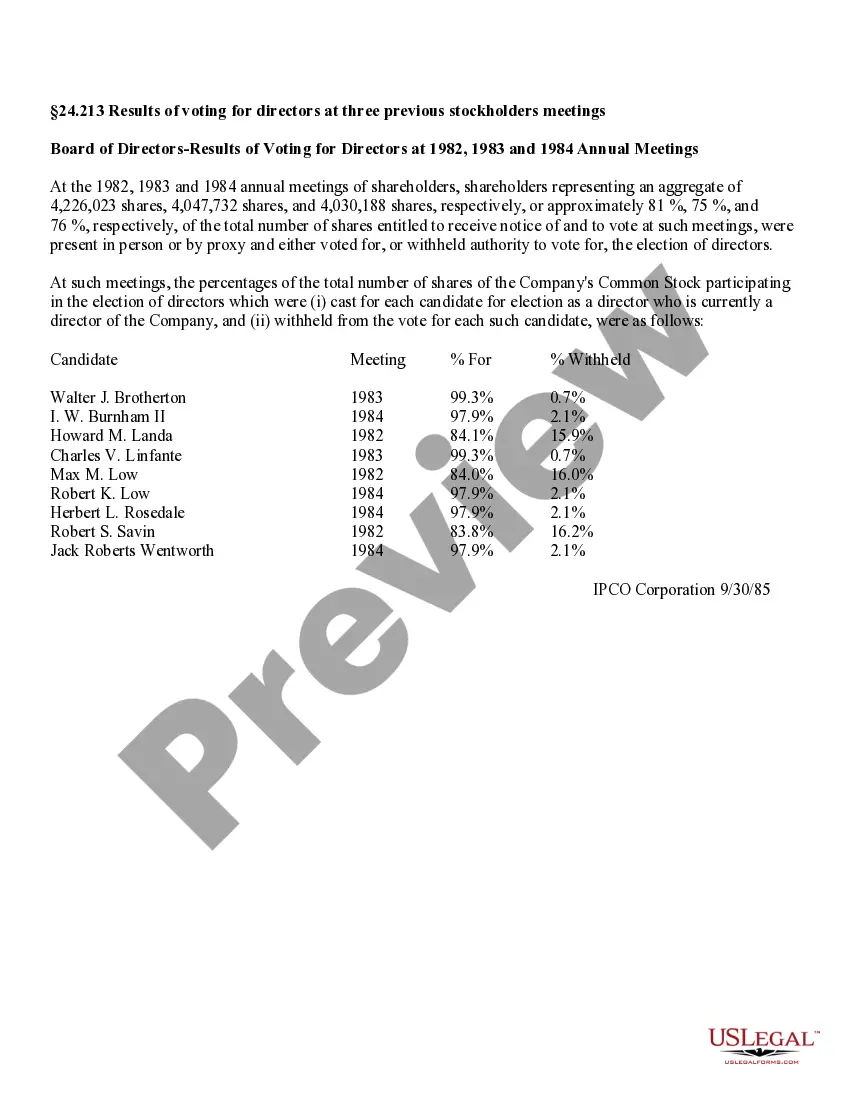
Results of voting for directors at three previous stockholders meetings
Overview of this form
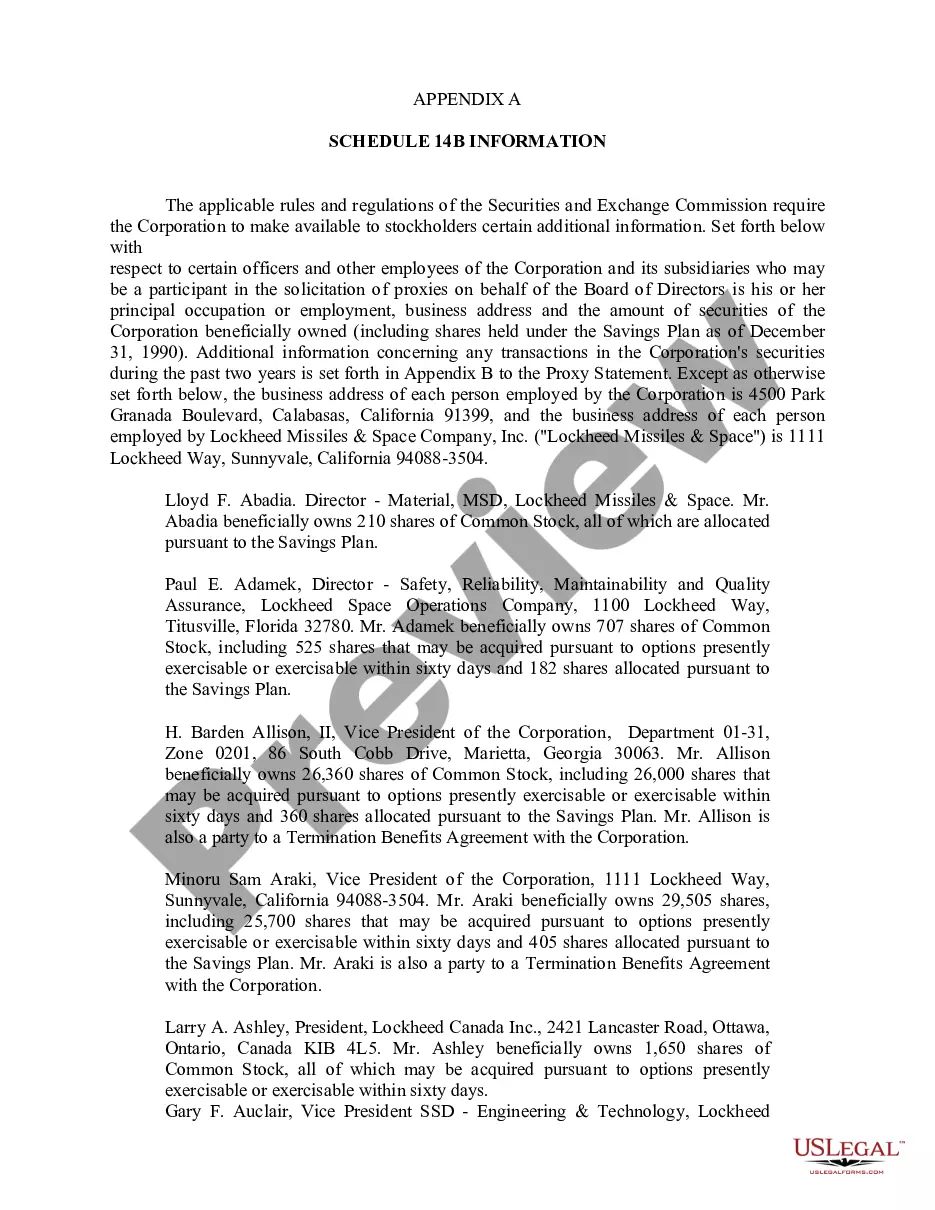
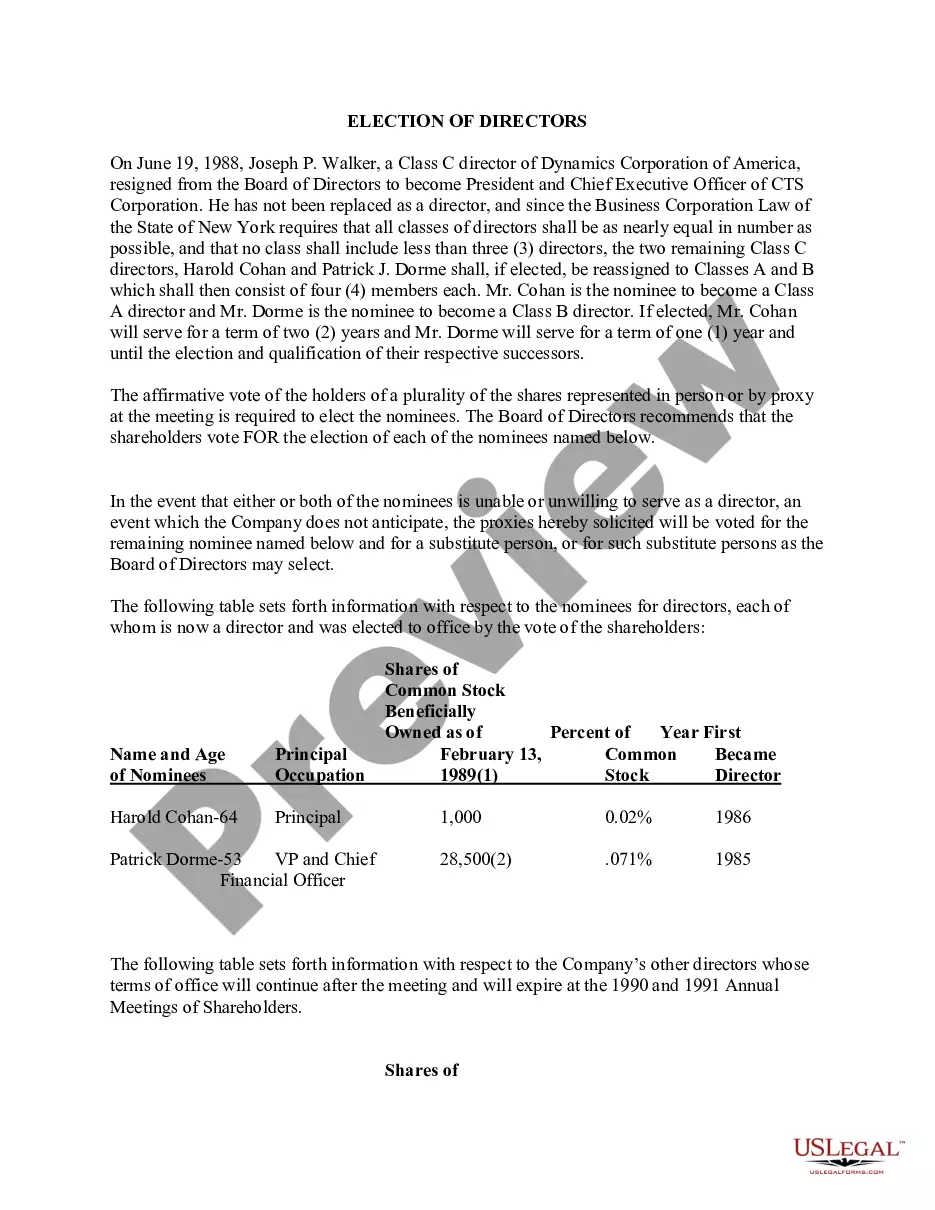
The Results of Voting for Directors at Three Previous Stockholders Meetings form is a crucial document for corporations. It details the voting results from the annual meetings of stockholders, specifically for the election of directors. This form is tailored for corporate governance and helps ensure transparency by documenting shareholder decisions over different years. It is distinct from other voting forms by focusing specifically on the outcomes of director elections at annual meetings.
Main sections of this form
- Aggregate share counts and participation percentages for each meeting.
- Individual voting results for each director candidate, including votes for and withheld.
- Identification of the annual meetings and the specific years involved.
- Space for signature and certification of accuracy by corporate officers.
When this form is needed
This form should be used when a corporation needs to document the results of director elections during its annual stockholder meetings. It is essential for maintaining accurate corporate records and is often required for compliance with state corporate laws and regulations. If there has been a change in directors or if a corporation needs to verify past voting outcomes, this form serves as a legal record of those events.
Intended users of this form
- Corporate secretaries responsible for managing corporate records.
- Corporate officers who need to certify the accuracy of election results.
- Shareholders who wish to review or contest election outcomes.
- Legal professionals working with corporate governance matters.
Completing this form step by step
- Gather the total number of shares present at each of the annual meetings.
- Record the percentage of shares participating in the vote for each meeting.
- List each director candidate along with the respective vote counts and percentages for and withheld.
- Ensure that the document is signed by the necessary corporate officers to certify authenticity.
- Store the completed form in corporate records for future reference and compliance.
Does this form need to be notarized?
This form usually doesn’t need to be notarized. However, local laws or specific transactions may require it. Our online notarization service, powered by Notarize, lets you complete it remotely through a secure video session, available 24/7.
Get your form ready online
Our built-in tools help you complete, sign, share, and store your documents in one place.
Make edits, fill in missing information, and update formatting in US Legal Forms—just like you would in MS Word.
Download a copy, print it, send it by email, or mail it via USPS—whatever works best for your next step.
Sign and collect signatures with our SignNow integration. Send to multiple recipients, set reminders, and more. Go Premium to unlock E-Sign.
If this form requires notarization, complete it online through a secure video call—no need to meet a notary in person or wait for an appointment.
We protect your documents and personal data by following strict security and privacy standards.

Make edits, fill in missing information, and update formatting in US Legal Forms—just like you would in MS Word.

Download a copy, print it, send it by email, or mail it via USPS—whatever works best for your next step.

Sign and collect signatures with our SignNow integration. Send to multiple recipients, set reminders, and more. Go Premium to unlock E-Sign.

If this form requires notarization, complete it online through a secure video call—no need to meet a notary in person or wait for an appointment.

We protect your documents and personal data by following strict security and privacy standards.
Typical mistakes to avoid
- Failing to record the total shares present accurately.
- Omitting the percentage of votes for and withhold for each candidate.
- Not signing the form or having it certified by an authorized officer.
- Inaccurate representation of the meeting dates.
Benefits of using this form online
- Convenient access to a legally vetted template, ensuring compliance with corporate governance requirements.
- Editable format allows customization to meet specific corporate needs.
- Secure storage options for legal documents that are easily retrievable in the future.
- Fast download capabilities to quickly obtain necessary documentation.
Legal use & context
- This form serves as an official record of shareholder decisions and is important for corporate governance compliance.
- Accurate documentation can protect the corporation in disputes regarding director elections.
- The form helps reflect transparency in the decision-making process of corporate management.
Key takeaways
- The Results of Voting for Directors at Three Previous Stockholders Meetings form is essential for corporate governance.
- Accurate completion ensures compliance with corporate regulations and provides a clear record of shareholder decisions.
- Be aware of specific state requirements when preparing this form for your corporation.
Looking for another form?



Form popularity
FAQ
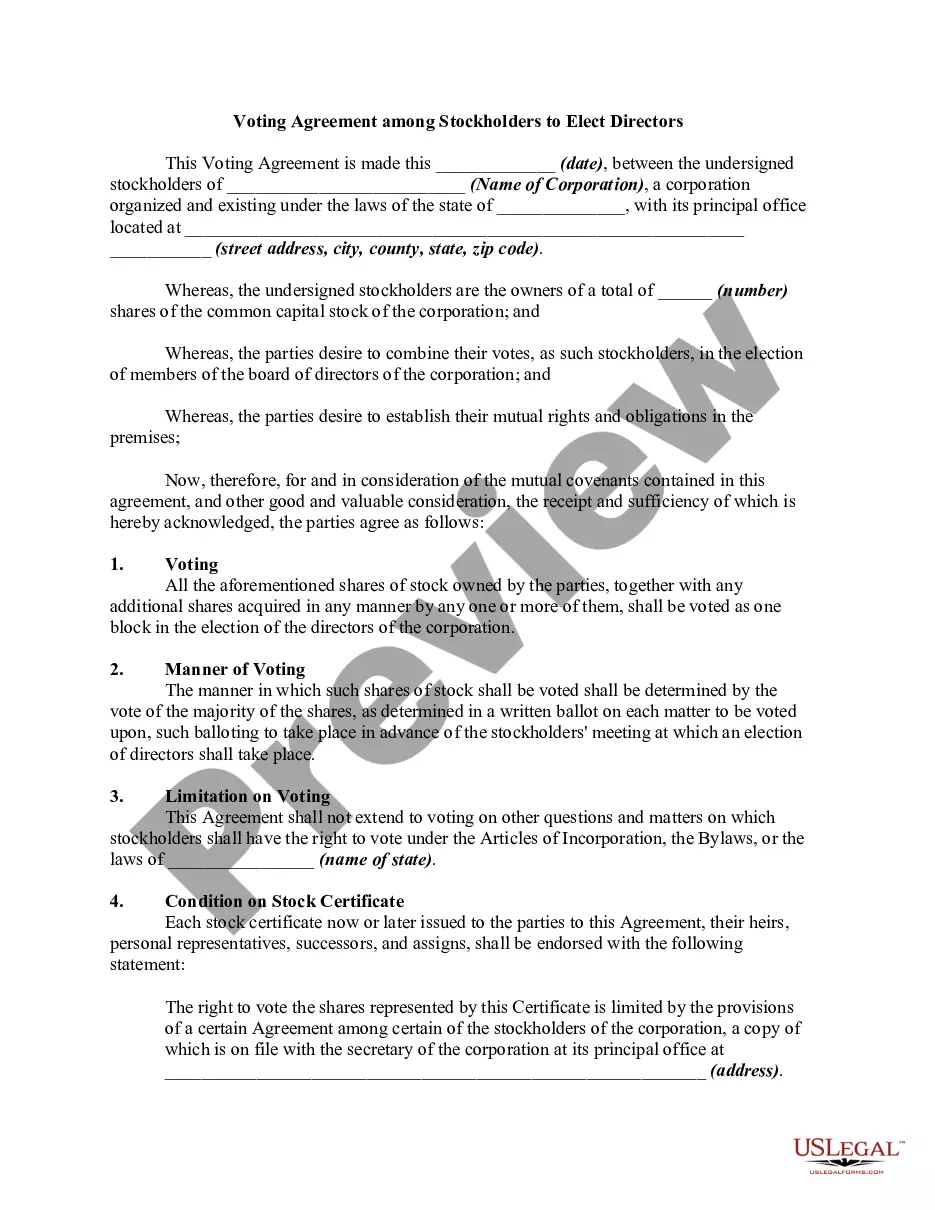
A voting right is the right of a shareholder of a corporation to vote on matters of corporate policy, including decisions on the makeup of the board of directors, issuing new securities, initiating corporate actions like mergers or acquisitions, approving dividends, and making substantial changes in the corporation's
A voting right is the right of a shareholder of a corporation to vote on matters of corporate policy, including decisions on the makeup of the board of directors, issuing new securities, initiating corporate actions like mergers or acquisitions, approving dividends, and making substantial changes in the corporation's
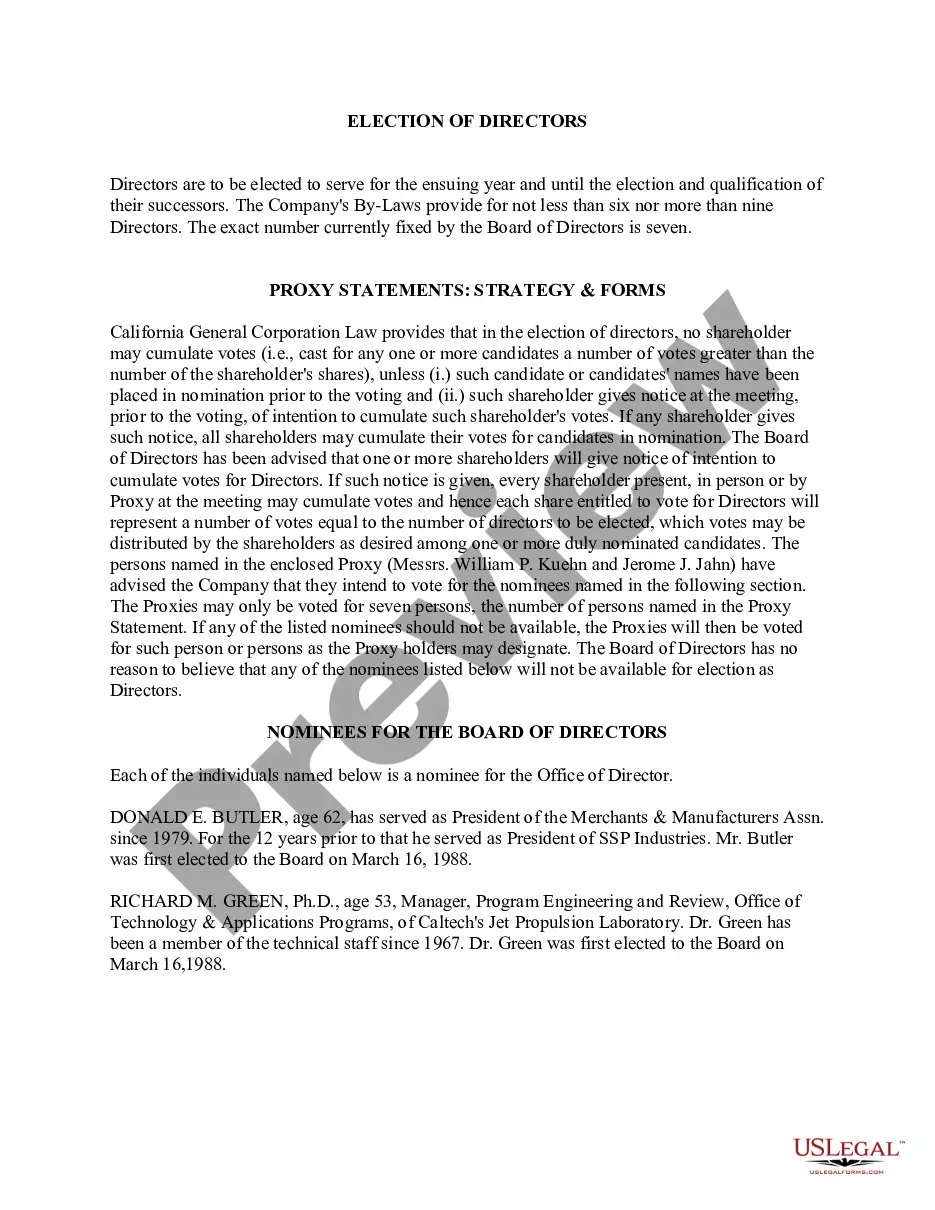
Alternatively, each shareholder may have one vote, regardless of how many shares of company stock they own. Shareholders can exercise their voting rights in person at the corporation's annual general meeting or other special meeting convened for voting purposes, or by proxy.
Shareholders get one vote per share of stock they own per issue up for vote. (Only full shares count when it comes to shareholder voting. So, if you have 1.5 shares of stock in a company, you'll still only get one vote.)
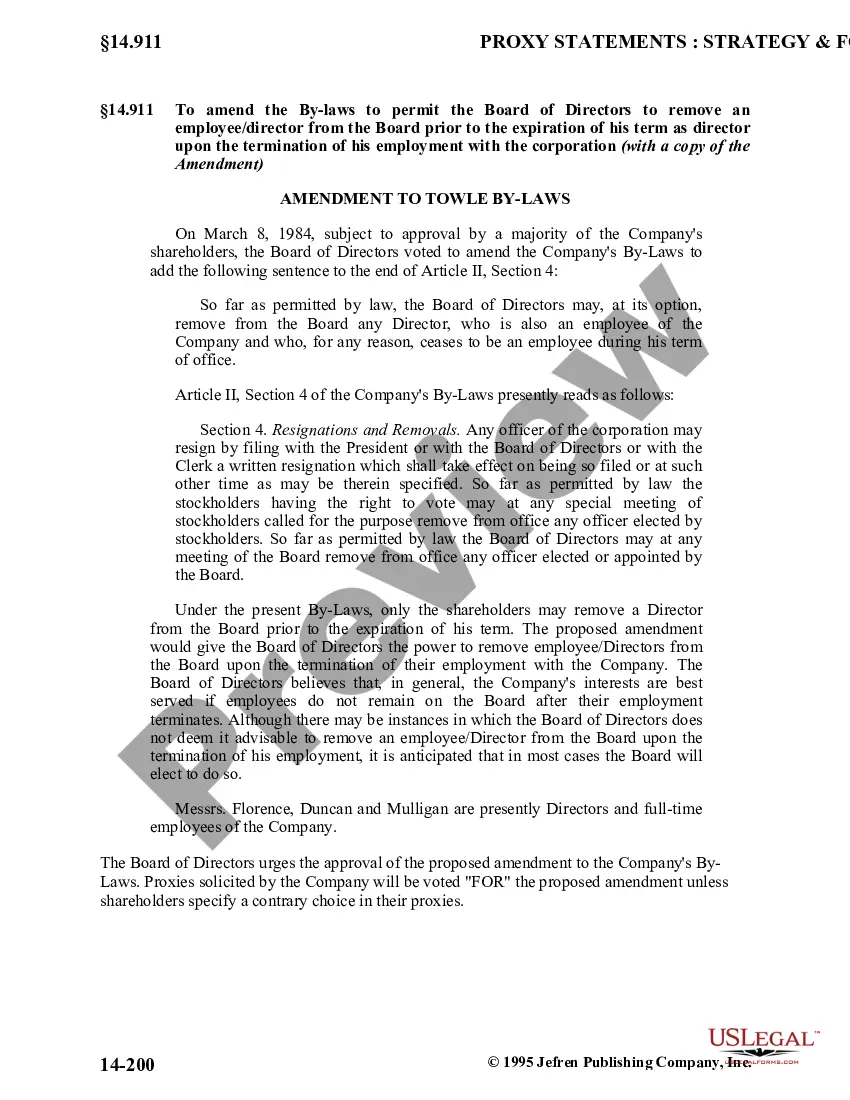
A proxy vote is a ballot cast by one person or firm for a company's shareholder who can't attend a meeting, or who doesn't want to vote on an issue.A person designated as a proxy will cast a proxy vote in line with the shareholder's directions as written on their proxy card.
Shareholders usually have one vote per share.
A dividend is allocated as a fixed amount per share, with shareholders receiving a dividend in proportion to their shareholding.For the joint-stock company, paying dividends is not an expense; rather, it is the division of after-tax profits among shareholders.