Stock Redemption Agreements with exhibits of Fair Lanes, Inc.
What this document covers
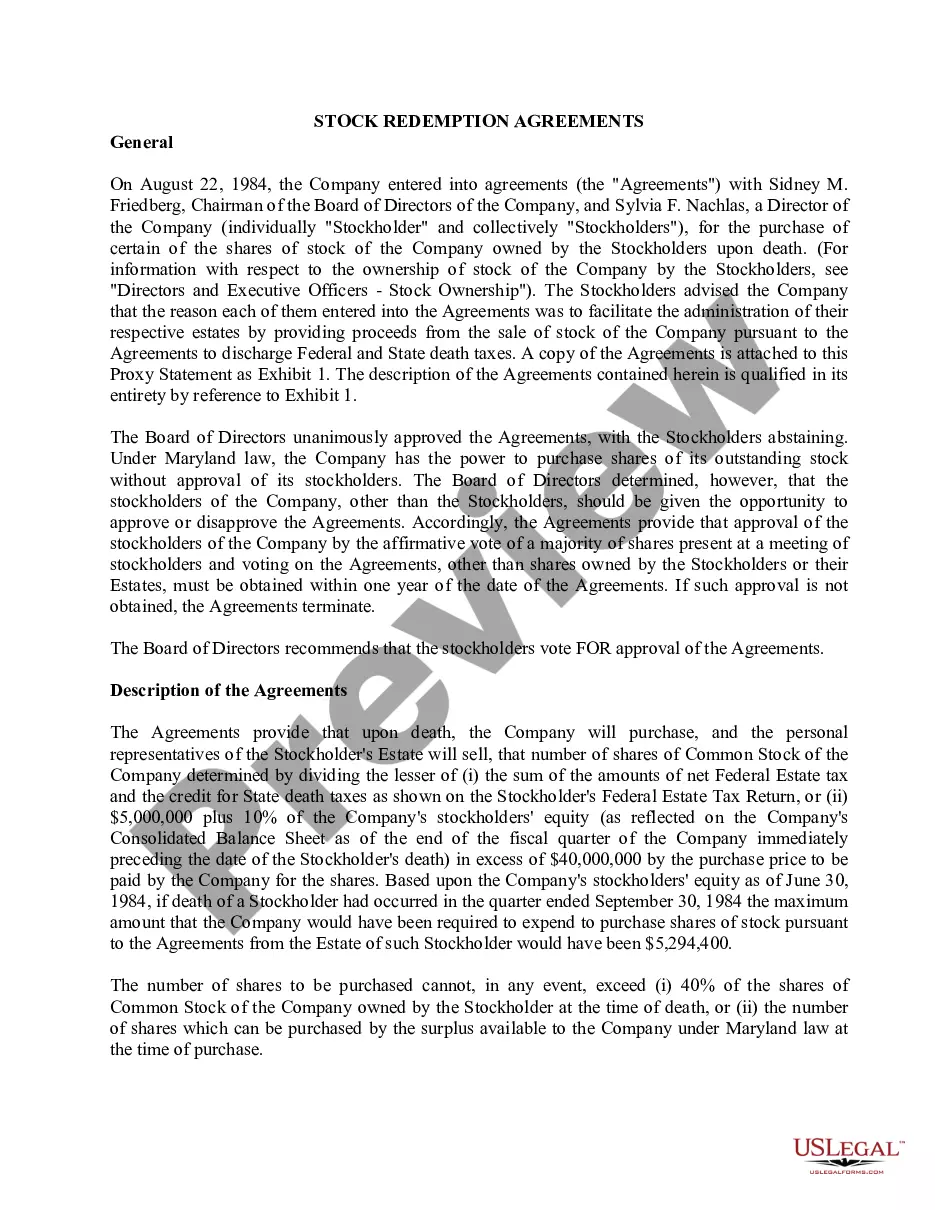
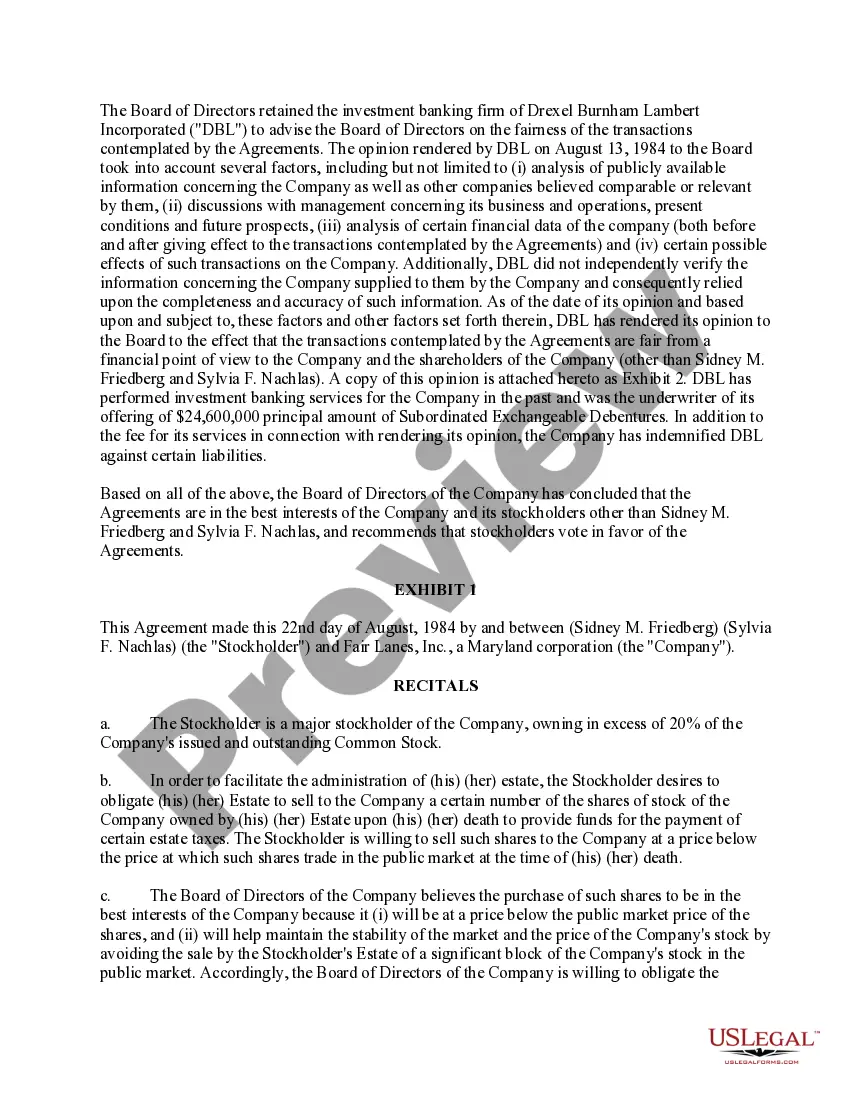
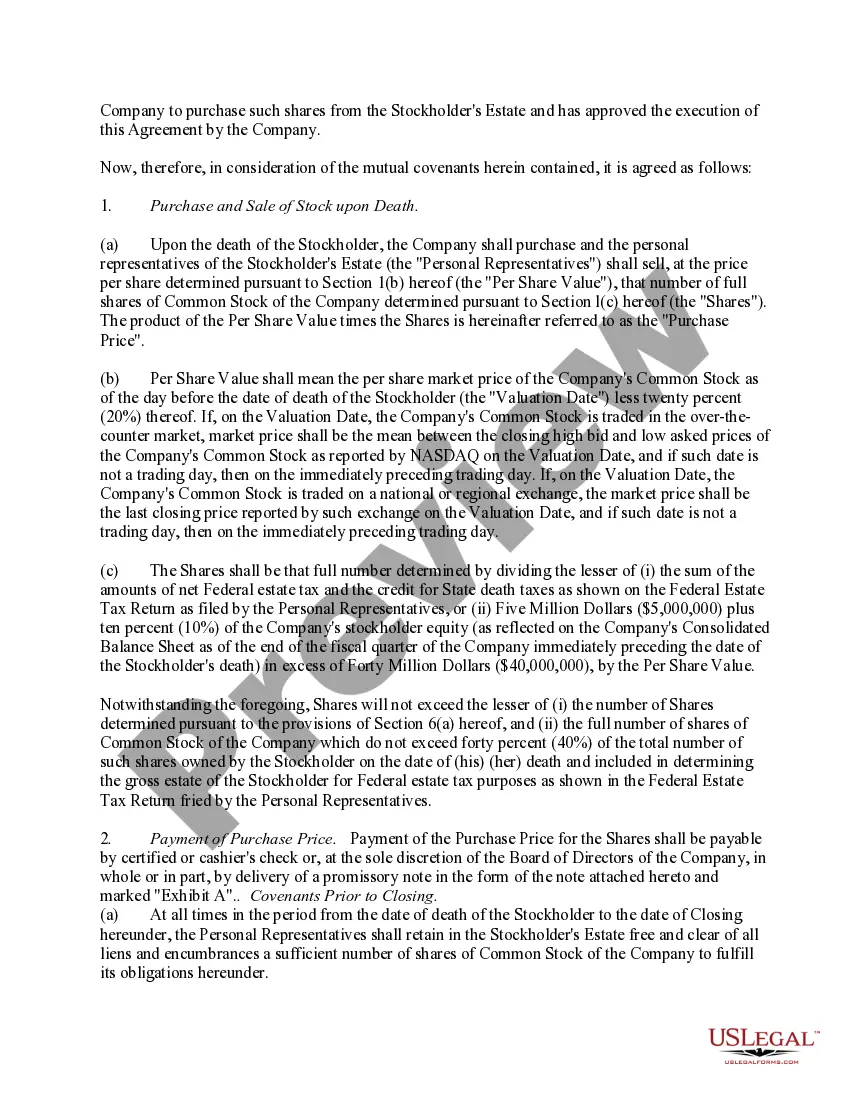
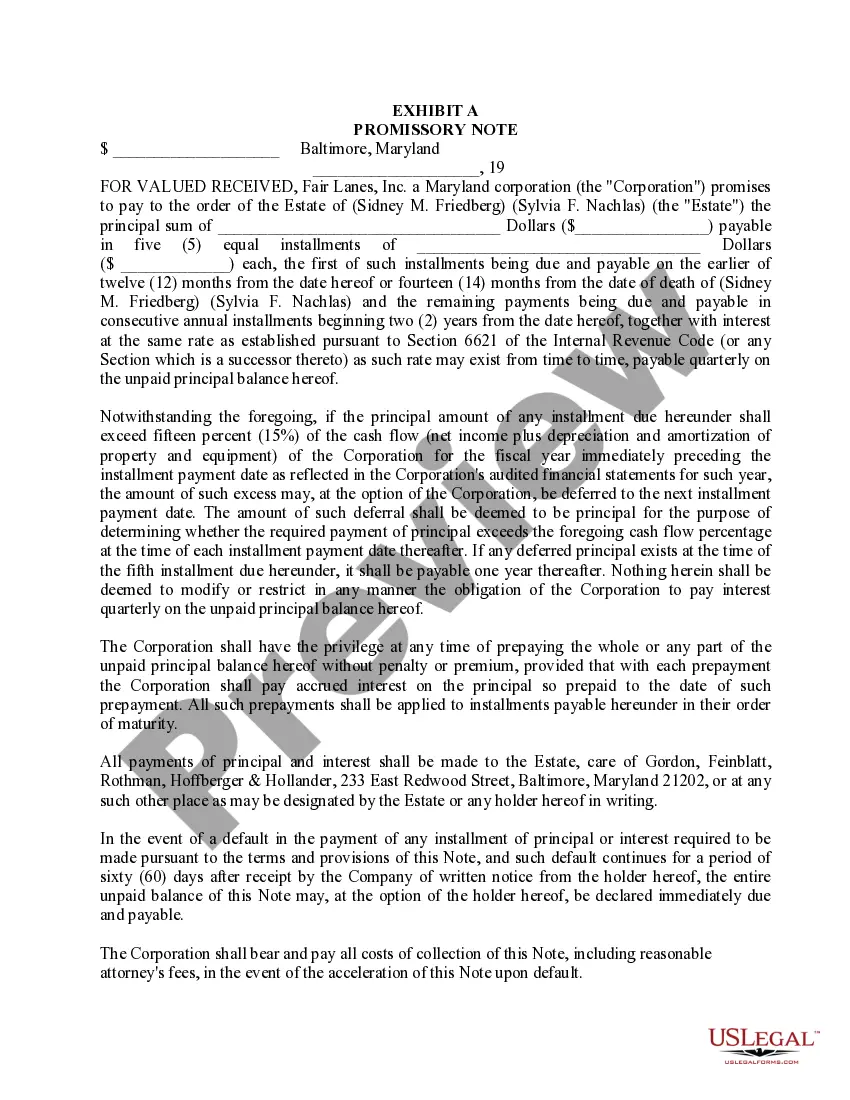
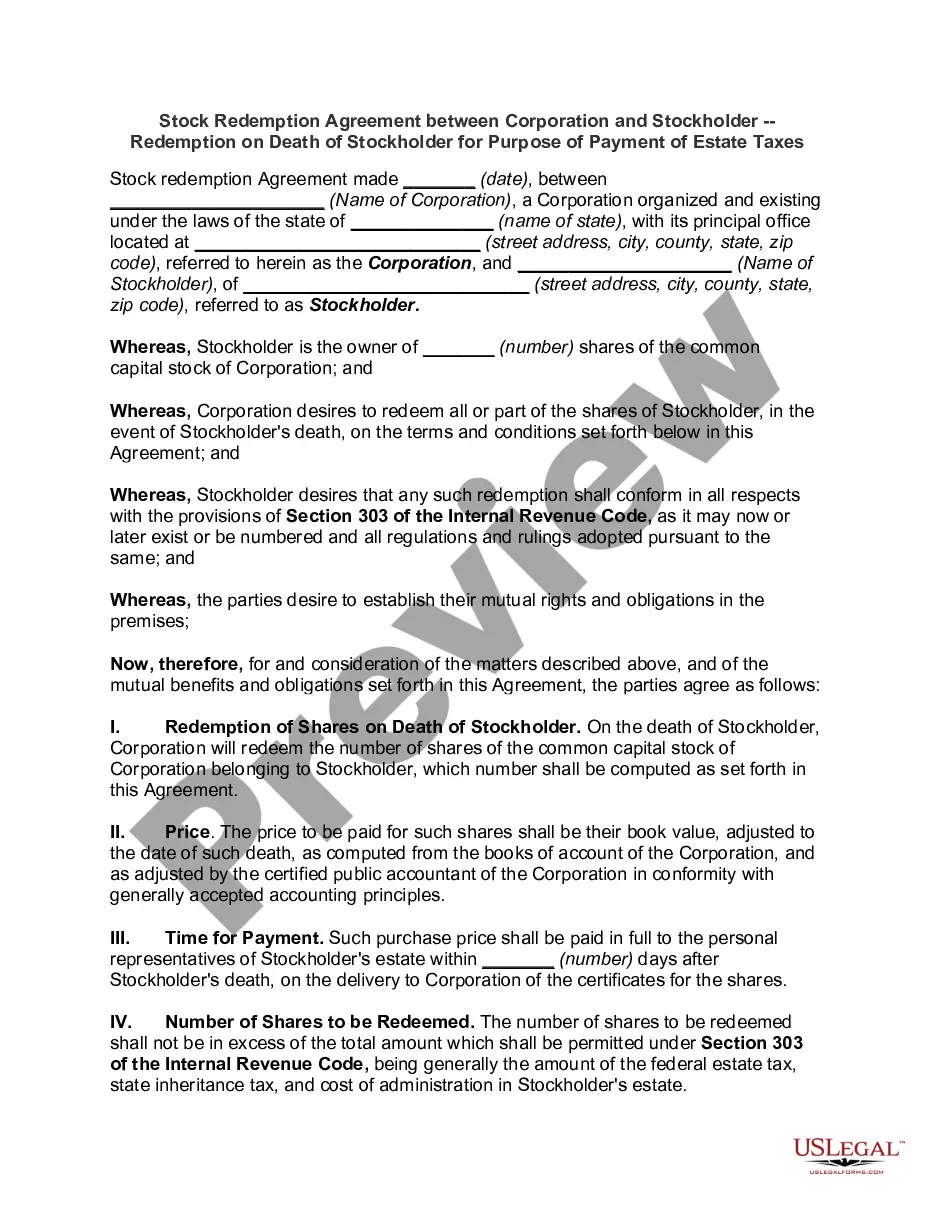
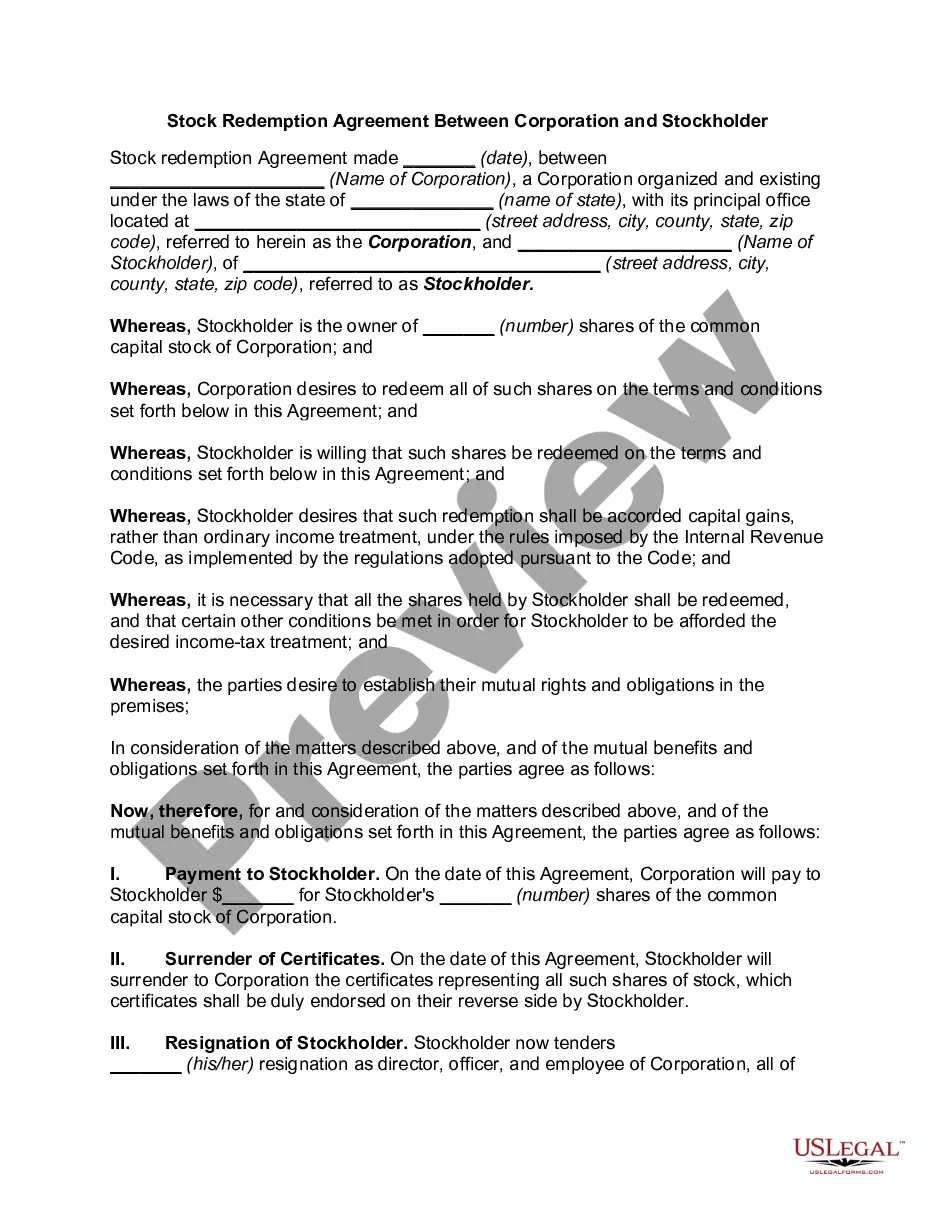
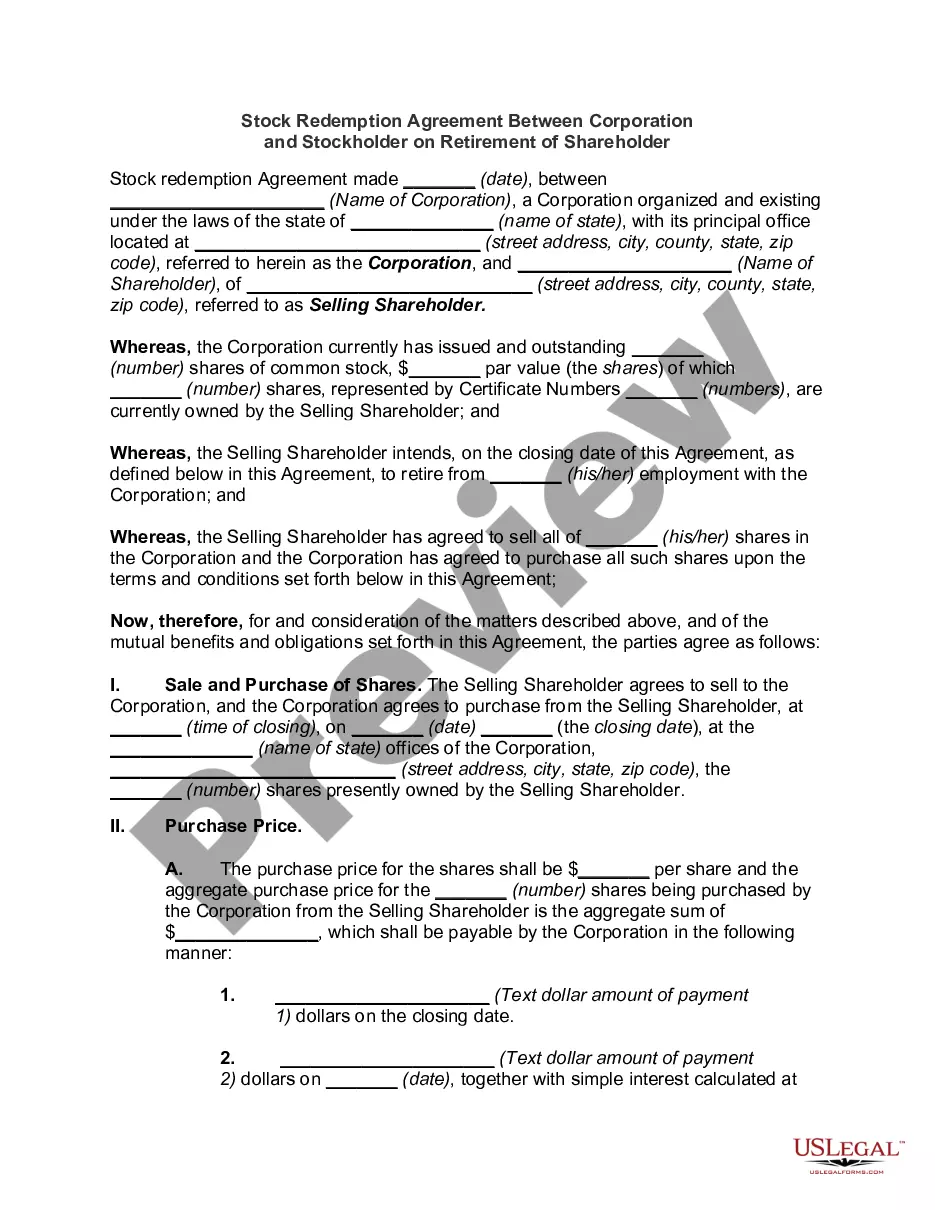
The Stock Redemption Agreement is a legal document designed for use in corporate settings, specifically when a company wishes to purchase its stock from shareholders upon their death. This form facilitates estate management by providing a mechanism for the estate to receive funds to pay federal and state taxes. It differs from other stock transfer agreements as it specifically addresses redemption following a shareholder's death, ensuring that the company maintains control and stability over its stock ownership and market value.
What’s included in this form
- Definitions of stockholder and company parties involved.
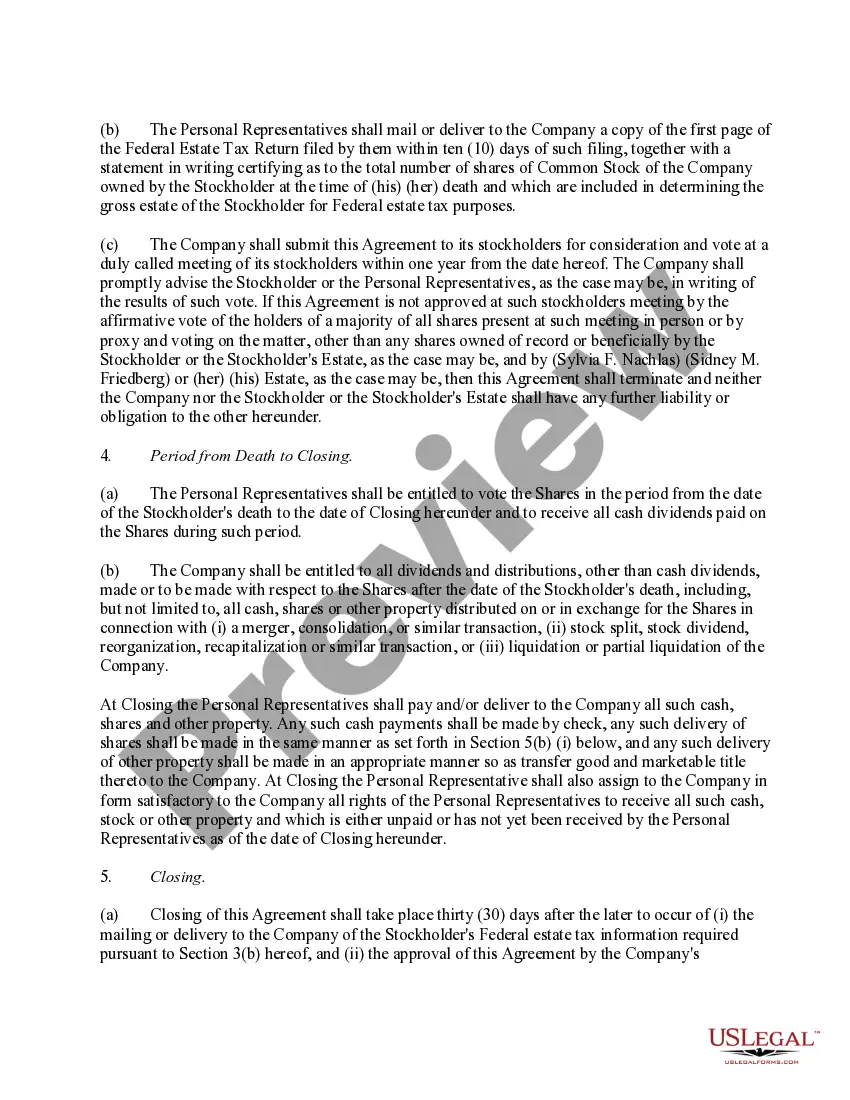
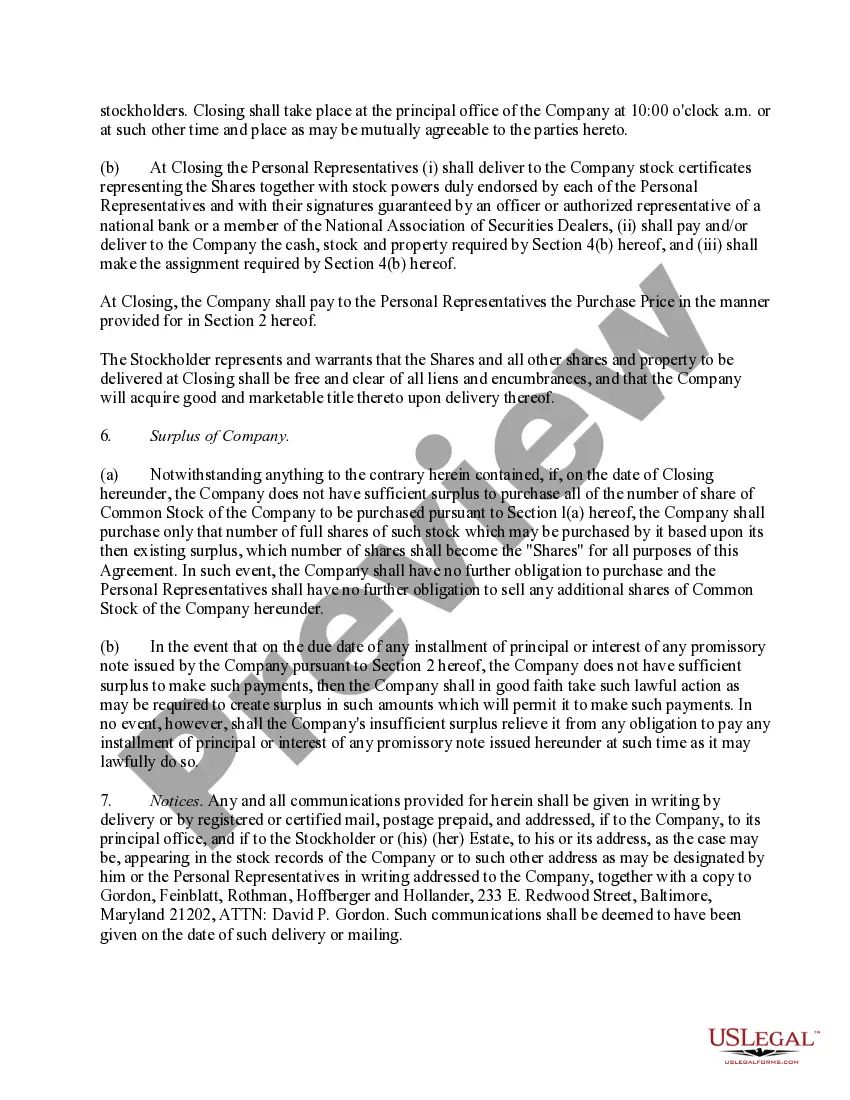
- Conditions and procedures for stock redemption upon a shareholder's death.
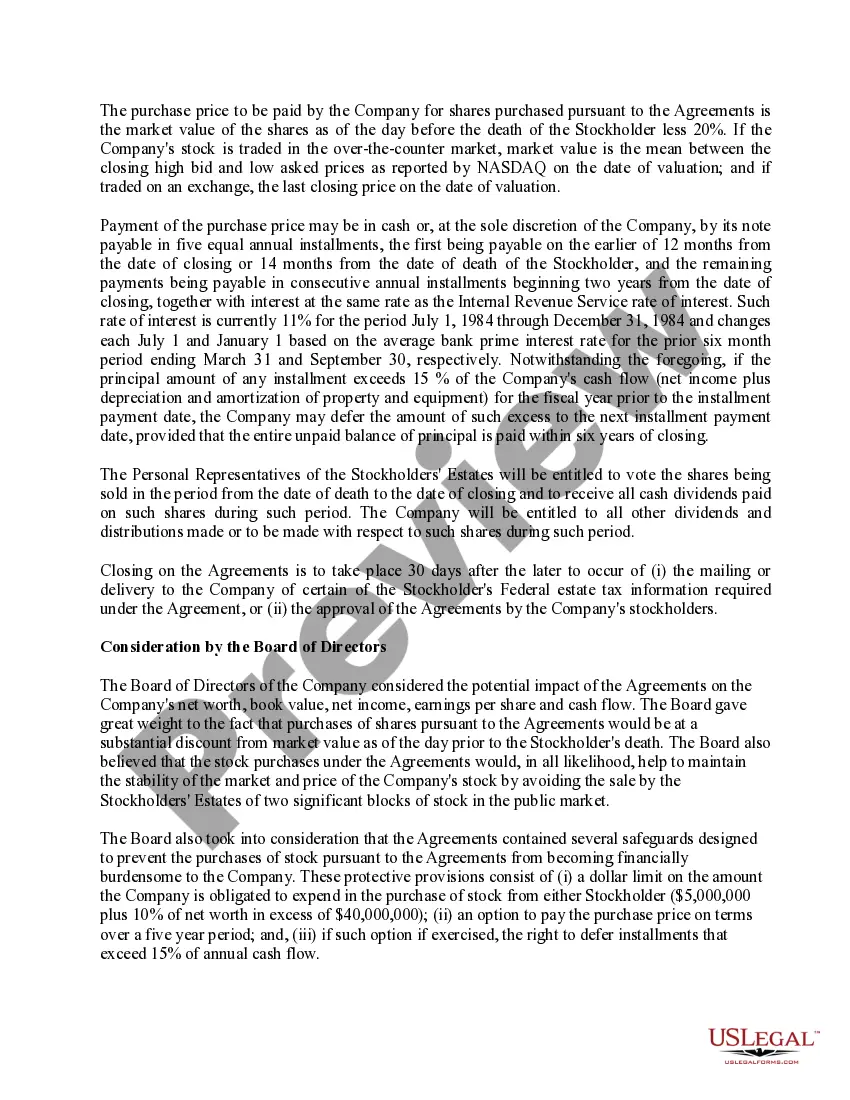
- Calculation of purchase price for redeemed shares.
- Payment terms, including potential installment options.
- Voting requirements for board and shareholder approval.
- Roles and responsibilities of personal representatives of the shareholder's estate.

When to use this form
This form should be utilized when a corporation has shareholders who wish to arrange for the redemption of their shares upon their death. It is particularly pertinent for family-owned businesses or closely-held corporations that want to ensure smooth transitions of ownership while managing tax obligations efficiently.
Who this form is for
- Corporations looking to establish a clear process for stock redemption.
- Shareholders who want to protect their estates from potential tax burdens after their death.
- Personal representatives managing the estates of deceased shareholders.
- Directors and officers involved in corporate governance and compliance.
How to complete this form
- Identify the parties involved, including the company and stockholders.
- Specify conditions under which the shares will be redeemed upon a stockholder's death.
- Calculate the purchase price for the shares based on the established formula.
- Detail payment options, including potential installments and interest rates.
- Ensure board approval is documented through the required voting process.
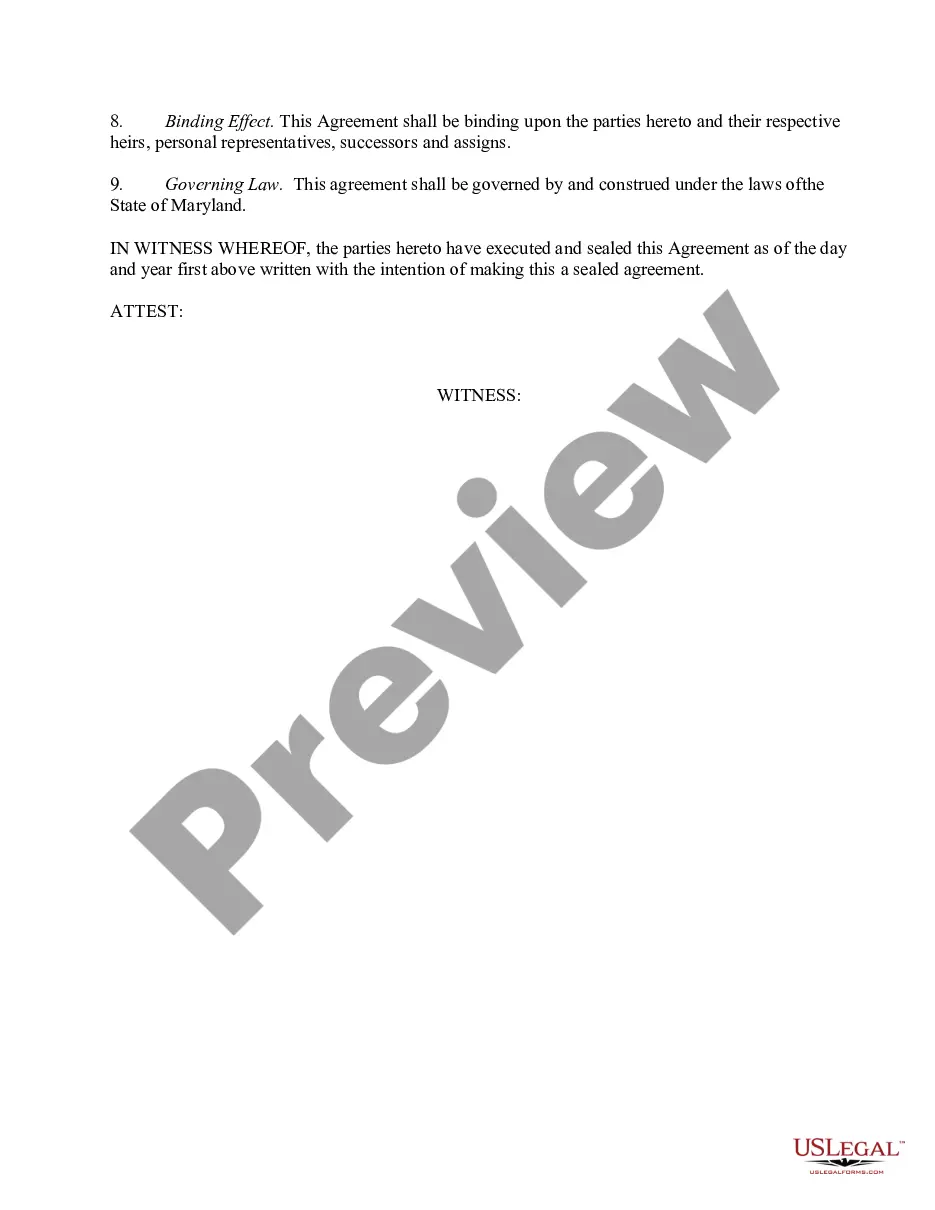
- Have personal representatives of the deceased stockholder's estate sign the agreement.
Does this document require notarization?
This form does not typically require notarization unless specified by local law. However, it is advisable to check with a legal professional to ensure compliance with any state-specific regulations that may apply.
Get your form ready online
Our built-in tools help you complete, sign, share, and store your documents in one place.
Make edits, fill in missing information, and update formatting in US Legal Forms—just like you would in MS Word.
Download a copy, print it, send it by email, or mail it via USPS—whatever works best for your next step.
Sign and collect signatures with our SignNow integration. Send to multiple recipients, set reminders, and more. Go Premium to unlock E-Sign.
If this form requires notarization, complete it online through a secure video call—no need to meet a notary in person or wait for an appointment.
We protect your documents and personal data by following strict security and privacy standards.

Make edits, fill in missing information, and update formatting in US Legal Forms—just like you would in MS Word.

Download a copy, print it, send it by email, or mail it via USPS—whatever works best for your next step.

Sign and collect signatures with our SignNow integration. Send to multiple recipients, set reminders, and more. Go Premium to unlock E-Sign.

If this form requires notarization, complete it online through a secure video call—no need to meet a notary in person or wait for an appointment.

We protect your documents and personal data by following strict security and privacy standards.
Mistakes to watch out for
- Failing to calculate the purchase price accurately according to the formula specified.
- Neglecting to obtain necessary shareholder approvals before finalizing the agreement.
- Not updating the agreement if there are changes in the shareholders or company structure.
- Inadequate documentation of personal representatives' authority to sign on behalf of the estate.
Why complete this form online
- Convenience of downloading a ready-to-use form tailored to corporate needs.
- Editability allows customization for specific circumstances and requirements.
- Access to templates drafted by legal professionals ensures reliability and legal soundness.
- Immediate availability of forms eliminates delays in processing essential corporate actions.
Looking for another form?







Form popularity
FAQ
If the stock redemption significantly decreases the stockholder's equity stake in the corporation, then the stock redemption is treated as a capital sale, in which a stockholder will either have a capital gain or loss, just as if the stock was sold on the market.
In finance, redemption describes the repayment of any money market fixed-income security at or before the asset's maturity date. Investors can make redemptions by selling part or all of their investments such as shares, bonds, or mutual funds.
Accounting for Redemptions on the Corporation's Books Debit the treasury stock account for the amount the company paid for the redemption. Credit the company's cash account for any payments already made to the shareholder. Credit accounts receivable for any future payment obligations.
The general rule for a stock redemption payment received by a C corporation shareholder is the payment is treated as a taxable dividend to the extent of the corporation's earnings and profits (similar to the financial accounting concept of retained earnings).