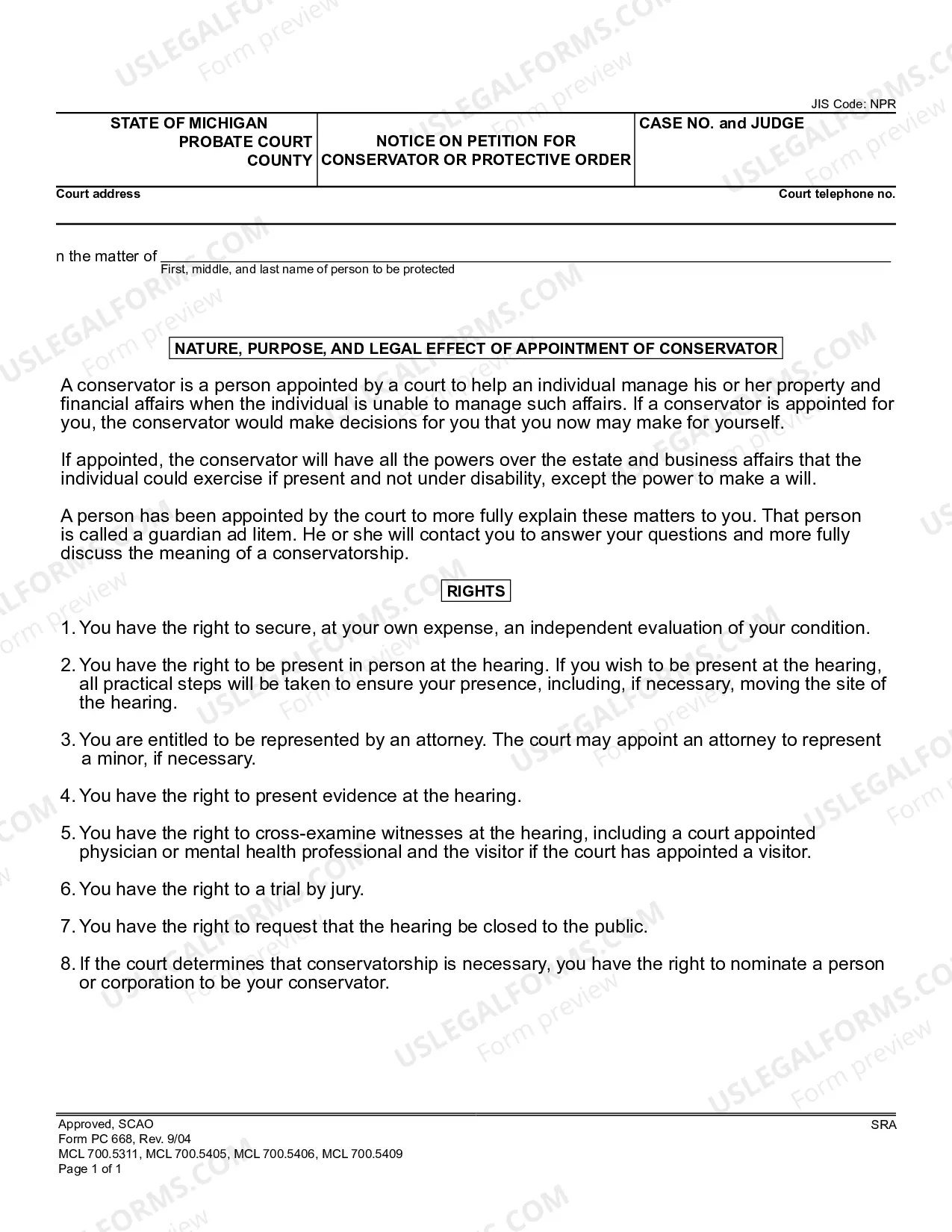
State Regulations Regarding Advertising - Status and History
What this document covers
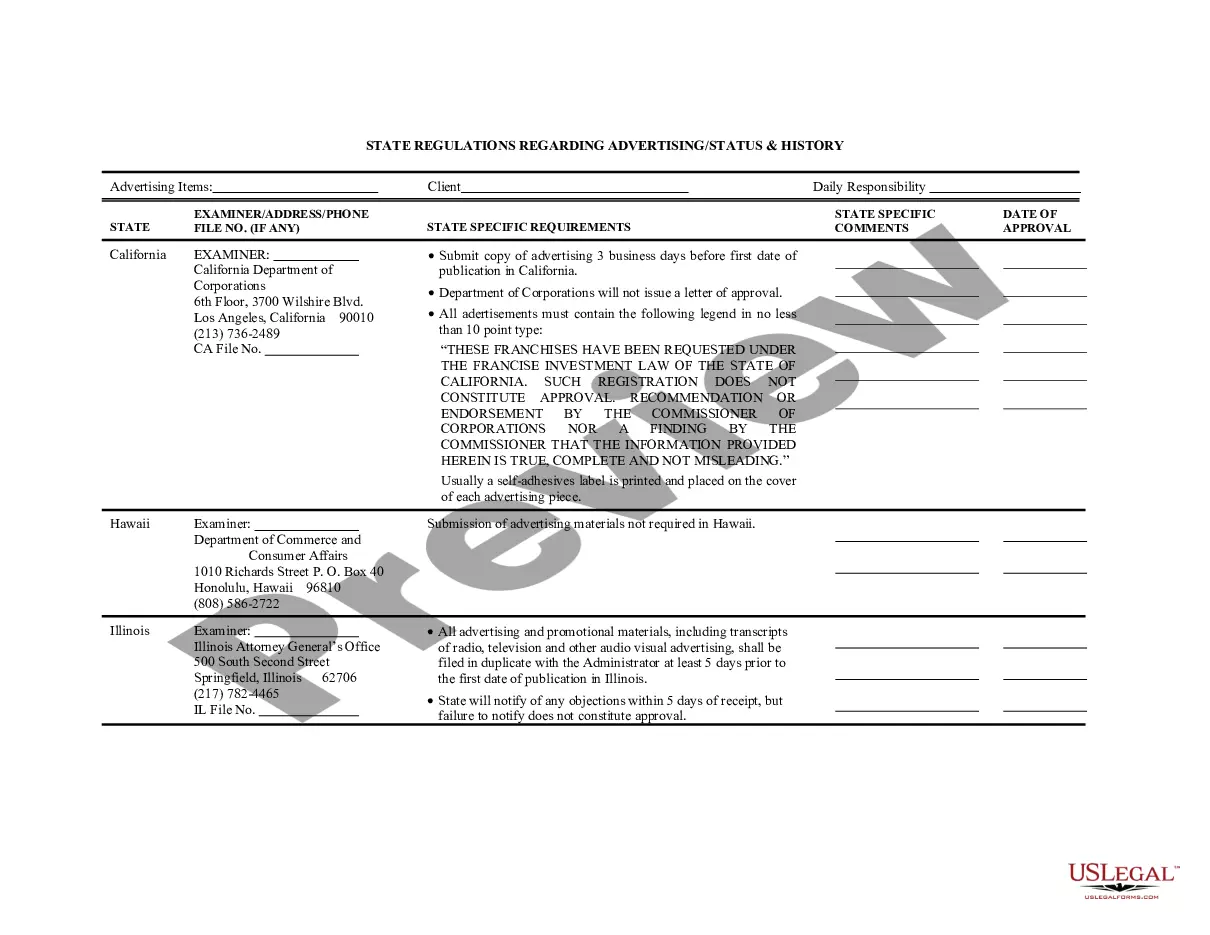
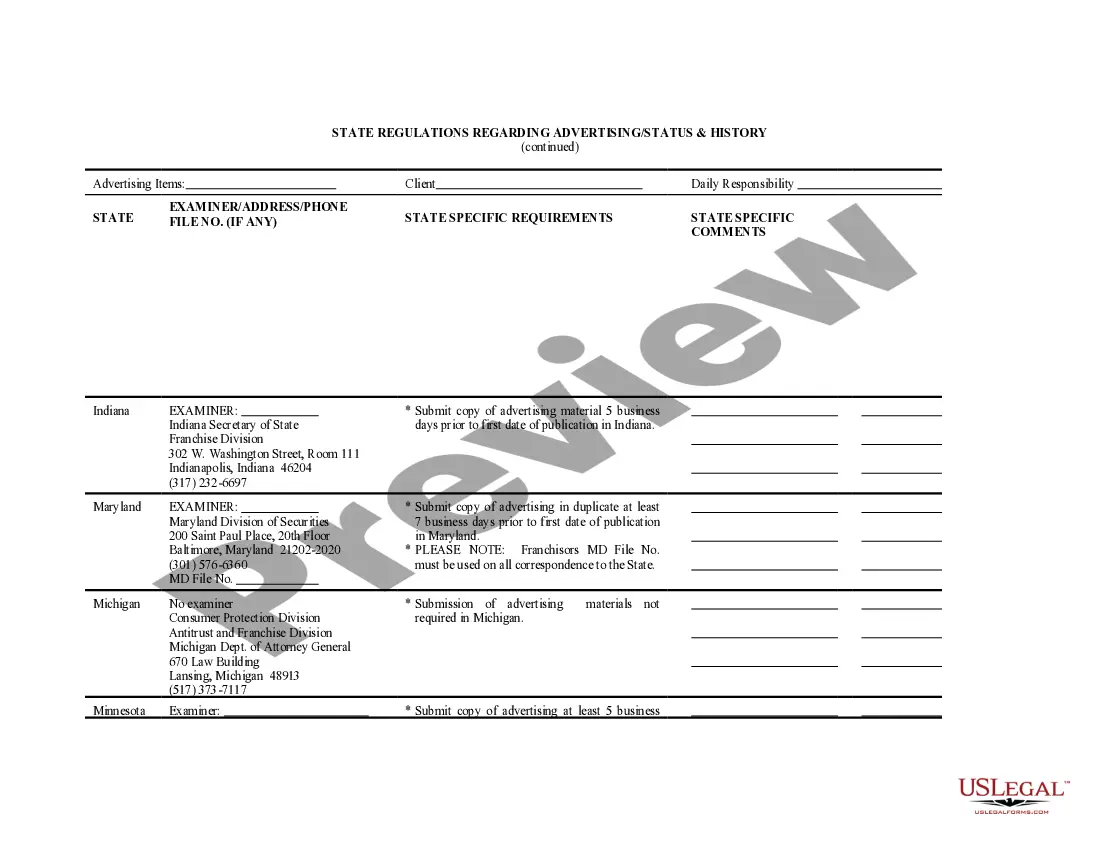
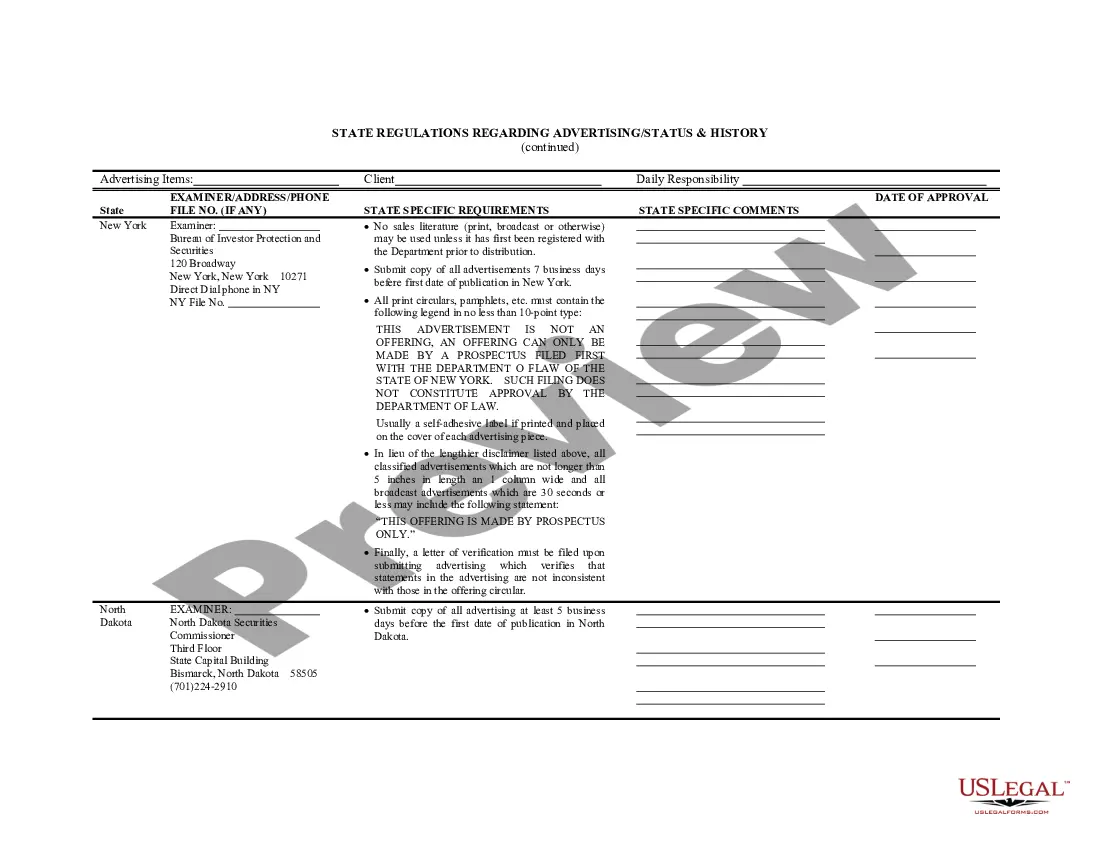
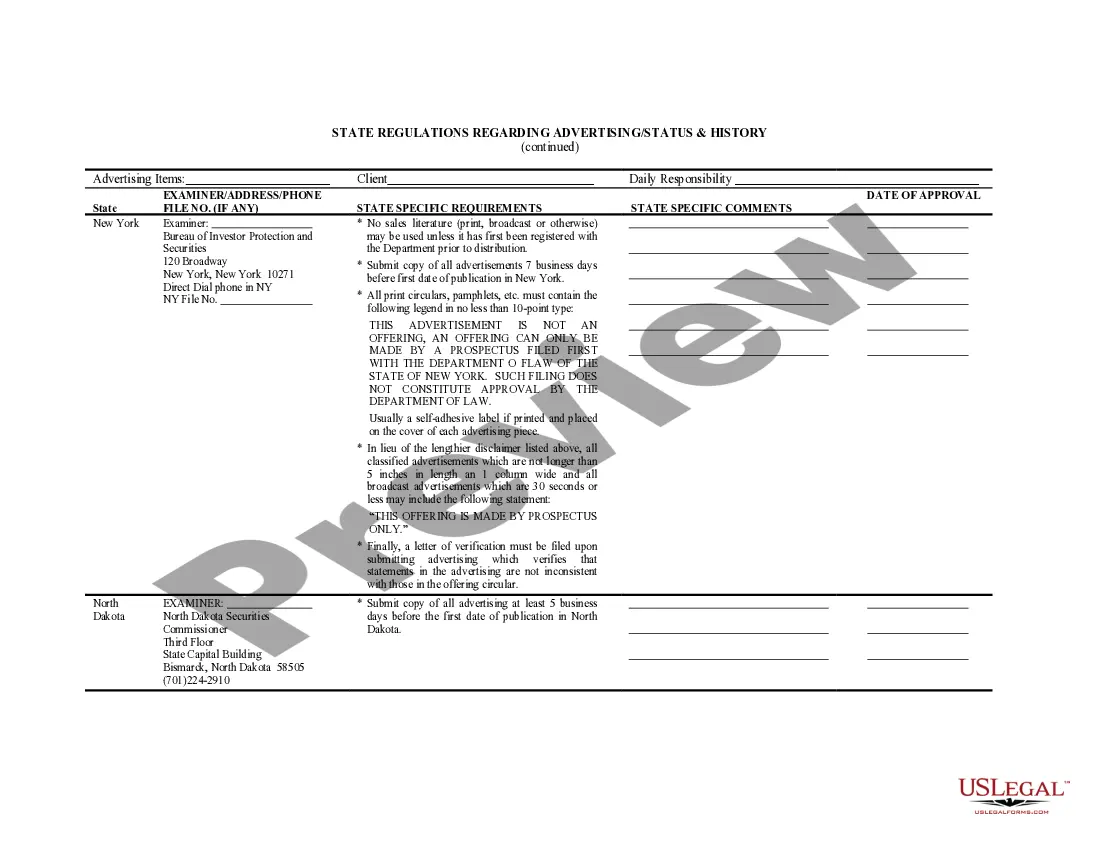
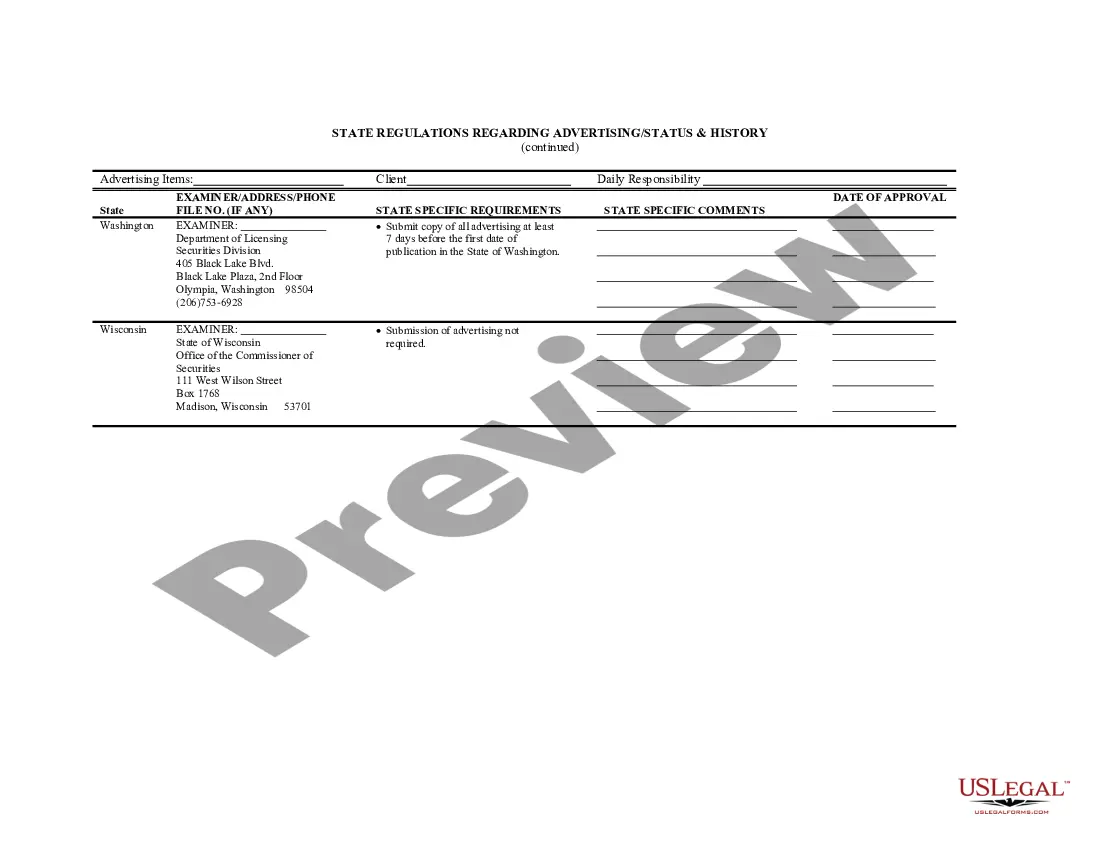
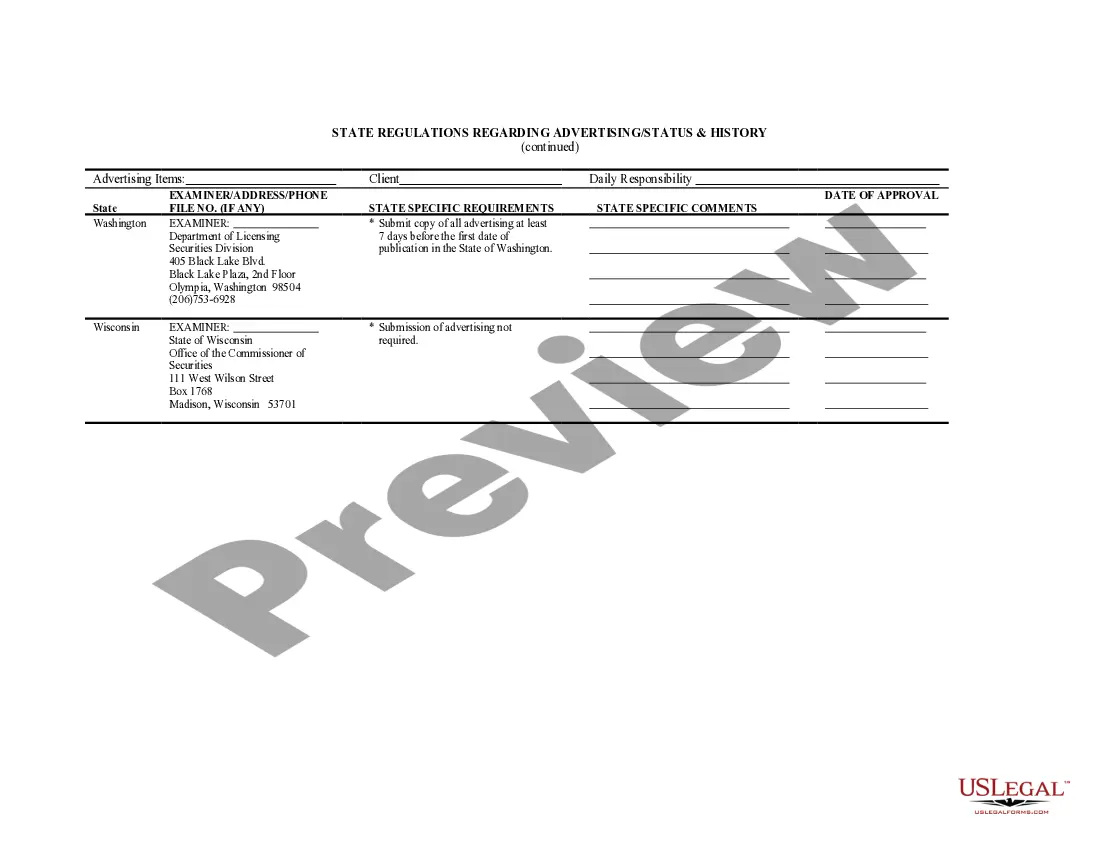
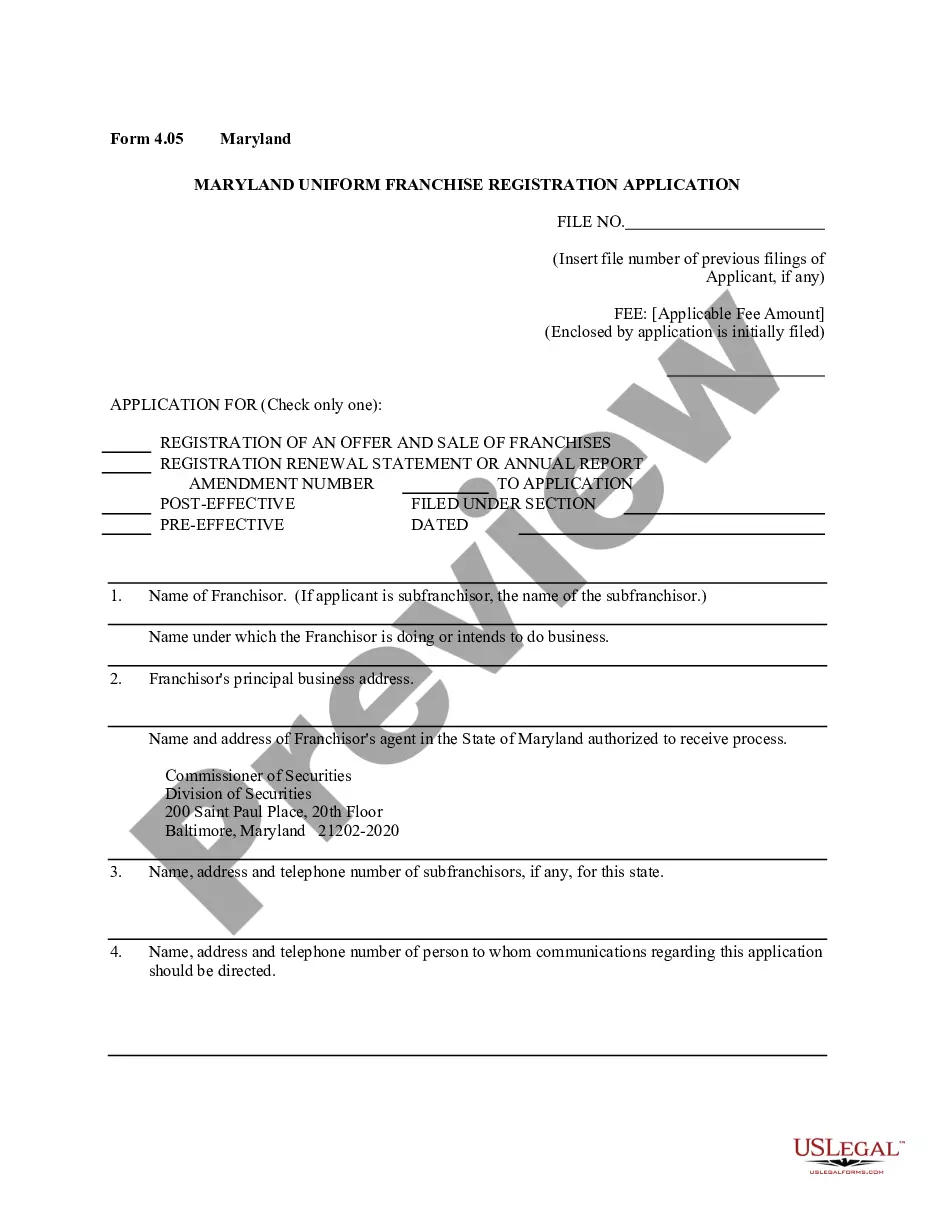
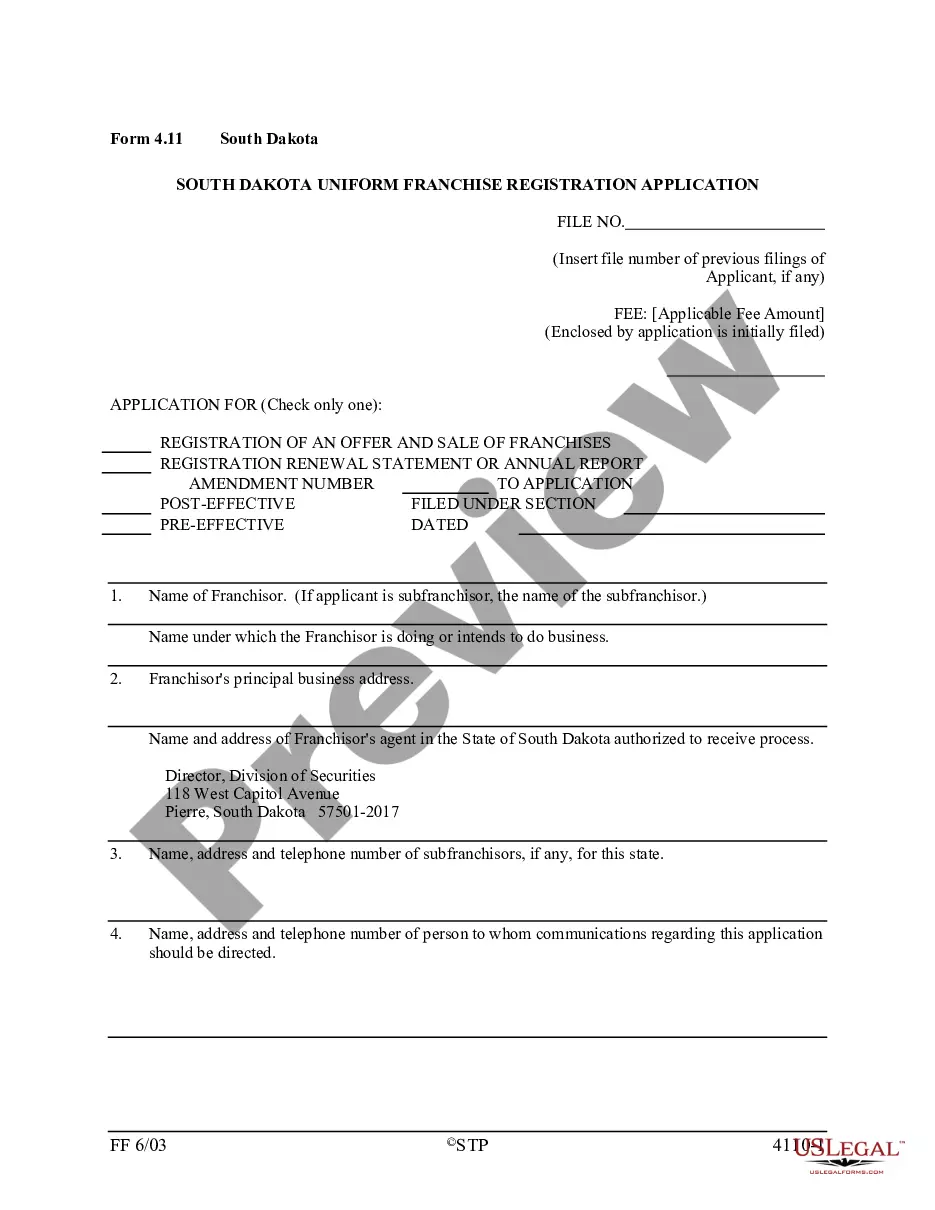
The State Regulations Regarding Advertising - Status and History form is a comprehensive document designed to help franchised businesses comply with varying state-specific advertising regulations. Unlike generic advertising templates, this form lists explicit requirements and mandates for each state, ensuring businesses understand what is needed for compliance in their respective jurisdictions.
Key components of this form
- State-specific advertising requirements
- Contact information for state examiners
- Submission timelines for advertising materials
- Sections for state-specific comments and dates of approval
Common use cases
This form is essential when a franchised business is preparing to launch advertising campaigns. It is especially important in states with strict regulations regarding advertising submissions and approvals. Using this form ensures that businesses remain compliant and avoid potential legal issues when advertising their franchises.
Intended users of this form
This form is intended for:
- Franchisors who operate in multiple states
- Franchise operators or marketers designing advertising material
- Legal professionals assisting franchised businesses with compliance
Instructions for completing this form
- Identify the state for which the advertising is intended.
- Fill in the contact information of the state examiner.
- Note the specific advertising requirements and timelines for submission.
- Include any state-specific comments and approval dates.
- Submit the completed form according to the regulations of the jurisdiction.
Does this form need to be notarized?
Notarization is not commonly needed for this form. However, certain documents or local rules may make it necessary. Our notarization service, powered by Notarize, allows you to finalize it securely online anytime, day or night.
Get your form ready online
Our built-in tools help you complete, sign, share, and store your documents in one place.
Make edits, fill in missing information, and update formatting in US Legal Forms—just like you would in MS Word.
Download a copy, print it, send it by email, or mail it via USPS—whatever works best for your next step.
Sign and collect signatures with our SignNow integration. Send to multiple recipients, set reminders, and more. Go Premium to unlock E-Sign.
If this form requires notarization, complete it online through a secure video call—no need to meet a notary in person or wait for an appointment.
We protect your documents and personal data by following strict security and privacy standards.

Make edits, fill in missing information, and update formatting in US Legal Forms—just like you would in MS Word.

Download a copy, print it, send it by email, or mail it via USPS—whatever works best for your next step.

Sign and collect signatures with our SignNow integration. Send to multiple recipients, set reminders, and more. Go Premium to unlock E-Sign.

If this form requires notarization, complete it online through a secure video call—no need to meet a notary in person or wait for an appointment.

We protect your documents and personal data by following strict security and privacy standards.
Typical mistakes to avoid
- Not checking specific state advertising requirements before submission.
- Failing to submit advertising materials within required timeframes.
- Omitting necessary contact information or approval dates.
Benefits of using this form online
- Immediate access to the latest regulations by state experts.
- Easy download and customization of the form template.
- Streamlined process to ensure compliance and avoid delays.
Legal use & context
- The form is used for compliance with state advertising laws.
- Non-compliance can lead to legal repercussions, fines, or halting of advertising campaigns.
Quick recap
- This form is crucial for understanding and complying with state-specific advertising regulations.
- Different states have varying requirements about advertising submissions.
- Completing this form correctly can prevent legal issues and ensure smooth advertising operations.
Looking for another form?

Form popularity
FAQ
Federal Trade Commission FTC regulations relate to most aspects of marketing, such as how one labels a product, how a business conducts email and telemarketing campaigns, the veracity of health or "green" claims made on products, and how products are marketed to children.
Advertising control prevents businesses from presenting false information, placing billboards in illegal locations and other prohibited actions. If a business does not follow the advertising regulations set by the government, it could face a civil suit.
Some key examples are: the FTC Act, which prohibits 'unfair or deceptive acts or practices'; the Lanham Act, which is the federal false advertising statute; and. the Dodd-Frank Wall Street Reform and Consumer Protection Act.
Related. Advertising control is used by federal and state governments to regulate the use of advertising around cities and roadways. Advertising control prevents businesses from presenting false information, placing billboards in illegal locations and other prohibited actions.
The major regulatory body for the advertising market is the Federal trade commission (the FTC).The FTC's work is performed mainly by its Bureau of Consumer Protection, which protects consumers against unfair, deceptive, or fraudulent practices in the marketplace and helps companies understand and comply with the law.
Advertising regulation refers to the laws and rulesdefining the ways in which products can be advertisedin a particular region.
Each advertisement must make a proposition to the consumer. Be direct. The proposition must be something your competition either cannot or does not offer. In other words, it needs to be unique. It must be strong to motivate people to purchase what you are selling.
Established by the Federal Trade Commission Act (1914), the Federal Trade Commission (FTC) regulates advertising, marketing, and consumer credit practices and also prevents antitrust agreements and other unfair practices.
Advertising self-regulation, through the promotion of responsible advertising, helps build consumer trust in brands, which in turn builds brand loyalty, increases sales, and strengthens market share.They keep track of key concerns about advertising and take steps to address them when needed.