Landlord's Waiver of right to retain Property
Understanding this form
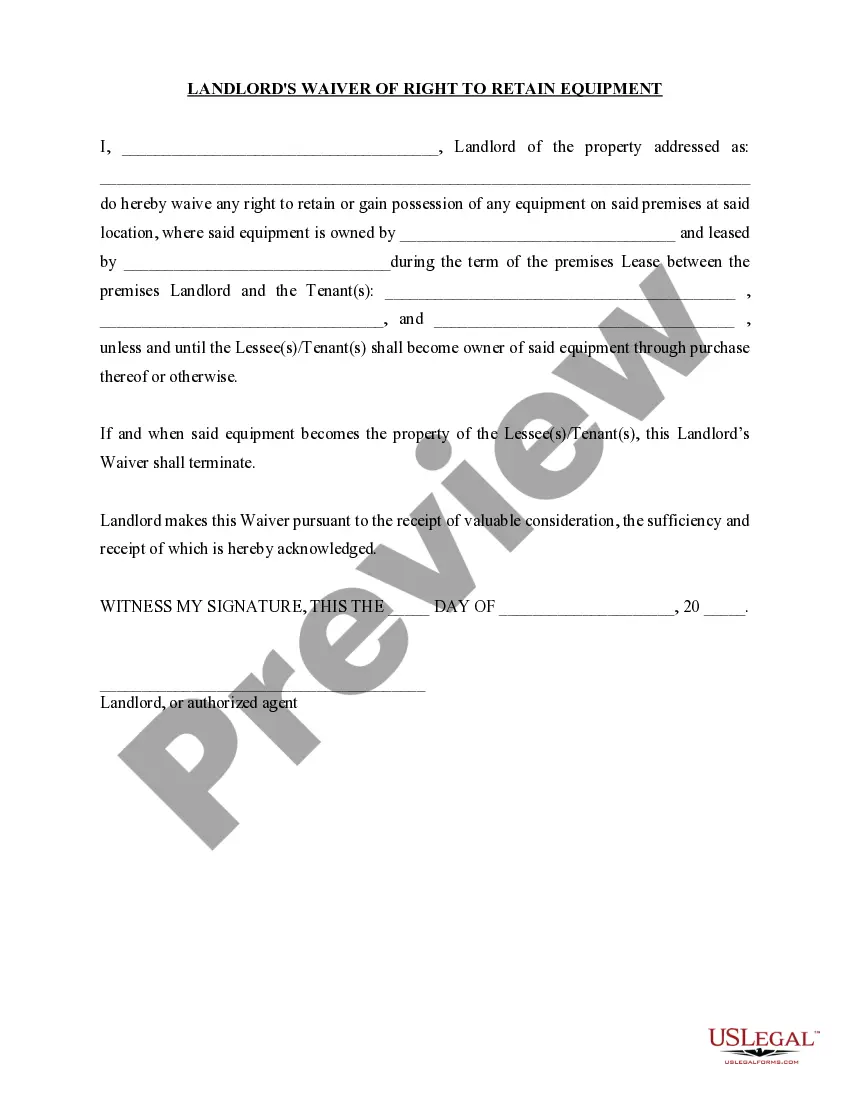
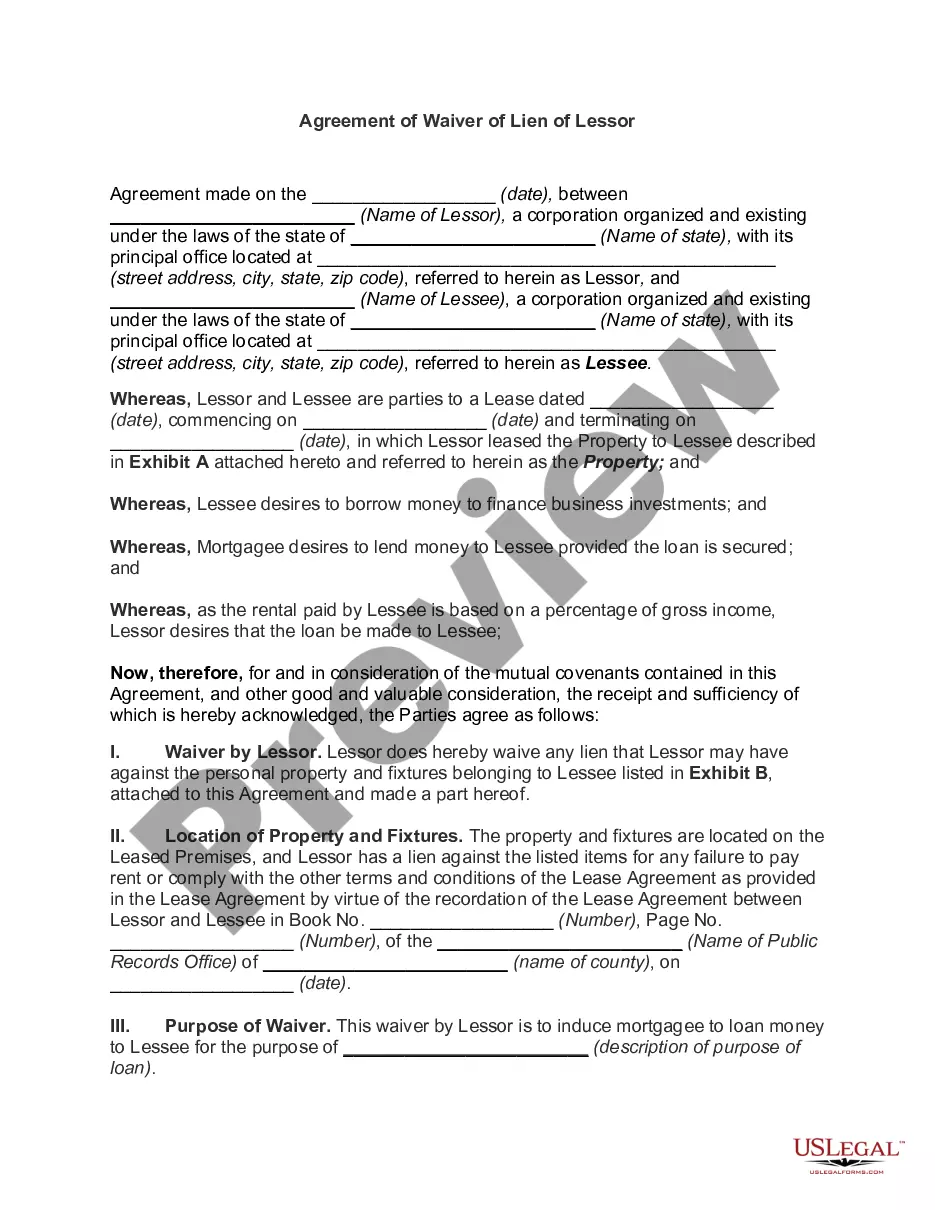
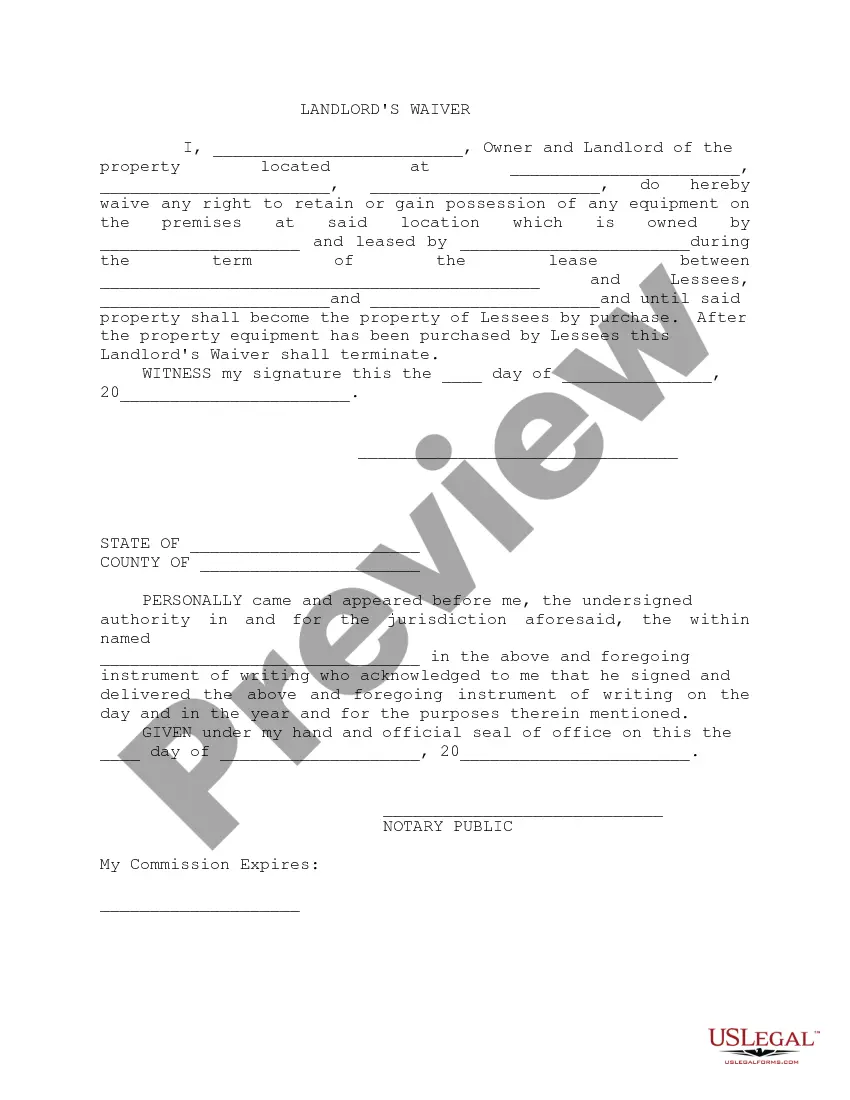
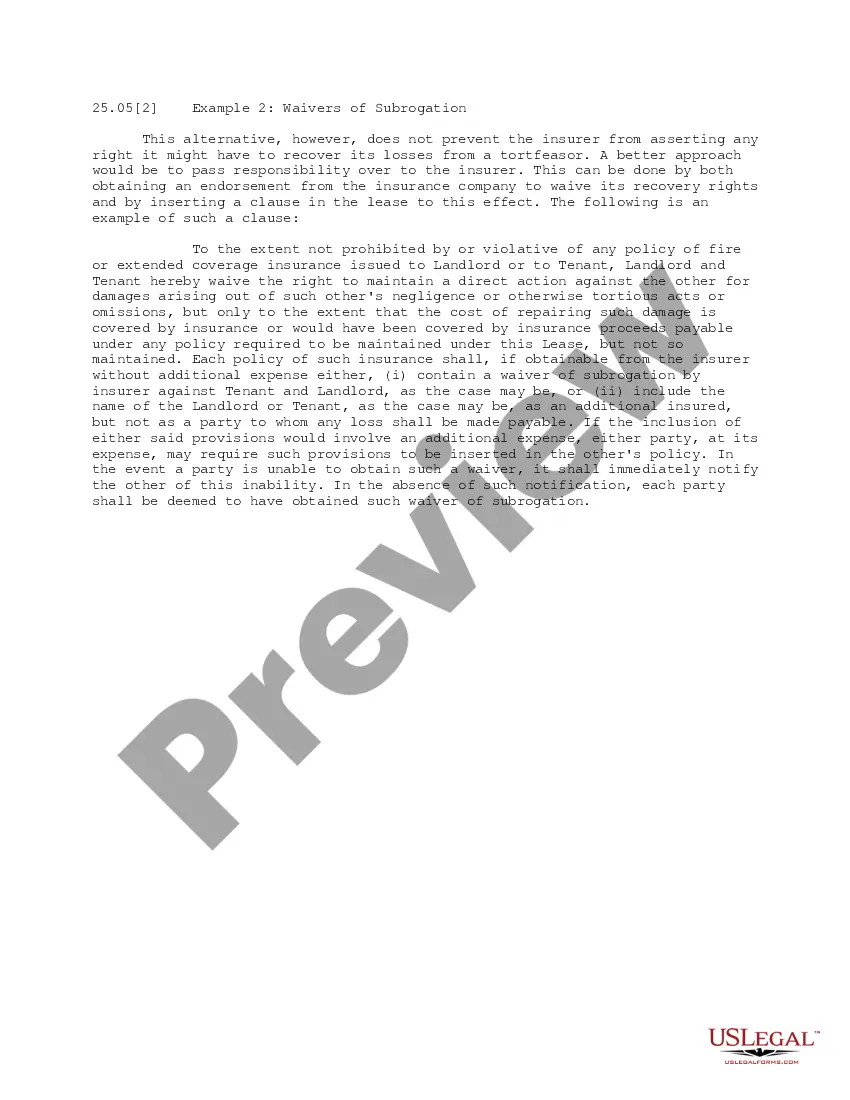
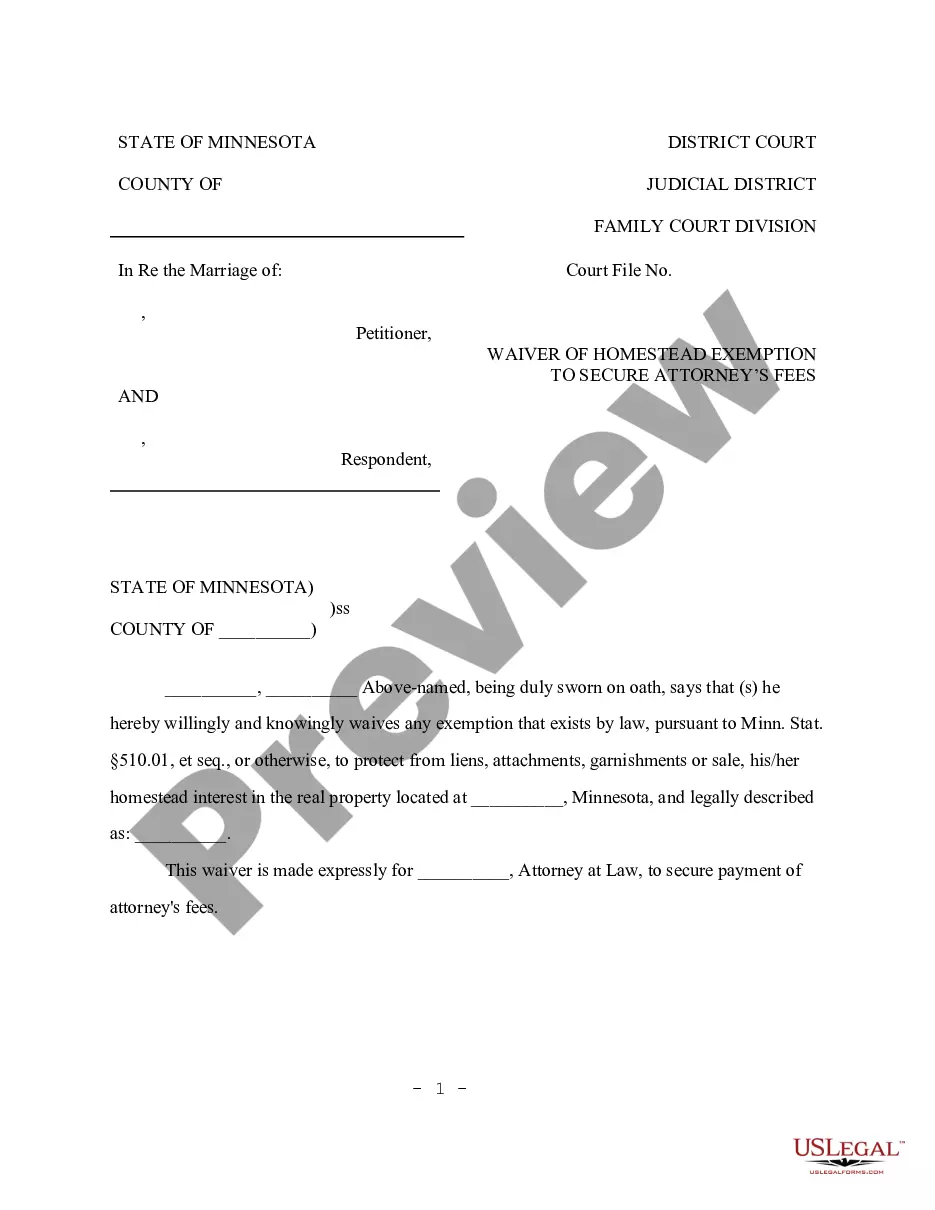
The Landlord's Waiver of Right to Retain Property is a legal document that allows a landlord to waive their rights to retain possession of any equipment leased by a tenant from a third party. This form clarifies that until the equipment is purchased and becomes the tenant's property, the landlord will not claim any right over it. This differs from other lease agreements, as it specifically addresses the rights concerning leased equipment rather than the premises itself.
Form components explained
- Identification of the landlord and the leased property.
- Details about the equipment, including its ownership and leasing agreement.
- Terms indicating the landlord's waiver of rights to retain the leased equipment.
- Conditions under which the waiver will terminate.
- Signature field for the landlord or authorized agent.
When to use this document
This form should be used when a landlord wants to formally waive their right to retain any third-party leased equipment at the property they own. It is particularly useful in scenarios where a tenant is leasing equipment that they intend to purchase in the future, ensuring that there are no misunderstandings about ownership rights during the lease term.
Who should use this form
- Landlords who lease property that includes equipment not owned by the tenant.
- Tenants planning to purchase equipment they currently lease.
- Property managers handling agreements involving leased equipment on rental properties.
Completing this form step by step
- Identify the landlord and provide the address of the property.
- Specify the details of the equipment, including the owner's name and the tenant's name.
- Fill in the names of all tenants involved in the lease agreement.
- Sign and date the form to formalize the waiver.
- Keep a copy for your records and provide one to the tenant.
Notarization requirements for this form
Notarization is generally not required for this form. However, certain states or situations might demand it. You can complete notarization online through US Legal Forms, powered by Notarize, using a verified video call available anytime.
Get your form ready online
Our built-in tools help you complete, sign, share, and store your documents in one place.
Make edits, fill in missing information, and update formatting in US Legal Forms—just like you would in MS Word.
Download a copy, print it, send it by email, or mail it via USPS—whatever works best for your next step.
Sign and collect signatures with our SignNow integration. Send to multiple recipients, set reminders, and more. Go Premium to unlock E-Sign.
If this form requires notarization, complete it online through a secure video call—no need to meet a notary in person or wait for an appointment.
We protect your documents and personal data by following strict security and privacy standards.

Make edits, fill in missing information, and update formatting in US Legal Forms—just like you would in MS Word.

Download a copy, print it, send it by email, or mail it via USPS—whatever works best for your next step.

Sign and collect signatures with our SignNow integration. Send to multiple recipients, set reminders, and more. Go Premium to unlock E-Sign.

If this form requires notarization, complete it online through a secure video call—no need to meet a notary in person or wait for an appointment.

We protect your documents and personal data by following strict security and privacy standards.
Mistakes to watch out for
- Failing to include all tenant names, which can lead to disputes over the waiver.
- Incorrectly identifying the equipment or parties involved.
- Not signing or dating the form, which can render it ineffective.
Why use this form online
- Convenient access to a legally vetted form, drafted by licensed attorneys.
- Instant download allows for quick completion and submission.
- Editability ensures that specific details can be tailored to your situation without hassle.
Legal use & context
- This form is legally binding once signed by the landlord, waiving their right to retain the equipment.
- It is essential that the equipment details are accurate to avoid enforceability issues.
- Consulting with a legal professional is recommended if there are any uncertainties about the implications of the waiver.
Key takeaways
- The Landlord's Waiver of Right to Retain Property formally states that landlords relinquish rights to specific leased equipment.
- Completing this form accurately helps prevent future disputes between landlords and tenants.
- Always keep a signed copy for your records as proof of the waiver agreement.
Looking for another form?








Form popularity
FAQ
No. Unlike local councils and housing associations, private landlords are under no legal obligation to rehouse a tenant when a property becomes uninhabitable and needs repairs.You still don't need to rehouse the tenant but you will be responsible for the costs of alternative accommodation.
Waiver is defined as follows: When the landlord knows that the tenant is breaching the lease, yet conducts the landlord-tenant relationship in the normal course (for example, accepts rent and otherwise does nothing to object to the violation of the lease), then the court may infer that the owner has waived, or forgiven
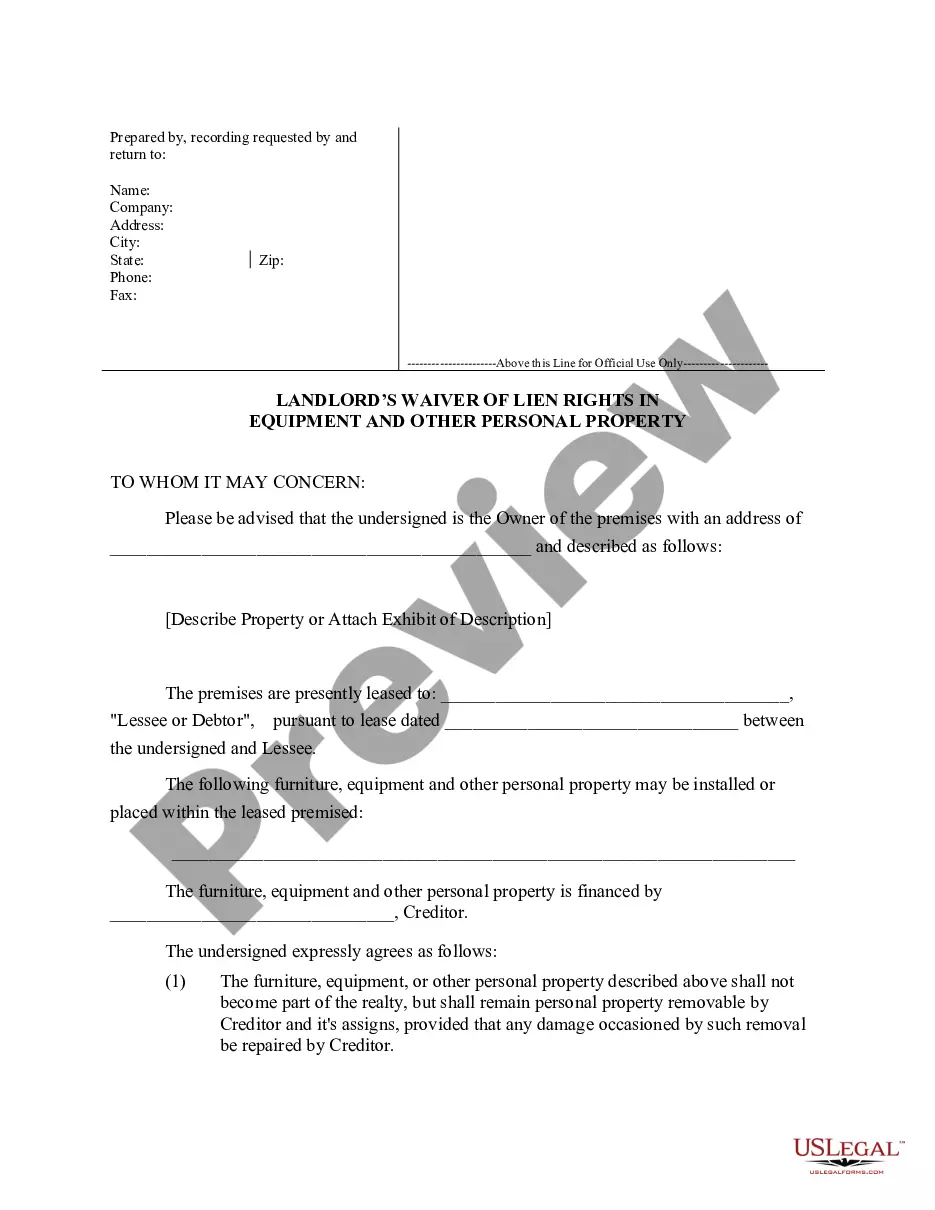
Landlord's Waivers are intercreditor agreements for the benefit of the tenant's lender or equipment lessor, stipulating the landlord's and the lender's respective rights in certain property owned by the tenant.
While tenants cannot unreasonably deny access to a landlord, landlords must also follow all of the state and local rules regarding access to tenants' apartments. Roughly half of states have rules governing landlord entry into tenants' apartments.
Put cameras everywhere (Nest Cam is a good brand), make sure you put signs "Premises secured by video surveillance" and you will be good to go. While it won't prevent the landlord from entering, it will prevent the landlord from doing anything funky, and who knows, with time even stop.
File for eviction with your local courthouse. Gather evidence. Come to the court hearing to prove your case. Win a writ of possession and have the tenant removed by the sheriff.
Most private landlords don't have to provide alternative accommodation during repair or building work, even if parts of your home can't be used. Your landlord is only required to arrange accommodation for you if it's written in your tenancy agreement.
A landlord cannot evict a tenant without an adequately obtained eviction notice and sufficient time. A landlord cannot retaliate against a tenant for a complaint. A landlord cannot forego completing necessary repairs or force a tenant to do their own repairs.A landlord cannot remove a tenant's personal belongings.