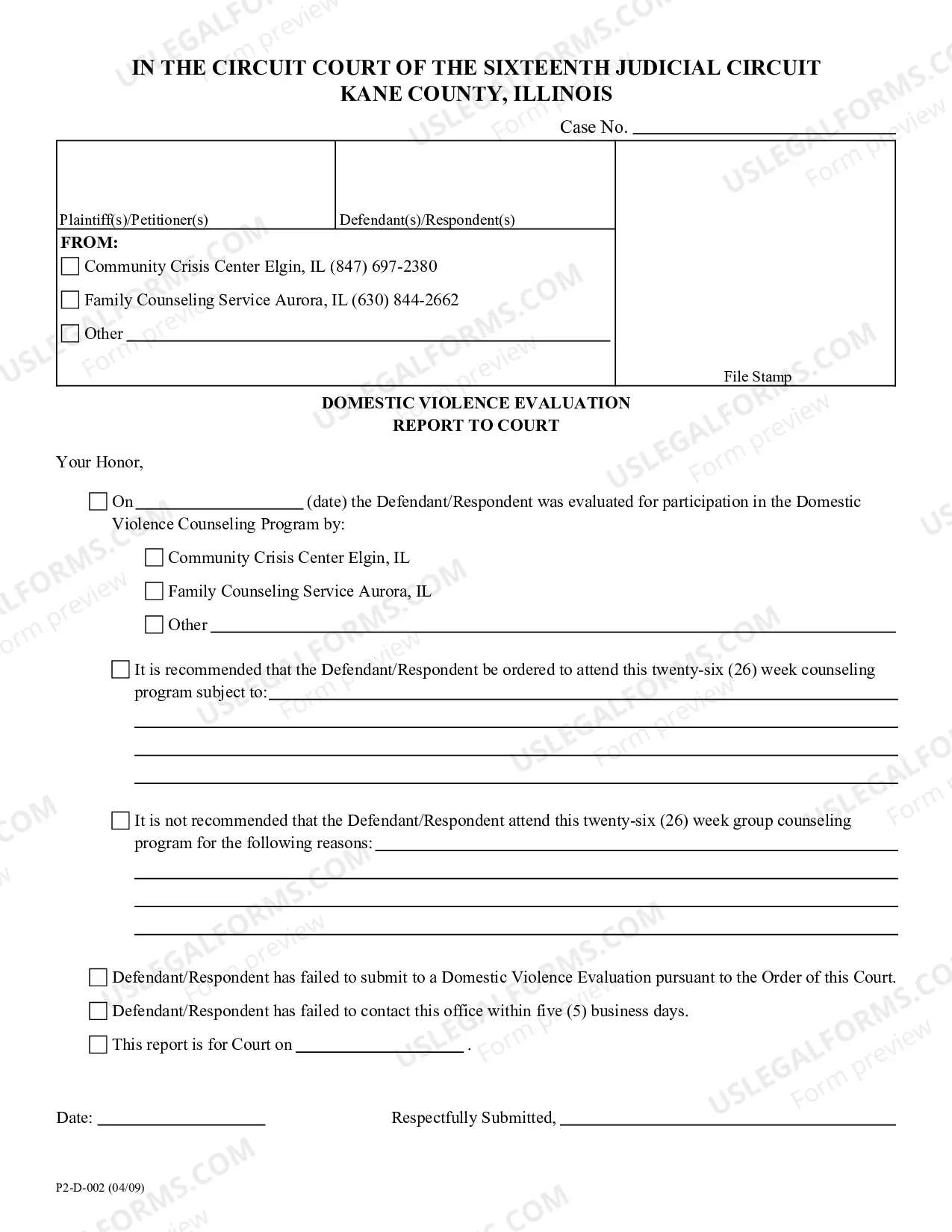
Jury Instruction - Caution - Punishment - Single Defendant - Single Count
About this form
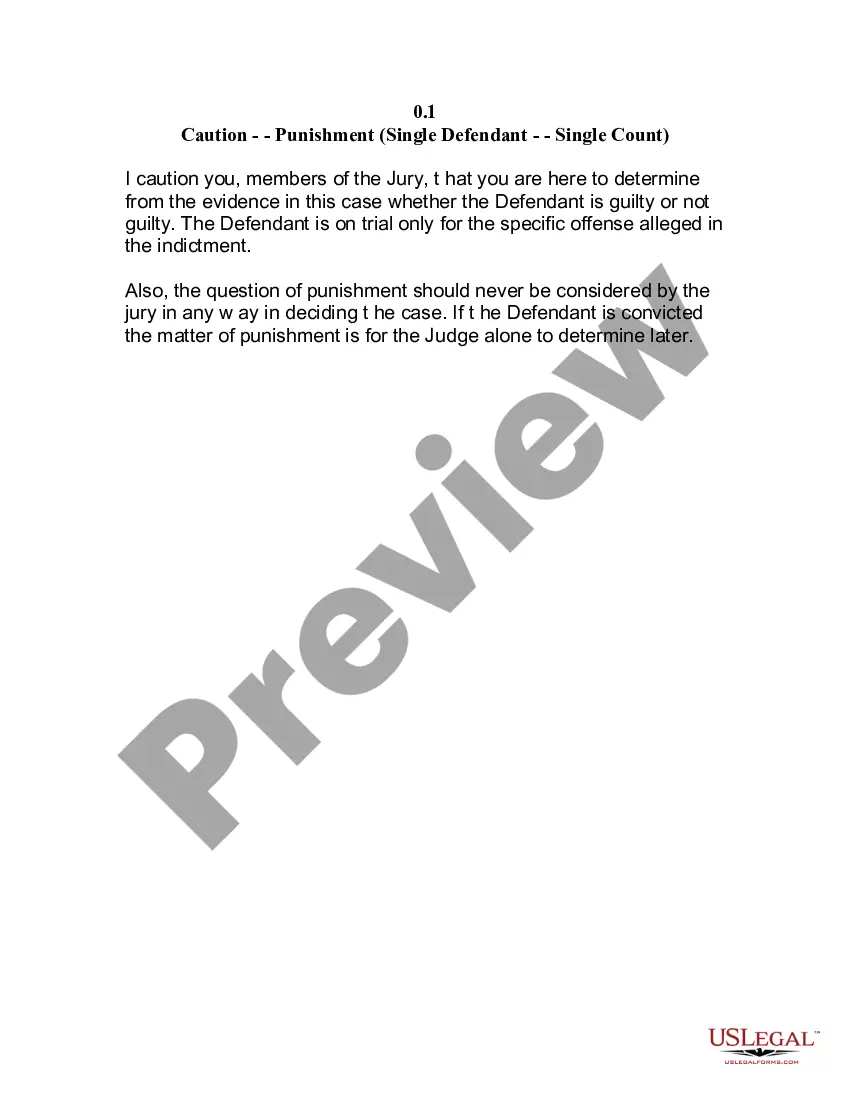
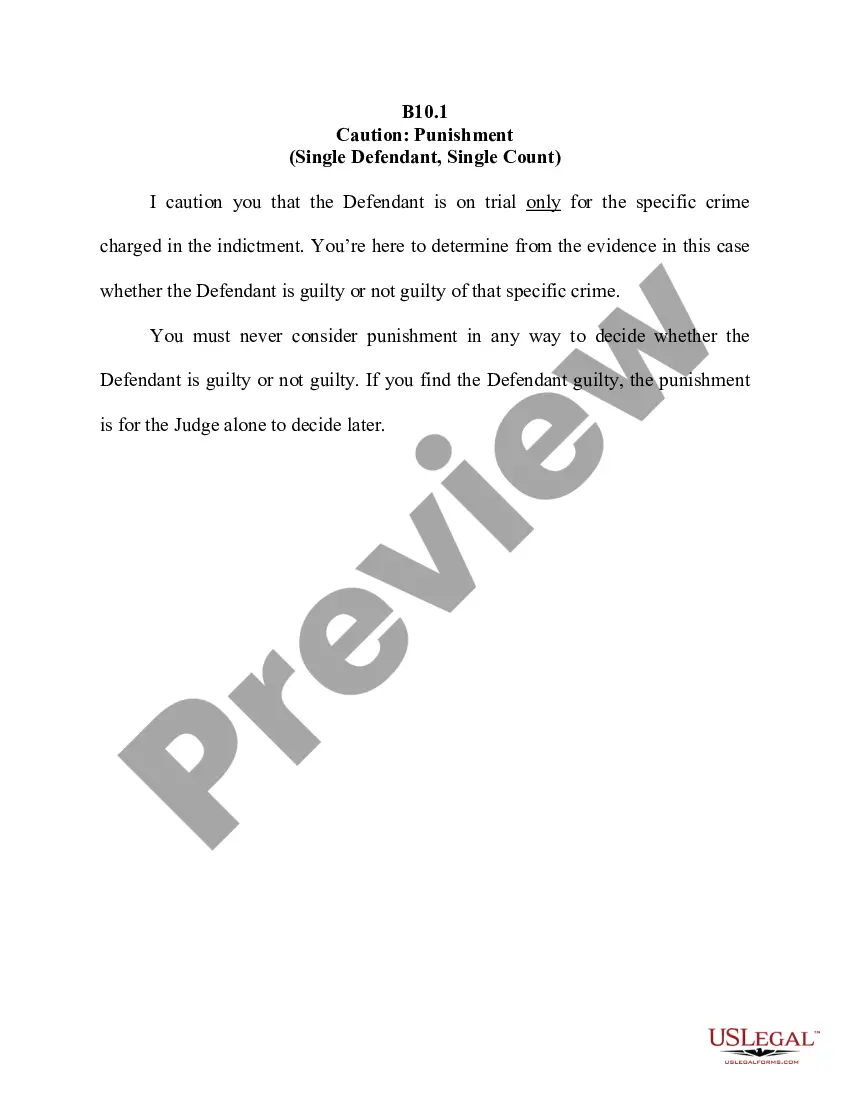
This form provides sample jury instructions specifically related to caution and punishment in cases involving a single defendant and a single count. It sets the framework for how jurors should approach the determination of guilt without factoring in potential punishments, which remains the prerogative of the judge. This form is essential in trials to ensure jurors focus solely on the evidence presented, distinguishing it from other jury instruction forms that may cover broader topics or multiple counts.
Form components explained
- Cautioning the jury to consider only the evidence and not the punishment.
- Clarifying that the defendant is only on trial for the specific offense alleged.
- Indicating that punishment decisions are reserved solely for the judge after a verdict is reached.
- Citing relevant legal authority to support the instructions provided.

When this form is needed
This form should be used during jury trials involving a single charge against a defendant. When jurors are presented with the case, it is crucial to guide them on how to deliberate responsibly by emphasizing that their role is to assess guilt based on evidence rather than the implications of sentencing. Use this form to ensure that jurors are adequately instructed on their responsibilities to avoid confusion regarding the trial process.
Who needs this form
- Attorneys representing defendants in criminal trials.
- Prosecutors who need to prepare jury instructions for specific offenses.
- Judges who seek standard language for jury instructions in their courtrooms.
- Legal practitioners looking to ensure compliance with proper jury instruction protocols.
Instructions for completing this form
- Review the sample jury instruction text for clarity and relevance to your case.
- Adjust the wording to fit the specifics of the charge at trial.
- Ensure that all reference to jury roles is accurate and legally compliant.
- Provide citations for any legal precedents or quotes from case law included in the instructions.
- Distribute the completed instructions to the jury prior to deliberations.
Notarization requirements for this form
Notarization is generally not required for this form. However, certain states or situations might demand it. You can complete notarization online through US Legal Forms, powered by Notarize, using a verified video call available anytime.
Get your form ready online
Our built-in tools help you complete, sign, share, and store your documents in one place.
Make edits, fill in missing information, and update formatting in US Legal Forms—just like you would in MS Word.
Download a copy, print it, send it by email, or mail it via USPS—whatever works best for your next step.
Sign and collect signatures with our SignNow integration. Send to multiple recipients, set reminders, and more. Go Premium to unlock E-Sign.
If this form requires notarization, complete it online through a secure video call—no need to meet a notary in person or wait for an appointment.
We protect your documents and personal data by following strict security and privacy standards.

Make edits, fill in missing information, and update formatting in US Legal Forms—just like you would in MS Word.

Download a copy, print it, send it by email, or mail it via USPS—whatever works best for your next step.

Sign and collect signatures with our SignNow integration. Send to multiple recipients, set reminders, and more. Go Premium to unlock E-Sign.

If this form requires notarization, complete it online through a secure video call—no need to meet a notary in person or wait for an appointment.

We protect your documents and personal data by following strict security and privacy standards.
Common mistakes
- Failing to clearly delineate the roles of the jury and the judge.
- Omitting critical legal citations that support the jury instructions.
- Using vague language that could confuse jurors regarding their responsibilities.
- Not tailoring the instructions to the specific offense being addressed.
Advantages of online completion
- Convenient access to professionally drafted jury instructions.
- Editability to customize according to specific case needs.
- Reliable content that reflects current legal standards.
- Time-saving compared to drafting instructions from scratch.
Looking for another form?


Form popularity
FAQ
In short, it is not legal to punish a juror for their verdict. This well-established principle of trial by jury has been the case in the American legal system since its inception and, preceding it, English common law since Bushel's case in 1670.
If even one member of the jury disagrees with the decision of all of the other jurors, the jury is hung. When the jury comes back into the courtroom and announces that they have been unable to reach a verdict, the judge may direct them to go back and keep deliberating until they reach a unanimous verdict.
These are civil or criminal jury instructions approved by a state court, bench committee, or bar association. They are commonly used by courts in the relevant jurisdiction, as they ease the process of drafting fair jury instructions and theoretically do not have errors.
Their names come from the list of people who can vote in elections. A jury must listen to all the evidence before they choose their verdict (say if the defendant is guilty or not). This means that all 12 jury members agree with the decision.
All jurors should deliberate and vote on each issue to be decided in the case.In a civil case, the judge will tell you how many jurors must agree in order to reach a verdict. In a criminal case, the unanimous agreement of all 12 jurors is required.
The judge instructs the jury about the relevant laws that should guide its deliberations. (In some jurisdictions, the court may instruct the jury at any time after the close of evidence.The judge reads the instructions to the jury. This is commonly referred to as the judge's charge to the jury.
A verdict of not guilty constitutes an acquittal. In other words, to find a defendant not guilty is to acquit. At trial, an acquittal occurs when the jury (or the judge if it's a judge trial) determines that the prosecution hasn't proved the defendant guilty beyond a reasonable doubt.
If the jury cannot agree on all counts as to any defendant, the jury may return a verdict on those counts on which it has agreed. . . . If the jury cannot agree on a verdict on one or more counts, the court may declare a mistrial on those counts. A hung jury does not imply either the defendant's guilt or innocence.
Q - Do all the jury members have to agree on the verdict? A - In a criminal trial the jury verdict must be unanimous, that is all 12 jurors must agree.It is up to the Crown to decide whether to apply for a new trial. A jury that cannot agree on a verdict is called a 'hung' jury.