Sample Letter for Notice of Jury Trial
Understanding this form
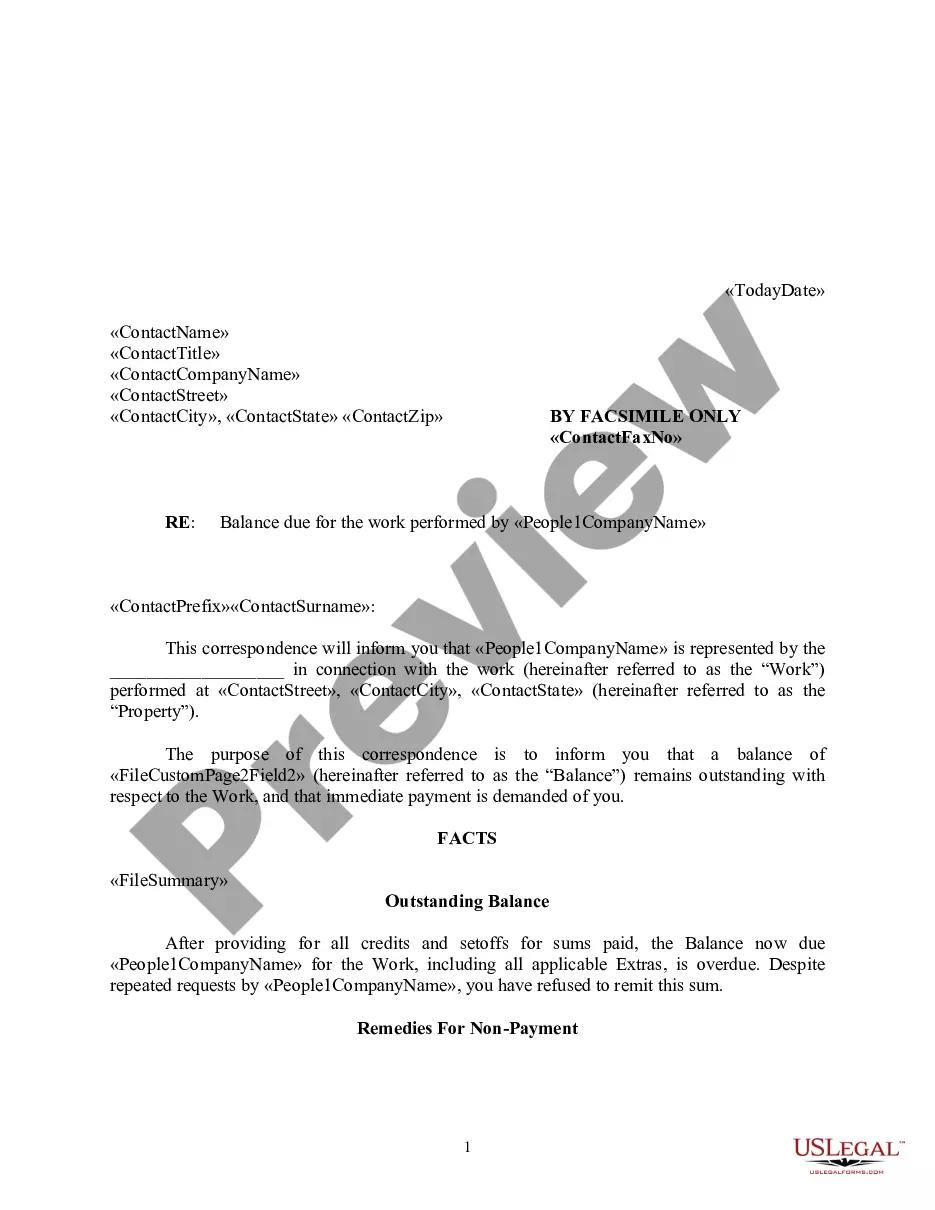
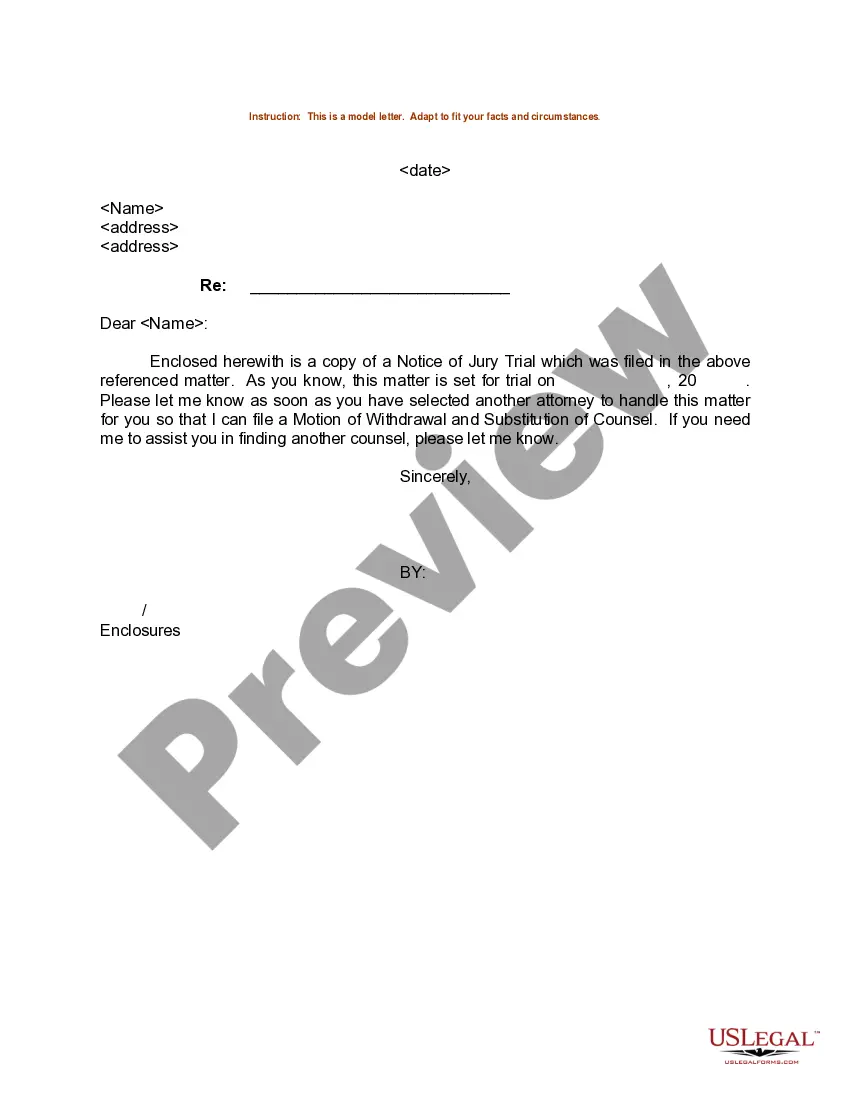
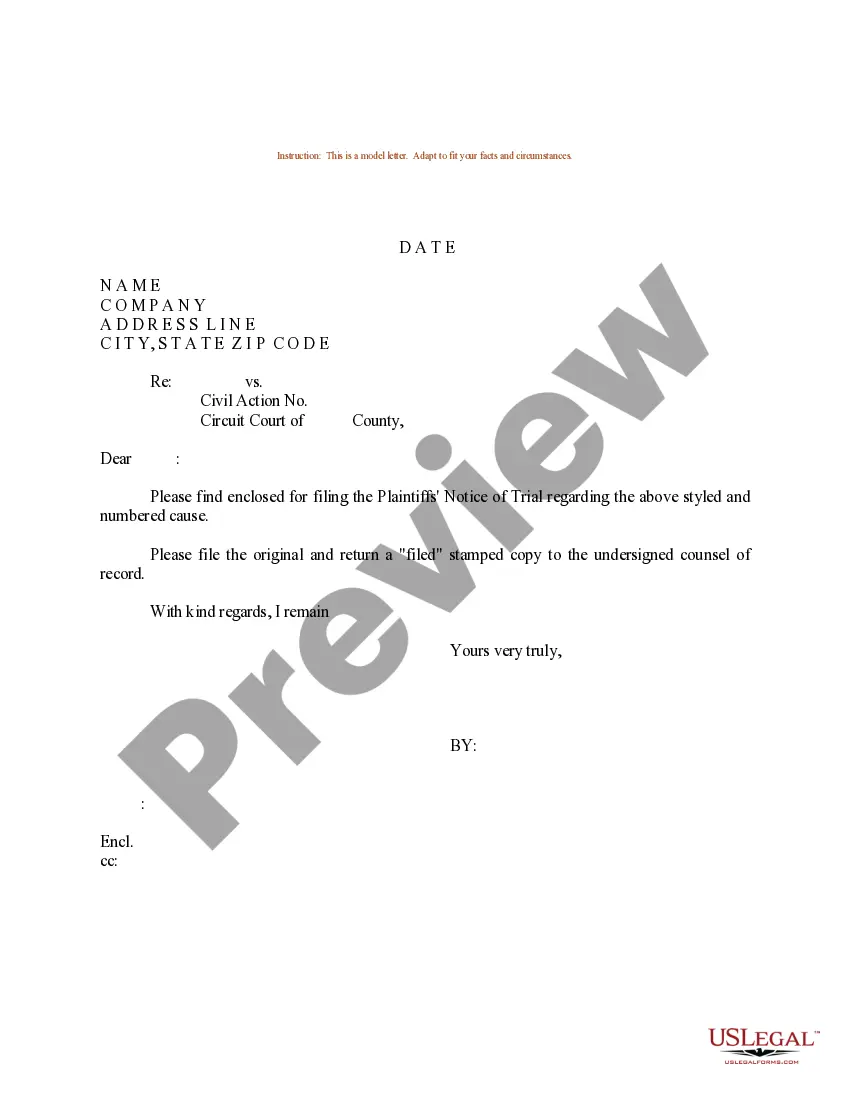
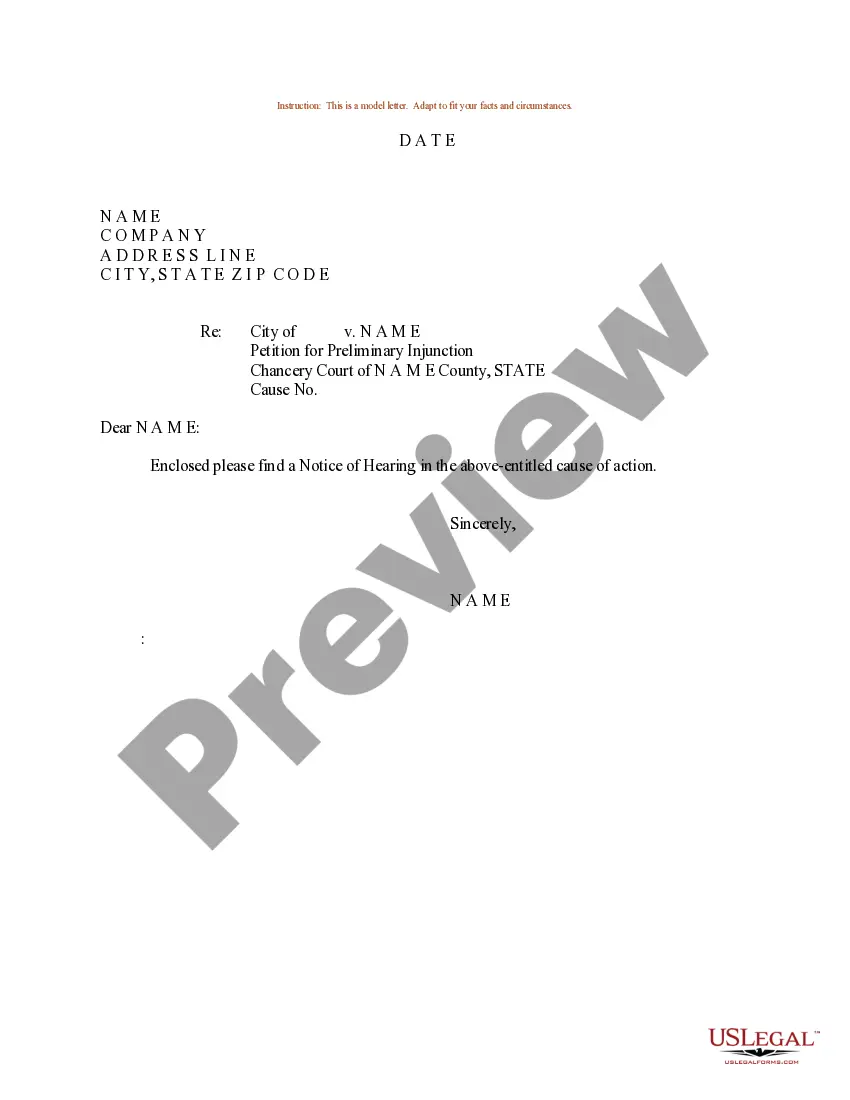
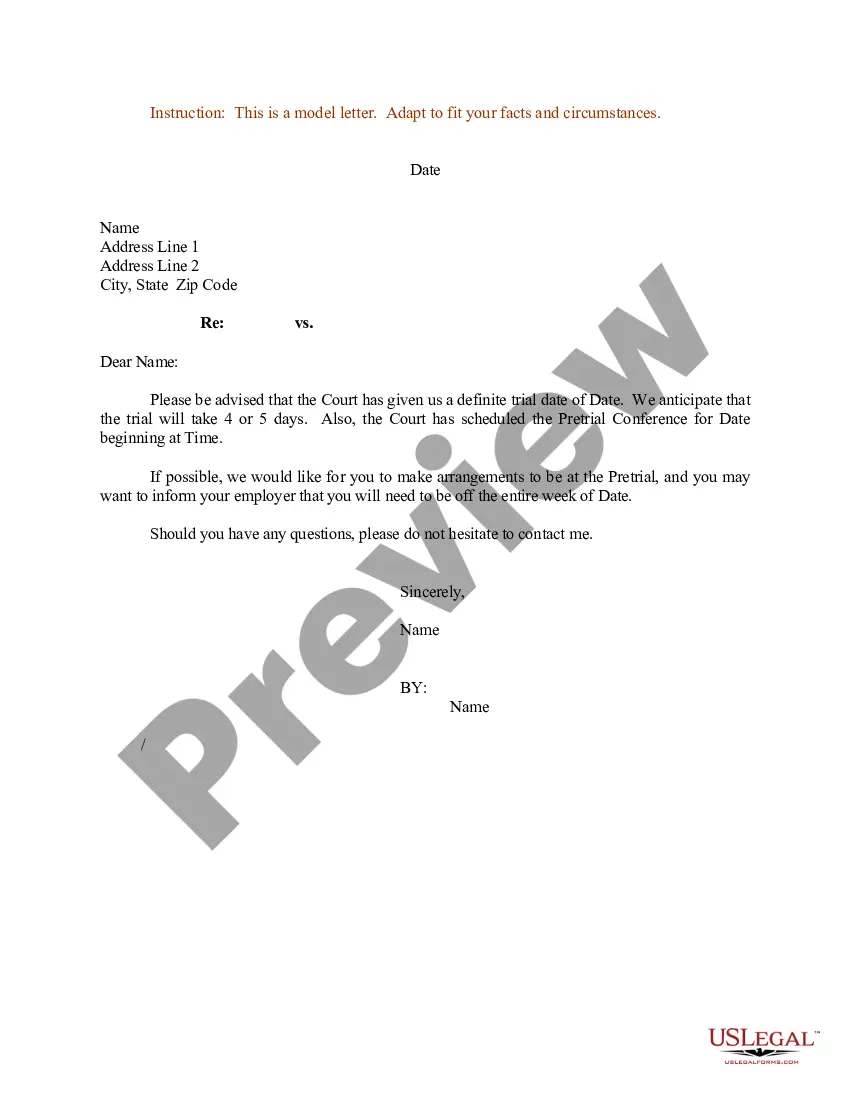
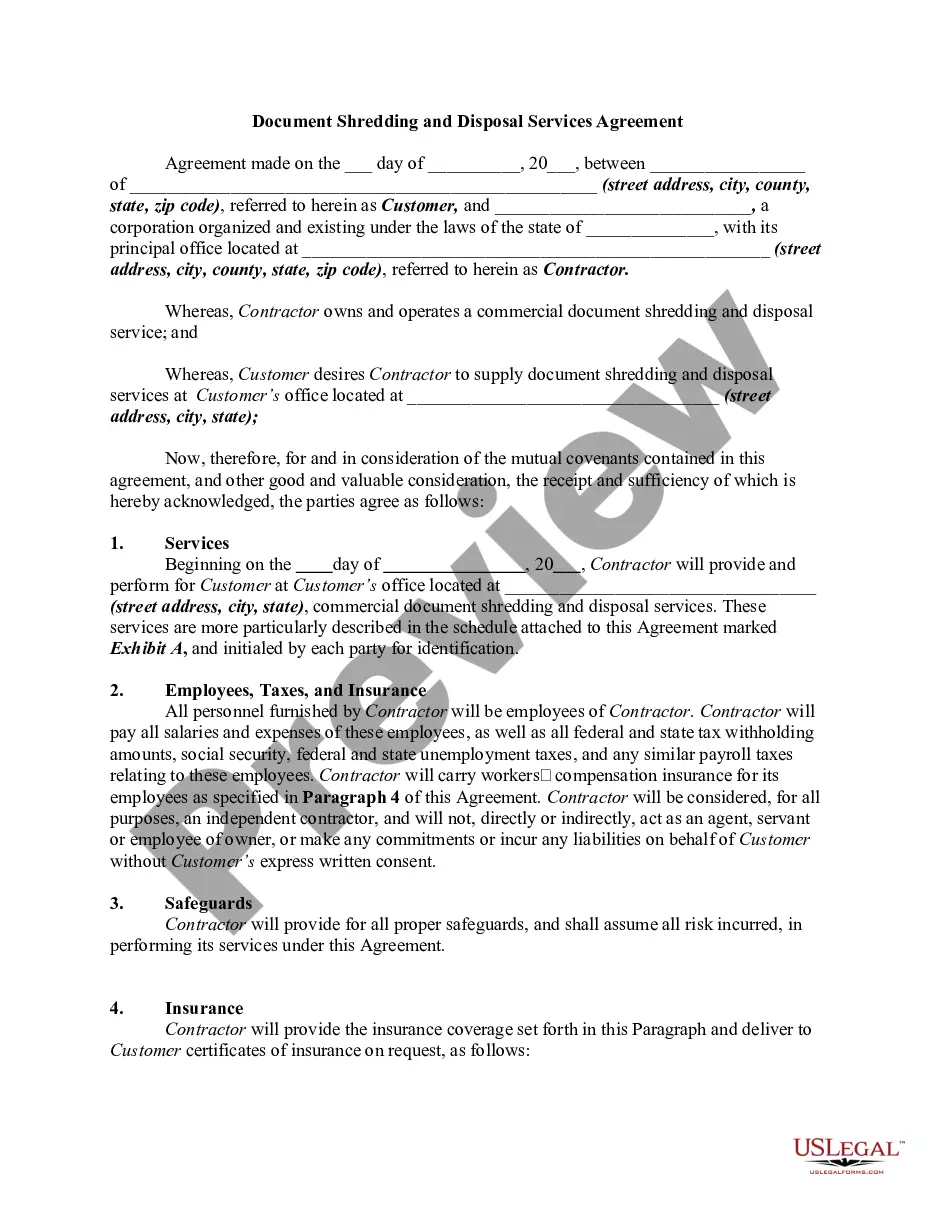
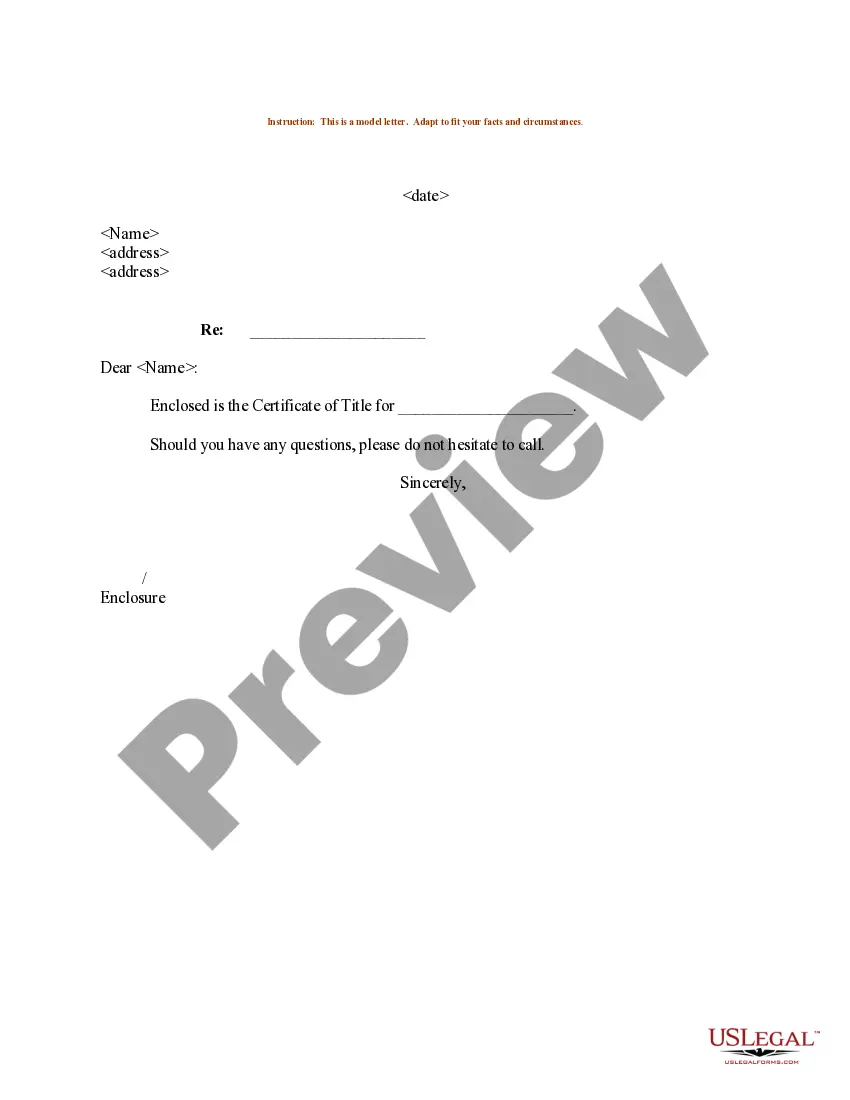
The Sample Letter for Notice of Jury Trial is a model letter used to notify parties involved in a legal case about the scheduled jury trial. This form is designed to clarify the trial date and inform relevant parties, distinguishing it from more complex legal documents such as trial motions or notices of appeal. It serves as an official communication, ensuring that all parties are adequately informed in a timely manner.
What’s included in this form
- Date of the notice
- Sender's name and address
- Recipient's name and address
- Subject line indicating the notice of the jury trial
- Formal greeting addressing the recipient
When to use this form
This form should be used when a jury trial has been scheduled, and formal notification is required. It is applicable in various legal scenarios, including civil and criminal cases, where a jury's decision is needed. Utilizing this letter ensures that all involved parties are aware of the upcoming trial date and can prepare accordingly.
Intended users of this form
Individuals or entities involved in a legal dispute that is proceeding to jury trial should consider using this letter. This includes:
- Plaintiffs wishing to notify defendants
- Defendants needing to inform their attorneys or other involved parties
- Attorneys representing clients in court
Steps to complete this form
- Identify the date you are sending the notice.
- Fill in your name and address as the sender.
- Include the recipient's name and address.
- Clearly state the subject line regarding the jury trial.
- Add a formal greeting, such as "Dear [Recipient's Name]."
Notarization requirements for this form
This form usually doesn’t need to be notarized. However, local laws or specific transactions may require it. Our online notarization service, powered by Notarize, lets you complete it remotely through a secure video session, available 24/7.
Get your form ready online
Our built-in tools help you complete, sign, share, and store your documents in one place.
Make edits, fill in missing information, and update formatting in US Legal Forms—just like you would in MS Word.
Download a copy, print it, send it by email, or mail it via USPS—whatever works best for your next step.
Sign and collect signatures with our SignNow integration. Send to multiple recipients, set reminders, and more. Go Premium to unlock E-Sign.
If this form requires notarization, complete it online through a secure video call—no need to meet a notary in person or wait for an appointment.
We protect your documents and personal data by following strict security and privacy standards.

Make edits, fill in missing information, and update formatting in US Legal Forms—just like you would in MS Word.

Download a copy, print it, send it by email, or mail it via USPS—whatever works best for your next step.

Sign and collect signatures with our SignNow integration. Send to multiple recipients, set reminders, and more. Go Premium to unlock E-Sign.

If this form requires notarization, complete it online through a secure video call—no need to meet a notary in person or wait for an appointment.

We protect your documents and personal data by following strict security and privacy standards.
Mistakes to watch out for
- Failing to include the correct trial date.
- Not double-checking the recipient's address for accuracy.
- Using informal language instead of a formal tone.
Why use this form online
- Convenient access to customizable templates.
- Ability to edit and adapt the letter to your specific circumstances.
- Immediate download, allowing for quick use in legal proceedings.
Looking for another form?

Form popularity
FAQ
Step 7 (Execution of judgment) Step 6 (Judgment) Step 6 (Verdict) Step 5 (Instructions to the Jury) Step 4 (Closing Arguments) Step 3 (Introduction Of Evidence) Step 2 (Opening statemant. Step 1 ( Selecting Jury)
A bench trial is a trial by judge, as opposed to a trial by jury. The term applies most appropriately to any administrative hearing in relation to a summary offense to distinguish the type of trial. Many legal systems (Roman, Islamic) use bench trials for most or all cases or for certain types of cases.
In a case tried without a jury, the court must find the defendant guilty or not guilty. If a party requests before the finding of guilty or not guilty, the court must state its specific findings of fact in open court or in a written decision or opinion.
Investigation. Charging. Initial Hearing/Arraignment. Discovery. Plea Bargaining. Preliminary Hearing. Pre-Trial Motions. Trial.
A jury trial, or trial by jury, is a lawful proceeding in which a jury makes a decision or findings of fact. It is distinguished from a bench trial in which a judge or panel of judges makes all decisions.
Step 1: pre-trial proceedings. step 2: jury is selected. step 3: opening statement by plaintiff or prosecution. step 4: opening statement by defense. step 5: direct examination by plaintiff/ prosecution. step 6: cross examination by defense. step 7: motions to dismiss or ask for a directed verdict.
Opening statement made by the prosecutor or plaintiff. Opening statement made by the defendant. Direct examination by plaintiff or prosecutor. Cross examination by defense. Motions. Direct examination by defense. Cross examination by prosecutor or plaintiff.
The trial is a structured process where the facts of a case are presented to a jury, and they decide if the defendant is guilty or not guilty of the charge offered. During trial, the prosecutor uses witnesses and evidence to prove to the jury that the defendant committed the crime(s).
Choosing a Jury. Opening Statements. Witness Testimony and Cross-Examination. Closing Arguments. Jury Instruction. Jury Deliberation and Verdict.