Sample Letter for Estate Deposition
Understanding this form
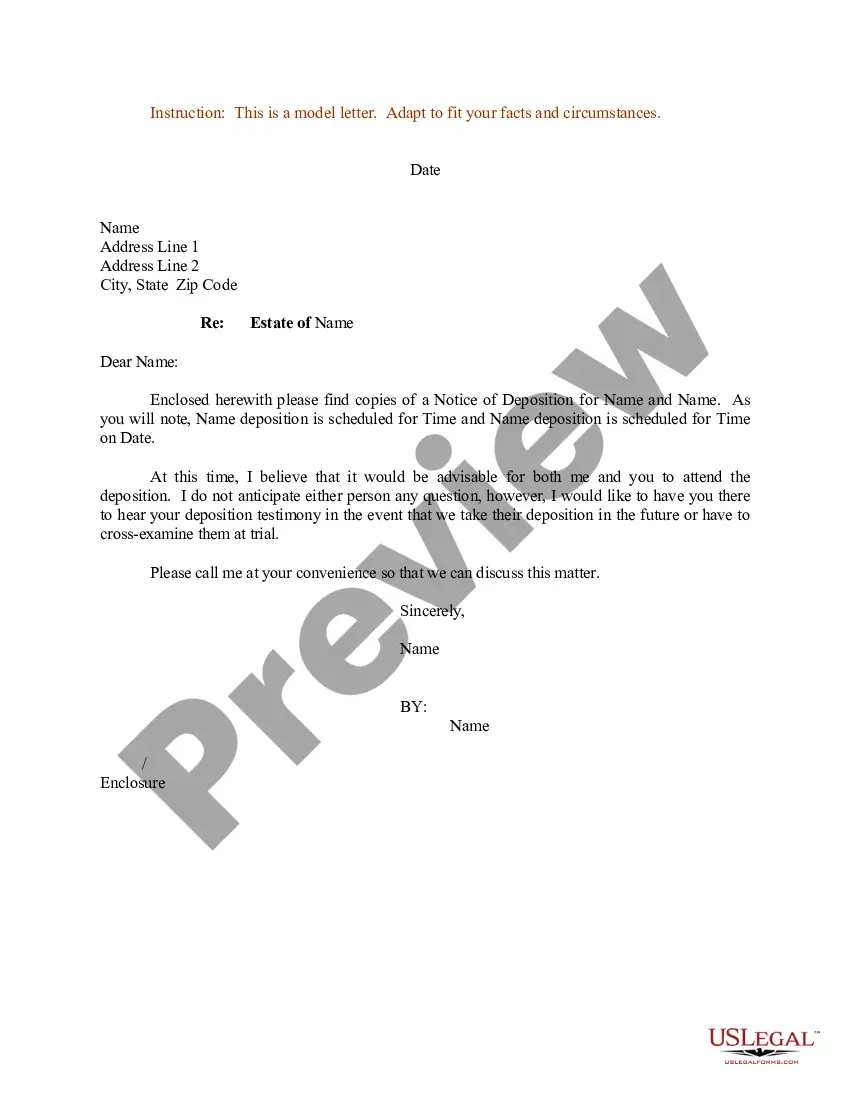
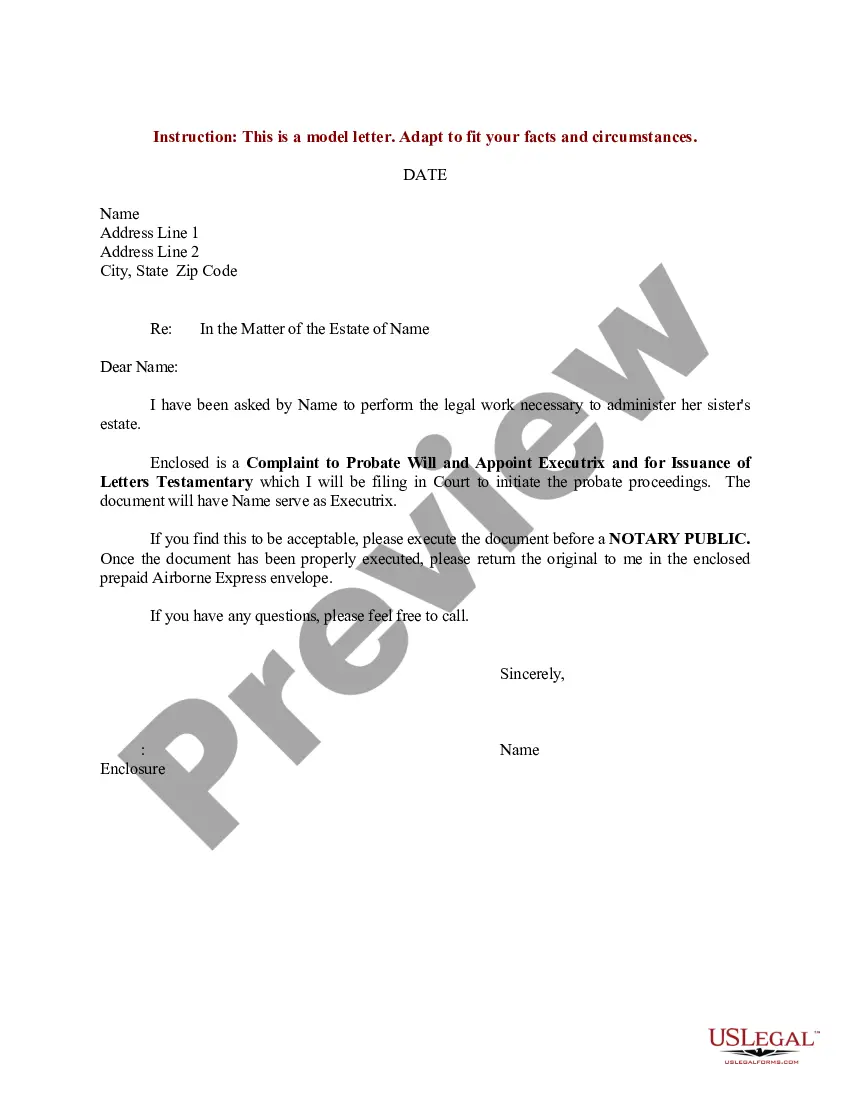
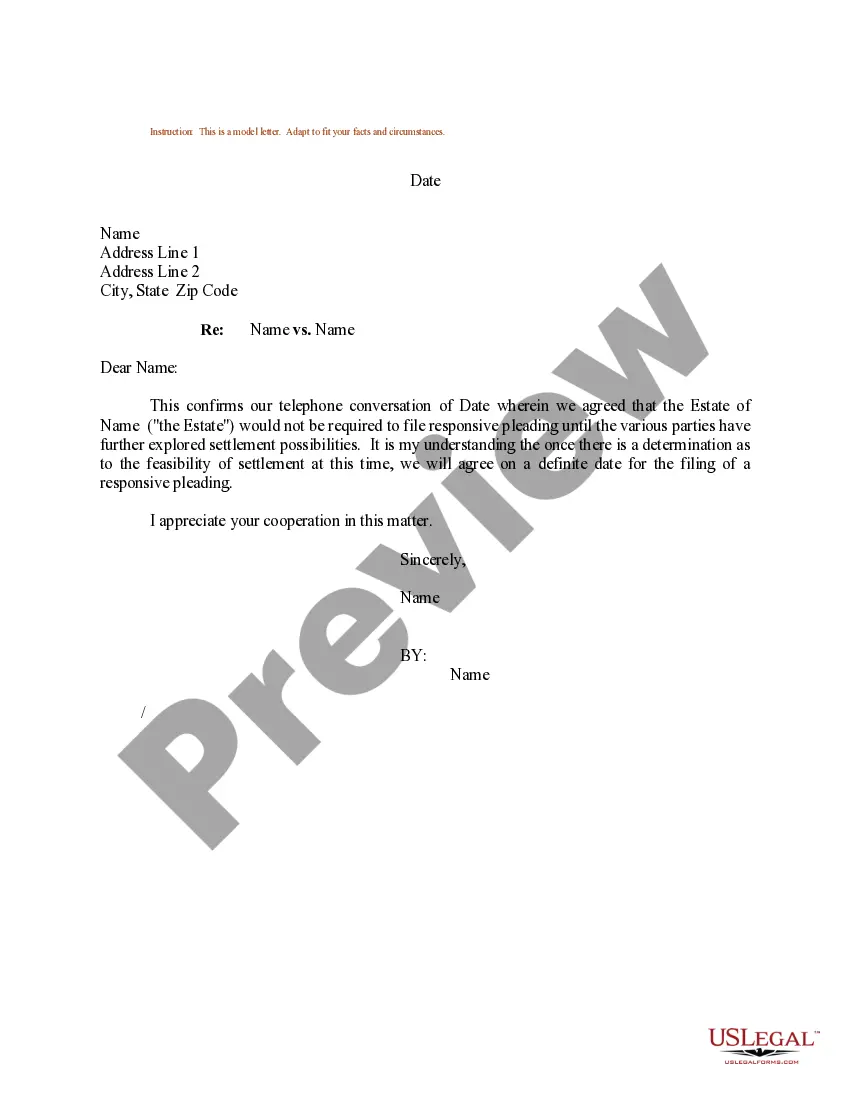
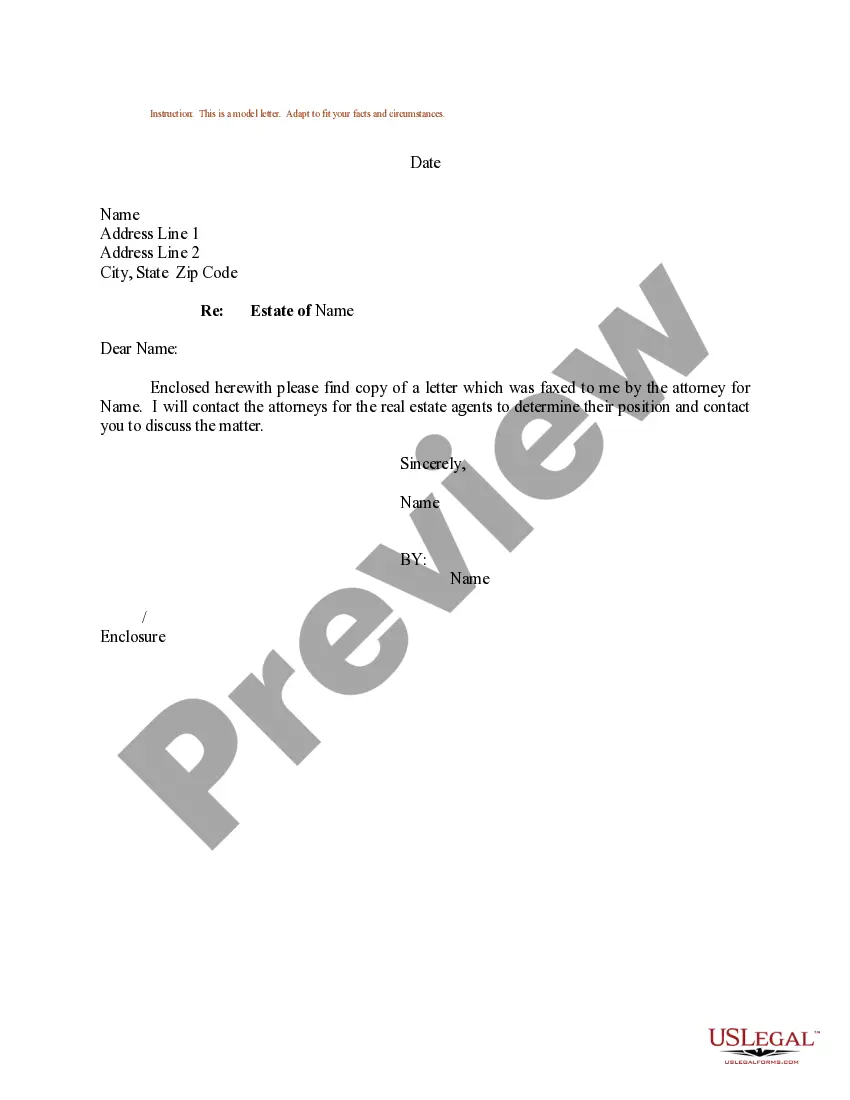
This Sample Letter for Estate Deposition is a template designed for individuals involved in estate litigation. It serves as a formal communication to notify parties about upcoming depositions related to an estate case. Unlike general letters, this template is specifically tailored for legal proceedings, ensuring that key details about the deposition schedule and attendance are included for clarity and compliance.
Key parts of this document
- Date of the letter.
- Recipient's name and address.
- Subject line referring to the estate.
- Details of the depositions, including names, times, and dates.
- A statement encouraging attendance at the deposition.
- Contact information for further discussion.
When to use this form
This form is used when an estate deposition is scheduled, and you need to formally communicate the details to relevant parties. It is essential in cases where testimonies may affect estate distribution or legal obligations, ensuring all involved are informed and can prepare adequately.
Who needs this form
This template is intended for:
- Attorneys representing clients in estate litigation.
- Executor or administrator of an estate.
- Heirs and beneficiaries needing to prepare for depositions.
How to complete this form
Follow these steps to complete the Sample Letter for Estate Deposition:
- Enter the current date at the top of the letter.
- Add the recipient's name and complete address details.
- Specify the estate name in the subject line.
- Fill in the names of the individuals whose depositions are scheduled along with their respective dates and times.
- Include a message encouraging the attendance of the recipient at the deposition.
- Sign off with a professional closing and your contact information.
Does this document require notarization?
This form does not typically require notarization unless specified by local law. Always verify the requirements in your jurisdiction before finalizing the letter.
Get your form ready online
Our built-in tools help you complete, sign, share, and store your documents in one place.
Make edits, fill in missing information, and update formatting in US Legal Forms—just like you would in MS Word.
Download a copy, print it, send it by email, or mail it via USPS—whatever works best for your next step.
Sign and collect signatures with our SignNow integration. Send to multiple recipients, set reminders, and more. Go Premium to unlock E-Sign.
If this form requires notarization, complete it online through a secure video call—no need to meet a notary in person or wait for an appointment.
We protect your documents and personal data by following strict security and privacy standards.

Make edits, fill in missing information, and update formatting in US Legal Forms—just like you would in MS Word.

Download a copy, print it, send it by email, or mail it via USPS—whatever works best for your next step.

Sign and collect signatures with our SignNow integration. Send to multiple recipients, set reminders, and more. Go Premium to unlock E-Sign.

If this form requires notarization, complete it online through a secure video call—no need to meet a notary in person or wait for an appointment.

We protect your documents and personal data by following strict security and privacy standards.
Typical mistakes to avoid
- Forgetting to include the correct date and time of the depositions.
- Not providing sufficient context about the purpose of the depositions.
- Omitting contact information for follow-up questions.
Benefits of using this form online
- Convenience of easy download and immediate access to the form.
- Editability to customize the letter for different situations or jurisdictions.
- Reliability of having a template crafted by licensed attorneys, ensuring legal soundness.
- This letter gains legal significance when used to notify parties involved in estate proceedings.
- Utilizing a proper format helps ensure that the communication is recognized in legal contexts.
- Failure to follow legal protocols could result in delays or complications in the estate litigation process.
Main things to remember
- The Sample Letter for Estate Deposition is crucial for notifying parties about deposition details related to estate matters.
- Clear communication and proper formatting improve the preparation process for all participants.
- Make sure all relevant information is included to avoid any misunderstandings.
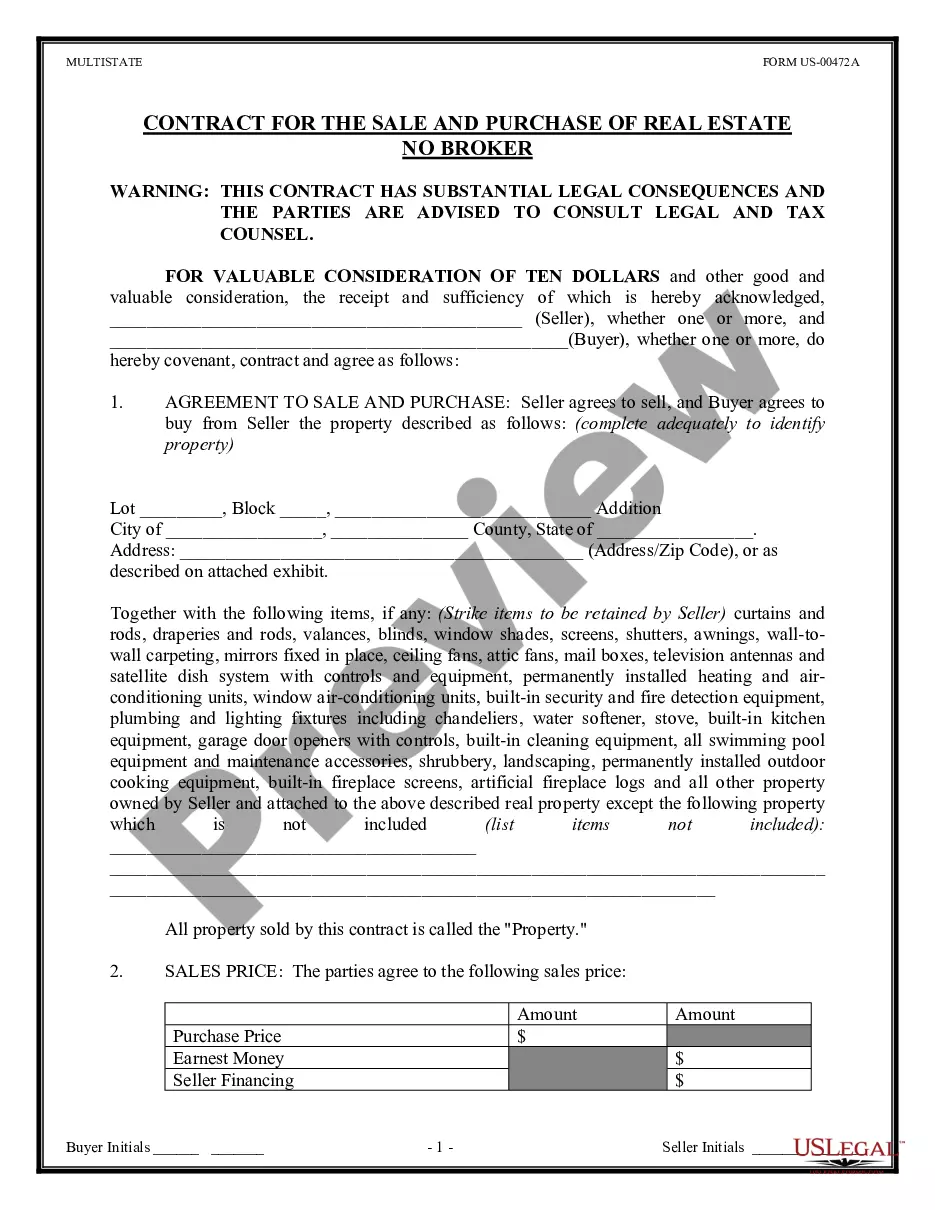
Looking for another form?
Form popularity
FAQ
When calculating the value of an estate, the gross value is the sum of all asset values, and the net value is the gross value minus any debts: in other words, the actual worth of the estate.
The first step in probating an estate is to locate all of the decedent's estate planning documents and other important papers, even before being appointed to serve as the personal representative or executor.
An inventory and appraisal is a required filing in California probate. The inventory and appraisal is a single document that (1) inventories the property in the decedent's estate and (2) contains an appraisal of the property in the inventory. California Probate Code § 8800(a).
The Letters of Executorship and Letters of Authority can only be obtained from the Office of the Master of the High Court.
Determine Your State's Laws Regarding Inventory Forms. Review the Instructions Provided. Identify Real Property. Identify Personal Property. Identify Bank Accounts. Identify Retirement Accounts. Identify Non-Probate Assets. File the Form With the Court.
An executor letter authorizes a person or organization to act on behalf of a decedent's estate as an executor.It's also called "letters of testamentary" or "letters of administration" in some jurisdictions.
Creating an estate plan is a lot like getting into better shape. Step 1: Sign a will. Step 2: Name beneficiaries. Step 3: Dodge estate taxes. Step 4: Leave a letter. Step 5: Draw up a durable power of attorney. Step 6: Create an advance health care directive.
Give the letter a personal touch and address each of your heirs and beneficiaries personally. Tell them any last wishes you may have or any hopes you have for their future. Write as clearly as possible. Use specific details and avoid using shorthand.
Your inventory should include the number of shares of each type of stock, the name of the corporation, and the name of the exchange on which the stock is traded. Meanwhile, you should note the total gross amount of a bond, the name of the entity that issued it, the interest rate on the bond, and its maturity date.