Sample Letter for Pro Rata Share of Bankruptcy Estate
Understanding this form
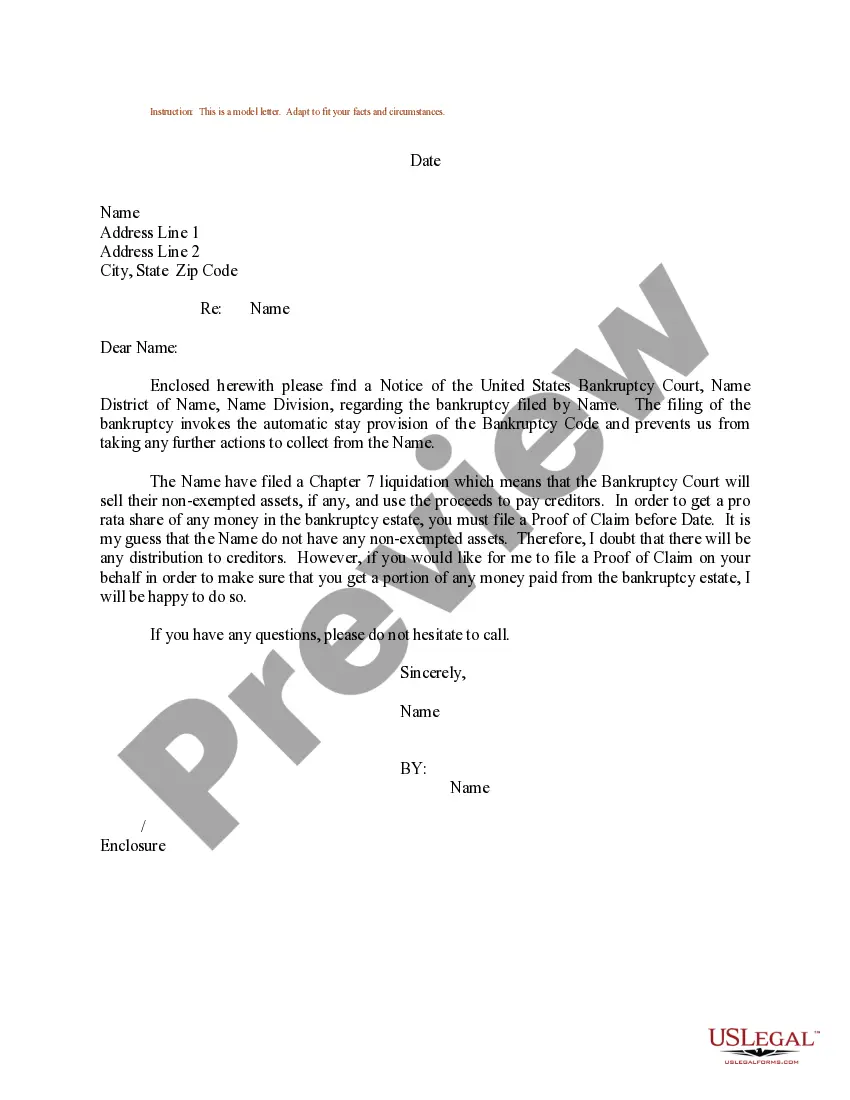
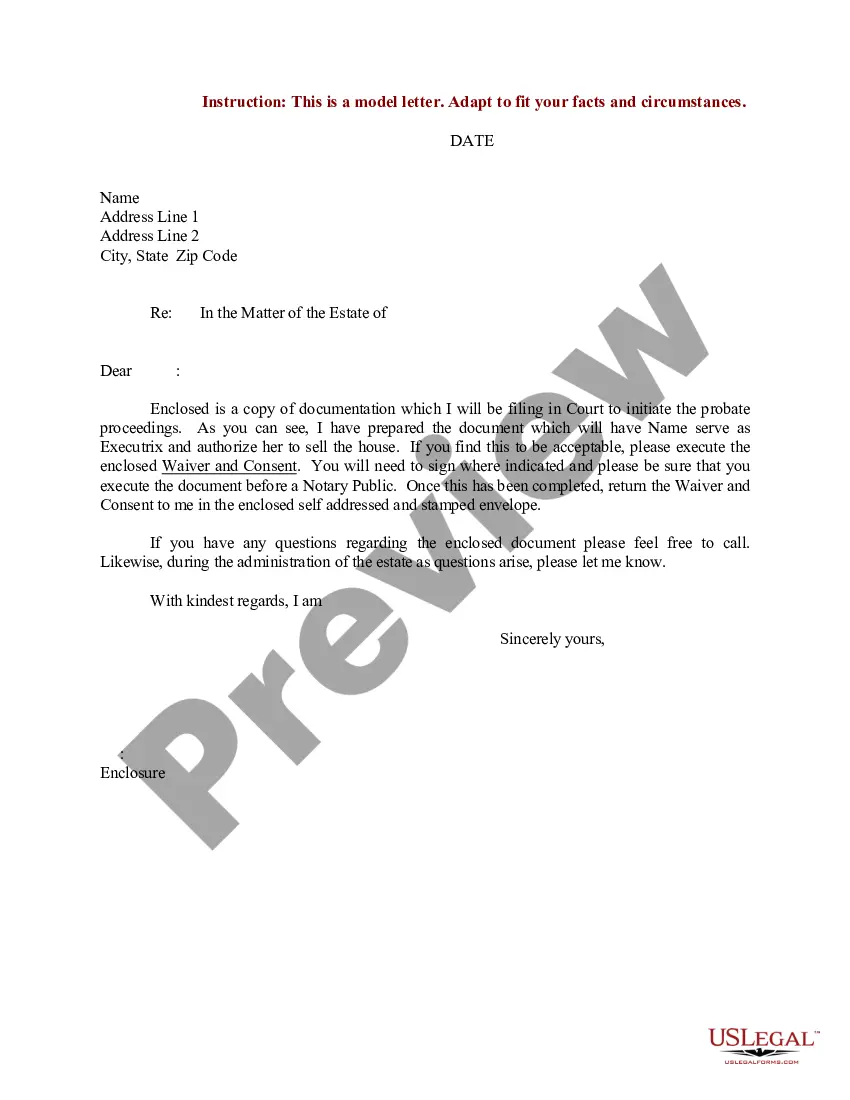
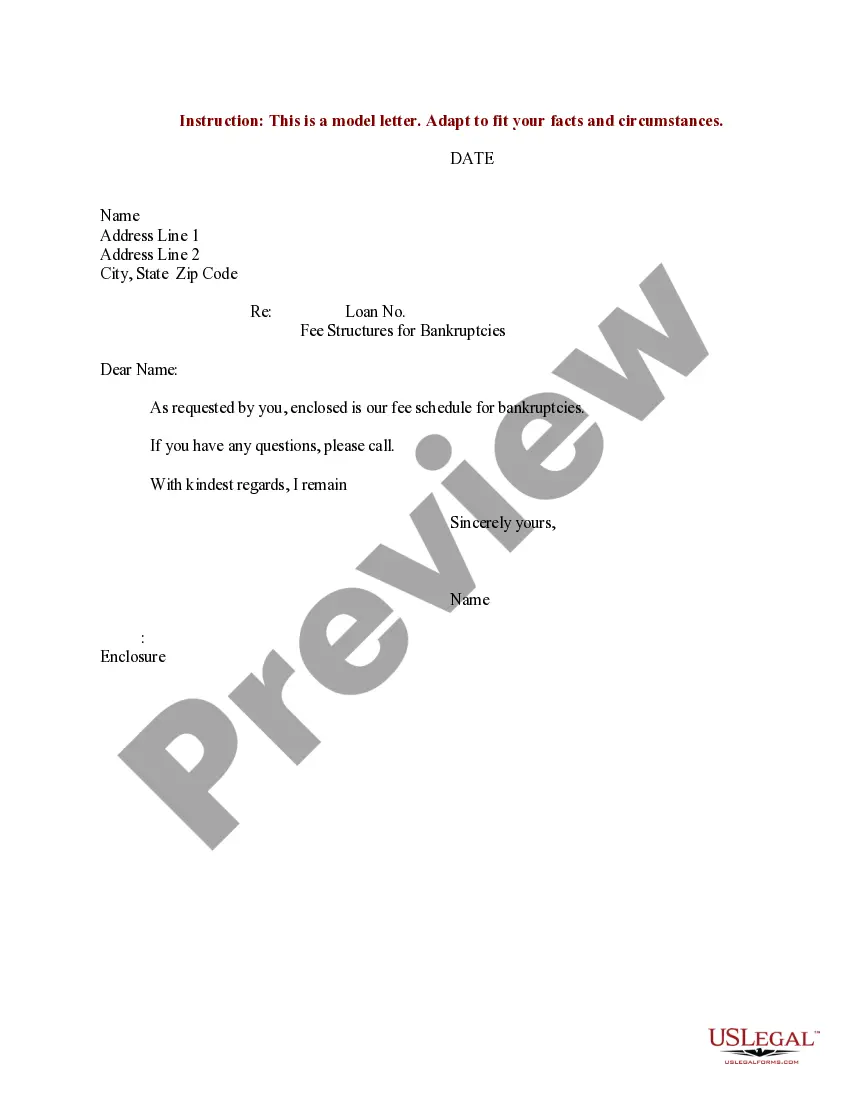
The Sample Letter for Pro Rata Share of Bankruptcy Estate is a template letter that individuals can use to notify creditors about the bankruptcy of a debtor. This letter serves as a communication tool to inform creditors of their rights in the bankruptcy process, specifically regarding the opportunity to file a Proof of Claim to receive a share of any potential funds from the bankruptcy estate. Unlike other bankruptcy-related documents, this letter facilitates direct communication between creditors and the debtor's attorney about the claims process in bankruptcy cases.
Form components explained
- Date of the letter
- Sender's name and address
- Recipient's name and address
- Reference to the bankruptcy court notice
- Explanation of Chapter 7 bankruptcy proceedings
- Instructions for filing a Proof of Claim
- Contact information for follow-up
Situations where this form applies
This form is useful when a creditor learns that a debtor has filed for bankruptcy. It is typically employed in situations where the creditor needs to formally communicate with the debtor's representative to ensure their right to share in any potential distribution from the bankruptcy estate. Using this form can help streamline the process and clarify the creditor's rights and responsibilities during bankruptcy proceedings.
Who this form is for
This letter is intended for:
- Creditors who seek information on the status of a debtor's bankruptcy case.
- Individuals or businesses owed money by a debtor who has filed for bankruptcy.
- Attorneys representing creditors in bankruptcy proceedings.
How to complete this form
- Enter the date at the top of the letter.
- Add your name and address as the sender.
- Include the recipient's name and address.
- Specify the bankruptcy case details as indicated in the template.
- Clearly state your intention to file a Proof of Claim.
- Sign and date the letter before sending it to the recipient.
Does this document require notarization?
This form usually doesn’t need to be notarized. However, local laws or specific transactions may require it. Our online notarization service, powered by Notarize, lets you complete it remotely through a secure video session, available 24/7.
Get your form ready online
Our built-in tools help you complete, sign, share, and store your documents in one place.
Make edits, fill in missing information, and update formatting in US Legal Forms—just like you would in MS Word.
Download a copy, print it, send it by email, or mail it via USPS—whatever works best for your next step.
Sign and collect signatures with our SignNow integration. Send to multiple recipients, set reminders, and more. Go Premium to unlock E-Sign.
If this form requires notarization, complete it online through a secure video call—no need to meet a notary in person or wait for an appointment.
We protect your documents and personal data by following strict security and privacy standards.

Make edits, fill in missing information, and update formatting in US Legal Forms—just like you would in MS Word.

Download a copy, print it, send it by email, or mail it via USPS—whatever works best for your next step.

Sign and collect signatures with our SignNow integration. Send to multiple recipients, set reminders, and more. Go Premium to unlock E-Sign.

If this form requires notarization, complete it online through a secure video call—no need to meet a notary in person or wait for an appointment.

We protect your documents and personal data by following strict security and privacy standards.
Common mistakes to avoid
- Failing to provide complete and accurate details about the bankruptcy case.
- Not including the deadline for filing a Proof of Claim.
- Omitting contact information for follow-up questions.
- Using incorrect addresses for the recipient or sender.
Why complete this form online
- Convenience of downloading and editing the form from anywhere.
- Reliable templates created by licensed attorneys to ensure compliance.
- Ability to easily customize the letter to fit specific circumstances.
- Immediate access without the need for physical paperwork.
Legal use & context
- This form serves as a legitimate communication tool within the bankruptcy process.
- Filing a Proof of Claim is essential for creditors to recover any potential distributions from bankruptcy estates.
- Understanding the contents of bankruptcy notices helps creditors navigate the claims process effectively.
Summary of main points
- The Sample Letter for Pro Rata Share of Bankruptcy Estate is crucial for notifying creditors about their rights in bankruptcy cases.
- Using this template can help ensure that you take appropriate steps to protect your financial interests during bankruptcy proceedings.
- Filing a Proof of Claim is essential for creditors to potentially receive any distribution from the bankruptcy estate.
Looking for another form?
Form popularity
FAQ
The bankruptcy trustees go about finding hidden assets by taking a close look at your debts, as well as doing public record searches, online analysis, tax returns, review reports from former spouses or friends, as well as payroll slips that may show deposits into banks or accounts that you have not listed in your
If you file for Chapter 7 bankruptcythe kind that gets rid of debt most quicklyyou can keep your house under two conditions: You're current with your mortgage payments when you file (or you've recently gotten current through a loan modification), and the laws in your state allow you to protect (exempt) all of the
If I file for bankruptcy, can I keep my property? If you file for Chapter 13 bankruptcy, the answer is yes.In exchange, you may keep your property (including your car and home), assuming you keep up with payments on any loans secured by the property -- and keep making your repayment plan payments.
A review of your debts (such as lots of furniture store debt but very little furniture) public record searches. online asset searches. payroll slips showing deposits into unlisted bank accounts or retirement accounts. bank records and tax returns, and.
When you file for Chapter 7 bankruptcy, everything you own on that date (as well as certain property you receive in the six months after you file) is part of your bankruptcy estate. If the property is exempt under federal or state law, you get to keep it.
The bankruptcy trustee usually reviews your assets based on the information contained in your bankruptcy paperwork and the information from your bankruptcy hearing. However, the bankruptcy trustee does have the option to personally inspect your home and your assets.
What assets of the debtor are included in the bankruptcy estate? The assets of the bankruptcy estate include all legal and equitable interests of the debtor in property at the commencement of the bankruptcy case. A legal interest means any legal right to the exclusive use and enjoyment of the property.
As part of the process, consumers may have their assets seized and sold off to pay off at least a portion of their debts. However, not all of their property can be seized. Some assets including cash, your home and your car are exempt from the bankruptcy, based on how much they are worth.
Motor vehicles, up to a certain value. Reasonably necessary clothing. Reasonably necessary household goods and furnishings. Household appliances. Jewelry, up to a certain value. Pensions. Tools of the debtor's trade or profession, up to a certain value.