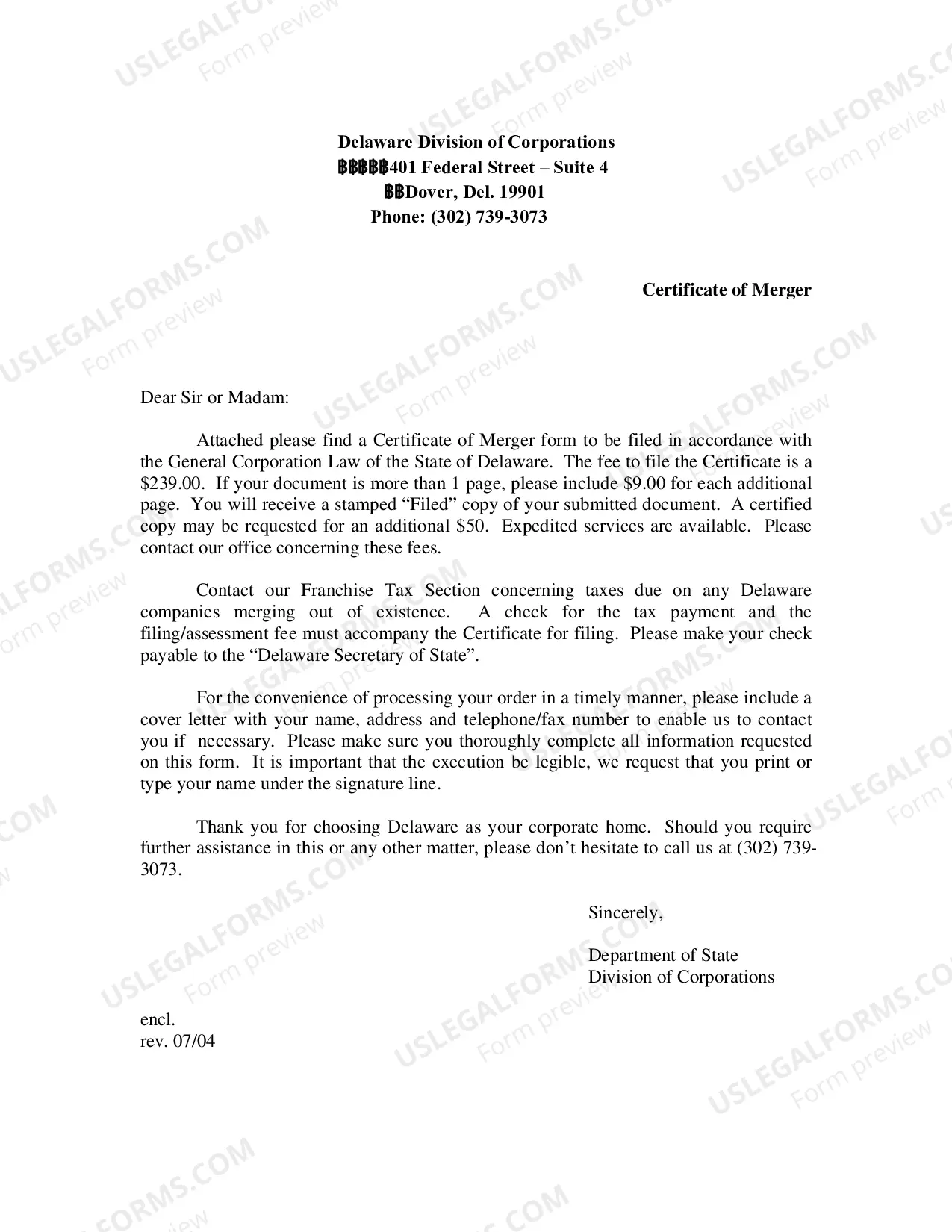
What To Do When Starting a New Business
What this document covers
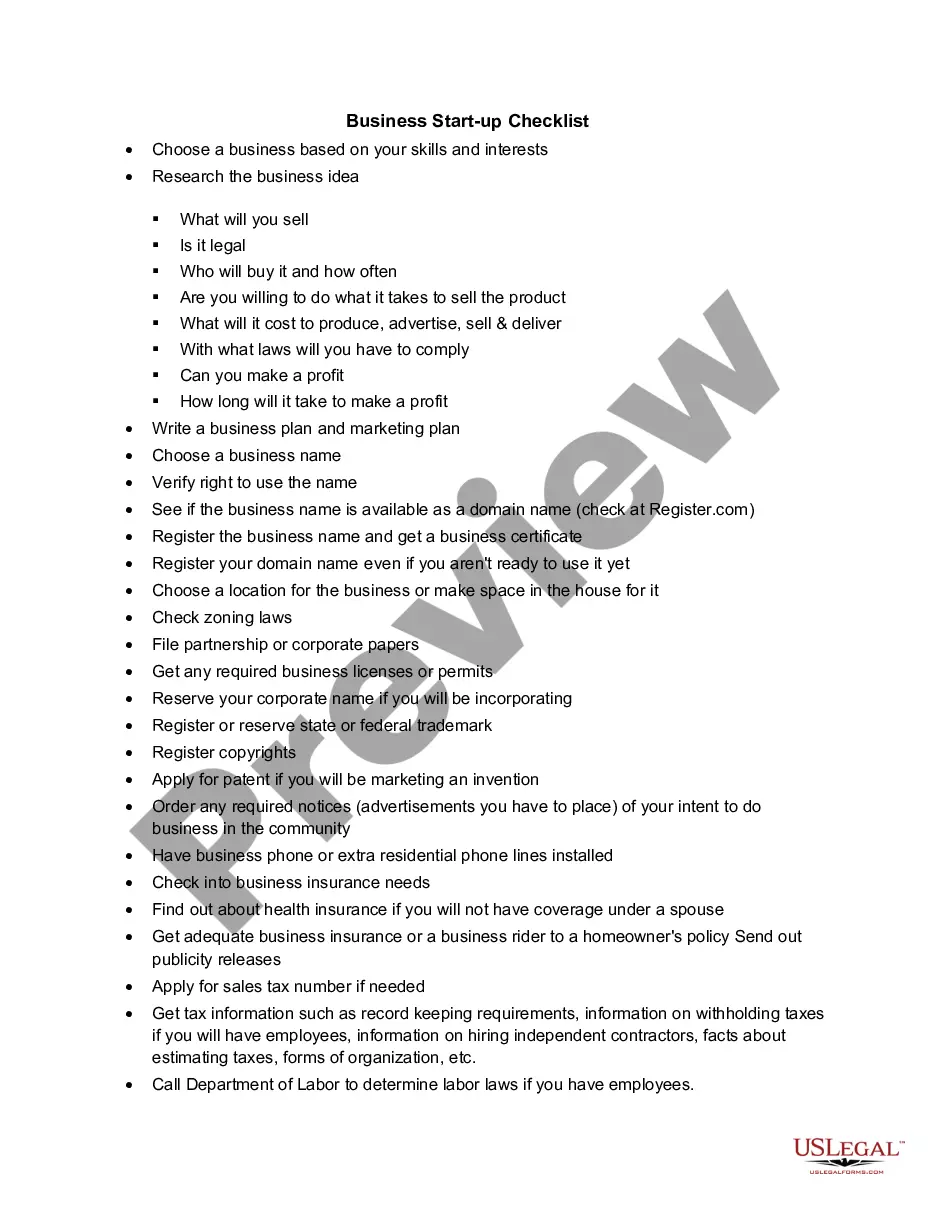
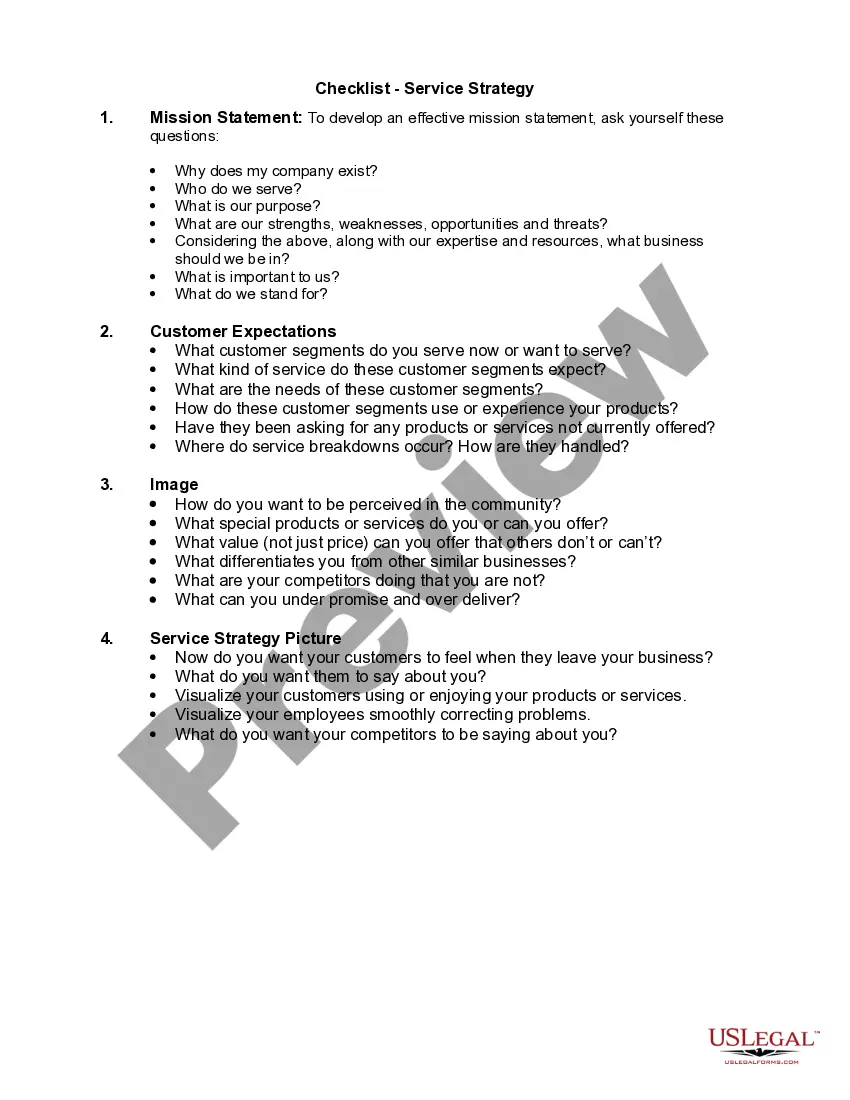
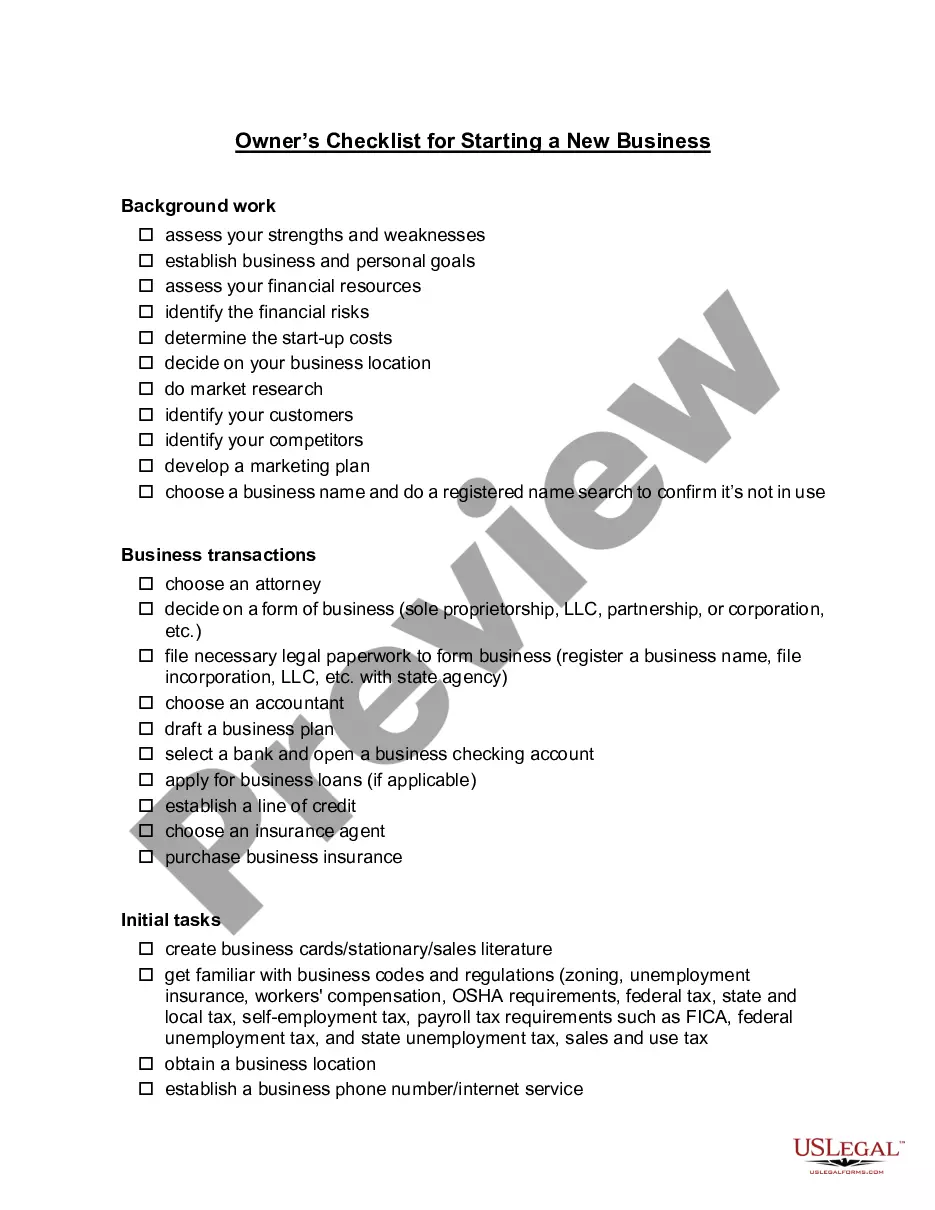
This form, titled "What To Do When Starting a New Business," is a comprehensive guide designed to assist new entrepreneurs in laying the groundwork for their business. It outlines essential steps and considerations before, during, and after the launch of a new business. Unlike similar forms, this document focuses specifically on the strategic planning and legal requirements crucial for establishing a company successfully.
Key components of this form
- Business plan development with cash flow projections
- Selection of management advisers, including an accountant and attorney
- Legal entity selection and registration with authorities
- Preparation of legal documents such as partnership agreements and articles of incorporation
- Acquisition of necessary permits and licenses
- Insurance procurement for various business needs

When this form is needed
This form is useful for individuals or groups planning to start a new business. It should be referred to when drafting a business plan, selecting a legal entity, or determining the necessary legal and regulatory steps needed to successfully launch and operate a business. Use this guide whenever you are in the initial stages of business development to ensure a comprehensive approach.
Who can use this document
- Individual entrepreneurs looking to start their first business
- Business partners forming a new company
- Small business owners seeking guidance on legal requirements
- Start-up founders in need of a structured approach to business planning
Steps to complete this form
- Develop a detailed business plan that outlines your business goals, services, and financial forecasts.
- Select and register the appropriate legal entity for your business, such as a sole proprietorship, partnership, or corporation.
- Prepare required legal documents, including articles of incorporation and partnership agreements.
- Acquire necessary licenses and permits at the federal, state, and local levels.
- Set up a comprehensive insurance policy that covers various business risks.
Does this document require notarization?
Notarization is not commonly needed for this form. However, certain documents or local rules may make it necessary. Our notarization service, powered by Notarize, allows you to finalize it securely online anytime, day or night.
Get your form ready online
Our built-in tools help you complete, sign, share, and store your documents in one place.
Make edits, fill in missing information, and update formatting in US Legal Forms—just like you would in MS Word.
Download a copy, print it, send it by email, or mail it via USPS—whatever works best for your next step.
Sign and collect signatures with our SignNow integration. Send to multiple recipients, set reminders, and more. Go Premium to unlock E-Sign.
If this form requires notarization, complete it online through a secure video call—no need to meet a notary in person or wait for an appointment.
We protect your documents and personal data by following strict security and privacy standards.

Make edits, fill in missing information, and update formatting in US Legal Forms—just like you would in MS Word.

Download a copy, print it, send it by email, or mail it via USPS—whatever works best for your next step.

Sign and collect signatures with our SignNow integration. Send to multiple recipients, set reminders, and more. Go Premium to unlock E-Sign.

If this form requires notarization, complete it online through a secure video call—no need to meet a notary in person or wait for an appointment.

We protect your documents and personal data by following strict security and privacy standards.
Common mistakes to avoid
- Failing to conduct thorough market research before drafting a business plan.
- Neglecting to understand legal obligations or local regulations.
- Overlooking the need for necessary licenses and permits before starting operations.
- Insufficient insurance coverage, leading to financial risk.
Benefits of completing this form online
- Convenient access to detailed information and structured guidance at any time.
- Edit and customize your plan to fit your specific business needs.
- Reliable content drafted by licensed attorneys, ensuring compliance with legal standards.
Legal use & context
- This form serves as a guideline for establishing a business legally.
- Documents provided are enforceable in a court of law when properly completed.
- Users must ensure compliance with state and local regulations.
Key takeaways
- Starting a new business requires careful planning and legal compliance.
- Utilizing a structured approach can enhance your chances of success.
- Understanding local regulations is crucial for legal operation.
Looking for another form?


Form popularity
FAQ
Cash flow is the movement of money into and out of a company. Early on, you may operate with negative cash flow if you are spending more than you are earning each month. This is typical for a startup that is trying to fine-tune their product or service while also spending marketing dollars to acquire new customers.
A Business Idea. Knowledge or Expertise. Market or Demand. Start-up Costs. Capital and Finance. Competition. Location. Staff.
Conduct market research. Market research will tell you if there's an opportunity to turn your idea into a successful business. Write your business plan. Fund your business. Pick your business location. Choose a business structure. Choose your business name. Register your business. Get federal and state tax IDs.
Checking the Company Name Availability. Acquiring a Director Identification Number (DIN) Acquiring a Digital Signature Certificate. Obtaining an Incorporation Certificate. Creating a Company Seal for official documentation. Stamping of all Company Documents. Acquiring a Permanent Account Number (PAN)
DO Have Noble Intentions. DO Show Your Customers Respect. DO Communicate Tactfully. DO Stay Approachable. DO Take Risks. DON'T Waste People's Time. DON'T Ignore People Beneath You. DON'T Think Too Highly of Yourself.
Don't Waste Too Much Time on Your Business Plan. Don't Be Afraid to Pivot. Don't Rush to Be First to Market. Don't Ignore Paperwork. Don't Ask Everyone You Know for Funding. Don't Hurry the Hiring Process.
Personal Wellness. Courses in Other Hobbies. Bookkeeping and Accounting. Consulting. Graphic Design. Social Media Management. Marketing Copywriter. Virtual Assistant Services. Finally, last on our list of the most profitable small businesses: virtual assistant services.
Not Doing a Business Plan. Doing What You Love. Not Doing Any Market Research. Ignoring the Competition. Not Taking Into Account Your Own Strengths and Weaknesses. Not Understanding What You're Actually Selling. Not Making Sure You Have Enough Money. Not Investing in Marketing.
Do #1. Innovatedon't rest on your laurels. Do #2. Ask for outside advice. Do #3. Have a solid plan and measure your progress. Do # 4. Hire the best and keep them engagedit takes more than money. Do #5. Build strong relationships with your key suppliers. Don't #1. Don't #2. Don't #3.