Request for Permission to Reprint Copyrighted Material
Overview of this form
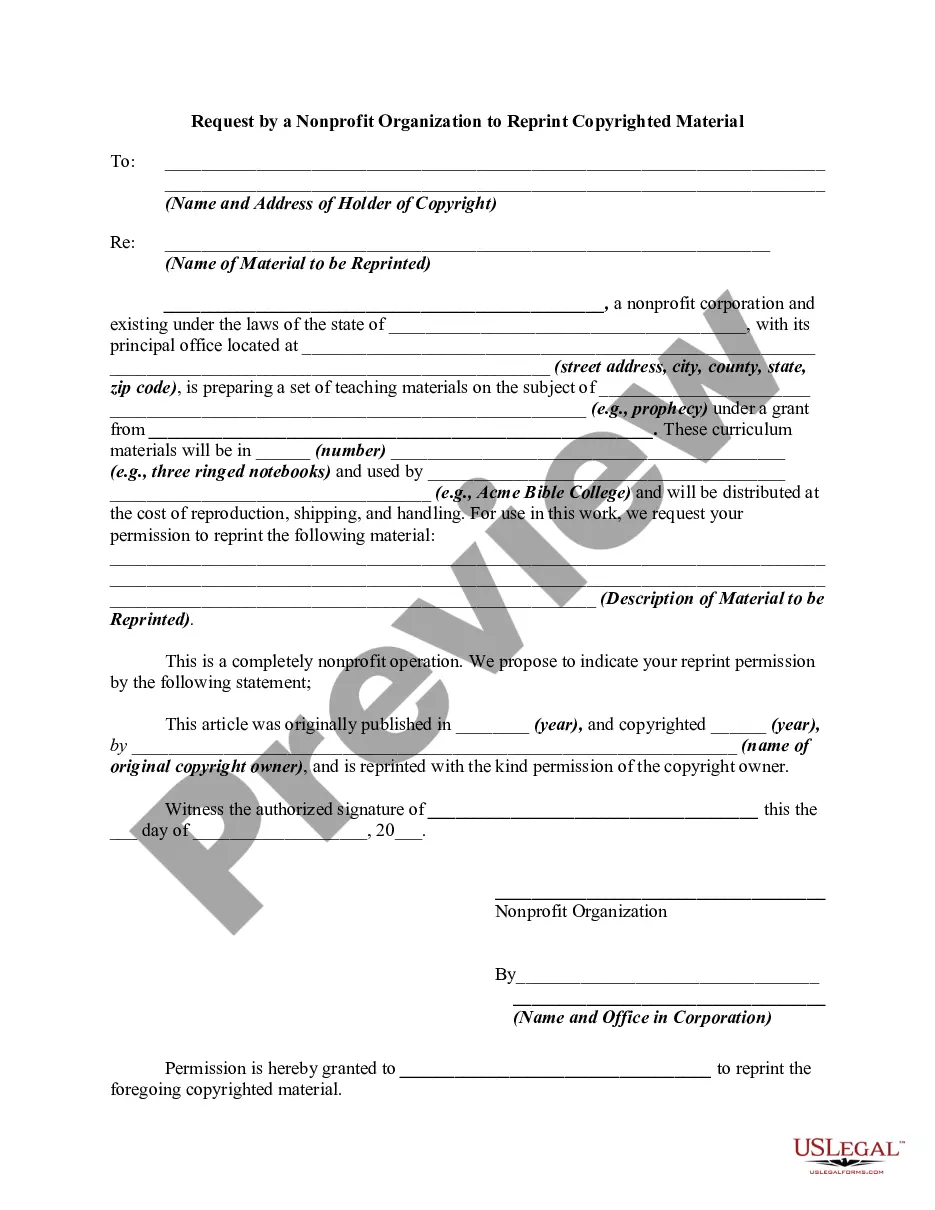
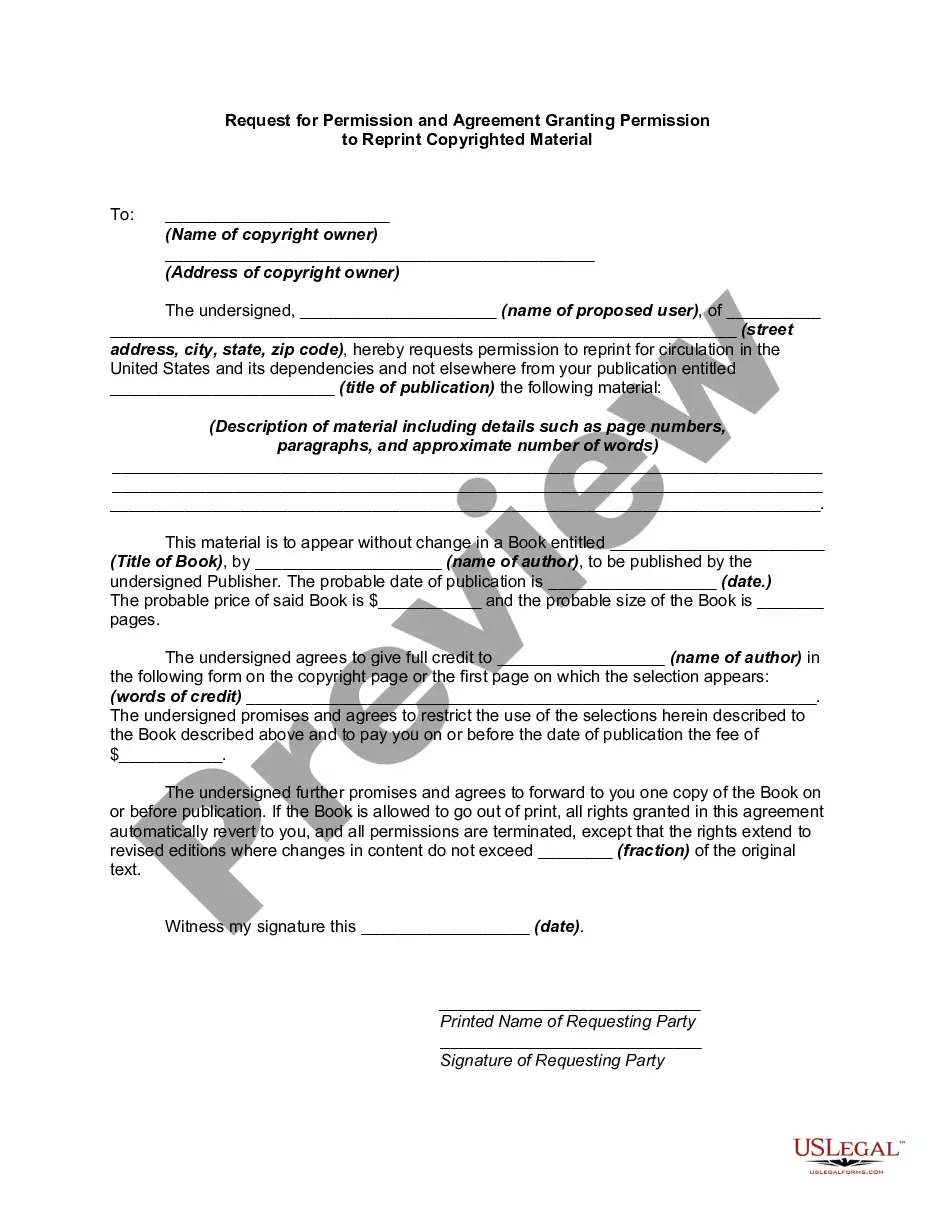
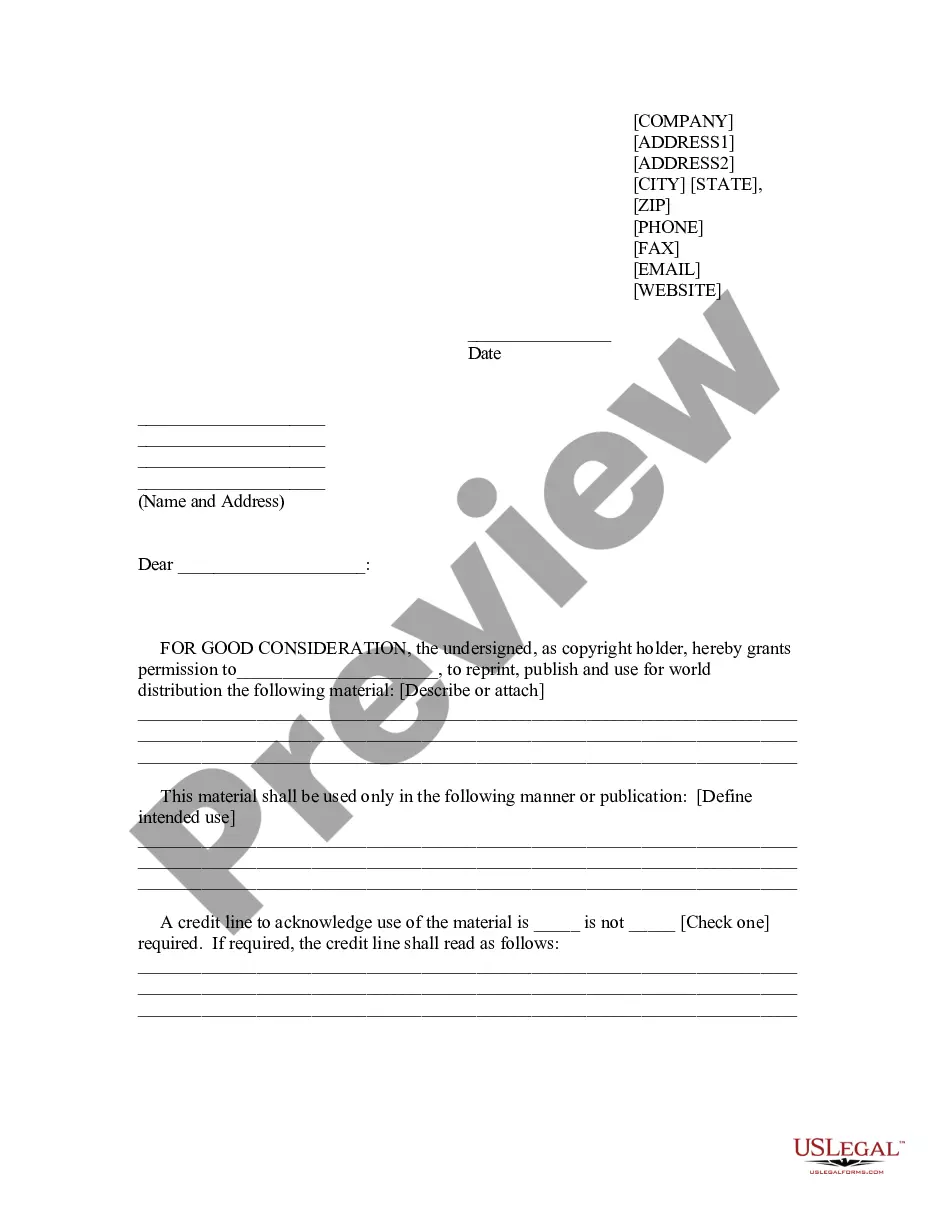
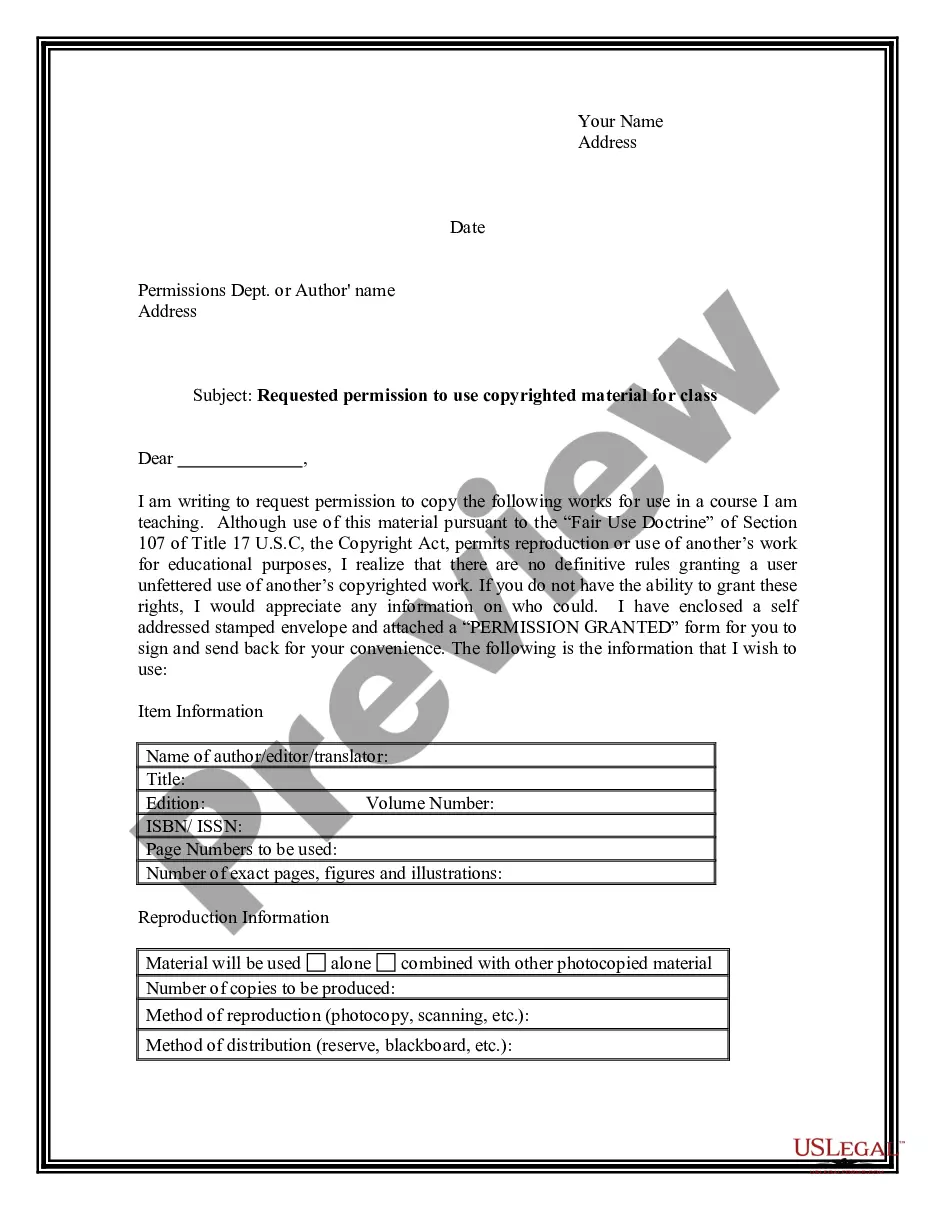
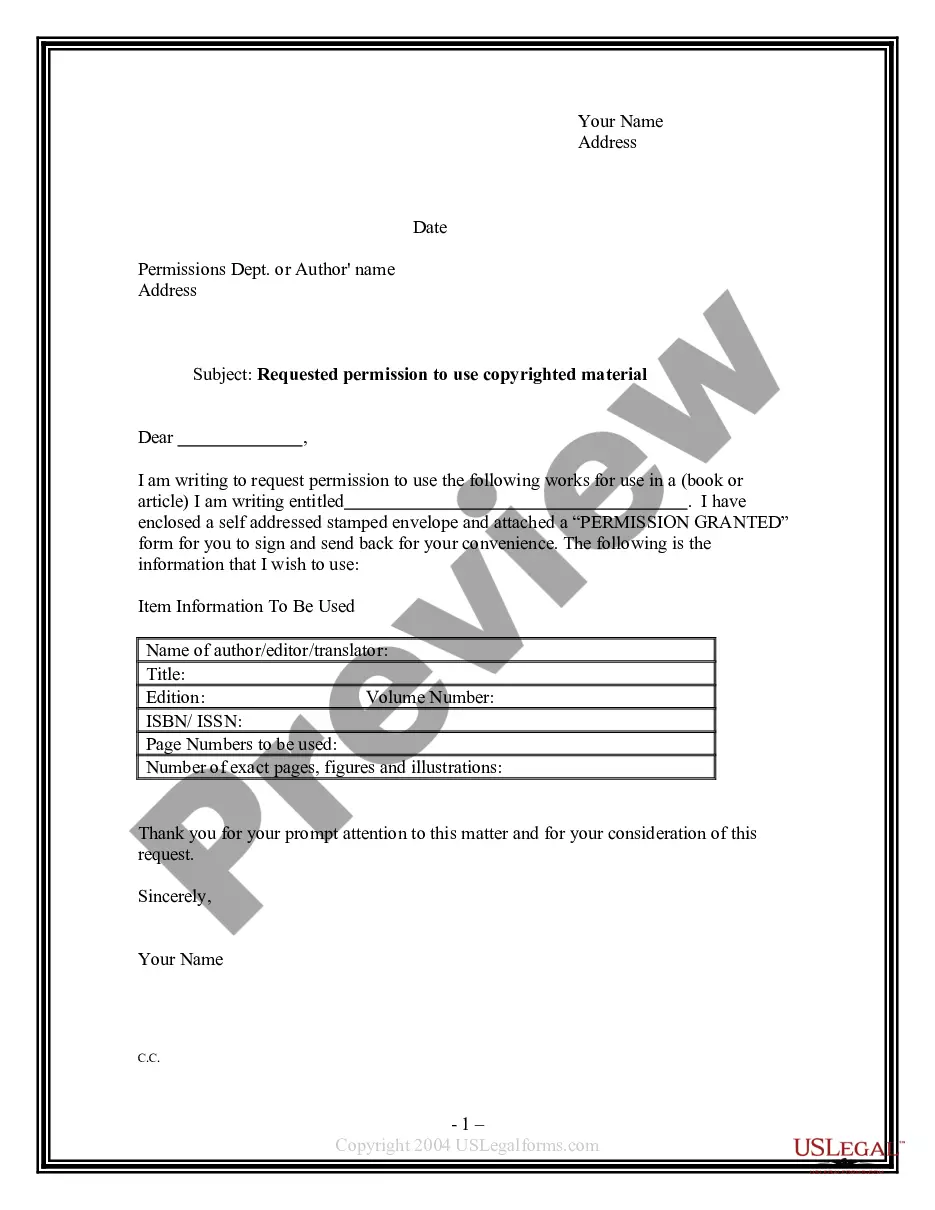
The Request for Permission to Reprint Copyrighted Material form is used to seek authorization from copyright holders to reproduce specific materials. This form is essential for educators, publishers, and organizations wishing to include copyrighted works in teaching materials or publications. Unlike other legal forms related to copyright, this form specifically pertains to obtaining permission for reprinting, which helps protect the rights of original creators while allowing others to utilize their work responsibly.
Key components of this form
- Name and address of the copyright holder
- Description of the material to be reprinted
- Details about the organization requesting permission
- Number of copies intended for distribution
- Proposed acknowledgment statement for the material
- Signatures of both the requester and copyright owner
When this form is needed
This form should be used when an individual or organization intends to reproduce copyrighted materials for educational purposes, publication in teaching materials, or any other context requiring formal permission from the copyright holder. Typical scenarios include creating textbooks, curriculum guides, or educational resources that include quotes, images, or other copyrighted works.
Who can use this document
- Teachers and educators preparing instructional materials
- Publishers producing educational texts or resources
- Organizations developing training or curriculum programs
- Students or researchers needing to include copyrighted material in their work
Steps to complete this form
- Identify and fill in the name and address of the copyright holder.
- Provide a clear description of the material to be reprinted.
- Enter the name of your organization and details related to the educational project.
- Specify the number of copies you plan to distribute and describe how the material will be printed.
- Complete the acknowledgment statement with any preferred changes.
- Sign and date the form, and ensure the copyright holder does as well, granting permission.
Notarization requirements for this form
Notarization is generally not required for this form. However, certain states or situations might demand it. You can complete notarization online through US Legal Forms, powered by Notarize, using a verified video call available anytime.
Get your form ready online
Our built-in tools help you complete, sign, share, and store your documents in one place.
Make edits, fill in missing information, and update formatting in US Legal Forms—just like you would in MS Word.
Download a copy, print it, send it by email, or mail it via USPS—whatever works best for your next step.
Sign and collect signatures with our SignNow integration. Send to multiple recipients, set reminders, and more. Go Premium to unlock E-Sign.
If this form requires notarization, complete it online through a secure video call—no need to meet a notary in person or wait for an appointment.
We protect your documents and personal data by following strict security and privacy standards.

Make edits, fill in missing information, and update formatting in US Legal Forms—just like you would in MS Word.

Download a copy, print it, send it by email, or mail it via USPS—whatever works best for your next step.

Sign and collect signatures with our SignNow integration. Send to multiple recipients, set reminders, and more. Go Premium to unlock E-Sign.

If this form requires notarization, complete it online through a secure video call—no need to meet a notary in person or wait for an appointment.

We protect your documents and personal data by following strict security and privacy standards.
Common mistakes to avoid
- Failing to provide complete details about the material to be reprinted.
- Not including all necessary parties' signatures.
- Leaving out the acknowledgment statement or not following the preferred language.
- Not checking the copyright status of the material before requesting permission.
Benefits of using this form online
- Quick access to a legally vetted template drafted by licensed attorneys.
- Easy to download and fill out digitally for increased convenience.
- Editability allows for customization to fit specific needs before submission.
- Peace of mind from using a reliable and up-to-date legal document.
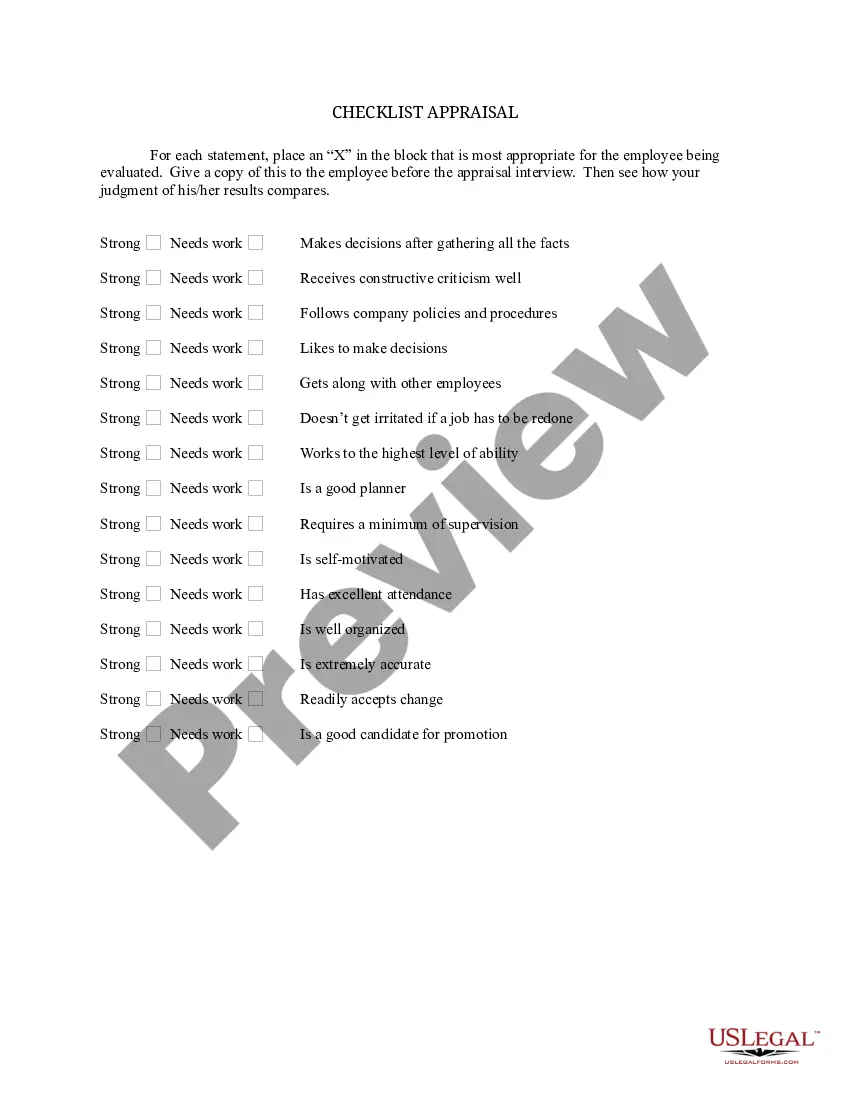
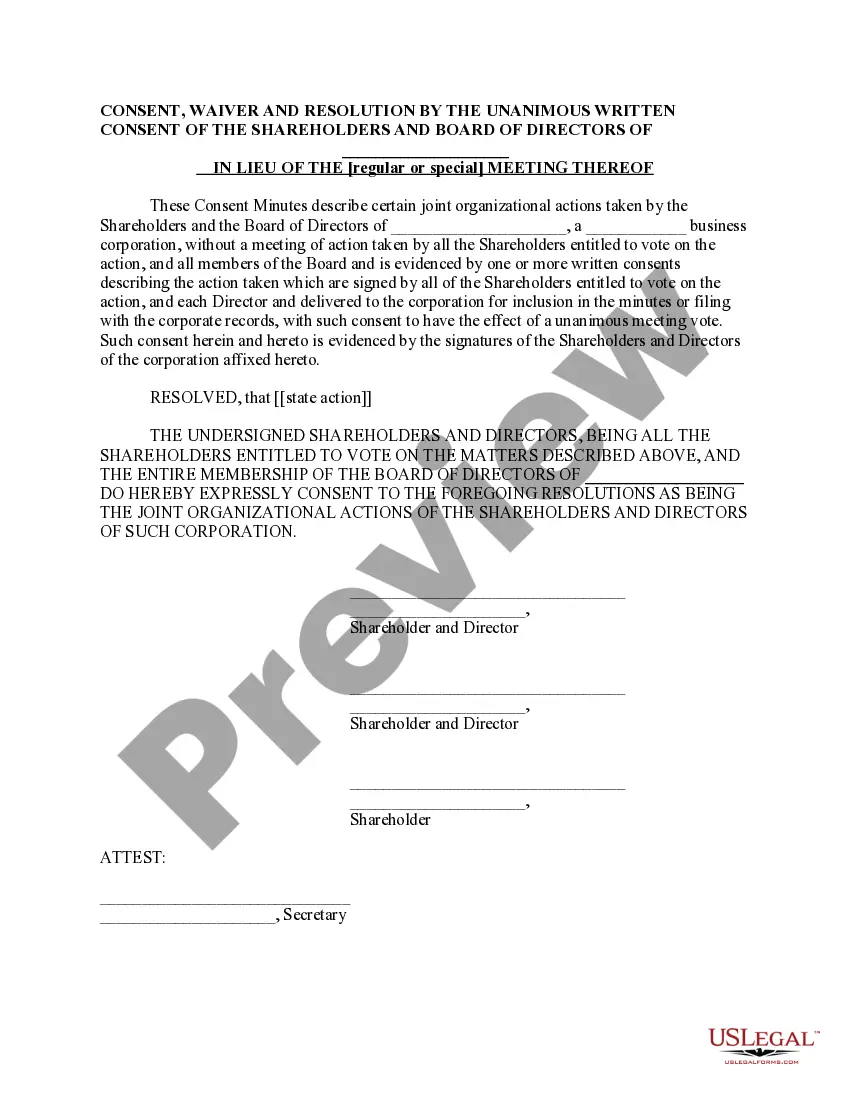
Looking for another form?
Form popularity
FAQ
Fair use allows limited use of copyrighted material without permission from the copyright holder for purposes such as criticism, parody, news reporting, research and scholarship, and teaching. There are four factors to consider when determining whether your use is a fair one.
Generally speaking, a copyrighted work may not be duplicated, disseminated, or appropriated by others without the creator's permission. The public display or performance of copyrighted works is similarly restricted.
Be sure to include your return address, telephone and fax numbers, and date at the top of your letter. Verify the exact name and address of the addressee. Clearly state the name of your university and your dissertation's title. Describe the proposed use of the copyrighted material.
The author of a copyrighted work can prevent others from copying, performing, or using the work without his or her consent. A third party wishing to reprint all or any part of a copyrighted work must first obtain the permission of the copyright holder. Failure to do so could result in a lawsuit and substantial fines.
Acknowledge the source of your copyright when you are citing a copyrighted work under the fair-use application. In your citation, you should include the title of the work, the name of the author, the date of its publication, and the source.
Determine if permission is needed. Identify the owner. Identify the rights needed. Contact the owner and negotiate whether payment is required. Get your permission agreement in writing.
Obtaining copyright permission is the process of getting consent from a copyright owner to use the owner's creative material. Obtaining permission is often called licensing; when you have permission, you have a license to use the work.Infringing someone else's copyright may subject you to legal action.
The Copyright Office cannot grant permission to use copyrighted works. In many situations, securing permission is the most certain way to ensure an intended use is not an infringement of the copyright owner's rights.
Giving credit means you can look at yourself in the mirror and say you are not a plagiarist. However, merely giving credit is not a defense to copyright infringement which, unlike plagiarism, has legal, not ethical, consequences. Copyright infringement is the unauthorized use of someone else's copyrighted material.