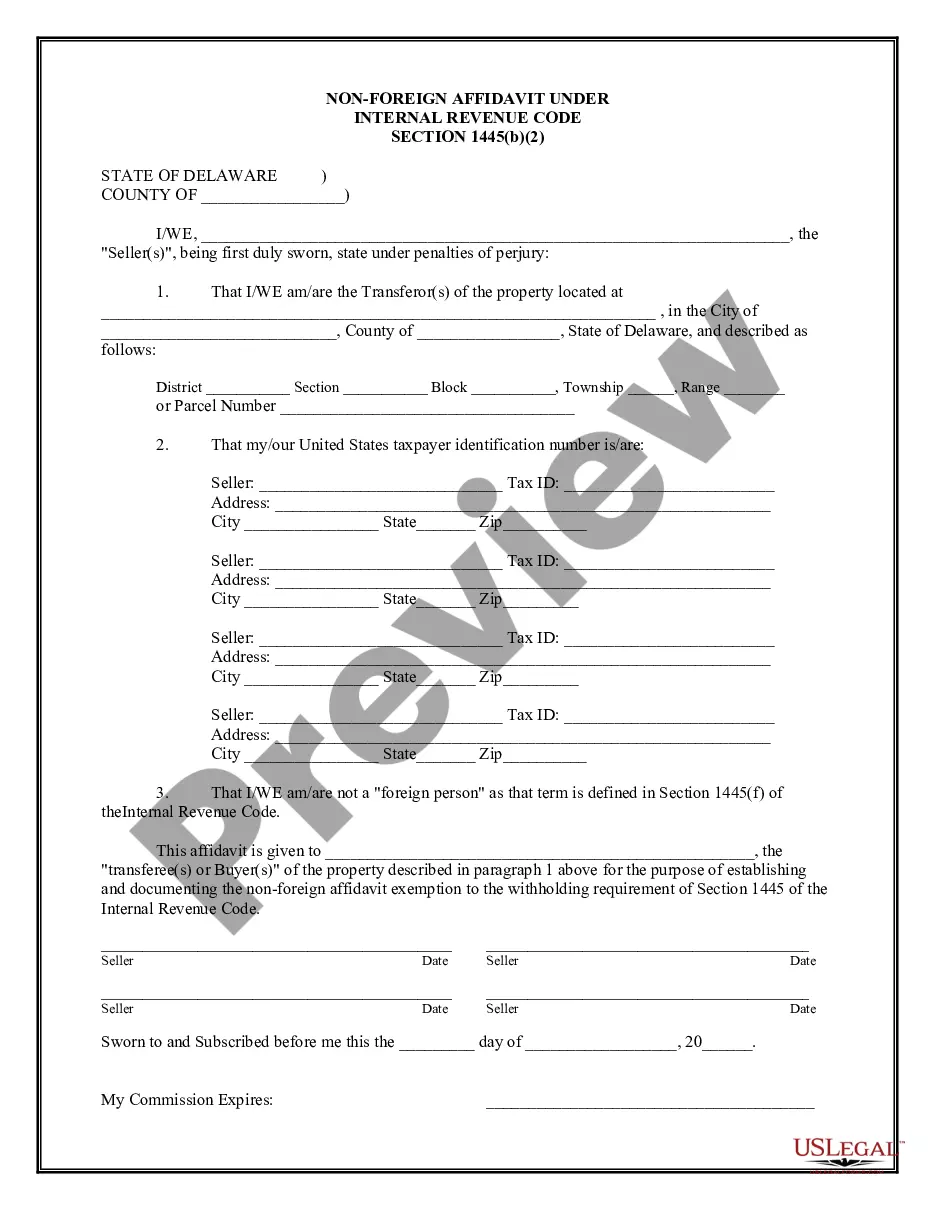
Invention Nonexclusive License Agreement
About this form
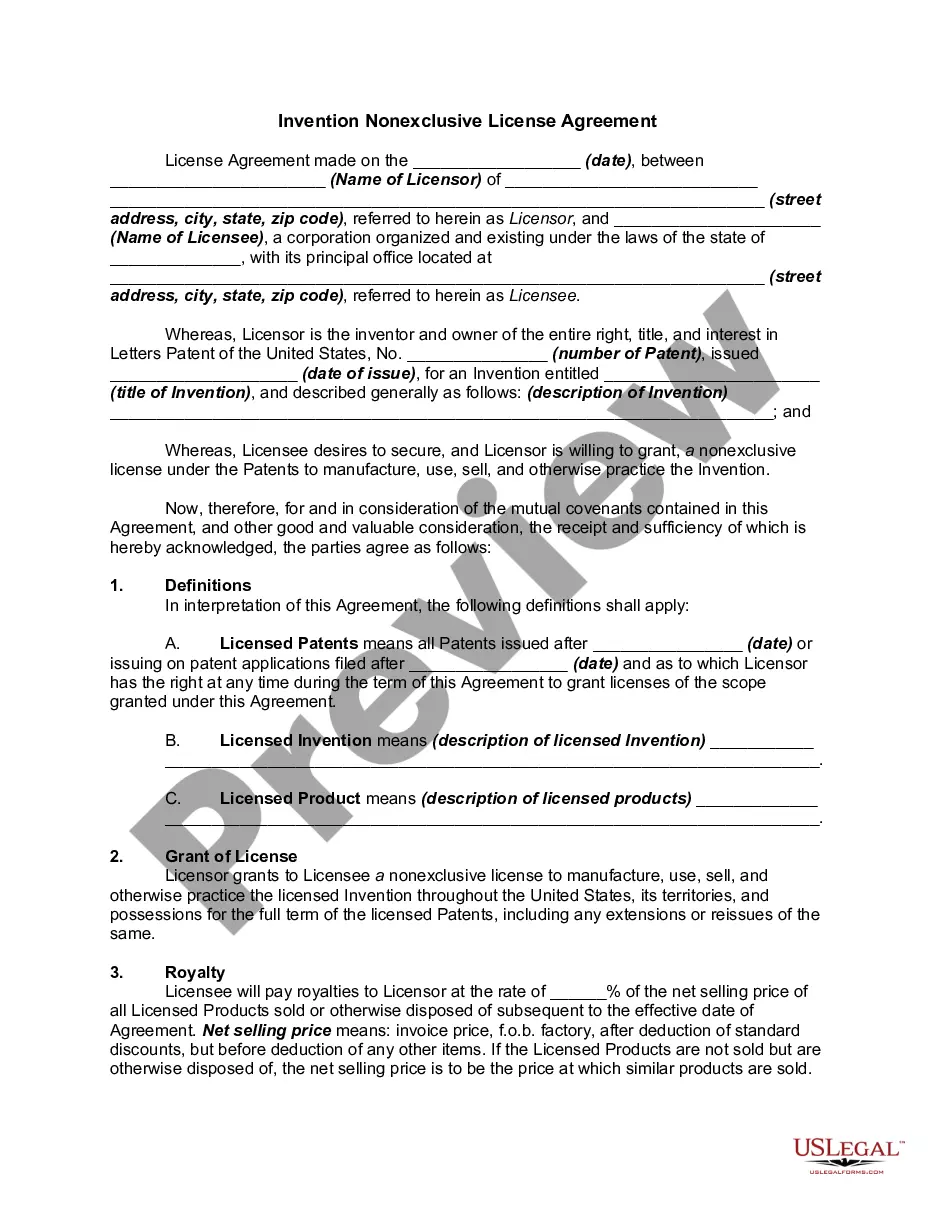
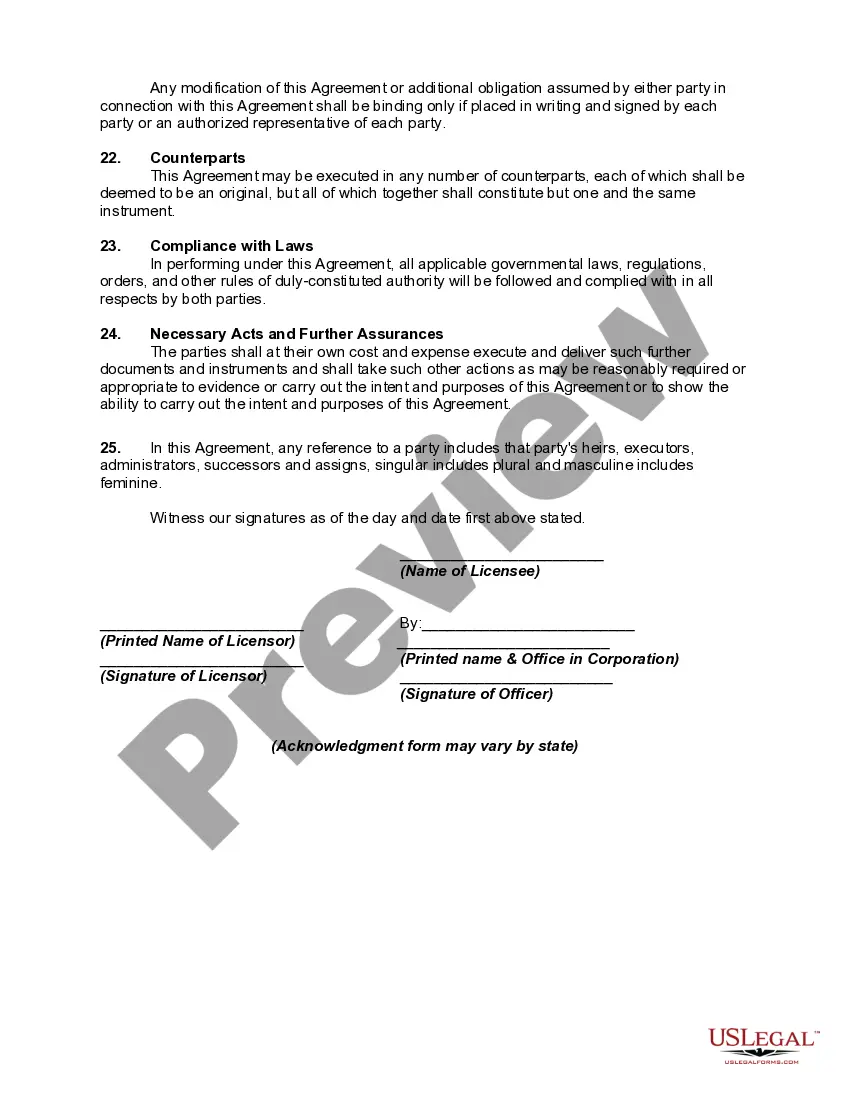
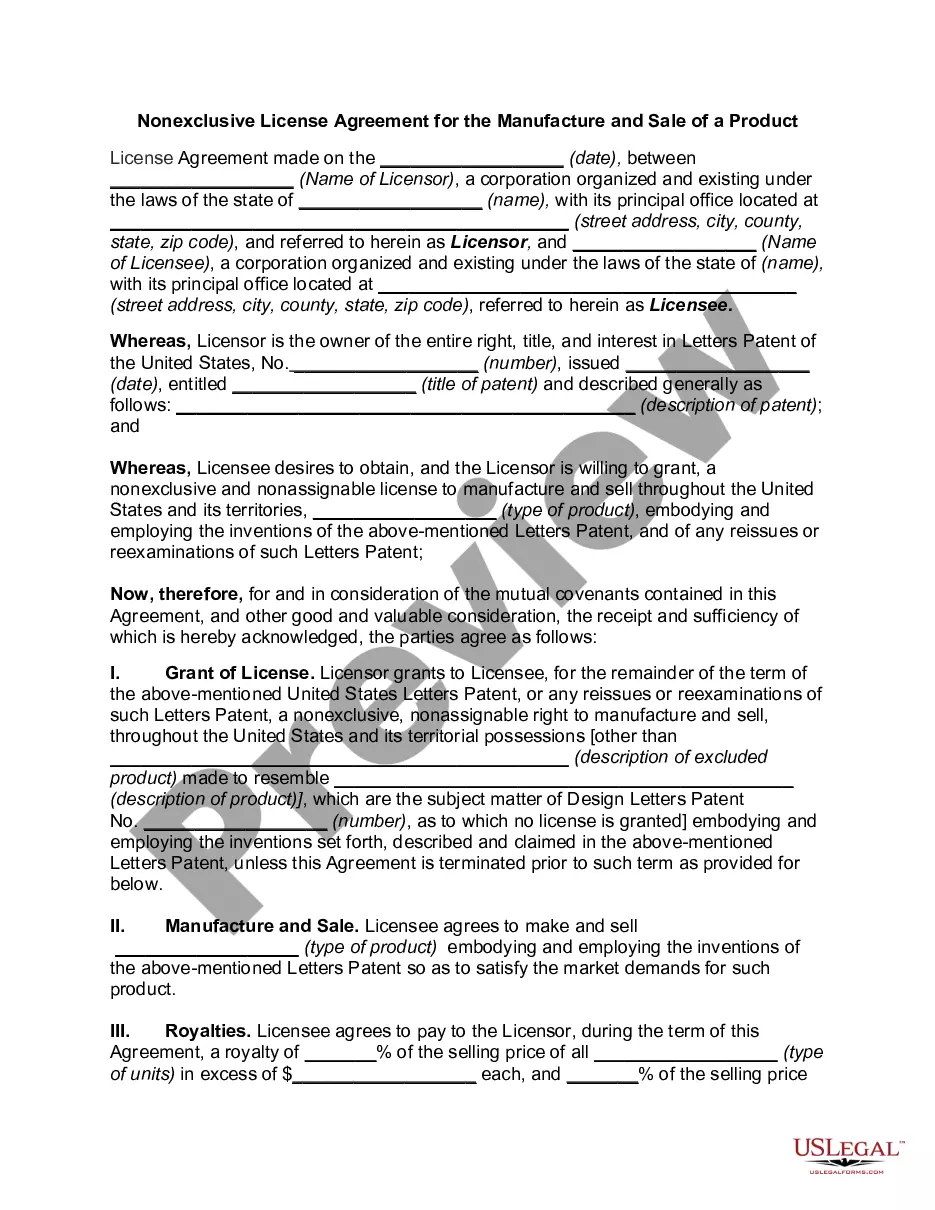
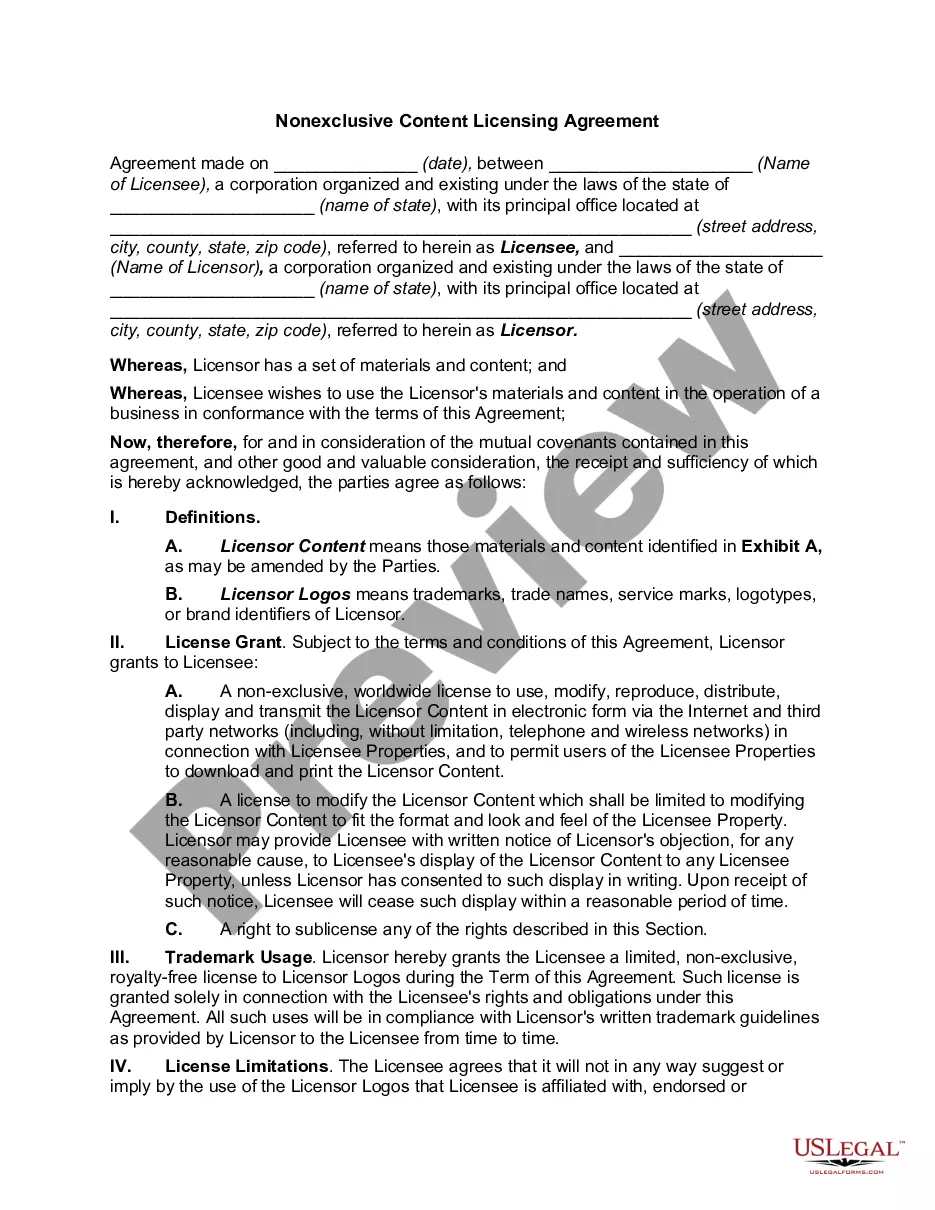
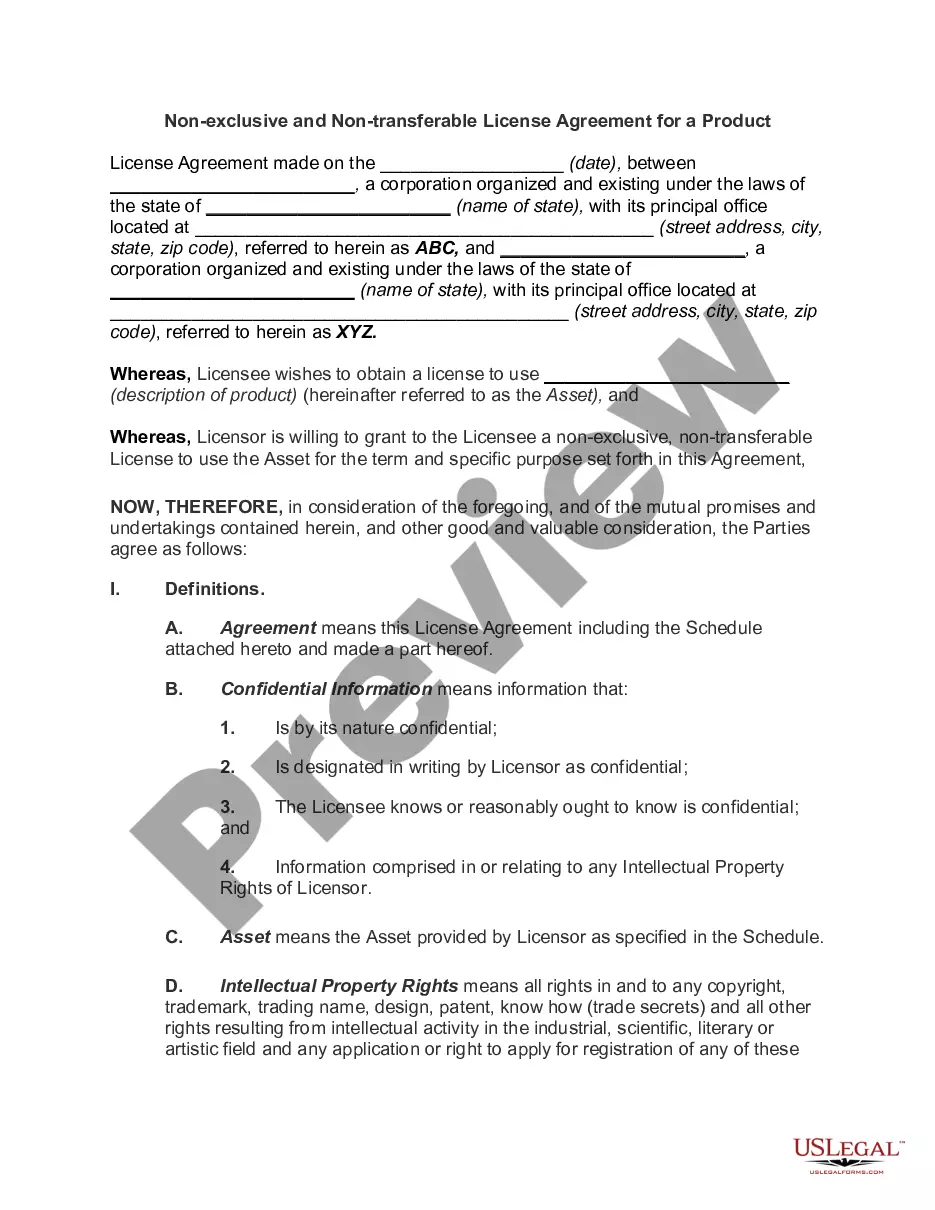
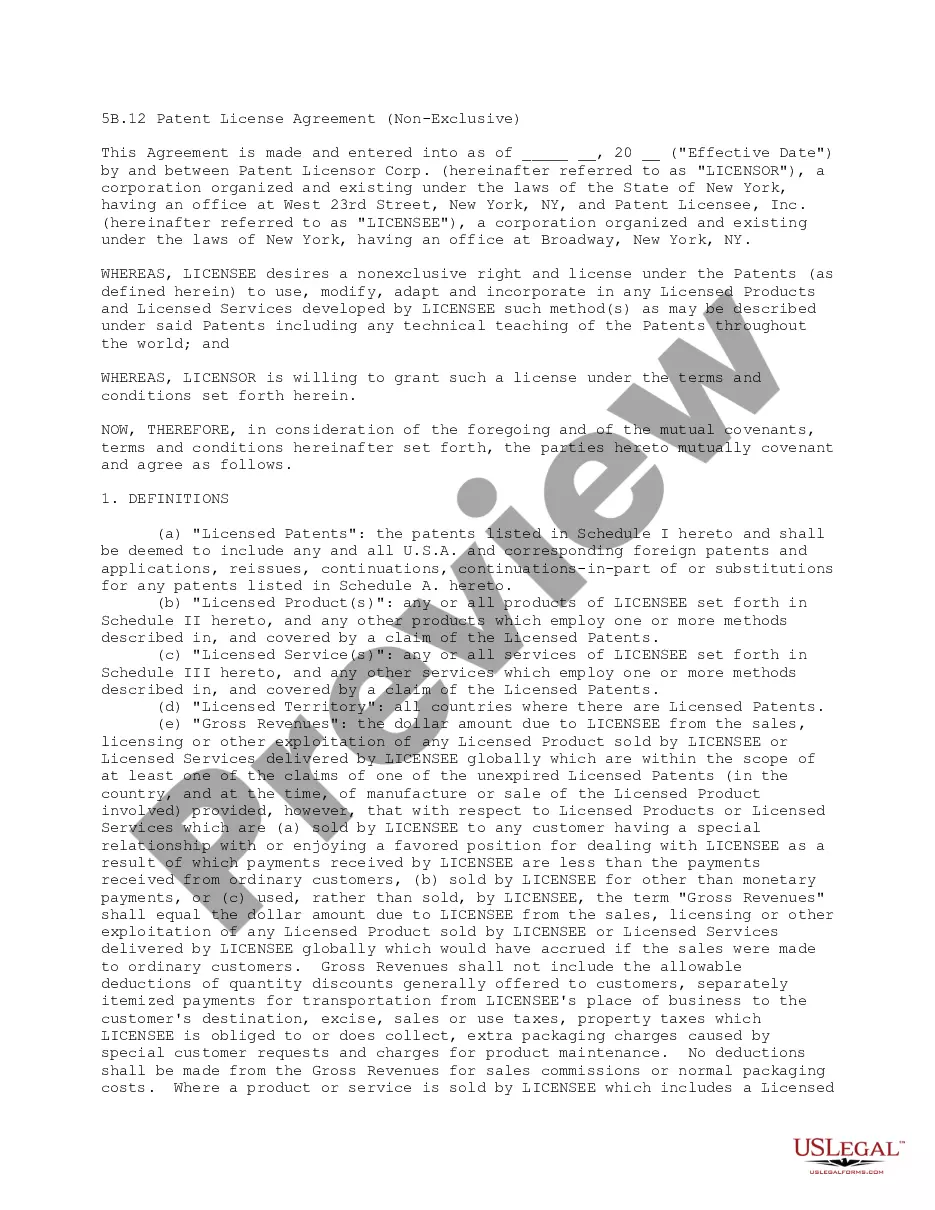
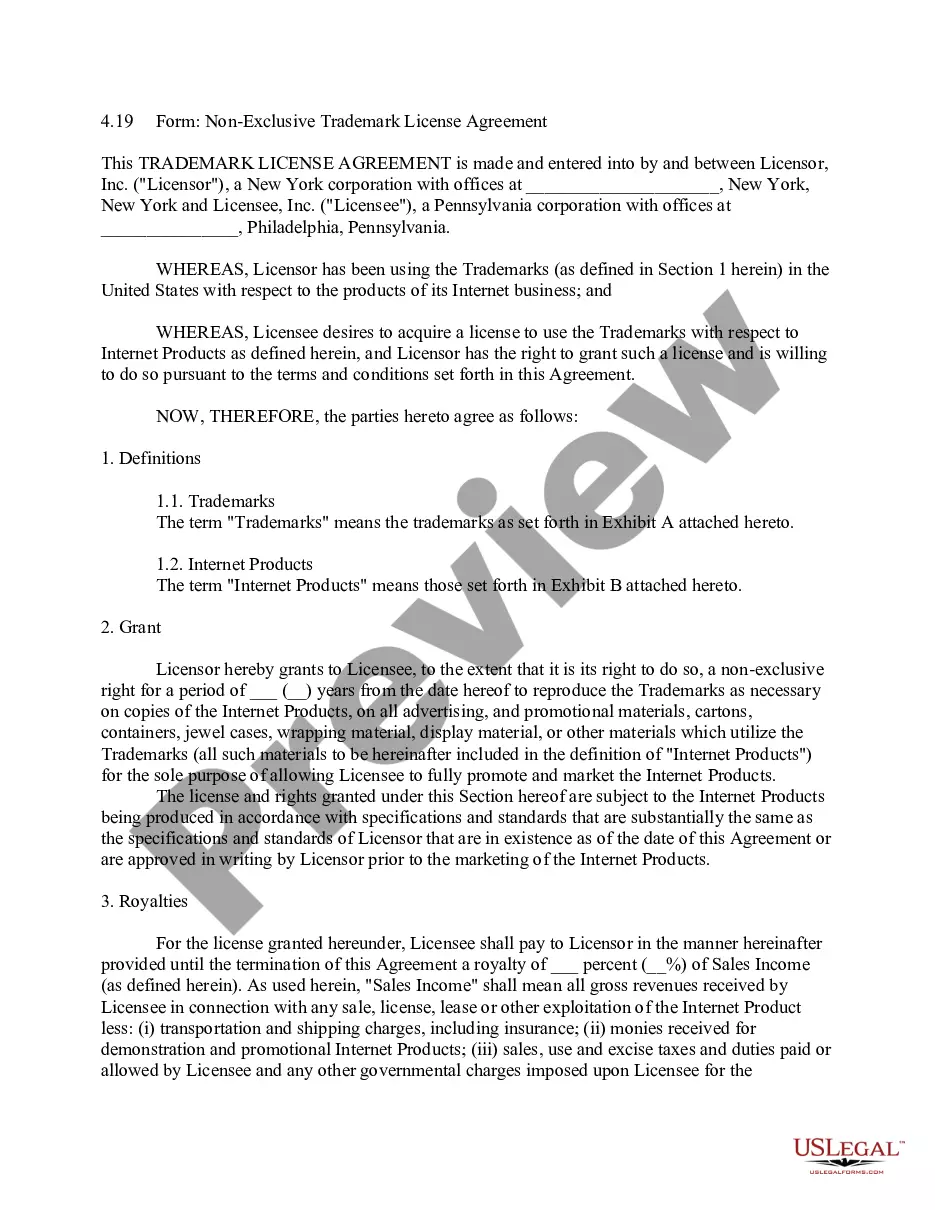
The Invention Nonexclusive License Agreement is a legal document that grants permission for one party (the licensee) to make, use, and sell a patented invention without exclusive rights. Unlike an exclusive license, a nonexclusive license allows multiple licensees to operate under the same patent. This agreement helps protect the inventor's rights while permitting others to utilize their invention, thereby facilitating innovation and commercialization.
Key components of this form
- Identification of the parties involved (Licensor and Licensee).
- Description of the patented invention and its related patents.
- Details regarding the nonexclusive license grant.
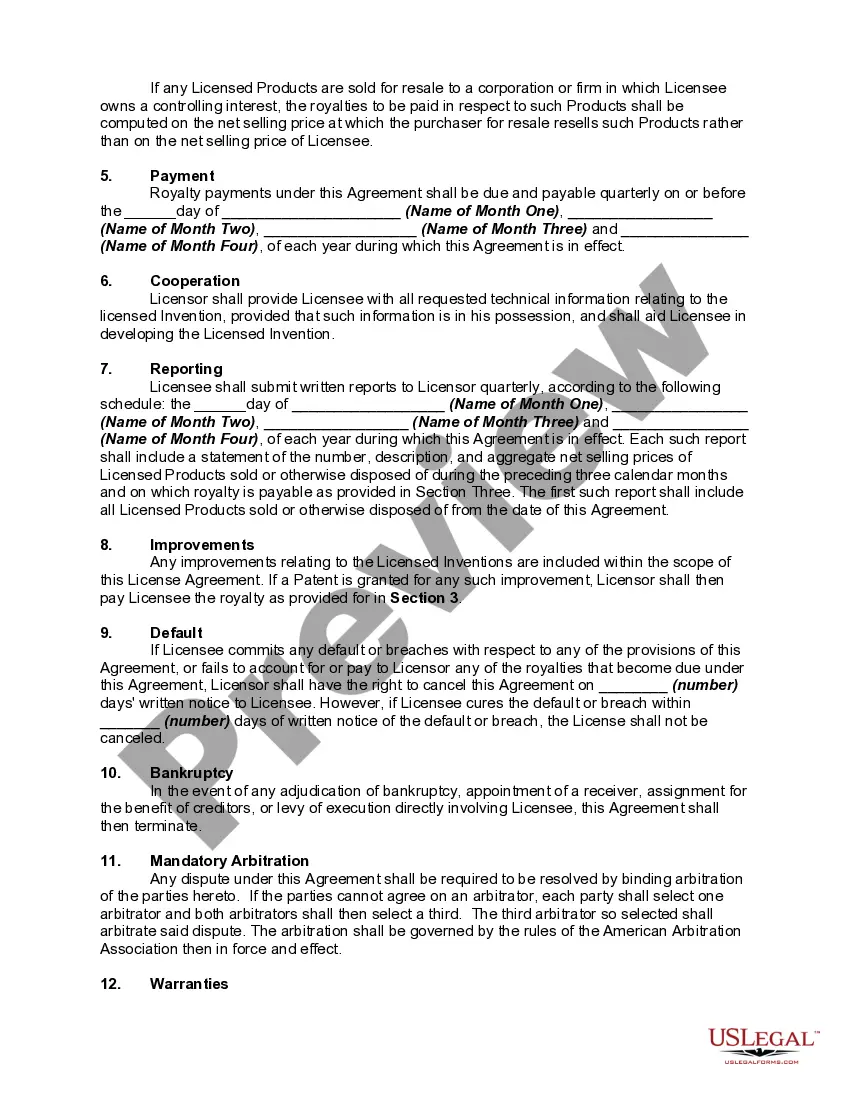
- Royalty payment terms including percentages and payment schedules.
- Cooperation requirements for support and technical information.
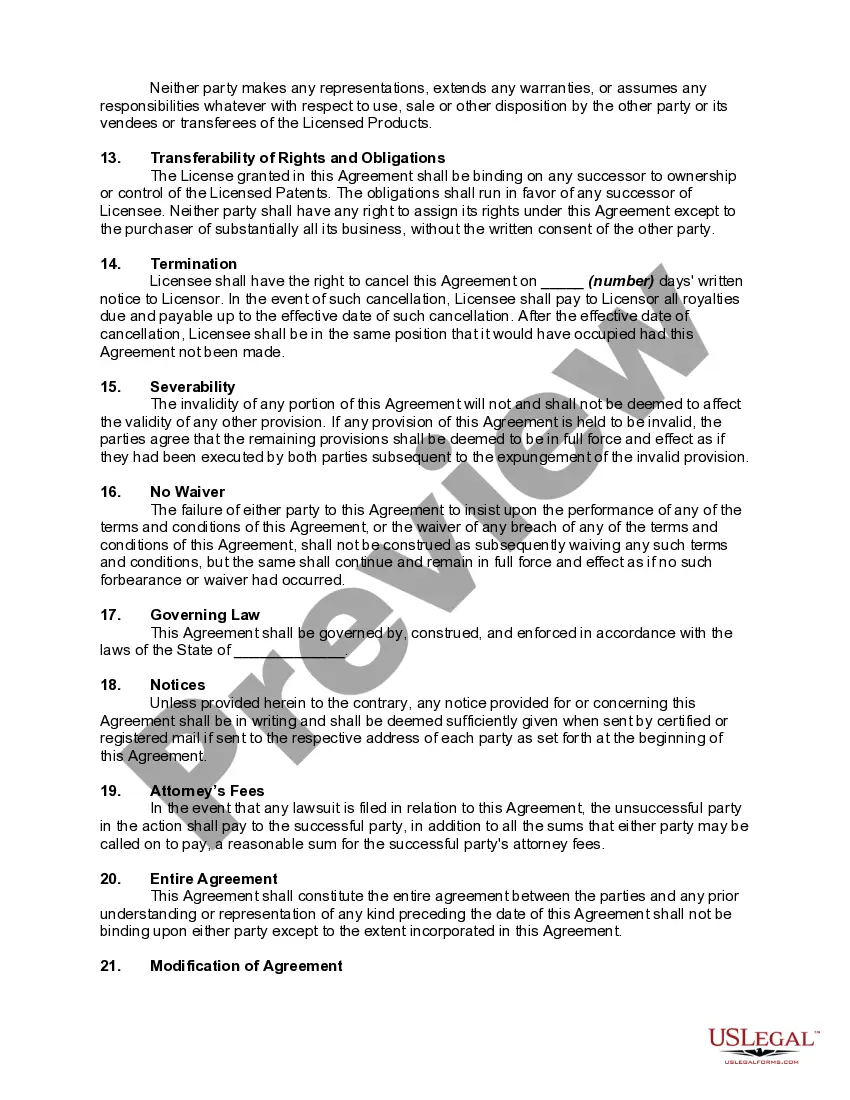
- Conditions for breach, termination, and arbitration procedures.
When this form is needed
This form is useful when an inventor or patent holder wishes to allow another party to use their invention without granting them exclusive rights. It is commonly used in situations where the inventor seeks to monetize their patent while retaining the ability to license it to other parties or when developing partnerships with businesses that can further commercialize the invention.
Who should use this form
- Inventors who own a patent and want to license it to others.
- Businesses looking to utilize patented technology without exclusivity.
- Legal representatives of parties who engage in licensing agreements.
- Startups or corporations interested in leveraging patented inventions for competitive advantage.
Instructions for completing this form
- Identify and enter the names and addresses of both the Licensor and Licensee.
- Specify the date of the agreement and the patent number involved.
- Describe the licensed invention thoroughly.
- Clearly state the percentage of royalties to be paid and the schedule for royalty payments.
- Include any necessary clauses related to cooperation, reporting, and improvements.
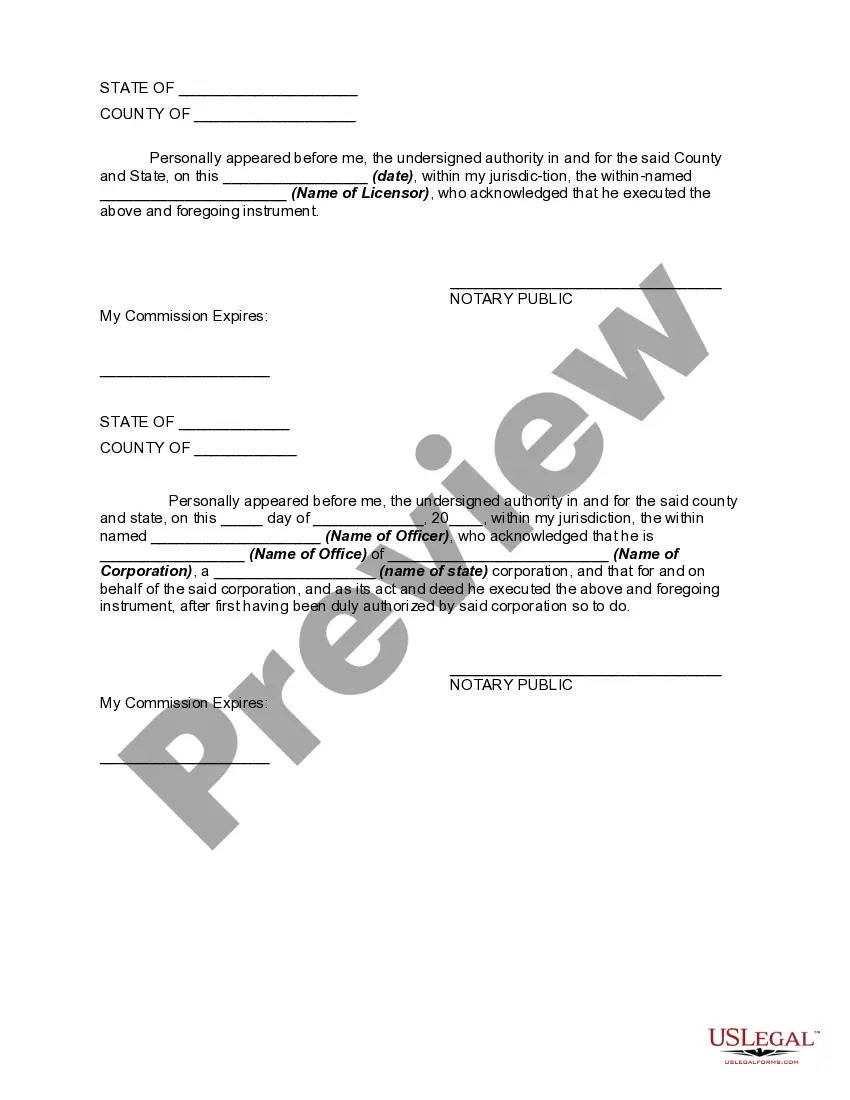
- Ensure signatures from authorized representatives and complete any required notarization.
Notarization requirements for this form
To make this form legally binding, it must be notarized. Our online notarization service, powered by Notarize, lets you verify and sign documents remotely through an encrypted video session.
Get your form ready online
Our built-in tools help you complete, sign, share, and store your documents in one place.
Make edits, fill in missing information, and update formatting in US Legal Forms—just like you would in MS Word.
Download a copy, print it, send it by email, or mail it via USPS—whatever works best for your next step.
Sign and collect signatures with our SignNow integration. Send to multiple recipients, set reminders, and more. Go Premium to unlock E-Sign.
If this form requires notarization, complete it online through a secure video call—no need to meet a notary in person or wait for an appointment.
We protect your documents and personal data by following strict security and privacy standards.

Make edits, fill in missing information, and update formatting in US Legal Forms—just like you would in MS Word.

Download a copy, print it, send it by email, or mail it via USPS—whatever works best for your next step.

Sign and collect signatures with our SignNow integration. Send to multiple recipients, set reminders, and more. Go Premium to unlock E-Sign.

If this form requires notarization, complete it online through a secure video call—no need to meet a notary in person or wait for an appointment.

We protect your documents and personal data by following strict security and privacy standards.
Common mistakes to avoid
- Failing to provide a clear description of the licensed invention.
- Not specifying the exact royalty rate or payment terms.
- Omitting signatures from both parties or their authorized representatives.
- Neglecting to include necessary clauses about breach and termination.
Why complete this form online
- Convenient access to templates without needing to visit a law firm.
- Editable fields allow customization to fit specific licensing needs.
- Reliable and legally sound forms drafted by licensed attorneys.
- Immediate download, enabling faster execution of agreements.
Legal use & context
- This agreement is legally binding once executed by both parties.
- It is advisable for both parties to consult legal counsel before finalizing the agreement to ensure understanding and compliance with patent laws.
- The agreement should clearly define the rights and obligations of each party to reduce the risk of disputes.
Quick recap
- A nonexclusive license permits multiple parties to use a patented invention while the patent owner retains their rights.
- It is crucial to clearly outline the terms of the licensing agreement to prevent future disputes.
- Consult legal professionals when necessary to ensure compliance with all legal requirements.
Looking for another form?










Form popularity
FAQ
Download a template for a licensing agreement. Choose your role as the licensor or licensee. Define the license(s) in the agreement. Decide whether the license is exclusive or not. Settle the matter of fees and payment schedule. Add a renewal date and rules.
A license agreement is a business contract between two parties. The licensor (the seller of the license) owns the asset being licensed and the licensee (the buyer) pays for the right to use the license. The licensee pays royalties to the owner in exchange for the right to sell the product or use the technology.
Licensing a patent simply means that the patent owner grants permission to another individual/organization to make, use, sell etc. his/her patented invention.Unlike selling or transferring a patent to another party, the licensor continue to have property rights over the patented invention.
An exclusive license agreement covers a license that is limited to a specific field or subject, such as a market, territory, length of time, or context.The licensor can issue an unlimited number of licenses that have different rights within the same field, or licenses with the same rights in a different field.
Locate Manufacturers. Identify potential licensees. Sign a Confidentiality Agreement. Ask potential licensees to sign a confidentiality agreement to protect rights to your intellectual property. Negotiate Patent License. Complete a Patent License Agreement.
Exclusive or non-exclusive. In an exclusive license, the intellectual property holder is licensing the work only to one person, for that particular use/territory. Territory. Use. Attribution. Derivative works. Confidentiality. Time frame. Termination.
An example of a licensing agreement is a contract between the copyright holders of software and another company, allowing the latter to use the computer software for their daily business operations.
The 3 P's of collegiate licensing are protection, promotion, and profit.
An example of a licensing agreement is a contract between the copyright holders of software and another company, allowing the latter to use the computer software for their daily business operations.